

Ceramic cookware is generally safe for cooking, provided it is free from toxic materials like lead and cadmium. Always check for quality certifications to ensure safety.
Ceramic cookware has gained popularity in modern kitchens for its aesthetic appeal and non-stick properties. Made from natural materials, it offers a healthier alternative to traditional non-stick options. Unlike some cookware, high-quality ceramic does not release harmful chemicals into food.
This makes it a favorite among health-conscious cooks. Many ceramic cookware brands are designed to withstand high temperatures, allowing for versatile cooking methods. However, not all ceramic products are created equal, so it’s essential to research and choose reputable brands. Understanding the benefits and potential risks can help you make informed decisions for your kitchen needs.
Introduction To Ceramic Cookware
Ceramic cookware has gained popularity in recent years. Many people prefer it for its safety and versatility. This cookware is made from natural materials. It offers a non-stick surface without harmful chemicals. Understanding its rise and types helps in making informed choices.
The Rise Of Ceramic Cookware
Consumers are becoming more health-conscious. This shift has led to the popularity of ceramic cookware. Here are some reasons for its rise:
- Health Benefits: No toxic chemicals like PFOA or PTFE.
- Eco-Friendly: Made from sustainable materials.
- Versatile Use: Safe for stovetops and ovens.
- Colorful Designs: Available in various colors and styles.
More families are choosing ceramic for everyday cooking. This trend shows a commitment to healthier living.
Composition And Types
Ceramic cookware is made from clay and minerals. It undergoes high-temperature firing for durability. Here are common types of ceramic cookware:
| Type | Description | Best Uses |
|---|---|---|
| Non-Stick Ceramic | Coated with a ceramic layer for easy cooking. | Frying and sautéing. |
| Pure Ceramic | Made entirely of ceramic material. | Baking and roasting. |
| Stoneware | Thicker and heavier for even heating. | Casseroles and slow cooking. |
Choosing the right type matters for your cooking style. Each type offers unique benefits and features.
The Appeal Of Ceramic Cookware
Ceramic cookware has gained popularity for many reasons. Its unique features attract both novice and expert chefs. This cookware offers a blend of safety, style, and performance.
Non-stick Surface Benefits
The non-stick surface of ceramic cookware is a game-changer. Here are some key benefits:
- Easy Food Release: Food slides off effortlessly.
- Less Oil Required: Use less oil for healthier meals.
- Simple Cleaning: Cleanup is quick and hassle-free.
- Reduced Sticking: No more burnt food stuck to pans.
Many enjoy cooking without worrying about food residue. This feature makes cooking more enjoyable.
Aesthetic And Functional Design
Ceramic cookware stands out with its beautiful design. It comes in various colors and patterns. Here are some appealing aspects:
| Feature | Description |
|---|---|
| Colors | Available in vibrant and trendy colors. |
| Patterns | Different designs to match any kitchen decor. |
| Durability | Resistant to scratches and chips. |
The combination of beauty and functionality makes ceramic cookware a favorite. It fits well in any kitchen setting.
Health Concerns And Safety
Many people wonder about the safety of ceramic cookware. It’s important to understand potential health risks. Some concerns focus on materials used in production. Others highlight how cookware affects food quality.
Lead And Cadmium Exposure
Lead and cadmium are toxic metals found in some ceramic cookware. They can leach into food, especially if the cookware is damaged or old.
- Lead can affect brain development in children.
- Cadmium can harm kidneys and bones.
Check the labeling of ceramic cookware. Look for products labeled as lead-free and cadmium-free.
Consider using newer brands. They often test their products for safety. This reduces the risk of exposure to these harmful metals.
Safety Certifications To Look For
Not all ceramic cookware is created equal. Look for safety certifications to ensure quality.
| Certification | Description |
|---|---|
| FDA Approved | Meets safety standards set by the Food and Drug Administration. |
| PTFE-Free | Does not contain polytetrafluoroethylene, a potentially harmful substance. |
| ISO Certified | Adheres to international safety and quality standards. |
Always read product labels carefully. Choose ceramic cookware with recognized safety certifications. This helps ensure a safer cooking experience.
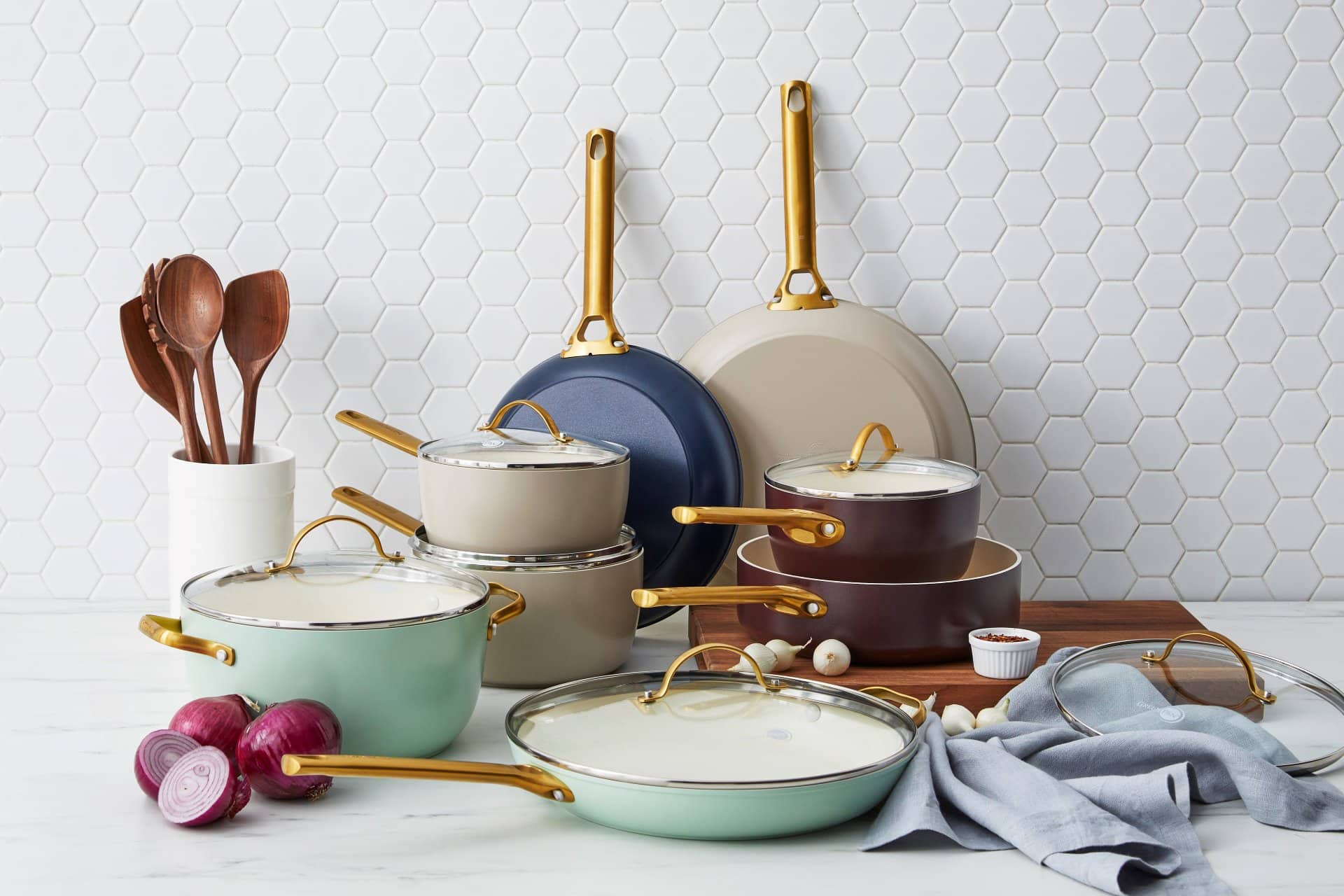
Credit: learn.surlatable.com
Comparing Ceramic To Other Cookware Materials
Choosing the right cookware is important for healthy cooking. Ceramic cookware has gained popularity due to its safety features. Let’s compare it to other materials like Teflon and stainless steel. This will help you make informed decisions.
Ceramic Vs. Teflon
Both ceramic and Teflon are non-stick options. Here’s how they stack up:
| Feature | Ceramic | Teflon |
|---|---|---|
| Non-stick properties | Yes, very effective. | Yes, excellent. |
| Heat resistance | Up to 450°F (232°C). | Up to 500°F (260°C). |
| Durability | Can chip or scratch. | Can scratch easily. |
| Health concerns | Free from harmful chemicals. | May release toxic fumes at high heat. |
Ceramic cookware is safer and healthier. It does not release harmful chemicals. Teflon can be risky at high temperatures. Choose ceramic for a safer cooking experience.
Ceramic Vs. Stainless Steel
Stainless steel cookware is popular too. Here’s how it compares to ceramic:
| Feature | Ceramic | Stainless Steel |
|---|---|---|
| Non-stick properties | Yes, very effective. | No, requires oil. |
| Heat distribution | Even heat distribution. | Excellent heat conduction. |
| Durability | Can chip or scratch. | Highly durable. |
| Health concerns | Free from harmful chemicals. | Safe for cooking. |
Stainless steel is durable and versatile. It can withstand high heat. Ceramic is easier to clean and healthier. For non-stick cooking, ceramic is a better choice.
Temperature Tolerance And Cooking Performance
Ceramic cookware is known for its high temperature tolerance and impressive cooking performance. It can withstand high heat without breaking down. This makes it a favorite choice for many home cooks. Understanding how ceramic cookware performs at different temperatures is essential for safe cooking.
Heat Distribution And Retention
Ceramic cookware offers excellent heat distribution. This means food cooks evenly, preventing hot spots. Uneven cooking can lead to burnt or undercooked meals. Here are some key points about heat distribution:
- Heat spreads evenly across the surface.
- Food stays warm longer due to heat retention.
- Ideal for slow cooking and simmering dishes.
Many chefs appreciate ceramic for its ability to maintain stable temperatures. It allows for precise cooking methods. This is crucial for recipes that require exact heat levels.
Suitability For Various Cooking Methods
Ceramic cookware is versatile. It suits many cooking methods, including:
- Baking
- Sauteing
- Roasting
- Boiling
Each method benefits from ceramic’s unique properties:
| Cooking Method | Advantages |
|---|---|
| Baking | Even heat for cakes and bread. |
| Sauteing | Quick cooking with minimal sticking. |
| Roasting | Perfect for meats and vegetables. |
| Boiling | Retains heat for quick boiling. |
This versatility makes ceramic cookware a fantastic choice. It meets the needs of different cooking styles. Enjoy the benefits of safe and effective cooking with ceramic cookware.
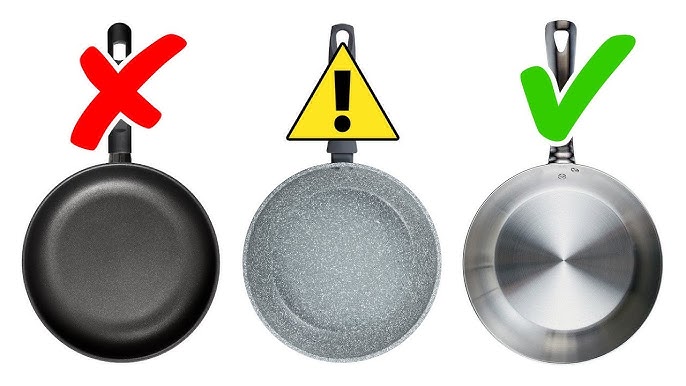
Credit: www.youtube.com
Care And Maintenance For Longevity
Proper care and maintenance extend the life of ceramic cookware. With the right approach, you can keep your cookware looking new. Follow these tips for cleaning and avoiding damage.
Cleaning Tips
Keeping your ceramic cookware clean is essential. Here are effective cleaning tips:
- Use Warm Soapy Water: Wash with mild soap and warm water.
- Non-Abrasive Sponges: Use soft sponges to prevent scratches.
- Avoid Dishwashers: Hand wash to maintain the ceramic surface.
- Stubborn Stains: Use baking soda paste for tough stains.
Rinse thoroughly after cleaning. Ensure no soap residue remains.
Avoiding Damage And Wear
Preventing damage to your ceramic cookware is crucial. Follow these guidelines:
- Avoid High Heat: Use low to medium heat settings.
- Don’t Drop: Handle with care to prevent chipping.
- Use Wooden Utensils: Avoid metal utensils that scratch surfaces.
- Store Properly: Stack with cloth between pieces to avoid scratches.
By following these tips, you can enjoy your ceramic cookware for years.
Myths Vs. Facts: Debunking Common Misconceptions
Many people worry about the safety of ceramic cookware. This section will clear up common myths. Let’s explore the truth about ceramic cookware.
The Myth Of Toxicity
One common belief is that ceramic cookware contains harmful substances. Some think it releases toxins when heated. This myth stems from misinformation about materials used in ceramics.
Here are some facts:
- High-Quality Ceramic is made from natural materials.
- It does not contain PTFE or PFOA, unlike some non-stick pans.
- Studies show that ceramic cookware is safe at high temperatures.
Safety standards for ceramic cookware are strict. Many brands undergo rigorous testing. Always choose reputable brands to ensure quality and safety.
Reality Of Durability
Some believe ceramic cookware is fragile and easily damaged. This idea can deter buyers. In reality, ceramic cookware can be quite durable.
Consider the following points:
- High-quality ceramic can withstand high heat.
- With proper care, it can last for years.
- It is scratch-resistant and less prone to chipping.
To maintain ceramic cookware:
- Use wooden or silicone utensils.
- Avoid sudden temperature changes.
- Hand wash with gentle soap.
Choosing well-made ceramic cookware ensures both safety and longevity.
Making An Informed Decision
Choosing the right cookware is important for your health. Ceramic cookware is popular for its aesthetic appeal and ease of use. Understanding its safety helps you make the best choice for your kitchen. This section covers how to select safe ceramic cookware and its proper use.
Selecting The Right Ceramic Cookware
Not all ceramic cookware is created equal. Here are some tips to find safe options:
- Check for certification: Look for labels like PTFE-free or PFOA-free.
- Opt for high-quality brands: Well-known brands often provide safer products.
- Examine the coating: Ensure it is lead-free and non-toxic.
Consider the following factors:
| Factor | Importance |
|---|---|
| Material Quality | High-quality materials resist chipping and scratching. |
| Heat Resistance | Ensure it can handle high temperatures without damage. |
| Durability | Invest in durable cookware for long-term use. |
Final Thoughts On Safety And Use
Using ceramic cookware safely involves proper care:
- Use wooden or silicone utensils to avoid scratches.
- Avoid sudden temperature changes to prevent cracking.
- Hand wash your cookware to maintain its lifespan.
Pay attention to these safety tips:
- Store cookware properly to avoid damage.
- Follow the manufacturer’s instructions for best results.
- Replace any chipped or damaged pieces immediately.
Choosing ceramic cookware wisely ensures a safe cooking experience. Prioritize quality and safety for your kitchen.
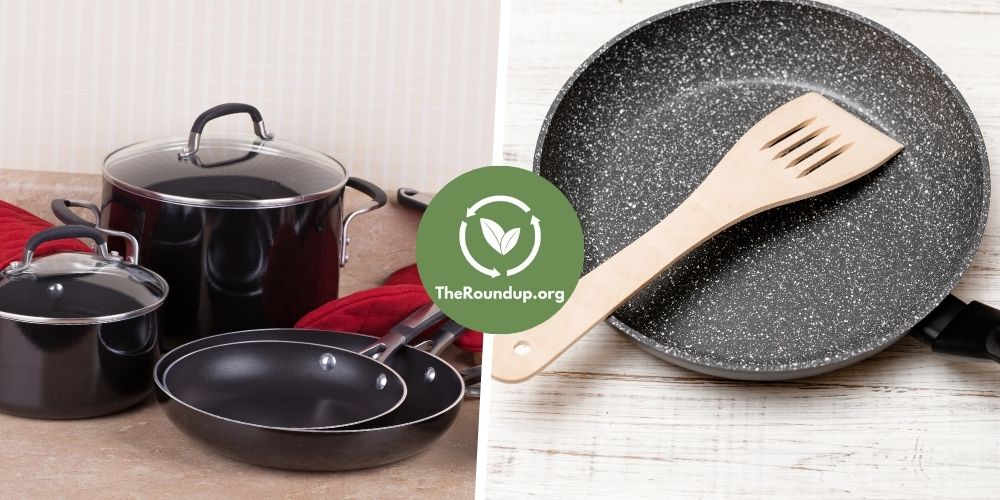
Credit: theroundup.org
Frequently Asked Questions
Is Ceramic Cookware Safe For Health?
Ceramic cookware is generally considered safe for health. It is free from harmful chemicals like PTFE and PFOA. However, it’s essential to choose high-quality brands to avoid lead or cadmium leaching. Always check for safety certifications to ensure your cookware meets health standards.
Can Ceramic Cookware Withstand High Temperatures?
Yes, most ceramic cookware can withstand high temperatures. They are typically safe for oven use up to 500°F. However, it’s crucial to follow the manufacturer’s guidelines to prevent damage. Gradual heating is recommended to maintain the integrity of the ceramic surface.
How To Maintain Ceramic Cookware?
To maintain ceramic cookware, avoid using metal utensils. Use soft sponges for cleaning to prevent scratches. Handwashing is preferable, though some are dishwasher safe. Always store them carefully to avoid chipping or cracking. Following these tips ensures longevity and performance.
Is Ceramic Cookware Non-stick?
Yes, ceramic cookware is non-stick by nature. The non-stick surface is achieved without harmful chemicals. However, to maintain its non-stick properties, avoid high heat and use minimal oil. Proper care enhances its performance and prevents food from sticking.
Conclusion
Ceramic cookware offers a safe and non-toxic cooking option. Its durable surface resists scratches and is easy to clean. By choosing high-quality ceramic products, you can enjoy healthy meals without harmful chemicals. Prioritize safety in your kitchen by investing in reliable ceramic cookware that enhances your cooking experience.
Stay informed and cook confidently!

Leave a Reply