
American cookware refers to kitchen utensils and pots made in the USA, emphasizing quality and durability. It includes various materials, such as stainless steel, cast iron, and non-stick options.
American cookware has gained a reputation for excellence due to its craftsmanship and innovative designs. Many brands focus on producing high-quality, long-lasting products that enhance cooking experiences. From skillets to Dutch ovens, these items cater to both amateur cooks and professional chefs.
The emphasis on safety and health standards ensures that consumers can trust the materials used in American cookware. With a wide array of options available, home cooks can easily find the perfect tools for their culinary adventures. Investing in American-made cookware means supporting local industries while enjoying superior performance in the kitchen.
The Heart Of American Kitchens
American cookware serves as the backbone of home cooking. It shapes flavors and fosters creativity. From family gatherings to casual dinners, the right cookware enhances every meal. Quality pieces can last for generations. They become cherished family heirlooms.
Timeless Appeal
Classic designs define the timeless appeal of American cookware. These pieces resonate with nostalgia and tradition. Cookware like cast iron skillets and Dutch ovens have stood the test of time.
- Cast Iron Skillets: Excellent heat retention and even cooking.
- Stainless Steel Pots: Durable and resistant to rust and corrosion.
- Enamel-coated Cookware: Colorful and easy to clean.
These items inspire cooks to explore recipes. They promote healthy cooking methods. Family recipes often revolve around these classic pieces. American cookware creates lasting memories in the kitchen.
Modern Innovations
New technologies enhance the modern innovations in American cookware. Non-stick surfaces make cooking and cleaning easier. Lightweight materials improve usability for all cooks.
| Cookware Type | Feature | Benefit |
|---|---|---|
| Non-stick Pans | Easy food release | Less oil needed for cooking |
| Induction Cookware | Fast heating | Energy efficient |
| Multi-cookers | Versatile functions | Cook multiple dishes |
Smart technology is also making waves. Some cookware now features built-in temperature gauges. This ensures perfect cooking every time.
From rustic charm to sleek modernity, American cookware evolves. It continues to be the heart of every kitchen.
Cast Iron Skillets: A Must-have
Cast iron skillets are essential for every kitchen. They are durable, versatile, and provide excellent heat retention. These skillets can last for generations if cared for properly. They are perfect for frying, baking, and even grilling. Their natural non-stick surface improves with use, making them a favorite among home cooks and chefs alike.
Seasoning And Care
Seasoning a cast iron skillet is crucial for its performance. Follow these steps for proper seasoning:
- Clean the skillet with warm water and a brush.
- Dry it completely to prevent rust.
- Apply a thin layer of vegetable oil or flaxseed oil.
- Heat the skillet upside down in the oven at 375°F (190°C) for one hour.
Proper care extends the life of your skillet. Here are some care tips:
- Avoid using soap; it strips the seasoning.
- Rinse with hot water and scrub with a brush.
- Re-season the skillet regularly for best results.
Versatile Recipes
Cast iron skillets can handle various recipes. Here are some delicious ideas:
| Recipe | Cooking Method |
|---|---|
| Skillet Cornbread | Baking |
| Fried Chicken | Frying |
| Vegetable Stir-Fry | Sautéing |
| Steak | Grilling |
Cast iron skillets excel in every cooking method. Experiment with your favorite ingredients. Enjoy delicious meals cooked to perfection!
Dutch Ovens: The Multitaskers
Dutch ovens are kitchen heroes. They can handle many cooking tasks. From slow cooking to baking, they do it all. Their design promotes even heat distribution. This ensures delicious results every time.
Braising To Baking
Dutch ovens excel in various cooking techniques:
- Braising: Perfect for tenderizing meats.
- Stewing: Great for hearty vegetable and meat mixes.
- Baking: Ideal for artisanal bread.
- Frying: Can handle high temperatures for crispy dishes.
- Roasting: Excellent for vegetables and proteins.
They can move from stovetop to oven seamlessly. This versatility saves time and energy.
Choosing The Right One
Selecting the right Dutch oven can enhance your cooking. Consider these factors:
| Factor | Description |
|---|---|
| Material | Cast iron retains heat well. Enamel-coated options are easy to clean. |
| Size | Choose a size based on your cooking needs. Common sizes range from 3 to 7 quarts. |
| Weight | Heavier pots hold heat better. Ensure you can lift it easily. |
| Shape | Round pots are versatile. Oval pots fit larger cuts of meat. |
| Price | Invest in quality for durability. Prices vary widely. |
Consider your cooking style. A well-chosen Dutch oven lasts for years.
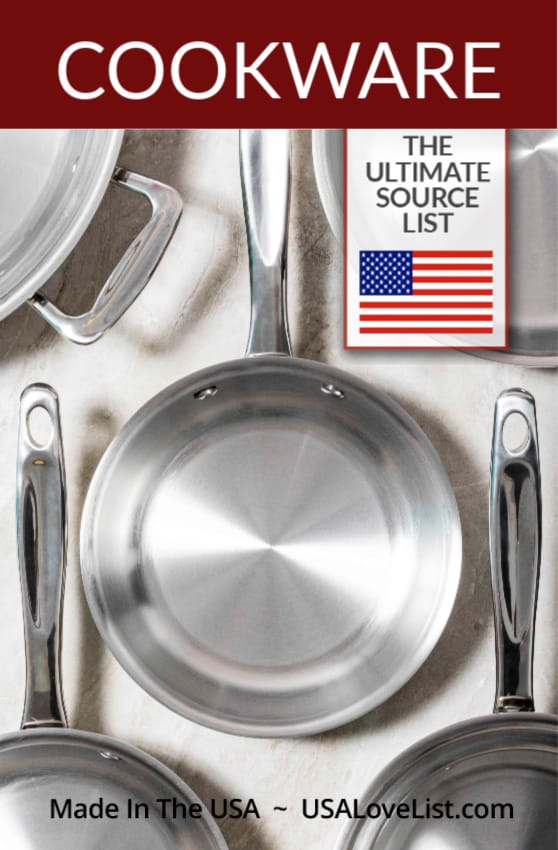
Credit: www.usalovelist.com
Sheet Pans And Baking Dishes
Sheet pans and baking dishes are essential in American kitchens. They help create delicious meals with ease. These versatile tools save time and effort. From baking cookies to roasting veggies, they do it all.
One-pan Meals
One-pan meals are a time-saver. They combine everything on a single sheet pan. This method reduces cooking time and cleanup. Here are some popular one-pan meal ideas:
- Sheet Pan Chicken Fajitas: Chicken, bell peppers, and onions.
- Roasted Veggies and Quinoa: A healthy, colorful dish.
- Salmon and Asparagus: A nutritious seafood option.
- Meatballs and Potatoes: Comfort food at its best.
These meals are not only easy to prepare but also delicious. You can experiment with different spices and ingredients. The possibilities are endless!
Material Matters
Choosing the right material for your sheet pans and baking dishes is key. Different materials offer unique benefits. Here are common materials and their advantages:
| Material | Advantages |
|---|---|
| Aluminum | Lightweight, heats evenly, great for baking. |
| Stainless Steel | Durable, non-reactive, easy to clean. |
| Glass | Allows easy monitoring, retains heat well. |
| Cast Iron | Excellent heat retention, perfect for roasting. |
Consider your cooking style. Choose materials that fit your needs. Quality cookware makes a difference in your cooking experience.
Cutting Boards: More Than A Surface
Cutting boards play a vital role in cooking. They protect your countertops and keep your knives sharp. Choosing the right board can enhance your culinary experience. Let’s explore the differences between wood and plastic cutting boards. We’ll also share essential maintenance tips to keep your boards in great shape.
Wood Vs. Plastic
Both wood and plastic cutting boards have their pros and cons.
| Feature | Wood Cutting Boards | Plastic Cutting Boards |
|---|---|---|
| Durability | Long-lasting, can last for years | Less durable, may warp over time |
| Knife Friendliness | Gentle on knives, helps maintain sharpness | Can dull knives faster |
| Maintenance | Requires regular oiling | Easy to clean and dishwasher safe |
| Hygiene | Natural antibacterial properties | Can harbor bacteria in cuts |
Choose wood for its durability and knife friendliness. Opt for plastic for easy cleaning and convenience.
Maintenance Tips
Proper maintenance extends the life of your cutting boards. Follow these tips:
- Wood Boards:
- Wash with mild soap and warm water.
- Dry immediately to prevent warping.
- Oil regularly with mineral oil.
- Plastic Boards:
- Use hot, soapy water for cleaning.
- Dishwasher safe for deep cleaning.
- Replace if heavily scratched or stained.
Following these maintenance tips keeps your cutting boards in top shape.
Measuring Cups And Spoons
Measuring cups and spoons are essential tools in American cooking. They ensure accuracy in recipes. Using the right measurements leads to delicious results. Every cook needs a reliable set of these tools.
Accuracy In Baking
Baking requires precision. A tiny mistake can ruin a dish. Here’s why accurate measuring matters:
- Consistency: Use the same measurements for every batch.
- Texture: Proper ratios affect the final texture of baked goods.
- Taste: The right balance of ingredients enhances flavor.
Using measuring cups and spoons guarantees success. Always level off dry ingredients for accuracy. Liquid ingredients need to be measured at eye level. This helps avoid overflowing or underfilling.
Material And Design
The material and design of measuring cups and spoons matter. Various options are available:
| Material | Features |
|---|---|
| Plastic | Lightweight, easy to handle, often dishwasher safe. |
| Metal | Durable, precise, often with measurement markings. |
| Glass | Heavy, microwave safe, easy to clean. |
Choose a design that fits your cooking style. Look for clear measurement markings. Nested measuring cups save space. Silicone spoons can bend to scrape bowls clean.
Investing in quality measuring tools pays off. They last longer and improve your cooking experience.
Mixing Bowls: The Unsung Heroes
Mixing bowls play a vital role in every kitchen. They help you prepare ingredients, mix batter, and serve food. Despite their importance, they often go unnoticed. Choosing the right mixing bowl can make cooking easier and more enjoyable.
Material Choices
Mixing bowls come in various materials. Each type has unique features. Here are some popular options:
- Glass: Non-reactive and microwave safe.
- Plastic: Lightweight and durable, but may stain.
- Stainless Steel: Strong, non-reactive, and easy to clean.
- Ceramic: Attractive and perfect for serving.
Sizes And Uses
Mixing bowls come in different sizes. Choosing the right size helps with various tasks. Below is a table showing common sizes and their uses:
| Size | Use |
|---|---|
| Small (1-2 quarts) | For whipping eggs or small dressings. |
| Medium (3-4 quarts) | Great for mixing batters and salads. |
| Large (5+ quarts) | Ideal for mixing dough or large servings. |
Consider what you cook most often. This helps you select the right size. Small bowls are great for quick tasks. Large bowls are essential for big meals.

Credit: www.facebook.com
The Rise Of Non-stick Cookware
Non-stick cookware has transformed the way we cook. It became popular in American kitchens during the late 20th century. Chefs and home cooks love it for its ease of use. Food slides off easily, making cooking and cleaning a breeze. Non-stick surfaces reduce the need for excessive oils and fats. This change promotes healthier cooking habits. Let’s explore the benefits, drawbacks, and safe usage tips for non-stick cookware.
Benefits And Drawbacks
Non-stick cookware offers several advantages:
- Easy to Clean: Food doesn’t stick, making cleanup simple.
- Less Oil Needed: Cook healthier meals with less fat.
- Even Heating: Cooks food evenly, reducing hot spots.
However, there are some drawbacks:
- Durability: Non-stick coatings can scratch and wear off.
- High Temperatures: Overheating can damage the coating.
- Health Concerns: Some coatings may release harmful chemicals.
Safe Usage Tips
To maximize the lifespan of non-stick cookware, follow these tips:
- Use Wooden or Silicone Utensils: Avoid metal utensils that scratch.
- Keep Heat Low: Cook on medium or low heat.
- Avoid Cooking Sprays: They can build up and damage the surface.
- Hand Wash: Clean with a soft sponge, not abrasive pads.
- Store Carefully: Avoid stacking pans without protection.
By following these tips, you can enjoy non-stick cookware safely and effectively. Embrace the ease and convenience it brings to your culinary adventures.
Stockpots And Saucepans
Stockpots and saucepans are essential for any kitchen. They help create delicious soups, sauces, and stews. Understanding their features can elevate your cooking experience.
Soup And Sauce Basics
Making soups and sauces requires the right tools. Stockpots and saucepans have unique uses:
- Stockpots: Ideal for large batches of soup or broth.
- Saucepans: Perfect for sauces and smaller portions.
Here are some popular types of soups and sauces you can make:
- Chicken Noodle Soup
- Tomato Basil Sauce
- Vegetable Broth
- Alfredo Sauce
Each recipe needs the right pot to simmer flavors.
Material Considerations
Choosing the right material affects cooking. Common materials for stockpots and saucepans include:
| Material | Benefits | Drawbacks |
|---|---|---|
| Stainless Steel | Durable, non-reactive, easy to clean | Poor heat conductivity |
| Aluminum | Lightweight, excellent heat conductor | Can react with acidic foods |
| Copper | Superior heat control | Expensive, requires maintenance |
| Cast Iron | Excellent heat retention | Heavy, requires seasoning |
Consider your cooking style. Each material has unique properties. Choose what suits your needs best.

Credit: www.ebay.com
Accessorizing Your Cookware
Accessorizing your cookware can enhance your cooking experience. The right tools and storage solutions make cooking enjoyable. They also help keep your kitchen organized and efficient.
Essential Utensils
Investing in essential utensils is key for effective cooking. Here are some must-have items:
- Spatula: Great for flipping and serving.
- Whisk: Perfect for mixing and aerating.
- Measuring cups: Ensure accurate ingredient amounts.
- Wooden spoons: Safe for non-stick cookware.
- Peeler: Makes peeling fruits and vegetables easy.
These tools help you prepare meals quickly and efficiently. Choose utensils that match your cooking style. Quality utensils last longer and improve your cooking experience.
Storage Solutions
Efficient storage solutions keep your kitchen tidy. Here are some ideas:
| Storage Type | Description |
|---|---|
| Cabinets: | Store pots, pans, and lids securely. |
| Drawer organizers: | Keep utensils separated and easy to find. |
| Wall racks: | Hang pots and pans for easy access. |
| Storage bins: | Group similar items together for convenience. |
Effective storage solutions save time and space. They make your kitchen look organized. Choose solutions that fit your kitchen layout.
Accessorizing your cookware not only improves functionality but also adds style. A well-equipped kitchen inspires creativity in cooking.
Frequently Asked Questions
What Types Of Cookware Are Popular In America?
In America, popular cookware types include stainless steel, cast iron, non-stick, and ceramic. Each type offers unique benefits. Stainless steel is durable and versatile, while cast iron retains heat well. Non-stick cookware is easy to clean, and ceramic provides a non-toxic cooking surface.
Choose based on your cooking needs.
How Do I Care For American Cookware?
Caring for American cookware varies by material. For stainless steel, avoid harsh cleaners; instead, use gentle soap and a soft cloth. Cast iron requires seasoning to prevent rust. Non-stick cookware should be cleaned with a soft sponge to avoid scratching.
Always follow manufacturer instructions for best results.
Is American Cookware Safe For Health?
Yes, most American cookware is safe for health. Materials like stainless steel and cast iron are non-toxic and durable. However, some non-stick coatings may contain harmful chemicals if overheated. To ensure safety, choose high-quality brands and avoid using damaged cookware.
Always check for safety certifications when purchasing.
Where Can I Buy American Cookware?
You can buy American cookware from various sources. Retailers like Walmart, Target, and specialty kitchen stores offer a wide selection. Online platforms such as Amazon also provide numerous options. Additionally, consider local artisan shops for unique, handcrafted cookware. Always compare prices and read reviews before purchasing.
Conclusion
Choosing the right American cookware can enhance your cooking experience. Quality materials and innovative designs make a significant difference. Whether you prefer stainless steel, cast iron, or non-stick options, there’s something for everyone. Invest in reliable cookware to elevate your culinary skills and enjoy delicious meals with family and friends.

Leave a Reply