
When it comes to choosing cookware that can withstand the rigors of metal utensils without scratching or damaging the surface, finding the right set is crucial for both durability and cooking performance.
Best Metal Utensil Safe Cookware:This comprehensive guide reviews 15 of the best metal utensil safe cookware options available on Amazon, complete with detailed pros and cons, followed by an extensive buying guide and FAQs to help you make an informed decision.
Top 15 Metal Utensil Safe Cookware Reviews
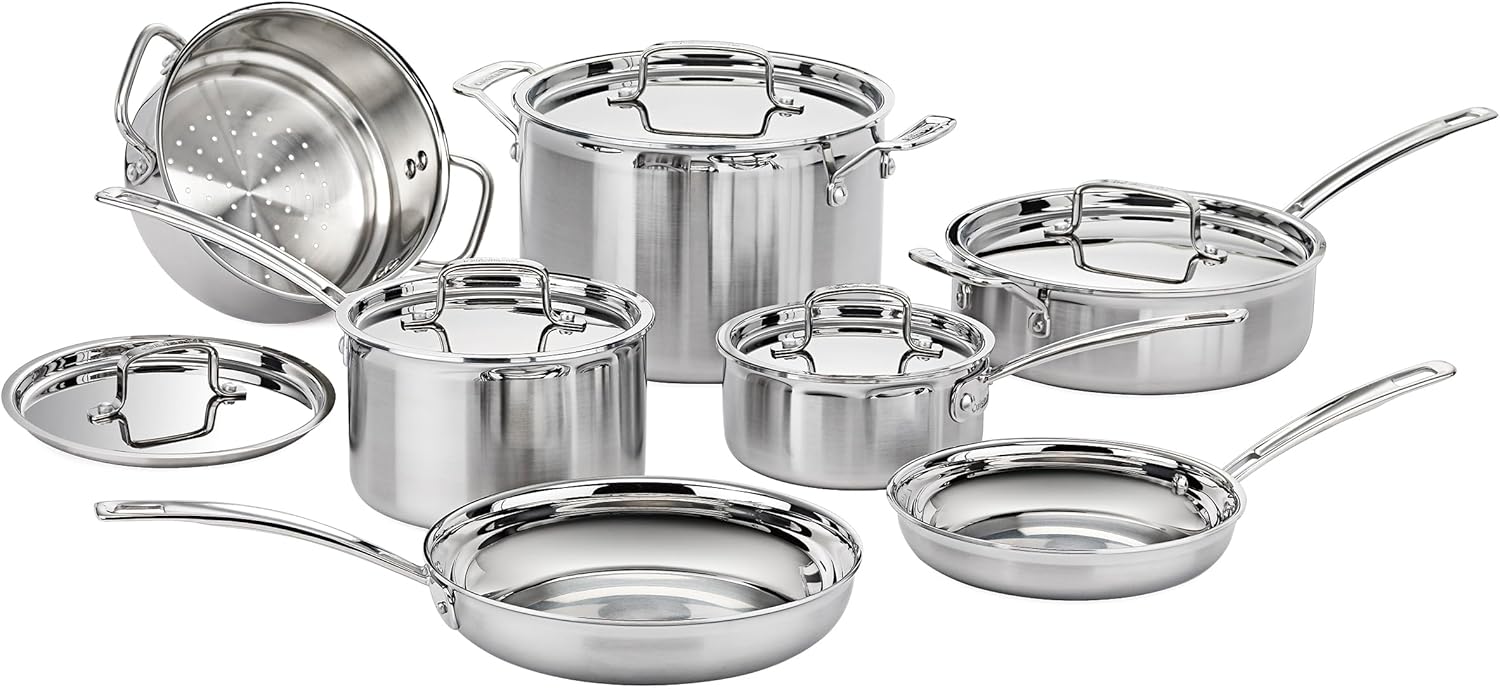
1. Cuisinart MultiClad Pro Stainless Steel 12-Piece Cookware Set

The Cuisinart MultiClad Pro represents professional-grade construction with its triple-ply design, making it one of the most durable options for those who prefer using metal utensils without worry.
Pros:
- Triple-ply construction with aluminum core provides excellent heat distribution throughout the entire pan, not just the base
- Completely safe for use with metal utensils including whisks, spatulas, and tongs without fear of scratching
- Oven safe up to 550°F, allowing you to seamlessly transition from stovetop to oven
- Dishwasher safe for convenient cleanup, though hand washing is recommended for longevity
- Cool-grip handles stay comfortable even during extended cooking sessions
- Works on all cooktops including induction
- Lifetime warranty demonstrates manufacturer confidence in durability
- Professional appearance that looks great in any kitchen
- No hot spots during cooking due to superior heat distribution
- Drip-free pouring rims make serving easier
Cons:
- Stainless steel surface requires proper preheating and fat to prevent sticking
- Higher price point compared to non-stick alternatives
- Heavier than single-ply stainless steel or non-stick cookware
- Food can discolor the surface over time, requiring occasional deep cleaning with Bar Keeper’s Friend
- Learning curve for those accustomed to non-stick surfaces
- Handles can get warm during extended stovetop use
2. All-Clad D3 Stainless Steel 10-Piece Cookware Set

All-Clad is synonymous with premium cookware, and their D3 line delivers exceptional performance that justifies its position as a top choice for serious home cooks.
Pros:
- Three-ply bonded construction ensures even heating without hot spots
- Made in the USA with rigorous quality control standards
- Highly resistant to warping, even with frequent temperature changes
- Completely impervious to metal utensils, maintaining smooth cooking surface indefinitely
- Compatible with all cooktops including induction
- Oven and broiler safe up to 600°F
- Polished stainless steel exterior is easy to clean and maintain
- Lifetime warranty backed by excellent customer service
- Contoured handles provide secure, comfortable grip
- Flared rims allow for drip-free pouring
- Professional-grade performance that rivals restaurant cookware
- Investment piece that can last decades with proper care
Cons:
- Premium pricing makes it one of the most expensive options
- Requires oil or butter to prevent sticking, especially with proteins
- Food can occasionally stick if pan isn’t properly preheated
- Stainless steel shows fingerprints and water spots easily
- Handles are not coated, so they can become hot during cooking
- Heavy weight may be challenging for some users
3. Calphalon Classic Stainless Steel 10-Piece Cookware Set

Calphalon’s Classic line offers excellent value, combining durability with performance at a more accessible price point than ultra-premium brands.
Pros:
- Impact-bonded aluminum base provides fast, even heating
- Full aluminum core extends up the sides for consistent temperature
- Dishwasher safe construction simplifies cleanup
- Tempered glass lids allow monitoring without lifting
- Stay-cool stainless steel handles are securely riveted
- Compatible with all stovetops including induction
- Metal utensil safe with highly durable surface
- Oven safe up to 450°F
- Brushed stainless steel hides minor scratches and wear
- Full lifetime warranty
- Wide base design provides ample cooking surface
- Affordable price for quality stainless steel construction
Cons:
- Not full tri-ply construction (impact-bonded base only)
- Heat distribution not quite as even as fully-clad options
- Lids can accumulate moisture and drip when removed
- Interior can discolor with high heat use
- Some users report handles loosening over time
- Not as heavy-duty as professional-grade alternatives
4. Tramontina Tri-Ply Clad 12-Piece Cookware Set

Tramontina offers exceptional value with construction quality that rivals much more expensive brands, making it perfect for budget-conscious buyers who won’t compromise on performance.
Pros:
- Tri-ply construction with aluminum core throughout the entire piece
- Incredibly affordable for fully-clad stainless steel cookware
- Compatible with all cooktops including induction
- Oven and broiler safe up to 500°F
- Lifetime warranty demonstrates long-term durability
- Dishwasher safe for easy maintenance
- Precision-fitting lids seal in moisture and flavor
- Cast stainless steel handles stay cool during cooking
- NSF certified for commercial use
- Polished interior and exterior resist sticking and are easy to clean
- Flared edges facilitate clean pouring
- Metal utensils won’t damage the durable surface
Cons:
- Handles may be too large for those with smaller hands
- Less well-known brand name than competitors
- Occasional quality control issues reported
- Interior can develop rainbow discoloration with high heat
- Not as refined aesthetically as premium brands
- Limited availability in some regions
5. Duparquet Copper Cookware 8-Piece Set

For those seeking professional-grade performance with stunning aesthetics, Duparquet’s copper cookware provides unmatched heat responsiveness with a stainless steel cooking surface.
Pros:
- 2.5mm copper construction provides superior heat conductivity
- Stainless steel interior is completely safe for metal utensils
- Tin-lined copper exterior offers professional performance
- Incredibly responsive to temperature changes for precise control
- Cast iron handles stay cooler than traditional designs
- Works on gas, electric, and ceramic cooktops
- Oven safe up to 500°F
- Professional appearance that serves as kitchen décor
- Even heat distribution eliminates hot spots completely
- Made in the USA with exceptional craftsmanship
- Lifetime warranty on craftsmanship
- Perfect for serious cooks who demand the best performance
Cons:
- Very expensive investment requiring significant budget
- Copper exterior requires regular polishing to maintain shine
- Not compatible with induction cooktops without converter disk
- Heavy weight can be tiring during extended use
- Hand washing required to preserve copper finish
- Requires more maintenance than stainless steel alone
- Learning curve to adjust to copper’s heat sensitivity
6. Cuisinart Chef’s Classic Stainless Steel 11-Piece Set

This set provides excellent everyday performance at an entry-level price, perfect for those new to stainless steel cookware or furnishing a first kitchen.
Pros:
- Mirror-finish stainless steel looks premium despite affordable price
- Aluminum encapsulated base heats quickly and evenly
- Tapered rim design allows drip-free pouring
- Tempered glass lids with steam vents let you monitor cooking
- Cool-grip handles stay comfortable throughout cooking
- Oven safe to 500°F for versatile cooking methods
- Dishwasher safe for convenient cleanup
- Compatible with all stovetops including induction
- Tight-fitting lids seal in nutrients and flavor
- Lifetime warranty provides peace of mind
- Metal utensils won’t scratch the durable surface
- Budget-friendly price point
Cons:
- Base-only construction doesn’t extend aluminum up the sides
- Not as even heating as fully-clad options
- Thinner material than professional-grade cookware
- Interior can stain more easily than premium alternatives
- Handles can get warm during extended stovetop cooking
- Glass lids are breakable if dropped
7. Misen Stainless Steel 5-Piece Cookware Set

Misen, a direct-to-consumer brand, delivers professional-quality cookware without the retail markup, offering exceptional value for discerning home cooks.
Pros:
- Five-ply construction for superior heat distribution
- Completely safe for metal utensils without any concerns
- Ergonomically designed handles balance weight perfectly
- Compatible with all cooktops including induction
- Oven safe up to 500°F
- Thoughtfully curated set includes most-used pieces
- Professional-grade thickness prevents warping
- Non-reactive stainless steel interior won’t affect food flavors
- Lifetime warranty backs quality construction
- Minimalist design appeals to modern aesthetics
- Tight-fitting lids lock in heat and moisture
- No hot spots even at high temperatures
Cons:
- Limited piece selection compared to larger sets
- Direct-to-consumer model means you can’t examine before buying
- Less established brand than traditional manufacturers
- Can be challenging to find in physical stores
- Some users prefer more comprehensive sets
- Premium pricing for a newer brand
8. Rachael Ray Stainless Steel 10-Piece Set

Celebrity chef Rachael Ray’s cookware line combines functionality with eye-catching design, offering solid performance for everyday cooking tasks.
Pros:
- Stainless steel construction is completely metal utensil safe
- Colorful silicone handle grips add personality and stay cool
- Shatter-resistant glass lids with wide handles
- Suitable for all stovetops including induction
- Oven safe to 400°F (350°F for lids)
- Lifetime warranty on cookware
- Dishwasher safe for easy cleanup
- Unique design stands out from traditional cookware
- Wide range of piece sizes for versatility
- Rubberized handles provide secure, comfortable grip
- Aluminum disc base provides even heating
- Affordable price for branded cookware
Cons:
- Handles not oven safe at higher temperatures
- Colored grips may not appeal to all aesthetics
- Not fully-clad construction limits heat distribution
- Thinner gauge material than premium options
- Silicone handles can collect dust and require more cleaning
- Some users prefer all-metal construction
9. KitchenAid Tri-Ply Stainless Steel 10-Piece Set

KitchenAid extends their reputation for quality kitchen equipment into cookware with this well-designed tri-ply collection.
Pros:
- Three-layer construction provides excellent heat control
- Unique handle design offers comfortable, balanced grip
- Compatible with all cooktops including induction
- Oven safe up to 500°F
- Dishwasher safe for convenient maintenance
- Brushed base hides scratches and wear
- Lifetime warranty demonstrates durability
- Etched measurement markings inside select pieces
- Metal utensils cause no damage to cooking surface
- Polished cooking surface resists staining
- Flared rims enable mess-free pouring
- Matching aesthetic with other KitchenAid products
Cons:
- Mid-range pricing without top-tier performance
- Handles can become warm during extended cooking
- Some users find handles less comfortable than competitors
- Interior can discolor if overheated
- Lids don’t fit as snugly as some alternatives
- Limited color options compared to other KitchenAid products
10. Viking Contemporary 7-Piece Stainless Steel Set

Viking brings their restaurant equipment expertise to home kitchens with professional-grade cookware built to withstand commercial use.
Pros:
- Five-ply construction with layers of stainless steel and aluminum
- Built to commercial standards for exceptional durability
- Completely safe for metal utensils without any surface damage
- Works on all cooking surfaces including induction
- Oven safe up to 600°F for extreme versatility
- Lifetime warranty reflects superior quality
- Stay-cool ergonomic handles designed for professional use
- Mirror-polished interior prevents sticking and eases cleaning
- Satin-finished exterior hides fingerprints
- Made in the USA with stringent quality standards
- Heavy-gauge construction prevents warping
- Investment-grade quality that lasts generations
Cons:
- Premium pricing reflects professional positioning
- Heavier than standard cookware requires more strength
- Limited piece selection in base set
- May be overkill for casual home cooks
- Requires proper technique to achieve best results
- Some users find handles too long
11. Anolon Nouvelle Copper Stainless Steel 11-Piece Set
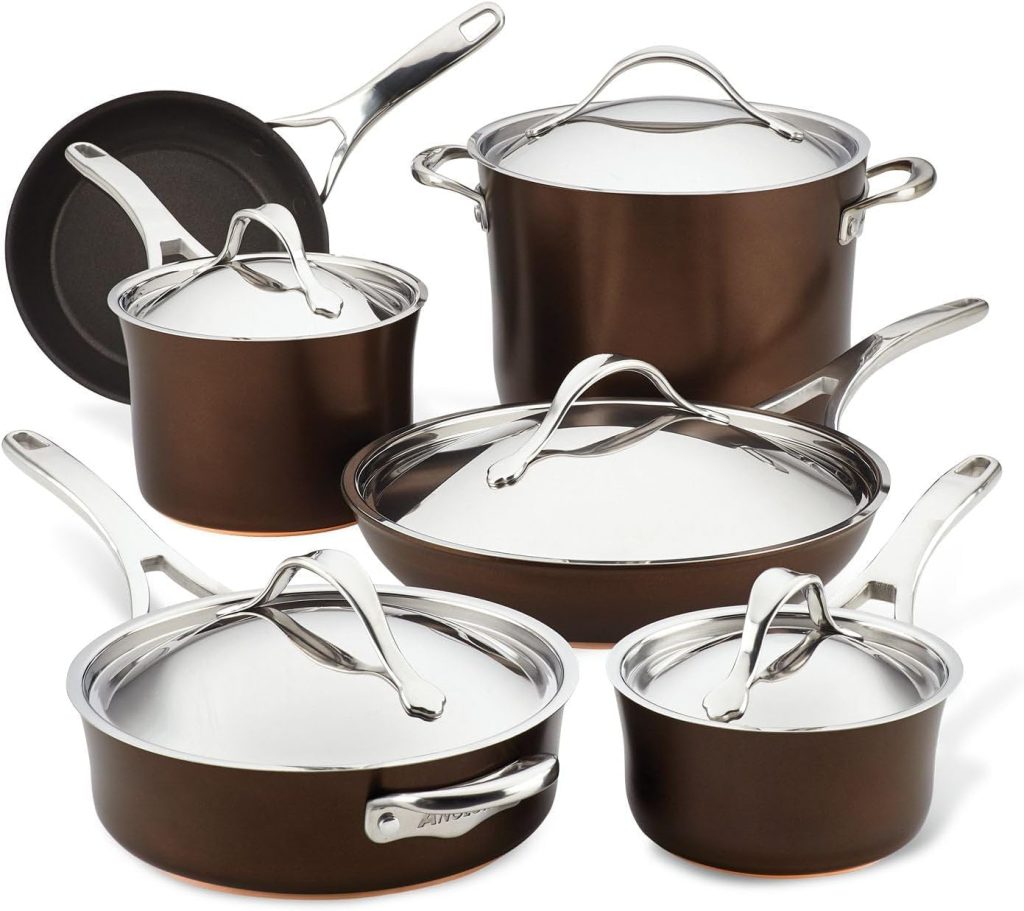
Anolon’s copper-bottom collection combines the beauty of copper with the durability of stainless steel for both performance and aesthetics.
Pros:
- Stainless steel interior is impervious to metal utensils
- Copper-colored base adds visual interest while improving heating
- Tulip-shaped design is both attractive and functional
- SureGrip handles provide comfortable, secure hold
- Compatible with all cooktops including induction
- Oven safe to 500°F
- Dishwasher safe construction
- Shatter-resistant glass lids with straining holes
- Lifetime warranty on materials and workmanship
- Polished stainless steel interior resists staining
- Wide variety of piece sizes for cooking flexibility
- Affordable luxury appearance
Cons:
- Copper finish is aesthetic only, not full copper construction
- Base-clad design doesn’t extend up sidewalls
- Copper color can wear off with aggressive cleaning
- Heavier than standard stainless steel
- Interior can show scratches more than brushed finishes
- Lids may not fit as precisely as some competitors
12. T-fal Ultimate Stainless Steel 13-Piece Set

T-fal brings their innovative Thermo-Spot technology to stainless steel, helping home cooks achieve perfect results every time.
Pros:
- Patented Thermo-Spot indicator shows when pan is properly preheated
- Metal utensil safe stainless steel construction
- Impact-bonded aluminum base provides efficient heating
- Riveted silicone handles stay cool and comfortable
- Compatible with all stovetops including induction
- Oven safe up to 400°F (lids to 350°F)
- Dishwasher safe for easy cleanup
- Vented glass lids prevent boil-overs
- Limited lifetime warranty
- Large piece selection provides great versatility
- Budget-friendly price point
- Measurement markings inside pots for convenience
Cons:
- Thermo-Spot isn’t essential for experienced cooks
- Not fully-clad construction limits even heating
- Silicone handles limit oven temperature
- Interior can stain with acidic foods
- Some users report handle attachment issues over time
- Thinner gauge than premium cookware
13. Farberware Millennium Stainless Steel 10-Piece Set

Farberware’s Millennium line delivers reliable performance with a polished appearance at an extremely accessible price point.
Pros:
- Full cap base with aluminum core heats evenly
- Mirror-polished exterior provides premium appearance
- Completely safe for use with any metal utensils
- Oven safe up to 350°F
- Dishwasher safe for convenient maintenance
- Comfortable, secure-grip handles
- Lifetime warranty demonstrates quality commitment
- Works on all stovetops including induction
- Straining lids with pour spouts on select pieces
- Very affordable price makes stainless steel accessible
- Rolled rims prevent drips when pouring
- Complete set covers all basic cooking needs
Cons:
- Lower oven-safe temperature than competitors
- Not as durable as premium brands for long-term use
- Base-only construction doesn’t extend up sides
- Handles can get warm during cooking
- Thinner material can warp with extreme temperature changes
- Interior can stain more readily than premium options
14. Cooks Standard Multi-Ply Clad 10-Piece Set

Cooks Standard offers professional-grade construction at a surprisingly affordable price, making quality cookware accessible to more home cooks.
Pros:
- Five-ply clad construction for superior heat distribution
- Metal utensil safe without concerns about surface damage
- Compatible with all cooktops including induction
- Oven and broiler safe up to 500°F
- Lifetime warranty backs quality construction
- Ergonomic stainless steel handles stay relatively cool
- Tempered glass lids allow cooking monitoring
- Polished interior prevents sticking and eases cleanup
- Brushed exterior hides minor wear and scratches
- Impact-resistant rim won’t chip or crack
- Affordable pricing for multi-ply construction
- NSF certified for commercial use
Cons:
- Lesser-known brand lacks name recognition
- Customer service not as robust as major brands
- Some quality control inconsistencies reported
- Lids don’t always fit as snugly as desired
- Interior can develop rainbow tint with high heat
- Limited availability in physical retail stores
15. Swiss Diamond Prestige 10-Piece Stainless Steel Set

Swiss Diamond applies their renowned quality standards to stainless steel, creating cookware that combines durability with Swiss precision engineering.
Pros:
- Heavy-gauge stainless steel construction for exceptional durability
- Completely resistant to metal utensils and implements
- Aluminum core extends throughout for even heating
- Ergonomic stainless steel handles designed for comfort
- Compatible with all cooking surfaces including induction
- Oven safe up to 500°F
- Dishwasher safe construction
- Lifetime warranty demonstrates confidence
- Polished interior provides easy food release
- Satin-finished exterior resists fingerprints
- Precision-fitting lids seal in heat and moisture
- Made in Switzerland with superior quality control
Cons:
- Higher price point reflects Swiss manufacturing
- Can be difficult to find in some markets
- Heavier than standard cookware
- Limited piece selection compared to some sets
- May be overkill for occasional cooks
- Requires investment in proper cleaning products
Comprehensive Buying Guide for Metal Utensil Safe Cookware
Choosing the right cookware that can withstand metal utensils requires understanding various factors that affect performance, durability, and value. This guide will help you navigate the decision-making process.
Understanding Cookware Materials
Stainless Steel
Stainless steel is the gold standard for metal utensil safe cookware. This material consists of steel alloyed with chromium and often nickel, creating a non-reactive, durable cooking surface that won’t scratch, chip, or peel when used with metal utensils. The primary advantage of stainless steel is its incredible durability—it can last decades with proper care and will never release particles into your food regardless of what utensils you use.
However, stainless steel alone is a poor heat conductor, which is why quality cookware uses layered construction. Understanding these construction methods helps you evaluate quality and price differences among various brands and sets.
Layered Construction Types
Impact-bonded or disc-bottom cookware features an aluminum or copper disc attached to the bottom of an otherwise thin stainless steel pan. This is the most affordable construction method but provides less even heating since the conductive metal only covers the base. Heat doesn’t travel efficiently up the sidewalls, creating potential hot spots and uneven cooking, particularly in saucepans and stockpots.
Fully-clad or multi-ply construction sandwiches layers of conductive metal (usually aluminum) between stainless steel layers, extending from the base throughout the entire pan including the sidewalls. This provides superior, even heat distribution and is the preferred choice for serious cooks. Three-ply (tri-ply) is most common, with two layers of stainless steel surrounding an aluminum core. Five-ply adds additional layers for even better heat control and durability, though the performance improvement may not justify the significant price increase for all users.
Copper
Copper cookware with stainless steel interiors offers exceptional heat conductivity and responsiveness, allowing precise temperature control. Professional chefs often prefer copper for delicate tasks requiring exact heat management. The stainless steel interior provides a durable, metal-utensil-safe cooking surface while the copper exterior delivers superior performance.
The main drawbacks are cost—copper cookware is expensive—and maintenance, as copper requires regular polishing to maintain its appearance. Additionally, copper cookware typically isn’t induction-compatible unless it has a magnetic base layer.
Cast Iron and Carbon Steel
While not stainless steel, both cast iron and carbon steel are completely metal utensil safe. These traditional materials are nearly indestructible—metal utensils cause no harm, and these pans can handle metal spatulas, forks, knives, or any implement without concern.
Cast iron provides excellent heat retention, making it perfect for searing and frying. However, it’s heavy, requires seasoning to maintain the non-stick surface, and heats slowly and unevenly. Carbon steel offers similar properties but is lighter and more responsive to temperature changes. Both require specific care to prevent rust and maintain seasoning.
Key Features to Consider
Heat Distribution
Even heat distribution is crucial for consistent cooking results. Hot spots cause burning and uneven cooking, requiring constant stirring and attention. Fully-clad construction provides the most even heating, eliminating hot spots even at high temperatures. When evaluating cookware, consider what you’ll cook most often. Frying pans benefit most from even heating, while stockpots are somewhat less critical since liquids naturally distribute heat through convection.
Handles
Handle design significantly impacts usability and comfort. Look for handles that feel balanced when the pan is full, stay cool during stovetop cooking (though oven-safe metal handles will heat up), and provide a secure, comfortable grip. Riveted handles are more durable than welded, though they create small crevices that can trap food particles. Some manufacturers use helper handles on larger pieces for safer, easier lifting and maneuvering.
Cast stainless steel handles stay cooler than hollow handles and provide a more premium feel. Coated or silicone-wrapped handles stay cooler but limit oven-safe temperatures and can collect dirt over time. Consider your cooking style—if you frequently transfer pans to the oven, you’ll want handles that can withstand high temperatures.
Lids
Quality lids seal properly to trap heat and moisture, improving cooking efficiency and results. Stainless steel lids are most durable and can withstand the highest temperatures, while tempered glass lids allow you to monitor cooking without lifting the lid. Some glass lids include steam vents to prevent pressure buildup and boil-overs.
Ensure lids fit snugly without gaps but aren’t so tight that they create a vacuum seal. Lids should have comfortable handles that stay cool enough to touch during cooking. Some sets include universal lids that fit multiple pieces, while others provide individual lids for each pot and pan.
Oven Safety Temperature
Maximum oven-safe temperature varies significantly among cookware sets. Professional-grade fully-clad stainless steel typically handles 500-600°F, allowing you to use high-heat techniques like broiling. Impact-bonded cookware often maxes out at 350-400°F. If you regularly use techniques that involve starting on the stovetop and finishing in the oven, or if you broil frequently, prioritize higher temperature ratings.
Remember that lids may have different temperature limits than the pans themselves, especially glass lids which typically max out around 350°F. Silicone-wrapped handles also reduce oven-safe temperatures.
Compatibility with Cooktops
Most stainless steel cookware works on gas, electric, and ceramic cooktops, but induction compatibility requires magnetic properties. Induction cooktops use electromagnetic fields to heat cookware directly, so pots and pans must contain magnetic metals. Not all stainless steel is magnetic—quality induction-compatible cookware uses magnetic stainless steel or includes a magnetic base layer.
Test induction compatibility with a simple magnet—if it sticks strongly to the bottom, the pan will work on induction. Even if you currently use gas or electric, choosing induction-compatible cookware provides flexibility if you upgrade your cooktop in the future.
Dishwasher Safety
While most stainless steel cookware is dishwasher safe, hand washing is generally recommended for longevity. Dishwasher detergents are harsh and high temperatures can cause discoloration over time. The high-pressure water jets may also loosen riveted handles eventually.
If dishwasher compatibility is essential for your lifestyle, look for cookware explicitly rated dishwasher safe with customer reviews confirming long-term durability with machine washing. Keep in mind that hand washing stainless steel is relatively quick and easy—a brief soak loosens most stuck food.
Construction Quality Indicators
Weight and Thickness
Heavy cookware typically indicates quality construction with adequate material thickness. Thin, lightweight pans warp easily, particularly when heated quickly or subjected to temperature shocks. However, excessive weight can be tiring during use and may be problematic for those with strength limitations or arthritis.
Gauge thickness in stainless steel cookware typically ranges from 2mm to 3mm for quality pieces. Professional-grade cookware often uses thicker materials for enhanced durability and heat control. Pick up the cookware if possible—it should feel substantial but not unreasonably heavy.
Polish and Finish
Interior polish quality affects both cooking performance and cleaning. Highly polished interiors provide better food release and are easier to clean than rougher finishes. Mirror-polished surfaces show every scratch and fingerprint but deliver the best performance. Brushed or satin finishes hide minor imperfections and wear better aesthetically over time.
The exterior finish is primarily aesthetic but also affects maintenance. Mirror finishes look beautiful when new but show fingerprints and water spots easily. Brushed finishes provide a professional look while hiding minor scratches and wear.
Rims and Edges
Well-designed rims are rolled or flared to enable drip-free pouring, an often-overlooked feature that makes a significant practical difference. Poorly finished rims drip, creating mess and potential safety hazards with hot liquids. Quality cookware has smooth, precisely finished rims that channel liquid cleanly when pouring.
Rivets and Welds
Handle attachment method impacts both durability and cleaning. Riveted handles are traditional and incredibly secure but create small crevices on the interior that can trap food particles. Some premium manufacturers use seamless welding technology that bonds handles without interior penetration, creating a completely smooth interior surface.
Check rivet quality carefully—they should be flush on both interior and exterior surfaces without sharp edges. Poor rivet work leaves rough spots that impede cleaning and may indicate overall quality issues.
Set Composition Considerations
Essential Pieces
A functional cookware set includes pieces you’ll use regularly rather than specialty items that sit unused. Core pieces for most home cooks include:
- 8-inch skillet for small tasks like eggs and single-serving meals
- 10-inch or 12-inch skillet for most frying and sautéing tasks
- 2-3 quart saucepan for sauces, grains, and small portions
- 4-5 quart saucepan or sauté pan for larger portions and one-pot meals
- 8-quart stockpot for pasta, stocks, and large-batch cooking
Additional useful pieces include a 3-4 quart sauté pan with lid, steamer inserts, and double boilers for specialized tasks. Consider your cooking habits—if you frequently cook for large groups, a larger stockpot is essential. If you cook mostly for one or two, you may never use a 12-inch skillet.
Open Stock vs. Sets
Cookware sets typically offer better value than purchasing individual pieces (open stock), but sets often include pieces you may never use. Carefully evaluate set composition against your actual needs. Buying open stock allows you to select precisely the pieces you want and potentially mix brands, choosing the best manufacturer for each type of cookware.
Many experienced cooks recommend starting with a quality set covering the basics, then supplementing with open stock specialty pieces as needed. This approach balances cost-effectiveness with functionality.
Price vs. Value Analysis
Budget Options ($100-$300)
Entry-level stainless steel sets from reputable manufacturers provide good value for new cooks or those furnishing a first kitchen. These sets typically feature impact-bonded construction with aluminum disc bases, which provides adequate performance for everyday cooking. Expect thinner materials, simpler handle designs, and less refined manufacturing compared to premium options.
Budget cookware performs well when used properly but may show wear more quickly, develop hot spots, or warp with repeated use. These sets are excellent for learning proper stainless steel techniques before investing in premium cookware.
Mid-Range Options ($300-$700)
This price range offers the best value for most home cooks. You’ll find quality fully-clad tri-ply construction from respected manufacturers, providing performance approaching professional-grade at a fraction of the cost. Mid-range sets typically include comprehensive piece selections with quality lids and ergonomic handles.
These sets should last decades with proper care and provide excellent cooking performance for all but the most demanding users. Many professional cooks use mid-range cookware at home, reserving ultra-premium pieces for restaurant use where they’re genuinely necessary.
Premium Options ($700-$1,500+)
Premium cookware features superior materials, often five-ply construction, exceptional manufacturing quality, and extended warranties. These sets offer the most even heating, greatest durability, and finest fit and finish. Handles are more ergonomically refined, lids fit more precisely, and overall performance is measurably better.
However, the performance improvement over quality mid-range cookware may not justify the price for many home cooks. Premium cookware makes sense for serious enthusiasts, those who cook frequently, or anyone wanting a lifetime investment that will outlive them. The difference between $300 and $800 cookware is significant; the difference between $800 and $1,500 cookware is subtle.
Warranty Considerations
Understanding Warranty Terms
Lifetime warranties sound impressive but read the fine print carefully. Most cover manufacturing defects—warping, handle separation, or finish degradation under normal use—but exclude damage from abuse, accidents, or improper care. Discoloration, minor scratching, and wear from normal use typically aren’t covered.
Limited warranties specify a time period, commonly 10-25 years. These often provide more comprehensive coverage than “lifetime” warranties with vague terms. Consider the manufacturer’s reputation for honoring warranties—a stellar warranty from an unreliable company provides no real value.
Customer Service Quality
Warranty quality depends on customer service reliability. Research how manufacturers handle claims—do they require proof of purchase, photos, or return shipping? Some companies replace defective items quickly with minimal hassle, while others create frustrating obstacles. Online reviews often reveal customer service quality, particularly regarding warranty claims.
Established brands with long market histories typically provide more reliable warranty support than newer companies that may not exist in years when you need warranty service.
Care and Maintenance Requirements
Daily Cleaning
Proper cleaning maintains performance and appearance while extending cookware life. For daily cleaning, allow pans to cool slightly (not completely—warmth helps cleaning), then wash with hot water and dish soap using a soft sponge or cloth. For stuck-on food, soak briefly or use a paste of baking soda and water.
Avoid abrasive scrubbers like steel wool on cooking surfaces, though you can use them on exteriors if needed. Bar Keeper’s Friend is a specialized cleaner that removes stubborn stains, discoloration, and heat tint from stainless steel without scratching. Many cooks consider it essential for maintaining stainless steel cookware appearance.
Addressing Discoloration
Stainless steel develops rainbow heat tint or white mineral deposits from water with regular use. These are purely cosmetic and don’t affect performance, but many prefer to remove them. Heat tint responds to vinegar or Bar Keeper’s Friend, while mineral deposits dissolve in vinegar or lemon juice.
For burned-on food or severe discoloration, make a paste with baking soda and water, apply to the affected area, and let sit for several hours before scrubbing. For particularly stubborn cases, boil water with baking soda in the pan for 10-15 minutes.
Long-Term Maintenance
Occasionally deep clean cookware to maintain peak performance. For interiors, use Bar Keeper’s Friend or a specialized stainless steel cleaner. For exteriors, the same products work well, or use more aggressive scrubbing if needed since scratches are less critical on outer surfaces.
Check rivets periodically for loosening—tighten if possible or contact the manufacturer if handles become wobbly. Store cookware with pan protectors between pieces to prevent scratching if stacking is necessary. Hanging cookware is ideal when space permits, preventing damage while keeping pieces easily accessible.
Cooking Technique for Stainless Steel
Preventing Sticking
The most common complaint about stainless steel is food sticking to the surface. Proper technique nearly eliminates this issue. The key is adequate preheating combined with sufficient fat (oil or butter).
Preheat pans over medium heat for 2-5 minutes depending on size. Test readiness with the water droplet test—sprinkle a few drops of water into the pan. If droplets sizzle and evaporate quickly, the pan is ready. If droplets roll around like ball bearings without evaporating, the pan is perfectly preheated.
Add fat to the preheated pan, swirl to coat the surface, then add food. Proteins will initially stick but release naturally when properly seared. Attempting to flip or move them prematurely causes tearing and sticking. Wait until proteins develop a crust and release easily before turning.
Temperature Management
Stainless steel requires different heat settings than non-stick cookware. Because it conducts and retains heat efficiently, you typically need lower temperatures. Start with medium or medium-low heat—stainless steel heats evenly enough that high heat is rarely necessary and often causes problems.
Rapid temperature changes can warp thinner cookware, so avoid extreme thermal shock. Don’t plunge hot pans into cold water, and don’t place cold pans directly on high heat. Gradual temperature changes preserve cookware integrity.
Deglazing for Easy Cleaning
After cooking proteins or other foods that leave stuck-on bits (fond), deglaze the pan while still hot. Add wine, stock, or water, and use a wooden spoon or metal spatula to scrape up browned bits. This not only cleans the pan effortlessly but creates the base for delicious pan sauces. Once deglazed, the pan wipes clean with minimal effort.
Health and Safety Considerations
Non-Reactive Surface
Stainless steel’s non-reactive properties make it safe for all foods, including acidic items like tomatoes, citrus, and vinegar. Unlike reactive metals (aluminum, unlined copper, cast iron), stainless steel won’t leach metallic flavors into food or react with acidic ingredients that might degrade other surfaces.
This chemical stability means you can cook anything without concerns about metallic taste, discoloration of light-colored foods, or potential health effects from metal leaching. Stainless steel is one of the safest cookware materials available, approved for commercial food service worldwide.
No Coating Concerns
Unlike non-stick cookware, stainless steel has no coating that can chip, peel, or degrade with use. You never need to worry about coating particles ending up in your food or toxic fumes from overheating. Metal utensils cause no damage because there’s no coating to protect—the entire pan is solid stainless steel.
This durability advantage means stainless steel cookware maintains its safety profile indefinitely. A 20-year-old stainless steel pan is just as safe as a brand new one, provided it’s been properly maintained and cleaned.
High-Temperature Safety
Stainless steel withstands high temperatures without releasing harmful compounds. While non-stick coatings can degrade and release potentially harmful fumes when overheated above 500°F, stainless steel remains completely stable at any temperature you’ll reach during cooking. This makes it ideal for high-heat techniques like searing, where you need temperatures far exceeding what’s safe for coated cookware.
The oven-safe properties of quality stainless steel cookware also enable versatile cooking techniques without safety concerns. You can use the same pan from stovetop to oven to broiler, often at temperatures up to 600°F, without any material degradation or safety issues.
Evaluating Brand Reputation
Established Premium Brands
Companies like All-Clad, Viking, and Demeyere have built reputations over decades through consistent quality and performance. These brands typically command premium prices justified by superior materials, manufacturing precision, and customer service. Their products undergo rigorous quality control and come with comprehensive warranties backed by responsive customer service departments.
When you purchase from established premium brands, you’re paying not just for the product but for decades of research and development, refined manufacturing processes, and reliable warranty support. These brands maintain their reputations through consistent quality—they can’t afford defects or quality lapses that would damage their premium positioning.
Value-Focused Brands
Brands like Tramontina, Cuisinart (in their lower-tier lines), and Cooks Standard offer excellent value by focusing on core functionality rather than premium finishes or marketing. These manufacturers often produce cookware in high-volume facilities, reducing costs through economies of scale. While materials and construction may equal premium brands, finishing touches and quality control might be less rigorous.
Value brands represent smart choices for budget-conscious buyers who prioritize performance over prestige. Research specific product lines carefully—some value brands offer exceptional quality rivaling premium options at a fraction of the cost, while others cut corners that affect long-term durability and performance.
Direct-to-Consumer Brands
Companies like Misen and Made In sell directly to consumers, eliminating retail markup and offering premium quality at reduced prices. These newer brands leverage online marketing and customer reviews to build reputation rather than traditional advertising. Direct-to-consumer brands often provide excellent value, though you sacrifice the ability to examine products before purchase.
The main risk with direct-to-consumer brands is longevity—will the company exist in 10-20 years when you might need warranty service? However, many offer generous trial periods allowing you to test products risk-free, mitigating the inability to examine before buying.
International Brands
Brands like Swiss Diamond, Scanpan, and various German manufacturers bring European design sensibilities and manufacturing standards to cookware. These brands often emphasize precision engineering, premium materials, and distinctive aesthetics. Prices typically reflect European manufacturing costs and import expenses.
International brands can offer unique features or designs not available from domestic manufacturers. However, warranty service may be more complicated, replacement parts harder to source, and customer service potentially less accessible. Research the specific brand’s U.S. presence if you’re concerned about support and service.
Environmental and Sustainability Considerations
Manufacturing Impact
Stainless steel cookware has significant upfront environmental impact—steel production is energy-intensive and generates greenhouse gases. However, this impact is amortized over the product’s lifespan. Quality stainless steel cookware lasting 20-50 years has far less environmental impact than repeatedly replacing cheaper alternatives.
Some manufacturers prioritize sustainable practices, using recycled steel content, renewable energy in production, or implementing waste reduction programs. If environmental impact concerns you, research manufacturers’ sustainability commitments and practices. Companies with ISO 14001 environmental certification demonstrate commitment to reducing manufacturing impact.
Longevity and Waste Reduction
The primary environmental advantage of quality stainless steel cookware is longevity. A single set lasting decades prevents numerous replacement purchases, reducing resource consumption and landfill waste. Unlike non-stick cookware that degrades and requires replacement every few years, properly maintained stainless steel can serve multiple generations.
This durability makes premium stainless steel cookware more sustainable despite higher initial resource investment. When evaluating environmental impact, consider total lifecycle rather than just manufacturing. A $50 non-stick pan replaced every three years over 30 years creates far more environmental impact than a $500 stainless steel set lasting 30+ years.
Recyclability
Stainless steel is highly recyclable—if your cookware eventually reaches end-of-life, it can be fully recycled without quality degradation. Steel recycling is well-established with existing infrastructure, unlike complex recycling requirements for coated cookware or composite materials.
This recyclability ensures stainless steel cookware never truly becomes waste. Even severely damaged pieces retain value as scrap metal that can be reprocessed into new steel products.
Comparing Metal Utensil Safety Across Materials
Why Stainless Steel Excels
Stainless steel’s hardness and scratch resistance make it ideal for metal utensil use. The material won’t scratch, chip, or gouge when you use metal spatulas, whisks, tongs, or any other implements. This allows aggressive scraping, vigorous whisking, and worry-free cooking without concern about damaging your cookware.
The solid construction means surface damage is impossible—scratches are purely cosmetic and don’t affect performance or safety. You can use metal utensils as forcefully as needed without any long-term consequences. This durability advantage is stainless steel’s primary benefit over non-stick alternatives.
Cast Iron and Carbon Steel
Traditional cast iron and carbon steel are also completely metal utensil safe. In fact, metal utensils are preferred for these materials since they help maintain seasoning by scraping and redistributing oils. You can use metal spatulas, scrapers, or even knives directly in cast iron without causing any damage—the iron is harder than steel utensils.
However, these materials require seasoning maintenance that stainless steel doesn’t. Aggressive scraping can remove seasoning, requiring re-seasoning to restore non-stick properties. They’re also reactive with acidic foods and require specific care to prevent rust, making them less versatile than stainless steel despite similar utensil compatibility.
Enameled Cast Iron
While enameled cast iron seems like it should be metal utensil safe due to its hardness, the enamel coating can actually chip when struck by metal utensils, particularly along edges and corners. Once chipped, the exposed cast iron can rust and the cookware’s appearance is permanently damaged.
Manufacturers recommend wooden or silicone utensils with enameled cast iron to preserve the coating. While occasional metal utensil contact won’t necessarily cause damage, enameled cast iron doesn’t offer the worry-free metal utensil use that bare stainless steel provides.
Why Non-Stick Isn’t Metal Safe
Non-stick coatings, whether traditional PTFE (Teflon) or newer ceramic coatings, are soft and scratch easily. Metal utensils create scratches that compromise the non-stick surface, eventually causing coating failure. Scratches also create rough areas where food sticks, defeating the coating’s purpose.
More concerning, scratched non-stick surfaces may release coating particles into food. While manufacturers claim these particles are inert and pass harmlessly through the digestive system, many prefer to avoid ingesting them. Once significantly scratched, non-stick cookware should be replaced, typically every 2-5 years depending on use intensity and utensil type.
Special Use Cases and Considerations
Professional Cooking Applications
Professional kitchens predominantly use stainless steel for several reasons beyond metal utensil safety. The material withstands commercial use intensity, including rapid temperature changes, aggressive cleaning, and near-constant use. Commercial dishwashers’ harsh chemicals and high temperatures don’t damage stainless steel.
The durability justifies the investment in commercial settings where cookware must perform reliably for years under demanding conditions. Metal utensil compatibility is essential since professional cooks work quickly and can’t worry about utensil type. If you cook with professional intensity or techniques at home, professional-grade stainless steel makes sense despite the premium price.
High-Volume Cooking
For those who regularly cook large quantities—large families, frequent entertainers, or meal preppers—stainless steel’s durability and performance become increasingly valuable. The ability to use metal utensils without concern streamlines cooking when you’re managing multiple dishes simultaneously and can’t carefully monitor utensil types.
Large-volume cooking also benefits from stainless steel’s high oven-safe temperatures and dishwasher compatibility. When you’re cleaning multiple pots and pans after cooking for a crowd, being able to use the dishwasher without concerns saves significant time and effort.
Specialized Cooking Techniques
Certain techniques particularly benefit from stainless steel’s properties. Deglazing and pan sauce preparation are easier in stainless steel than non-stick surfaces because fond (browned bits) develops properly and releases more readily when deglazed. High-heat searing creates better crusts in stainless steel due to higher temperature tolerance.
Braising, which involves browning then slow-cooking in liquid, works excellently in stainless steel that transitions from stovetop to oven. The metal utensil safety allows scraping up fond without concerns, and the non-reactive surface won’t affect acidic braising liquids like wine or tomatoes.
Induction Cooking Advantages
Induction cooking has gained popularity for its efficiency and precise temperature control. Induction-compatible stainless steel cookware with magnetic properties works exceptionally well on induction cooktops, heating rapidly and responding quickly to temperature adjustments.
The flat, smooth bottoms of quality stainless steel cookware make optimal contact with induction surfaces, maximizing efficiency. If you have or plan to install induction cooking, ensure your stainless steel cookware specifically states induction compatibility—not all stainless steel is magnetic enough for induction use.
Common Mistakes to Avoid
Insufficient Preheating
The most common mistake causing food sticking is inadequate preheating. Stainless steel requires proper preheating to create a smooth, hot surface that prevents molecular bonding between food and metal. Rushing this step almost guarantees sticking problems.
Take time to properly preheat pans for 2-5 minutes over medium heat before adding fat and food. The few minutes invested in preheating saves frustration and cleanup time while improving cooking results. Learn to recognize proper preheating through the water droplet test rather than guessing.
Excessive Heat
Many cooks transitioning from non-stick to stainless steel use too much heat, assuming stainless steel requires higher temperatures. Quality stainless steel cookware conducts heat so efficiently that medium or medium-low heat suffices for most cooking tasks. High heat causes food to stick, burn, and creates stubborn cleaning challenges.
Start with lower heat than you think necessary—you can always increase temperature if needed. Most home cooking requires only medium heat or less. Reserve high heat for specific techniques like stir-frying or initially searing certain proteins, and even then, ensure the pan is properly preheated first.
Using Non-Stick Techniques
Stainless steel requires different techniques than non-stick cookware. Many cooks try to flip or move food too early, attempting to manipulate it constantly as they would in non-stick pans. With stainless steel, patience is essential—let proteins sear and develop a crust before attempting to flip. They’ll release naturally when ready.
Resist the urge to constantly stir or move food. Let items sit undisturbed to develop proper browning. The metal utensil safety of stainless steel doesn’t mean you should constantly scrape—that prevents proper caramelization and browning that creates flavor.
Neglecting Cleaning
Allowing pans to sit with food residue or failing to properly clean after each use builds up deposits that impair performance. Stuck-on food creates rough surfaces where more food sticks, creating a frustrating cycle. Clean cookware promptly after use while food residue is still relatively loose.
For stubborn stuck food, soak rather than scrubbing aggressively. A brief soak loosens most residue, making cleaning easy. Don’t neglect exterior surfaces—built-up grease and grime affect heat distribution and appearance. Regular deep cleaning with Bar Keeper’s Friend maintains both performance and aesthetics.
Improper Storage
Stacking cookware without protection causes scratching, particularly on polished interior surfaces. While these scratches don’t affect metal utensil safety or performance, they can affect food release properties and appearance. Use pan protectors—soft fabric or felt pads placed between stacked pieces—to prevent damage.
Alternatively, hang cookware when possible using pot racks or wall-mounted systems. This prevents scratching while keeping frequently used pieces conveniently accessible. If cabinet space requires stacking, at minimum place paper towels or soft cloths between pieces.
Maximizing Cookware Longevity
Proper Heating Practices
Always preheat gradually rather than placing empty pans over high heat, which can cause warping in thinner cookware. Use heat appropriate to the cooking task—high heat is rarely necessary with quality stainless steel’s efficient heat distribution. Avoid thermal shock by not plunging hot pans into cold water or placing frozen foods in very hot pans.
When using the oven, ensure cookware temperature rating exceeds your cooking temperature, remembering that lids may have lower ratings than base pieces. Remove cookware from heat sources when cooking is complete rather than letting empty pans sit on hot burners, which wastes energy and can cause discoloration.
Appropriate Cleaning Methods
While stainless steel is durable, proper cleaning extends its life and maintains performance. Hand washing is gentler than dishwashers, though quality cookware withstands machine washing. Use soft sponges rather than abrasive scrubbers on interior surfaces to prevent micro-scratching that can affect food release.
For stuck-on food, use baking soda paste or boil water with baking soda in the pan rather than aggressive scrubbing. These gentle methods effectively clean without risking surface damage. Reserve abrasive cleaning for exteriors where appearance matters less and surface smoothness doesn’t affect cooking.
Periodic Deep Cleaning
Beyond daily washing, periodic deep cleaning with specialized products like Bar Keeper’s Friend removes discoloration, heat tint, and mineral deposits. This maintenance keeps cookware looking new and prevents buildup that could eventually affect performance. Deep clean whenever you notice discoloration or when cookware seems to stick more than usual.
Follow product instructions carefully—most cleaners work best when allowed to sit briefly before scrubbing and rinsing. Don’t use these products more frequently than necessary, as even gentle cleaners eventually cause wear with excessive use. Every few months typically suffices for cookware in regular use.
Handle Maintenance
Check rivets periodically for tightness, tightening if possible when loosening is detected. Loose handles are safety hazards and indicate potential failure. If handles can’t be tightened, contact the manufacturer—loose handles often qualify for warranty replacement.
Clean around rivets carefully to prevent food buildup in crevices, which can harbor bacteria and affect handle security. For cookware with coated or wrapped handles, clean these according to manufacturer instructions to prevent material degradation.
Understanding Product Reviews and Ratings
Interpreting Amazon Reviews
When researching cookware on Amazon, look beyond simple star ratings to understand real-world performance. Read reviews across the rating spectrum—five-star reviews reveal what users love, while one and two-star reviews identify potential problems and dealbreakers.
Pay particular attention to reviews from verified purchasers who’ve owned the cookware for extended periods. Initial impressions don’t always reflect long-term performance. Reviews mentioning months or years of use provide more valuable insights than unboxing reactions.
Identifying Authentic Concerns vs. User Error
Many negative cookware reviews result from unrealistic expectations or improper technique rather than product defects. Reviews complaining about sticking without mentioning preheating or proper technique likely reflect user error. Similarly, complaints about discoloration often indicate unfamiliarity with stainless steel’s normal behavior rather than defects.
However, recurring complaints about specific issues—warping, handle problems, or manufacturing defects—deserve serious consideration. If multiple reviewers mention the same problem, it likely represents a genuine design flaw or quality control issue rather than individual user error.
Recognizing Helpful Review Characteristics
The most useful reviews provide specific details about cooking experiences, maintenance practices, and long-term performance. Reviews mentioning what dishes were cooked, heat settings used, and cleaning methods employed offer actionable information for evaluating whether cookware suits your needs.
Before purchasing, sort reviews by “Most Recent” to ensure you’re seeing current product quality. Manufacturers sometimes change suppliers or reduce quality standards, so recent reviews more accurately reflect what you’ll receive than reviews from years ago.
Transitioning from Non-Stick to Stainless Steel
Adjusting Expectations
The transition from non-stick to stainless steel requires adjusting expectations and techniques. Stainless steel won’t be as effortlessly non-stick as PTFE-coated pans, but proper technique achieves excellent food release while providing superior durability and metal utensil safety.
Accept that occasional sticking will occur as you learn proper preheating and heat management. Don’t judge stainless steel based on initial experiences—mastering the material takes practice but rewards you with superior cooking performance and virtually unlimited lifespan.
Starting with Easier Items
Begin your stainless steel journey with items less prone to sticking—vegetables, grains, sauces—before attempting challenging proteins like eggs or fish. Build confidence and technique with forgiving foods, then gradually progress to more demanding applications.
When ready to cook proteins, start with thicker cuts that don’t require delicate handling. A thick pork chop or beef steak is more forgiving than thin fish fillets or fried eggs. As technique improves, you’ll successfully cook even delicate items without sticking or tearing.
Maintaining Some Non-Stick for Specific Tasks
Many experienced cooks maintain one small non-stick pan specifically for eggs and delicate fish while using stainless steel for everything else. This practical approach provides non-stick convenience for the most challenging applications while capturing stainless steel’s advantages for tasks where it excels.
A small 8-inch non-stick skillet for eggs and a larger 12-inch stainless steel skillet for most other cooking represents a balanced approach. You gain metal utensil safety, durability, and superior performance for most cooking while maintaining easy egg preparation capability.
Frequently Asked Questions (FAQs)
Q: Can I really use any metal utensils with stainless steel cookware without worry?
A: Yes, stainless steel cookware is completely safe for use with any metal utensils including spatulas, whisks, tongs, forks, spoons, and even knives. The material is hard and scratch-resistant enough that metal implements cause no functional damage. While aggressive metal utensil use might create minor surface scratches visible under close inspection, these are purely cosmetic and don’t affect cooking performance, safety, or food release properties.
The solid construction means there’s no coating to damage—the entire pan is stainless steel throughout, so surface scratches don’t expose underlying materials or compromise integrity. This is one of stainless steel’s primary advantages over non-stick cookware. You can scrape, whisk, and manipulate food as aggressively as needed without any concerns.
Q: Why does food stick to my stainless steel pans when it doesn’t stick to non-stick pans?
A: Food sticks to improperly used stainless steel primarily due to insufficient preheating or inadequate fat. Stainless steel’s smooth, non-porous surface paradoxically bonds more readily with proteins than properly seasoned cast iron or coated non-stick surfaces. However, proper preheating creates temporary non-stick conditions through the Leidenfrost effect—a layer of steam forms between food and pan surface, preventing direct contact and sticking.
To minimize sticking, preheat pans thoroughly for 2-5 minutes over medium heat before adding fat and food. Test readiness with the water droplet test—water should form rolling droplets rather than sizzling and evaporating. Add adequate fat (oil or butter), ensure it’s hot before adding food, and resist the urge to move food prematurely. Proteins release naturally when properly seared. Attempting to flip too early causes sticking and tearing.
Remember that some sticking is normal with stainless steel, particularly with proteins. The stuck-on bits (fond) are actually desirable for creating flavorful pan sauces through deglazing. A small amount of fond indicates proper searing and flavor development.
Q: Is fully-clad cookware really worth the extra cost compared to impact-bonded?
A: For serious cooks who prepare a wide variety of dishes, fully-clad cookware’s advantages typically justify the cost premium. Fully-clad construction extends the conductive aluminum layer from the base throughout the entire piece including sidewalls, providing dramatically more even heating than impact-bonded alternatives. This eliminates hot spots and ensures consistent temperature throughout the cooking surface.
The difference is most noticeable in saucepans and stockpots where heat needs to travel up sidewalls. Impact-bonded pans heat efficiently on the base but sidewalls remain relatively cool, creating hot spots on the bottom. Fully-clad pans heat evenly throughout, preventing scorching and enabling gentler, more controlled cooking.
For frying pans where most cooking occurs on the base surface, the difference between impact-bonded and fully-clad is less dramatic. If budget is constrained, consider fully-clad for saucepans and stockpots while choosing impact-bonded skillets. However, if you cook frequently and want the best performance, fully-clad construction across all pieces provides the most consistent, reliable results.
Q: How do I remove stubborn stains and discoloration from stainless steel cookware?
A: Stubborn stains, heat tint, and discoloration are common with stainless steel but easily removable with proper techniques. Bar Keeper’s Friend, a specialized cleaner available at most stores, is the gold standard for restoring stainless steel appearance. Create a paste with the powder and water, apply to affected areas, let sit briefly, then scrub with a soft sponge and rinse thoroughly.
For rainbow-colored heat tint, white vinegar is often effective. Pour vinegar into the pan, let sit for several minutes, then wash normally. For white mineral deposits from hard water, vinegar also works well—either pour vinegar in the pan or create a paste with baking soda and vinegar.
For burned-on food or severe discoloration, try the boiling method: fill the pan with water, add several tablespoons of baking soda, bring to a boil, and simmer for 10-15 minutes. The boiling baking soda solution loosens even stubborn deposits. After cooling, scrub with a non-abrasive sponge.
Remember that discoloration and heat tint are cosmetic issues that don’t affect cooking performance or safety. While you can remove them for aesthetic reasons, they’re not harmful and some cooks embrace them as signs of a well-used pan.
Q: Can stainless steel cookware go in the dishwasher?
A: Most stainless steel cookware is technically dishwasher safe, but hand washing is generally recommended for longevity and maintaining optimal appearance. Dishwasher detergents are harsh and the high-pressure, high-temperature environment can cause several issues over time: handles may gradually loosen, surfaces may develop cloudiness or discoloration, and the intense cleaning can be unnecessarily aggressive for cookware that cleans relatively easily by hand.
If you choose to use the dishwasher, ensure your specific cookware is rated dishwasher safe and understand that it may affect appearance over time. Secure handles before each wash to prevent movement that might loosen rivets. Avoid washing stainless steel with heavily soiled dishes that might transfer baked-on food.
For most cooking messes, hand washing stainless steel is quick—a brief soak loosens stuck food, and the durable surface tolerates scrubbing without damage concerns. Given that hand washing takes just a minute or two and preserves your cookware investment better than dishwasher use, most experts recommend making it your standard practice.
Q: What’s the difference between 18/10, 18/8, and 18/0 stainless steel?
A: These numbers indicate the chromium and nickel content in stainless steel alloys. The first number represents chromium percentage, the second represents nickel percentage. 18/10 contains 18% chromium and 10% nickel, 18/8 contains 18% chromium and 8% nickel, and 18/0 contains 18% chromium with no nickel.
Chromium provides corrosion resistance and the “stainless” properties, while nickel adds durability, additional corrosion resistance, and a brighter, more lustrous finish. Higher nickel content (18/10) typically indicates higher quality with superior corrosion resistance and appearance. However, the functional difference between 18/10 and 18/8 is minimal for most users—both perform excellently with proper care.
18/0 stainless steel contains no nickel, making it magnetic and thus induction-compatible. Some manufacturers use 18/0 for the exterior layer of multi-ply cookware to ensure induction compatibility while using 18/10 for the cooking surface. If you have nickel sensitivity, 18/0 stainless steel avoids potential allergen contact with food.
Q: How long should quality stainless steel cookware last?
A: With proper care and maintenance, quality stainless steel cookware can easily last 20-30 years or more—some pieces remain functional for 50+ years or even multiple generations. Stainless steel doesn’t degrade, wear out, or lose performance with time like non-stick coatings. The material itself is virtually indestructible under normal cooking conditions.
The lifespan-limiting factors are typically handle integrity and user care rather than the pan itself. Riveted handles may eventually loosen with decades of use and temperature cycling, though this often takes 20+ years with quality construction. Improper care—extreme thermal shock, dramatic overheating, or physical damage—can cause warping, but normal use poses no degradation risk.
Premium brands like All-Clad, Viking, and Demeyere offer lifetime warranties specifically because they expect their cookware to outlast the original purchaser. Even mid-range fully-clad cookware from brands like Tramontina or Cuisinart MultiClad commonly lasts 15-25 years with typical home use. This longevity makes stainless steel cookware an investment that amortizes to pennies per use over its lifetime.
Q: Do I need different sizes of the same pan type?
A: Having multiple sizes of frequently used pieces—particularly skillets and saucepans—significantly improves cooking efficiency and results. Different pan sizes suit different tasks, and using appropriately sized cookware ensures proper heating, easier ingredient management, and better results.
For skillets, most cooks benefit from at least two sizes: an 8-10 inch for small tasks like eggs, single servings, or small amounts of vegetables, and a 12-inch for larger meals, multiple servings, or items requiring more space like chicken breasts. The smaller pan heats faster and is easier to handle, while the larger accommodates family-size portions without overcrowding.
Similarly, having both a 2-quart and 4-quart saucepan covers most needs—the smaller for sauces, grains, and heating small quantities, the larger for pasta, larger portions, and one-pot meals. If you frequently cook for crowds, adding a 6-8 quart stockpot expands capacity for batch cooking, stocks, and large pasta preparations.
That said, you can certainly function with one size of each piece type if budget or storage is constrained. A 10-inch skillet and 3-quart saucepan handle most cooking tasks adequately, even if not optimally. Evaluate your typical cooking scenarios and choose sizes that match your most common needs.
Q: Can I use stainless steel cookware on high heat?
A: While stainless steel cookware tolerates high heat safely without material degradation, high heat is rarely necessary or desirable for optimal cooking results. Quality stainless steel conducts and retains heat so efficiently that medium or even medium-low heat suffices for most applications. Using excessive heat causes food to stick, burn, and creates difficult cleanup challenges without improving cooking results.
High heat is appropriate for specific techniques: initial searing of some proteins, stir-frying, or rapidly boiling water. Even for searing, many professional chefs use medium-high rather than maximum heat, as controllable temperature produces better results than scorching heat. The key is proper preheating at moderate temperatures rather than rushing with high heat.
When you do use high heat, ensure cookware is fully preheated first and never heat empty pans on maximum settings, as this can cause warping in thinner cookware and serves no cooking purpose. Most everyday cooking—sautéing vegetables, cooking eggs, preparing sauces, simmering—performs best at medium heat or lower, leveraging stainless steel’s even heat distribution rather than overwhelming it with excessive temperature.
Q: What’s the best way to cook eggs in stainless steel without sticking?
A: Eggs are among the most challenging foods to cook in stainless steel, but proper technique achieves excellent results. The key is thorough preheating combined with adequate fat. Preheat your pan over medium-low heat for 3-4 minutes—eggs require gentler heat than many proteins. Test readiness with the water droplet test.
Add generous butter or oil and swirl to coat the entire cooking surface. Allow the fat to heat until it shimmers (oil) or the foaming subsides (butter), indicating optimal temperature. Crack eggs directly into the hot, fat-coated surface and resist the urge to touch them. Let eggs cook undisturbed until the whites are set and edges begin browning slightly.
Use a thin metal spatula to gently test the edges—when eggs release easily, carefully slide the spatula underneath to flip. If they stick, wait another 30 seconds and try again. Properly cooked eggs will release cleanly when ready.
Some cooks find eggs in stainless steel more challenging than worthwhile and maintain a small non-stick pan specifically for eggs. This practical approach captures stainless steel’s advantages for other cooking while simplifying the most notoriously sticky application.
Q: Is there any advantage to copper cookware over regular stainless steel?
A: Copper cookware offers superior heat conductivity and responsiveness compared to stainless steel, providing exceptional temperature control particularly valuable for delicate sauces, candies, and techniques requiring precise heat management. Copper heats and cools more rapidly than stainless steel, responding almost instantly to burner adjustments.
However, pure copper requires tin lining for food safety and regular re-tinning every few years. Copper-core stainless steel (copper sandwiched between stainless steel layers) combines copper’s conductivity with stainless steel’s durability and convenience. This construction provides most of copper’s performance advantages without the maintenance requirements of pure copper.
The practical question is whether copper’s advantages justify its significantly higher cost. For professional chefs specializing in delicate work or serious enthusiasts who appreciate subtle performance differences, copper may be worthwhile. For most home cooks, quality fully-clad stainless steel provides such excellent performance that copper’s marginal improvements don’t justify the expense and maintenance.
Additionally, traditional copper isn’t induction-compatible, limiting versatility. If you use or might install induction cooking, stainless steel’s broader compatibility provides practical advantages over copper’s slightly superior performance.
Q: Should I buy a complete set or individual pieces?
A: The optimal approach depends on your cooking style, budget, and current cookware situation. Complete sets typically offer better per-piece value than buying items individually (open stock), sometimes saving 30-40% versus buying the same pieces separately. Sets also ensure matching aesthetics and uniform quality across all pieces.
However, many sets include specialty pieces you may never use—steamer inserts, double boilers, or uncommon sizes—effectively wasting money on unused items. Additionally, sets force you into one brand for all pieces, when you might prefer different manufacturers for different types of cookware.
A balanced approach for many cooks is purchasing a core set covering basic needs (typically 7-10 pieces), then supplementing with individual specialty pieces as needed. This captures the value of set purchasing while allowing flexibility for specific requirements. Alternatively, identify exactly which pieces you’ll use regularly and buy those individually, accepting the higher cost for perfect customization.
If you’re furnishing a first kitchen or replacing everything simultaneously, a comprehensive set makes sense. If you’re upgrading gradually or have specific needs, open stock purchasing provides more control despite higher per-piece costs.
Q: How do I prevent rainbow discoloration on my stainless steel pans?
A: Rainbow discoloration (heat tint) results from oxidation when stainless steel is heated, particularly at high temperatures or with certain temperature patterns. While purely cosmetic and not harmful, many cooks prefer to prevent or remove it. Prevention strategies include using lower heat when possible, ensuring pans contain food or liquid before heating (never heating empty), and avoiding rapid temperature changes.
If discoloration occurs, white vinegar effectively removes it. Pour undiluted vinegar into the pan, let sit for 5-10 minutes, then wash normally. For stubborn tint, Bar Keeper’s Friend also works excellently. The discoloration may return with continued use, requiring periodic treatment if you want to maintain pristine appearance.
Many experienced cooks accept some discoloration as evidence of a well-used pan and don’t bother removing it unless appearance is important for a specific reason. Since it doesn’t affect performance or safety, treatment is purely aesthetic preference. If you’re cooking at appropriate temperatures and not overheating pans, rainbow tint should be minimal and occasional rather than constant.
Q: What does “oven safe to 500°F” actually mean, and why does it matter?
A: “Oven safe to 500°F” indicates the maximum temperature the cookware can safely withstand in the oven without damage, material degradation, or safety issues. This rating considers all components—the pan body, handles, and lid. The limiting factor is typically handles (especially if coated or with silicone elements) or glass lids rather than the pan body itself.
This specification matters because certain cooking techniques require transferring pans from stovetop to oven. Examples include searing steaks then finishing in the oven, starting braises on the stovetop, baking frittatas or Dutch babies, or using the broiler to finish dishes. If your cookware isn’t rated for the temperatures your recipes require, you’ll need to transfer food to separate baking dishes, adding steps and dirty dishes.
Higher temperature ratings (500-600°F) provide maximum versatility. You can use any technique including broiling, which often requires temperatures exceeding 500°F. Lower ratings (350-400°F) work for basic baking but limit your options for high-heat techniques.
When evaluating temperature ratings, note that the pan body, handles, and lids may have different maximums. All-metal construction typically handles 500-600°F, while coated or silicone-wrapped handles reduce ratings to 350-400°F. Glass lids usually max out around 350-400°F. For complete versatility, choose cookware where all components—body, handles, and lids—can withstand at least 500°F.
Q: Why are some stainless steel pans so much more expensive than others?
A: Price differences in stainless steel cookware reflect variations in construction method, material thickness, manufacturing quality, brand positioning, and warranty support. The most significant factor is construction type—fully-clad multi-ply cookware costs substantially more than impact-bonded due to more complex manufacturing and greater material quantity.
Five-ply construction costs more than three-ply because it uses additional layers, requires more precise bonding, and involves more manufacturing steps. Thicker gauge materials (heavier pans) cost more due to increased metal content. Premium brands also invest more in quality control, ensuring consistent performance and finish across all pieces.
Brand reputation and positioning affect pricing—established premium brands like All-Clad command prices reflecting decades of reputation building, extensive marketing, and premium retail placement. Lesser-known brands offering similar construction may cost 30-50% less despite comparable performance, though they may have less refined finishing or less comprehensive customer service.
Manufacturing location also impacts cost. U.S. or European-made cookware typically costs more than Asian-manufactured products due to labor costs and regulatory requirements. However, manufacturing location doesn’t necessarily indicate quality—some Asian facilities produce excellent cookware meeting rigorous standards.
For practical purposes, mid-range fully-clad cookware ($300-700 for a comprehensive set) offers the best performance-to-value ratio for most home cooks. Budget impact-bonded sets ($100-300) provide adequate performance with compromises. Premium sets ($800+) offer marginal performance improvements and superior fit-and-finish that may or may not justify the price depending on your priorities and budget.
Q: Can I repair scratched or damaged stainless steel cookware?
A: Surface scratches on stainless steel cookware are typically cosmetic and don’t require repair. They don’t affect cooking performance, safety, or longevity. However, if scratches bother you aesthetically, you can minimize their appearance with specialized stainless steel polish or by using Bar Keeper’s Friend, which can sometimes blend minor scratches into the surrounding surface.
For more significant damage, options are limited. Deep scratches, dents, or gouges generally can’t be fully repaired at home. Professional restoration services exist but typically cost more than cookware replacement except for very high-end pieces. Warped cookware is essentially irreparable—once a pan has warped from thermal shock or extreme heat, it won’t return to its original shape.
Handle issues sometimes qualify for warranty repair or replacement. If rivets loosen or handles separate, contact the manufacturer before attempting repairs. Many quality brands will replace defective pieces under warranty. Attempting home repairs may void warranties and create safety hazards if handles aren’t properly secured.
The good news is that stainless steel’s durability means serious damage requiring repair is rare with proper use. Minor surface scratches are normal and expected with metal utensil use. Accepting these cosmetic marks as signs of a well-used pan eliminates concerns about normal wear that doesn’t affect functionality.
Q: What’s the difference between polished and brushed finishes?
A: The finish on stainless steel cookware affects both appearance and practical maintenance requirements. Polished (mirror) finishes are created by buffing the steel to a highly reflective surface. They look stunning when new and provide the smoothest possible cooking surface for optimal food release. However, they show every fingerprint, water spot, and minor scratch, requiring more attention to maintain pristine appearance.
Brushed (satin) finishes have a subtle linear texture created by abrasive pads during manufacturing. This texture hides minor scratches, fingerprints, and water spots much better than polished surfaces, making brushed finishes more forgiving for everyday use. The textured surface is still plenty smooth for cooking—the difference in food release between polished and brushed is minimal in practice.
Some cookware features polished interiors for optimal cooking surface smoothness with brushed exteriors for easier maintenance. This combination captures the performance advantages of polished surfaces where it matters while simplifying exterior care.
Functionally, the difference is primarily aesthetic and maintenance-related rather than performance-based. Choose polished if you love the premium look and don’t mind the upkeep. Choose brushed if you prefer a more casual, low-maintenance aesthetic that hides normal use marks.
Q: Is stainless steel cookware safe for people with nickel allergies?
A: Stainless steel cookware typically contains nickel as an alloying element (commonly 8-10% in 18/8 or 18/10 stainless steel), which raises concerns for those with nickel sensitivity or allergies. However, the nickel is bound within the steel alloy and releases in only minute amounts under normal cooking conditions—typically far below amounts that trigger reactions in most sensitive individuals.
Studies have found that acidic foods cooked in stainless steel can leach small amounts of nickel, with longer cooking times and more acidic foods (tomatoes, citrus) increasing leaching. For most people with mild nickel sensitivity, these amounts don’t cause problems, but individuals with severe nickel allergies may experience reactions.
If you have significant nickel sensitivity, consider these options:
- 18/0 stainless steel: Contains no nickel, eliminating the concern entirely. Some manufacturers offer nickel-free stainless steel specifically for sensitive users.
- Cast iron or carbon steel: Completely nickel-free and metal utensil safe, though they require different care and maintenance.
- Testing your cookware: Cook acidic foods in your stainless steel and monitor for reactions. Many nickel-sensitive individuals tolerate stainless steel cookware without issues.
- Minimizing acidic cooking: If you react to nickel leaching, avoid long-cooking acidic dishes in stainless steel while using it for other applications.
Consult with your allergist if you have severe nickel allergy and concerns about cookware safety. They can help you determine appropriate materials based on your sensitivity level.
Q: How do I know if my cookware is compatible with induction cooktops?
A: Induction cooktops use electromagnetic fields to directly heat magnetic cookware, so pots and pans must contain magnetic (ferrous) metals to work. The simplest test is the magnet test—if a refrigerator magnet sticks firmly to the cookware bottom, it will work on induction. If the magnet doesn’t stick or sticks weakly, the cookware isn’t induction-compatible.
Most stainless steel cookware is induction-compatible because manufacturers typically use magnetic stainless steel (usually 18/0 on the exterior layer). However, some older stainless steel or certain alloys aren’t magnetic. Always check product specifications or test with a magnet if compatibility isn’t explicitly stated.
Look for the induction symbol on packaging or cookware bottoms—a coil or zigzag pattern inside a square outline. This symbol confirms induction compatibility. Quality manufacturers clearly indicate induction compatibility in product descriptions because it’s an important selling feature.
If you have non-magnetic cookware you love but want to use induction cooking, converter disks are available. These magnetic steel disks sit on the induction surface beneath non-magnetic cookware, converting induction energy to conventional heat. While functional, they reduce induction’s efficiency advantages and defeat the purpose of induction’s precise temperature control.
Q: What’s the best way to store stainless steel cookware?
A: Proper storage prevents damage and keeps cookware easily accessible. The ideal storage method is hanging cookware on pot racks, wall-mounted rails, or ceiling hooks. Hanging prevents scratching, keeps pieces visible for easy selection, and often adds attractive kitchen décor. This method works especially well for frequently used pieces.
If cabinet storage is necessary due to space constraints, use pan protectors—soft fabric or felt pads—between stacked pieces to prevent scratching. These inexpensive protectors preserve cooking surface smoothness and maintain aesthetic appearance. Even paper towels or cloth napkins work if commercial protectors aren’t available.
Nest cookware efficiently to maximize space—smaller pieces inside larger ones with protectors between each. Store lids separately in lid organizers or on their edges in divided sections to prevent them from scratching pan interiors if stacked together.
Consider storing most-used pieces in the most accessible locations—prime cabinet real estate or hanging positions. Less frequently used specialty pieces can occupy harder-to-reach areas. This organization strategy improves cooking workflow and ensures you actually use your entire collection rather than defaulting to the most convenient pieces.
For very long-term storage (seasonal homes, rarely used pieces), ensure cookware is completely dry before storing to prevent water spots or potential corrosion in humid environments. Store in dry locations with adequate air circulation.
Q: Do I need to season stainless steel cookware like cast iron?
A: No, stainless steel cookware requires no seasoning—one of its major convenience advantages over cast iron and carbon steel. The non-reactive stainless steel surface is ready to use immediately after washing off manufacturing residues. There’s no need to build up oil layers or maintain seasoning through specific care practices.
This means you can use soap and scrub aggressively when cleaning without concerns about removing seasoning. You can cook acidic foods without degrading surface treatments. You can let pans soak without rust concerns. This maintenance simplicity makes stainless steel ideal for cooks who want performance without fussy care requirements.
Some sources suggest “seasoning” stainless steel by heating oil to create a temporary non-stick layer. While this can marginally improve food release for that cooking session, it’s temporary and unnecessary if you use proper preheating technique. The oil burns off or washes away, requiring repetition. Proper preheating and adequate fat during cooking provide better, more reliable results than temporary seasoning.
The only “conditioning” potentially beneficial for new stainless steel is thorough washing with hot, soapy water before first use to remove manufacturing residues and oils. Some cooks also boil water with vinegar in new pans to ensure they’re completely clean. After this initial cleaning, your cookware is ready for use without any seasoning process.
Q: Why does my stainless steel cookware have a copper or aluminum-colored base?
A: The copper or aluminum-colored base on stainless steel cookware is typically an exposed section of the conductive core layer visible on the cookware’s exterior bottom. In fully-clad or multi-ply construction, manufacturers sandwich aluminum or copper between stainless steel layers. Sometimes the exterior stainless steel layer doesn’t extend completely to the edge, leaving the conductive metal visible as a colored ring or base.
This exposed conductive metal is functional, not merely decorative. On impact-bonded cookware, an aluminum or copper disc is bonded to the stainless steel base for improved heat distribution. This disc is often visible as a different colored metal on the pan bottom.
Some manufacturers market copper-colored bases as design features, using copper plating or coloring on aluminum for aesthetic appeal. While attractive, this coloring doesn’t provide genuine copper’s performance advantages—it’s the underlying aluminum or copper core that affects heating, not the exterior appearance.
The colored base doesn’t affect performance or durability. However, if the color is merely plating rather than solid metal, it may wear off over time, particularly with aggressive cleaning or dishwasher use. This is purely cosmetic—the cookware functions identically whether the colored finish is intact or worn.
For induction compatibility, look for magnetic stainless steel on the very bottom surface rather than exposed aluminum or copper, as these non-magnetic metals won’t work with induction cooktops.
Q: Can I use metal scouring pads on stainless steel?
A: Yes, you can use metal scouring pads like steel wool on stainless steel cookware exteriors without causing functional damage. The stainless steel is hard enough to tolerate aggressive scrubbing. This makes removing stubborn burned-on exterior residue relatively easy—you can scrub as aggressively as necessary without worrying about damaging the metal.
However, for interior cooking surfaces, gentler cleaning is recommended even though metal scrubbers won’t harm the material. Aggressive scrubbing with metal pads can create micro-scratches that, while not affecting durability, may marginally impact how smoothly food releases. The interior surface smoothness contributes to cooking performance, so preserving it extends the functional life of your cookware.
Use non-abrasive sponges or soft scrubbers for daily interior cleaning. Reserve metal scouring pads for stubborn exterior buildup or situations where gentler methods have failed on interiors. For most interior cleaning challenges, soaking followed by baking soda paste or Bar Keeper’s Friend with a soft sponge effectively removes stuck food without aggressive scrubbing.
The practical takeaway: stainless steel’s durability means you can use metal scrubbers without disastrous consequences, but gentler methods preserve optimal cooking surface properties while still effectively cleaning. Save aggressive scrubbing for exteriors where surface smoothness doesn’t affect performance.
Q: What causes white spots or film on stainless steel, and how do I remove it?
A: White spots, cloudiness, or chalky film on stainless steel results from mineral deposits left when hard water evaporates. These calcium and magnesium deposits are purely cosmetic and don’t affect cooking performance or safety, but many cooks find them unsightly on otherwise pristine cookware.
Remove mineral deposits easily with acidic solutions. White vinegar is most effective—pour undiluted vinegar into the pan, let sit for 10-15 minutes, then wash normally. For stubborn deposits, heat the vinegar to speed the dissolution process. Lemon juice works similarly if you prefer its scent over vinegar.
Prevent mineral deposits by drying cookware immediately after washing rather than allowing air drying. Hand-drying with a soft towel eliminates the evaporation process that leaves minerals behind. This simple habit keeps stainless steel looking pristine without requiring frequent deep cleaning.
If you have very hard water and find mineral buildup particularly troublesome, consider using filtered or distilled water for final rinses, or add a vinegar rinse to your dishwashing routine. A quick vinegar wipe before drying neutralizes minerals before they can deposit as water evaporates.
Q: Is there a break-in period for new stainless steel cookware?
A: Stainless steel cookware has no true break-in period—it’s fully functional from first use. However, many cooks report that stainless steel seems to perform better after several uses. This perceived improvement likely results from the cook becoming more familiar with the cookware’s heating characteristics and proper temperature management rather than any change in the pan itself.
Each brand and construction style heats slightly differently—some heat more rapidly, others more slowly; some retain heat longer, others respond more quickly to temperature changes. Learning these characteristics through repeated use helps you develop proper preheating timing, appropriate heat settings, and optimal cooking techniques for your specific cookware.
Additionally, thorough initial cleaning removes manufacturing residues that might affect the first few cooking sessions. After washing several times with use, any remaining residues are gone, potentially contributing to the perception of improved performance.
The “break-in” is really your adaptation to the cookware rather than the cookware changing. Give yourself several cooking sessions to adjust technique and learn your specific pans’ characteristics before judging performance. What seems difficult initially often becomes second nature with practice and familiarity.
Q: Should I buy a set with or without non-stick coating on stainless steel?
A: Some manufacturers offer stainless steel cookware with non-stick coatings applied to the interior, marketed as combining stainless steel’s durability with non-stick convenience. However, this combination defeats one of stainless steel’s primary advantages—metal utensil safety. Coated stainless steel requires the same careful handling as any non-stick cookware, limiting you to wooden, silicone, or plastic utensils.
Additionally, once the non-stick coating degrades (typically after 2-5 years), you’re left with a stainless steel pan that needs to be used as bare stainless steel anyway. The coating’s temporary convenience comes at the cost of the full durability and versatility of uncoated stainless steel.
If easy food release is your priority, choose quality non-stick cookware for that purpose and bare stainless steel for applications where you want durability and metal utensil safety. This two-cookware approach provides the genuine benefits of each material rather than a compromise that delivers neither fully.
Pure, uncoated stainless steel provides the best value, performance, and longevity for those seeking metal utensil safe cookware. Learn proper stainless steel technique rather than relying on a coating that will eventually fail, leaving you with bare stainless steel requiring proper technique anyway.
Final Thoughts and Recommendations
Choosing the right metal utensil safe cookware represents a significant investment in your kitchen’s functionality and your cooking quality. Throughout this comprehensive guide, we’ve explored 15 excellent options ranging from budget-friendly to premium professional-grade, each offering complete metal utensil safety with varying performance characteristics, construction methods, and price points.
For Budget-Conscious Buyers: The Tramontina Tri-Ply Clad and Cuisinart Chef’s Classic sets deliver exceptional value, providing fully-clad or quality impact-bonded construction at prices that make stainless steel accessible. These options prove you don’t need to spend thousands to enjoy metal utensil safety and solid cooking performance.
For Mid-Range Value Seekers: The Cuisinart MultiClad Pro, Calphalon Classic, and Cooks Standard Multi-Ply represent the sweet spot where quality construction meets reasonable pricing. These sets provide performance approaching premium cookware while remaining attainable for most households. For serious home cooks who aren’t seeking professional-grade equipment, these options deliver outstanding long-term value.
For Premium Performance Enthusiasts: All-Clad D3, Viking Contemporary, and Swiss Diamond Prestige justify their premium pricing with superior construction, exceptional manufacturing quality, and refined performance characteristics. If you cook frequently, demand the absolute best, or want cookware that will literally last generations, these investments pay dividends through decades of superior performance.
For Specialty Needs: Duparquet Copper serves those seeking ultimate heat responsiveness, while various sets with specific features (measurement markings, temperature indicators, colored handles) address particular preferences and cooking styles.
Beyond specific product recommendations, the most important takeaway is understanding what makes cookware truly metal utensil safe and how to use it effectively. Stainless steel construction provides genuine freedom to use any utensils without worry, but maximizing performance requires proper technique—adequate preheating, appropriate heat levels, sufficient fat, and patience to let food release naturally.
The transition from non-stick to stainless steel represents an investment not just in cookware but in cooking skill development. The learning curve is real but manageable, and the rewards—superior durability, better browning and flavor development, complete utensil freedom, and essentially unlimited lifespan—make the effort worthwhile for most serious home cooks.
Consider your actual cooking habits, frequency of use, and budget constraints when selecting from these options. The “best” cookware isn’t the most expensive or the most popular—it’s what best matches your specific needs, provides value aligned with your priorities, and delivers performance that enhances your cooking enjoyment.
With any of these 15 options, you’re investing in cookware that will serve you reliably for years or decades, allowing complete freedom to cook with whatever utensils feel most natural and effective. The metal utensil safety of quality stainless steel construction means one less thing to worry about in the kitchen, letting you focus on what truly matters—creating delicious meals and enjoying the cooking process.
Whether you choose budget-friendly Farberware or premium All-Clad, you’re selecting cookware that won’t limit your technique, won’t require replacement every few years, and won’t leave you wondering if that scratch just contaminated your food. That peace of mind, combined with excellent cooking performance, makes stainless steel cookware a cornerstone of well-equipped kitchens worldwide.

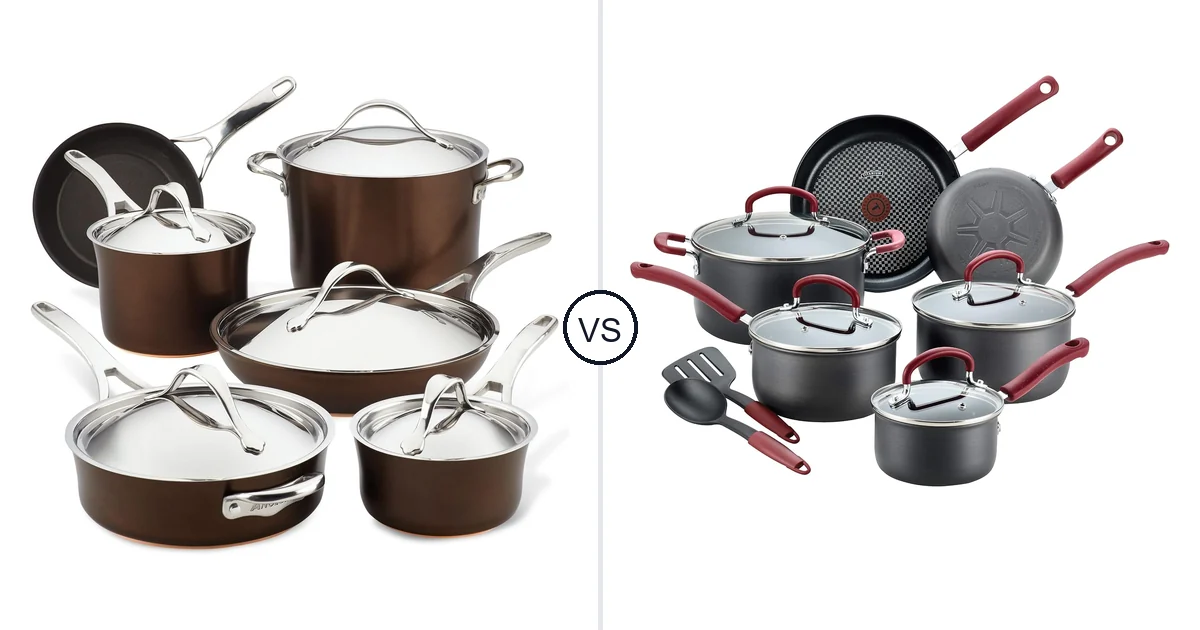
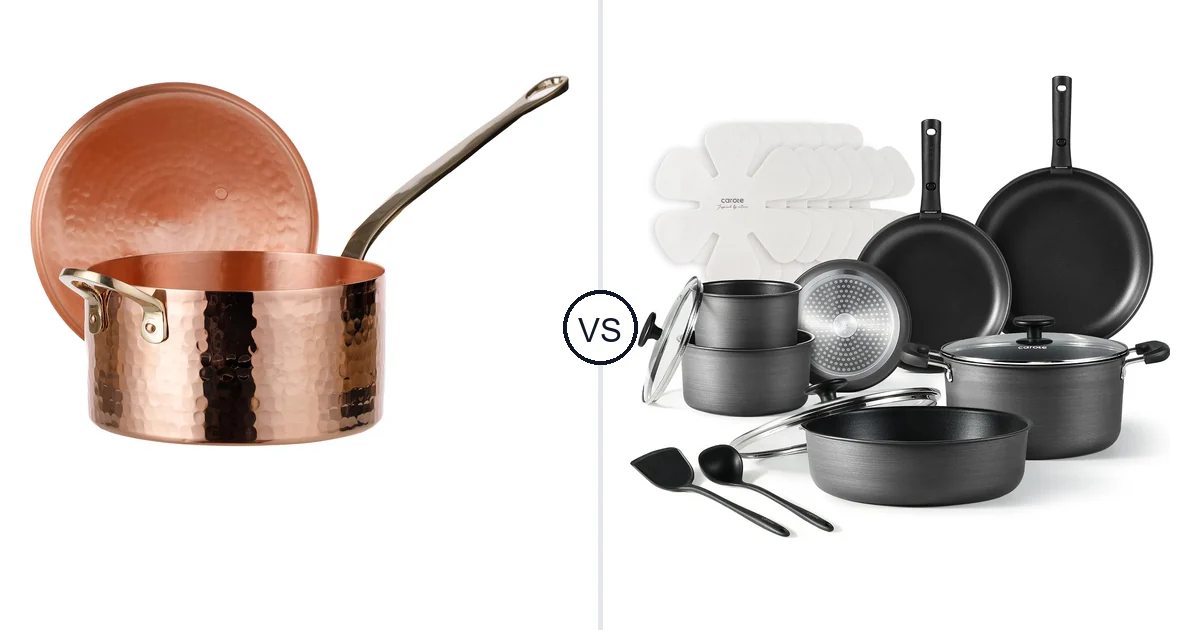
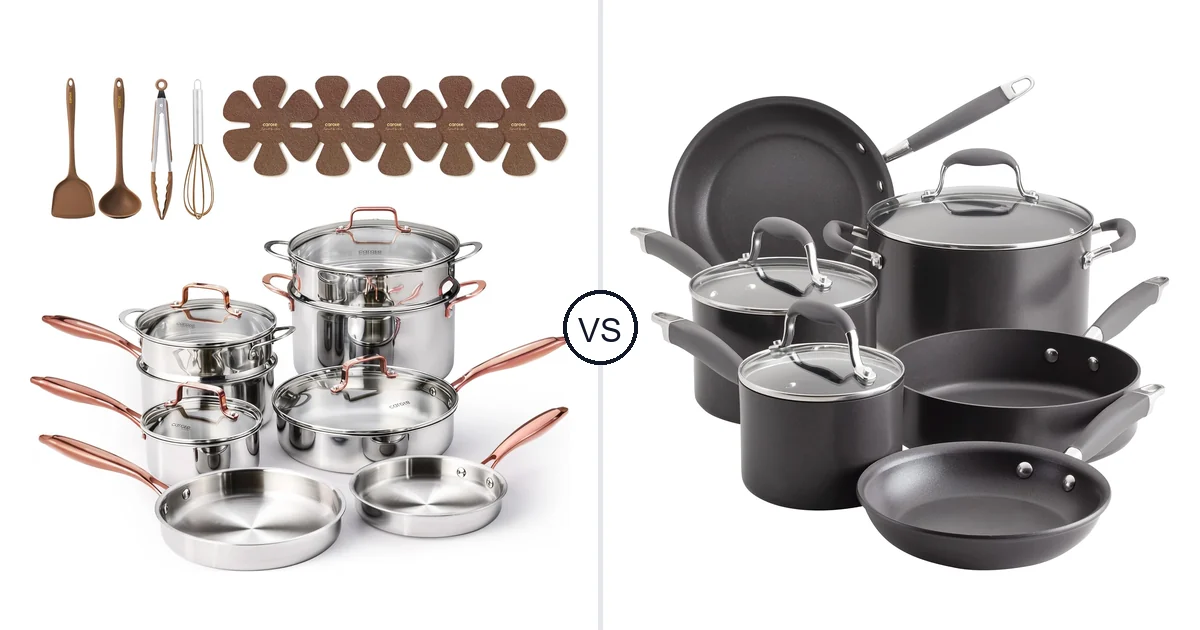
Leave a Reply