

Indian cuisine is a symphony of spices, techniques, and traditions that have been perfected over thousands of years. The secret to achieving authentic Indian flavors lies not just in the ingredients and recipes, but also in using the right cookware. Whether you’re a seasoned home cook looking to upgrade your kitchen arsenal or a beginner eager to explore the rich world of Indian cooking, choosing the right pots, pans, and utensils can make all the difference between good food and extraordinary culinary experiences.
Best Cookware for Indian Cooking:Indian cooking encompasses a vast array of techniques – from tempering spices and slow-cooking curries to making fresh rotis and deep-frying crispy snacks. Each technique requires specific cookware that can handle high heat, distribute it evenly, and withstand the intense flavors and cooking methods that define Indian cuisine. Traditional Indian cookware has evolved over centuries, with each piece designed for specific purposes that modern alternatives sometimes struggle to replicate.
In this comprehensive guide, we’ll explore the essential cookware pieces every Indian kitchen needs, review the top products available on Amazon, and provide you with expert insights to make informed purchasing decisions. From traditional brass and copper vessels to modern non-stick and stainless steel options, we’ll cover everything you need to know to create an authentic Indian cooking experience in your home kitchen.
Top 11 Best Cookware Products for Indian Cooking
1. Hawkins Classic Aluminum Pressure Cooker – 5 Liter
Rating: ★★★★★ (4.8/5)
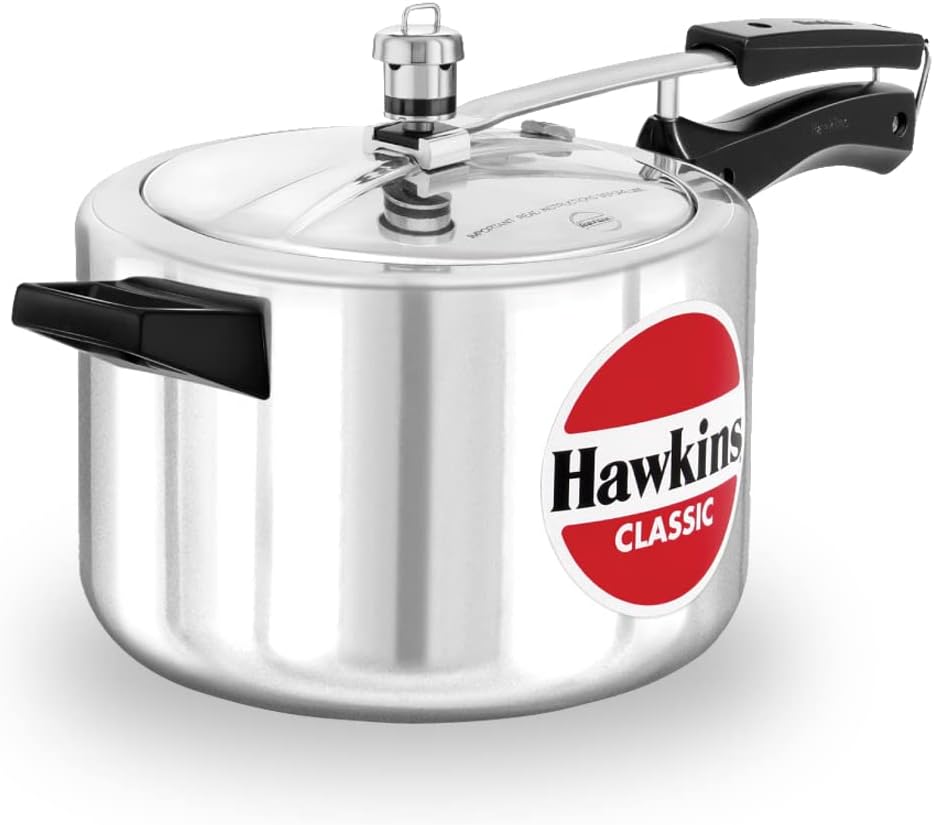
The Hawkins Classic Aluminum Pressure Cooker stands as the undisputed champion of Indian home cooking. This iconic piece of cookware has been a staple in Indian households for decades, and for good reason. The 5-liter capacity strikes the perfect balance for most families, accommodating everything from daily dal preparation to elaborate biryanis and meat curries.
What Makes It Special: The aluminum construction ensures rapid and even heat distribution, which is crucial for Indian cooking where precise temperature control can make or break a dish. The unique pressure release mechanism is both safe and efficient, featuring multiple safety valves that prevent over-pressurization. The cooker comes with a separating ring that prevents foods from mixing when cooking multiple items simultaneously.
Performance in Indian Cooking: This pressure cooker excels at preparing staples like rice, dal, chickpeas, and tough cuts of meat that require long cooking times. The high-pressure environment breaks down fibers quickly while retaining nutrients and intensifying flavors. For busy families, it’s a game-changer – reducing cooking time for rajma from hours to mere minutes while maintaining the authentic taste and texture.
Pros:
- Lightweight yet durable aluminum construction
- Excellent heat distribution prevents hot spots
- Multiple safety features including pressure indicator
- Easy to clean and maintain
- Affordable price point
- Compatible with gas, electric, and induction cooktops
- Comes with comprehensive safety instructions
- Replacement parts readily available
Cons:
- Aluminum may react with highly acidic foods
- Requires careful handling of the pressure mechanism
- Not dishwasher safe
- May develop stains over time with heavy use
Best For: Daily cooking of rice, lentils, beans, and pressure-cooking tough meats and vegetables. Ideal for families who prepare Indian meals regularly and need reliable, fast cooking solutions.
2. Lodge Cast Iron Tawa/Griddle – 10.25 Inch
Rating: ★★★★★ (4.7/5)
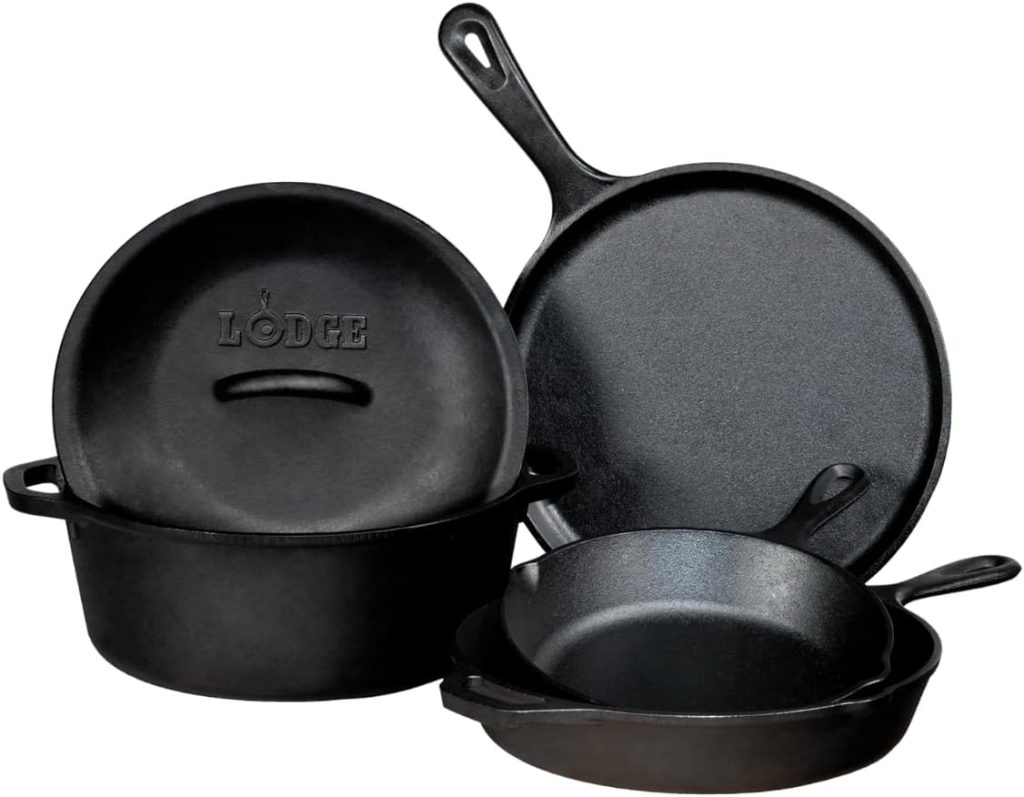
The Lodge Cast Iron Tawa represents the perfect marriage of American craftsmanship and Indian cooking traditions. This pre-seasoned griddle is specifically designed for making Indian flatbreads, though its versatility extends far beyond rotis and naans. The 10.25-inch diameter provides ample cooking surface while remaining manageable for home use.
What Makes It Special: Cast iron’s superior heat retention and distribution make it ideal for achieving the characteristic texture and flavor of Indian breads. The pre-seasoned surface develops a natural non-stick coating over time, improving with each use. Unlike traditional iron tawas that require extensive seasoning and maintenance, this Lodge griddle comes ready to use out of the box.
Performance in Indian Cooking: The tawa excels at making chapatis, rotis, parathas, and dosas. The even heat distribution ensures uniform cooking without hot spots that can burn delicate flatbreads. It’s also excellent for dry-roasting spices, which is fundamental to Indian cooking. The thermal mass of cast iron means it maintains consistent temperatures even when cold dough is placed on its surface.
Pros:
- Excellent heat retention and distribution
- Pre-seasoned and ready to use
- Develops better non-stick properties over time
- Versatile for flatbreads, roasting spices, and searing
- Durable construction that lasts generations
- Works on all heat sources including induction
- Naturally non-toxic cooking surface
- Adds iron to food (nutritional benefit)
Cons:
- Heavy weight may be challenging for some users
- Requires proper seasoning maintenance
- Can rust if not dried properly
- Takes time to heat up initially
- Not suitable for acidic foods initially
Best For: Making Indian flatbreads, dry-roasting spices, cooking dosas, and anyone seeking traditional cooking methods with modern convenience.
3. Butterfly Stainless Steel Kadai with Lid – 24cm
Rating: ★★★★☆ (4.6/5)

The Butterfly Stainless Steel Kadai is a modern interpretation of the traditional Indian wok, designed specifically for contemporary kitchens while maintaining the essential characteristics that make kadais indispensable for Indian cooking. The 24cm diameter offers generous cooking space for family-sized portions while the stainless steel construction provides durability and easy maintenance.
What Makes It Special: The tri-ply bottom construction ensures even heat distribution, addressing the common issue of hot spots that plague cheaper kadais. The curved shape facilitates proper oil circulation during deep-frying and allows for efficient stirring of curries and gravies. The included lid is a thoughtful addition that enables steam-cooking and helps retain moisture during slow-cooking processes.
Performance in Indian Cooking: This kadai performs exceptionally well for deep-frying pakoras, samosas, and other snacks. The shape allows for efficient oil usage while maintaining optimal frying temperatures. For curry preparation, the wide surface area enables proper bhunao (sautéing) of onions and spices, which is crucial for developing deep flavors. The stainless steel surface doesn’t react with acidic ingredients, making it perfect for tomato-based curries.
Pros:
- High-quality stainless steel construction
- Tri-ply bottom for even heating
- Comes with fitted lid
- Easy to clean and maintain
- Doesn’t react with acidic foods
- Induction compatible
- Dishwasher safe
- Ergonomic handles stay cool during cooking
Cons:
- More expensive than aluminum alternatives
- Takes longer to heat up than aluminum
- Food may stick initially until proper technique is developed
- Heavier than traditional iron kadais
Best For: Deep-frying, curry preparation, stir-frying vegetables, and general Indian cooking where durability and easy maintenance are priorities.
4. Pigeon Favourite Non-Stick Kadai – 240mm
Rating: ★★★★☆ (4.4/5)
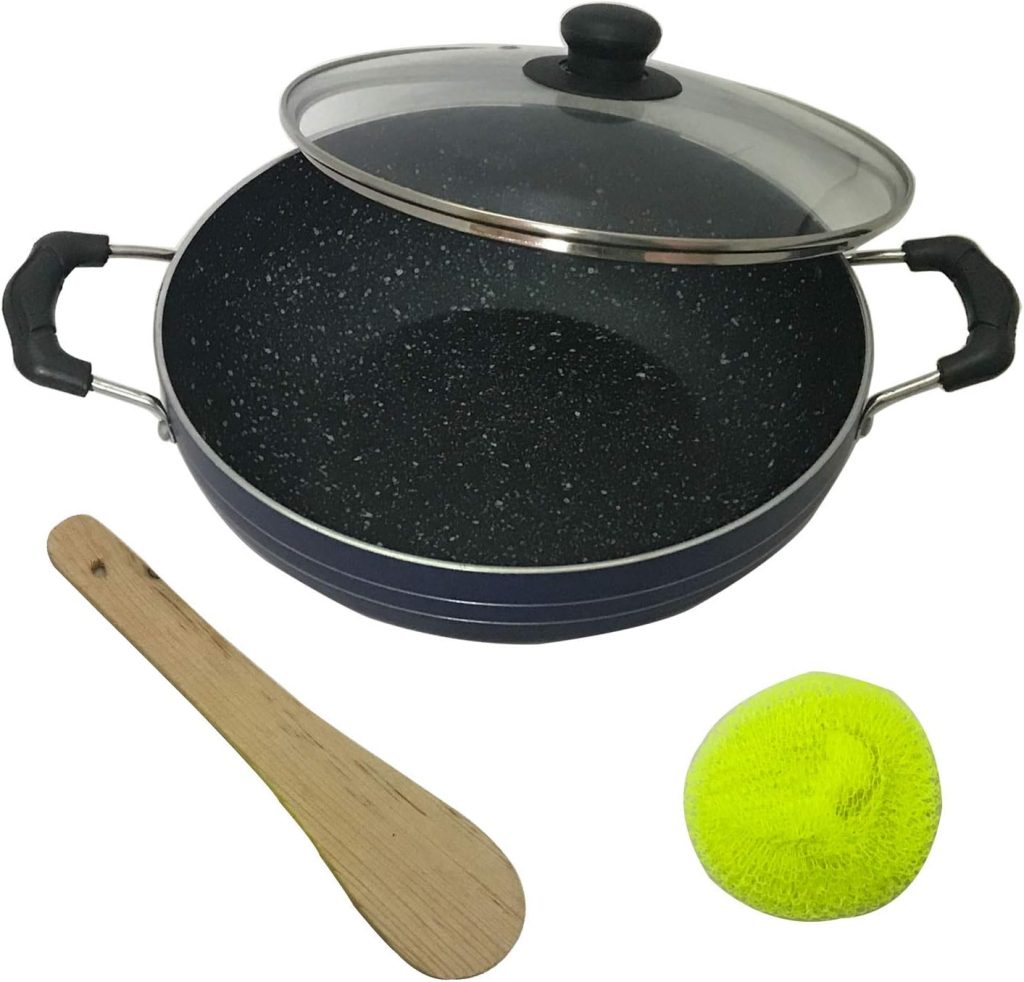
The Pigeon Favourite Non-Stick Kadai brings modern convenience to traditional Indian cooking methods. This 240mm kadai features a high-quality non-stick coating that makes it ideal for health-conscious cooking while maintaining the essential shape and functionality of a traditional kadai.
What Makes It Special: The non-stick coating allows for low-oil cooking, which is increasingly important for health-conscious families. The aluminum base ensures quick and even heating, while the ergonomic handle provides comfortable grip during extended cooking sessions. The kadai’s depth and shape are optimized for Indian cooking techniques.
Performance in Indian Cooking: This kadai excels at preparing dishes that traditionally require significant amounts of oil. Vegetables can be sautéed with minimal oil while achieving proper caramelization. It’s particularly good for dishes like bhindi (okra) and aloo gobi (cauliflower potato) that tend to stick in traditional pans. The non-stick surface also makes it excellent for preparing scrambled paneer and delicate egg dishes.
Pros:
- Excellent non-stick performance
- Requires minimal oil for cooking
- Easy cleanup and maintenance
- Lightweight and easy to handle
- Quick and even heating
- Induction compatible
- Affordable pricing
- PFOA-free coating
Cons:
- Non-stick coating may wear off over time
- Not suitable for very high-temperature cooking
- Cannot use metal utensils
- May not develop the same flavors as traditional materials
- Limited lifespan compared to stainless steel options
Best For: Health-conscious cooking, preparing vegetables and delicate dishes, and cooks who prioritize easy cleanup and maintenance.
5. Vinod Stainless Steel Sandwich Bottom Tawa – 28cm
Rating: ★★★★★ (4.7/5)
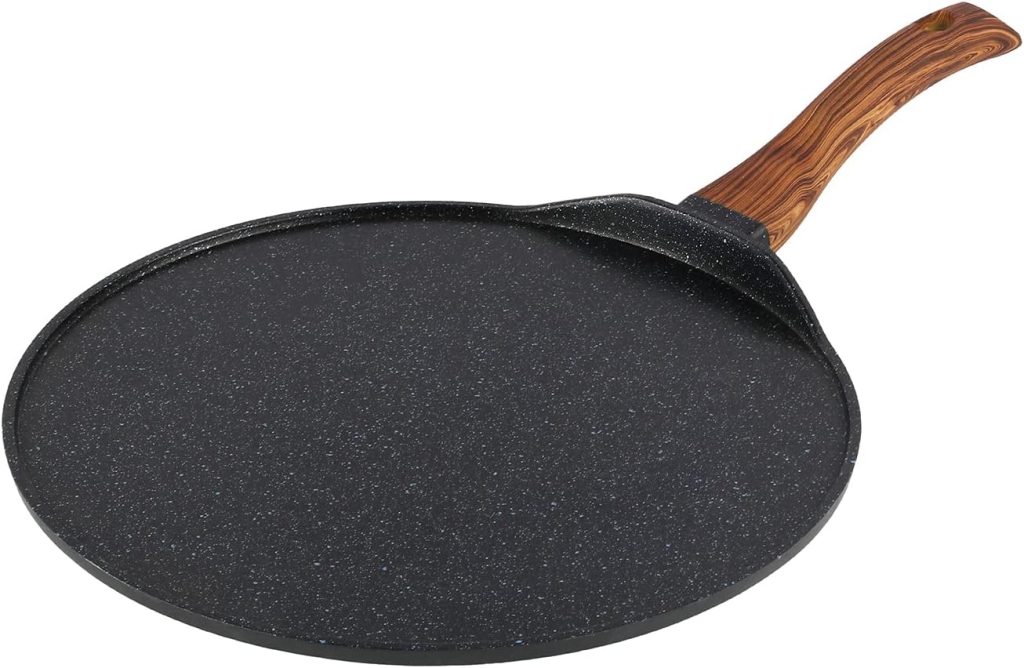
The Vinod Stainless Steel Sandwich Bottom Tawa represents excellence in modern Indian cookware manufacturing. This 28cm tawa features innovative sandwich bottom technology that combines the heat distribution benefits of aluminum with the durability and safety of stainless steel surfaces.
What Makes It Special: The sandwich bottom construction features an aluminum core sandwiched between stainless steel layers, providing rapid heating like aluminum while maintaining the non-reactive properties of stainless steel. The 28cm diameter offers generous cooking space for making multiple rotis simultaneously or preparing large dosas.
Performance in Indian Cooking: This tawa delivers professional-level performance for Indian bread making. The even heat distribution ensures uniform cooking without the common problem of some areas being overcooked while others remain underdone. It heats up quickly and maintains consistent temperatures, making it possible to produce restaurant-quality flatbreads at home. The stainless steel surface develops a natural patina over time that improves its non-stick properties.
Pros:
- Superior heat distribution due to sandwich construction
- Durable stainless steel surface
- Large cooking surface accommodates multiple items
- Induction compatible
- Easy to clean and maintain
- Doesn’t react with acidic ingredients
- Professional-grade performance
- Long-lasting with proper care
Cons:
- Higher initial cost than basic aluminum tawas
- Heavier than single-layer alternatives
- May require seasoning for optimal performance
- Takes slightly longer to heat than pure aluminum
Best For: Serious home cooks, making multiple flatbreads simultaneously, and those who want professional-grade performance with modern convenience.
6. Prestige Popular Deep Pan – 200mm
Rating: ★★★★☆ (4.5/5)
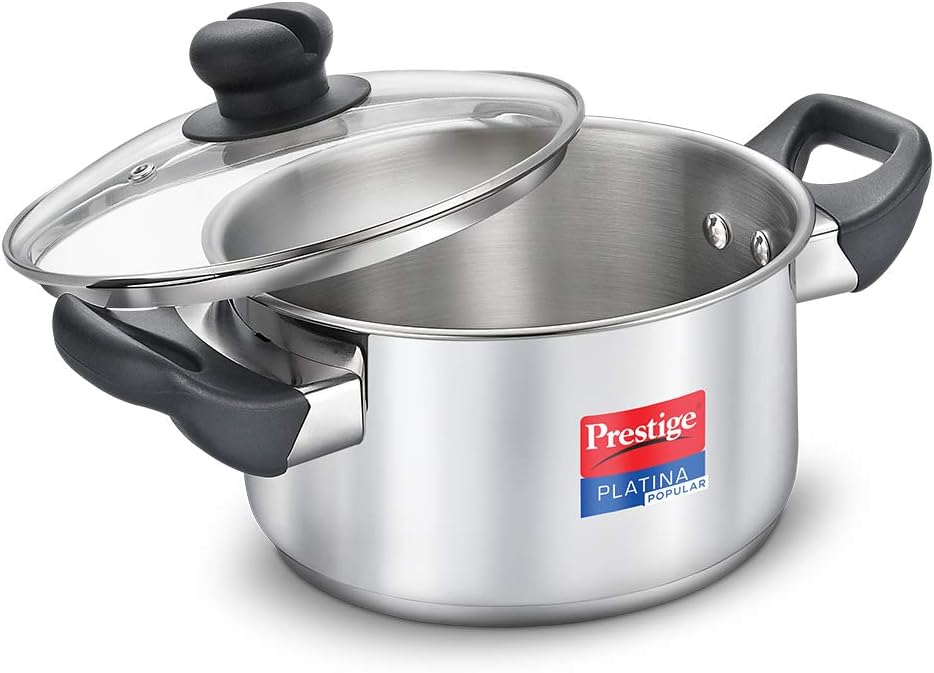
The Prestige Popular Deep Pan is a versatile workhorse that addresses multiple cooking needs in the Indian kitchen. With its 200mm diameter and substantial depth, this pan bridges the gap between a traditional kadai and a deep saucepan, making it incredibly versatile for various Indian cooking techniques.
What Makes It Special: The deep design allows for both sautéing and deep-frying in the same vessel, while the wide base provides excellent surface area for proper browning of ingredients. The aluminum construction with a thick base ensures even heating, while the ergonomic handle remains cool during cooking.
Performance in Indian Cooking: This pan excels at preparing dishes that require both initial sautéing and subsequent simmering, such as chicken curry or mutton dishes. The depth allows for adequate oil for deep-frying while the wide base ensures proper heat distribution for tempering spices. It’s particularly good for one-pot meals and dishes that require building layers of flavors.
Pros:
- Versatile deep design suitable for multiple cooking methods
- Even heat distribution prevents burning
- Comfortable, heat-resistant handle
- Affordable pricing
- Easy to clean
- Suitable for gas and electric cooktops
- Good capacity for family cooking
- Lightweight yet sturdy
Cons:
- Not induction compatible
- Aluminum may react with acidic foods
- No lid included
- May develop scratches with metal utensils
- Handle may become loose over time
Best For: Versatile cooking needs, preparing curries and gravies, small-batch deep-frying, and cooks who want one pan for multiple techniques.
7. Milton Pro Cook Stainless Steel Idli Maker – 4 Plates
Rating: ★★★★★ (4.8/5)
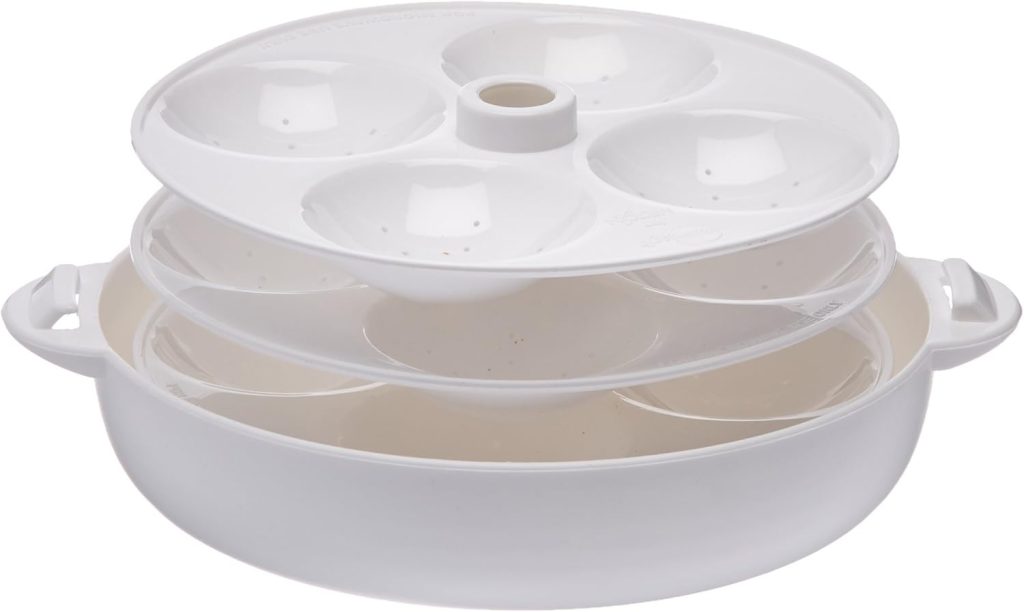
The Milton Pro Cook Stainless Steel Idli Maker is an essential appliance for South Indian cooking enthusiasts. This specialized steamer is designed specifically for making perfect idlis – the soft, fluffy rice cakes that are a cornerstone of South Indian cuisine.
What Makes It Special: The four-plate design allows for making 16 idlis simultaneously, making it perfect for families or meal prep. The stainless steel construction ensures food safety and durability, while the efficient steam circulation system guarantees evenly cooked idlis every time. The plates are designed with the perfect depth and spacing for optimal steam flow.
Performance in Indian Cooking: This idli maker produces consistently perfect results – idlis that are fluffy, well-steamed, and have the ideal texture. The steam circulation system ensures that all idlis cook evenly, regardless of their position in the steamer. It’s also versatile enough for preparing other steamed items like dhokla, modak, and various regional steamed snacks.
Pros:
- Makes 16 idlis at once for efficiency
- Food-grade stainless steel construction
- Easy to clean and maintain
- Efficient steam circulation system
- Compact design for easy storage
- Versatile for other steamed foods
- Durable construction
- Reasonable pricing
Cons:
- Limited to steaming applications
- Requires separate pot for steam generation
- May take up storage space
- Learning curve for optimal batter consistency
- Not suitable for small portions
Best For: South Indian cooking enthusiasts, families who regularly enjoy idlis, and anyone interested in healthy steamed foods.
8. Futura Hard Anodised Curry Pan – 2.5 Liter
Rating: ★★★★★ (4.9/5)
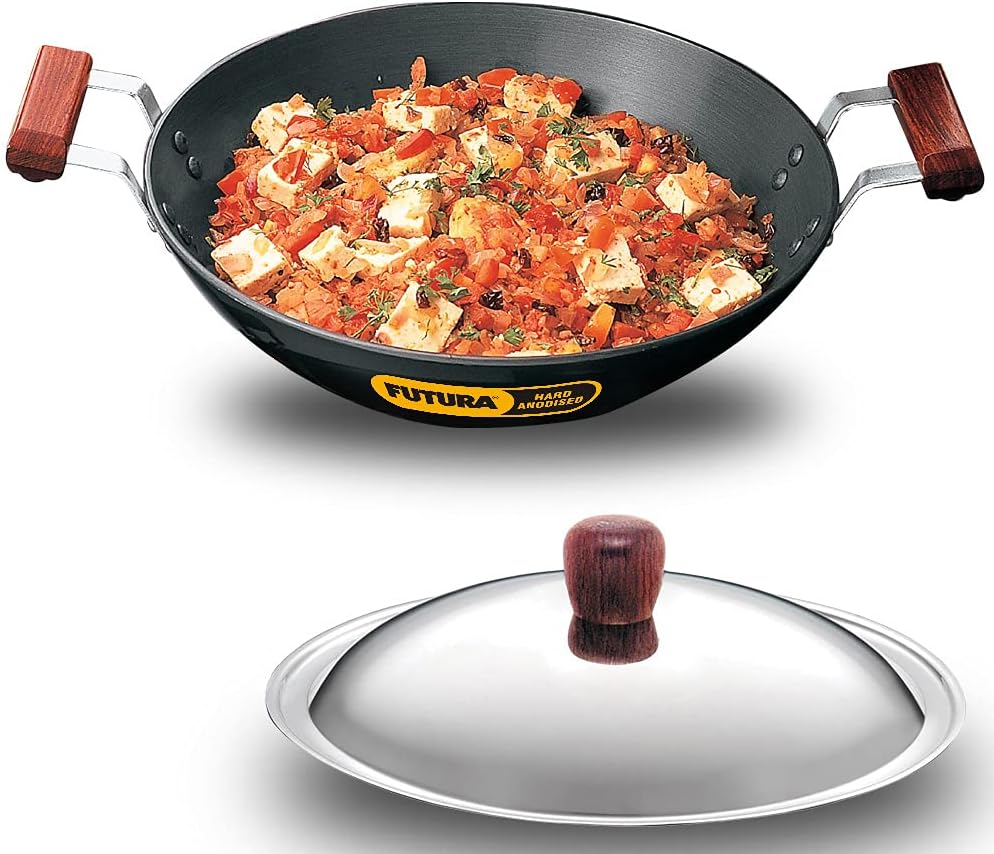
The Futura Hard Anodised Curry Pan represents the pinnacle of modern Indian cookware technology. This 2.5-liter pan combines the heat distribution benefits of aluminum with the durability and safety of hard anodization, creating an ideal vessel for preparing authentic Indian curries.
What Makes It Special: Hard anodization creates a surface that’s harder than stainless steel while maintaining aluminum’s excellent heat conduction properties. The process also makes the surface non-reactive, addressing the main concern with traditional aluminum cookware. The curved sides and wide base are specifically designed for Indian curry preparation techniques.
Performance in Indian Cooking: This pan excels at every stage of curry preparation – from tempering whole spices to slow-simmering complex gravies. The superior heat distribution ensures that onions caramelize evenly without burning, while the non-reactive surface allows for proper development of tomato-based gravies. The thermal efficiency means curries cook faster while using less energy.
Pros:
- Superior heat distribution and retention
- Non-reactive hard anodized surface
- Lightweight yet extremely durable
- Easy to clean with minimal oil residue
- Energy-efficient cooking
- Ergonomic handle design
- Suitable for all heat sources
- Professional-grade performance
Cons:
- Higher price point than basic alternatives
- Dark surface makes it harder to judge browning
- Requires gentle cleaning to maintain coating
- Not dishwasher recommended
Best For: Serious curry enthusiasts, professional-level home cooking, and those who want the best performance regardless of price.
9. Amazon Brand – Solimo Stainless Steel Handi Set (3 Pieces)
Rating: ★★★★☆ (4.3/5)

The Solimo Stainless Steel Handi Set brings traditional Indian cooking vessels into the modern era with contemporary materials and manufacturing. This three-piece set includes different sizes to accommodate various cooking needs, from individual portions to family meals.
What Makes It Special: The handi shape is traditional to Indian cooking, with a wide bottom that narrows at the top – perfect for slow-cooking and reducing gravies. The stainless steel construction provides durability and easy maintenance while the tri-ply bottom ensures even heating. The set approach provides excellent value for money.
Performance in Indian Cooking: These handis excel at slow-cooking dishes like biryanis, kormas, and dum-style preparations. The shape naturally concentrates flavors while allowing for proper evaporation of excess moisture. They’re particularly good for dishes that benefit from the “dum” cooking method, where food is cooked in its own steam and moisture.
Pros:
- Traditional handi shape optimized for Indian cooking
- Set of three different sizes for versatility
- High-quality stainless steel construction
- Tri-ply bottom for even heating
- Easy to clean and maintain
- Induction compatible
- Good value for money
- Attractive presentation for serving
Cons:
- May require longer heating time initially
- Handles can get hot during extended cooking
- More expensive than single aluminum alternatives
- Learning curve for optimal use
Best For: Traditional Indian cooking methods, dum preparations, slow-cooking, and cooks who appreciate authentic vessel shapes with modern materials.
10. Prestige Omega Deluxe Granite Non-Stick Kadai – 240mm
Rating: ★★★★☆ (4.4/5)

The Prestige Omega Deluxe Granite Non-Stick Kadai combines cutting-edge non-stick technology with the traditional kadai design that’s essential for Indian cooking. The granite-finish coating provides enhanced durability while maintaining excellent release properties.
What Makes It Special: The granite finish isn’t just aesthetic – it provides additional scratch resistance and durability compared to standard non-stick coatings. The aluminum body ensures quick and even heating, while the kadai shape facilitates proper oil circulation and ingredient movement during cooking.
Performance in Indian Cooking: This kadai performs excellently for health-conscious Indian cooking, requiring minimal oil while still achieving proper browning and flavor development. It’s particularly good for vegetable dishes, paneer preparations, and dishes that traditionally stick to regular pans. The non-stick surface makes cleanup effortless even after cooking turmeric-heavy dishes.
Pros:
- Durable granite non-stick coating
- Requires minimal oil for cooking
- Easy cleanup and maintenance
- Even heat distribution
- Attractive granite appearance
- Lightweight and easy to handle
- Induction compatible
- Cool-touch handles
Cons:
- Non-stick coating may wear over time
- Cannot use metal utensils
- Not suitable for very high-heat cooking
- More expensive than basic non-stick options
- May not develop traditional flavors like seasoned iron
Best For: Health-conscious cooking, preparing vegetable dishes, and cooks who prioritize easy cleanup and low-oil cooking methods.
11. Hawkins Tri-Ply Stainless Steel Sauce Pan – 18cm
Rating: ★★★★★ (4.7/5)
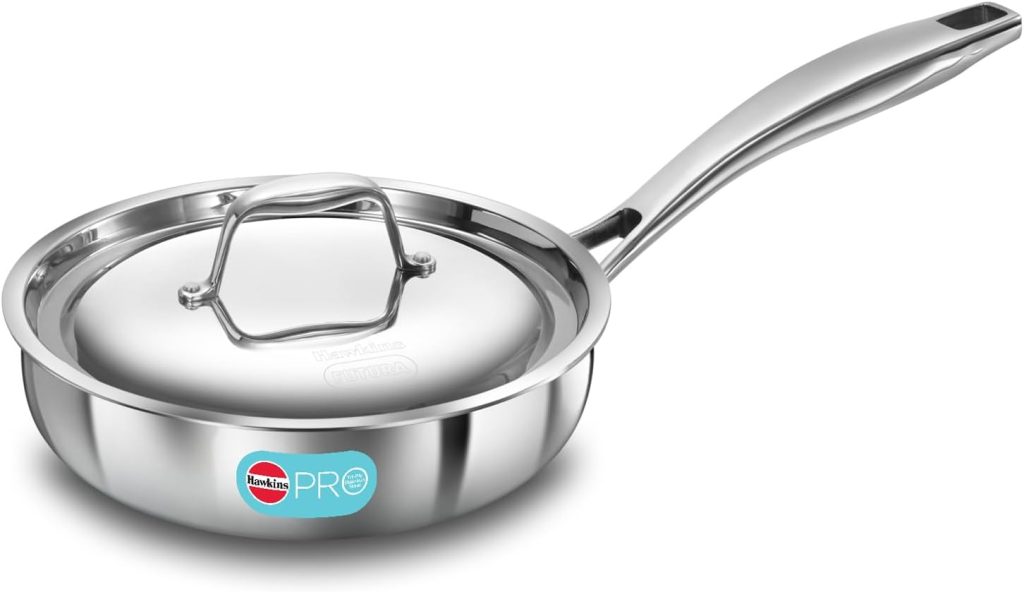
The Hawkins Tri-Ply Stainless Steel Sauce Pan represents precision engineering applied to Indian cooking needs. The 18cm diameter makes it perfect for preparing smaller quantities of curries, tempering spices, and cooking for smaller families or individual portions.
What Makes It Special: The tri-ply construction features an aluminum core sandwiched between stainless steel layers, combining the best properties of both materials. The encapsulated bottom extends heat distribution throughout the entire base, eliminating hot spots that can burn delicate spice mixtures.
Performance in Indian Cooking: This sauce pan excels at tempering (tadka) preparation, where whole spices are heated in oil to release their flavors. The precise heat control prevents burning of expensive spices while ensuring proper flavor extraction. It’s also ideal for preparing small batches of gravies, reducing sauces, and cooking for one or two people.
Pros:
- Professional-grade tri-ply construction
- Excellent heat distribution and control
- Perfect size for tempering and small batches
- Durable stainless steel surface
- Easy to clean and maintain
- Induction compatible
- Cool-grip handles
- Attractive mirror finish
Cons:
- Limited capacity for large families
- Higher price point than single-layer alternatives
- Heavier than aluminum options
- May require oil or butter to prevent sticking initially
Best For: Tempering spices, preparing gravies for small families, precision cooking, and those who want professional-grade performance in a compact size.
12. Vinod Bronze Non-Stick Dosa Tawa – 275mm
Rating: ★★★★☆ (4.5/5)
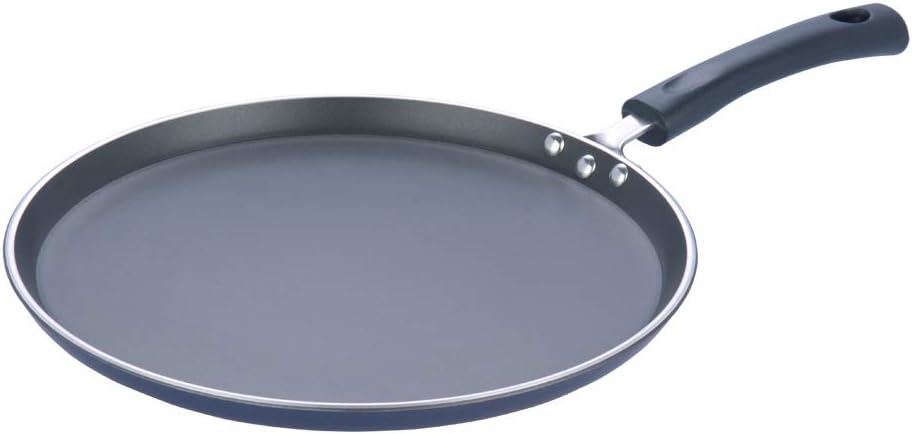
The Vinod Bronze Non-Stick Dosa Tawa is specifically engineered for the art of dosa making, featuring a large cooking surface and specialized non-stick coating that’s designed to handle the unique requirements of South Indian crepe preparation.
What Makes It Special: The 275mm diameter provides ample space for making large, restaurant-style dosas while the bronze-colored non-stick coating is specifically formulated for high-temperature cooking. The flat design with minimal lip allows for easy spreading of dosa batter and effortless flipping.
Performance in Indian Cooking: This tawa excels at dosa preparation, producing crispy, golden dosas with minimal oil. The large surface area allows for making multiple small dosas or one large family-size dosa. The non-stick surface ensures easy release even with minimal oil, while the even heating prevents the common problem of unevenly cooked dosas.
Pros:
- Large surface ideal for dosas
- Specialized non-stick coating for high heat
- Even heat distribution across entire surface
- Easy dosa removal and flipping
- Minimal oil requirement
- Easy to clean
- Attractive bronze finish
- Suitable for other flatbreads too
Cons:
- Large size may not fit all stovetops
- Storage space requirements
- Non-stick coating requires careful maintenance
- Not suitable for metal utensils
- May not work well for deep dishes
Best For: Dosa enthusiasts, South Indian cooking, large families, and anyone who wants to master the art of crispy, authentic dosas at home.
13. Pristine Tri-Ply Stainless Steel Stockpot – 5 Liter
Rating: ★★★★★ (4.6/5)
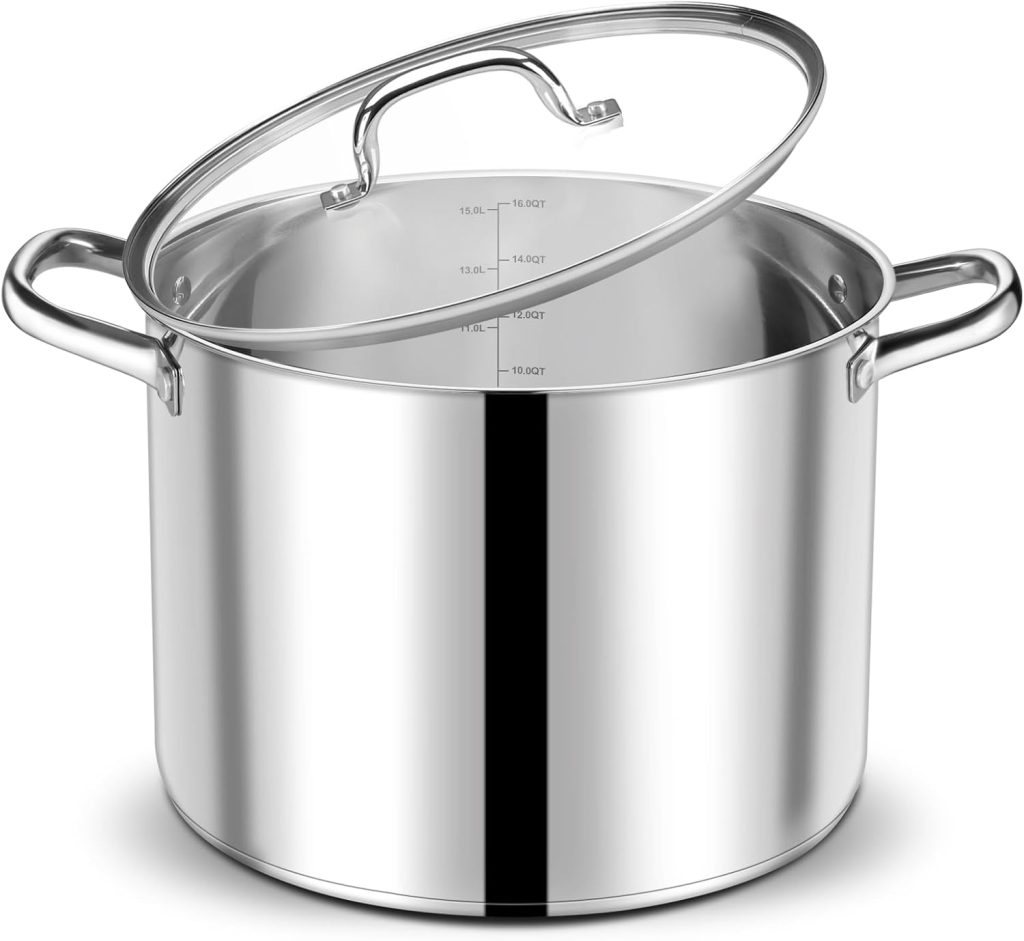
The Pristine Tri-Ply Stainless Steel Stockpot is a heavy-duty cooking vessel designed for preparing large quantities of Indian staples. The 5-liter capacity makes it ideal for cooking rice, dal, and stocks for large families or meal preparation.
What Makes It Special: The tri-ply construction with aluminum core provides exceptional heat distribution throughout the entire pot, not just the base. This ensures even cooking of large quantities without hot spots. The tall sides minimize evaporation while the wide base provides adequate surface area for proper cooking.
Performance in Indian Cooking: This stockpot excels at preparing large batches of rice, dal, and soups. The even heating prevents the common problem of bottom burning when cooking large quantities. It’s particularly valuable for preparing stocks and broths that form the base of many Indian gravies, and for cooking grains and legumes in bulk for meal preparation.
Pros:
- Large 5-liter capacity for bulk cooking
- Superior tri-ply heat distribution
- Durable stainless steel construction
- Suitable for all heat sources including induction
- Easy to clean and maintain
- Professional-grade build quality
- Heat-resistant handles
- Comes with fitted lid
Cons:
- Large size may be overwhelming for small families
- Takes longer to heat due to thermal mass
- Requires significant storage space
- Higher price point than basic alternatives
- Heavy when full
Best For: Large families, meal preparation, cooking rice and dal in bulk, and preparing stocks and broths for Indian gravies.
14. Nirlon Non-Stick Aluminium Tadka Pan – 120mm
Rating: ★★★★☆ (4.3/5)
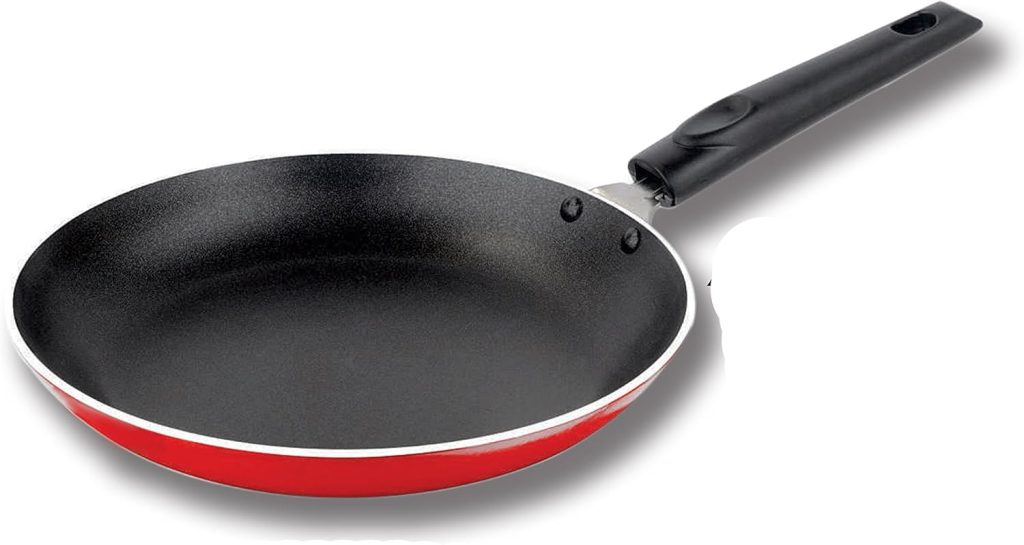
The Nirlon Non-Stick Aluminium Tadka Pan is a specialized tool designed specifically for one of the most important techniques in Indian cooking – tempering spices. This small but mighty pan is essential for creating the aromatic spice mixtures that elevate Indian dishes from good to extraordinary.
What Makes It Special: The compact 120mm size is perfect for tempering small quantities of spices without waste. The non-stick coating prevents expensive spices from sticking and burning, while the aluminum construction provides quick, responsive heating that’s crucial for proper tempering technique.
Performance in Indian Cooking: This tadka pan excels at its primary purpose – creating perfect temperings for dal, vegetables, and curries. The small size means oil heats quickly and maintains proper temperature for spice extraction. The non-stick surface allows for easy removal of tempered spices and effortless cleanup, even after cooking turmeric and other staining spices.
Pros:
- Perfect size for tempering spices
- Non-stick coating prevents burning
- Quick heating and temperature control
- Easy cleanup after use
- Affordable pricing
- Lightweight and easy to handle
- Minimal oil requirements
- Compact storage
Cons:
- Limited to specialized use
- Non-stick coating may wear with frequent use
- Very small capacity
- Cannot use metal spoons for stirring
- May not be necessary for casual cooks
Best For: Authentic Indian cooking, frequent tempering preparation, and cooks who want to master traditional spice techniques.
15. Cello Stainless Steel Serving Bowl Set – 6 Pieces
Rating: ★★★★☆ (4.4/5)
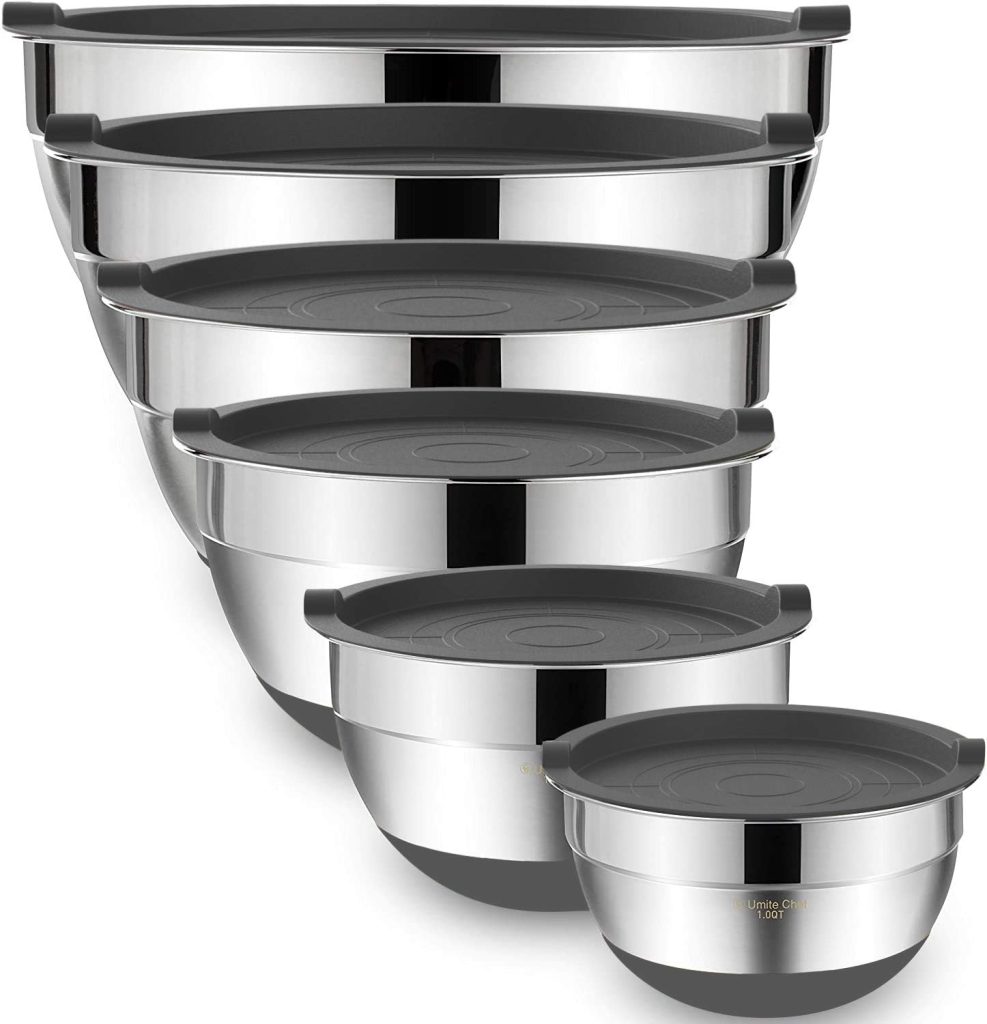
The Cello Stainless Steel Serving Bowl Set provides essential serving and preparation vessels that are integral to Indian dining culture. These bowls serve multiple purposes, from serving individual portions of curry and dal to mixing and preparation tasks.
What Makes It Special: The graduated sizes in this six-piece set accommodate different serving needs, from individual katori portions to family-style serving bowls. The mirror-finish stainless steel provides an attractive presentation while being completely food-safe and non-reactive with all types of Indian foods.
Performance in Indian Use: These bowls excel at serving traditional Indian meals where multiple dishes are presented simultaneously. The stainless steel construction keeps foods at serving temperature longer than ceramic alternatives. They’re also excellent for preparation tasks like marinating meats, mixing spice pastes, and storing prepped ingredients during cooking.
Pros:
- Complete set with multiple sizes
- Food-grade stainless steel construction
- Attractive mirror finish for presentation
- Stackable design for easy storage
- Easy to clean and maintain
- Unbreakable unlike ceramic alternatives
- Suitable for hot and cold foods
- Good value for complete set
Cons:
- Can get hot when serving very hot foods
- May show water spots if not dried properly
- Limited insulation properties
- Metallic taste if not properly cleaned
- Can be noisy during cleanup
Best For: Traditional Indian meal presentation, food preparation and mixing, families who eat Indian food regularly, and those who want durable, attractive serving pieces.
Comprehensive Buying Guide for Indian Cookware
Understanding Traditional vs. Modern Materials
Traditional Materials:
Indian cookware has historically been made from materials that were readily available and performed well with traditional cooking methods. Clay pots were used for slow-cooking and water storage, iron was forged into tawas and kadais, brass and copper were crafted into water vessels and cooking pots, and bronze was used for serving pieces and storage.
Each traditional material offers unique benefits. Clay retains moisture and imparts a subtle earthy flavor to foods while providing excellent heat retention for slow-cooking dishes. Iron, when properly seasoned, develops natural non-stick properties and adds beneficial iron to foods. Brass and copper offer superior heat conduction but require more maintenance and care.
Modern Alternatives:
Contemporary cookware materials have been developed to address the limitations of traditional materials while maintaining their benefits. Stainless steel provides durability and easy maintenance without reactivity concerns. Hard-anodized aluminum offers excellent heat distribution with a non-reactive surface. Non-stick coatings provide convenience and health benefits through reduced oil cooking.
Tri-ply and multi-ply constructions combine the best properties of different materials, typically featuring aluminum cores for heat distribution sandwiched between stainless steel layers for durability and food safety.
Essential Cookware Pieces for Indian Cooking
Pressure Cooker: The pressure cooker is perhaps the most important single piece of equipment in an Indian kitchen. It dramatically reduces cooking time for staples like rice, dal, chickpeas, and tough cuts of meat while preserving nutrients and intensifying flavors. For Indian cooking, choose a pressure cooker with a capacity of 3-5 liters for most families.
Look for models with multiple safety features, including pressure indicators, safety valves, and gasket release systems. Aluminum pressure cookers heat faster and are more affordable, while stainless steel options offer greater durability and don’t react with acidic foods.
Kadai (Indian Wok): The kadai is the heart of Indian cooking, used for everything from deep-frying snacks to preparing complex curries. The curved sides facilitate proper oil circulation during frying and allow for efficient stirring during sautéing. Traditional iron kadais develop seasoning over time, while modern stainless steel and non-stick versions offer convenience and easy maintenance.
Choose a kadai with a diameter of 24-28cm for most cooking needs. Look for models with helper handles for easy lifting when full, and ensure the base is thick enough to prevent hot spots.
Tawa (Flatbread Griddle): Essential for making rotis, chapatis, parathas, and other Indian flatbreads. Traditional iron tawas provide excellent heat retention and develop natural non-stick properties when properly seasoned. Modern alternatives include stainless steel with aluminum cores and non-stick coatings.
The ideal tawa should be 25-28cm in diameter to accommodate most flatbread sizes. Look for models with even heat distribution to prevent uneven cooking and burning.
Sauce Pans and Deep Pans: These versatile pieces handle everything from tempering spices to preparing gravies and cooking vegetables. Choose pans with heavy bottoms to prevent burning and ensure even heat distribution. Stainless steel options are preferred for their non-reactive properties and durability.
Specialized Items: Depending on your cooking preferences, consider specialized items like idli makers for South Indian steaming, dhokla plates for Gujarati snacks, or tandoor-style ovens for bread making.
Heat Source Compatibility
Gas Cooking: Most Indian households traditionally use gas cooking, and virtually all cookware works well with gas heat sources. Gas provides instant heat control and works especially well with traditional materials like iron and aluminum. When choosing cookware for gas cooking, ensure the base is sized appropriately for your burners to maximize efficiency.
Electric Cooking: Electric cooktops require cookware with flat, smooth bottoms for optimal contact and heat transfer. Look for pieces with thick, heavy bottoms that distribute heat evenly across the surface. Avoid warped or uneven bottoms that may create hot spots.
Induction Cooking: Induction cooktops are becoming increasingly popular due to their efficiency and precise temperature control. However, they require cookware with magnetic bases. Stainless steel, cast iron, and enameled iron work well, while aluminum and copper require magnetic discs attached to the bottom.
When shopping for induction-compatible Indian cookware, look for the induction symbol or test with a magnet to ensure compatibility. Tri-ply stainless steel with aluminum cores typically work well with induction while providing excellent heat distribution.
Size and Capacity Considerations
Family Size: Your family size significantly impacts the ideal cookware sizes. For couples or small families, 2-3 liter pressure cookers and 20-24cm kadais are usually sufficient. Larger families may need 5-7 liter pressure cookers and 26-30cm kadais to cook adequate quantities efficiently.
Cooking Frequency: If you cook Indian food daily, invest in larger pieces that can handle bigger batches. This is especially important for staples like rice and dal that can be cooked in larger quantities and used throughout the week.
Storage Space: Consider your available storage space when choosing sizes. Stackable designs and nesting sets can help maximize storage efficiency in smaller kitchens.
Maintenance and Care
Seasoning and Initial Preparation: Traditional iron cookware requires proper seasoning before first use and regular maintenance thereafter. This involves coating the surface with oil and heating to create a protective, non-stick layer. Stainless steel and non-stick options typically require only washing before first use.
Daily Cleaning: Different materials require different cleaning approaches. Stainless steel can handle more aggressive cleaning, while non-stick surfaces require gentle care to preserve their coating. Traditional iron pieces should be dried immediately after cleaning and lightly oiled to prevent rusting.
Long-term Care: Proper care extends the life of your cookware significantly. This includes avoiding thermal shock (sudden temperature changes), using appropriate utensils, and storing pieces properly to prevent damage.
Budget Considerations
Entry-Level Budget ($50-100): Focus on essential pieces like a basic pressure cooker, aluminum kadai, and simple tawa. These will handle most Indian cooking needs while keeping costs manageable.
Mid-Range Budget ($100-250): This budget allows for higher-quality materials like stainless steel, better construction like tri-ply bottoms, and additional specialized pieces like proper spice tempering pans.
Premium Budget ($250+): Premium budgets open up options for complete sets, specialized materials like hard-anodized aluminum, and professional-grade construction that will last for decades.
Health and Safety Considerations
Non-Reactive Materials: For health-conscious cooking, prioritize non-reactive materials like stainless steel, properly seasoned iron, and quality non-stick coatings. These don’t leach chemicals into food and don’t react with acidic ingredients common in Indian cooking.
Coating Safety: When choosing non-stick cookware, look for PFOA-free coatings and avoid overheating non-stick surfaces beyond their recommended temperature limits. Quality brands typically provide clear guidance on safe usage temperatures.
Weight and Ergonomics: Consider the weight of cookware, especially for pieces you’ll use frequently. While heavier cookware often provides better heat retention, it can be challenging for some users to handle safely when full of food.
Brand Reputation and Warranty
Established Indian Brands: Brands like Hawkins, Prestige, and Butterfly have decades of experience specifically with Indian cooking needs. They understand the unique requirements of Indian cuisine and design their products accordingly. These brands typically offer excellent customer service and readily available replacement parts.
International Brands: Companies like Lodge, Cuisinart, and All-Clad bring advanced manufacturing techniques and materials science to Indian cooking applications. While they may not have the same cultural understanding, they often provide superior build quality and innovative features.
Warranty Considerations: Look for brands that offer comprehensive warranties and have good customer service records. A good warranty indicates the manufacturer’s confidence in their product and provides peace of mind for your investment.
Understanding Heat Distribution and Retention
Heat Distribution: Even heat distribution is crucial for Indian cooking, where burning spices or uneven cooking can ruin complex dishes. Look for cookware with thick, heavy bottoms or multi-ply construction that eliminates hot spots.
Heat Retention: Good heat retention allows for energy-efficient cooking and helps maintain consistent temperatures during slow-cooking processes. Cast iron and thick-bottomed stainless steel excel in this area.
Thermal Responsiveness: Some cooking techniques require quick temperature changes. Aluminum and copper respond quickly to heat adjustments, while cast iron and thick stainless steel respond more slowly but provide greater temperature stability.
Detailed Product Analysis
Pressure Cookers: The Heart of Indian Cooking
Pressure cookers have revolutionized Indian home cooking, reducing cooking times dramatically while preserving nutrients and intensifying flavors. The science behind pressure cooking involves raising the boiling point of water through increased pressure, allowing foods to cook at higher temperatures and break down faster.
Aluminum vs. Stainless Steel: Aluminum pressure cookers heat faster and are more affordable, making them popular choices for daily use. However, they may react with acidic foods and require more careful handling. Stainless steel pressure cookers offer greater durability and don’t react with foods, but they’re heavier and more expensive.
Safety Features: Modern pressure cookers include multiple safety mechanisms. Primary pressure release valves control normal operation, while secondary safety valves provide backup protection. Gasket release systems allow steam to escape if pressure becomes excessive, and locking mechanisms prevent opening under pressure.
Capacity Selection: Choose pressure cooker capacity based on family size and cooking habits. A 3-liter cooker serves 2-3 people adequately, while 5-liter models accommodate 4-6 people. Consider cooking habits – if you prefer cooking larger batches less frequently, opt for larger capacity.
Kadais: Mastering the Art of Indian Frying and Currying
The kadai’s unique shape isn’t just traditional preference – it’s engineered for optimal performance in Indian cooking techniques. The curved sides concentrate heat and allow for efficient oil circulation during deep-frying, while the wide base provides adequate surface area for proper browning of onions and spices.
Traditional Iron Kadais: Iron kadais develop natural non-stick properties through proper seasoning and use. They provide excellent heat retention and can achieve very high temperatures necessary for proper tempering and frying. However, they require more maintenance and care to prevent rusting.
Modern Alternatives: Stainless steel kadais offer durability and easy maintenance while providing good heat distribution with proper construction. Non-stick kadais enable low-oil cooking and easy cleanup but may not achieve the same high temperatures as traditional materials.
Size and Depth Considerations: Kadai size affects both cooking capacity and oil efficiency. Deeper kadais require more oil for deep-frying but provide better containment of splashing. Wider kadais offer more surface area for browning but may require more oil to achieve adequate depth for frying.
Tawas: Perfecting Indian Flatbreads
The tawa is specifically designed for the unique requirements of Indian flatbread preparation. The flat surface provides even heat distribution, while the minimal rim allows for easy bread removal and flipping.
Material Impact on Bread Quality: Iron tawas provide excellent heat retention and develop seasoning that prevents sticking while imparting subtle flavor. Stainless steel tawas offer consistency and easy maintenance but may require oil or butter to prevent sticking initially. Non-stick tawas provide convenience but may not achieve the same high temperatures as traditional materials.
Size Selection: Tawa size should accommodate your typical flatbread size plus some margin for handling. A 25-28cm tawa handles most Indian flatbreads comfortably while fitting on standard burners.
Specialized Cookware: Beyond the Basics
Idli Makers: These specialized steamers are essential for authentic South Indian cooking. The plate design ensures proper steam circulation while the multiple tiers enable efficient batch cooking. Stainless steel versions offer durability and easy cleaning compared to traditional aluminum models.
Handi Pots: The traditional handi shape, with its wide bottom and narrow mouth, is ideal for slow-cooking and dum preparations. Modern stainless steel handis provide the benefits of traditional shape with contemporary materials and maintenance ease.
Spice Grinding Equipment: While not always considered cookware, proper spice grinding equipment is essential for authentic Indian cooking. Traditional stone grinders produce the best texture and flavor, while modern wet grinders and high-powered blenders offer convenience.
Advanced Techniques and Cookware Pairing
Tempering (Tadka) Techniques
Tempering is fundamental to Indian cooking, involving heating whole spices in oil to extract and concentrate their flavors. The choice of pan significantly affects the outcome.
Oil Temperature Control: Different spices require different oil temperatures for optimal extraction. Cumin seeds need medium-high heat to release their nuttiness without burning, while mustard seeds require high heat to pop properly. A good tempering pan allows precise temperature control.
Sequential Addition: Many temperings involve adding spices in sequence based on their heating requirements. Harder spices like cinnamon and bay leaves go first, followed by seeds like cumin and mustard, and finally delicate items like curry leaves and garlic.
Layered Cooking Techniques
Building Flavor Bases: Indian cooking often involves building complex flavor bases through sequential cooking of ingredients. This requires cookware that maintains consistent heat and allows for proper browning without burning.
Dum Cooking: This traditional technique involves sealing cookware and cooking foods in their own steam and moisture. Proper dum cooking requires heavy-bottomed pots with tight-fitting lids that create adequate steam pressure.
High-Heat Cooking
Achieving Restaurant-Style Results: Many Indian restaurant dishes achieve their characteristic flavors through high-heat cooking that’s difficult to replicate with inadequate cookware. Cast iron and heavy-gauge stainless steel can handle the high temperatures necessary for proper char and flavor development.
Wok Hei Equivalent: Like Chinese wok hei, Indian cooking benefits from the intense heat and rapid cooking that develops complex flavors quickly. This requires cookware that can achieve and maintain high temperatures while responding quickly to heat adjustments.
Regional Cookware Variations
North Indian Cooking
North Indian cuisine relies heavily on dairy products, wheat-based breads, and rich gravies. Cookware needs include large pressure cookers for rice and dal, heavy-bottomed pans for slow-cooking rich curries, and good tawas for making various wheat breads.
The tandoor tradition influences cookware choices, with many North Indian families investing in tandoor-style ovens or high-heat-capable pans that can replicate tandoor cooking effects.
South Indian Cooking
South Indian cuisine emphasizes rice, lentils, coconut, and steamed preparations. Essential cookware includes idli makers, dosa tawas, and vessels suitable for preparing sambar and rasam. The focus on steaming and fermenting requires specialized equipment not always necessary in other regional cuisines.
Fermentation Vessels: Proper fermentation is crucial for dishes like idli and dosa. Traditional clay pots or stainless steel containers that maintain consistent temperatures are essential for achieving proper fermentation.
Western Indian Cooking
Gujarati and Maharashtrian cuisines feature unique preparations like dhokla, khandvi, and various steamed snacks. This requires specialized steaming equipment and non-reactive cookware for handling the acidic batters common in these preparations.
Eastern Indian Cooking
Bengali and other Eastern Indian cuisines emphasize fish, rice, and sweets. This requires non-reactive cookware for fish preparations and specialized equipment for making various Bengali sweets and desserts.
Maintenance and Longevity
Proper Seasoning Techniques
Iron Cookware: Proper seasoning creates a natural non-stick surface and prevents rusting. Start by cleaning the cookware thoroughly, then apply a thin layer of high-smoke-point oil and heat until it begins to smoke. Repeat this process several times to build up protective layers.
Maintenance Seasoning: Regular use with oil naturally maintains seasoning, but occasional re-seasoning may be necessary. Signs that re-seasoning is needed include food sticking consistently or appearance of rust spots.
Cleaning Best Practices
Immediate Cleaning: Clean cookware immediately after use while it’s still warm to prevent food from setting. Use appropriate cleaning methods for each material – gentle detergents for non-stick, more aggressive scrubbing for stainless steel when necessary.
Avoiding Damage: Use appropriate utensils for each cookware type. Wooden or silicone utensils for non-stick surfaces, while stainless steel and iron can handle metal utensils. Avoid thermal shock by not placing hot cookware in cold water immediately.
Storage Solutions
Preventing Damage: Store cookware properly to prevent scratching, denting, or other damage. Use pan protectors between stacked pieces, and ensure adequate ventilation for iron cookware to prevent moisture buildup.
Space Optimization: Organize cookware for easy access and efficient storage. Frequently used pieces should be easily accessible, while specialized items can be stored in less convenient locations.
Health and Nutrition Aspects
Iron Fortification
Traditional iron cookware naturally adds iron to foods, which can be beneficial for preventing iron deficiency anemia. This is particularly important in vegetarian diets common in Indian households. However, people with iron overload conditions should be cautious about using iron cookware regularly.
Reducing Oil Consumption
Modern non-stick cookware enables significant reduction in oil usage while still achieving proper flavor development. This is particularly beneficial for health-conscious families wanting to maintain traditional flavors while reducing caloric intake.
Avoiding Harmful Chemicals
Choose cookware from reputable manufacturers that provide clear information about materials and safety testing. Avoid cookware with questionable coatings or materials that may leach harmful substances into food.
Cost-Effectiveness Analysis
Initial Investment vs. Long-Term Value
Quality vs. Price: Higher-quality cookware typically provides better performance and longer lifespan, making it more cost-effective over time. A good pressure cooker or kadai can last for decades with proper care, while cheaper alternatives may need replacement every few years.
Performance Impact: Better cookware often enables more efficient cooking, reducing energy costs and food waste through better results. The improved performance can also reduce cooking time, saving both energy and effort.
Building Your Collection Over Time
Essential First Purchases: Start with the most essential pieces – a good pressure cooker, versatile kadai, and reliable tawa. These three pieces can handle the majority of Indian cooking tasks.
Gradual Expansion: Add specialized pieces as your cooking skills and interests develop. Items like idli makers, specialized tempering pans, and serving pieces can be added when specific needs arise.
Environmental Considerations
Sustainability Factors
Material Longevity: Durable materials like stainless steel and cast iron have much longer lifespans than non-stick alternatives, reducing replacement frequency and environmental impact.
Manufacturing Impact: Consider the environmental impact of manufacturing processes. Traditional materials often have lower environmental footprints, while modern materials may involve more complex manufacturing but offer other benefits like reduced energy consumption during cooking.
Energy Efficiency
Heat Conduction: Better heat conduction reduces energy requirements for cooking. Aluminum and copper excel in this area, while materials with poor heat conduction waste energy and increase cooking times.
Heat Retention: Good heat retention allows for energy-efficient cooking techniques like turning off heat early and allowing residual heat to complete cooking.
Professional Tips for Optimal Performance
Preheating Techniques
Proper Preheating: Allow cookware to preheat properly before adding ingredients. This is especially important for achieving proper browning and preventing sticking. Different materials require different preheating times – thin aluminum heats quickly while thick stainless steel requires more time.
Temperature Testing: Learn to test temperature properly before adding ingredients. Water droplet tests, oil shimmer, and other techniques help ensure optimal cooking temperatures.
Ingredient Timing
Spice Addition Sequence: Understanding when to add different spices maximizes flavor development while preventing burning. Whole spices typically go first, followed by ground spices, and finally delicate items like fresh herbs.
Oil Temperature Management: Maintaining proper oil temperature during cooking ensures optimal results. Too low temperatures result in greasy food, while too high temperatures burn spices and create bitter flavors.
Heat Management
Flame Control: Learn to use different heat levels effectively. High heat for initial browning and tempering, medium heat for developing onion bases, and low heat for slow-simmering gravies.
Residual Heat Cooking: Utilize residual heat in heavy-bottomed cookware to complete cooking while reducing energy consumption. This technique is particularly effective with cast iron and thick stainless steel pieces.
Troubleshooting Common Issues
Sticking Problems
Causes and Solutions: Food sticking can result from inadequate preheating, insufficient oil, or improper temperature control. Solutions include proper preheating, using adequate fat, and maintaining appropriate cooking temperatures.
Uneven Cooking
Heat Distribution Issues: Uneven cooking often results from poor heat distribution in the cookware. Solutions include using cookware with better heat distribution properties or adjusting cooking techniques to compensate.
Flavor Development Problems
Building Complex Flavors: Poor flavor development can result from rushing the cooking process or using inadequate cookware. Proper browning requires adequate time and appropriate cookware that can maintain consistent temperatures.
Safety Considerations
Pressure Cooker Safety
Understanding Pressure Mechanisms: Modern pressure cookers include multiple safety features, but understanding how they work ensures safe operation. Never attempt to open a pressure cooker under pressure, and regularly inspect gaskets and safety valves.
Maintenance Requirements: Regular maintenance of pressure release mechanisms, gaskets, and handles ensures continued safe operation. Replace worn parts promptly and follow manufacturer guidelines for maintenance schedules.
High-Temperature Cooking Safety
Handle Heat Protection: Many Indian cooking techniques involve high temperatures that can make handles hot. Use appropriate pot holders and heat-resistant gloves when necessary.
Oil Safety: Deep-frying and high-temperature cooking with oil requires careful attention to prevent accidents. Never leave hot oil unattended, and have appropriate fire safety equipment accessible.
Frequently Asked Questions (FAQs)
General Cookware Questions
Q: What’s the most important piece of cookware for Indian cooking? A: The pressure cooker is arguably the most important single piece of cookware for Indian cooking. It handles the daily staples like rice, dal, and chickpeas that form the foundation of most Indian meals. A good pressure cooker can reduce cooking time from hours to minutes while preserving nutrients and enhancing flavors.
Q: Can I use regular Western cookware for Indian cooking? A: While you can use Western cookware for Indian cooking, traditional Indian cookware is specifically designed for the techniques and ingredients common in Indian cuisine. The shapes, sizes, and materials are optimized for methods like tempering spices, deep-frying, and slow-cooking curries. However, high-quality Western cookware with good heat distribution can work well with some adaptation of techniques.
Q: What size pressure cooker should I buy for a family of four? A: For a family of four, a 5-liter pressure cooker is typically ideal. This size can accommodate adequate quantities of rice for the family while also being suitable for preparing dal, vegetables, and meat dishes. It’s large enough for batch cooking but not so large that it’s unwieldy for daily use.
Q: Is aluminum cookware safe for Indian cooking? A: Quality aluminum cookware is generally safe for Indian cooking, though there are some considerations. Aluminum may react with highly acidic foods, potentially affecting taste and causing the metal to leach into food. Hard-anodized aluminum addresses these concerns by creating a non-reactive surface while maintaining aluminum’s excellent heat conduction properties.
Q: How do I season an iron tawa or kadai? A: To season iron cookware, first clean it thoroughly to remove any manufacturing residues. Apply a thin layer of high-smoke-point oil (like mustard or coconut oil) and heat the cookware until the oil begins to smoke. Turn off the heat and let it cool. Repeat this process 3-4 times to build up a protective seasoning layer. With regular use and proper care, this seasoning improves over time.
Material-Specific Questions
Q: What’s the difference between tri-ply and regular stainless steel cookware? A: Tri-ply cookware features three layers – typically stainless steel on the cooking surface, aluminum in the core for heat distribution, and stainless steel on the exterior. This construction provides better heat distribution than regular stainless steel while maintaining the durability and non-reactive properties of stainless steel surfaces. Regular stainless steel without aluminum cores may have hot spots and uneven cooking.
Q: Are non-stick pans suitable for all Indian cooking techniques? A: Non-stick pans are excellent for many Indian cooking applications, particularly for health-conscious cooking with minimal oil. However, they’re not suitable for very high-temperature techniques like certain types of tempering or achieving the high heat needed for some traditional preparations. They also can’t be used with metal utensils, which are common in Indian cooking.
Q: How long does non-stick coating last on Indian cookware? A: The lifespan of non-stick coating depends on usage frequency, care, and quality. With proper care and avoiding overheating, quality non-stick cookware can last 2-5 years in regular Indian cooking applications. Frequent use of turmeric and other strong spices may affect the coating’s appearance but doesn’t necessarily impact performance.
Q: Can I use cast iron cookware on an induction cooktop? A: Yes, cast iron cookware works excellently on induction cooktops. Cast iron’s magnetic properties make it highly compatible with induction heating, and its excellent heat retention properties work well with induction’s precise temperature control. However, be gentle when placing cast iron on glass induction surfaces to avoid scratching.
Cooking Technique Questions
Q: Why do my spices burn when I try to temper them? A: Spice burning during tempering usually results from oil that’s too hot or leaving spices in hot oil too long. Heat oil to the right temperature (it should shimmer but not smoke), add spices in the correct sequence (harder spices first), and have your next ingredients ready to add immediately to cool the oil temperature.
Q: How can I prevent food from sticking to stainless steel cookware? A: To prevent sticking in stainless steel cookware, ensure proper preheating (water droplets should dance on the surface), use adequate oil or fat, and don’t move food too early – let it develop a proper sear before attempting to turn. The food will naturally release when properly cooked.
Q: What’s the best way to clean cookware after cooking turmeric-heavy dishes? A: Turmeric can stain cookware, especially lighter materials. Clean immediately after cooking with warm soapy water. For stubborn stains, make a paste of baking soda and water, or use lemon juice and salt. Avoid using bleach or harsh chemicals that might damage cookware surfaces.
Q: How do I know when my pressure cooker needs new gaskets? A: Replace pressure cooker gaskets when you notice steam leaking around the lid during cooking, difficulty achieving proper pressure, or visible cracking or hardening of the rubber gasket. Most manufacturers recommend replacing gaskets annually with regular use.
Maintenance and Care Questions
Q: Can I put Indian cookware in the dishwasher? A: This depends on the specific cookware. Stainless steel pieces are typically dishwasher safe, though hand washing may preserve their appearance better. Non-stick cookware should generally be hand washed to preserve the coating. Iron and aluminum cookware should never go in the dishwasher as it can cause rusting or corrosion.
Q: How do I remove burnt food from the bottom of my cookware? A: For burnt food, fill the cookware with water and add baking soda or dish soap. Bring to a boil and let simmer for 10-15 minutes. The burnt food should loosen enough to scrub away with a non-abrasive sponge. For stubborn burnt spots, make a paste of baking soda and water and let it sit overnight before scrubbing.
Q: Why does my new stainless steel cookware have rainbow-colored stains? A: Rainbow stains on stainless steel result from overheating and are purely cosmetic. They don’t affect performance or food safety. To prevent them, avoid overheating empty cookware. To remove existing stains, use specialized stainless steel cleaners or a mixture of vinegar and water.
Q: How often should I re-season my iron cookware? A: With regular use, iron cookware may need re-seasoning every few months or when food starts sticking consistently. Signs that re-seasoning is needed include food sticking despite proper technique, rust spots appearing, or the surface looking dull and grey rather than smooth and dark.
Purchasing and Selection Questions
Q: Should I buy a complete cookware set or individual pieces? A: For Indian cooking, it’s often better to buy individual pieces that specifically meet your cooking needs rather than generic sets. Indian cooking has unique requirements that standard Western cookware sets may not address adequately. Start with essential pieces like a pressure cooker, kadai, and tawa, then add specialized pieces as needed.
Q: What’s the difference between expensive and cheap pressure cookers? A: Higher-priced pressure cookers typically offer better build quality, more safety features, superior materials, and longer warranties. They may also include features like multiple pressure settings, better gaskets, and more robust safety mechanisms. However, even budget pressure cookers can perform well with proper care and maintenance.
Q: Are expensive non-stick pans worth it for Indian cooking? A: Higher-quality non-stick pans typically feature more durable coatings that can better withstand the spices and cooking techniques common in Indian cuisine. They may also provide better heat distribution and last longer. However, since all non-stick coatings eventually wear out, extremely expensive options may not always provide proportional value.
Q: What should I look for when buying a kadai online? A: When buying a kadai online, check the material specifications, read reviews focusing on heat distribution and durability, verify the size meets your needs, ensure it’s compatible with your cooktop type, and look for return policies in case the product doesn’t meet expectations. Pay attention to handle design and whether lids are included.
Advanced Cooking Questions
Q: Can I use my regular cookware for Indian cooking if I’m just starting? A: You can certainly start Indian cooking with regular Western cookware, though you may need to adapt some techniques. A heavy-bottomed saucepan can substitute for a kadai initially, and a regular griddle can work for flatbreads. However, investing in a pressure cooker will dramatically improve your ability to prepare authentic Indian dishes efficiently.
Q: What’s the best material for cooking acidic Indian dishes like tomato-based curries? A: Stainless steel, enameled cast iron, or properly seasoned iron cookware work best for acidic dishes. These materials don’t react with acids and won’t impart metallic flavors. Avoid aluminum and copper cookware for highly acidic preparations unless they have protective coatings.
Q: How do I achieve restaurant-style high heat at home? A: Restaurant-style high heat requires cookware that can handle and distribute intense heat effectively. Cast iron, carbon steel, and heavy-gauge stainless steel work best. Ensure adequate ventilation, use high-heat cooking oils, and be prepared for some smoke during high-heat cooking techniques.
Q: Is it worth investing in traditional brass or copper cookware? A: Traditional brass and copper cookware offer excellent heat conduction and can enhance certain dishes, but they require significant maintenance and care. They’re worth considering if you’re committed to traditional cooking methods and don’t mind the additional maintenance requirements. For most home cooks, modern alternatives provide better convenience-to-performance ratios.
Safety and Health Questions
Q: Are there any health concerns with non-stick cookware? A: Quality non-stick cookware from reputable manufacturers is generally safe when used properly. Avoid overheating non-stick surfaces beyond their recommended temperatures, and replace cookware when the coating begins to peel or flake. Look for PFOA-free options and follow manufacturer guidelines for safe use.
Q: Can I use metal utensils with my cookware? A: This depends on the cookware material. Stainless steel and cast iron can handle metal utensils, while non-stick surfaces require wooden, silicone, or plastic utensils to prevent coating damage. When in doubt, check manufacturer recommendations for your specific cookware.
Q: How do I know if my cookware is suitable for high-heat Indian cooking? A: Look for cookware specifications that include maximum temperature ratings. Heavy-gauge materials like cast iron, carbon steel, and thick stainless steel generally handle high heat better than thin aluminum or basic non-stick options. If cookware warps, discolors, or develops hot spots at high temperatures, it may not be suitable for intensive Indian cooking techniques.
Conclusion: Building Your Perfect Indian Kitchen
Creating an authentic Indian cooking experience requires more than just following recipes – it demands the right tools that enable proper technique execution and flavor development. The cookware you choose becomes an extension of your cooking skills, either enabling or limiting your ability to create the complex, layered flavors that define great Indian cuisine.
Investment in quality cookware pays dividends not just in cooking performance, but in the joy and satisfaction of preparing meals that rival your favorite restaurants. Whether you choose traditional materials that connect you to centuries of cooking wisdom or modern alternatives that provide convenience and performance, the key is understanding how each piece contributes to your overall cooking success.
Start with the essentials – a reliable pressure cooker, versatile kadai, and good tawa – then build your collection based on your specific interests and cooking frequency. Remember that the best cookware is the one you’ll actually use regularly, so consider your cooking habits, maintenance preferences, and budget when making selections.
The journey of mastering Indian cuisine is deeply rewarding, filled with discoveries about flavor combinations, techniques, and the cultural significance of food in bringing families together. With the right cookware as your foundation, you’re well-equipped to explore this rich culinary tradition and create memorable meals that celebrate the incredible diversity and depth of Indian cuisine.
Whether you’re preparing a simple dal for dinner or attempting an elaborate feast for special occasions, the cookware recommendations in this guide will serve you well on your culinary journey. Invest in quality pieces that match your cooking style and needs, take care of them properly, and they’ll reward you with years of excellent cooking performance and delicious results.
The art of Indian cooking is ultimately about more than just the food – it’s about tradition, family, and the joy of sharing flavorful meals with loved ones. The right cookware doesn’t just help you cook better; it connects you to this rich tradition and enables you to carry it forward in your own kitchen, creating new memories while honoring ancient techniques and wisdom.

Leave a Reply