
Choosing the right cookware is essential for any home chef. The material used in cookware affects cooking performance, flavor, and even health.
Cookware comes in various materials, each with its unique properties. For example, stainless steel offers durability, while nonstick surfaces make cooking and cleaning easier. From cast iron to copper, the options can be overwhelming. Knowing the different types of cookware materials helps you make informed decisions.
This knowledge can lead to better cooking results and a more enjoyable kitchen experience. In this guide, we will explore the popular cookware materials, their benefits, and how to choose the best one for your cooking needs. Discover which material suits your cooking style and enhances your culinary adventures.
Credit: www.webstaurantstore.com
Introduction To Cookware Materials
Choosing the right cookware is essential for any kitchen. Different materials affect cooking performance, food flavor, and even health. Knowing the types of cookware materials helps make better choices.
Importance Of Selecting The Right Material
Cookware material impacts heat distribution and cooking time. The right choice can enhance your cooking experience. Here are a few reasons why it matters:
- Heat Conductivity: Some materials heat quickly, while others retain heat.
- Durability: Different materials have varying lifespans.
- Reactivity: Some materials react with acidic foods.
- Maintenance: Certain materials require special care.
Factors To Consider When Choosing Cookware
Consider these factors before selecting your cookware:
| Factor | Description |
|---|---|
| Cooking Style | Different styles require different materials. |
| Heat Source | Some materials work better on gas or electric stoves. |
| Budget | Quality cookware comes in various price ranges. |
| Health Considerations | Some materials are safer than others for cooking. |
Understanding these factors helps in making informed decisions. Choose wisely for better cooking results.
Stainless Steel Cookware
Stainless steel cookware is popular in many kitchens. It offers durability and a sleek look. People love using it for various cooking tasks. It does not react with food, keeping flavors intact. This makes it a favorite among home cooks and professionals alike.
Pros And Cons
Understanding the pros and cons of stainless steel cookware helps in making smart choices.
| Pros | Cons |
|---|---|
| Durable and long-lasting | Poor heat conductivity |
| Non-reactive surface | Can be expensive |
| Easy to clean and maintain | Food may stick without proper care |
| Attractive appearance | Can be heavy |
Ideal Uses In The Kitchen
Stainless steel cookware is versatile. It suits many cooking tasks. Here are some ideal uses:
- Boiling pasta or potatoes
- Searing meats and poultry
- Cooking sauces and gravies
- Preparing stir-fries
For best results, use stainless steel cookware on medium to high heat. Preheat the pan before adding oil or food. This prevents sticking and ensures even cooking.
Cast Iron Essentials
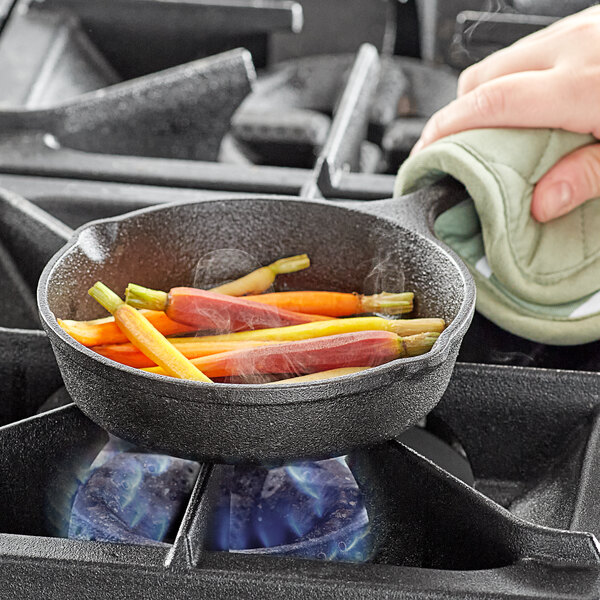
Cast iron cookware is a favorite for many cooks. It offers durability and excellent heat retention. This type of cookware is perfect for frying, baking, and slow-cooking. Understanding the benefits and maintenance of cast iron is essential for lasting use.
Benefits Of Cast Iron
Cast iron cookware has many advantages:
- Durability: Cast iron lasts for decades with proper care.
- Heat Retention: It holds heat well, cooking food evenly.
- Versatility: Use it on the stove, in the oven, or over a campfire.
- Natural Non-Stick: With seasoning, it becomes naturally non-stick.
- Iron Supplement: Cooking in cast iron adds iron to your food.
Maintenance Tips
Taking care of cast iron is easy. Follow these tips:
- Season Regularly: Apply a thin layer of oil to keep it non-stick.
- Avoid Soap: Use hot water and a brush for cleaning.
- Dry Immediately: Wipe it dry to prevent rust.
- Store Properly: Keep it in a dry place with a paper towel inside.
- Re-season If Necessary: If it looks dull or rusty, re-season it.
Following these steps helps maintain your cast iron cookware. Enjoy cooking with this essential kitchen tool.

Credit: lothandco.co.uk
Non-stick Surface Options
Non-stick cookware has become popular in many kitchens. It offers a simple way to cook food without it sticking. This section explores the non-stick surface options, detailing their advantages and health concerns.
Advantages Of Non-stick
Non-stick cookware has several benefits:
- Easy Cooking: Food slides off easily.
- Less Oil: Cook with less fat and oil.
- Quick Cleaning: Simple to clean with soap and water.
- Even Heating: Cooks food evenly.
Many people enjoy these features. They help in creating healthier meals. Less oil means fewer calories. Non-stick cookware also reduces cooking time.
Health And Safety Concerns
Some concerns exist about non-stick coatings:
- PTFE: Some non-stick pans contain this chemical.
- PFOA: Older non-stick pans may have this harmful substance.
- Scratches: Metal utensils can scratch the surface.
Choose high-quality non-stick cookware. Look for brands that are PFOA-free. Avoid overheating non-stick pans. This can release harmful fumes.
Using wooden or silicone utensils protects the surface. Regular maintenance keeps your cookware safe and effective.
Copper Cookware And Conductivity
Copper cookware is known for its excellent heat conductivity. This means it heats up quickly and evenly. Many chefs prefer copper pots and pans for precise cooking. They allow for better control over temperatures. This feature is essential for delicate dishes.
Why Choose Copper
Copper cookware has several advantages. Here are some key reasons to choose copper:
- Fast heating and cooling
- Even heat distribution
- Durable and long-lasting
- Aesthetic appeal in the kitchen
Many chefs believe that copper enhances the cooking experience. It allows for better flavor development. The beauty of copper can also add charm to your kitchen.
Caring For Copper Pots And Pans
Taking care of copper cookware is important. Proper maintenance keeps it looking great and functioning well. Here are some tips:
- Wash with warm, soapy water. Avoid harsh scrubbers.
- Dry immediately to prevent tarnishing.
- Use a copper cleaner for shiny surfaces.
- Store in a dry place to prevent oxidation.
Regular care keeps your copper pots and pans in top shape. This ensures they perform well for years. Enjoy the beauty and efficiency of copper in your cooking.
Aluminum Cookware Insights
Aluminum cookware is popular for many reasons. It is lightweight and conducts heat well. Many cooks choose aluminum pans for everyday cooking. Let’s explore more about aluminum cookware.
Lightweight And Heat Conductivity
Aluminum is known for its lightweight nature. This makes it easy to handle and move. Whether frying, sautéing, or boiling, aluminum pans are convenient.
Its heat conductivity is impressive. Aluminum heats up quickly and evenly. This helps prevent hot spots. Food cooks more uniformly, ensuring better results.
Here are some key points about aluminum cookware:
- Lightweight for easy lifting.
- Heats quickly and evenly.
- Affordable compared to other materials.
- Not non-stick unless coated.
Anodized Aluminum Explained
Anodized aluminum is different from regular aluminum. It undergoes a process that makes it more durable. This process creates a hard layer on the surface.
This layer is non-reactive. It does not react with acidic foods. This is important for cooking tomatoes or citrus.
Benefits of anodized aluminum include:
- Scratch-resistant surface.
- Improved heat retention.
- Longer lifespan than standard aluminum.
| Feature | Regular Aluminum | Anodized Aluminum |
|---|---|---|
| Weight | Lightweight | Lightweight |
| Heat Conductivity | Excellent | Excellent |
| Durability | Less durable | Highly durable |
| Reactivity | Reactive | Non-reactive |
Ceramic Coated Choices
Ceramic coated cookware has gained popularity for its non-stick surface. It offers easy food release and cleaning. These options are appealing for health-conscious cooks. Let’s explore the benefits of ceramic coated choices.
Eco-friendly And Non-toxic
Ceramic coated cookware is a great choice for the environment. It is made from natural materials. Here are some key points:
- Free from harmful chemicals like PFOA and PTFE.
- Produced with sustainable processes.
- Does not release toxins during cooking.
This cookware can make healthy meals easier. It is safe for you and your family. Many brands focus on eco-friendly practices. This makes ceramic coatings a responsible choice.
Durability And Performance
Ceramic coated cookware is not just eco-friendly. It is also durable and performs well. Here are some benefits:
| Feature | Benefit |
|---|---|
| Scratch-Resistant | Lasts longer, even with regular use. |
| Heat Distribution | Cooks food evenly and reduces hot spots. |
| Easy to Clean | Food slides off easily, saving time. |
Ceramic coatings can handle high temperatures. This makes them suitable for various cooking methods. They work well on stovetops and in ovens.
Choose ceramic coated cookware for a balance of performance and safety. It combines modern cooking needs with eco-friendly values.

Credit: www.pinterest.com
Glass Cookware Considerations
Glass cookware is popular for many reasons. It looks good and is easy to clean. However, there are important factors to think about before choosing glass. Understanding its heat resistance and safety, as well as its limitations, can help you make the best choice for your kitchen.
Heat Resistance And Safety
Glass cookware can handle high temperatures. It is safe for oven use. Most glass dishes can go up to 450°F (232°C). This makes them great for baking and roasting.
Here are some key safety points:
- Non-reactive: Glass does not react with food. It keeps flavors intact.
- Microwave safe: Most glass cookware is safe for microwaves.
- Dishwasher safe: Cleaning is easy in the dishwasher.
Limitations Of Glass
Glass cookware does have some downsides. It can break or shatter if dropped. Be careful when handling it. Here are some common limitations:
| Limitation | Description |
|---|---|
| Fragility | Glass can break easily if not handled with care. |
| Limited stovetop use | Glass cookware is not suitable for stovetop cooking. |
| Temperature shock | Rapid temperature changes can cause breakage. |
Choose glass cookware for its beauty and safety. Just remember to handle it carefully and be aware of its limitations.
Silicone In Modern Cooking
Silicone has become popular in modern cooking. Its unique properties make it a favorite among home cooks and chefs. Silicone cookware is versatile and easy to use. This section explores its flexibility and heat resistance, along with proper usage and care.
Flexibility And Heat Resistance
Silicone cookware offers great flexibility. It can bend and twist without breaking. This feature helps in easy food removal. Most silicone products can handle high temperatures, often up to 500°F (260°C). This makes them safe for baking and cooking.
| Property | Benefit |
|---|---|
| Flexibility | Easy food release and storage |
| Heat Resistance | Safe for various cooking methods |
| Non-stick surface | Reduces the need for oils |
Usage And Care
Using silicone cookware is simple. Here are some tips:
- Preheat your oven before using silicone bakeware.
- Place silicone molds on a baking sheet for stability.
- Let food cool slightly before removing it from the mold.
Caring for silicone is easy:
- Wash with warm soapy water.
- Use a soft sponge to avoid scratches.
- Store in a cool, dry place.
Silicone is dishwasher safe. Check the manufacturer’s instructions for specific care guidelines. With proper care, silicone cookware lasts a long time.
Comparing Price And Longevity
Choosing cookware is not just about the price. It is also about how long the cookware lasts. Understanding the relationship between price and longevity helps in making smart choices. Here, we will look at the investment and value of different cookware materials.
Investment Vs. Value
Investing in cookware means spending money for better quality. Higher-priced items often offer better durability. However, some cheaper options provide good value for money.
- Stainless Steel: Generally more expensive but lasts long.
- Non-stick: Affordable but may wear out quickly.
- Cast Iron: Higher upfront cost but lasts a lifetime.
- Aluminum: Low cost but may need replacement.
Consider how often you cook. Frequent cooks might prefer investing in durable options. Occasional cooks may choose more affordable alternatives.
Lifespan Of Different Materials
The lifespan of cookware varies by material. Here is a simple table comparing different types:
| Cookware Material | Average Lifespan | Price Range |
|---|---|---|
| Stainless Steel | 10-30 years | $50 – $300 |
| Non-stick | 3-5 years | $20 – $100 |
| Cast Iron | Lifetime | $30 – $200 |
| Aluminum | 5-10 years | $15 – $80 |
Understanding these lifespans helps in budgeting for cookware. Higher-quality materials may cost more but can save money over time.
Consider your cooking habits. Choose the cookware that fits your needs and budget.
Specialty Materials And Their Uses
Specialty cookware materials offer unique benefits. Each type has specific uses and advantages. Understanding these materials helps in choosing the right cookware for your needs.
Titanium
Titanium cookware is lightweight and strong. It heats up quickly and evenly. This material is resistant to scratches and corrosion.
- Non-reactive: Good for acidic foods.
- Durable: Lasts longer than many other materials.
- Easy to clean: Often dishwasher safe.
Use titanium cookware for:
- Searing meats
- Cooking delicate fish
- Stir-frying vegetables
Carbon Steel
Carbon steel is similar to cast iron but lighter. It heats up quickly and holds heat well. This material develops a natural non-stick surface with use.
- Versatile: Great for frying, sautéing, and baking.
- Durable: Can last a lifetime with proper care.
- Requires seasoning: Needs oil to maintain its surface.
Use carbon steel cookware for:
- Wok cooking
- Making crepes
- Stir-frying
Stone Cookware
Stone cookware is made from natural materials. It offers excellent heat retention and distribution. This type is often used for baking and roasting.
- Non-toxic: Free from harmful chemicals.
- Natural non-stick surface: Reduces the need for oils.
- Durable: Can withstand high temperatures.
Use stone cookware for:
- Baking bread
- Roasting vegetables
- Cooking pizza
Choose specialty cookware based on your cooking style and needs. Each material has unique benefits that can enhance your culinary experience.
Combining Materials For Versatility
Cookware today uses many materials to fit different cooking needs. Combining materials helps chefs and home cooks achieve better results. Different materials offer unique benefits. The right combination can enhance cooking performance, improve heat distribution, and make cleanup easier.
Multi-ply Cookware
Multi-ply cookware blends different materials for improved cooking. It usually has layers of stainless steel and aluminum or copper. This combination offers several advantages:
- Even heat distribution: Aluminum or copper layers spread heat evenly.
- Durability: Stainless steel provides strength and resistance to scratches.
- Non-reactive surface: Stainless steel does not react with acidic foods.
Multi-ply cookware is great for various cooking methods. It works well for frying, simmering, and baking. Chefs appreciate its ability to handle high temperatures.
Innovations In Cookware Design
New designs in cookware combine materials in creative ways. Some popular innovations include:
| Type | Materials Used | Benefits |
|---|---|---|
| Non-stick | Coated aluminum | Easy food release and cleanup |
| Cast Iron with Enamel | Cast iron with enamel coating | Rust resistance and easy cleaning |
| Stainless Steel with Copper Core | Stainless steel with a copper core | Rapid heat response and durability |
Innovative designs make cooking more enjoyable. They help cooks explore new recipes. Combining materials can lead to better flavor and texture.
Using different cookware materials opens up many options. Chefs can choose the best tools for their dishes. Versatility in cookware boosts creativity in the kitchen.
Making The Final Choice
Choosing the right cookware material can be tough. Each type has its strengths. Understanding your needs helps make a better decision. Here are key factors to consider.
Personal Cooking Style
Your cooking style impacts the best cookware for you. Here are some questions to ask:
- Do you cook often or just occasionally?
- Do you prefer quick meals or gourmet dishes?
- Are you health-conscious about cooking methods?
For quick meals, non-stick pans work well. For gourmet dishes, stainless steel or cast iron is ideal. Your choice will enhance your cooking experience.
Compatibility With Heat Sources
Not all cookware suits every heat source. Consider your kitchen setup:
| Cookware Material | Gas | Electric | Induction |
|---|---|---|---|
| Stainless Steel | ✔ | ✔ | ✔ |
| Cast Iron | ✔ | ✔ | ✔ |
| Non-Stick | ✔ | ✔ | No |
| Copper | ✔ | ✔ | ✔ |
Check if your cookware is suitable for your heat source. Compatibility ensures better cooking results.
Ergonomics And Aesthetics
Comfort and looks matter too. Choose cookware that feels good in your hands. Consider these points:
- Weight: Heavier pans offer stability.
- Handle design: Look for heat-resistant grips.
- Color and style: Match cookware with your kitchen decor.
Good ergonomics prevent strain. Attractive cookware adds to your kitchen’s appeal. Balance function with style.
Care And Maintenance
Proper care and maintenance keep your cookware in good shape. Different materials need different treatments. Understanding these needs helps extend the life of your pots and pans. Here, we discuss how to care for various cookware materials.
Preserving Your Cookware’s Lifespan
Taking care of your cookware is vital. Here are some tips for different materials:
- Stainless Steel: Use soft sponges. Avoid steel wool.
- Cast Iron: Season regularly. Dry immediately after washing.
- Non-Stick: Use silicone or wooden utensils. Never use metal utensils.
- Ceramic: Avoid sudden temperature changes. Handle gently to prevent chipping.
Cleaning Do’s And Don’ts
Follow these cleaning tips to keep your cookware looking new:
| Cleaning Method | Do’s | Don’ts |
|---|---|---|
| Stainless Steel | Use warm, soapy water. | Don’t leave food to soak. |
| Cast Iron | Use hot water and a brush. | Don’t use soap regularly. |
| Non-Stick | Use mild detergent. | Don’t scrub with abrasive pads. |
| Ceramic | Use gentle cleaners. | Don’t use sharp objects. |
Remember, each cookware type has unique needs. Following these tips helps maintain their quality. Proper care ensures your cookware lasts for many meals to come.
Frequently Asked Questions
What Are The Common Types Of Cookware Materials?
Common cookware materials include stainless steel, cast iron, non-stick, copper, and aluminum. Each material has unique properties that affect cooking performance. Stainless steel is durable and non-reactive, while cast iron offers excellent heat retention. Non-stick pans are convenient for easy cleaning, and copper provides superior heat conductivity.
How Does Material Affect Cooking Performance?
Cookware material significantly impacts heat distribution and cooking efficiency. For instance, copper heats quickly but cools down just as fast. Cast iron retains heat well, making it ideal for slow cooking. Non-stick materials prevent food from sticking, ensuring easy food release.
Choose the right material for your cooking style.
Is Stainless Steel Cookware Worth It?
Yes, stainless steel cookware is worth the investment. It is durable, resistant to rust, and non-reactive with acidic foods. This makes it ideal for various cooking methods. Additionally, stainless steel can withstand high temperatures and is dishwasher safe, ensuring easy maintenance.
Overall, it’s a versatile choice for any kitchen.
Can I Use Metal Utensils On Non-stick Cookware?
No, it is not recommended to use metal utensils on non-stick cookware. Metal can scratch the non-stick surface, reducing its effectiveness. Instead, opt for wooden, silicone, or plastic utensils to prolong the lifespan of your non-stick pans. This helps maintain their non-stick properties and ensures better cooking results.
Conclusion
Choosing the right cookware material is important. Each type has its own benefits. Stainless steel is durable and easy to clean. Cast iron offers great heat retention. Non-stick surfaces make cooking easy. Glass and ceramic are perfect for oven use.
Knowing your cooking style helps you pick the best option. Consider your needs and preferences. This way, you can enjoy cooking more. A well-chosen cookware set makes a difference. Happy cooking!

Leave a Reply