
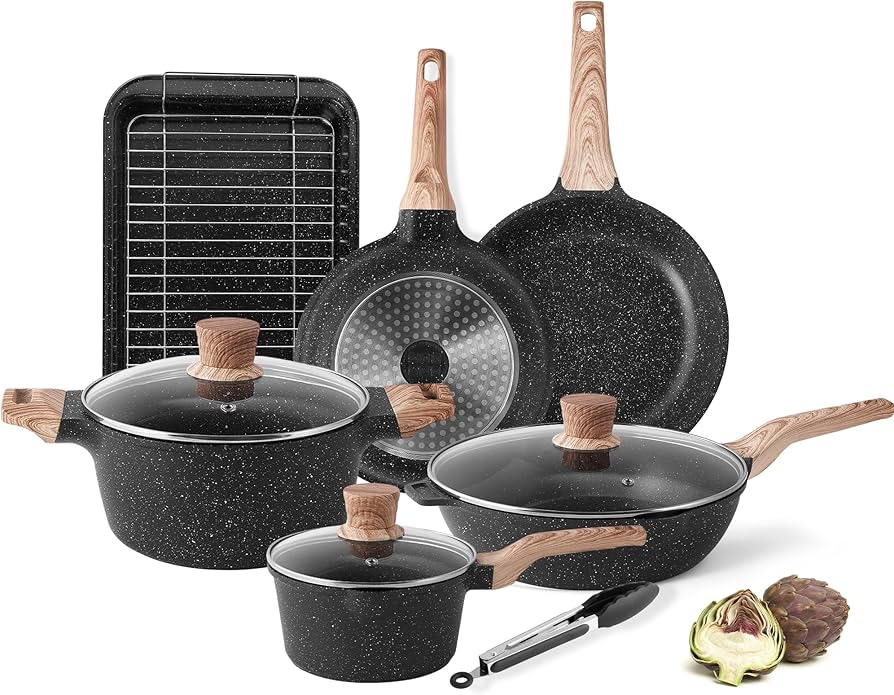
Stone cookware, often made from natural materials like granite or ceramic, offers excellent heat retention and even cooking. Its non-stick properties make it a popular choice for healthy cooking.
Stone cookware has gained popularity for its durability and performance. Many home chefs appreciate its ability to withstand high temperatures without warping. Unlike traditional non-stick pans, stone cookware uses a natural coating, which is safer for food preparation. It requires minimal oil, making it a healthier option for cooking.
Maintenance is straightforward, as most stone cookware is dishwasher safe. This cookware also adds a rustic charm to the kitchen, appealing to those who value aesthetics. With the right care, stone cookware can last for years, providing a reliable cooking experience that enhances flavor and texture.
Introduction To Stone Cookware
Stone cookware has gained popularity for its unique cooking properties. Many chefs and home cooks love it. This cookware offers a natural way to prepare meals. It combines ancient techniques with modern convenience.
The Resurgence Of Ancient Cooking Methods
Stone cookware dates back thousands of years. Ancient cultures used it for its durability and heat retention. Today, people rediscover these benefits. Here are some reasons for the resurgence:
- Natural materials: Free from harmful chemicals.
- Heat retention: Cooks food evenly and efficiently.
- Flavor enhancement: Adds a unique taste to dishes.
- Versatility: Suitable for various cooking methods.
What Sets Stone Cookware Apart
Stone cookware stands out for several reasons. Its design and materials provide unique cooking experiences. Here’s what makes it different:
| Feature | Stone Cookware | Traditional Cookware |
|---|---|---|
| Material | Natural stone | Metal or non-stick |
| Heat Distribution | Even and consistent | Varied and often uneven |
| Health Benefits | Free from toxic chemicals | May contain harmful substances |
| Durability | Very durable | Less durable |
Using stone cookware can elevate your cooking. It offers a healthier, flavorful, and efficient way to prepare meals.
Key Benefits Of Stone Cookware
Stone cookware is becoming popular for many reasons. It combines safety, performance, and durability. Here are the key benefits that make stone cookware a great choice for your kitchen.
Non-toxic Cooking Surface
Stone cookware features a natural surface. This means no harmful chemicals. It is free from PFOA and PTFE. Cooking with stone ensures your food stays safe. Enjoy healthier meals without toxins.
- Safe for all types of food.
- Environmentally friendly materials.
- No synthetic coatings or additives.
Exceptional Heat Retention
One great feature of stone cookware is its heat retention. It heats evenly and holds temperature well. This leads to better cooking results. Foods cook thoroughly without burning.
| Benefit | Description |
|---|---|
| Even Cooking | No hot spots lead to consistent results. |
| Energy Efficient | Retains heat, requiring less energy. |
Durability And Longevity
Stone cookware is built to last. It withstands high temperatures. This cookware resists scratches and chips. You can use it for many years.
- Less chance of breakage.
- Can handle stovetop and oven use.
- Easy to maintain and clean.
Natural Non-stick Properties
Stone cookware has natural non-stick features. This means less oil or butter needed. Foods release easily from the surface. Cooking becomes easy and enjoyable.
- Healthy cooking with less fat.
- Easy cleanup saves time.
- Great for all types of recipes.
Comparing Stone To Other Cookware Materials
Choosing the right cookware can change your cooking experience. Stone cookware offers unique benefits. Comparing it to other materials helps you make an informed choice. Let’s dive into how stone cookware stacks up against metal, ceramic, Teflon, cast iron, and stainless steel.
Stone Vs. Metal: Conductivity And Reactivity
Metal cookware is popular for its durability and heat conductivity. Here’s a quick comparison:
| Feature | Stone Cookware | Metal Cookware |
|---|---|---|
| Heat Conductivity | Even heat distribution | Fast heating |
| Reactivity | Non-reactive | Can react with acidic foods |
Stone cookware heats evenly. It doesn’t react with food. Metal can heat quickly but may react with acidic ingredients. Choose stone for safer cooking.
Ceramic And Teflon Alternatives: Safety And Performance
Both ceramic and Teflon have pros and cons. Here’s how they compare:
- Safety:
- Stone is free from harmful chemicals.
- Ceramic can chip, releasing particles.
- Teflon may release toxic fumes at high temperatures.
- Performance:
- Stone has excellent non-stick properties.
- Ceramic needs careful handling to avoid scratches.
- Teflon provides easy food release but wears out quickly.
Stone cookware is safe and durable. It performs well in various cooking methods.
Cast Iron And Stainless Steel: Maintenance And Versatility
Cast iron and stainless steel are heavyweights in the kitchen. Here’s how they compare to stone:
- Maintenance:
- Stone requires minimal maintenance.
- Cast iron needs regular seasoning.
- Stainless steel is easy to clean but can stain.
- Versatility:
- Stone is ideal for baking and frying.
- Cast iron can go from stovetop to oven.
- Stainless steel is great for browning and boiling.
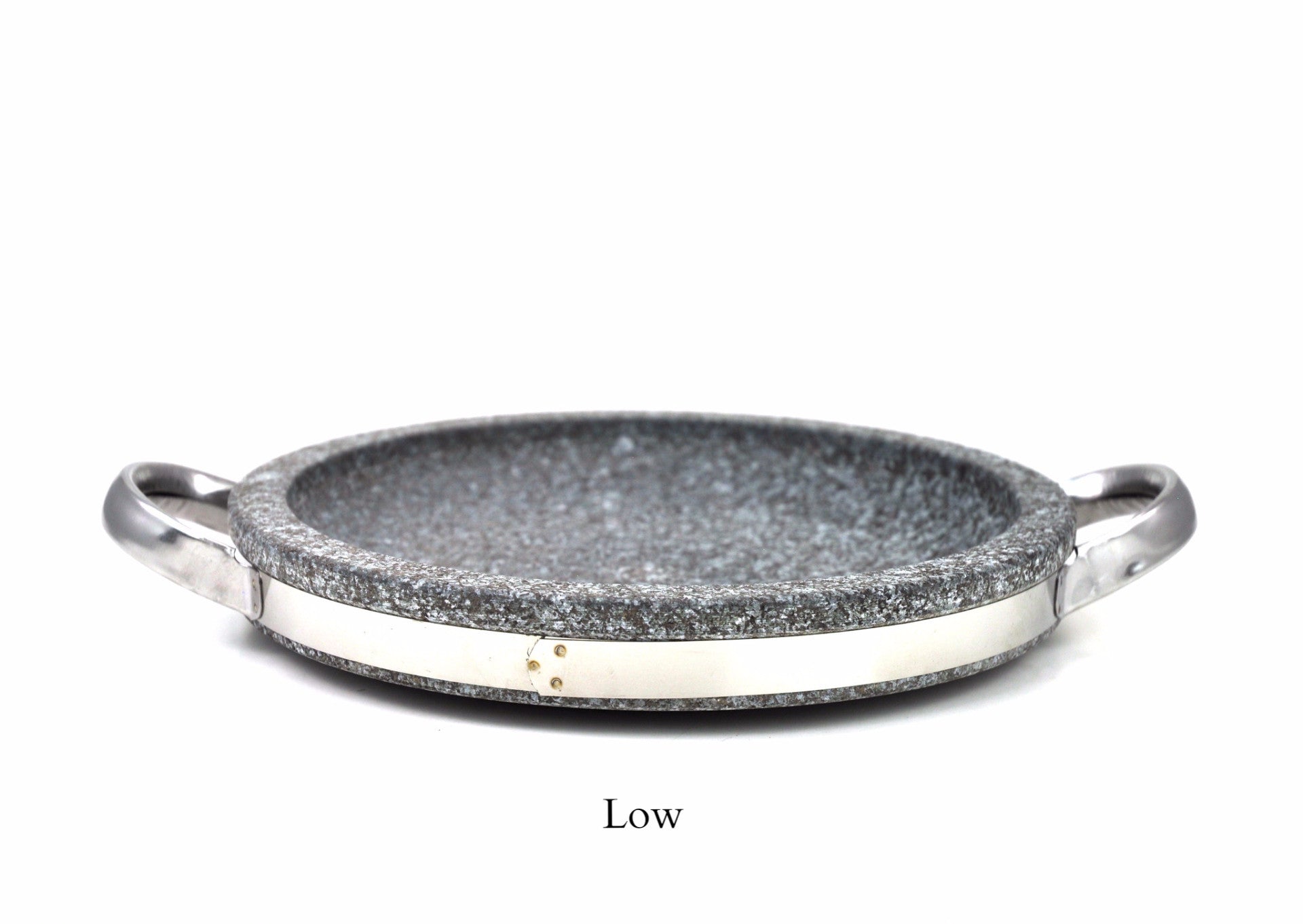
Each cookware type has its strengths. Stone cookware offers an easy and versatile option for everyday cooking.
Credit: www.ekitchenary.com
Cooking Performance
Stone cookware is known for its exceptional cooking performance. It provides numerous benefits that enhance your culinary experience. Let’s dive into how it excels in cooking.
Even Heat Distribution
One major advantage of stone cookware is its ability to distribute heat evenly. This ensures that your food cooks uniformly. There are several benefits of even heat distribution:
- Reduces hot spots that can burn food.
- Improves cooking efficiency and saves time.
- Enhances texture for better results.
Chefs often prefer stone cookware for this reason. It allows for precise cooking. You can achieve perfect sears and even browning.
Versatility In The Kitchen
Stone cookware is incredibly versatile. You can use it for various cooking methods:
| Cooking Method | Best Uses |
|---|---|
| Baking | Perfect for bread and pastries. |
| Searing | Great for meats and seafood. |
| Sautéing | Ideal for vegetables and sauces. |
With stone cookware, you can cook on the stovetop or in the oven. Its durability allows for high-heat cooking. This makes it perfect for any recipe.
Enhancing Flavors Naturally
Stone cookware enhances flavors naturally. It retains heat well, allowing ingredients to meld beautifully. Here are key points on flavor enhancement:
- Natural minerals infuse into the food.
- Food cooks in its own juices, boosting taste.
- No chemical coatings alter the flavor.
This cookware allows you to enjoy pure, rich flavors. Your meals become tastier and more enjoyable. Cooking with stone cookware is a delightful experience.
Health Considerations
Stone cookware is gaining popularity for its health benefits. This section explores its safety and how it supports healthier cooking.
Avoiding Chemical Leach
Many cookware options release harmful chemicals into food. Stone cookware stands out for its natural properties. It avoids toxic materials like PFOA and PTFE.
Here are some key points:
- Natural Materials: Made from clay and minerals.
- Non-Toxic: No harmful coatings or chemicals.
- Durable: Long-lasting and resistant to scratches.
Choose stone cookware to ensure a safer cooking environment.
Promoting Healthier Cooking Practices
Stone cookware encourages healthier cooking methods. It retains heat evenly, reducing the need for excessive oil.
Benefits include:
- Less Oil Usage: Cook with less fat.
- Even Cooking: Reduces burnt or undercooked spots.
- Flavor Retention: Keeps food moist and flavorful.
Using stone cookware can lead to better meal outcomes.
Stone Cookware In Special Diets
Stone cookware suits various dietary needs. It’s perfect for gluten-free, vegan, and low-fat diets.
Consider these points:
| Diet Type | How Stone Cookware Helps |
|---|---|
| Gluten-Free | Prevents cross-contamination. |
| Vegan | Cooks vegetables evenly without added oils. |
| Low-Fat | Reduces the need for excess fats. |
Stone cookware supports diverse dietary choices effectively.
Eco-friendly Choice
Stone cookware stands out as an eco-friendly option for cooking. Its materials and manufacturing processes promote sustainability. Choosing stone cookware helps protect the planet while enhancing your kitchen experience.
Sustainable Manufacturing Processes
Stone cookware is made using natural materials. The production involves minimal energy consumption. Many brands utilize local resources. This reduces transportation emissions and supports local economies.
- Natural stones sourced ethically
- Low energy consumption during production
- Support for local artisans
Reducing Carbon Footprint
Using stone cookware lowers your carbon footprint. It lasts longer than traditional cookware. This longevity means fewer replacements and less waste. Many stone cookware options are also heat-efficient. They require less energy to cook meals.
Key benefits of stone cookware in reducing carbon emissions include:
- Durability leads to less waste.
- Energy-efficient cooking saves power.
- Minimal packaging reduces waste.
Recyclability And Waste Reduction
Stone cookware is recyclable. At the end of its life, it can be repurposed. Many manufacturers encourage recycling practices. This helps reduce landfill waste significantly.
| Material | Recyclable | Environmental Impact |
|---|---|---|
| Stone | Yes | Low impact, natural resource |
| Non-stick coatings | No | High impact, synthetic |
Choosing stone cookware promotes a sustainable lifestyle. It supports a healthier planet for future generations.
Care And Maintenance
Proper care and maintenance keep your stone cookware in great shape. Following simple steps will ensure longevity and performance. This guide covers essential cleaning, seasoning, and storage tips.
Cleaning And Storage Tips
Cleaning your stone cookware requires special attention. Use these tips for effective care:
- Let the cookware cool before cleaning.
- Wash with warm, soapy water. Avoid harsh chemicals.
- Use a soft sponge or cloth to prevent scratches.
- Rinse thoroughly to remove soap residue.
- Dry completely before storing to avoid moisture buildup.
For storage, consider these best practices:
- Stack cookware with padding to prevent chipping.
- Avoid placing heavy items on top.
- Store in a cool, dry place away from direct sunlight.
Seasoning Your Stone Cookware
Seasoning enhances the non-stick surface of stone cookware. Follow these steps for proper seasoning:
- Clean the cookware thoroughly.
- Apply a thin layer of vegetable oil.
- Heat the cookware on low for about 30 minutes.
- Turn off the heat and let it cool.
- Wipe off excess oil with a clean cloth.
Repeat this process regularly for best results. Proper seasoning improves cooking performance.
Avoiding Common Wear And Tear
Prevent damage to your stone cookware by avoiding common mistakes:
- Do not use metal utensils; opt for wood or silicone.
- Avoid drastic temperature changes; let cookware adjust gradually.
- Refrain from using in high-heat ovens without checking limits.
- Do not soak in water for long periods.
Following these practices will keep your cookware functional and beautiful.

Credit: www.amazon.eg
Selecting The Right Stone Cookware
Choosing the right stone cookware can enhance your cooking experience. Stone cookware offers durability and even heat distribution. It is essential to consider several factors to make the best choice.
Factors To Consider When Buying
- Material Quality: Check if the stone is natural or composite.
- Size: Consider the size that fits your cooking needs.
- Weight: Heavier cookware provides better heat retention.
- Compatibility: Ensure it works on your stove type.
- Care Instructions: Look for easy maintenance options.
Top Brands And Products
| Brand | Product | Features |
|---|---|---|
| GreenPan | Stone Cookware Set | Non-toxic, scratch-resistant, oven safe. |
| Caraway | Stone Coated Cookware | Non-stick, eco-friendly, stylish design. |
| Scanpan | Classic Stone Cookware | Durable, dishwasher safe, even heat distribution. |
Price Versus Quality
Price often reflects the quality of stone cookware. Higher-priced items usually offer better durability. Consider these points:
- Invest in reputable brands for long-lasting use.
- Beware of extremely cheap options; they may be low quality.
- Read reviews to gauge product performance.
- Check warranties for added assurance.
Quality stone cookware is a valuable investment. It enhances cooking and lasts for years.
Real-life Usage And Reviews
Stone cookware has gained popularity in kitchens everywhere. Many users share their experiences. Let’s explore what chefs and home cooks say about stone cookware.
Testimonials From Professional Chefs
Professional chefs praise stone cookware for its unique properties. Here are some key points from their reviews:
- Heat Retention: Chefs love how stone retains heat. It cooks food evenly.
- Non-stick Surface: Many chefs find it easy to clean. Food slides right off.
- Versatility: Suitable for various cooking methods. It works on stovetops and ovens.
Chef Maria stated, “I use stone cookware daily. It enhances flavors and is durable.”
Home Cooks’ Experiences
Home cooks share their love for stone cookware. Their reviews highlight several benefits:
- Easy Maintenance: Most find it simple to wash.
- Healthy Cooking: Users appreciate the lack of chemicals.
- Affordability: Many believe it offers great value for money.
Jane, a home cook, remarked, “My meals taste better with stone cookware.”
Comparative Analysis With Other Cookware
Here’s a quick comparison of stone cookware with other types:
| Cookware Type | Heat Distribution | Durability | Ease of Cleaning |
|---|---|---|---|
| Stone Cookware | Excellent | Very High | Easy |
| Non-stick | Good | Moderate | Easy |
| Stainless Steel | Good | High | Challenging |
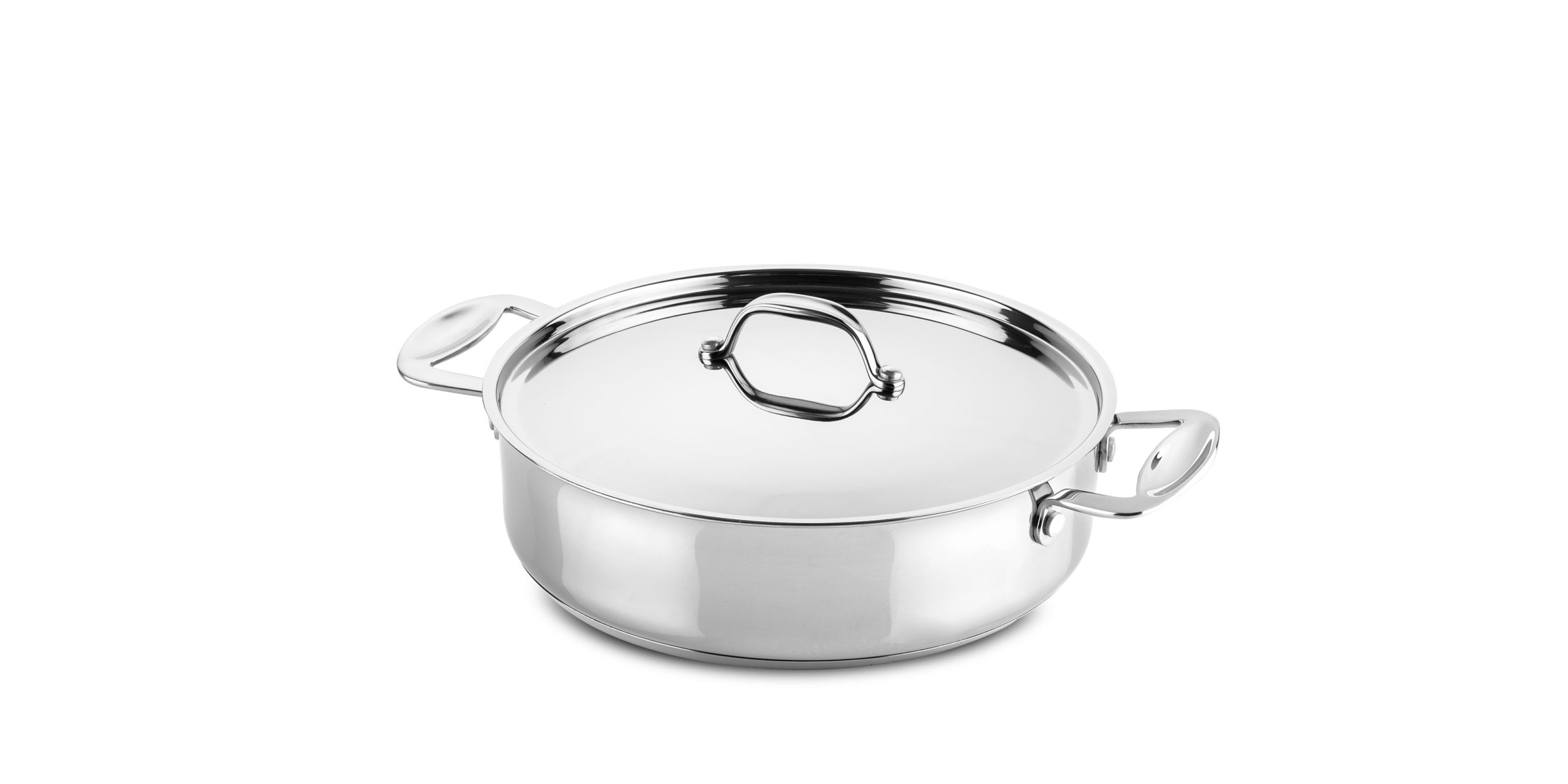
Stone cookware stands out for its heat retention and durability. Many users prefer it over traditional non-stick and stainless steel options.
Credit: www.theluxuryartmepra.com
Conclusion: Investing In Stone Cookware
Stone cookware is gaining popularity in modern kitchens. It offers unique benefits that enhance cooking experiences. This section explores the advantages and future of stone cookware.
Summing Up The Advantages
Stone cookware provides numerous benefits for home chefs.
- Durability: Stone cookware lasts longer than traditional options.
- Even Heat Distribution: Enjoy consistent cooking results.
- Non-Toxic: Free from harmful chemicals and coatings.
- Versatility: Suitable for stovetop and oven use.
- Easy to Clean: Food slides off easily, saving time.
Making The Switch To Stone
Switching to stone cookware is simple and rewarding.
- Choose high-quality stone cookware.
- Start with basic pieces like frying pans or baking dishes.
- Follow care instructions to maintain its quality.
- Experience the difference in cooking performance.
Many users report enhanced flavors and improved cooking techniques.
Future Of Cookware In Modern Kitchens
The future of cookware is evolving rapidly.
Stone cookware stands out as a top choice.
| Trend | Description |
|---|---|
| Health Conscious Choices | More people prefer non-toxic, eco-friendly materials. |
| Multi-Functional Cookware | Cookware that serves multiple purposes gains popularity. |
| Easy Maintenance | Consumers seek low-maintenance, hassle-free options. |
As trends evolve, stone cookware fits perfectly in modern kitchens.
The Ultimate Guide to Stone Cookware: Varieties, Advantages, and Leading Products
Stone cookware is increasingly favored by both amateur cooks and culinary professionals for its eco-friendly non-stick surfaces, robustness, and health advantages. This guide examines the various types of stone cookware—from ceramic and granite to natural stone—and provides insights into the best stone cookware sets on the market today.
1. Ceramic Stone Cookware
Overview
Ceramic stone cookware represents a fusion of contemporary non-stick technology and eco-friendly materials, resulting in a cookware solution free from harmful chemicals.
- Material: Typically comprises a metal base, most often aluminum, coated with a layer of ceramic enriched with stone particles.
- Benefits:
- Free from PFOA and PTFE, ensuring non-toxic cooking.
- Excellent heat distribution and retention.
- Easy to clean and maintain due to its non-stick surface.
Recommended Ceramic Stone Cookware
| Brand | Features | Price Range |
|---|---|---|
| GreenPan | Thermolon ceramic coating, environmentally friendly | $100 – $250 |
| Blue Diamond | Diamond-infused ceramic, highly durable | $80 – $200 |
| Bialetti | Aeternum ceramic, Italian design | $50 – $150 |
2. Granite Stone Cookware
Overview
Granite stone cookware does not contain real granite but features a durable coating that resembles granite’s toughness and visual appeal.
- Material: Usually consists of an aluminum core with a porcelain enamel that is fused at high temperatures to create a granite-effect surface.
- Benefits:
- Extremely durable, scratch and chip resistant.
- Chemical-free non-stick surface.
- Suitable for high-temperature cooking and provides even heat distribution.
Top Granite Stone Cookware Choices
| Brand | Features | Price Range |
|---|---|---|
| GraniteStone | Triple-layer non-stick, dishwasher-safe | $60 – $200 |
| Carote | Eco-friendly granite coating, induction compatible | $30 – $150 |
| Michelangelo | Ultra non-stick granite surface, versatile | $50 – $200 |
3. Natural Stone Cookware
Overview
Crafted from various naturally occurring stones, this type of cookware offers a traditional and artisanal cooking experience, often handcrafted to enhance its unique properties.
- Material: Composed of stones such as soapstone or lava stone, shaped and treated for culinary use.
- Benefits:
- Incredibly durable, often lasting for decades.
- Provides a natural non-stick surface when properly seasoned.
- Excellent at retaining heat, ideal for slow and consistent cooking.
Leading Natural Stone Cookware
| Brand | Features | Price Range |
|---|---|---|
| Visions | Pyroceram material, versatile heat compatibility | $100 – $300 |
| Pinnacle Cookware | Pre-seasoned natural cast iron, rustic aesthetic | $40 – $150 |
| Emile Henry | High-fired clay, exquisite French craftsmanship | $100 – $400 |
4. Stone Cookware Sets
Overview
A stone cookware set provides a comprehensive collection of essential cooking tools with consistent performance and aesthetic appeal, making it a smart choice for those establishing a new kitchen or upgrading their cookware.
- Material: Includes a variety of the previously mentioned stone-coated cookware.
- Benefits:
- Offers a full range of cookware solutions.
- Uniform cooking performance and appearance.
- Cost-effective compared to buying pieces individually.
Best Stone Cookware Sets
| Brand | Features | Price Range |
|---|---|---|
| Granitestone | Complete kitchen set with triple-layer non-stick | $100 – $300 |
| Stone Earth by Ozeri | Eco-friendly stone-derived coating | $150 – $250 |
| Stoneline | Advanced German non-stick technology | $200 – $400 |
Stone cookware marries the natural beauty of stone with modern cooking technology, offering efficient, long-lasting, and healthy options for every kitchen. Whether you choose ceramic, granite, or natural stone, each type brings unique advantages to your culinary practices. Selecting the right stone cookware will allow you to enjoy a perfect mix of tradition and quality in your cooking adventures.
Frequently Asked Questions
What Are The Benefits Of Stone Cookware?
Stone cookware offers excellent heat retention and even cooking. It is non-toxic and free from harmful chemicals. Additionally, it is naturally non-stick, making cooking and cleaning easier. This type of cookware is also durable, ensuring longevity and resistance to scratches.
Is Stone Cookware Safe For Health?
Yes, stone cookware is generally safe for health. It is made from natural materials and is free from harmful chemicals like PTFE or PFOA. However, ensure that you purchase high-quality stone cookware from reputable brands. This guarantees that it meets safety standards and does not leach toxins into food.
How Do You Care For Stone Cookware?
Caring for stone cookware involves simple steps. Avoid using metal utensils to prevent scratches. Clean it with warm water and mild soap; avoid abrasive cleaners. Regularly season the cookware with oil to maintain its non-stick surface. Proper care will prolong its lifespan and cooking performance.
Can You Use Stone Cookware On All Heat Sources?
Most stone cookware is versatile and can be used on various heat sources. It works well on gas, electric, and even induction stovetops. However, always check the manufacturer’s guidelines for specific compatibility. This ensures you don’t damage your cookware or affect its performance.
Conclusion
Stone cookware offers a unique blend of durability and natural non-stick properties. It’s an excellent choice for health-conscious cooks. With proper care, it can last a lifetime. Embrace stone cookware for delicious, healthy meals. Experience the difference it makes in your kitchen today.
Enjoy cooking like never before!

Leave a Reply