

Seasoning cast iron cookware in the oven involves applying a thin layer of oil and heating it at a high temperature. This process creates a non-stick surface and protects the iron from rust.
Cast iron cookware is a kitchen staple known for its durability and heat retention. Proper seasoning enhances its natural non-stick properties, making cooking and cleaning easier. Many home cooks and chefs prefer cast iron for its ability to evenly distribute heat.
Seasoning in the oven is a straightforward method that ensures an even coating of oil. The high temperature allows the oil to polymerize, forming a protective layer. Regular seasoning not only improves cooking performance but also extends the life of your cookware. Mastering this process transforms your cast iron pieces into reliable kitchen companions.
Credit: www.foodnetwork.com
The Importance Of Seasoning Your Cast Iron
Seasoning cast iron cookware is vital for its performance. It creates a natural non-stick surface. Proper seasoning enhances flavor and prevents food from sticking. Regular seasoning maintains the cookware’s quality and appearance.
Benefits For Cooking
Seasoning offers several cooking benefits:
- Non-stick surface: A well-seasoned pan releases food easily.
- Enhanced flavors: It adds a unique taste to your dishes.
- Even heating: Seasoning helps distribute heat evenly.
- Easy cleanup: Food residue comes off quickly.
Longevity And Rust Prevention
Proper seasoning increases the lifespan of your cast iron. It provides a protective layer against moisture.
Here are key points on rust prevention:
| Reason | Effect |
|---|---|
| Moisture exposure | Causes rust formation |
| Oil coating | Prevents moisture contact |
| Regular use | Builds up seasoning layer |
Follow these tips for effective seasoning:
- Clean your cast iron thoroughly.
- Apply a thin layer of oil.
- Heat it in the oven at 375°F for an hour.
- Let it cool before storing.
With proper care, your cast iron will last a lifetime.
Essential Tools And Materials
Seasoning cast iron cookware requires specific tools and materials. Using the right items ensures better results. A well-seasoned skillet enhances cooking and prevents rust.
Choosing The Right Oil
Selecting the correct oil is crucial for seasoning. Different oils have different smoke points. Here are some popular options:
| Oil Type | Smoke Point (°F) | Flavor |
|---|---|---|
| Flaxseed Oil | 225 | Nutty |
| Canola Oil | 400 | Neutral |
| Vegetable Oil | 400 | Neutral |
| Grapeseed Oil | 420 | Light |
Choose oils with high smoke points. They create a better seasoning layer. Flaxseed oil is popular for its durability.
Other Necessary Supplies
Gather the following supplies for a successful seasoning process:
- Cast Iron Cookware: Skillet, Dutch oven, or griddle
- Oven: For heating and curing the oil
- Paper Towels: For oil application and wiping
- Aluminum Foil: To protect the oven floor
- Lint-Free Cloth: For final polishing
Prepare your workspace before starting. Clean your cookware thoroughly. Remove any rust or old seasoning first.
Pre-seasoning Preparation
Preparing your cast iron cookware is essential for effective seasoning. Proper preparation ensures a smooth surface for oil application. Follow these steps for a successful pre-seasoning process.
Cleaning Your Cast Iron
Before seasoning, clean your cast iron cookware thoroughly. Start with these steps:
- Use hot water and a stiff brush to scrub the pan.
- Avoid soap unless necessary. Soap can strip the seasoning.
- Dry the cookware completely to prevent rust.
For stubborn spots, use a paste of baking soda and water. Scrub gently with a non-metal brush. Rinse well and dry.
Preheating Your Oven
Preheating your oven is a crucial step. Follow these instructions:
- Set your oven temperature to 450°F (232°C).
- Place a baking sheet on the lower rack to catch drips.
- Ensure the oven is clean before preheating.
Let the oven heat for at least 30 minutes. This helps the oil bond with the cast iron. Choose a high smoke point oil, such as flaxseed oil or grapeseed oil.
:max_bytes(150000):strip_icc()/__opt__aboutcom__coeus__resources__content_migration__serious_eats__seriouseats.com__images__2016__09__20160817-cast-iron-pan-vicky-wasik-3-c56f176298784fef9e60f6cea198e0e4.jpg)
Credit: www.seriouseats.com
Step-by-step Seasoning Process
Seasoning cast iron cookware enhances its non-stick surface. This process protects against rust and improves food flavor. Follow these easy steps for effective seasoning.
Applying The Oil
Choose the right oil for seasoning. Some good options are:
- Flaxseed oil – High smoke point.
- Canola oil – Affordable and effective.
- Vegetable oil – Commonly available.
Follow these steps to apply oil:
- Clean the cast iron with hot soapy water.
- Dry it completely with a clean cloth.
- Pour a small amount of oil onto the pan.
- Use a paper towel to spread the oil evenly.
- Wipe off any excess oil to prevent stickiness.
Baking Time And Temperature
Preheat your oven to 450°F (232°C). This high temperature helps create a strong seasoning layer.
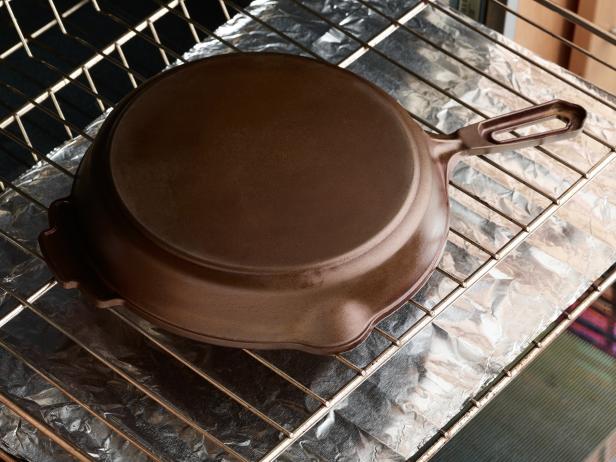
Place the cookware upside down in the oven. Add a baking sheet on the lower rack to catch drips. Bake for:
| Time | Purpose |
|---|---|
| 1 hour | To create a durable seasoning layer. |
After one hour, turn off the oven. Let the cookware cool inside the oven.
Cooling Down
Allow the cast iron to cool completely in the oven. This process helps the seasoning bond well. Avoid rushing the cooling process.
Once cooled, check the surface. It should feel smooth and slightly tacky. This indicates a good seasoning layer.
Store your seasoned cast iron cookware in a dry place. Avoid stacking with other cookware to prevent scratches.
Common Mistakes To Avoid
Seasoning cast iron cookware in the oven can enhance its performance. Avoiding common mistakes will ensure a successful seasoning process. Here are key mistakes to steer clear of.
Using Too Much Oil
Applying too much oil is a frequent mistake. This can lead to a sticky surface instead of a smooth finish. Use the right amount of oil for seasoning.
- Choose a high smoke point oil, like canola or flaxseed.
- Apply a thin layer using a paper towel.
- Avoid pooling oil in the pan.
Incorrect Oven Temperature
Setting the wrong oven temperature can ruin your seasoning. Too low won’t polymerize the oil properly. Too high can burn the oil and create a bad layer.
Ideal temperature for seasoning is between 400°F and 500°F.
Use an oven thermometer to check accuracy.
Skipping Pre-seasoning Clean
Cleaning your cast iron before seasoning is essential. Skipping this step can trap food particles and moisture. This leads to rust and poor seasoning.
- Wash your skillet with hot water and a stiff brush.
- Dry immediately with a towel or on low heat.
- Ensure it’s completely dry before applying oil.
Following these steps will help maintain your cast iron cookware. Avoid these mistakes for a perfect seasoning every time.
Post-seasoning Care
After seasoning your cast iron cookware, proper care is essential. This ensures longevity and performance. Follow these tips for the best results.
Storing Your Cast Iron
Proper storage protects your cast iron from moisture and damage. Here are some effective storage tips:
- Store in a dry area to prevent rust.
- Place a paper towel between pots to absorb moisture.
- Use a lid or cover to keep dust away.
Avoid stacking heavy items on top of your cast iron. This can cause scratches. Always store your cookware in a place that is easy to access.
Maintaining The Seasoning
Maintaining the seasoning on your cast iron is vital. This enhances its non-stick properties and prevents rust. Here are some maintenance tips:
- Clean after each use with warm water.
- Use a soft sponge or cloth. Avoid abrasive cleaners.
- Dry immediately to prevent moisture buildup.
- Apply a thin layer of oil after drying.
Re-season your cast iron every few months. This keeps it in top shape. Use the oven method for a thorough seasoning process.
| Tip | Description |
|---|---|
| Cleaning | Use warm water and a soft sponge. |
| Drying | Dry immediately to avoid rust. |
| Oiling | Apply a thin layer of oil after drying. |
| Re-seasoning | Every few months for best results. |
Advanced Tips For Perfect Seasoning
Seasoning cast iron cookware enhances its performance and longevity. Mastering this process is essential for achieving a non-stick surface. Here are some advanced tips to help you perfect your seasoning.
Layering Your Seasoning
Layering is key to building a strong seasoning. Follow these steps for effective layering:
- Clean the skillet thoroughly.
- Apply a thin layer of oil.
- Place the skillet upside down in the oven.
- Bake at 450°F (232°C) for one hour.
- Let it cool completely before removing.
Repeat this process several times. Each layer strengthens the seasoning. Aim for at least three layers for the best results.
Choosing Between Oils
Not all oils are created equal for seasoning. Some oils work better than others. Here’s a quick comparison:
| Oil Type | Smoke Point (°F) | Recommendation |
|---|---|---|
| Flaxseed Oil | 225 | Best for seasoning |
| Canola Oil | 400 | Good choice |
| Coconut Oil | 350 | Decent option |
| Vegetable Oil | 400 | Common choice |
Choose oils with high smoke points. Flaxseed oil is often the top choice. It creates a hard, durable finish.
Troubleshooting Common Issues
Even seasoned cooks face problems with cast iron cookware. Understanding these common issues can help you maintain your pans effectively. Here are some troubleshooting tips for sticky residue, rust formation, and patchy seasoning.
Sticky Residue After Seasoning
Sticky residue can ruin your cooking experience. Follow these tips to resolve this issue:
- Use the right oil: Choose oils with a high smoke point, like flaxseed or grapeseed oil.
- Apply thin layers: A thick layer of oil can create stickiness. Use a paper towel to wipe off excess oil.
- Increase heat: Ensure the oven temperature is high enough. Aim for 450°F (232°C) or higher.
- Longer baking time: Extend the seasoning time to 1-2 hours. This helps to create a better bond.
Rust Formation
Rust can appear if cast iron is not cared for properly. Here’s how to prevent and fix rust:
- Keep it dry: Always dry your cast iron immediately after washing.
- Season regularly: Regular seasoning creates a protective layer.
- Store correctly: Store your pan in a dry place. Avoid humid areas.
- Remove rust: Use fine steel wool to scrub away rust. Reseason the pan afterward.
Patchy Seasoning
Uneven seasoning can affect cooking performance. Here are some solutions:
| Cause | Solution |
|---|---|
| Insufficient oil | Apply a thin, even layer of oil. |
| Temperature fluctuations | Maintain a consistent oven temperature during seasoning. |
| Dirty surface | Clean the pan thoroughly before seasoning. |
| Old seasoning | Strip old seasoning completely before re-seasoning. |
Addressing these issues will help you enjoy cooking with your cast iron cookware. Proper care ensures your pans last for generations.
Credit: www.freshoffthegrid.com
Frequently Asked Questions
How Do I Season Cast Iron Cookware In The Oven?
To season cast iron cookware in the oven, first, clean your skillet thoroughly. Apply a thin layer of vegetable oil or flaxseed oil to the entire surface. Place the cookware upside down in a preheated oven at 375°F (190°C) for about one hour.
This process creates a non-stick coating.
What Oil Is Best For Seasoning Cast Iron?
Flaxseed oil is often recommended for seasoning cast iron due to its high smoke point and polymerization properties. Other good options include grapeseed oil, canola oil, and vegetable oil. Choose an oil that can withstand high temperatures and forms a durable layer when heated.
How Often Should I Season My Cast Iron?
You should season your cast iron cookware every few months or after heavy use. If food starts to stick or the surface looks dull, it’s time to re-season. Regular maintenance keeps your cookware in great shape and extends its lifespan significantly.
Can I Use Soap On Seasoned Cast Iron?
Yes, you can use soap on seasoned cast iron, but it’s not necessary for regular cleaning. Use mild soap sparingly if needed. The seasoning is resilient, and a bit of soap won’t strip it away, but avoid abrasive scrubbers to maintain the seasoning layer.
Conclusion
Properly seasoning your cast iron cookware in the oven enhances its durability and performance. This simple process creates a natural non-stick surface, making cooking and cleaning easier. Regular seasoning will keep your cookware in top shape for years. Enjoy the benefits of beautifully seasoned cast iron with every meal you prepare.

Leave a Reply