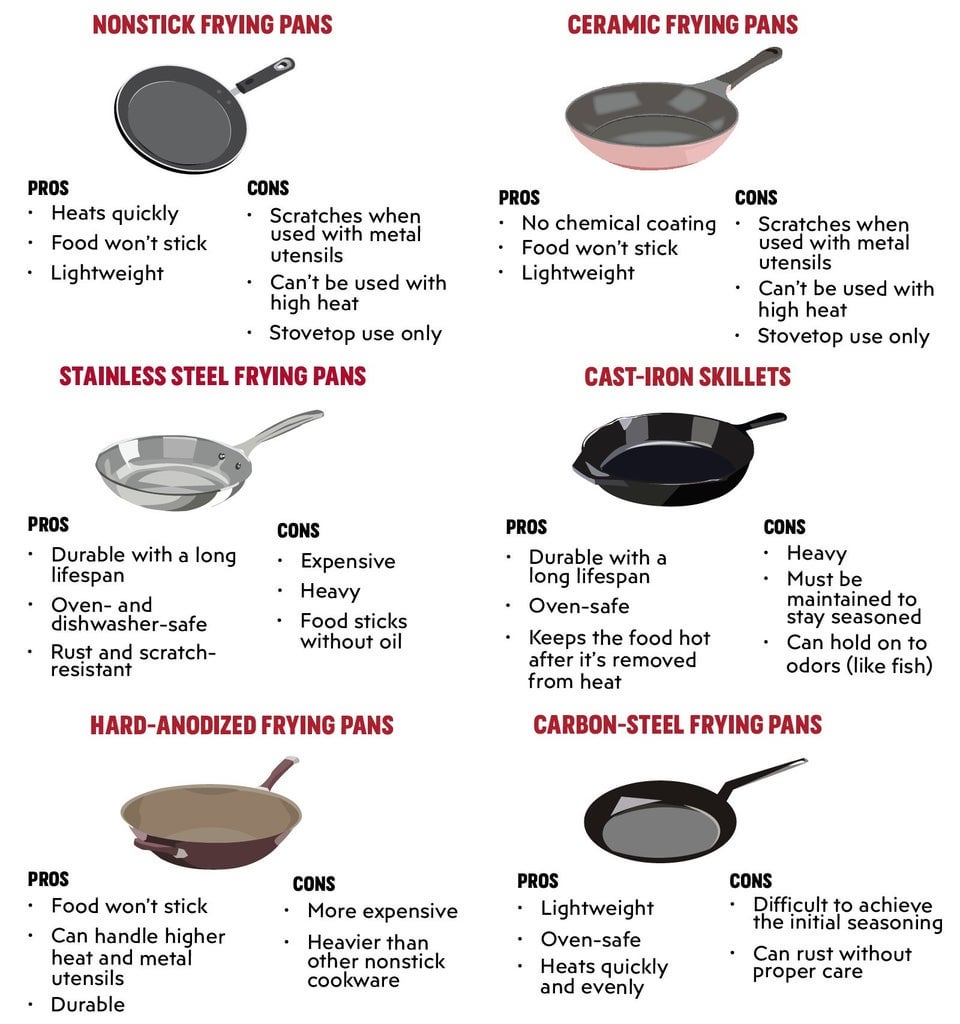
Pans are essential kitchen tools, offering both versatility in cooking and challenges in maintenance. They can enhance flavor but also demand careful handling to prevent damage.
Pros and Cons of Pans:Cooking enthusiasts often find themselves sifting through an array of pans, each promising to be the perfect tool for their culinary creations. The right pan can make a significant difference in cooking, affecting everything from taste to texture. High-quality pans provide even heat distribution, which is crucial for perfectly cooked dishes.
They also come in various materials, such as cast iron, stainless steel, and non-stick coatings, catering to different cooking needs and preferences. On the flip side, pans require proper care; some may rust, others can warp, and non-stick surfaces might degrade over time. Users must consider these aspects to ensure their cookware lasts long and performs well. Selecting the ideal pan involves balancing these benefits and drawbacks to align with personal cooking habits and kitchen routines. With the right care, a good pan becomes an indispensable ally in the quest for culinary excellence.
Choosing The Right Pan
Choosing the right pan is key to great cooking. It’s important to consider the material and size and shape of the pan. These factors affect how your food cooks. Let’s dive into what makes each pan unique.
Material Matters
Different materials conduct heat differently. This affects your cooking.
- Stainless Steel: Durable and heats evenly. Good for browning.
- Cast Iron: Great for high heat and retains heat well. Needs seasoning.
- Non-stick: Easy to clean. Best for low to medium heat.
- Copper: Excellent heat control. Reacts with acidic foods.
- Aluminum: Lightweight and heats quickly. Can react with certain foods.
Size And Shape Considerations
The right size and shape depend on what you’re cooking.
| Type | Best for | Considerations |
|---|---|---|
| Skillets | Searing, frying | Wide, flat bottom for even cooking. |
| Saucepans | Sauces, boiling | Tall sides reduce evaporation. |
| Stockpots | Soups, stocks | Large, deep for big batches. |
| Woks | Stir-frying | High sides for easy tossing. |
Selecting the right pan is vital. Think about what you cook most. Consider the material and size. These choices will help your food taste better.
Credit: www.reddit.com
The Heat Is On
Exploring the world of pans, we turn up the heat on cooking. Let’s dive into how pans handle the sizzle and sear of your culinary creations. The right pan can make or break a dish when it comes to heat management. Understanding heat distribution and temperature control is key for any home chef.
Heat Distribution
Even heat across the pan’s surface is crucial. Good heat distribution ensures food cooks uniformly. Cast iron pans excel in retaining heat but may take longer to reach the desired temperature. Aluminum pans, on the other hand, heat up quickly. They spread the warmth fast and evenly.
- Cast Iron – Holds heat well, perfect for searing.
- Stainless Steel – Heats moderately, suitable for various cooking styles.
- Aluminum – Excellent for quick and even heating.
Temperature Control
Controlling the temperature means masterful cooking. Copper pans offer precise temperature control. They react quickly to changes on the stove. Nonstick pans provide a different kind of control. They ensure foods don’t burn at lower temperatures. Yet, they can’t handle high heat like other materials.
| Pan Type | Control Level | Best Use |
|---|---|---|
| Copper | High | Delicate sauces, chocolate |
| Nonstick | Moderate | Eggs, pancakes |
| Cast Iron | Low | Steaks, burgers |
Non-stick Vs. Traditional
Choosing between non-stick and traditional pans is crucial for cooks. Both types offer unique benefits. They also come with drawbacks. Let’s explore them under two aspects: ease of cooking and health implications.
Ease Of Cooking
Non-stick pans make cooking and cleaning simple. Food glides on the surface. These pans require less oil. They are great for low-fat meals. Scrubbing burnt food becomes unnecessary.
Traditional pans, like cast iron or stainless steel, heat evenly. They are perfect for searing and browning. But, they often need more oil. They can be harder to clean if food sticks.
Health Implications
Non-stick pans often contain chemicals like PTFE or PFOA. High temperatures can release these into food. This can be a health concern. Always use non-stick pans on low or medium heat.
Traditional pans lack these chemicals. They are safe at high temperatures. Some, like cast iron, can even add iron to your food. This is beneficial for those needing more iron.
| Pan Type | Pros | Cons |
|---|---|---|
| Non-Stick |
|
|
| Traditional |
|
|
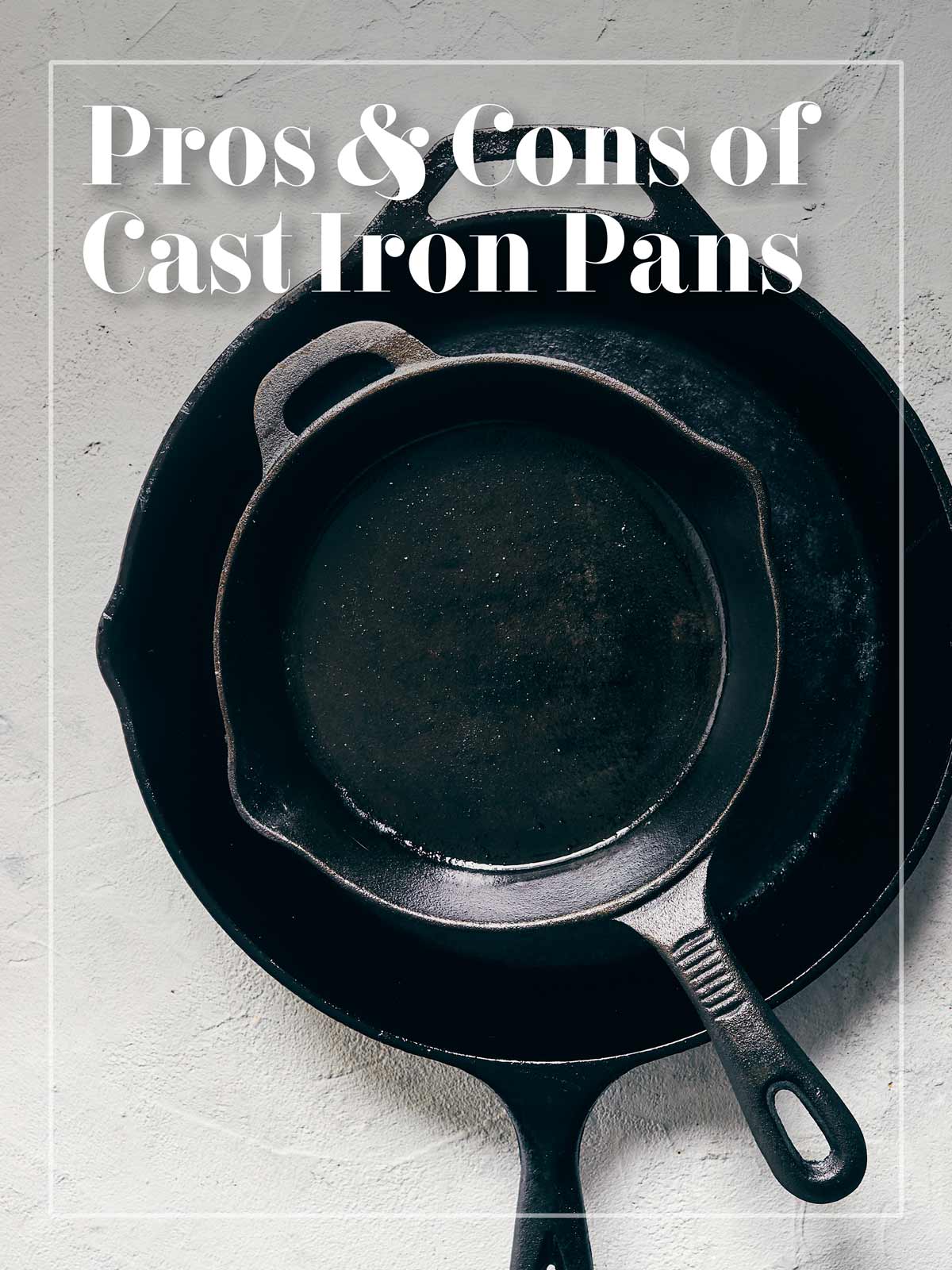
Credit: evergreenkitchen.ca
Durability And Lifespan
Pans are essential in any kitchen, from home to professional settings.
Their durability and lifespan are crucial for consistent cooking results and cost-effectiveness.
Various factors influence how long a pan lasts.
Wear And Tear
Every pan faces wear and tear over time.
Frequency of use and cooking temperatures affect a pan’s condition.
Non-stick pans can lose their coating.
Metal pans might warp or dent.
Proper use can extend a pan’s life.
Maintenance And Care
Maintenance plays a pivotal role in a pan’s longevity.
Pans need regular cleaning with suitable materials.
Harsh chemicals or abrasive sponges harm pan surfaces.
Seasoning cast iron pans preserves their quality.
Storage is also key; stacking can cause scratches.
Care tips include:
- Cleaning after each use.
- Avoiding high heat on non-stick pans.
- Using wooden or silicone utensils.
- Storing pans with care.
Impact On Flavor
Impact on Flavor: The type of pan used in cooking can significantly influence the taste of food. Different materials interact with food in unique ways, impacting the overall flavor. Let’s explore how pans can affect the taste and aroma of your dishes.
Metallic Taste Factors
Some pans can impart a metallic taste to food. This is especially true for certain materials like aluminum or uncoated cast iron. Acidic foods, such as tomato sauce, can react with metal and create a slightly metallic flavor. On the other hand, stainless steel pans typically do not cause this issue.
- Aluminum pans: May leave a metallic taste with acidic ingredients.
- Cast iron: Can impart a metallic flavor if not seasoned properly.
- Stainless steel: Neutral, less likely to affect flavor.
Seasoning Effects
Seasoning a pan refers to creating a non-stick layer by baking oil onto the surface. This is common in cast iron and carbon steel pans. A well-seasoned pan not only prevents sticking but can also add depth to the flavor of your food. Each time you cook, you build up more seasoning, enhancing the taste of your meals.
| Pan Type | Seasoning Needed | Flavor Impact |
|---|---|---|
| Cast iron | Yes | Richer flavors over time |
| Carbon steel | Yes | Enhanced taste with use |
| Non-stick | No | Minimal impact |
Remember, the seasoning process is ongoing. Regular use and proper maintenance lead to better-tasting food. Non-stick pans, while convenient, do not offer the same flavor benefits as seasoned pans.
Safety Concerns
Safety Concerns in kitchenware are crucial for healthy cooking. We often overlook how the materials and condition of our pans can impact our wellbeing. This section explores two major safety concerns: Chemical Leaching and Physical Hazards. Understanding these can help you make safer choices for your kitchen.
Chemical Leaching
Chemical leaching happens when harmful substances mix with our food. Certain pans release these substances at high temperatures. This is a major concern for health.
- Non-stick Pans: They might release harmful chemicals like PFOA.
- Aluminum Pans: Acidic foods can cause aluminum to leak into food.
- Copper Pans: They need a coating to stop copper from leaking.
Choosing pans made of safer materials like stainless steel or cast iron can reduce these risks.
Physical Hazards
Physical hazards include injuries from using pans improperly. These dangers are often overlooked but can cause serious harm.
- Heavy Pans: Lifting them incorrectly can hurt your back.
- Hot Handles: They can burn your hands if not careful.
- Sharp Edges: Some pans have edges that can cut you.
Using pans with ergonomic handles and being mindful of weight and sharpness can prevent injuries.
Economic Considerations
Economic Considerations play a crucial role in choosing pans. Understanding the cost and long-term value is essential. Let’s explore.
Cost-benefit Analysis
Choosing the right pan involves looking at costs and benefits. High-quality pans may cost more but offer better cooking results and durability. Cheap pans might save money initially but can wear out quickly, leading to more expenses over time.
- Quality pans – Higher upfront cost, better performance.
- Cheap pans – Lower upfront cost, higher replacement costs.
Long-term Investments
Investing in quality pans pays off. They last longer and perform better, saving money in the long run. Consider the material and brand reputation when choosing pans for longevity.
| Material | Expected Lifespan |
|---|---|
| Stainless Steel | Many years with proper care |
| Cast Iron | Can last generations |
| Non-Stick | 5 years or less |
Select pans that offer the best balance between cost and long-term value.
Environmental Footprint
Environmental Footprint is crucial when discussing pans. Pans are everyday kitchen tools. Yet, their impact on our planet varies widely. Let’s delve into the sustainability and recyclability of pans.
Sustainability
Pans come in different materials. Some are more sustainable than others. Cast iron and stainless steel pans last for decades. They reduce the need for frequent replacements. This longevity means less waste.
- Long-lasting: Fewer pans bought over time
- Less waste: Old pans don’t fill landfills
Non-stick pans offer ease but often contain PTFE. PTFE production can harm the environment. These pans also wear out faster.
- Non-stick coatings: Potential harm to the environment
- Shorter lifespan: More pans needed over time
Recyclability
Recycling pans can be complex. Not all pans are recyclable. Check with local services to understand your options.
| Material | Recyclable |
|---|---|
| Cast Iron | Yes |
| Stainless Steel | Yes |
| Aluminum | Yes, but check coating |
| Non-stick | Often no |
Recyclable pans help reduce the environmental footprint. They can be melted down and remade. This process saves resources and energy.
- Resource saving: Less raw material needed
- Energy efficient: Less energy to remake than to produce new
Credit: www.reddit.com
Frequently Asked Questions
What Are The Pros And Cons Of Aluminum Pots And Pans?
Aluminum pots and pans heat quickly, offering even cooking. They’re lightweight and affordable but can dent easily. These cookware items may react with acidic foods and aren’t as durable as other materials. Regular maintenance is required to prevent them from warping or discoloring.
What Are The Cons Of Made In Cookware?
Some cons of Made In cookware include higher costs compared to budget brands and limited designs or color options. The weight may also be heavier, challenging for some users.
What Is The Healthiest Pans To Cook With?
Stainless steel, cast iron, and ceramic-coated cookware are among the healthiest options for cooking due to their stability and non-toxic materials.
What Is The Downside Of Copper Pots And Pans?
Copper pots and pans can be expensive and require regular polishing to maintain their shine. They also conduct heat quickly, which can lead to uneven cooking if not managed carefully.
Conclusion
Selecting the right pan can elevate your cooking experience, balancing practicality with culinary precision. While non-stick pans offer hassle-free cleanup, their durability can be a concern. Conversely, cast iron pans stand the test of time but require extra care. Understanding these trade-offs ensures you make an informed decision tailored to your kitchen needs.
Choose wisely for a rewarding cooking journey.

Leave a Reply