

Oven-proof cookware is designed to withstand high temperatures in the oven without melting or warping. Common materials include ceramic, glass, and certain metals like stainless steel.
Choosing the right oven-proof cookware is essential for successful baking and roasting. This type of cookware can endure extreme heat, ensuring your dishes cook evenly and safely. Many options are available, from durable cast iron to versatile ceramic. Each material offers unique benefits, catering to various cooking styles and preferences.
For instance, glass cookware allows for easy monitoring of food as it cooks, while cast iron retains heat exceptionally well. Understanding these materials helps you select the best cookware for your culinary creations. Enjoy stress-free cooking with oven-proof cookware that meets your needs.
Introduction To Oven Proof Cookware
Oven proof cookware is essential for every kitchen. It allows you to cook, bake, and roast without worrying about damage. Choosing the right cookware ensures better meals and easier cleanup.
The Importance Of Quality Cookware
Quality cookware makes a significant difference in cooking. Here are key reasons why:
- Durability: High-quality materials last longer.
- Heat Distribution: Even heat helps cook food evenly.
- Safety: Good cookware reduces the risk of harmful chemicals.
- Versatility: Use it on the stovetop and in the oven.
Types Of Oven Proof Cookware
Choosing the right type of oven proof cookware is important. Here are popular types:
| Type | Material | Best For |
|---|---|---|
| Cast Iron | Cast iron | Searing and baking |
| Ceramic | Ceramic glaze | Baking casseroles |
| Glass | Tempered glass | Baking pies and cakes |
| Stainless Steel | Stainless steel | Roasting meats |
Each type has unique benefits. Pick the best one for your cooking needs. Consider factors like heat retention and cooking style.
Material Matters
Choosing the right cookware material is essential. Different materials offer unique benefits. Understanding these differences helps in making informed choices. Here’s a closer look at four popular oven-proof cookware materials.
Ceramic: Beauty And Versatility
Ceramic cookware is known for its stunning designs. It comes in many colors and patterns. This makes it perfect for serving too. Here are some key features:
- Non-reactive: Safe for all food types.
- Even heating: Cooks food uniformly.
- Easy to clean: Smooth surface resists stains.
Ceramic is great for casseroles and baked dishes. Remember, avoid sudden temperature changes to prevent cracking.
Cast Iron: The Durable Classic
Cast iron cookware lasts a lifetime with proper care. It retains heat well and offers excellent heat distribution. Important points include:
- Versatile: Use on stovetops and in ovens.
- Natural non-stick: Develops a patina with use.
- Health benefits: Adds iron to food.
Ideal for frying, baking, and slow cooking, cast iron can handle high temperatures.
Stainless Steel: Sleek And Reliable
Stainless steel cookware is both stylish and practical. It resists rust and tarnish. Key advantages include:
- Durable: Long-lasting and strong.
- Non-reactive: Safe for acidic foods.
- Easy maintenance: Dishwasher safe for easy cleanup.
Great for searing and browning, stainless steel is ideal for many recipes.
Glass: For Baking And Beyond
Glass cookware is perfect for baking. It allows you to see your food as it cooks. Here are some benefits:
- Non-toxic: Safe for all types of food.
- Microwave safe: Convenient for quick meals.
- Easy monitoring: Check food without opening.
Glass is perfect for casseroles, baking dishes, and even storing leftovers. Avoid sudden temperature changes to prevent breakage.
Must-have Pieces For Every Baker
Every baker needs the right tools. Oven proof cookware is essential for perfect results. Certain pieces stand out for their versatility and practicality. Here are the must-have items for your baking arsenal.
Casserole Dishes: Versatile And Practical
Casserole dishes are a baker’s best friend. They can handle both sweet and savory dishes. Made from glass or ceramic, they retain heat well.
- Perfect for baking casseroles, lasagnas, and desserts.
- Can go from oven to table for easy serving.
- Many come with lids for storing leftovers.
Baking Sheets And Trays: The Essentials
Baking sheets are vital for every kitchen. They help create perfect cookies, pastries, and more. Choose sheets with a non-stick surface for easy cleanup.
| Type | Use | Material |
|---|---|---|
| Half-Sheet Pan | Cookies and roasting vegetables | Aluminum or stainless steel |
| Quarter-Sheet Pan | Small batches of cookies | Aluminum or non-stick |
Dutch Ovens: For Bread And More
Dutch ovens are incredibly versatile. Use them for soups, stews, and bread. Their heavy construction ensures even cooking.
- Great for slow-cooking and braising.
- Can be used on the stovetop or in the oven.
- Available in various sizes and colors.
Roasting Pans: Holiday And Everyday Use
Roasting pans are perfect for meats and veggies. These pans often come with a rack for even cooking. They are great for special occasions and daily meals.
- Look for pans with sturdy handles.
- Choose non-stick options for easy cleanup.
- Available in various sizes to fit your needs.
:max_bytes(150000):strip_icc()/10229166520Stack20of20Old20Cast20Iron20Pans20Photo20by20Meredith20650x465-b9791d1515ff483fba47916e87ddb07e.jpg)
Credit: www.allrecipes.com
Safety First
Using oven-proof cookware is exciting. It allows you to create delicious meals safely. Understanding safety guidelines keeps you and your kitchen safe.
Temperature Limits
Every type of oven-proof cookware has a specific temperature limit. Knowing these limits is vital.
| Cookware Material | Maximum Temperature (°F) |
|---|---|
| Glass | 425 |
| Ceramic | 500 |
| Metal | 600 |
| Silicone | 450 |
Always check the manufacturer’s guidelines. Using cookware beyond its limit may cause it to crack or warp. This can lead to dangerous situations.
Handling And Maintenance Tips
Proper handling and maintenance keep your cookware safe and lasting.
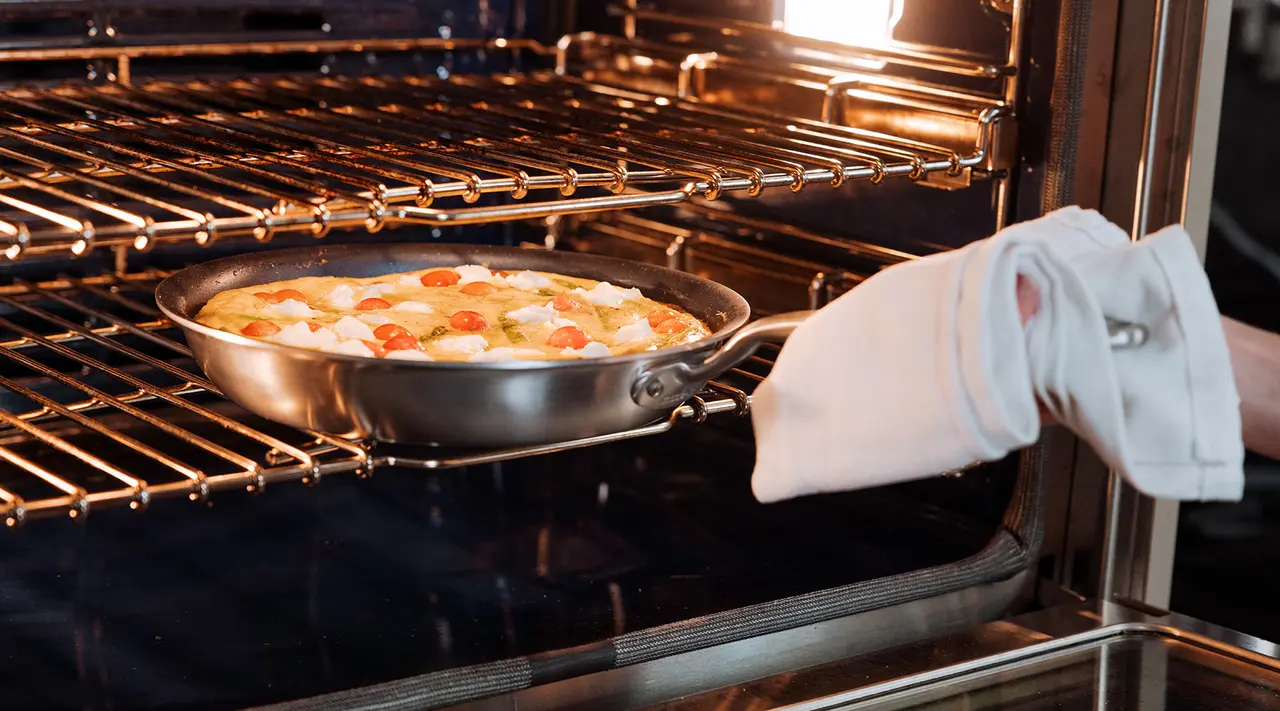
- Always use oven mitts. Protect your hands from hot surfaces.
- Avoid sudden temperature changes. This prevents thermal shock.
- Never place cold cookware in a hot oven. It can break.
- Clean your cookware gently. Use non-abrasive sponges.
Store cookware properly to avoid scratches. Stack carefully to prevent chipping. Regularly inspect for cracks or damage.
Follow these tips for safe and enjoyable cooking. Safety ensures you can focus on creating tasty dishes.
Care And Maintenance
Maintaining your oven-proof cookware ensures it lasts longer. Proper care keeps it in great condition. Follow these guidelines for cleaning, storing, and reviving your cookware.
Cleaning Do’s And Don’ts
Cleaning your oven-proof cookware correctly is vital. Here are some important do’s and don’ts:
| Do’s | Don’ts |
|---|---|
| Use mild soap and warm water. | Don’t use metal scrubbers or abrasive cleaners. |
| Let cookware cool before washing. | Don’t soak cookware for long periods. |
| Dry thoroughly after washing. | Don’t leave cookware damp. |
| Store with a protective layer. | Don’t stack heavy items on top. |
Storing Your Cookware
Proper storage extends the life of your cookware. Follow these tips:
- Keep cookware in a cool, dry place.
- Use pot protectors to prevent scratches.
- Avoid stacking heavy items on top.
- Store lids separately to avoid warping.
Reviving Old Cookware
Old cookware can regain its shine. Here are steps to revive it:
- Soak in vinegar and baking soda for 30 minutes.
- Scrub gently with a soft sponge.
- Rinse and dry thoroughly.
- Apply a thin layer of oil if needed.
Following these steps can breathe new life into worn cookware.
Credit: madeincookware.com
Innovations In Cookware
Cookware has evolved greatly over the years. New technologies make cooking easier and safer. Innovations focus on improving performance and sustainability. Let’s explore some exciting advancements in oven-proof cookware.
Non-stick Surfaces
Non-stick cookware has transformed how we cook. This innovation reduces the need for oils and fats. It helps in making healthier meals. Here are some benefits:
- Easy food release
- Simple cleanup
- Less sticking means less burning
Modern non-stick surfaces use safe materials. Look for options that are free from harmful chemicals. They are designed to last longer and resist scratches.
Eco-friendly Options
Eco-friendly cookware is becoming popular. Many brands now focus on sustainability. Here are some features of eco-friendly cookware:
| Material | Benefits |
|---|---|
| Ceramic | Made from natural materials, non-toxic |
| Recycled Metals | Reduces waste, energy-efficient |
| Bamboo | Renewable resource, biodegradable |
Choosing eco-friendly cookware helps the environment. It also supports healthier cooking methods.
Smart Cookware: The Future
Smart cookware is changing the cooking experience. These devices connect to smartphones or tablets. They offer features like:
- Temperature control
- Cooking timers
- Recipe suggestions
Smart cookware can monitor cooking progress. This ensures perfect meals every time. It simplifies cooking for busy individuals and families.
Accessorize Your Oven Proof Cookware
Accessorizing your oven proof cookware enhances its functionality. The right accessories can improve cooking efficiency and simplify your kitchen tasks. Explore key accessories that make cooking easier and more enjoyable.
Lids And Covers
Lids and covers are essential for your cookware. They help retain heat and moisture. Here are some benefits of using them:
- Locks in flavor – Keeps your dishes tasty.
- Reduces cooking time – Speeds up the cooking process.
- Prevents splatter – Keeps your oven clean.
Choose lids that fit snugly. Look for glass lids for visibility. Metal lids are great for oven use.
Racks And Inserts
Racks and inserts improve cooking versatility. They help in even cooking and draining excess fat. Here are some popular types:
| Type | Use |
|---|---|
| Cooling Racks | Cool baked goods quickly. |
| Steaming Inserts | Steam vegetables and seafood. |
| Roasting Racks | Elevate meat for even roasting. |
Select racks made of stainless steel or heavy-duty materials. They withstand high temperatures and ensure safety.
Handles And Grips
Comfortable handles and grips are crucial for safety. They provide a secure hold while cooking. Consider these options:
- Silicone grips – Heat-resistant and comfortable.
- Ergonomic handles – Reduce strain on your hands.
- Removable handles – Easy to clean and store.
Choose non-slip grips for better handling. They help prevent accidents in the kitchen.
Recipes To Get You Started
Ready to explore the world of oven-proof cookware? Here are some easy recipes. These dishes will help you master your cookware. Enjoy simple bakes, impressive meals, and quick dinners. Let’s dive in!
Simple Bakes To Master
Start with these simple bakes. They are perfect for beginners:
- Classic Chocolate Chip Cookies
- Banana Bread
- Easy Quiche
Here’s a quick recipe for Banana Bread:
Ingredients:
- 3 ripe bananas
- 1/3 cup melted butter
- 1 teaspoon baking soda
- Pinch of salt
- 3/4 cup sugar
- 1 large egg
- 1 teaspoon vanilla extract
- 1 cup flour

Instructions:
1. Preheat the oven to 350°F (175°C).
2. Mash bananas in a bowl.
3. Mix in melted butter.
4. Stir in baking soda and salt.
5. Add sugar, egg, and vanilla.
6. Mix in flour until just combined.
7. Pour into a greased pan.
8. Bake for 60 minutes.
Impressive Dishes To Show Off
Want to impress guests? Try these stunning recipes:
- Herb-Crusted Rack of Lamb
- Vegetable Lasagna
- Salmon en Croûte
Here’s how to make Vegetable Lasagna:
Ingredients:
- 9 lasagna noodles
- 2 cups ricotta cheese
- 2 cups spinach
- 2 cups marinara sauce
- 2 cups mozzarella cheese

Instructions:
1. Preheat the oven to 375°F (190°C).
2. Cook lasagna noodles as directed.
3. Layer noodles, ricotta, spinach, and marinara in a dish.
4. Top with mozzarella.
5. Repeat layers until ingredients run out.
6. Bake for 45 minutes.
Quick And Easy Meals
Short on time? Try these quick meals:
- Sheet Pan Chicken and Vegetables
- One-Pan Pasta
- Stuffed Peppers
Check out this recipe for One-Pan Pasta:
Ingredients:
- 12 oz pasta
- 1 can diced tomatoes
- 4 cups vegetable broth
- 1 onion, chopped
- 3 cloves garlic, minced
- 1 teaspoon Italian seasoning

Instructions:
1. Combine all ingredients in a large pan.
2. Bring to a boil over medium heat.
3. Reduce heat and simmer for 10-12 minutes.
4. Stir occasionally until pasta is tender.

Credit: www.amazon.com
Frequently Asked Questions
What Is Oven-proof Cookware?
Oven-proof cookware refers to kitchenware designed to withstand high temperatures in an oven. This includes materials like glass, ceramic, and certain metals. Always check for manufacturer specifications to ensure your cookware is truly oven-safe. Using non-oven-proof cookware can lead to breakage and unsafe cooking conditions.
Can I Use Metal Cookware In The Oven?
Yes, most metal cookware is safe for oven use. This includes stainless steel, cast iron, and aluminum options. However, avoid using non-metal parts, like plastic handles, which may melt. Always verify the specific temperature limits to ensure safe cooking and avoid damaging your cookware.
How Do I Know If My Cookware Is Oven-safe?
Check for labels or markings on the cookware for oven safety. Many brands indicate this clearly on the bottom or packaging. If unavailable, refer to the manufacturer’s website for detailed information. When in doubt, conduct a simple temperature test with caution.
Is Glass Cookware Safe For Oven Use?
Yes, most glass cookware is oven-safe, especially borosilicate glass. It can withstand high temperatures without breaking. Avoid sudden temperature changes to prevent thermal shock. Always confirm the manufacturer’s guidelines, as some glass may not be designed for high-heat cooking.
Conclusion
Choosing the right oven-proof cookware is essential for successful cooking. It enhances flavor and ensures even heat distribution. With various materials available, consider your cooking style and preferences. Investing in quality pieces can elevate your culinary experience. Embrace the versatility of oven-proof cookware for delicious, hassle-free meals every time.

Leave a Reply