

Moroccan tagine cookware is more than just a cooking tool. It is a piece of art with rich history and tradition.
The tagine pot, with its unique shape, is designed to create flavorful dishes. This traditional cookware is a staple in Moroccan kitchens. It allows food to cook slowly, sealing in moisture and flavor. Using a tagine pot can elevate your cooking.
It is perfect for stews, meats, and vegetables. The conical lid helps circulate steam, keeping dishes tender and juicy. Understanding how to use and care for tagine cookware can enhance your culinary experience. Explore the beauty and benefits of this unique cookware. It may just inspire you to create your own Moroccan feast at home.
The Essence Of Moroccan Cuisine
Moroccan cuisine is a blend of flavors, colors, and textures. It tells stories of rich traditions and vibrant culture. Central to this culinary art is the use of tagine cookware. This unique vessel enhances the cooking process, making dishes tender and flavorful.
Cultural Significance
Tagine cookware is more than just a cooking tool. It represents Moroccan heritage. Families gather around the table to enjoy meals from a tagine. This fosters connection and celebration.
Tagine cooking dates back centuries. It reflects the influence of Berber, Arab, and Mediterranean cultures. The design of the tagine is special. Its conical shape allows steam to circulate, keeping dishes moist.
Key Spices And Ingredients
Moroccan cuisine features a variety of spices and ingredients. These create the unique taste of each dish. Here are some key elements:
| Spice/Ingredient | Description |
|---|---|
| Cumin | Adds warmth and earthiness. |
| Cinnamon | Brings sweetness to savory dishes. |
| Ras el Hanout | A blend of many spices, unique to each cook. |
| Preserved Lemons | Offers a tangy, salty flavor. |
| Chickpeas | Commonly used for texture and nutrition. |
Each spice plays a role in balancing flavors. Fresh ingredients like vegetables and meats are also key. The combination of spices and ingredients creates beloved dishes such as tagine, couscous, and harira.
Credit: www.etsy.com
Tagine: The Heart Of Moroccan Cooking
The tagine is more than just a cooking pot. It symbolizes Moroccan culture and culinary traditions. This unique cookware helps create rich, flavorful dishes. It has a distinct design that enhances cooking. Many Moroccan families cherish their tagines. They use them for everyday meals and special occasions.
Historical Roots
The tagine has deep historical roots in Morocco. It dates back to ancient times. Berber tribes used it to cook meals over open fires. The design has not changed much over centuries. This cookware reflects Morocco’s culinary heritage.
Traditionally, tagines were made from clay. This material allows slow cooking. It retains heat well, making dishes tender and flavorful. Over time, tagines became popular beyond Morocco. They are now loved worldwide.
Design And Material
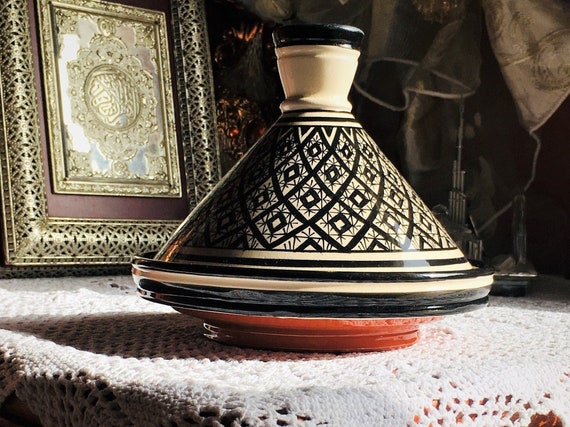
Tagines have a unique design. They consist of two parts: a shallow base and a tall, conical lid. This shape is not just for looks. The lid traps steam, keeping food moist. It also helps infuse flavors.
Most tagines are made from ceramic or clay. Some are made from cast iron for better durability. Each material has its benefits:
| Material | Benefits |
|---|---|
| Ceramic | Good heat retention, easy to clean |
| Clay | Traditional, enhances flavor |
| Cast Iron | Durable, great for high heat |
Choosing the right tagine depends on your cooking style. Each type offers a unique cooking experience. Tagines are not only functional but also beautiful. They make great centerpieces at the dining table.
The Art Of Cooking With A Tagine
The tagine is more than just a cooking pot. It is a symbol of Moroccan culture. Cooking with a tagine brings unique flavors and textures to meals. This traditional cookware creates a special experience in the kitchen.
Slow Cooking Technique
Slow cooking is the key to using a tagine. This method allows food to cook evenly and thoroughly. The cone-shaped lid traps moisture. This helps to keep the dish juicy and tender.
Here’s how the slow cooking technique works:
- Low heat is best. Use a stovetop or oven.
- Cook for several hours. This enhances the flavors.
- Add liquid sparingly. The tagine retains moisture well.
Slow cooking with a tagine improves the taste of meats and vegetables. It creates a rich, aromatic dish.
Layering Flavors
Layering flavors is essential in tagine cooking. Start with a base of spices, then add ingredients in stages. This builds depth and complexity.
Follow these steps for effective layering:
- Begin with onions and spices.
- Add meats or proteins next.
- Finish with vegetables and fruits.
Each layer adds its unique taste. The spices blend together beautifully. This results in a well-balanced and flavorful dish.
Using fresh herbs also enhances the flavor. Consider cilantro or parsley for garnish.
Cooking in a tagine is an art. Each meal tells a story through its flavors.

Credit: marrakeshgardens.com
Types Of Moroccan Tagines
Moroccan tagines are unique cookware. They come in different styles. Each type serves a special purpose. Understanding these types helps in choosing the right one.
Classic Clay Tagines
Classic clay tagines are traditional. They are made from natural clay. This type enhances the flavor of dishes.
Key features include:
- Natural heat retention: Keeps food warm for a long time.
- Even cooking: Distributes heat evenly.
- Versatile: Suitable for stovetop or oven use.
Classic clay tagines require special care. Avoid sudden temperature changes. This prevents cracking. Season the tagine before first use. This improves its non-stick surface.
Decorative Vs. Functional Tagines
Tagines come in two main categories: decorative and functional. Each serves a different purpose.
| Type | Description | Use |
|---|---|---|
| Decorative Tagines | Beautifully designed, often colorful. | Display purposes, not for cooking. |
| Functional Tagines | Made for cooking, often plain. | Used for preparing traditional dishes. |
Choose decorative tagines for home decor. Select functional ones for cooking. Both types add charm to your kitchen.
Seasoning Your Tagine
Seasoning your Moroccan tagine is vital. It prepares the cookware for use. Proper seasoning enhances flavors and prevents food from sticking.
Initial Preparation
Before using your tagine, follow these steps for initial seasoning:
- Soak the tagine in water for at least 12 hours. This helps to prevent cracking.
- Dry the tagine thoroughly with a soft cloth.
- Apply a thin layer of olive oil inside and outside the tagine.
- Place the tagine in a cold oven. Set the oven to 300°F (150°C).
- Bake the tagine for 1 to 2 hours. This helps the oil absorb into the clay.
- Turn off the oven and let the tagine cool inside.
Maintenance Tips
To keep your tagine in great shape, follow these maintenance tips:
- Always wash your tagine by hand. Avoid using dishwashers.
- Use mild soap and a soft sponge. Harsh scrubbers can damage the surface.
- Store your tagine in a dry place. Keep it away from moisture.
- Do not expose it to sudden temperature changes. This can cause cracking.
- Regularly apply olive oil to maintain the seasoning.
Following these tips will keep your tagine functional and beautiful. Enjoy cooking with it!
Iconic Moroccan Tagine Dishes
Moroccan tagine dishes are famous for their rich flavors and unique cooking style. These meals are slow-cooked in special clay pots called tagines. The design of the tagine helps keep moisture in, making the dishes tender and full of flavor. Let’s explore two classic Moroccan tagine dishes that you must try.
Lamb And Prune Tagine
Lamb and prune tagine is a delightful dish. It combines savory lamb with sweet prunes. This dish is a favorite during special occasions.
- Lamb: Tender pieces of meat.
- Prunes: Add sweetness and depth.
- Spices: Cinnamon, ginger, and cumin enhance the flavors.
Cooking this tagine is simple:
- Brown the lamb in the tagine.
- Add onions and spices.
- Mix in prunes and broth.
- Cover and simmer until tender.
Serve with couscous or bread. Enjoy the sweet and savory mix!
Chicken And Lemon Tagine
Chicken and lemon tagine offers a fresh taste. The zesty lemon balances the savory chicken. This dish is easy to prepare.
- Chicken: Juicy pieces that absorb flavors.
- Lemon: Bright and tangy.
- Olives: Add a salty contrast.
To make this tagine:
- Brown the chicken in the tagine.
- Add onions, garlic, and spices.
- Mix in lemon slices and olives.
- Cover and cook until the chicken is done.
Serve with rice or bread for a satisfying meal. The flavors will amaze you!
Serving And Presentation
Moroccan tagine cookware is not just for cooking. It is also for serving. The unique shape of the tagine makes it a beautiful centerpiece on any table. The vibrant colors and designs add charm. Serving directly from the tagine creates a warm and inviting atmosphere.
Traditional Table Setting
A traditional Moroccan table setting is rich and colorful. Use a round table for a communal feel. Here are some key elements:
- Tablecloth: Choose a bright tablecloth or runner.
- Plates: Use colorful ceramic plates.
- Cups: Serve mint tea in small, decorative cups.
- Flatware: Use simple silverware to keep focus on the food.
Place the tagine in the center. Surround it with side dishes. This invites everyone to share. Use low seating to create a cozy atmosphere. Add decorative lanterns for extra warmth.
Accompaniments And Side Dishes
Tagine dishes shine with the right accompaniments. Choose sides that enhance the main dish. Here are some popular options:
| Side Dish | Description |
|---|---|
| Couscous | Fluffy grains, often served with vegetables and broth. |
| Flatbread | Perfect for scooping up tagine and sauces. |
| Salads | Chilled vegetable salads add freshness. |
| Olives | Salty olives bring a burst of flavor. |
Offer a variety of side dishes. This allows guests to mix and match. Pairing enhances the overall dining experience. Each bite tells a story of Moroccan culture.
Credit: ethnicspoon.com
Caring For Your Tagine
Moroccan tagine cookware is beautiful and functional. Proper care keeps it looking great and performing well. Here are some tips on how to care for your tagine. Follow these steps for cleaning, storage, and handling.
Cleaning Do’s And Don’ts
Cleaning your tagine correctly is vital. Here are some do’s and don’ts:
| Do’s | Don’ts |
|---|---|
| Hand wash with warm, soapy water. | Use harsh chemicals or abrasive scrubbers. |
| Soak in water if food sticks. | Soak for long periods. |
| Dry immediately after washing. | Leave it wet, as this can cause cracks. |
| Use a soft sponge or cloth. | Use metal scrubbing pads. |
Storage And Handling
Proper storage and handling extend the life of your tagine. Follow these tips:
- Store in a cool, dry place.
- Use a cloth to separate pieces if stacking.
- Avoid placing heavy items on top.
- Handle with care to prevent chipping.
- Preheat slowly before cooking.
Following these steps will help your tagine last longer. Enjoy cooking delicious meals in your well-cared-for tagine.
Frequently Asked Questions
What Is Moroccan Tagine Cookware?
Moroccan tagine cookware is a traditional cooking vessel. It consists of a shallow base and a conical lid. This design helps retain moisture and enhances flavors during cooking. Tagines are ideal for slow-cooking stews and braised dishes, making them popular in Moroccan cuisine.
How Do You Use A Tagine?
To use a tagine, start by soaking the base in water for a few hours. This prevents cracking during cooking. Next, layer your ingredients, starting with the meat, followed by vegetables and spices. Finally, cover and cook on low heat, allowing the flavors to meld beautifully.
Is Tagine Cookware Oven-safe?
Yes, tagine cookware is typically oven-safe. However, it’s essential to check the manufacturer’s instructions. Most tagines can withstand moderate oven temperatures. This versatility allows you to prepare delicious one-pot meals in the oven, enhancing the cooking experience.
Can You Cook With A Tagine On The Stovetop?
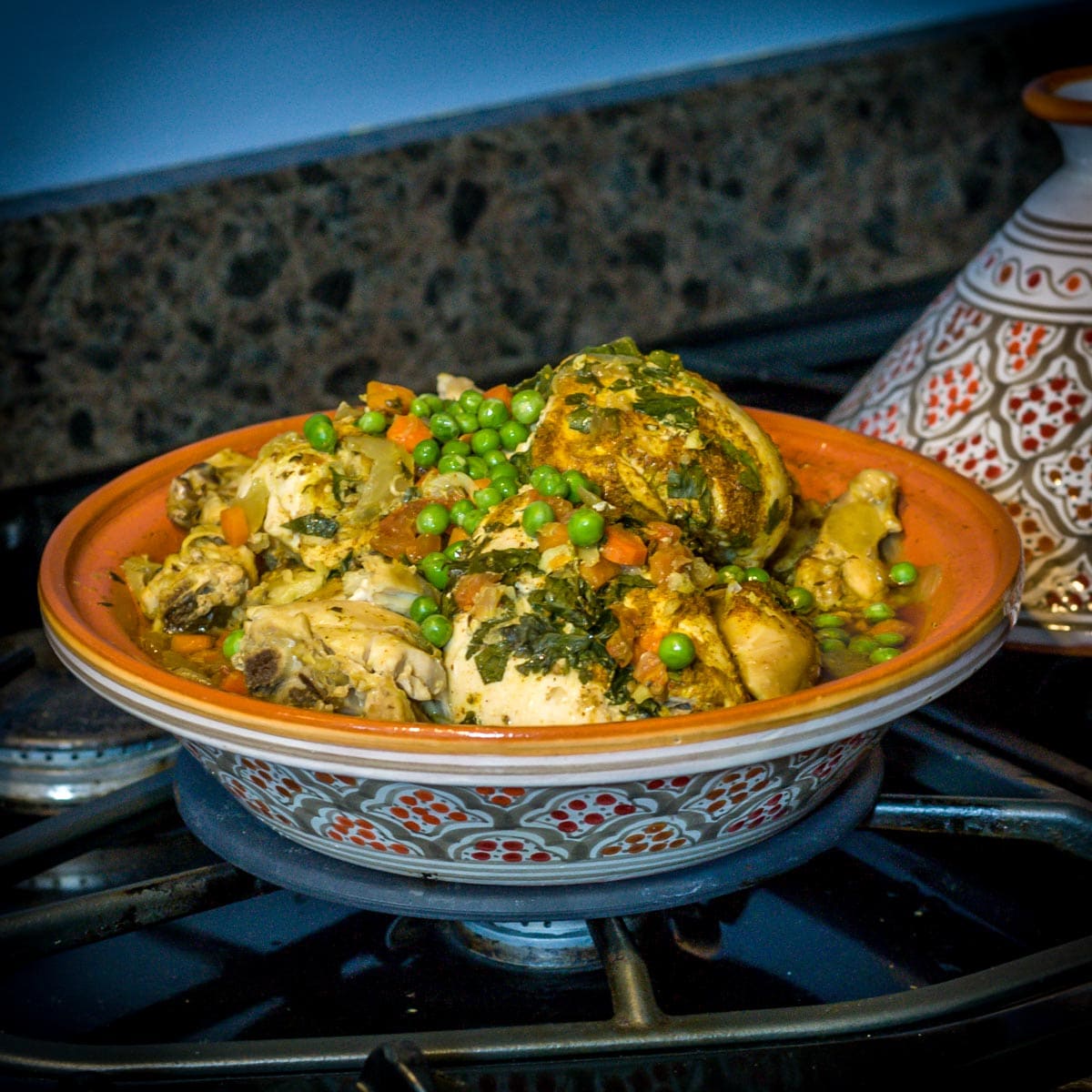
Absolutely! You can use a tagine on the stovetop. Just ensure you use a diffuser to distribute the heat evenly. This prevents direct contact with flames, reducing the risk of cracking. Cooking on the stovetop allows for greater control over the cooking process.
Conclusion
Moroccan tagine cookware offers a unique cooking experience. It blends tradition with flavor. Cooking with a tagine is simple and enjoyable. You can create delicious meals with ease. The design helps keep moisture in, making dishes tender. Many people love the vibrant colors and styles available.
Using tagines can enhance your kitchen and your cooking. Embrace this cookware to explore new recipes. Discover the joy of Moroccan cuisine today. Your meals will impress family and friends. Enjoy the journey of cooking with a tagine.

Leave a Reply