
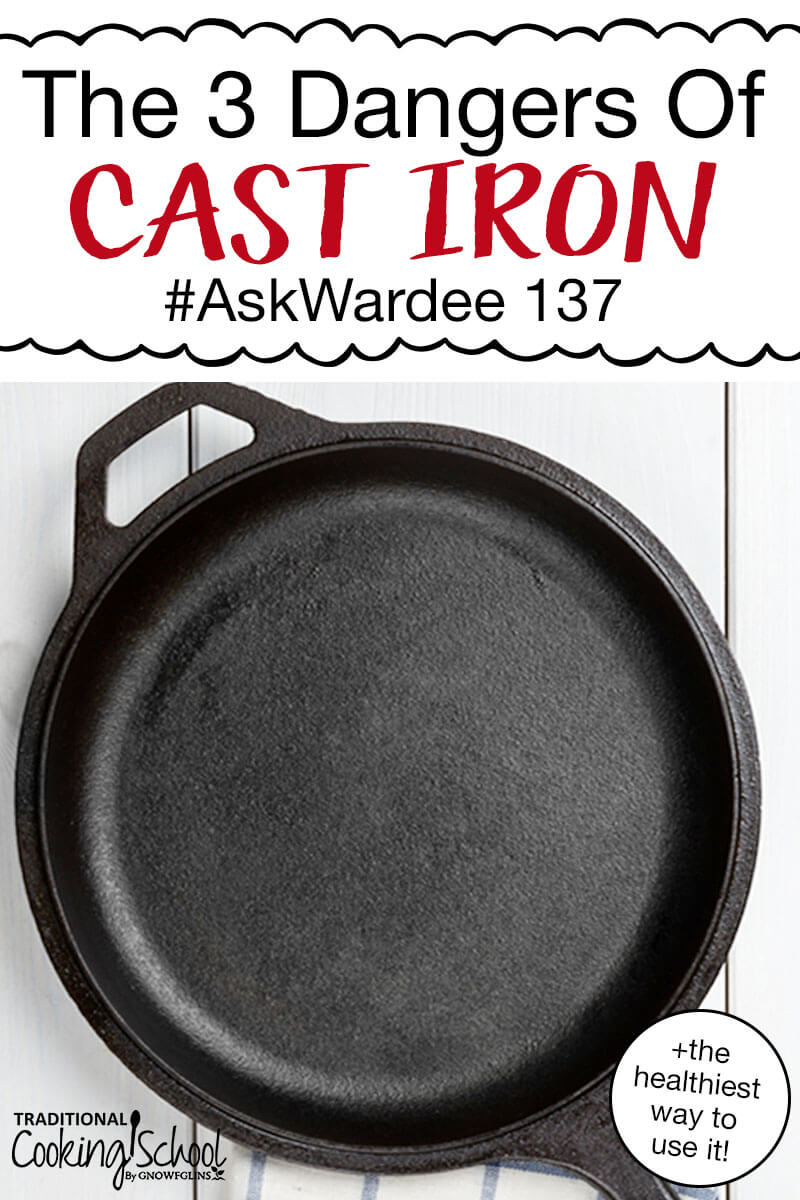
Enamel cookware is generally safe for cooking. It is non-reactive and does not leach harmful substances into food.
Enamel cookware has gained popularity among home cooks and professional chefs alike due to its attractive appearance and practical benefits. This type of cookware features a layer of glassy enamel coating over metal, providing a smooth, non-stick surface. It distributes heat evenly, ensuring food cooks uniformly while preventing hot spots.
Enamel cookware is available in various colors and designs, making it a stylish addition to any kitchen. Safety is a primary concern for many consumers, especially regarding potential chemical leaching. Understanding the safety aspects of enamel cookware helps users make informed choices for healthier cooking. This blog explores the safety of enamel cookware and its advantages for everyday cooking.
Credit: www.reddit.com
The Rise Of Enamel Cookware
Enamel cookware has gained popularity in recent years. Many cooks admire its beauty and functionality. This cookware combines style and practicality, making it a favorite in modern kitchens.
Popularity And Aesthetic Appeal
The vibrant colors and glossy finish of enamel cookware attract many buyers. Here are some reasons for its rising popularity:
- Variety of Colors: Available in many shades, it suits any kitchen decor.
- Timeless Design: Classic and modern styles appeal to diverse tastes.
- Functional Beauty: It looks good on the stove or at the table.
People love the visual charm of enamel cookware. Its aesthetic appeal enhances meal presentation. Dishes served in colorful pots bring joy to dining experiences.
Historical Significance
Enamel cookware has a long history. It dates back to ancient times. Originally, craftsmen created it for its durable and easy-to-clean properties.
Key milestones in enamel cookware history include:
- 18th Century: Enamel-coated iron became popular in Europe.
- 19th Century: Industrialization made it widely available.
- 20th Century: Iconic brands emerged, promoting its use.
Today, many associate enamel cookware with nostalgia. Its historical roots add to its charm. This cookware connects generations of home cooks.
Components Of Enamel Cookware
Understanding the components of enamel cookware helps ensure safety and quality. The materials and manufacturing process impact both durability and cooking performance.
Material Composition
Enamel cookware is made from two main components:
- Base Material: Usually cast iron or steel.
- Enamel Coating: A glass-like layer bonded to the base.
Each component serves a specific purpose:
- Cast Iron: Excellent heat retention and distribution.
- Steel: Lightweight and more affordable.
- Enamel: Non-reactive surface that prevents leaching.
This combination offers a safe and effective cooking experience. Many people prefer enamel cookware for its aesthetic appeal and ease of cleaning.
Manufacturing Process
The manufacturing process of enamel cookware involves several steps:
- Shaping: The base material is shaped into cookware forms.
- Cleaning: The surface is cleaned to remove impurities.
- Coating: A powdered glass enamel is applied.
- Firing: Cookware is heated in a kiln to bond the enamel.
This process ensures the enamel adheres properly, creating a durable and safe cooking surface. Quality control checks guarantee no defects are present.
| Step | Description |
|---|---|
| Shaping | Forming the cookware from base material. |
| Cleaning | Removing any surface impurities. |
| Coating | Applying powdered glass enamel. |
| Firing | Heating to bond the enamel securely. |
This careful process results in a safe and efficient cooking product, perfect for various culinary needs.
Health Concerns And Safety
Enamel cookware is popular for its aesthetic appeal and cooking performance. However, many wonder about its safety. Understanding health concerns is crucial for informed choices. This section covers critical safety issues related to enamel cookware.
Lead And Cadmium Content
Some enamel cookware may contain lead and cadmium. These metals can leach into food, posing health risks. Here’s a breakdown:
| Metal | Source | Health Risks |
|---|---|---|
| Lead | Old glazes or low-quality products | Nerve damage, developmental issues |
| Cadmium | Cheap pigments | Kidney damage, bone fragility |
Choose certified cookware to avoid these risks. Look for brands that test for heavy metals. Always check labels before purchasing.
High-temperature Cooking Risks
Enamel cookware can withstand high temperatures. Yet, cooking at excessive heat can cause issues. Here are some risks:
- Chipping of the enamel layer
- Release of harmful substances
- Uneven cooking
Follow these tips for safe use:
- Avoid preheating an empty pan.
- Use medium heat for cooking.
- Use wooden or silicone utensils to prevent scratching.
Always monitor cooking temperatures. Proper care extends the life of your enamel cookware.

Credit: www.reddit.com
Comparative Safety Analysis
Understanding the safety of enamel cookware requires comparing it to other options. Each type has unique safety features. This section explores the safety of enamel versus nonstick surfaces and metallic alternatives.
Enamel Vs. Nonstick Surfaces
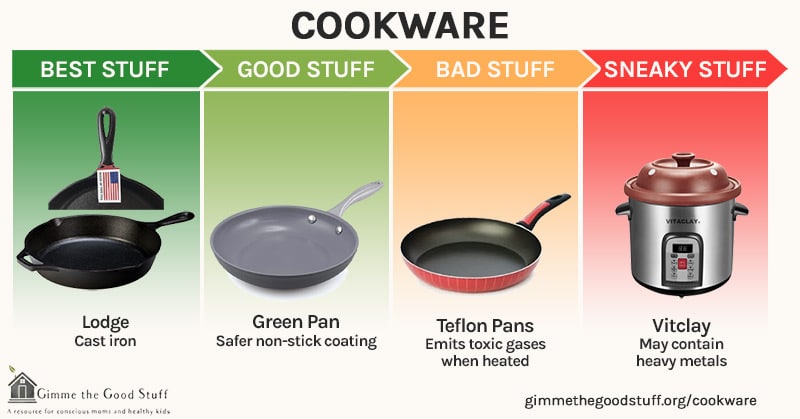
Enamel cookware has a smooth, glass-like coating. This makes it safe for cooking at high temperatures. It does not release harmful chemicals. Nonstick surfaces often use polytetrafluoroethylene (PTFE) or similar materials. These can degrade at high heat.
Here are some key differences:
| Feature | Enamel Cookware | Nonstick Cookware |
|---|---|---|
| Heat Resistance | High | Moderate |
| Chemical Release | None | Possible |
| Durability | Very Durable | Less Durable |
Metallic Alternatives
Metal cookware includes stainless steel and cast iron. These materials are generally safe for cooking. They can withstand high heat without releasing chemicals.
- Stainless Steel: Non-reactive, resistant to rust and corrosion.
- Cast Iron: Durable, excellent heat retention, can leach iron into food.
- Copper: Excellent heat conductor, but requires a lining to prevent reactions.
Each metallic option has its own safety aspects:
- Stainless steel is safe and versatile.
- Cast iron is safe but requires seasoning.
- Copper needs careful handling due to potential reactions.
Choosing the right cookware depends on personal needs. Enamel cookware offers safety and durability. Nonstick surfaces may be convenient but carry risks. Metallic alternatives provide varied safety, catering to different cooking styles.
Proper Usage Guidelines
Using enamel cookware safely requires specific guidelines. Follow these tips to ensure longevity and safety. Proper usage can prevent damage and maintain performance.
Maintenance Tips
Regular maintenance keeps your enamel cookware in top shape. Here are essential tips:
- Hand wash with a soft sponge.
- Use mild dish soap.
- Never use steel wool or abrasive cleaners.
- Dry thoroughly after washing.
- Store in a dry place to avoid moisture.
Avoiding Damage And Wear
Protect your cookware from unnecessary damage. Follow these simple guidelines:
- Use wooden or silicone utensils.
- Avoid high heat settings.
- Don’t drop or bang cookware.
- Don’t cook acidic foods for long periods.
- Check for cracks or chips before use.
By following these proper usage guidelines, you can enjoy your enamel cookware safely. Remember, careful handling extends the life of your pots and pans.
Expert Opinions And Studies
Understanding the safety of enamel cookware involves expert insights and scientific research. Many chefs and food scientists weigh in on this topic. Their opinions help clarify safety concerns and performance aspects.
Scientific Research Findings
Studies show enamel cookware is generally safe. Here are key findings:
- No Toxic Chemicals: Research indicates no harmful substances leach into food.
- Stable Coating: Enamel coatings resist chipping and scratching.
- Heat Resistance: Enamel cookware withstands high temperatures without releasing toxins.
Research from various food safety organizations confirms these points. A study by the Food and Drug Administration (FDA) supports the safe use of enamel cookware. It highlighted that enamel coatings do not interact with food.
Professional Cookware Recommendations
Chefs and professionals recommend enamel cookware for several reasons:
| Recommendation | Reason |
|---|---|
| High Heat Cooking | Durable and safe at high temperatures. |
| Acidic Foods | Does not react with acidic ingredients. |
| Even Heating | Provides consistent heat distribution. |
Many chefs prefer enamel cookware for its versatility. It works well for baking, roasting, and stovetop cooking.
Experts also suggest choosing reputable brands. Look for enamel cookware that is lead-free and PFOA-free. Always follow care instructions to maintain the cookware’s quality.
Consumer Reports And Feedback
Understanding the safety of enamel cookware is crucial. Consumer reports provide insights into user experiences. Feedback highlights both benefits and concerns. Let’s explore personal experiences and online reviews.
Personal Experiences
Many users share their stories about enamel cookware. Some enjoy its vibrant colors and easy cleaning. Others appreciate its durability and heat retention. Here are common themes from personal experiences:
- Ease of Use: Many find enamel cookware simple to use.
- Non-Reactive Surface: It doesn’t react with acidic foods.
- Aesthetic Appeal: Users love the bright, attractive designs.
- Heat Distribution: Even cooking is often praised.
Yet, some users report chipping and cracking. Proper care is essential to avoid damage.
Online Reviews And Ratings
Online reviews provide a wealth of information. Many websites and retailers display ratings. Here’s a summary of average ratings for popular brands:
| Brand | Rating (out of 5) | Comments |
|---|---|---|
| Le Creuset | 4.8 | Excellent heat retention and durability. |
| Staub | 4.7 | Beautiful design and great cooking performance. |
| Cuisinart | 4.5 | Good quality at a reasonable price. |
| GreenPan | 4.3 | Eco-friendly but some users report issues. |
Many reviews emphasize the importance of proper handling. Users recommend avoiding metal utensils. This prevents scratches and extends lifespan.
Overall, feedback on enamel cookware is mostly positive. Many users recommend it for everyday cooking.
Credit: gimmethegoodstuff.org
Making An Informed Decision
Choosing the right cookware can be challenging. Enamel cookware offers many benefits. Understanding its safety is essential. This section helps you make informed decisions.
Assessing Needs And Preferences
Before selecting enamel cookware, consider your cooking habits. Identify what works best for you.
- Cooking Style: Do you prefer slow cooking or fast frying?
- Type of Dishes: Are you cooking soups, stews, or casseroles?
- Size: What size pots and pans do you need?
- Color: Do you like vibrant colors or classic designs?
Think about your kitchen space. Choose cookware that fits your storage area. Consider the weight of the cookware. Lightweight options are easier to handle.
Choosing Safe Enamel Cookware
Safety is key when selecting enamel cookware. Look for these important features:
| Feature | Description |
|---|---|
| Lead-Free Enamel | Ensure the enamel is free from harmful lead. |
| Durability | Choose cookware that resists chipping and cracking. |
| Heat Resistance | Look for cookware that withstands high temperatures. |
| Non-Reactive Surface | Ensure the surface does not react with acidic foods. |
Read product labels carefully. Research brands that prioritize safety. Trusted brands often provide detailed information.
- Check online reviews for user experiences.
- Ask friends or family about their favorite brands.
- Look for certifications like FDA approval.
Invest in quality enamel cookware. It enhances your cooking experience and ensures safety.
Frequently Asked Questions
Is Enamel Cookware Safe For Cooking?
Yes, enamel cookware is generally safe for cooking. It is made from a metal base coated with a glass-like enamel. This coating is non-reactive, meaning it won’t leach harmful chemicals into food. However, ensure the enamel is intact and avoid using metal utensils to prevent chipping.
Can Enamel Cookware Chip Or Scratch?
Yes, enamel cookware can chip or scratch. While it is durable, rough handling or using metal utensils can damage the surface. To maintain its integrity, use wooden or silicone utensils. Always follow the manufacturer’s care instructions to prolong its lifespan and avoid potential hazards from chipped enamel.
Is Enamel Cookware Non-stick?
Enamel cookware is not inherently non-stick. The enamel coating provides a smooth surface, which can reduce sticking. However, for best results, always use sufficient oil or cooking spray. This will help prevent food from sticking, especially when cooking delicate items like eggs or fish.
Can I Use Enamel Cookware On Induction Cooktops?
Not all enamel cookware is suitable for induction cooktops. To be induction-compatible, the cookware must have a magnetic base. Check the product specifications before use. If compatible, enamel cookware can perform well on induction cooktops, providing even heat distribution for your cooking needs.
Conclusion
Enamel cookware is generally considered safe for everyday cooking. It is non-reactive and doesn’t leach harmful chemicals into food. Always choose high-quality brands to ensure durability and safety. With proper care, enamel cookware can last for years and enhance your cooking experience.
Enjoy the benefits of this versatile kitchen essential!

Leave a Reply