

Yes, carbon steel cookware is safe for cooking. It is made from natural materials and does not release harmful chemicals.
Carbon steel cookware has gained popularity among chefs and home cooks for its durability and heat retention. Made from a blend of iron and carbon, it offers excellent cooking performance similar to cast iron. This type of cookware is versatile, working on various heat sources, including induction.
With proper seasoning, carbon steel develops a non-stick surface that enhances flavor while preventing food from sticking. It is essential to maintain it by drying thoroughly after washing to prevent rust. Understanding the benefits and care of carbon steel cookware can help you enjoy its advantages while ensuring safe and healthy cooking.
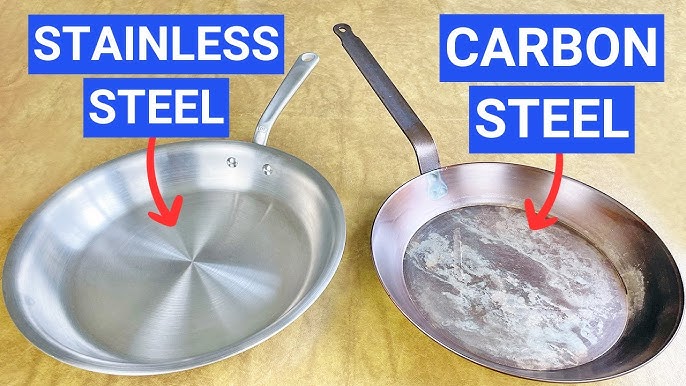
Credit: m.youtube.com
Introduction To Carbon Steel Cookware
Carbon steel cookware has gained attention for its versatility and durability. Many chefs and home cooks prefer it for various cooking methods. This section explores its historical background and current popularity.
Historical Background
Carbon steel cookware dates back centuries. It originated in China and spread across Europe. Chefs used it for its excellent heat conductivity. Here are some key points about its history:
- First used in Chinese woks.
- Popularized in France during the 19th century.
- Used by professional chefs for its performance.
- Gained popularity in home kitchens in recent decades.
Popularity And Usage
Today, carbon steel cookware is a favorite among many cooks. It offers unique benefits that enhance cooking experiences. Here’s why it’s popular:
- Versatility: Suitable for frying, sautéing, and baking.
- Durability: Can last a lifetime with proper care.
- Non-stick properties: Develops a natural non-stick surface over time.
- Lightweight: Easier to handle than cast iron.
- Affordability: Generally more cost-effective than other cookware.
Many chefs appreciate its ability to retain heat. It also distributes heat evenly, preventing hot spots. This ensures perfectly cooked meals.
What Is Carbon Steel?
Carbon steel is a popular material for cookware. It is known for its durability and heat retention. Many chefs love using carbon steel for various cooking methods.
Composition
Carbon steel is made from iron and carbon. The carbon content usually ranges between 0.5% and 1.5%. This combination gives it strength and flexibility. Here is a breakdown of its composition:
| Component | Percentage |
|---|---|
| Iron | 98.5% – 99.5% |
| Carbon | 0.5% – 1.5% |
| Other Elements | Trace amounts |
This composition makes carbon steel a great conductor of heat. It heats up quickly and evenly. You can use it for frying, sautéing, and even baking.
Comparison With Other Materials
Carbon steel has unique properties compared to other cookware materials. Here’s how it stacks up:
- Cast Iron: Heavier, excellent heat retention, but takes longer to heat.
- Stainless Steel: Non-reactive, durable, but not as good for searing.
- Non-Stick: Easy to clean, but less durable and can scratch.
Here’s a quick comparison table:
| Material | Weight | Heat Conductivity | Durability |
|---|---|---|---|
| Carbon Steel | Medium | Excellent | High |
| Cast Iron | Heavy | Good | Very High |
| Stainless Steel | Light to Medium | Good | High |
| Non-Stick | Light | Moderate | Medium |
Choosing the right cookware depends on your cooking style. Carbon steel offers a balance of weight, heat, and durability.
Benefits Of Using Carbon Steel Cookware
Carbon steel cookware offers many advantages. It combines the best features of cast iron and stainless steel. This type of cookware can elevate your cooking experience.
Durability
Carbon steel cookware is built to last. It can withstand high temperatures and heavy use. Here are some key points about its durability:
- Resistant to warping and scratching
- Can last for decades with proper care
- Less prone to chipping compared to non-stick pans
Heat Conductivity
Carbon steel heats up quickly and evenly. This feature helps in achieving consistent cooking results. Below are some benefits of its heat conductivity:
| Feature | Benefit |
|---|---|
| Quick Heating | Saves time while cooking |
| Even Heating | Prevents hot spots |
| High Heat Tolerance | Great for searing and frying |
Versatility In Cooking
Carbon steel cookware is versatile. It can handle various cooking methods. Here are some uses:
- Frying
- Baking
- Searing
- Sautéing
- Grilling
It works on all stovetops, including induction. You can also use it in the oven. Carbon steel adapts to your cooking style.

Credit: prudentreviews.com
Safety Concerns With Carbon Steel
Carbon steel cookware is popular among chefs. Yet, it raises some safety concerns. Understanding these issues helps you make informed choices.
Leaching Of Metals
One major concern is the leaching of metals. This occurs when metals transfer into food during cooking. Carbon steel is made primarily of iron and carbon. It can also contain trace metals.
Here are the key points about metal leaching:
- High heat can increase leaching risk.
- Acidic foods, like tomatoes, may cause more leaching.
- Over time, regular use may wear down the surface.
Most studies show that leaching levels are low. The amounts are usually considered safe for consumption.
Coating And Treatments
Another safety concern involves coatings and treatments. Some carbon steel cookware comes pre-seasoned. This seasoning helps create a non-stick surface.
Check the following points regarding coatings:
- Seasoning is often made from vegetable oils.
- Some coatings might contain harmful chemicals.
- Always verify the source of the coating.
Opt for brands that guarantee safe, non-toxic finishes. This ensures your cookware remains safe for food preparation.
Addressing Common Myths
Many myths surround the safety of carbon steel cookware. Let’s clear up some misconceptions. Understanding these myths helps you make informed choices.
Toxicity Claims
Some people worry about toxicity in carbon steel cookware. These concerns often stem from misinformation. Here are the facts:
- Carbon steel contains iron and carbon.
- It does not leach harmful chemicals.
- It is safe for cooking.
- Food cooked in carbon steel is not toxic.
Many chefs prefer carbon steel for its natural cooking properties. It provides excellent heat distribution and retains heat well. This makes it ideal for various cooking methods.
Rust And Maintenance
Another common myth claims carbon steel is prone to rust. While rust can occur, proper care prevents it. Here’s how to maintain your cookware:
| Maintenance Tips | Description |
|---|---|
| Seasoning | Apply a thin layer of oil after cleaning. |
| Drying | Always dry your cookware immediately after washing. |
| Storage | Store in a dry place to avoid moisture. |
By following these tips, you can enjoy your carbon steel cookware for many years. Regular maintenance enhances its longevity.
Debunking myths helps you appreciate the benefits of carbon steel. It is a safe, durable, and effective choice for your kitchen.
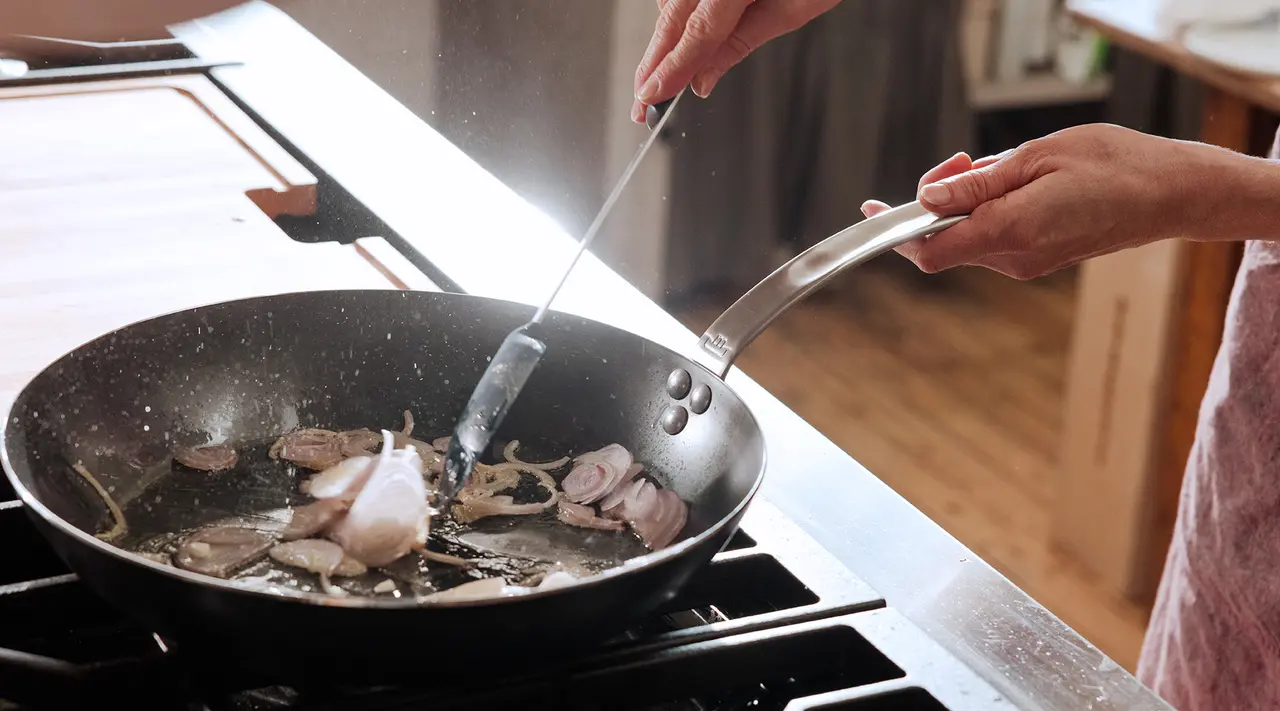
Credit: madeincookware.com
Proper Care And Maintenance
Maintaining your carbon steel cookware ensures safety and longevity. Proper care keeps your cookware non-stick and rust-free. Follow these tips for best results.
Seasoning Process
Seasoning is essential for carbon steel cookware. It creates a natural non-stick surface and protects against rust. Here’s how to season your cookware:
- Wash the cookware with hot, soapy water.
- Dry it thoroughly with a clean cloth.
- Heat the pan on medium heat until warm.
- Apply a thin layer of oil (like flaxseed or vegetable oil).
- Use a paper towel to spread the oil evenly.
- Heat the pan for about 10-15 minutes.
- Let it cool down and wipe off excess oil.
Repeat this process regularly. This maintains the non-stick surface and protects your cookware.
Cleaning Tips
Proper cleaning keeps your cookware in great shape. Follow these cleaning tips:
- Use warm water and a soft sponge.
- Avoid harsh soaps or scrubbing pads.
- For tough stains, use a mixture of baking soda and water.
- Never soak your carbon steel cookware.
- Dry the cookware immediately after washing.
Regular cleaning helps prevent food residue buildup and maintains the seasoning.
Preventing Rust
Rust can damage your carbon steel cookware. Follow these steps to prevent it:
- Always dry your cookware after washing.
- Store in a dry place, away from moisture.
- Apply a thin layer of oil before storing.
- Avoid cooking acidic foods, which can strip seasoning.
These simple actions keep your cookware rust-free and safe for cooking.
Expert Opinions And Research Findings
Understanding the safety of carbon steel cookware involves expert insights and research. Health professionals and scientific studies provide valuable information. This section explores their views and findings on carbon steel cookware safety.
Health Professionals’ Views
Health professionals often discuss the safety of carbon steel cookware. They highlight several important points:
- Non-Toxic Material: Carbon steel is generally safe for cooking.
- Low Reactivity: It does not react with most foods.
- Iron Content: It adds iron to food, which can be beneficial.
Some professionals caution against improper seasoning. They recommend seasoning to prevent rusting and ensure safety. Proper care enhances the longevity of the cookware.
Scientific Studies
Research has examined the safety of carbon steel cookware. Key findings include:
| Study | Findings |
|---|---|
| 2018 Study on Metal Leaching | No significant leaching of harmful metals. |
| 2020 Iron Supplementation Research | Cooking with carbon steel can improve iron intake. |
| 2021 Review of Cookware Materials | Carbon steel is safe for high-temperature cooking. |
These studies support the idea that carbon steel cookware is safe. They show no harmful effects from using this type of cookware. Following proper care instructions enhances safety and performance.
Making An Informed Decision
Choosing the right cookware is essential for safe cooking. Understanding carbon steel cookware helps you make a smart choice. Consider quality, safety, and your cooking style before buying.
Selecting Quality Cookware
Quality matters in carbon steel cookware. Look for these features:
- Thickness: Thicker pans heat evenly.
- Material: Choose pure carbon steel without coatings.
- Brand Reputation: Trust brands known for quality.
- Reviews: Check customer feedback before purchasing.
Consider the manufacturing process. High-quality cookware lasts longer and performs better.
Balancing Pros And Cons
Carbon steel cookware has both benefits and drawbacks. Here’s a quick overview:
| Pros | Cons |
|---|---|
| Excellent heat retention | Requires seasoning to prevent rust |
| Durable and long-lasting | Can be heavy to handle |
| Affordable compared to other materials | May react with acidic foods |
Weigh these factors carefully. Decide what matters most to you. The right choice leads to enjoyable cooking.
Frequently Asked Questions
Is Carbon Steel Cookware Safe To Use?
Yes, carbon steel cookware is safe when properly maintained. It is made from natural materials and doesn’t leach harmful chemicals. Regular seasoning creates a non-stick surface and enhances safety. Just ensure you avoid using it with acidic foods to maintain its quality.
Does Carbon Steel Cookware Contain Harmful Chemicals?
No, carbon steel cookware does not contain harmful chemicals. It is made from iron and carbon, which are safe for cooking. Unlike some non-stick options, carbon steel does not release toxins when heated. Thus, it is a safe choice for healthy cooking.
How Do I Maintain Carbon Steel Cookware?
To maintain carbon steel cookware, clean it after use with hot water and a soft sponge. Avoid soap, as it can strip the seasoning. Dry it immediately to prevent rusting, and apply a thin layer of oil after cleaning. This keeps the surface seasoned and ready for use.
Can I Use Carbon Steel Cookware On Induction Cooktops?
Yes, carbon steel cookware is compatible with induction cooktops. Its magnetic properties allow for efficient heating on induction surfaces. Ensure your cookware has a flat bottom for optimal contact. This makes it a versatile option for various cooking methods.
Conclusion
Carbon steel cookware is safe for everyday use, offering durability and excellent heat retention. With proper care, it can last a lifetime. Its natural non-stick properties promote healthier cooking. Embrace this versatile option for your kitchen, ensuring delicious meals while maintaining safety for you and your family.
Choose wisely for better cooking experiences.

Leave a Reply