

Anodized aluminum cookware is generally safe for cooking. The anodization process creates a protective layer that prevents aluminum leaching into food.
Anodized aluminum cookware has gained popularity due to its durability and non-stick properties. This type of cookware undergoes a special process that thickens the natural oxide layer, making it resistant to scratches and corrosion. Many chefs and home cooks appreciate its ability to distribute heat evenly, enhancing cooking performance.
Unlike traditional aluminum, anodized versions minimize the risk of aluminum leaching into food, making them a safer option. With proper care, anodized aluminum cookware can last for years, providing a reliable and efficient cooking experience. Understanding its safety and benefits helps consumers make informed decisions for their kitchens.
Introduction To Anodized Aluminum Cookware
Anodized aluminum cookware is gaining attention in kitchens everywhere. It offers a blend of durability and safety. Many home cooks wonder if it is safe for daily use. Understanding anodization helps clarify its benefits.
What Is Anodization?
Anodization is an electrochemical process. It enhances aluminum’s natural oxide layer. This layer makes the surface harder and more resistant to scratches. It also prevents corrosion and improves longevity.
During anodization, aluminum is immersed in an acid electrolyte. An electric current passes through the solution. This process forms a thick, protective oxide layer on the aluminum. The result is a surface that is:
- Non-reactive with food.
- Scratch-resistant.
- Easy to clean.
- Durable against wear and tear.
Popularity Of Anodized Aluminum In Kitchens
Anodized aluminum cookware is popular for many reasons. It combines functionality with modern design. Here are a few key points about its popularity:
- Health-safe: Anodized cookware does not leach harmful chemicals.
- Versatile: Suitable for various cooking methods.
- Lightweight: Easy to handle, even for children.
- Affordable: Offers great value for kitchen investments.
Many chefs and home cooks prefer anodized aluminum. It provides a non-stick surface without harmful coatings. This makes it a safe choice for everyday cooking.
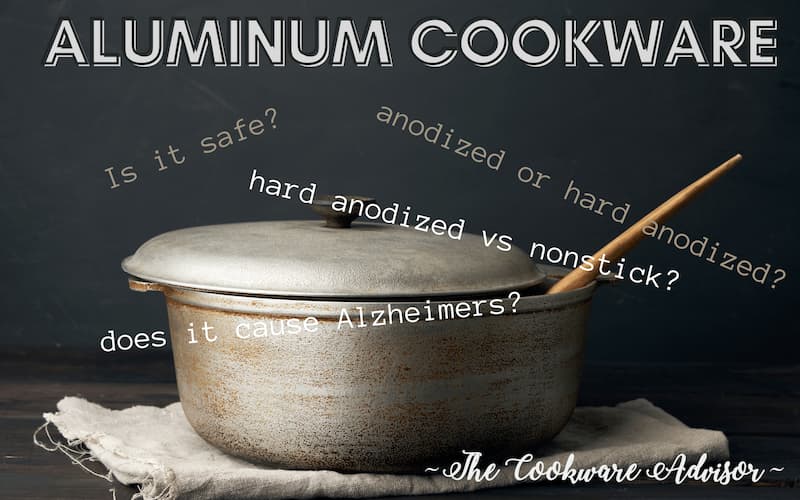
Credit: thecookwareadvisor.com
The Safety Concerns
Many people worry about the safety of anodized aluminum cookware. Concerns often stem from aluminum’s reputation as a reactive metal. Let’s explore common fears and the scientific research surrounding anodized aluminum.
Common Fears Around Aluminum Cookware
- Aluminum Leaching: Some believe aluminum can leach into food.
- Health Risks: Fears of aluminum contributing to diseases.
- Non-Stick Coatings: Concerns about the safety of coatings.
- Durability: Worries about scratching and wear over time.
Scientific Research On Anodized Aluminum
Research shows anodized aluminum is generally safe for cooking. The anodizing process creates a protective layer. This layer prevents aluminum from reacting with food.
Here are some key findings:
| Study | Finding |
|---|---|
| Study 1 | No significant leaching of aluminum into food. |
| Study 2 | Anodized aluminum does not pose health risks. |
| Study 3 | Durability is high; scratches do not affect safety. |
Understanding these facts helps ease worries. Always choose high-quality anodized aluminum cookware. It ensures safety and performance in your kitchen.
Comparing Anodized Vs. Non-anodized Aluminum Cookware
Understanding the differences between anodized and non-anodized aluminum cookware is essential for safe cooking. Both types have unique features that affect their performance and safety. Here, we will compare these two cookware options to help you make an informed choice.
Key Differences
| Feature | Anodized Aluminum Cookware | Non-Anodized Aluminum Cookware |
|---|---|---|
| Surface Treatment | Electrolytically treated for durability | No treatment, raw aluminum surface |
| Reactivity | Non-reactive, safe for acidic foods | Reactive, can alter food taste |
| Durability | Highly durable and scratch-resistant | Less durable, prone to scratches |
| Weight | Generally heavier | Lighter in weight |
Impact On Food Safety And Health
Anodized aluminum cookware is considered safe for cooking. The anodized layer creates a protective barrier. This barrier prevents aluminum from leaching into food. It also resists scratches and corrosion.
Non-anodized aluminum cookware may pose risks. It can react with acidic ingredients like tomatoes or vinegar. This reaction can alter the taste of your food. More importantly, it may lead to aluminum leaching into meals.
- Health Risks of Non-Anodized Cookware:
- Potential aluminum leaching
- Aluminum buildup in the body
- Possible links to neurological issues
- Benefits of Anodized Cookware:
- Safe for all types of food
- Improved cooking performance
- Long-lasting and easy to clean
Choose your cookware wisely. Opt for anodized aluminum for better safety and health benefits.
:max_bytes(150000):strip_icc()/faw-detail-kitchenaid-hard-anodized-induction-10-piece-nonstick-cookware-set-14-wdickey-272-ab10854e2a2e4c37b365f13cc9a1c70e.jpeg)
Credit: www.foodandwine.com
Benefits Of Anodized Aluminum Cookware
Anodized aluminum cookware offers many advantages for home cooks. This type of cookware is popular due to its unique properties. Here are some key benefits.
Durability And Longevity
Anodized aluminum cookware is known for its strength and durability. It resists scratches and dents better than regular aluminum. This means it can last for years with proper care.
- Scratch-resistant: Anodized surface prevents scratches from utensils.
- Corrosion-resistant: Anodized layer protects against rust and corrosion.
- Heat resistance: It can withstand high temperatures without warping.
Cooking Performance
Cooking with anodized aluminum enhances your culinary experience. It heats evenly and quickly, reducing cooking time.
| Feature | Benefit |
|---|---|
| Even Heat Distribution | Prevents hot spots and ensures uniform cooking. |
| Non-stick Surface | Reduces the need for excess oil and promotes healthy cooking. |
| Lightweight | Easy to handle and maneuver during cooking. |
These features make anodized aluminum cookware an excellent choice for everyday cooking.
Potential Risks And Limitations
Anodized aluminum cookware is popular for its durability and resistance to corrosion. However, it has potential risks and limitations. Understanding these can help ensure safe cooking experiences.
When Does Anodized Aluminum Become Unsafe?
Anodized aluminum is generally safe for cooking. Yet, certain conditions can make it unsafe:
- Scratches: If the anodized layer is scratched, it may expose raw aluminum.
- High Heat: Cooking at very high temperatures can damage the anodized coating.
- Harsh Cleaners: Using abrasive cleaners can wear down the protective layer.
It’s essential to check for signs of wear. Replace cookware that shows significant damage. This helps avoid aluminum leaching into food.
Limitations In Cooking Methods
Anodized aluminum has limitations in certain cooking methods:
| Cooking Method | Limitations |
|---|---|
| High-Temperature Searing | May damage the anodized surface. |
| Broiling | Not recommended due to high heat exposure. |
| Acidic Foods | Can react with aluminum and affect flavor. |
Choose cooking methods wisely. Use moderate heat for best results. Avoid cooking highly acidic foods.
Credit: www.yourcookwarehelper.com
Maintenance Tips For Anodized Aluminum Cookware
Proper maintenance keeps anodized aluminum cookware in great shape. Follow these tips to ensure longevity and performance. Regular care can prevent damage and maintain the cookware’s appearance.
Cleaning And Care
Cleaning anodized aluminum cookware is simple. Follow these steps:
- Let cookware cool before cleaning.
- Use warm, soapy water for washing.
- Use a soft sponge or cloth. Avoid steel wool.
- Rinse thoroughly and dry immediately.
- For stubborn stains, use a baking soda paste.
Do not soak the cookware for long. It can cause discoloration. Always store cookware in a dry place. This prevents moisture buildup.
Preventing Wear And Tear
Protect your anodized aluminum cookware from damage. Here are some tips:
- Use wooden or silicone utensils.
- Avoid high heat settings. Medium heat is best.
- Do not use cooking sprays. They can leave residue.
- Store cookware properly. Stack with soft cloths in between.
Following these tips will extend the life of your cookware. Enjoy safe cooking with your anodized aluminum pots and pans!
Expert Opinions And Consumer Reviews
Understanding the safety of anodized aluminum cookware requires insights from both experts and consumers. Their experiences and knowledge can guide potential buyers. Let’s explore what chefs think and what consumers report about this cookware.
What Chefs Say
Many professional chefs trust anodized aluminum cookware. They appreciate its durability and non-reactive surface. Here are some key points from culinary experts:
- Heat Distribution: Chefs praise its excellent heat conductivity.
- Non-Stick Properties: The anodized layer offers a reliable non-stick surface.
- Safety: Experts confirm that anodized aluminum is safe for cooking.
- Easy to Clean: Most chefs find it simple to maintain.
Consumer Reports And Feedback
Consumer reviews provide valuable insights into the practicality of anodized aluminum cookware. Many users share their experiences online. The following table summarizes common feedback:
| Feature | Positive Feedback | Negative Feedback |
|---|---|---|
| Durability | Long-lasting and resistant to scratches | Some claim it can chip over time |
| Cooking Performance | Even cooking and browning | Can require oil for non-stick performance |
| Maintenance | Easy to clean and dishwasher safe | Some users report discoloration |
Overall, consumers find anodized aluminum cookware reliable. Many recommend it for everyday use. Safety concerns are minimal, with most users feeling confident.
Making An Informed Choice
Choosing the right cookware is essential for safe cooking. Anodized aluminum cookware has gained popularity, but many wonder about its safety. Understanding its properties helps in making smart choices. This section discusses important factors to consider before buying and explores alternatives.
Factors To Consider Before Buying
- Durability: Anodized aluminum is resistant to scratches and corrosion.
- Non-stick properties: Many anodized options have non-stick surfaces.
- Heat conductivity: Aluminum heats up quickly and evenly.
- Maintenance: Easy to clean, but avoid abrasive scrubbers.
- Compatibility: Check if it works with your stovetop type.
Alternatives To Anodized Aluminum Cookware
| Type of Cookware | Pros | Cons |
|---|---|---|
| Stainless Steel | Durable, non-reactive, easy to clean | Poor heat conductivity, can stick |
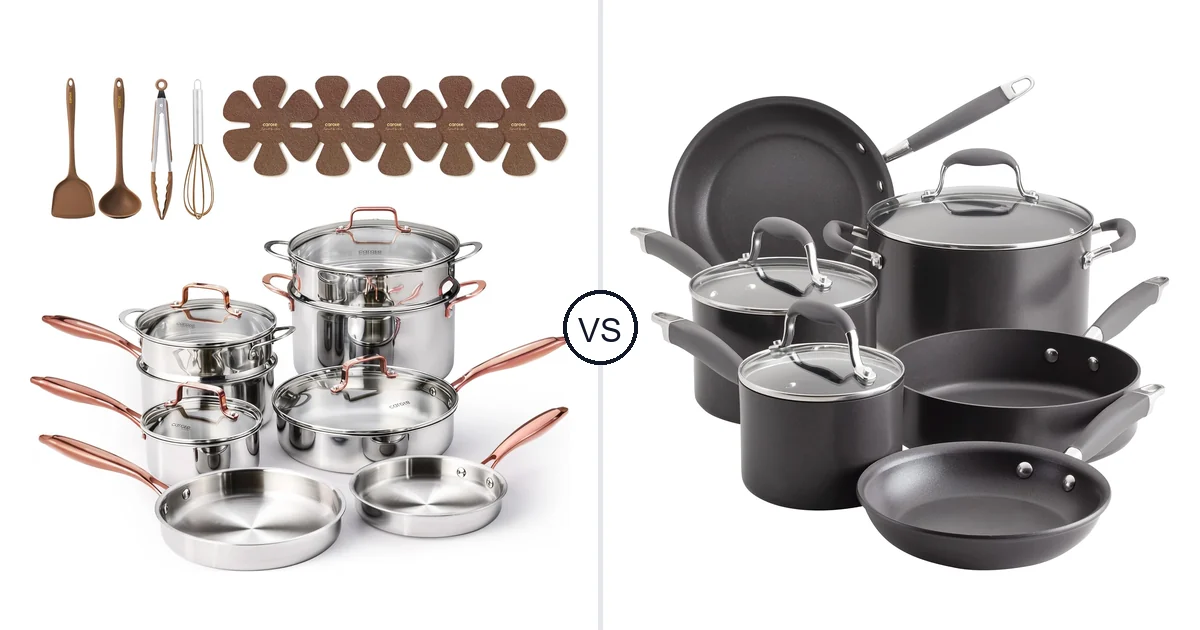
| Cast Iron | Excellent heat retention, natural non-stick | Heavy, requires seasoning, rusts easily |
| Ceramic | Non-toxic, great for even cooking | Can chip, less durable than metal |
| Non-stick (PTFE) | Easy to clean, food releases easily | Can scratch, may release toxins at high heat |
Consider your cooking style and needs. Each type has unique features. Make an informed decision for your kitchen.
Frequently Asked Questions
Is Anodized Aluminum Cookware Toxic?
Anodized aluminum cookware is generally considered safe. The anodization process creates a hard, non-reactive surface that prevents aluminum from leaching into food. This makes it a safer option compared to untreated aluminum. However, it’s essential to avoid using abrasive cleaners that can damage the anodized layer.
Can Anodized Aluminum Cookware Scratch Easily?
Anodized aluminum cookware is more scratch-resistant than regular aluminum. The anodization process strengthens the surface, making it durable. However, it can still be scratched by metal utensils or harsh cleaning tools. Using silicone or wooden utensils can help maintain the integrity of the cookware’s surface.
How Do You Clean Anodized Aluminum Cookware?
Cleaning anodized aluminum cookware is simple. You can use warm, soapy water and a soft sponge for everyday cleaning. Avoid using abrasive pads or cleaners, as they can damage the anodized surface. For tough stains, a paste of baking soda and water can be effective.
Does Anodized Aluminum Cookware React With Food?
Anodized aluminum cookware is designed to be non-reactive. The anodization process creates a protective layer that prevents aluminum from coming into contact with food. This means it won’t react with acidic or alkaline ingredients. It’s a great choice for cooking a variety of dishes without altering flavors.
Conclusion
Anodized aluminum cookware offers a safe and durable option for your kitchen. It resists corrosion and is non-reactive with food. Choosing high-quality anodized cookware can enhance your cooking experience without compromising health. Always follow manufacturer guidelines for care to ensure longevity and safety in your culinary adventures.
Enjoy cooking confidently!

Leave a Reply