
Non-stick cookware is a kitchen essential for many. It makes cooking easier and cleanup quicker.
Over time, though, this cookware can lose its non-stick surface. Scratches, wear, and stains can build up, making cooking difficult. Fortunately, restoring non-stick cookware is possible. Learning how to restore your non-stick pans can save you money and reduce waste.
Instead of tossing out your old cookware, you can bring it back to life. Simple methods exist to revive the surface and improve performance. With just a few steps, you can enjoy cooking with your favorite pans again. Let’s explore how to effectively restore non-stick cookware and extend its life.
Credit: www.youtube.com
Introduction To Non Stick Cookware Maintenance
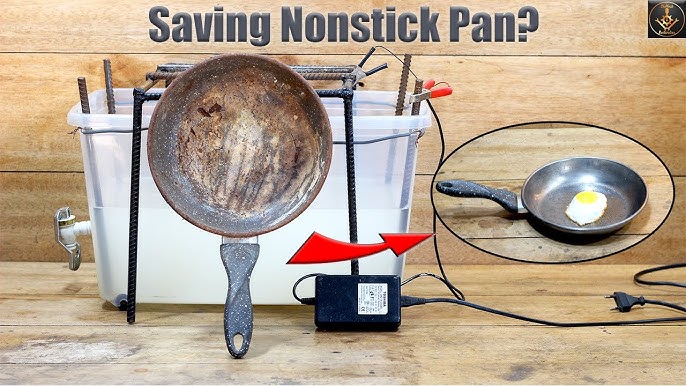
Non stick cookware makes cooking easy. It prevents food from sticking. Proper care extends its life. This section covers important maintenance tips.
Importance Of Proper Care
Taking care of non stick cookware is crucial. Proper maintenance ensures that your cookware lasts longer. Here are some reasons why care is important:
- Prevents scratches and damage
- Maintains non-stick surface
- Improves cooking performance
- Ensures food safety
Good care saves money. You won’t need to replace cookware often. Follow simple steps to keep it in top shape.
Signs Of Wear And Tear
Identifying wear and tear helps you act early. Look for these signs:
- Scratches: Visible lines on the surface.
- Peeling: Non-stick coating coming off.
- Food sticking: Foods stick despite non-stick coating.
- Discoloration: Change in color of the surface.
These signs indicate that it’s time for restoration. Addressing issues early can prolong the life of your cookware.
Credit: www.tasteofhome.com
Assessing The Damage
Before restoring non-stick cookware, assess its condition. Understanding the damage helps decide the best repair method. Different types of coatings and common issues may require unique approaches.
Types Of Non Stick Coatings
Non-stick cookware uses various coatings. Each type has different properties. Here are the main types:
| Coating Type | Description | Durability |
|---|---|---|
| Teflon | Popular and easy to clean. | Moderate, can scratch easily. |
| Ceramic | Made from sand, eco-friendly. | Good, but can chip. |
| Stone | Natural stone coating, durable. | High, very scratch-resistant. |
| Cast Iron | Seasoned for non-stick effect. | Very high, with proper care. |
Common Issues With Non Stick Pans
Non-stick pans can face several issues. Identifying these problems is key to restoring them.
- Scratches: Caused by metal utensils or abrasive cleaners.
- Peeling: Coating may start to come off.
- Stains: Food residue can lead to discoloration.
- Warping: High heat can change the pan’s shape.
- Loss of non-stick property: Food starts to stick to the surface.
Check your cookware for these issues. Addressing them early can extend its life.
Cleaning Non Stick Surfaces
Keeping your non stick cookware clean is essential. Proper care can extend the life of your pots and pans. Regular cleaning helps maintain their non stick properties. Here are some effective methods for cleaning.
Daily Cleaning Practices
Daily cleaning is simple and quick. Follow these steps:
- Cool down: Let the cookware cool before washing.
- Use warm water: Rinse with warm water and mild soap.
- Soft sponge: Use a soft sponge or cloth to scrub.
- Rinse thoroughly: Ensure all soap is removed.
- Dry completely: Use a soft towel to dry the surface.
These steps help keep your non stick surfaces in great shape. Avoid abrasive cleaners to prevent scratching.
Dealing With Tough Stains
Stains can happen, even on non stick cookware. Here are some tips to remove tough stains:
- Baking soda paste: Mix baking soda with water to form a paste. Apply it to the stain. Let it sit for 15 minutes. Scrub gently, then rinse.
- Vinegar solution: Combine equal parts vinegar and water. Soak the stained area for 30 minutes. Rinse and dry.
- Dish soap soak: Fill the pan with warm, soapy water. Let it soak for 30 minutes. Scrub with a soft sponge, then rinse.
Use these methods to tackle stubborn stains. Always rinse well after cleaning to avoid residue.
Removing Burnt Food And Residue
Burnt food and residue can ruin your non-stick cookware. Removing them carefully is essential. It helps restore your pots and pans. Let’s explore effective methods.
Safe Soaking Methods
Soaking is a gentle way to loosen burnt food. Use these steps:
- Fill the pan with warm water.
- Add a few drops of dish soap.
- Let it soak for at least 30 minutes.
This helps break down the residue. For tougher stains, try this:
- Mix equal parts vinegar and water.
- Pour the mixture into the pan.
- Heat the pan on low for 5-10 minutes.
Allow it to cool. Then, soak as usual. This method works well for stubborn stains.
Gentle Scrubbing Techniques
After soaking, use gentle scrubbing techniques. Follow these tips:
- Use a soft sponge or cloth.
- Avoid metal scrubbers or abrasive cleaners.
- Scrub in circular motions to lift residue.
For tough spots, create a paste:
| Ingredients | Instructions |
|---|---|
| 1 cup baking soda | Mix with water to form a paste. |
| 1-2 tablespoons vinegar | Add to the paste for extra cleaning power. |
Apply the paste to the stained area. Let it sit for 15 minutes. Then, scrub gently with a soft sponge. Rinse well afterward.
Rejuvenating The Non Stick Coating
Non-stick cookware makes cooking easier. Over time, the coating can wear off. This leads to sticking food and uneven cooking. Luckily, you can rejuvenate your non-stick pans. Simple home remedies can help restore their surface.
Home Remedies For Surface Renewal
Many people prefer natural solutions. Here are some effective home remedies:
- Baking Soda Paste: Mix baking soda with water. Apply this paste to the pan. Let it sit for 15 minutes. Rinse and dry.
- Vinegar and Water: Mix equal parts of vinegar and water. Boil this mixture in the pan for 10 minutes. Let it cool, then wash it clean.
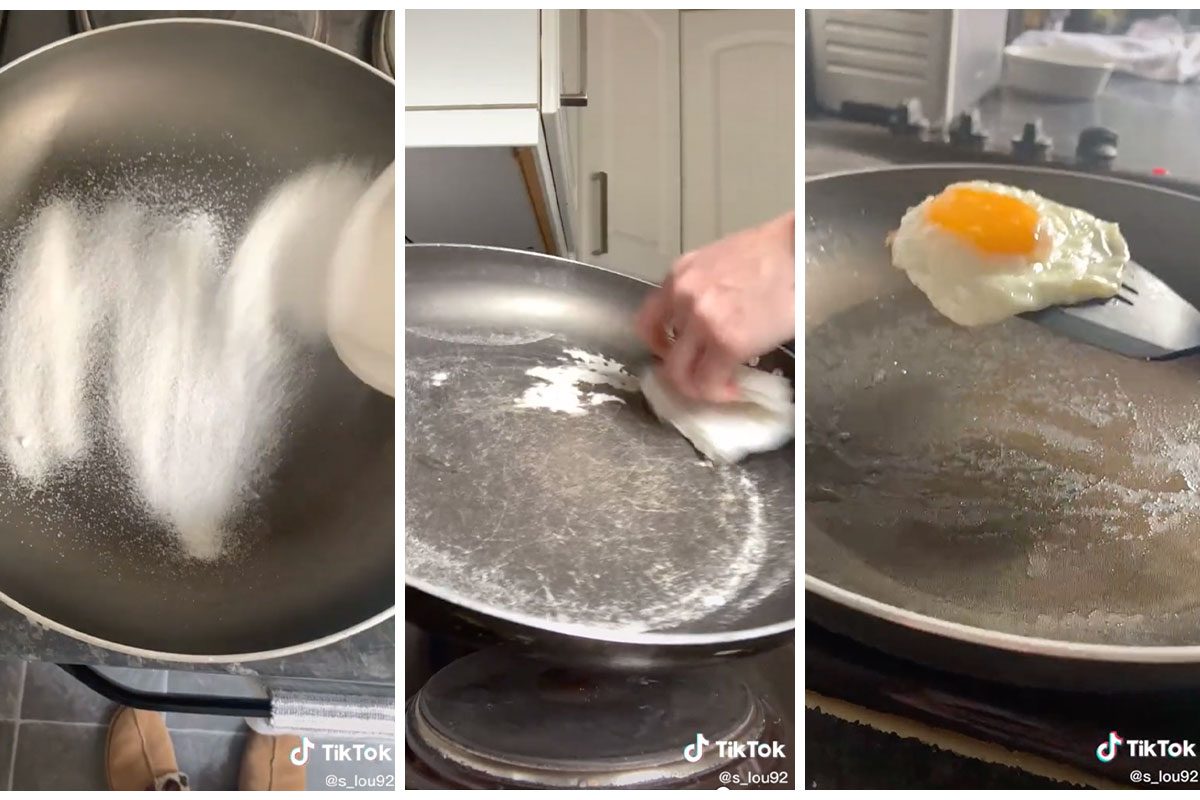
- Salt Scrub: Sprinkle coarse salt on the surface. Use a soft cloth to scrub gently. Rinse well afterward.
- Vegetable Oil Treatment: Warm the pan slightly. Rub a small amount of vegetable oil on the surface. Wipe off the excess oil with a cloth.
These methods can help restore the non-stick surface. Always avoid using metal utensils. They can scratch and damage the coating.
When To Use A Professional Re-coating Service
Sometimes home remedies are not enough. Consider professional re-coating in these cases:
- The coating is severely scratched or peeling.
- The pan has deep stains that won’t come off.
- You notice food sticking consistently, even after cleaning.
Professional services can give new life to your cookware. They use special techniques and materials. This can extend the life of your pans.
Check reviews and ask for recommendations. Ensure you choose a trusted service.

Credit: www.wikihow.com
Cooking Practices To Preserve Non Stick Coatings
Taking care of non-stick cookware is vital. Proper cooking practices can extend its life. Simple changes in how you cook can help maintain the coating. Here are some key practices to follow.
The Right Cooking Utensils
Using the correct utensils is essential. Choose utensils that do not scratch the surface. Consider these options:
- Silicone spatulas
- Wooden spoons
- Plastic utensils
Avoid metal utensils. They can damage non-stick surfaces. Always check for scratches before cooking. A scratched pan may not work well.
Optimal Heat Settings
Heat settings play a big role in preserving non-stick coatings. High heat can ruin the coating over time. Follow these tips:
- Use medium or low heat for cooking.
- Preheat the pan gently.
- Avoid heating an empty pan.
Keep an eye on the temperature. Overheating can cause the coating to break down. Using the right heat keeps your cookware in good shape.
When To Repair Vs. Replace
Deciding to repair or replace non-stick cookware can be tricky. Consider the damage and how much you use the item. This section will help you understand when it’s best to repair or to replace your cookware.
Assessing The Cost-benefit
Start by checking the damage to your cookware. Look for:
- Scratches on the non-stick surface
- Peeling or flaking
- Warped or bent shape
Next, think about the costs. Here are some points to consider:
| Repair | Replace |
|---|---|
| Less expensive | Higher initial cost |
| May extend life | New technology and features |
| Eco-friendly choice | Can be more durable |
Weigh these points. If repairs cost less than half the price of a new pan, repair it. If not, consider replacing.
Sustainability Considerations
Think about the environment. Repairing cookware can reduce waste. Here are some benefits of repairing:
- Less landfill waste
- Conserves resources
- Encourages a sustainable mindset
Buying new cookware has its own impact. Consider these factors:
- Materials used in production
- Manufacturing processes
- Transportation emissions
Repairing may be more eco-friendly. Choose wisely based on your values.
Preventative Measures For Long-term Care
Taking care of non-stick cookware is essential for its longevity. Proper care helps maintain its performance and prevents damage. Follow these tips to keep your cookware in great shape.
Storage Tips For Non Stick Cookware
Proper storage is crucial for non-stick cookware. Avoid stacking them directly on top of each other. Use protective layers to prevent scratches.
- Use soft cloths or paper towels between pans.
- Store lids separately to avoid pressure on the non-stick surface.
- Keep cookware in a dry place to prevent moisture buildup.
For wall-mounted storage, choose a safe height. This keeps your cookware easily accessible and reduces the risk of damage.
Routine Maintenance Schedule
Regular maintenance helps preserve non-stick cookware. Create a simple schedule to keep track of care routines.
| Task | Frequency |
|---|---|
| Wipe down after each use | Every use |
| Deep clean | Monthly |
| Inspect for scratches | Every three months |
After each use, wipe down the cookware with a soft cloth. For deep cleaning, use warm, soapy water. Avoid abrasive cleaners. Inspect your cookware for scratches regularly. This helps identify any issues early.
Myths And Facts About Non Stick Cookware Restoration
Many people believe non-stick cookware can’t be restored. Others think it’s easy to fix. Understanding the truth can help you make better choices. Let’s clear up common myths and share trusted techniques for restoring your beloved pans.
Common Misconceptions
- Myth 1: Non-stick cookware is disposable.
- Fact: Many pans can be restored with care.
- Myth 2: Scratches mean the pan is ruined.
- Fact: Minor scratches do not always affect cooking.
- Myth 3: Non-stick surfaces can’t be repaired.
- Fact: Some techniques can help improve performance.
- Myth 4: Using oil on non-stick pans is unnecessary.
- Fact: A small amount of oil can enhance cooking.
Trusted Techniques For Revival
Restoring non-stick cookware takes some effort. Here are simple methods to try:
- Cleaning: Use a soft sponge with warm soapy water. Avoid harsh scrubbers.
- Seasoning: Apply a thin layer of vegetable oil after cleaning. Heat it for a few minutes.
- Repairing: For deep scratches, consider using a non-stick repair spray. Follow the instructions carefully.
These techniques help extend the life of your cookware. They improve the non-stick surface without much trouble.
| Technique | Purpose |
|---|---|
| Cleaning | Remove food residue and dirt. |
| Seasoning | Restore non-stick properties. |
| Repairing | Fix deeper scratches and damage. |
With these facts and techniques, you can keep your non-stick cookware in good shape. Enjoy cooking with pans that perform well.
Conclusion: Enjoying Your Revived Non Stick Cookware
Your non-stick cookware can feel like new again. With a few simple steps, you can restore its surface. Enjoy cooking with it once more. This cookware makes meals easier and more enjoyable.
Final Thoughts On Cookware Care
Taking care of your cookware helps it last longer. Here are some tips:
- Use wooden or silicone utensils to avoid scratches.
- Clean with a soft sponge to protect the coating.
- Avoid high heat; it can damage the non-stick surface.
- Store carefully to prevent scratches and dings.
Regular maintenance is key. This will keep your cookware in good shape. A little care goes a long way.
Inspiration For Your Next Culinary Creations
Now that your cookware is revived, what will you cook? Here are some ideas:
- Breakfast: Try fluffy pancakes or an omelet.
- Lunch: Prepare a quick stir-fry with fresh veggies.
- Dinner: Cook a flavorful fish or chicken dish.
- Dessert: Make a simple fruit compote or sautéed apples.
Get creative. Your cookware is ready for any challenge. Enjoy the process and the tasty results.
Frequently Asked Questions
How Can I Restore My Non-stick Cookware?
To restore non-stick cookware, start by cleaning it thoroughly with warm, soapy water. Use a soft sponge to remove residue without scratching the surface. For deeper restoration, apply a small amount of vegetable oil and rub it in with a cloth.
Heat the pan gently for a few minutes to rejuvenate the coating.
What Causes Non-stick Cookware To Lose Its Coating?
Non-stick cookware can lose its coating due to overheating, scratching, or using metal utensils. Cooking at high temperatures can break down the non-stick surface. Additionally, abrasive cleaners or scrubbing pads can cause irreversible damage, leading to peeling and flaking of the coating.
Can You Restore Scratched Non-stick Pans?
Yes, you can restore scratched non-stick pans to some extent. While deep scratches may require replacement, minor scratches can be treated with oil. Apply a thin layer of cooking oil and heat the pan gently to minimize the visibility of scratches and enhance its non-stick properties.
Is It Safe To Use Damaged Non-stick Cookware?
Using damaged non-stick cookware is not recommended. Flaking or peeling coatings can contaminate food and pose health risks. If the surface is significantly damaged, it’s best to replace the cookware to ensure safe cooking and avoid potential health hazards.
Conclusion
Restoring non-stick cookware can save money and extend its life. A few simple steps can bring back its shine. Clean it gently and avoid harsh tools. Use the right oils to maintain its surface. Regular care keeps it working well for years.
Enjoy cooking with your restored pans. With patience and care, you can make them last. A little effort goes a long way in the kitchen. Happy cooking!

Leave a Reply