

Cleaning ceramic cookware is simple. You can keep it looking new with the right methods.
Ceramic cookware is popular for its non-stick properties and beautiful designs. It’s perfect for cooking healthy meals. However, many people struggle with the best way to clean it. Using the wrong cleaning methods can damage the surface or reduce its lifespan.
Knowing how to clean ceramic cookware properly will help maintain its quality and performance. It can also prevent food from sticking, making your cooking experience more enjoyable. In this guide, you will discover effective techniques and tips for cleaning your ceramic cookware. Say goodbye to stubborn stains and hello to sparkling pots and pans!
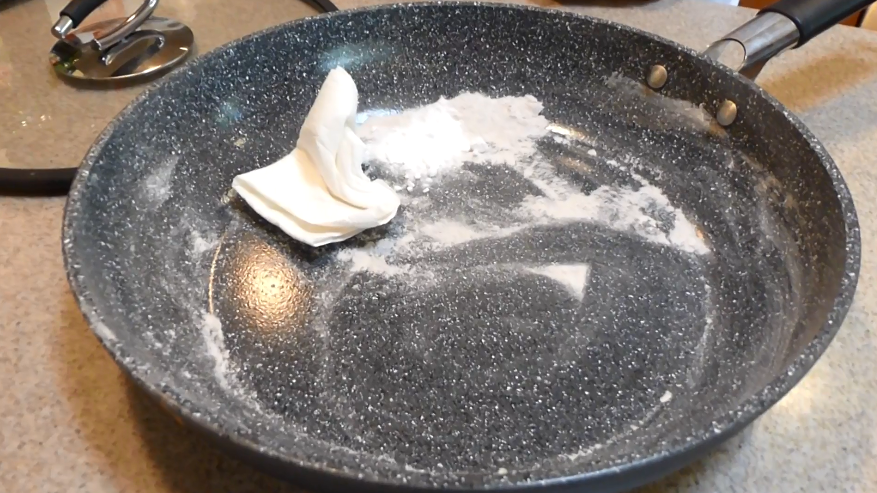
Credit: thedaringkitchen.com
Introduction To Ceramic Cookware
Ceramic cookware has gained popularity in many kitchens. It is known for its non-stick surface and stylish appearance. Made from clay and other natural materials, ceramic cookware is a great choice for cooking. It offers safety and health benefits as well. This blog post will help you understand how to clean and maintain your ceramic cookware.
Popularity And Benefits
Ceramic cookware has become popular due to its many benefits. Here are some key reasons:
- Non-stick surface: Food releases easily, reducing the need for oils.
- Even heating: Cooks food evenly, preventing hot spots.
- Healthier cooking: Reduces the amount of fat needed.
- Eco-friendly: Made from natural materials, it’s safer for the environment.
- Variety of colors: Available in many designs to match your kitchen.
Maintenance Importance
Maintaining ceramic cookware is essential for its longevity. Proper care keeps it looking new and functioning well. Here are some maintenance tips:
- Use wooden or silicone utensils to prevent scratches.
- Clean with soft sponges or cloths to avoid damage.
- Avoid high heat settings to protect the ceramic coating.
- Store carefully to prevent chipping or cracking.
Regular maintenance ensures your ceramic cookware lasts for years.
Before You Start: Know Your Ceramic
Cleaning ceramic cookware properly is essential. Different types of ceramic exist. Each type has unique care needs. Knowing these helps you clean effectively. Read on to learn about the types of ceramic cookware and the importance of manufacturer instructions.
Types Of Ceramic Cookware
Understanding the types of ceramic cookware is vital. Here are the main types:
| Type | Description | Care Tips |
|---|---|---|
| Non-stick Ceramic | Coated with a ceramic layer for easy food release. | Avoid metal utensils to prevent scratches. |
| Glazed Ceramic | Has a shiny, smooth surface. | Clean with soft sponges to maintain shine. |
| Unglazed Ceramic | Natural, porous surface that absorbs oils. | Hand wash only to prevent staining. |
Manufacturer Instructions
Always check the manufacturer instructions. Each brand may have specific guidelines. Following these ensures your cookware lasts.
- Read the care label before washing.
- Use gentle cleaners suitable for ceramics.
- Avoid harsh chemicals and abrasive scrubbers.
- Store cookware properly to prevent damage.
Staying informed about your ceramic cookware helps you keep it in great shape.
Daily Cleaning Routine
Keeping your ceramic cookware clean is essential. A good daily cleaning routine helps maintain its quality. This section covers two key steps: cleaning right after cooking and using the correct soap.
Right After Cooking
Clean your ceramic cookware right after use. This prevents food from sticking. Follow these steps for effective cleaning:
- Let the cookware cool for a few minutes.
- Fill the sink with warm, soapy water.
- Submerge the cookware in the water.
- Use a soft sponge to scrub the surface.
- Rinse thoroughly with warm water.
- Dry with a soft cloth or towel.
Don’t soak ceramic cookware for too long. Extended soaking can damage the surface.
Using The Correct Soap
Choosing the right soap is crucial. Avoid abrasive or harsh soaps. Here’s what to consider:
| Type of Soap | Recommended | Not Recommended |
|---|---|---|
| Liquid Dish Soap | Yes | No |
| Natural Soap | Yes | No |
| Abrasive Cleaners | No | Yes |
| Bleach | No | Yes |
Use mild soap for everyday cleaning. This keeps the cookware safe and long-lasting.
Dealing With Tough Stains
Cleaning ceramic cookware can be a challenge, especially with tough stains. These stains can come from burnt food, grease, or other cooking residues. Removing them is important for maintaining your cookware’s appearance and performance. Here are effective ways to tackle tough stains on ceramic cookware.
Soaking Techniques
Soaking your ceramic cookware can loosen stubborn stains. Here are some easy soaking techniques:
- Hot Water Soak: Fill the cookware with hot water. Let it soak for 30 minutes. This helps soften the stains.
- Saltwater Soak: Mix water with salt. Soak the cookware for an hour. The salt acts as a gentle abrasive.
- Vinegar Soak: Use equal parts water and vinegar. Soak for 30 minutes. Vinegar helps break down grease.
Natural Cleaning Agents
Natural cleaning agents are safe and effective for tough stains. Here are some popular options:
| Agent | How to Use |
|---|---|
| Baking Soda | Make a paste with water. Apply it to the stain. Let it sit for 15 minutes. Scrub gently. |
| Lemon Juice | Apply lemon juice directly to the stain. Let it sit for 10 minutes. Wipe clean with a sponge. |
| Dish Soap | Mix dish soap with warm water. Soak for 20 minutes. Use a soft sponge to scrub the stains away. |
Using these natural agents is safe for your cookware. They are effective in breaking down tough stains without harsh chemicals. Keeping your ceramic cookware clean helps it last longer.
Protecting The Ceramic Surface
Ceramic cookware is popular for its non-stick quality and durability. Proper care keeps it looking new. Protecting the ceramic surface is key to its longevity. Avoid scratches and heat damage. Follow these tips for better maintenance.
Utensil Use
Using the right utensils is essential. Some materials can scratch the ceramic surface.
- Silicone utensils are safe and gentle.
- Wooden spoons won’t cause scratches.
- Plastic utensils are also good options.
Avoid using metal utensils. They can leave deep scratches. Always check the manufacturer’s guidelines for specific recommendations.
Avoiding High Heat
High heat can damage ceramic cookware. It may cause the surface to crack or peel.
- Use low to medium heat for cooking.
- Preheat your cookware slowly.
- Never leave it empty on the stove.
Keep an eye on the temperature. This prevents any potential damage. Safe cooking maintains the integrity of the ceramic surface.
Advanced Cleaning Methods
Cleaning ceramic cookware can be tough. Stains and residue can stick. Luckily, advanced cleaning methods can help restore your cookware. Here are two effective methods: baking soda and vinegar.
Baking Soda Magic
Baking soda is a powerful cleaning agent. It removes tough stains and odors. Here’s how to use it:
- Make a paste: Mix baking soda with water. Use a 3:1 ratio.
- Apply the paste: Spread it on the stained areas.
- Let it sit: Allow the paste to sit for 15-30 minutes.
- Scrub gently: Use a soft sponge to scrub the stains.
- Rinse well: Rinse with warm water to remove all residue.
This method is safe for ceramic surfaces. It helps keep your cookware looking new.
Vinegar Solutions
Vinegar is another excellent cleaner. It cuts through grease and removes stains. Here’s how to use vinegar for cleaning:
- Mix with water: Combine equal parts vinegar and water.
- Apply the solution: Pour it directly onto the stained area.
- Soak: Let it sit for about 10-15 minutes.
- Wipe clean: Use a clean cloth to wipe the area.
- Rinse: Rinse with warm water afterward.
This solution is effective and natural. It leaves no harsh chemical smell.
Drying And Storing Your Cookware
After cleaning your ceramic cookware, proper drying and storing are important. Moisture can cause damage over time. Follow these tips for the best care.
Proper Drying Techniques
Dry your ceramic cookware carefully. Here are some effective methods:
- Air Dry: Place cookware upside down on a drying rack. This allows air to circulate.
- Use a Soft Cloth: Gently wipe with a clean, dry cloth. Avoid abrasive materials.
- Avoid Heat: Do not use a dishwasher drying cycle. Heat can damage the ceramic finish.
Make sure all moisture is gone. This helps prevent stains and odors.
Storage Tips
Store your ceramic cookware properly to extend its life. Follow these guidelines:
- Stack Carefully: If stacking, use cloth or paper towels between items. This prevents scratches.
- Keep in a Cool Place: Store in a dry, cool cabinet. Avoid humid areas.
- Avoid Heavy Items: Do not place heavy pots on top. This can cause cracks.
Regularly check for signs of damage. This helps maintain your cookware’s quality.
Restoring Shine And Performance
Keeping your ceramic cookware shiny and functional is easy. Regular care helps maintain its appearance and performance. Follow these simple steps to restore its shine and keep it in top shape.
Polishing Ceramic Surfaces
Polishing your ceramic cookware makes it look new again. Here are some effective methods:
- Baking Soda Paste: Mix baking soda with water to form a paste. Apply it to the surface and scrub gently with a soft cloth. Rinse well.
- Vinegar Solution: Mix equal parts of vinegar and water. Spray it on the cookware and wipe with a clean cloth. This removes stains and restores shine.
- Dish Soap Wash: Use a mild dish soap with warm water. Clean the cookware using a sponge, then rinse thoroughly.
These methods help lift stains and restore the original shine.
Long-term Care Strategies
Long-term care keeps your ceramic cookware performing well. Follow these strategies:
- Avoid High Heat: High temperatures can damage the ceramic surface. Use medium to low heat for cooking.
- Use Non-Abrasive Tools: Avoid metal utensils. Use wooden or silicone tools to prevent scratches.
- Store Carefully: Place soft cloths between stacked cookware. This prevents chips and scratches.
- Regular Cleaning: Clean after each use. This prevents buildup and keeps your cookware looking fresh.
Implementing these strategies ensures your ceramic cookware lasts longer and stays beautiful.
Common Mistakes To Avoid
Cleaning ceramic cookware can be tricky. Avoiding common mistakes helps keep your pots and pans in great shape. Here are two mistakes to watch out for.
Using Metal Scrubbers
Many people think metal scrubbers work best for tough stains. This is not true for ceramic cookware. Metal scrubbers can scratch the surface.
Here are the reasons to avoid metal scrubbers:
- Scratches: They can leave permanent marks.
- Damage: They can chip the ceramic coating.
- Loss of non-stick: This can make cooking difficult.
Instead, use a soft sponge or cloth. This keeps your cookware looking new.
Dishwasher Misuse
Some ceramic cookware is dishwasher safe. Others are not. Check the label before washing.
Here are common mistakes with dishwashers:
- Wrong settings: Using high heat can cause cracks.
- Overcrowding: This can lead to chips and scratches.
- Harsh detergents: They can damage the ceramic surface.
To protect your cookware, wash it by hand when unsure. Use mild soap and warm water. This helps maintain its beauty.
:max_bytes(150000):strip_icc()/how-to-clean-ceramic-pan-4775268_01-a58a8cf28a0043df9b6d255232fa96a8.jpg)
Credit: www.thespruce.com
When To Replace Your Ceramic Cookware
Ceramic cookware is popular for its non-stick surface and durability. However, it doesn’t last forever. Knowing when to replace your ceramic cookware is important. Regular checks can save you from cooking disasters. Let’s look at the signs that indicate it’s time for a replacement.
Signs Of Wear And Tear
Pay attention to these signs that your ceramic cookware needs replacing:
- Chips or Cracks: Any visible damage can lead to further issues.
- Discoloration: A dull or stained surface affects cooking performance.
- Sticky Surface: If food starts sticking, the non-stick coating may be wearing off.
- Uneven Heating: Hot spots can indicate wear and poor heat distribution.
These signs mean it’s time to consider a new set. Ignoring these issues can lead to food sticking and uneven cooking.
Upgrading Your Cookware
Upgrading your ceramic cookware can enhance your cooking experience. Here are some tips to consider:
- Look for high-quality brands with good reviews.
- Choose cookware that is oven-safe and dishwasher-safe.
- Consider the size and shape that fits your cooking style.
- Check for a warranty or guarantee for your new cookware.
Investing in good cookware can make cooking easier and more enjoyable. Choose wisely for the best results.
| Old Cookware Signs | Action Needed |
|---|---|
| Chips or Cracks | Replace immediately |
| Discoloration | Consider replacement |
| Sticky Surface | Replace soon |
| Uneven Heating | Replace for better cooking |

Credit: www.wikihow.com
Frequently Asked Questions
How Often Should I Clean Ceramic Cookware?
You should clean ceramic cookware after each use. Regular cleaning prevents food residue buildup and maintains the cookware’s non-stick properties. Additionally, deep cleaning every few weeks helps to remove any stubborn stains and keeps your cookware looking new. Always let it cool before cleaning for best results.
Can I Use Metal Utensils On Ceramic Cookware?
It’s best to avoid metal utensils on ceramic cookware. Metal can scratch the surface, damaging the non-stick coating. Instead, opt for silicone, wood, or plastic utensils to preserve the integrity of your cookware. This will prolong its lifespan and ensure better cooking performance over time.
What Is The Best Way To Remove Stains?
To remove stains from ceramic cookware, create a paste with baking soda and water. Apply it to the stained area and let it sit for 15-20 minutes. Then, scrub gently with a non-abrasive sponge. Rinse thoroughly with warm water, and your cookware should look brand new again.
Is It Safe To Put Ceramic Cookware In The Dishwasher?
Most ceramic cookware is dishwasher safe, but always check the manufacturer’s instructions. Some pieces may have specific care requirements. If unsure, hand washing with mild soap and a soft sponge is recommended. This ensures your cookware remains in top condition and lasts for years.
Conclusion
Cleaning ceramic cookware is simple and effective. Use gentle methods to avoid scratches. Warm, soapy water works well for daily cleaning. Baking soda is great for tough stains. Always dry your cookware completely to prevent damage. Proper care keeps your ceramic cookware looking new.
Follow these tips for longer-lasting use. Enjoy cooking with your clean, shiny pots and pans. Keep your kitchen tidy and safe. Regular maintenance makes cooking a pleasure. Happy cooking!

Leave a Reply