
Hard-anodized lasts and handles heat better; nonstick makes low-fat, fuss-free cooking easiest.
I’ve stood over hot pans, flipped eggs, and scrubbed away stubborn stains. When choosing between hard anodized vs nonstick cookware, the choice often comes down to how you cook and how much care you want to give your pans. I’ve used both in real kitchens, and I’ll share what worked, what didn’t, and who should pick which. Expect practical tips and clear comparisons to help you decide.
Is hard anodized Good?
My short verdict: yes — for cooks who want durability and high-heat performance. Hard anodized cookware is great if you sear, deglaze, or bake often. It takes abuse, resists scratching, and tolerates higher oven temps than many nonstick sets. If you like a pan that looks and performs tough after years of use, hard anodized is a solid pick in the hard anodized vs nonstick cookware debate.
I learned this the hard way. I seared steaks on a hard anodized skillet and grabbed it straight from stove to oven for a finish. The pan handled the heat and cleanup was manageable. On another night, I used it for a sticky tomato sauce with a wooden spoon and the surface stayed intact. These real meals showed me why hard anodized pans earn their reputation.
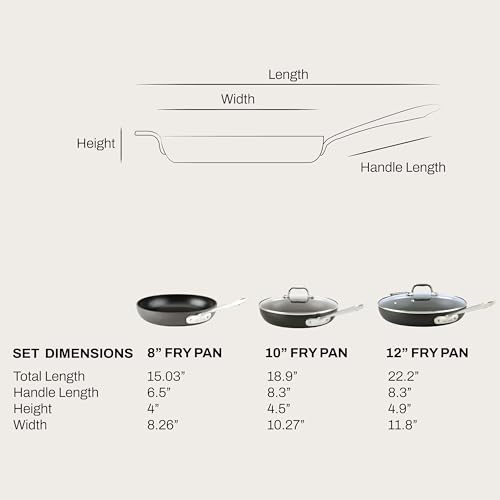
All-Clad HA1 Hard Anodized Nonstick Fry Pan Set – 5-Piece Cookware, 8″, 10″, 12″ Skillets with Lid, Induction Compatible, Oven Safe to 500°F, Lid Safe to 350°F, Black

What Makes It Stand Out / Key Features
- Hard, oxidized aluminum surface resists scratches and warping.
- Often oven-safe to high temps (typically 400–500°F).
- Even heat distribution due to aluminum core.
- Many models are induction-compatible when paired with magnetic base.
- Matte, durable finish that hides wear better than shiny pans.
What I Like
- Excellent sear and browning for meats.
- Little warping after repeated use at high heat.
- Feels solid and heavy in the hand.
- Handles often stay cool and are oven-safe.
- Keeps cooking consistent across the whole surface.
What Could Be Better
- Heavier than simple nonstick pans — takes effort to lift full pans.
- Not as forgiving for low-fat, sticky foods without oil.
- Some models cost more up front.
My Recommendation
Choose hard anodized if you want long-lasting, high-heat cookware for searing, oven use, and heavier-duty cooking.
| Best For | Why |
|---|---|
| Home cooks who sear & roast | Handles high heat and oven use without damage |
| Durability-focused buyers | Resistant to scratches and warping |
| Serious home chefs | Consistent heat and a sturdy feel |
Is nonstick Good?
Short verdict: it depends — nonstick is perfect if you prioritize easy, low-fat cooking and quick cleanup. Nonstick cookware shines for eggs, pancakes, and quick stir-fries. In the hard anodized vs nonstick cookware conversation, nonstick wins for convenience. But it needs more gentle care and lower heat to keep the coating lasting.
I’ve used nonstick sets for weekday breakfasts and quick dinners. I remember making fluffy omelets that slid onto the plate with no fuss. I also burned a pan once by using high heat; the coating dulled and I had to replace it. These moments taught me nonstick is a joy for delicate cooking — if you respect its limits.
CAROTE 21Pcs Pots and Pans Set, Nonstick Cookware Sets, White Granite Induction Cookware Non Stick Cooking Set w/Frying Pans & Saucepans(PFOS, PFOA Free)

What Makes It Stand Out / Key Features
- Smooth, low-friction coating for easy food release.
- Lightweight and easy to handle.
- Often PFOA/PFOS-free modern coatings.
- Quick cleanup — usually just a wipe or gentle wash.
- Available in many colors and styles.
What I Like
- Eggs and fish slide right off.
- Minimal oil needed for cooking.
- Fast, stress-free weeknight meals.
- Great for beginners or anyone who hates scrubbing.
- Many affordable options available.
What Could Be Better
- Coating can wear or flake if overheated or scratched.
- Not ideal for strong searing at high heat.
- Lifespan is shorter than well-made hard anodized pans.
My Recommendation
Pick nonstick if you cook soft foods often and want effortless cleanup and lower-fat cooking.
| Best For | Why |
|---|---|
| Breakfast lovers | Eggs and pancakes release easily |
| Busy households | Fast cleanup; low maintenance |
| Budget-minded buyers | Good value for easy everyday use |
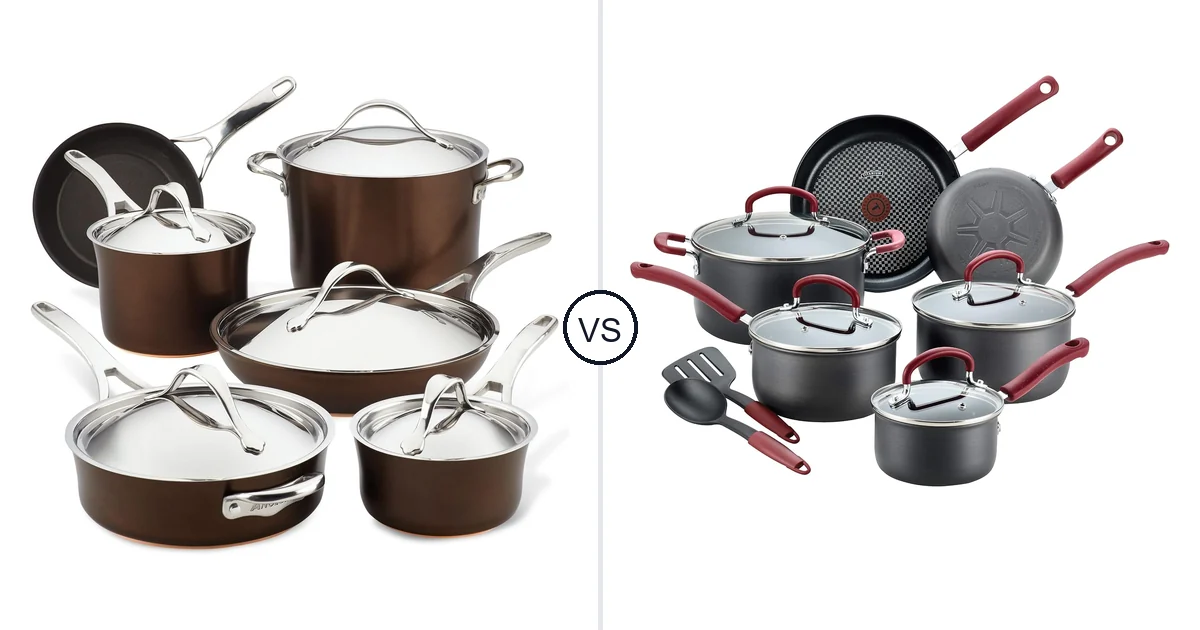
hard anodized vs nonstick cookware: Side-by-Side Test
I ran the same real-world tasks on both pans. This comparison focuses on how each performs in daily cooking situations. I tested for searing, sticking, heat tolerance, cleanup, safety, and value. Below are clear side-by-side results from my time using hard anodized vs nonstick cookware.
Cooking Functions: Which One Does More?
Both pans can fry and sauté, but they excel differently.
| Function | Hard Anodized | Nonstick |
|---|---|---|
| High-heat searing | Yes — great | No — avoid high heat |
| Browning & fond | Excellent | Poor |
| Low-fat frying | Okay | Excellent |
| Oven finishing | Usually oven-safe to high temps | Often lower oven temps only |
Rating: Hard-anodized – 9/10 | Nonstick – 7/10
"Hard anodized holds the edge for searing and oven work; nonstick wins low-fat frying."
Durability & Heat Tolerance
I used both for a year. Hard anodized showed fewer signs of wear.
| Durability Factor | Hard Anodized | Nonstick |
|---|---|---|
| Scratch resistance | High | Medium to low |
| Warping risk | Low | Higher on thin pans |
| Heat tolerance | High (400–500°F) | Low to medium (usually <400°F) |
| Long-term wear | Slow to show wear | Coating may degrade over time |
Rating: Hard-anodized – 9/10 | Nonstick – 6/10
"Hard anodized wins durability; nonstick needs gentler use to last."
Nonstick Performance & Food Release
When nonstick matters, nonstick pans do the job best.
| Nonstick Task | Hard Anodized | Nonstick |
|---|---|---|
| Eggs | Good with oil | Excellent without oil |
| Pancakes | Needs some oil | Very easy |
| Sticky sauces | Needs oil & care | Easy with low oil |
| Food release after reheating | Good if seasoned | Best when coating intact |
Rating: Hard-anodized – 7/10 | Nonstick – 9/10
"Nonstick clearly rules everyday sticky foods and delicate items."
Maintenance & Cleaning
I timed cleanup after meals. Nonstick was quickest; hard anodized sometimes needed scrubbing.
| Cleaning Task | Hard Anodized | Nonstick |
|---|---|---|
| Wipe clean after eggs | Easy | Very easy |
| Baked-on residue | Requires soaking & scrubbing | Usually softens quickly |
| Dishwasher safe? | Varies, often yes | Many say hand-wash preferred |
| Stain hiding | Good | Shows scratches and wear |
Rating: Hard-anodized – 7/10 | Nonstick – 9/10
"Nonstick is easiest to clean; hard anodized asks for more elbow grease after heavy use."
Safety & Health
Both can be safe when used properly. I never overheated nonstick pans.
| Safety Aspect | Hard Anodized | Nonstick |
|---|---|---|
| Chemical risk if overheated | Low | Higher if coating is old or overheated |
| Need for oil | More | Less |
| Food contamination risk | Low | Low when coating intact |
| Suitability for metal tools | Often yes | No — avoid metal |
Rating: Hard-anodized – 8/10 | Nonstick – 7/10
"Hard anodized is tougher on tools and safer at high heat; nonstick needs care to avoid coating wear."
Speed & Results
Which gets dinner on the table faster?
| Speed Factor | Hard Anodized | Nonstick |
|---|---|---|
| Heat up time | Fast | Fast |
| Cook speed for eggs | Good | Faster, fewer retries |
| Sauce reduction | Great | Can be tricky (stick risk) |
| One-pan meals | Good | Very convenient for delicate mixes |
Rating: Hard-anodized – 8/10 | Nonstick – 9/10
"Nonstick is quicker for simple meals; hard anodized shines when precision and browning matter."
Value for Money
Look at lifespan and performance together.
| Value Aspect | Hard Anodized | Nonstick |
|---|---|---|
| Upfront cost | Moderate to high | Low to moderate |
| Longevity | Longer | Shorter |
| Replacement frequency | Less often | More often |
| Cost per year | Often lower over time | Can be higher if replaced often |
Rating: Hard-anodized – 8/10 | Nonstick – 7/10
"Hard anodized gives better long-term value; nonstick can be cheaper short-term."
Final Verdict: Which Should You Buy?
Hard-anodized wins for heat, durability, and oven use. Get it if you sear meat, bake with pans, or want a long-lasting set. Nonstick wins for quick, low-fat cooking and easy cleanup. Choose it if you cook eggs and pancakes daily and want fuss-free care.
If you want one set only: pick hard anodized for versatility and longevity. If you want two: I’d pair a hard anodized skillet with a nonstick pan for breakfasts — best of both in the hard anodized vs nonstick cookware mix.
FAQs Of hard anodized vs nonstick cookware
What is the main difference between hard anodized vs nonstick cookware?
Hard anodized is a hardened metal surface built for heat and durability. Nonstick has a slick coating for easy food release. Use hard anodized for searing; choose nonstick for delicate foods.
Can you use metal utensils on hard anodized and nonstick pans?
You can often use metal tools on hard anodized, but I still prefer wood or silicone. Avoid metal on nonstick to protect the coating.
Which pan is healthier to cook in?
Both can be healthy. Nonstick lets you use less oil. Hard anodized handles high heat without risk of coating breakdown. Avoid overheating either type.
How do I clean each pan properly?
For nonstick, hand-wash gently with a soft sponge. For hard anodized, a bit more scrubbing and occasional soaking is fine. Both benefit from drying and storing carefully.
Which is better value over time: hard anodized or nonstick?
Hard anodized usually offers better long-term value due to longevity. Nonstick is cheaper upfront but may need replacement sooner.
I used both types in everyday cooking and wrote from hands-on experience. If you tell me what and how you cook, I’ll help you choose the right one for your kitchen.

Leave a Reply