
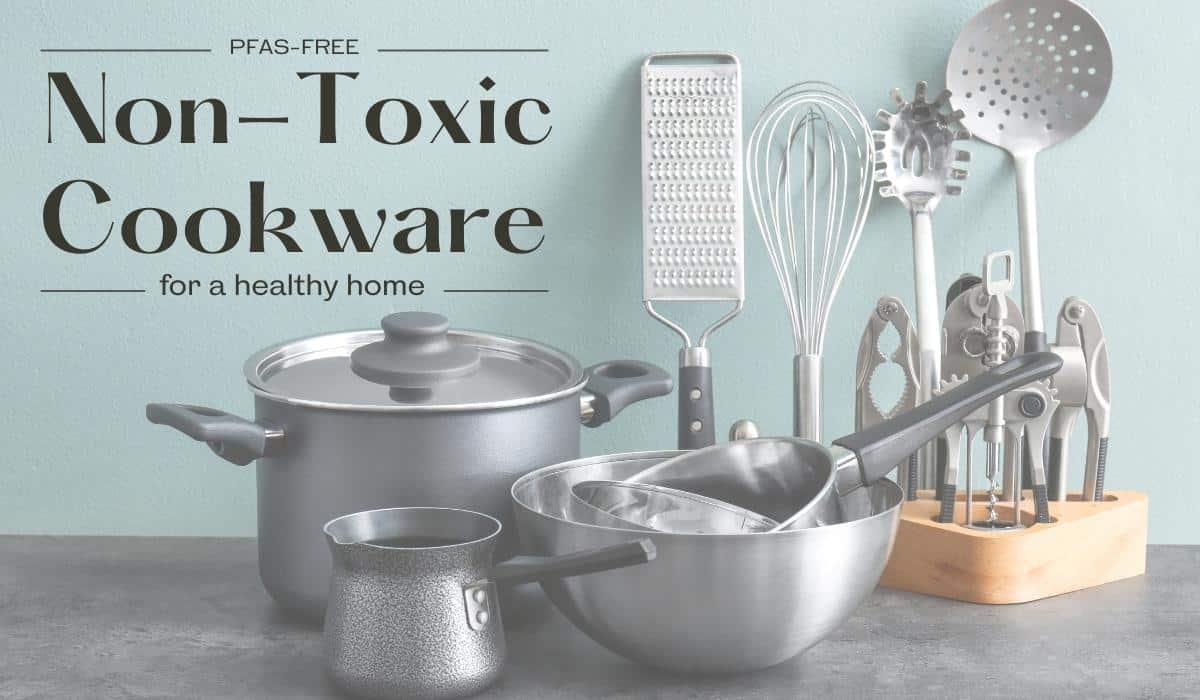
Many people are concerned about what they cook with. Cookware made with PFAS can pose health risks.
Choosing cookware without PFAS can lead to safer cooking options. PFAS, or per- and polyfluoroalkyl substances, are chemicals often found in non-stick cookware. These substances can break down slowly and may remain in the environment for a long time. Recent studies suggest that exposure to PFAS could lead to health issues.
As awareness grows, more consumers seek alternatives for safer cooking. Many now prefer cookware that is free from these harmful chemicals. This blog post explores the benefits of using cookware without PFAS and highlights options that promote both health and sustainability. Discover how these choices can improve your cooking experience and well-being.
The Risks Of Pfas In Cookware
PFAS, or per- and polyfluoroalkyl substances, are harmful chemicals. They are often found in non-stick cookware. Understanding these risks is important for health and safety.
What Are Pfas?
PFAS are a group of synthetic chemicals. They are used to make products resistant to water, grease, and stains. Common products include:
- Non-stick pans
- Waterproof clothing
- Food packaging
- Stain-resistant carpets
PFAS are sometimes called “forever chemicals.” They do not break down easily in the environment. This leads to long-term exposure in humans and wildlife.
Health Implications Of Pfas Exposure
Exposure to PFAS can lead to serious health issues. Studies show links between PFAS and various health risks:
| Health Risk | Description |
|---|---|
| Hormonal Disruption | Affects endocrine system, leading to reproductive issues. |
| Immune System Problems | Reduces effectiveness of vaccines, increases infection risk. |
| Cancer | Linked to kidney and testicular cancer. |
| Cholesterol Levels | May raise cholesterol levels in the blood. |
Even small amounts of PFAS can be harmful. Pregnant women and children are at higher risk. It’s essential to choose cookware without PFAS.
Identifying Pfas In Your Kitchen
PFAS, or per- and polyfluoroalkyl substances, are often found in many household products. They are used for their water- and grease-repellent properties. Knowing how to identify PFAS in your cookware is vital for a healthy kitchen. Here are some key areas to explore.
Common Sources Of Pfas In Cookware
PFAS can show up in various types of cookware. Here are the most common sources:
- Non-stick pans: Many non-stick surfaces contain PFAS.
- Cast iron: Some cast iron products have PFAS coatings.
- Cookware with certain coatings: Look for coatings that may contain PFAS.
Other items may also contain PFAS:
- Bakeware with non-stick surfaces
- Microwave popcorn bags
- Fast food wrappers
Labels And Certifications To Look For
Choosing cookware without PFAS starts with understanding labels. Here are some certifications to consider:
| Certification | Description |
|---|---|
| PFOA-free | Indicates no PFOA in the product. |
| PFAS-free | Guarantees no PFAS used. |
| Green Seal | Focuses on environmental safety. |
| FDA-approved | Meets safety standards for cookware. |
Check for these labels on packaging or products. The right choice helps ensure a safer cooking experience.
Materials To Trust: Pfas-free Options
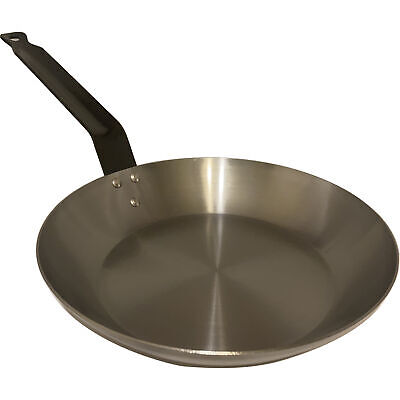
Choosing safe cookware is essential for health. PFAS-free options are available. These materials are safe for cooking. Let’s explore three of the best PFAS-free cookware materials: stainless steel, cast iron, and ceramic.
Stainless Steel
Stainless steel is a popular choice. It is durable and non-reactive. This means it won’t leach harmful chemicals into food. Here are some benefits:
- Durability: Lasts for years with proper care.
- Easy to clean: Dishwasher safe for hassle-free cleaning.
- Non-reactive: Safe for cooking acidic foods.
Look for high-quality stainless steel. Cookware with at least 18/10 stainless steel is best. It has 18% chromium and 10% nickel. This makes it strong and resistant to rust.
Cast Iron
Cast iron is another great option. It offers excellent heat retention. This makes cooking even and efficient. Here are some key points:
- Natural non-stick: With seasoning, it becomes naturally non-stick.
- Versatile: Use on the stovetop or in the oven.
- Iron source: Adds iron to your diet.
Season your cast iron regularly. This keeps it non-stick and rust-free. Cast iron requires some maintenance. But the benefits are worth it.
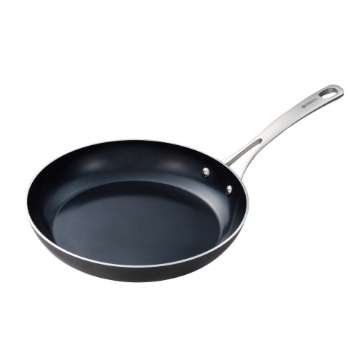
Ceramic
Ceramic cookware is safe and stylish. It is made from natural materials. Here are some advantages:
- Non-toxic: Free from PFAS and other harmful chemicals.
- Variety of colors: Available in many designs and colors.
- Even heating: Distributes heat evenly for better cooking.
Choose ceramic cookware that is high-quality. Look for brands that specify they are PFAS-free. This ensures your cooking remains safe and healthy.

Credit: www.amazon.com
The Shift To Pfas-free Cookware
More people are choosing cookware without PFAS. This trend grows as awareness increases. PFAS are harmful chemicals. They can affect health and the environment. Consumers seek safer options. They want to cook without worrying about toxic substances.
Market Trends
Sales of PFAS-free cookware are rising. Many brands now offer safe alternatives. Here are some popular materials:
- Stainless Steel
- Cast Iron
- Ceramic
- Glass
These options are durable and safe. They do not contain harmful chemicals. Consumers prefer these materials for their safety and performance.
Legislation And Regulation
Governments are taking action. Many countries create laws to limit PFAS. Regulations are becoming stricter. This affects how cookware is made.
Here are some recent developments:
| Region | Action Taken | Date |
|---|---|---|
| United States | Proposed ban on PFAS in food packaging | 2022 |
| European Union | Restricted use of PFAS in consumer products | 2021 |
| Canada | Launched public consultation on PFAS | 2023 |
These actions show a commitment to public health. Awareness of PFAS risks is growing. More consumers support PFAS-free products.
How To Properly Dispose Of Pfas-containing Cookware
Disposing of cookware that contains PFAS is crucial for safety. PFAS are harmful chemicals. They can linger in the environment for years. Proper disposal helps protect your health and the planet.
Safe Disposal Methods
Follow these steps for safe disposal:
- Contact local waste management for guidance.
- Avoid throwing PFAS cookware in the regular trash.
- Check for specific hazardous waste collection days.
Do not burn PFAS cookware. Burning can release toxic fumes. Instead, let professionals handle it.
Recycling Programs
Some areas offer recycling programs for PFAS cookware.
Check for local recycling options. Look for programs that accept non-stick pans and pots. Here is a simple table of steps:
| Step | Action |
|---|---|
| 1 | Research local recycling centers. |
| 2 | Call to confirm if they accept PFAS items. |
| 3 | Prepare the cookware for drop-off. |
| 4 | Follow their guidelines for disposal. |
Stay informed about safe disposal methods. Protect yourself and the environment.
Credit: umbelorganics.com
Maintenance Tips For Pfas-free Cookware
Taking care of your PFAS-free cookware is essential. Proper maintenance helps keep it safe and effective. Follow these tips for cleaning and care. They will help you enjoy your cookware for years.
Cleaning And Care
Cleaning PFAS-free cookware is simple. Here are some steps to follow:
- Always let cookware cool before cleaning.
- Use warm soapy water and a soft sponge.
- Avoid abrasive cleaners and steel wool.
- Rinse thoroughly and dry immediately to prevent water spots.
For stubborn stains, try:
- Baking soda paste: Mix baking soda with water.
- Apply to the stain and let it sit for 15 minutes.
- Wipe clean with a soft sponge.
Maximizing Lifespan
To extend the life of your cookware, consider these tips:
- Use medium or low heat for cooking.
- Never preheat an empty pan.
- Use wooden, silicone, or plastic utensils.
- Avoid stacking pans without protection.
Store cookware in a dry place. Keep lids separate to avoid scratches. Regular maintenance will ensure your PFAS-free cookware remains safe and functional.
Cooking Practices With Pfas-free Kitchenware
Using PFAS-free cookware is a great choice for health and safety. These materials help reduce chemical exposure. They also promote better cooking habits. Here are some important practices to keep in mind.
Temperature Considerations
Temperature plays a vital role in cooking. PFAS-free cookware often has different heat limits than traditional options.
- Non-stick Cookware: Use low to medium heat. High heat can damage the surface.
- Cast Iron: Preheat slowly. It retains heat well and distributes it evenly.
- Stainless Steel: Heat gradually. It prevents sticking and maintains food quality.
Always check the manufacturer’s guidelines. This ensures safe cooking temperatures. Avoid sudden temperature changes. This can warp or damage your cookware.
Utensil Recommendations
Choosing the right utensils is essential. Some materials may scratch or damage your cookware.
| Utensil Type | Recommended For | Notes |
|---|---|---|
| Wooden Spoons | All Cookware | Gentle on surfaces. |
| Silicone Spatulas | Non-stick and Stainless Steel | Heat resistant and non-scratching. |
| Metal Utensils | Cast Iron and Stainless Steel | Use carefully to avoid scratching. |
Opt for soft utensils with PFAS-free cookware. Avoid using sharp or abrasive tools. This will help prolong the life of your kitchenware.
Where To Buy Pfas-free Cookware
Finding the right place to buy PFAS-free cookware can feel overwhelming. Many stores now offer safe options. Knowing where to look makes it easier. Here are some suggestions to help you shop wisely.
Retailers And Brands
Several retailers focus on selling PFAS-free cookware. Here are some popular options:
| Retailer | Brands Available |
|---|---|
| Target | GreenPan, T-fal |
| Walmart | GreenLife, Cuisinart |
| Amazon | Scanpan, Ozeri |
| Bed Bath & Beyond | Calphalon, All-Clad |
These retailers offer a range of brands. Each brand has different styles and materials. Check product labels for PFAS-free claims. Always read customer reviews. This will help you choose the best options.
Online Shopping Tips
Shopping online for PFAS-free cookware can save time. Follow these tips to find the best products:
- Search for “PFAS-free cookware” on trusted sites.
- Use filters to narrow down results.
- Read product descriptions carefully.
- Look for certifications and safety labels.
- Check return policies before buying.
Compare prices across different websites. This helps find good deals. Don’t forget to check shipping costs. Sometimes, free shipping is available.
With these tips and retailers, finding PFAS-free cookware becomes easier. Make safe choices for your kitchen.
Navigating Misinformation On Pfas
Understanding PFAS can be tricky. Misinformation spreads easily. Many brands use confusing claims. This makes it hard for consumers. Knowing how to spot the truth is key. Let’s explore how to navigate this landscape.
Red Flags In Marketing
Be aware of these marketing red flags:
- Vague language: Words like “eco-friendly” or “safe” without proof.
- Overly dramatic claims: Statements like “100% PFAS-free” need clarity.
- Lack of certifications: No third-party testing or certification raises questions.
- Hidden ingredients: Brands not listing all materials can be suspicious.
Always ask questions. Research the brand’s claims. Look for transparency in their practices.
Fact-checking Resources
Use these resources to check facts about PFAS:
| Resource | Description |
|---|---|
| Environmental Working Group (EWG) | Offers detailed information on chemicals, including PFAS. |
| Consumer Reports | Tests products for safety and provides unbiased reviews. |
| National Institutes of Health (NIH) | Conducts research on health effects of PFAS. |
| Local Health Departments | Provide guidelines and updates on local contamination issues. |
These resources help verify claims. Always cross-check information. Stay informed for safer choices.
Credit: cutlery.kyocera.com
Frequently Asked Questions
What Are Pfas In Cookware?
PFAS, or per- and polyfluoroalkyl substances, are synthetic chemicals often used in nonstick cookware. They are known for their resistance to heat, water, and oil. However, these substances can pose health risks, leading many consumers to seek cookware without PFAS.
Why Choose Pfas-free Cookware?
Choosing PFAS-free cookware minimizes health risks associated with these chemicals. It ensures safer cooking, as PFAS can leach into food during cooking. Opting for PFAS-free options promotes a healthier lifestyle and protects both your health and the environment.
How Can I Identify Pfas-free Cookware?
Look for cookware labeled as “PFAS-free” or “PFOA-free. ” Many manufacturers provide transparency about their product ingredients. Additionally, researching brands and reading reviews can help ensure you select high-quality, PFAS-free cookware options.
Is All Nonstick Cookware Pfas-free?
Not all nonstick cookware is PFAS-free. Traditional nonstick coatings often contain harmful chemicals, including PFAS. To ensure safety, always check product labels and opt for brands specifically marketed as PFAS-free.
Conclusion
Choosing cookware without PFAS is a smart choice. It helps protect your health and the environment. Many options are available, from stainless steel to ceramic. Each type offers benefits for cooking. You can enjoy safe meals without harmful chemicals. Make informed choices for your kitchen.
Seek brands that prioritize safety and quality. Your cooking experience can be both enjoyable and healthy. Invest in better cookware today. Enjoy peace of mind with every meal you prepare.

Leave a Reply