
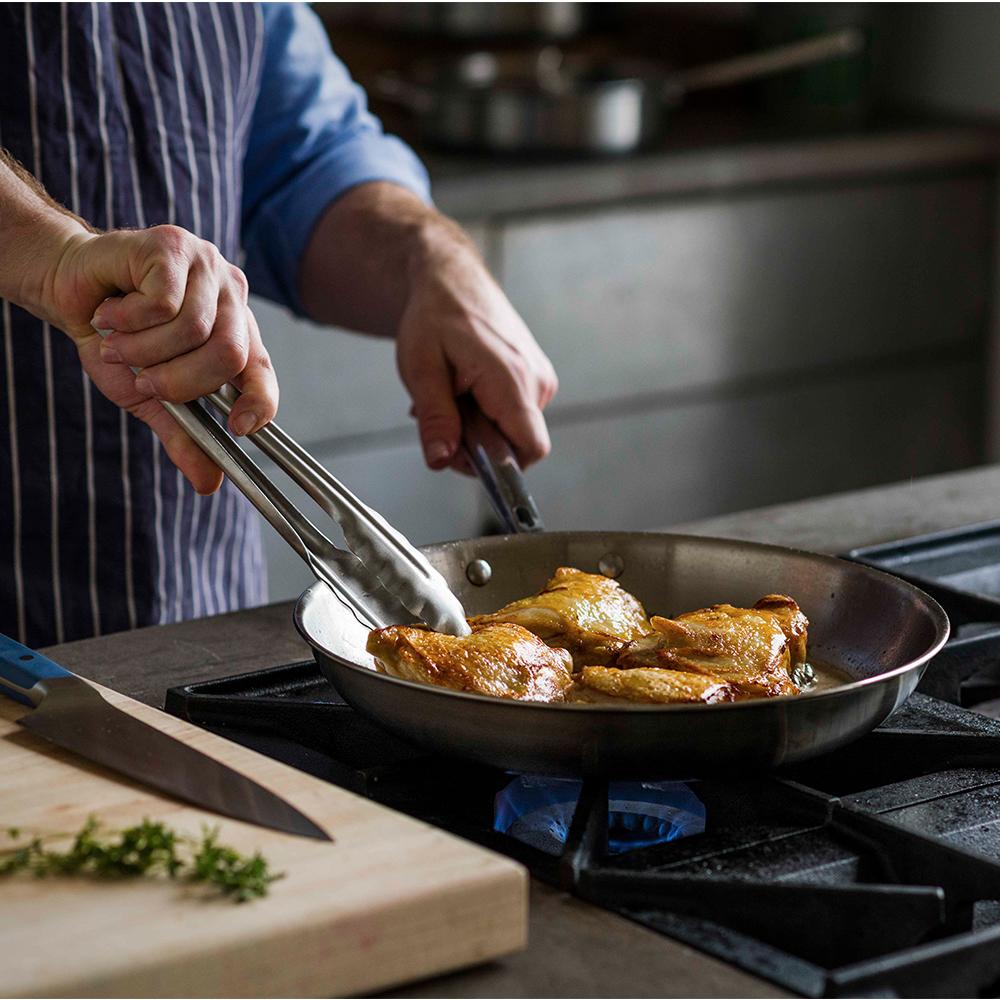
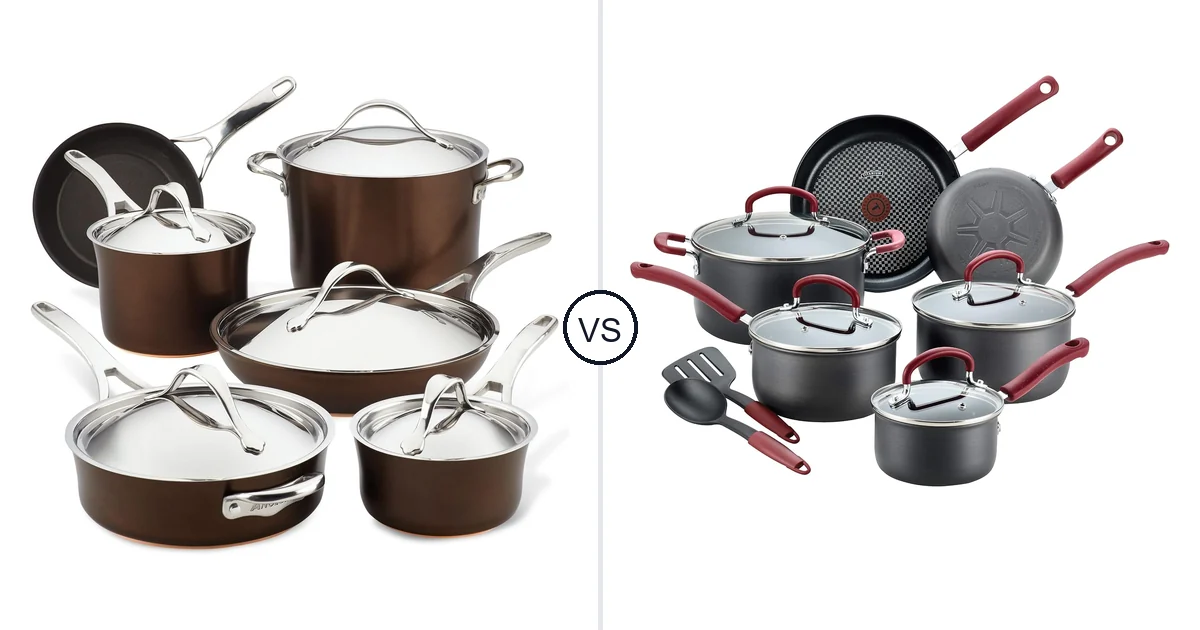
Cookware for gas stoves includes pots, pans, and skillets designed to withstand high heat. Materials like stainless steel, cast iron, and copper are ideal for optimal cooking performance.
Choosing the right cookware for a gas stove is essential for effective cooking and safety. Gas stoves provide instant heat and precise temperature control, making them a favorite among chefs and home cooks alike. The right cookware can enhance your cooking experience by distributing heat evenly and allowing for better browning and searing.
Materials such as stainless steel offer durability and easy maintenance, while cast iron provides excellent heat retention. Understanding the unique characteristics of each material will help you select the best cookware to suit your culinary needs and preferences. Proper cookware not only improves cooking efficiency but also elevates the flavors of your dishes.
Introduction To Gas Stove Cookware
Gas stoves are popular among home cooks for their speed and efficiency. Choosing the right cookware is essential for optimal cooking. This section explores the unique requirements for cookware used on gas stoves.
Why Gas Stoves Require Special Cookware
Gas stoves produce direct flame. This flame affects how cookware performs. Here are key points to consider:
- Material Conductivity: Good conductivity ensures even heat distribution.
- Flat Bottom: A flat base allows better contact with the flame.
- Durability: Cookware must withstand high temperatures and flames.
- Safety: Non-toxic materials prevent harmful chemicals from leaching.
Benefits Of Cooking With Gas
Cooking with gas offers several advantages:
- Instant Heat: Gas stoves heat up quickly.
- Temperature Control: Easily adjust flames for precise cooking.
- Cost-Effective: Gas is often cheaper than electricity.
- Versatility: Perfect for various cooking styles, from simmering to searing.
Gas stoves make cooking enjoyable and efficient. Choosing the right cookware enhances the experience.
Credit: www.saveur.com
Materials Matter: Choosing The Right Cookware
Choosing the right cookware for your gas stove is crucial. Different materials offer unique benefits. Understanding these materials helps enhance your cooking experience.
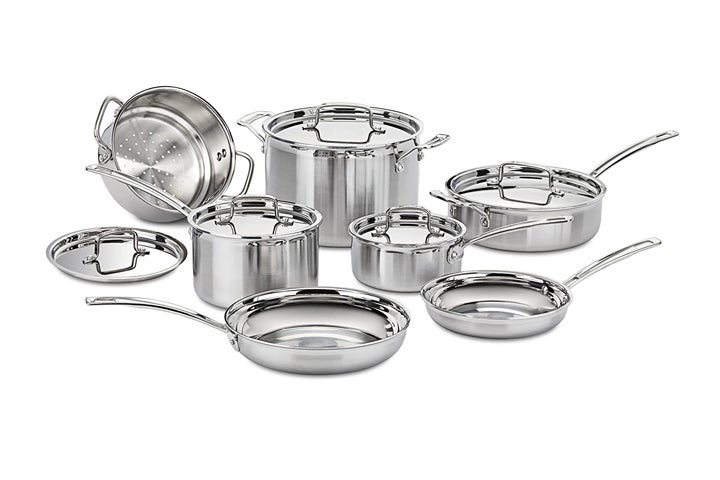
Stainless Steel: The Versatile Choice
Stainless steel is a popular choice for many cooks. It is durable and resistant to rust. This material is easy to clean and maintain.
- Non-reactive surface: Safe for all types of food.
- Even heat distribution: Cooks food uniformly.
- Compatibility: Works well on gas stoves.
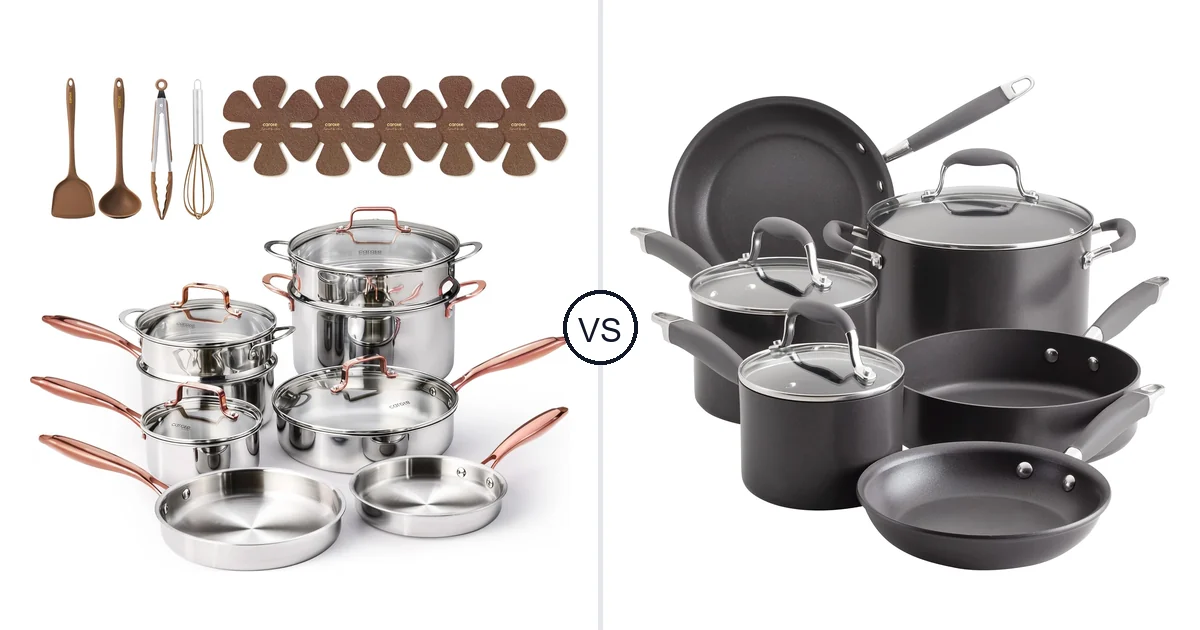
Look for stainless steel cookware with an aluminum or copper core. This combination improves heat conductivity. It ensures perfect cooking results every time.
Cast Iron: For Those Perfect Sear Marks
Cast iron cookware is famous for its heat retention. It’s excellent for searing meats and creating a crispy crust.
- Durable: Lasts for generations with proper care.
- Versatile: Works on the stove and in the oven.
- Natural non-stick: Develops a non-stick surface over time.
Season your cast iron cookware regularly. This enhances its non-stick properties. It also prevents rusting.
Copper: Excellent Heat Conductor
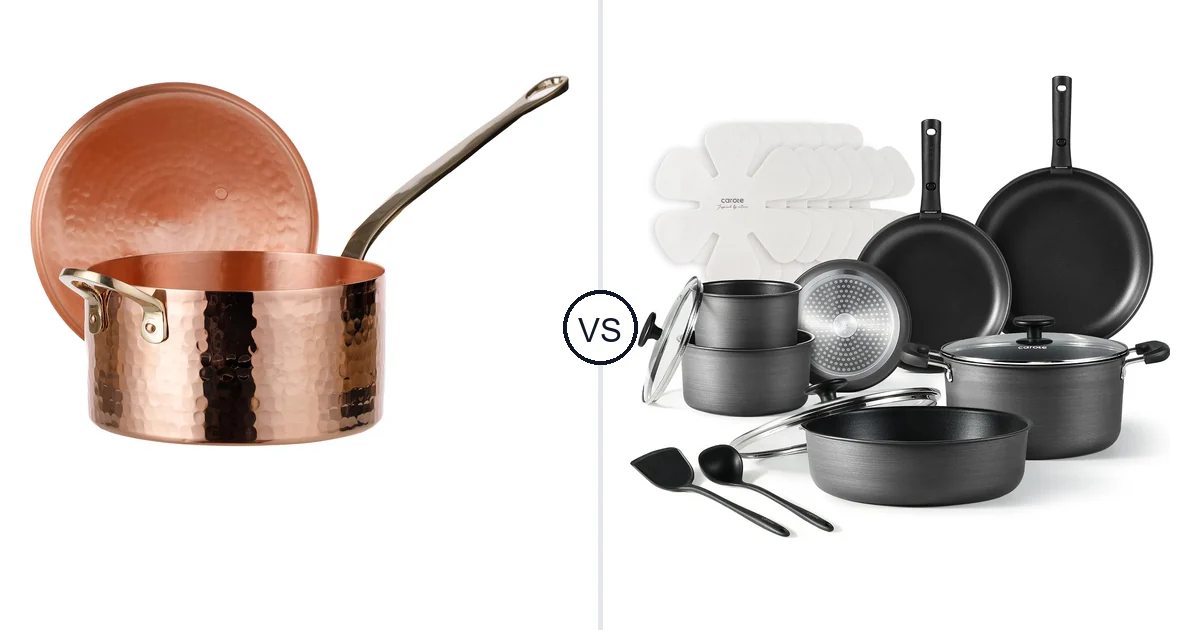
Copper cookware is known for its superior heat conductivity. It heats up quickly and cools down rapidly.
- Responsive: Adjusts to temperature changes instantly.
- Elegant: Adds beauty to any kitchen.
- Requires care: Needs regular polishing to maintain shine.
Use copper cookware for delicate sauces and precise cooking. It allows for fine-tuning heat levels easily.
| Material | Benefits | Drawbacks |
|---|---|---|
| Stainless Steel | Durable, easy to clean, non-reactive | Can be expensive |
| Cast Iron | Excellent heat retention, versatile | Heavy, requires maintenance |
| Copper | Quick heat response, attractive | Needs polishing, can be reactive |
Non-stick Pans: A Must-have In The Kitchen
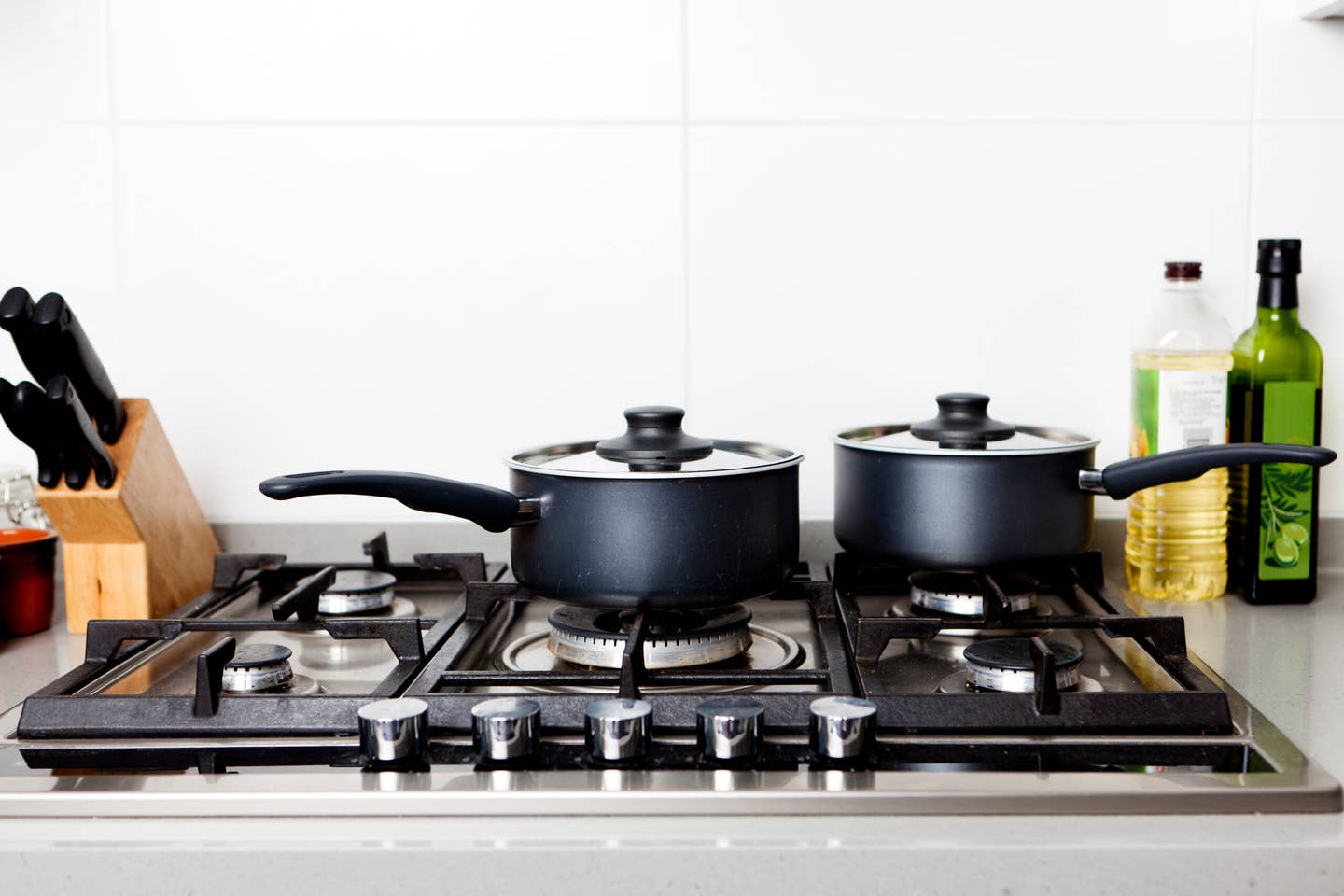
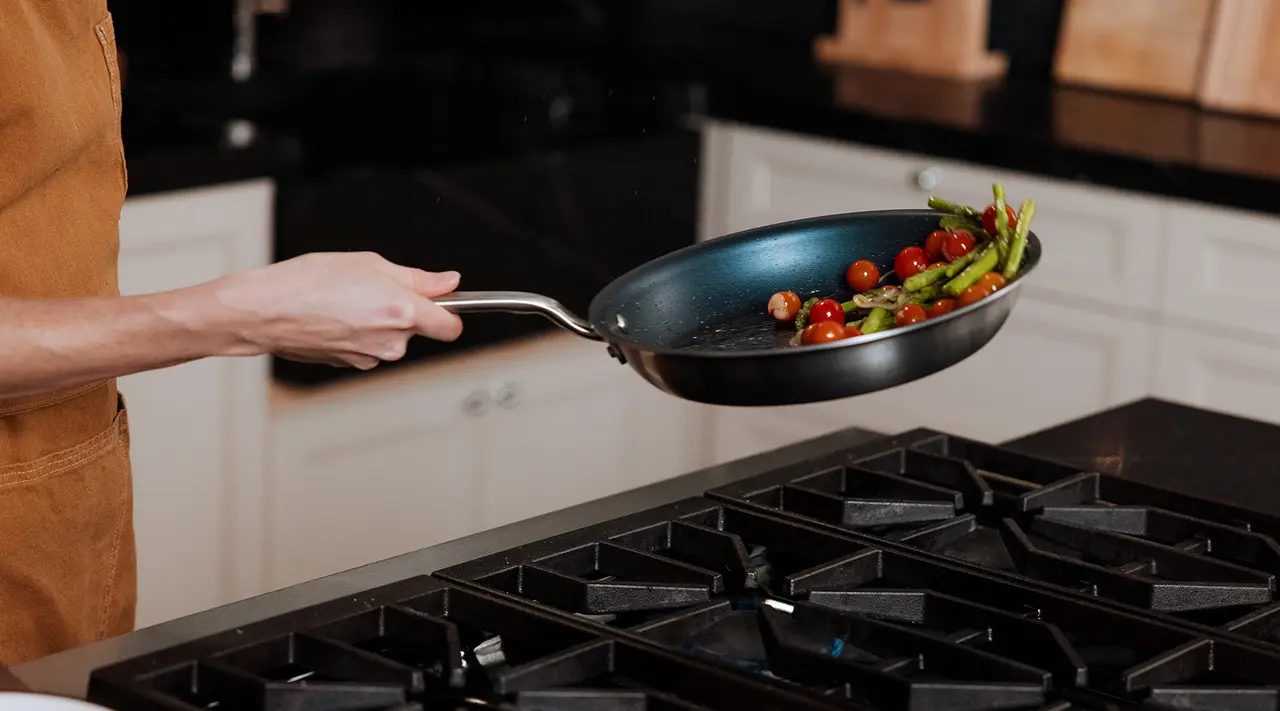
Non-stick pans are essential for any kitchen. They make cooking and cleaning easier. With their special coating, food slides off effortlessly. This feature saves time and effort.
Advantages Of Non-stick Cookware
Non-stick cookware offers numerous benefits for everyday cooking:
- Easy Food Release: Food doesn’t stick, making cooking simple.
- Less Oil Required: Cook healthier meals with less fat.
- Quick Cleanup: Spend less time scrubbing dishes.
- Even Heating: Food cooks evenly, improving taste.
- Lightweight: Easy to handle and store.
Care And Maintenance Tips
Taking care of non-stick pans extends their life. Follow these simple tips:
- Use Wooden or Silicone Utensils: Avoid metal tools to prevent scratches.
- Hand Wash: Clean with mild soap and a soft sponge.
- Avoid High Heat: Use low to medium heat for best results.
- Store Carefully: Place cloth or paper between pans to avoid scratches.
- Check for Damage: Replace pans with scratches or peeling coating.
By following these tips, non-stick pans will last longer. Enjoy hassle-free cooking every day!
The Importance Of Heat Distribution
Heat distribution is crucial for effective cooking. Uneven heating can lead to burnt food or undercooked meals. Good cookware helps maintain consistent temperatures. This ensures even cooking and better flavor. Choosing the right cookware for your gas stove can enhance your cooking experience.
How Material Affects Heat Distribution
The material of your cookware directly impacts heat distribution. Different materials conduct heat differently. Here are some common materials used in cookware:
| Material | Heat Conductivity | Best Use |
|---|---|---|
| Aluminum | Excellent | Frying, Sautéing |
| Stainless Steel | Moderate | Boiling, Steaming |
| Cast Iron | Good | Baking, Slow Cooking |
| Copper | Excellent | Precise Cooking |
Aluminum heats quickly and evenly. It is lightweight and affordable. Stainless steel is durable and resistant to rust. It may require additional heat sources for even cooking. Cast iron retains heat well, ideal for slow cooking. Copper offers precise temperature control but can be expensive.
Cookware Shapes And Heat Distribution
The shape of cookware also influences heat distribution. Different shapes serve various cooking purposes. Here are some common shapes:
- Frying Pans: Wide surface for even frying.
- Sauce Pans: Deep sides for boiling and simmering.
- Stock Pots: Tall and deep for soups and stews.
- Woks: Curved shape for quick stir-frying.
Wider pans allow for better heat distribution. They provide more surface area for food contact. Deep pots retain heat longer but may take time to heat up. The right shape enhances cooking efficiency. Choose shapes that match your cooking style for the best results.
Cookware Sets Vs. Individual Pieces
Choosing between cookware sets and individual pieces can be tricky. Each option has its own benefits. Understanding these can help you make the right choice for your kitchen.
Pros And Cons Of Cookware Sets
Cookware sets often include multiple pieces. This can be convenient for many cooks. Here’s a quick look at the pros and cons:
| Pros | Cons |
|---|---|
| Cost-effective for multiple items | May include items you don’t need |
| Uniform style and design | Limited choice in sizes and shapes |
| Great for beginners | Quality can vary among pieces |
Many cooks find sets easier to manage. They provide a cohesive look in the kitchen. However, they may not fit every cooking style. Consider your needs before buying.
Building Your Custom Cookware Collection
Some cooks prefer to buy individual pieces. This allows for a more personalized collection. Here are steps to build your custom cookware:
- Assess Your Cooking Style: Identify what you cook most.
- Start with Essentials: Purchase a frying pan and pot.
- Add Specialty Items: Include a stockpot or sauté pan.
- Choose Quality: Invest in durable materials like stainless steel.
- Mix and Match: Combine different brands and styles.
Creating a custom collection gives you freedom. You can select pieces that suit your needs. This way, you won’t waste money on unnecessary items.
Safety Tips For Gas Stove Cookware
Using cookware on a gas stove requires special attention. Ensuring safety protects you and your kitchen. Here are key tips to follow for safe cooking.
Avoiding Overheating And Damage
Overheating can damage your cookware and pose safety risks. Follow these tips to prevent overheating:
- Always select the right burner size for your pot or pan.
- Use cookware that fits the flame size. This prevents uneven heating.
- Keep an eye on the flame. It should not extend beyond the cookware.
- Reduce the heat if you notice smoke or burning.
Proper material choice helps too. Materials like stainless steel or cast iron handle heat well. Avoid thin, lightweight pans that can warp easily.
Proper Handling And Usage
Handling cookware correctly ensures safety during cooking. Here are some essential practices:
- Always use oven mitts to handle hot cookware.
- Keep handles turned inward to avoid accidental spills.
- Use long utensils to keep hands away from heat.
- Do not leave cooking food unattended on the stove.
Regularly inspect your cookware. Look for any signs of wear or damage. Replace any items that show significant wear to maintain safety.
Must-have Accessories For Gas Stove Cooking
Cooking on a gas stove is a delightful experience. To enhance this experience, having the right accessories is crucial. These tools make cooking easier and cleaner. Here are two essential accessories every gas stove cook should consider.
Splatter Guards: Keeping It Clean
Splatter guards are a must-have for any gas stove chef. They help keep your kitchen clean while cooking. Here are some benefits of using splatter guards:
- Prevents grease stains on your walls and stove.
- Reduces cleanup time after cooking.
- Protects you from hot oil splashes.
- Allows for safe frying and sautéing.
Choose a splatter guard that fits your pans well. Look for options that are easy to clean and store. Many are dishwasher-safe, making cleanup a breeze.
Heat Diffusers: For Delicate Dishes
Heat diffusers spread heat evenly across your cookware. They are essential for cooking delicate dishes. Here are key points about heat diffusers:
- Prevent burning and scorching of food.
- Allow for slow cooking and simmering.
- Enhance flavor by maintaining consistent heat.
- Compatible with various pot sizes.
Look for a durable heat diffuser made of sturdy materials. Stainless steel options are popular due to their longevity. Using a heat diffuser can elevate your cooking game.
Credit: www.saveur.com
Caring For Your Cookware
Caring for your cookware is essential for its longevity and performance. Proper maintenance keeps your pots and pans in top shape. It also ensures your food cooks evenly on a gas stove.
Cleaning And Maintenance
Cleaning your cookware correctly is crucial. Here are some tips:
- Use mild detergents: Avoid harsh chemicals.
- Wash by hand: Handwashing is gentler than a dishwasher.
- Soft sponges: Use non-abrasive sponges to prevent scratches.
- Dry immediately: Prevent water spots and rust.
For different materials, follow these specific care instructions:
| Material | Cleaning Method |
|---|---|
| Stainless Steel | Warm soapy water; avoid steel wool. |
| Non-stick | Soft sponge; no metal utensils. |
| Cast Iron | Rinse with hot water; no soap. |
When To Replace Your Cookware
Knowing when to replace your cookware is important. Look for these signs:
- Scratched non-stick surfaces: Food may stick and become unhealthy.
- Rust spots: Rust can affect food safety.
- Warped bottoms: Uneven heat distribution can lead to cooking issues.
- Chipping or peeling: Damaged cookware may contaminate food.
Regular inspections help ensure safety and efficiency. Replace cookware as needed to maintain quality cooking.
Credit: madeincookware.com
Frequently Asked Questions
What Cookware Is Best For Gas Stoves?
The best cookware for gas stoves includes stainless steel, cast iron, and copper. These materials provide excellent heat conduction and durability. Look for flat-bottomed pots and pans for even heat distribution. Additionally, ensure they have sturdy handles that can withstand high temperatures.
Can I Use Non-stick Cookware On Gas Stoves?
Yes, you can use non-stick cookware on gas stoves. Just ensure the cookware is suitable for high heat settings. Avoid using metal utensils to prevent scratches. Regularly check for wear and tear to maintain its non-stick properties. Always follow the manufacturer’s guidelines for safe use.
Is Cast Iron Suitable For Gas Stoves?
Cast iron cookware is highly suitable for gas stoves. It retains heat exceptionally well, providing even cooking results. It’s perfect for searing, frying, and baking. However, it can be heavy, so handle it with care. Pre-seasoning will enhance its non-stick capabilities and prevent rust.
How To Clean Cookware For Gas Stoves?
Cleaning cookware for gas stoves involves simple methods. Use warm soapy water and a non-abrasive sponge. For stubborn stains, baking soda can be effective. Avoid harsh chemicals that may damage the surface. Always dry thoroughly to prevent rust, especially for cast iron cookware.
Conclusion
Choosing the right cookware for your gas stove enhances your cooking experience. Quality materials ensure even heat distribution and durability. Whether you prefer stainless steel, cast iron, or non-stick options, prioritize functionality and safety. Invest in the best cookware to elevate your culinary skills and enjoy delicious meals with ease.

Leave a Reply