
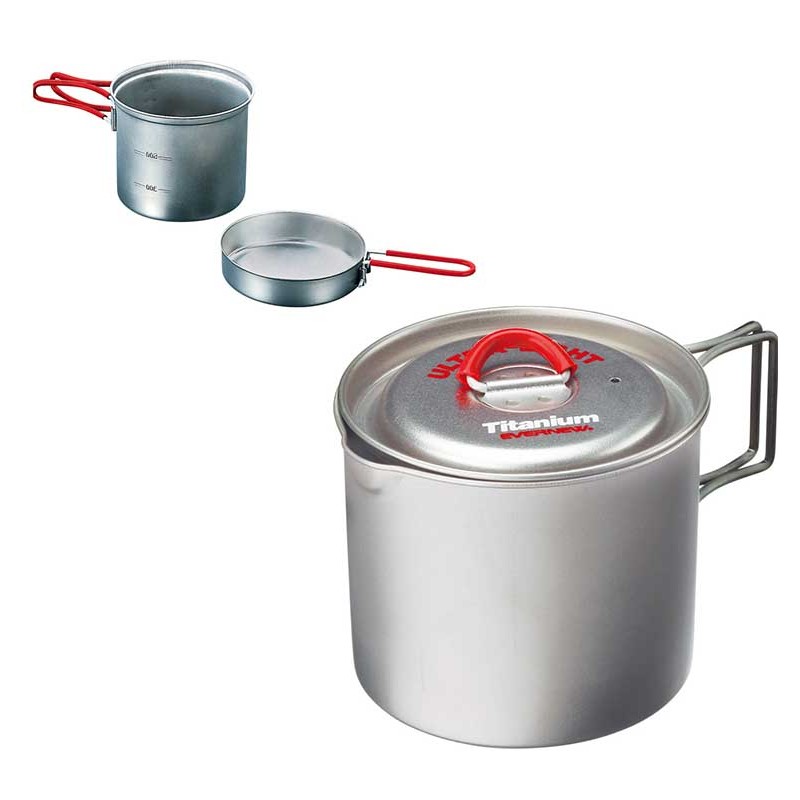
Choosing the right cookware for backpacking is crucial for any outdoor adventure. Lightweight, compact, and durable options make cooking on the trail easier and more enjoyable.
Backpacking offers a chance to connect with nature and explore the great outdoors. However, preparing meals in the wilderness can be challenging without the right tools. The right cookware can make a big difference in how you eat while hiking.
It can help you save time, reduce weight, and enjoy delicious meals. From pots and pans to utensils, each piece plays a role in your cooking experience. Understanding your options can lead to better meal preparation and a more satisfying journey. Let’s explore what you need for effective and enjoyable cooking while backpacking.
Essentials Of Backpacking Cookware
Choosing the right cookware is key for backpackers. Lightweight and durable options make cooking easy. Good cookware helps you prepare meals on the trail. Here are the essential factors to consider.
Material Matters
The material of your cookware affects its performance and weight. Common materials include:
- Aluminum: Lightweight and heats quickly.
- Stainless Steel: Durable and resistant to rust.
- Titanium: Extremely strong but costly.
- Non-stick Coatings: Easy to clean but may wear off.
Each material has pros and cons. Aluminum is affordable and light. Stainless steel is tough but heavier. Titanium is the best for strength. Choose based on your needs.
Weight Vs. Durability
Backpacking means carrying everything on your back. Weight matters. A lighter pot saves energy. However, durability is also important. You want your cookware to last.
| Material | Weight | Durability |
|---|---|---|
| Aluminum | Low | Moderate |
| Stainless Steel | Moderate | High |
| Titanium | Very Low | Very High |
Find a balance between weight and durability. Lightweight options are great for long hikes. Stronger materials work well for rugged terrains. Consider your hiking style.
Top Picks For Ultralight Pots And Pans
Choosing the right cookware for backpacking is essential. Ultralight pots and pans help reduce weight. They make cooking easier on the trail. Here are some top picks to consider.
Titanium Favorites
Titanium cookware is strong and lightweight. It heats quickly and is durable. Here are some top titanium options:
- Snow Peak Titanium Trek 700: This pot weighs only 4.2 ounces. It holds 22 ounces of liquid. Perfect for solo trips.
- MSR Titan Kettle: Weighs 5.5 ounces. Great for boiling water. Holds 1.3 liters.
- Vargo Titanium Bot: A versatile pot and mug. Weighs just 3.2 ounces. Ideal for cooking and drinking.
Aluminum Standouts
Aluminum cookware is affordable and lightweight. It distributes heat well. Here are some aluminum favorites:
| Product | Weight (oz) | Capacity (L) |
|---|---|---|
| GSI Outdoors Halulite Minimalist: | 7.1 | 1.1 |
| MSR Blacklite 2 Pot Set: | 9.5 | 1.5 |
| Sea to Summit Alpha Pot: | 4.9 | 1.2 |
Choose the right pot or pan for your needs. Ultralight cookware makes backpacking enjoyable. Happy cooking on the trail!
Compact Designs For Space Saving
Backpacking often means limited space. Choosing the right cookware is crucial. Compact designs help save room in your pack. Lightweight and efficient options make cooking easier. Let’s explore some smart choices.
Nesting Cook Sets
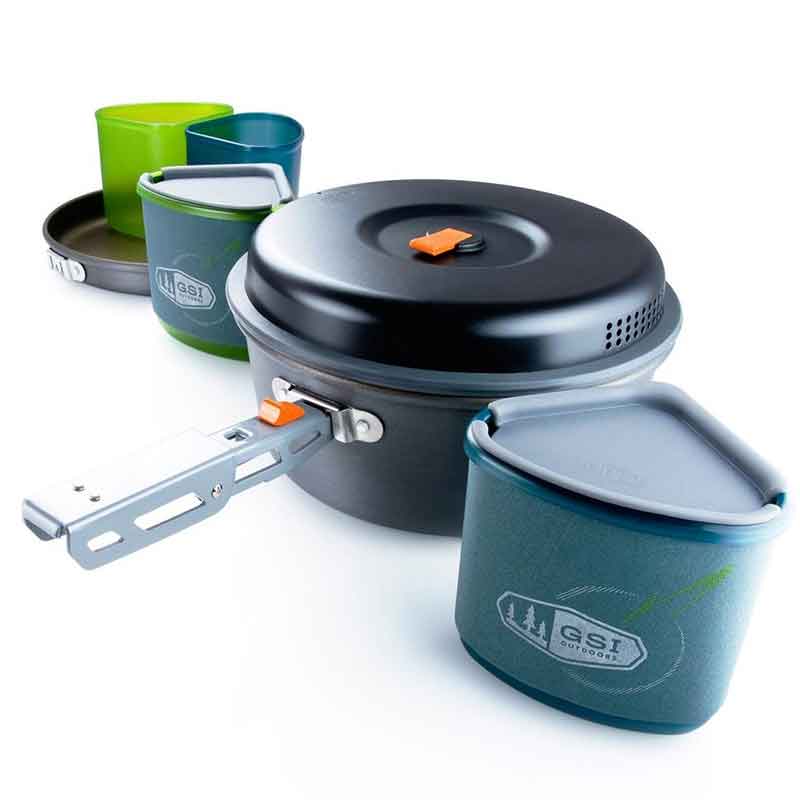
Nesting cook sets are perfect for backpacking. They fit together, taking up less space. Many sets include pots, pans, and lids. Here are some benefits:
- Easy to pack
- Reduces clutter
- Lightweight materials
Some popular nesting sets include:
| Brand | Items Included | Weight |
|---|---|---|
| GSI Outdoors | 2 pots, 1 lid | 1.5 lbs |
| Sea to Summit | 1 pot, 1 frying pan | 1.2 lbs |
| MSR | 2 pots, 1 lid | 1.4 lbs |
Foldable And Collapsible Options
Foldable and collapsible cookware offers great flexibility. These designs minimize space when not in use. They can be easily packed in your backpack. Consider these advantages:
- Space-efficient
- Lightweight
- Versatile for cooking
Some examples of foldable cookware include:
- Collapsible silicone pots
- Foldable camp stoves
- Compact frying pans
These options can help you enjoy cooking while backpacking. They save space and weight, making your trip easier.
Must-have Utensils For The Trail
Backpacking requires careful planning. Choosing the right utensils can make cooking easier. Lightweight and multi-use tools save space and weight. Here are the essential utensils for your next adventure.
Multi-use Implements
Multi-use tools are a backpacker’s best friend. They serve many purposes, reducing the number of items you carry. Here are some great options:
- Spork: A spoon and fork combined. Great for eating various meals.
- Knife: Use for cutting food or preparing items. A folding knife saves space.
- Can Opener: Essential for canned foods. Look for a compact design.
- Multi-Tool: Includes pliers, screwdrivers, and more. Handy for repairs and cooking.
Lightweight Cutlery And Tools
Lightweight cutlery helps keep your pack light. Choose materials like titanium or plastic. Here are some must-have tools:
| Item | Weight | Material |
|---|---|---|
| Fork | 0.5 oz | Plastic |
| Spoon | 0.5 oz | Titanium |
| Knife | 1 oz | Titanium |
| Cooking Pot | 4 oz | Aluminum |
These tools keep your meals simple and enjoyable. Lightweight options make it easy to cook on the go. Choose utensils that fit your cooking style and needs.
Fuel Efficient Stoves For Backpackers
Backpacking requires smart choices. One important choice is the stove. Fuel efficient stoves help save weight and energy. They allow you to cook meals quickly and easily. Here are two popular types: canister stoves and alcohol burners.
Canister Stoves
Canister stoves are compact and user-friendly. They use pre-filled canisters of gas. These stoves ignite quickly and provide consistent heat.
Benefits of canister stoves:
- Lightweight: Easy to carry on long hikes.
- Fast cooking: Boil water in minutes.
- Wind-resistant: Many models work well in windy conditions.
Consider this table for popular canister stoves:
| Stove Model | Weight (oz) | Boil Time (min) | Fuel Type |
|---|---|---|---|
| MSR PocketRocket 2 | 3 | 3.5 | Isobutane |
| Jetboil Flash | 13 | 2.5 | Isobutane |
| Snow Peak LiteMax | 1.9 | 4 | Isobutane |
Alcohol Burners
Alcohol burners are another option for backpackers. They use denatured alcohol as fuel. These stoves are simple and lightweight.
Benefits of alcohol burners:
- Easy to use: Fill, light, and cook.
- Affordable: Generally cheaper than canister stoves.
- Quiet operation: No loud hissing or noise.
Check out this table for popular alcohol burners:
| Stove Model | Weight (oz) | Boil Time (min) | Fuel Type |
|---|---|---|---|
| Trangia 27 | 10.6 | 6 | Denatured Alcohol |
| Vargo Titanium | 1.5 | 7 | Denatured Alcohol |
| Evernew Alcohol Stove | 2.1 | 5 | Denatured Alcohol |
Choose the stove that fits your needs. Both canister stoves and alcohol burners offer benefits. Consider weight, cooking time, and fuel type.
Accessorize Your Backpacking Kitchen
Backpacking is a fun adventure. Cooking in the wild adds to the experience. A well-equipped kitchen helps you prepare meals easily. Essential accessories can make cooking more enjoyable. Here are two key items to consider for your backpacking kitchen.
Heat Resistant Gloves
Heat resistant gloves are crucial for safety. They protect your hands from burns. Choose gloves made from durable materials. Look for gloves that are lightweight and flexible. This allows for easy handling of hot pots and pans.
- Silicone gloves offer excellent heat protection.
- Fabric gloves with heat resistance are also a good choice.
- Check for a good grip on the gloves.
Consider these features:
| Feature | Description |
|---|---|
| Material | Silicone or heat-resistant fabric |
| Grip | Non-slip surface for safety |
| Size | Check for a snug fit |
Durable Dishware
Durable dishware is essential for backpacking meals. Lightweight and strong materials work best. Look for options that are easy to clean. Consider nesting dishes to save space.
- Stainless steel plates are long-lasting.
- Plastic bowls are lightweight and affordable.
- Silicone cups can fold and fit anywhere.
Choose dishware that is:
| Type | Benefits |
|---|---|
| Stainless Steel | Durable and easy to clean |
| Plastic | Lightweight and cost-effective |
| Silicone | Flexible and space-saving |
Hydration Solutions For Hikers
Staying hydrated is crucial for hikers. Water keeps energy levels up. Proper hydration can improve focus and stamina. This section covers important hydration solutions for your hiking adventures.
Water Purification
Clean water is essential. Water sources can be contaminated. Use purification methods to ensure safety. Here are some common water purification options:
- Boiling: Heat water to a rolling boil for one minute.
- Filters: Use portable filters to remove bacteria and protozoa.
- Purification Tablets: Tablets can kill harmful microorganisms.
- UV Light: UV devices effectively disinfect water.
Choose a method based on your needs. Filters are lightweight and easy to carry. Boiling is effective but takes time and fuel.
Portable Water Containers
Having a good water container is important. It allows easy transport of water. Here are some popular types:
| Type | Capacity | Weight | Features |
|---|---|---|---|
| Hydration Bladder | 1-3 liters | Lightweight | Hands-free sipping, fits in backpacks |
| Collapsible Water Bottle | 0.5-1 liter | Very lightweight | Space-saving, flexible design |
| Stainless Steel Bottle | 0.5-2 liters | Medium weight | Durable, keeps drinks cold |
Consider your hiking style and duration. Pick a container that fits your needs. A hydration bladder offers convenience. A stainless steel bottle provides durability.
Food Storage And Preservation On The Trail
Food storage and preservation are key for backpackers. Proper storage keeps food fresh. It also prevents wildlife encounters. Choosing the right containers can make a big difference.
Bear-proof Containers
Bear-proof containers are essential in bear country. They keep food safe from curious bears. These containers are sturdy and designed to resist tampering. Here are some features to consider:
- Durability: Made from tough materials.
- Weight: Lightweight for easy carrying.
- Capacity: Enough space for several days of food.
- Seal: Airtight to keep food fresh.
Popular bear-proof containers include:
| Brand | Weight | Capacity | Price |
|---|---|---|---|
| BearVault BV500 | 1.5 lbs | 500 cu in | $70 |
| Counter Assault Bear Keg | 1.4 lbs | 650 cu in | $65 |
| Wild Ideas Bearikade | 1.4 lbs | 700 cu in | $275 |
Ultralight Food Bags
Ultralight food bags are a great choice for minimalists. They save weight in your pack. These bags are often resealable and waterproof. Here are some benefits:
- Lightweight: Easy to carry.
- Compact: Takes up little space.
- Versatile: Can store various foods.
- Reusable: Eco-friendly option.
Choose bags made from durable materials. Look for options with strong seals. Popular brands include:
- Ziploc Freezer Bags
- Sea to Summit Ultra-Sil Dry Sack
- REI Co-op Flash Pack Dry Bag
Keeping food fresh on the trail is important. The right storage solutions help maintain food quality. Stay safe and enjoy your outdoor adventures.
Preparing And Cooking Meals Outdoors
Cooking outdoors can be fun and rewarding. With the right cookware, you can prepare healthy meals in nature. Backpacking meals need to be simple and quick. You don’t want to spend hours cooking. Let’s explore some easy recipes and cooking techniques.
Simple Recipes
Here are some easy meals to prepare while backpacking:
- Instant Oatmeal: Just add hot water and wait.
- Rice and Beans: Cook rice and mix in canned beans.
- Pasta with Sauce: Boil pasta and add pre-made sauce.
- Soup: Use instant soup packets. Just add hot water.
- Wraps: Use tortillas with peanut butter and fruit.
Cooking Techniques
Master these techniques for easy meal prep:
- Boiling: Perfect for pasta, rice, and soup. Use a pot.
- Stir-Frying: Great for veggies and meats. Use a lightweight pan.
- Steaming: Keep nutrients in food. Use a steamer basket.
- One-Pot Meals: Cook everything in one pot. Less cleanup!
Use these tips for cooking outdoors:
| Tip | Description |
|---|---|
| Pre-Prep Ingredients | Chop and measure before your trip. Save time. |
| Use Lightweight Cookware | Choose pots and pans that are easy to carry. |
| Plan Meals | Decide meals ahead of time. Avoid extra food. |
| Practice Fire Safety | Keep a safe distance from the fire. |

Credit: www.amazon.com
Cleaning Up: Leave No Trace
Cleaning up after cooking while backpacking is vital. It protects nature. Following Leave No Trace principles helps keep the environment clean. This section covers eco-friendly cleaning options and waste disposal methods.
Eco-friendly Soaps
Using eco-friendly soaps is essential. They are safe for water sources and wildlife. Here are some options:
- Biodegradable soap: Breaks down quickly in nature.
- Coconut-based soap: Gentle on the skin and the environment.
- Baking soda: Acts as a natural cleaner.
- Vinegar: Great for cutting grease and odors.
Always use soap sparingly. Rinse dishes at least 200 feet away from water sources. This prevents soap from entering streams or lakes.
Waste Disposal Methods
Proper waste disposal keeps campsites clean. Follow these methods:
- Packing out trash: Carry all trash back home.
- Food scraps: Pack out or bury at least 6-8 inches deep.
- Toilet waste: Use designated toilets or pack it out.
- Recycle: Separate recyclables and take them home.
Use a trash bag to collect waste. Designate a spot for trash in your backpack. This keeps your gear clean.
By following these cleaning tips, you help protect the environment. Remember, every small action counts. Enjoy your adventure while being a responsible backpacker.
Backpacker’s Checklist For Cookware
Choosing the right cookware is important for backpackers. It can make cooking easier on the trail. Use this checklist to help you prepare. You’ll find everything you need for your next adventure.
Pre-trip Planning
Planning is key to a successful backpacking trip. Make sure you have all the necessary cookware. Here’s a checklist of essential items:
- Pot or Cookware Set: A lightweight pot is essential. Consider a pot that can also double as a pan.
- Stove: A compact camp stove is a must. Choose one that is easy to set up and use.
- Utensils: Bring a spatula and a spoon. Look for lightweight, durable options.
- Cutting Board: A small, foldable board is handy.
- Biodegradable Soap: For cleaning your cookware.
- Portable Sink: A lightweight sink can help with washing dishes.
Consider the weight of each item. Every ounce counts when backpacking. Choose multi-functional tools to save space.
Post-trip Maintenance
After your trip, take care of your cookware. Proper maintenance extends its life. Follow these steps:
- Wash Thoroughly: Use warm water and biodegradable soap. Rinse well to remove all soap.
- Dry Completely: Ensure all items are dry before packing. This prevents rust and odors.
- Inspect for Damage: Check for scratches, dents, or other damage. Replace any worn-out items.
- Store Properly: Keep your cookware in a cool, dry place. Use a protective case if needed.
| Cookware Item | Weight (oz) | Function |
|---|---|---|
| Pot | 10 | Cooking meals |
| Stove | 8 | Heating food |
| Utensils | 2 | Serving and cooking |
| Cutting Board | 3 | Chopping ingredients |
Follow these steps to keep your cookware in great shape. Enjoy your next backpacking trip with confidence.

Credit: www.amazon.com
Adapting To Weather Conditions
Weather can change your backpacking experience. Rain, wind, or snow can affect cooking. Choosing the right cookware helps you adapt. Here are some tips to handle different weather conditions effectively.
Wind Shields
Wind can cool your stove and food. Using a wind shield helps keep heat in. Here are some options:
- Store-bought wind shields: These are designed for camping stoves.
- DIY wind shields: Use aluminum foil or metal sheets.
When using a wind shield:
- Place it around your stove.
- Ensure it does not block the flame.
- Check for stability to avoid accidents.
A good wind shield saves fuel and cooks food faster. It also protects you from sudden gusts.
Winter Cooking Adjustments
Cooking in winter needs extra attention. Cold temperatures affect your stove and fuel. Here are some adjustments to consider:
- Use a stove: Choose one that works well in cold weather.
- Keep fuel warm: Store fuel close to your body.
- Warm up water: Heat water first before cooking meals.
Consider these tips for winter cooking:
| Tip | Description |
|---|---|
| Cook in sheltered areas | Find spots protected from wind and snow. |
| Use insulated cookware | Keep food warm longer and save fuel. |
| Plan meals wisely | Choose meals that cook quickly. |
Winter cooking may take longer. Prepare for the cold to enjoy warm meals.
Credit: www.outdoorsgeek.com
Frequently Asked Questions
What Cookware Is Best For Backpacking?
The best cookware for backpacking is lightweight, durable, and compact. Look for options made from aluminum or titanium, as they heat quickly and evenly. Non-stick surfaces can make cooking and cleaning easier. Consider multi-functional items like pots that double as bowls or frying pans that can hold food.
How Much Cookware Do I Need For Backpacking?
For backpacking, a minimalist approach is ideal. Typically, one pot or pan per person suffices. Consider including a lid and a heat source. If cooking for a group, you may need larger cookware. Remember to balance capacity with weight to ensure a comfortable hike.
Can I Use Regular Cookware For Backpacking?
Using regular cookware for backpacking is not recommended. Regular cookware is often heavier and bulkier, making it impractical for hiking. Backpacking cookware is specifically designed to be lightweight and space-efficient. It also withstands the rigors of outdoor cooking and is easier to pack.
Is Non-stick Cookware Safe For Backpacking?
Yes, non-stick cookware is safe for backpacking if properly used. Look for non-stick coatings that are PFOA-free and scratch-resistant. Always use silicone or wooden utensils to prevent damaging the coating. Keep in mind that high heat can degrade non-stick surfaces, so use low to medium heat.
Conclusion
Choosing the right cookware makes backpacking easier. Lightweight and durable options help you cook meals with ease. Consider your needs and preferences before buying. Test your gear before hitting the trails. Enjoy the process of cooking outdoors. Good cookware enhances your adventure.
Find joy in every meal you prepare. Happy cooking and safe travels on your next backpacking trip!

Leave a Reply