
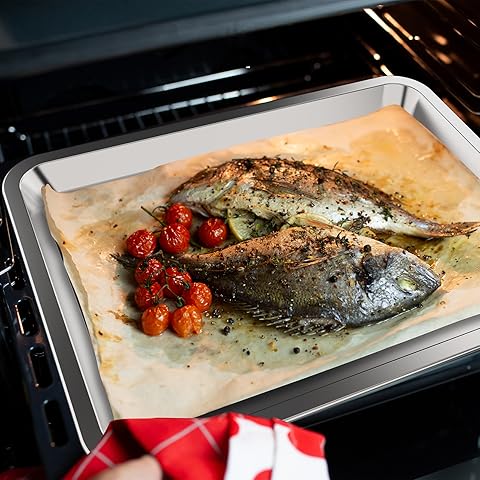
Convection oven cookware includes pans and trays specifically designed for even heat distribution. These options enhance cooking efficiency and improve food texture.
Cooking enthusiasts appreciate convection ovens for their ability to circulate hot air, ensuring even cooking and browning. Choosing the right cookware is essential for maximizing these benefits. Look for materials that conduct heat well, such as metal or ceramic. Non-stick surfaces can simplify cleanup, while glass allows for easy monitoring of food.
Always consider the size and shape of your cookware to fit your convection oven’s interior. With the right tools, you can elevate your culinary creations and enjoy perfectly cooked meals every time. Understanding convection oven cookware will help you make informed choices for your kitchen.

Credit: pyleusa.com
Introduction To Convection Oven Baking
Convection ovens are changing the way we bake. They use a fan to circulate hot air. This helps food cook evenly and quickly. Many bakers prefer convection ovens for their efficiency. Discover the benefits of convection baking and why it’s a great choice.
Why Switch To A Convection Oven?
Switching to a convection oven offers several advantages:
- Faster Cooking: Food cooks 25% faster.
- Even Baking: Hot air circulates, reducing hot spots.
- Energy Efficient: Cooks at lower temperatures.
- Better Browning: Achieve a crispy, golden crust.
- Versatile: Suitable for baking, roasting, and more.
Key Differences From Traditional Ovens
Understanding the differences helps in choosing the right oven.
| Feature | Convection Oven | Traditional Oven |
|---|---|---|
| Heat Distribution | Even heat with fan | Static heat |
| Cooking Time | Shorter | Longer |
| Temperature | Lower by 25°F | Standard temperature |
| Moisture Retention | Better | Variable |
These differences make convection ovens a popular choice. They are user-friendly and yield great results.

Credit: pyleusa.com
Selecting The Right Cookware
Choosing the right cookware for your convection oven is crucial. The right materials and shapes ensure even cooking. Let’s explore what works best for convection baking.
Materials That Excel In Convection Baking
Different materials perform differently in a convection oven. Here are the top materials:
- Aluminum: Excellent heat conductor. Lightweight and durable.
- Stainless Steel: Non-reactive and great for browning.
- Glass: Allows you to monitor food easily. Distributes heat well.
- Ceramic: Retains heat efficiently. Ideal for casseroles.
Using the right material enhances cooking results. Avoid heavy materials that trap heat. Select lightweight options for the best airflow.
Shapes And Sizes Matter
Shape and size of cookware affect heat circulation. Here are some tips to consider:
- Shallow pans: Promote better airflow.
- Round dishes: Distribute heat evenly.
- Square or rectangular pans: Fit well in the oven.
- Avoid oversized cookware: It restricts air movement.
Choose sizes that match your recipes. Ensure enough space around the cookware. This helps achieve the best cooking results.
Must-have Cookware For Convection Ovens
Using a convection oven can make cooking faster and easier. The right cookware enhances its efficiency. Here are the essential cookware items for your convection oven.
Baking Sheets And Pans
Baking sheets are crucial for cookies, pastries, and more. Choose sheets made of heavy-duty materials. They provide even heat distribution. Non-stick options make for easy cleanup.
- Choose half-sheet pans for larger batches.
- Use insulated baking sheets for delicate cookies.
- Opt for rimmed sheets to prevent spills.
For cakes and bread, use cake pans and loaf pans. Look for pans with a light color. Dark pans can cause burning.
Roasting Pans And Racks
Roasting pans are ideal for meats and vegetables. They allow hot air to circulate. This ensures even cooking and browning.
| Type of Roasting Pan | Best For |
|---|---|
| Metal Roasting Pan | Meats, poultry, and vegetables |
| Glass Roasting Pan | Casseroles and baked dishes |
| Cast Iron Roasting Pan | High-heat roasting and browning |
Use a roasting rack for best results. It elevates food above the pan. This allows for better airflow.
Casserole Dishes And Dutch Ovens
Casserole dishes are perfect for one-pot meals. They can go from oven to table. Look for dishes made of glass or ceramic.
- Glass dishes allow you to monitor cooking.
- Ceramic retains heat well.
Dutch ovens are versatile. They are great for soups, stews, and baking bread. A heavy cast iron design ensures even heat.
Choose a Dutch oven with a lid. It helps retain moisture and flavor.
Specialty Items For The Avid Baker
Every avid baker needs the right tools. Specialty items enhance the baking experience. They ensure perfect results every time. Let’s explore three essential tools for your convection oven.
Silicone Baking Mats
Silicone baking mats are a game changer. They replace parchment paper and greasing. Here are some key benefits:
- Reusable: Save money by using them repeatedly.
- Non-stick: Food easily releases without sticking.
- Even heat distribution: Promotes uniform baking.
Use silicone mats for cookies, pastries, and more. They are easy to clean and store. Just wipe them down or toss them in the dishwasher.
Pizza Stones And Baking Steels
Pizza stones and baking steels create a crispy crust. They absorb heat and distribute it evenly. Here’s what makes them essential:
- Versatile: Ideal for pizza, bread, and pastries.
- Durable: Long-lasting and withstands high temperatures.
- Flavor enhancement: Adds a smoky flavor to baked goods.
Preheat your stone or steel for the best results. This helps achieve that perfect crunch. Clean them after use to maintain their quality.
Sourdough Essentials
Sourdough baking requires special tools. Use these essentials for best results:
- Banneton proofing baskets: Help shape the dough.
- Lame: A sharp blade for scoring dough.
- Dough scraper: For easy handling and cutting.
Investing in these tools improves sourdough baking. They ensure proper fermentation and shape. Enjoy the crusty, artisan quality of homemade bread.
Care And Maintenance Of Cookware
Proper care and maintenance of convection oven cookware is crucial. It ensures longevity and optimal performance. Keeping your cookware in good shape enhances your cooking experience. Here are some essential tips for cleaning and storing your convection oven cookware.
Cleaning Tips
Cleaning convection oven cookware requires special attention. Follow these tips for effective cleaning:
- Use mild detergents: Harsh chemicals can damage the surface.
- Soft sponges: Always use non-abrasive sponges to avoid scratches.
- Soak stubborn stains: Soak cookware in warm, soapy water for easier cleaning.
- Rinse thoroughly: Ensure all soap is removed to prevent residue.
- Dry immediately: Avoid water spots by drying cookware right after washing.
Storage Solutions
Proper storage of convection oven cookware is vital for maintaining its quality. Follow these storage tips:
- Stack wisely: Place larger items at the bottom and smaller ones on top.
- Use dividers: Protect surfaces by using dividers between stacked cookware.
- Avoid overcrowding: Leave space between items for air circulation.
- Store in a cool, dry place: Avoid humidity to prevent rust and damage.
- Keep lids separate: Store lids upright to prevent scratches on cookware.

Credit: www.amazon.com
Adjusting Recipes For Convection Baking
Convection ovens cook food differently than traditional ovens. They use a fan to circulate hot air. This results in faster cooking times and more even heat distribution. Adjusting your recipes is essential for the best results.
Temperature And Time Modifications
When using a convection oven, you need to make some adjustments. Here are the key changes:
- Lower the temperature: Reduce the original baking temperature by 25°F (about 14°C).
- Shorten the cooking time: Start checking for doneness 5 to 10 minutes earlier.
For example, if a recipe calls for 350°F and 30 minutes, set your convection oven to 325°F and check at 25 minutes.
| Original Oven Temperature | Convection Oven Temperature | Original Cooking Time | Adjusted Cooking Time |
|---|---|---|---|
| 350°F | 325°F | 30 minutes | 25 minutes |
| 400°F | 375°F | 20 minutes | 15 minutes |
The Role Of Cookware In Even Cooking
The type of cookware you use affects cooking results. Use shallow, flat pans for better air circulation. Avoid using deep dishes as they can trap heat.
Here are some cookware tips:
- Use metal or glass pans.
- Opt for dark-colored pans for better heat absorption.
- Avoid using ceramic or stoneware, as they may not distribute heat evenly.
Proper cookware ensures all food cooks evenly. Always check your food a few minutes early. This guarantees perfect results every time.
Innovative Baking Techniques
Convection ovens offer exciting opportunities for innovative baking. These techniques can elevate your baking game. Let’s explore two key methods: using steam and mastering blind baking.
Using Steam In Convection Baking
Steam can transform your baking results. It helps create a crispy crust and moist interior. Here’s how to use steam effectively:
- Preheat the oven to the desired temperature.
- Place a shallow pan with water on the bottom rack.
- Insert your dish on the middle rack.
- Close the oven door quickly to trap steam.
Benefits of using steam:
| Benefit | Description |
|---|---|
| Crispy Crust | Steam helps bread and pastries rise. |
| Moisture Retention | Food stays juicy and tender inside. |
| Even Baking | Steam promotes consistent cooking throughout. |
Mastering The Art Of Blind Baking
Blind baking is essential for perfect pies and tarts. It prevents soggy bottoms and ensures a crisp crust. Follow these steps for success:
- Roll out your pie crust.
- Place it in the pie dish.
- Chill the crust for 30 minutes.
- Preheat your convection oven.
- Line the crust with parchment paper.
- Add weights, like dried beans or pie weights.
- Bake until edges are golden, about 15-20 minutes.
- Remove the weights and parchment.
- Bake for an additional 5-10 minutes to finish.
Benefits of blind baking:
- Prevents Soggy Crusts: Ensure a crispy texture.
- Enhances Flavors: Fully cook the crust before adding fillings.
- Improves Presentation: A well-baked crust looks appealing.
Where To Find Quality Cookware
Finding the right cookware for your convection oven is essential. Quality cookware can enhance your cooking experience. Explore local stores and online shops for the best options.
Local Vs. Online Shopping
Both local and online shopping have their perks. Here’s a quick comparison:
| Aspect | Local Shopping | Online Shopping |
|---|---|---|
| Instant Gratification | Get items immediately | Wait for delivery |
| Hands-on Experience | Touch and feel products | View pictures and reviews |
| Price Range | May have limited options | Wider variety and discounts |
| Support Local | Support community businesses | Broader selection from anywhere |
Consider your needs before choosing where to shop. Local stores offer immediate satisfaction. Online stores provide convenience and variety.
Brands That Professional Bakers Love
Many brands are trusted by professional bakers. Here are a few popular ones:
- USA Pan: Known for durable and non-stick options.
- Calphalon: Offers high-quality bakeware and cookware.
- Nordic Ware: Renowned for innovative designs.
- Wilton: Perfect for cake and cookie baking.
- Pyrex: Famous for glass bakeware that withstands heat.
These brands provide reliable products for convection ovens. Investing in quality brands can lead to better baking results.
Frequently Asked Questions
What Cookware Is Best For Convection Ovens?
For convection ovens, use lightweight, heat-conductive cookware. Materials like aluminum, stainless steel, and glass work well. Avoid heavy cast iron, as it may not heat evenly. Always ensure the cookware is oven-safe and can withstand high temperatures for optimal cooking results.
Can I Use Regular Baking Sheets In A Convection Oven?
Yes, you can use regular baking sheets in a convection oven. However, ensure they are made of materials that can handle high heat. Opt for sheets that allow air to circulate, promoting even cooking. This will enhance your baking results and reduce cooking time.
Do I Need Special Pans For Convection Cooking?
While special pans aren’t necessary, certain types perform better. Thin, flat pans promote even heat distribution. Also, consider using perforated pans for foods like pizza, which allows maximum airflow. Using the right pans can significantly improve your cooking experience.
Can I Use Glass Dishes In A Convection Oven?
Yes, glass dishes are safe for convection ovens. They distribute heat evenly and withstand high temperatures. However, ensure they are labeled as oven-safe. Avoid sudden temperature changes to prevent breakage. Glass cookware can enhance your baking and roasting results.
Conclusion
Choosing the right cookware for your convection oven can elevate your cooking experience. High-quality materials ensure even heat distribution and better results. Invest in versatile pieces that suit various recipes. With the right convection oven cookware, you’ll enjoy delicious meals with ease.
Happy cooking and experimenting with new flavors!

Leave a Reply