

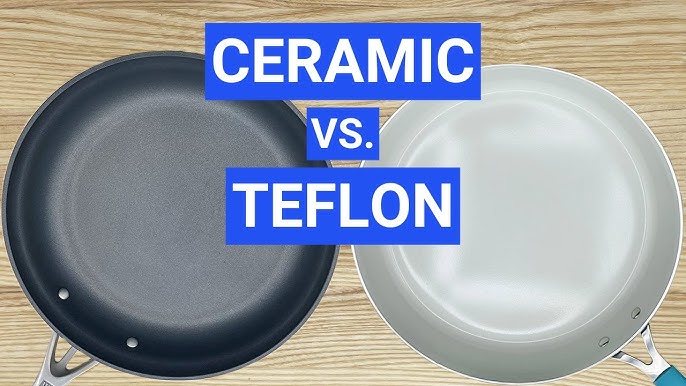
Ceramic cookware offers a non-toxic, eco-friendly alternative to Teflon, which contains chemicals that can be harmful when overheated. Both options provide non-stick surfaces, but they differ in durability and heat resistance.
Choosing the right cookware is essential for a healthy kitchen. Ceramic cookware is made from natural materials, making it a safer choice for cooking. It often features a smooth, non-stick surface that requires less oil, promoting healthier meals. Teflon, on the other hand, is a synthetic coating known for its effective non-stick properties.
While Teflon cookware is often more affordable, it can release toxic fumes at high temperatures. Understanding the differences between ceramic and Teflon cookware helps you make an informed decision for your culinary needs, ensuring you choose the best option for your cooking style and health.
Introduction To Ceramic And Teflon Cookware
Ceramic and Teflon cookware are popular choices in modern kitchens. Both options provide non-stick surfaces that make cooking easier. Understanding their differences helps you choose the best one for your needs.
The Rise Of Non-stick Surfaces
The demand for non-stick cookware has skyrocketed in recent years. Home cooks seek convenience and ease. Non-stick surfaces reduce the need for oil and make cleaning simple.
Ceramic and Teflon have emerged as top contenders. Each offers unique benefits and drawbacks. Here’s a quick comparison:
| Feature | Ceramic Cookware | Teflon Cookware |
|---|---|---|
| Material | Natural clay | PTFE (Polytetrafluoroethylene) |
| Durability | Moderate | High |
| Heat Resistance | Up to 450°F | Up to 500°F |
| Safety | Free from harmful chemicals | May release toxins if overheated |
Popular Brands And Models
Several brands dominate the ceramic and Teflon cookware market. Each brand offers unique features and styles. Here are some popular choices:
- Ceramic Cookware Brands:
- GreenLife
- Blue Diamond
- Cuisinart
- Teflon Cookware Brands:
- Calphalon
- Farberware
- Scanpan
Choosing between ceramic and Teflon depends on personal preferences. Consider factors like safety, durability, and cooking style. Your decision will impact your cooking experience.
:max_bytes(150000):strip_icc()/Ceramic-Vs-Nonstick-a6402473941449128c1434e9bac32d24.jpg)
Credit: www.thespruceeats.com
The Basics Of Ceramic Cookware
Ceramic cookware is popular for its non-stick properties. It offers a safe alternative to traditional non-stick pans. Made from natural materials, it is free from harmful chemicals. Many people prefer ceramic for healthier cooking.
Composition And Manufacturing
Ceramic cookware is made from clay and minerals. Here are the key steps in its manufacturing:
- Raw Materials: Clay, quartz, and feldspar are mixed.
- Shaping: The mixture is shaped into cookware forms.
- Firing: The shaped cookware is heated in a kiln.
- Glazing: A ceramic glaze is applied for a smooth finish.
- Final Firing: The glazed cookware is fired again for durability.
This process creates a strong and durable cooking surface. The non-stick properties come from the glaze.
Key Features And Benefits
Ceramic cookware has many features that make it appealing:
- Non-stick surface: Food slides off easily.
- Heat resistance: Can withstand high temperatures.
- Even heating: Cooks food uniformly.
- Easy to clean: Just wipe with a damp cloth.
- Eco-friendly: Made from natural materials.
Benefits of using ceramic cookware include:
| Benefit | Description |
|---|---|
| Healthier Cooking | No toxic chemicals leach into food. |
| Versatility | Suitable for stovetops and ovens. |
| Aesthetic Appeal | Available in various colors and designs. |
Ceramic cookware combines functionality with style. It is a great choice for many kitchens.
Understanding Teflon Cookware
Teflon cookware is popular for its non-stick properties. It allows food to cook evenly without sticking. This feature makes cooking and cleaning much easier.
What Makes Teflon Unique
Teflon is a brand name for polytetrafluoroethylene (PTFE). This chemical creates a smooth, non-stick surface. Here are some key characteristics:
- Non-stick surface: Food slides off easily.
- Durability: Teflon is resistant to scratches and wear.
- Heat resistance: Teflon can withstand high cooking temperatures.
- Easy to clean: A simple wipe is often enough.
Pros And Cons
Teflon cookware has both advantages and disadvantages. Here’s a breakdown:
| Pros | Cons |
|---|---|
| Food doesn’t stick easily. | Can release toxic fumes at very high temperatures. |
| Easy to clean and maintain. | Requires careful handling to avoid scratches. |
| Lightweight and easy to use. | Not safe for metal utensils. |
Choosing Teflon cookware depends on your cooking style. Evaluate the pros and cons to find what suits you best.
Health And Safety Concerns
Choosing cookware involves understanding health and safety. Two popular options are ceramic and Teflon. Each has its own benefits and risks. Knowing these helps you make informed decisions.
Debunking Myths About Teflon
Teflon cookware often faces criticism. Some common myths are misleading:
- Myth 1: Teflon releases harmful chemicals.
- Myth 2: Teflon causes cancer.
- Myth 3: Teflon is unsafe at high temperatures.
In reality, Teflon is safe to use. The coating can withstand high heat. It doesn’t break down easily. Modern Teflon is free from harmful chemicals like PFOA.
Ceramic Cookware’s Health Benefits
Ceramic cookware offers several health advantages:
- Non-toxic materials
- No harmful chemicals released
- Scratch-resistant surface
- Easy to clean
Ceramic is made from natural materials. It’s a safe alternative to traditional non-stick cookware. Many people prefer ceramic for its eco-friendly properties.
Choose cookware wisely for health and safety. Understanding both options helps in making the right choice.
Durability And Lifespan
Choosing between Ceramic and Teflon cookware requires understanding their durability and lifespan. Each material has unique properties affecting how long it lasts. Knowing these differences helps you make better cooking choices.
Comparing The Durability Of Teflon And Ceramic
Teflon cookware is known for its non-stick properties. It is lightweight and easy to handle. However, it can scratch easily. Using metal utensils can damage the surface.
Ceramic cookware offers more durability. It is resistant to scratches and stains. Its non-stick surface is made from natural materials, making it safer. Ceramic can withstand higher temperatures than Teflon.
| Feature | Teflon | Ceramic |
|---|---|---|
| Durability | Moderate | High |
| Scratch Resistance | Low | High |
| Heat Resistance | Low | High |
| Weight | Light | Medium |
Tips For Extending Cookware Life
- Use wooden or silicone utensils. Avoid metal to prevent scratches.
- Hand wash your cookware. Use mild soap and soft sponges.
- Store carefully. Place kitchen towels between pans to avoid scratches.
- Avoid high heat. Use low to medium settings for cooking.
- Regularly inspect your cookware. Look for signs of wear and tear.
Credit: m.youtube.com
Ease Of Use And Maintenance
Choosing between ceramic and Teflon cookware affects your cooking experience. Both types offer unique features. Understanding their maintenance needs helps you make the best choice.
Cleaning And Care Instructions
Cleaning and caring for your cookware is essential for longevity. Here’s how to care for each type:
| Cookware Type | Cleaning Instructions | Care Tips |
|---|---|---|
| Ceramic |
|
|
| Teflon |
|
|
Impact On Cooking Efficiency
Cooking efficiency varies between ceramic and Teflon cookware. Each has its benefits:
- Ceramic cookware:
- Even heat distribution improves cooking results.
- Non-stick surface reduces food sticking.
- Teflon cookware:
- Quick heating saves time.
- Food slides off easily, making cooking faster.
Both types require careful use to maintain efficiency. Avoid using metal utensils to protect the surface.
Environmental Impact
The choice between ceramic and Teflon cookware affects our planet. Understanding their environmental impact helps consumers make better choices. This section explores the eco-friendliness of materials and sustainability practices in production.
Eco-friendliness Of Materials
Both ceramic and Teflon cookware have different environmental footprints.
- Ceramic Cookware: Made from natural clay, sand, and minerals.
- Non-toxic: Free from harmful chemicals like PFOA and PTFE.
- Biodegradable: Can decompose if discarded properly.
Teflon cookware has a different composition:
- Teflon: Made from polytetrafluoroethylene (PTFE).
- Non-biodegradable: Can persist in the environment for years.
- Potentially harmful: Production may release toxic chemicals.
| Material | Eco-friendliness | Biodegradability |
|---|---|---|
| Ceramic | Natural, non-toxic | Yes |
| Teflon | Chemical-based | No |
Sustainability Practices In Production
Manufacturing methods impact environmental sustainability. Both cookware types have unique practices.
- Ceramic Cookware:
- Uses natural materials.
- Processes are energy-efficient.
- Often produced in eco-friendly facilities.
- Teflon Cookware:
- Manufacturing can be energy-intensive.
- May involve harmful chemicals.
- Recycling options are limited.
Choosing ceramic cookware promotes a healthier planet. Supporting sustainable practices is essential for future generations.

Credit: prudentreviews.com
Price Comparison And Value For Money
Choosing between Ceramic and Teflon cookware often boils down to price and value. Understanding cost helps buyers make informed decisions. Both options offer unique features but vary greatly in price.
Analyzing The Cost-benefit Ratio
The cost-benefit ratio examines what you gain for what you spend. Here’s a breakdown:
| Cookware Type | Average Price Range | Durability | Maintenance Cost | Health Safety |
|---|---|---|---|---|
| Ceramic | $20 – $100 | Medium | Low | High |
| Teflon | $15 – $80 | Low | Medium | Medium |
Ceramic cookware usually costs more. It offers better health safety. Teflon is cheaper but less durable. Consider these factors for value.
Recommendations For Budget-conscious Buyers
Budget-conscious buyers can still find great cookware options. Here are some tips:
- Look for sales and discounts online.
- Consider buying set packages for better value.
- Check for customer reviews on durability.
- Choose brands known for quality and affordability.
- Invest in a few key pieces instead of a full set.
Prioritize durability and safety over price. This ensures you save money long-term. Make informed choices to maximize your budget.
Consumer Reviews And Feedback
Understanding what users think about cookware helps guide choices. Many consumers share their experiences with both ceramic and Teflon cookware. Reviews highlight performance, durability, and health concerns.
What Users Say About Ceramic
Users appreciate ceramic cookware for its non-toxic nature. Many reviews praise its ability to cook food evenly. Here are some key points from consumer feedback:
- Non-stick quality: Most users find it effective.
- Easy to clean: Users like the simple maintenance.
- Heat retention: Many note it holds heat well.
- Durability: Some report chipping over time.
- Color variety: Consumers enjoy various designs.
Some consumers mention that ceramic can be less durable than other options. Users advise avoiding metal utensils to prevent scratching. Overall, many love the health benefits of ceramic cookware.
What Users Say About Teflon
Teflon cookware receives mixed reviews. Many users appreciate its excellent non-stick properties. Here are important insights from users:
- Non-stick performance: Highly rated for easy food release.
- Affordability: Often cheaper than ceramic options.
- Lightweight: Users enjoy its easy handling.
- Health concerns: Some worry about chemicals.
- Durability: Users report scratches over time.
Many consumers recommend using wooden or silicone utensils. This helps to preserve the Teflon coating. Overall, users love the convenience but are cautious about long-term safety.
Conclusion: Making The Right Choice For Your Kitchen
Choosing the right cookware is essential for your kitchen. Both ceramic and Teflon cookware have unique features. Understanding these can help you make an informed decision.
Summarizing Key Points
- Ceramic cookware is often more durable and eco-friendly.
- Teflon cookware offers excellent non-stick properties.
- Ceramic can withstand high temperatures better than Teflon.
- Teflon is easier to clean but may wear off over time.
- Ceramic is free from harmful chemicals, making it safer.
Personal Recommendations And Final Thoughts
Consider your cooking style before choosing. If you prefer easy clean-up, Teflon might suit you. If you value durability and safety, choose ceramic.
- For frequent frying or sautéing, go with Teflon.
- For baking or high-heat cooking, select Ceramic.
- Always check for scratch resistance in Teflon products.
- Look for certified ceramic to ensure quality and safety.
Your choice affects both health and cooking experience. Evaluate your needs carefully. Both types have their pros and cons. Choose wisely to enhance your cooking adventures.
Frequently Asked Questions
What Is Better: Ceramic Or Teflon Cookware?
The choice between ceramic and Teflon cookware depends on personal preferences. Ceramic cookware is often considered safer and more environmentally friendly. Teflon offers excellent non-stick properties and is easier to clean. However, it may release harmful chemicals at high temperatures.
Consider your cooking style and health concerns when choosing.
Is Ceramic Cookware Safe To Use?
Yes, ceramic cookware is generally safe for cooking. It is free from harmful chemicals like PFOA and PTFE. Additionally, ceramic materials can withstand high temperatures without releasing toxins. However, ensure you purchase high-quality ceramic products to avoid low-grade materials that may pose health risks.
How Long Does Teflon Cookware Last?
Teflon cookware typically lasts between three to five years. Its lifespan depends on usage and care. Proper maintenance, like using low to medium heat and non-metal utensils, can extend its life. Over time, the non-stick coating may wear off, affecting its performance and safety.
Can I Use Metal Utensils On Ceramic Cookware?
Using metal utensils on ceramic cookware is not recommended. Metal can scratch and damage the ceramic surface, reducing its non-stick properties. Instead, opt for silicone, wooden, or plastic utensils to preserve the integrity of your ceramic cookware and ensure longevity.
Conclusion
Choosing between ceramic and Teflon cookware depends on your cooking style and preferences. Ceramic offers a natural, non-toxic option with great heat retention. Teflon, on the other hand, provides excellent non-stick properties for easy food release. Consider your needs carefully to make the best choice for your kitchen.

Leave a Reply