
Ceramic cookware offers a non-stick surface that is ideal for healthy cooking, while stainless steel is durable and resistant to scratching. Each type has unique benefits, making them suitable for different cooking needs.
Ceramic Vs Stainless Steel Cookware:Choosing the right cookware can significantly impact your culinary experience. Ceramic cookware is praised for its non-toxic, non-stick properties, making it perfect for low-fat cooking. It heats evenly and is easy to clean, promoting healthier meal preparation. On the other hand, stainless steel is renowned for its durability and versatility.
It withstands high temperatures and doesn’t react with acidic foods, ensuring a safe cooking environment. Understanding the strengths and weaknesses of both options helps you select the best cookware for your kitchen. Consider your cooking style and preferences to make an informed choice that enhances your culinary adventures.
Ceramic Vs Stainless Steel Cookware
Choosing between ceramic and stainless steel cookware can be tough. Each option has unique benefits. Understanding these materials helps in making the best choice.
Introduction To Material Choices In Cookware
Ceramic cookware is made from clay. It is often coated with a glaze. This makes it non-stick and easy to clean. Stainless steel cookware is made from a mix of metals. It is durable and resistant to rust. Both materials offer different cooking experiences.
| Feature | Ceramic Cookware | Stainless Steel Cookware |
|---|---|---|
| Durability | Moderate | High |
| Non-Stick | Yes | No |
| Heat Conductivity | Good | Excellent |
| Price | Affordable | Varies |
Key Factors In Cookware Selection
- Cooking Style: Choose based on your methods.
- Health Considerations: Non-stick options may be better.
- Maintenance: Consider how easy it is to clean.
- Budget: Look for options within your price range.
- Think about what you cook most.
- Check if you need non-stick features.
- Decide how much care you want to give.
- Set a budget before shopping.
Understanding these factors helps in making the right choice. Both ceramic and stainless steel cookware have their pros and cons. Pick the one that fits your cooking needs best.
History And Evolution Of Cookware Materials
Cookware materials have changed greatly over time. From simple pots to advanced designs, each era brought new innovations. Understanding this evolution helps us choose the best cookware today.
Ancient Cookware To Modern Kitchen
Cookware dates back thousands of years. Early humans used natural materials for cooking. Here’s a brief timeline of cookware evolution:
- Stone Age: Early humans used hot stones.
- Bronze Age: Metal pots emerged, made from bronze.
- Middle Ages: Cast iron became popular in Europe.
- 19th Century: Enamel-coated cookware appeared.
- 20th Century: Stainless steel and non-stick surfaces gained fame.
Each phase brought improvements in cooking efficiency. Ancient cookware was heavy but durable. Modern materials like ceramic and stainless steel offer better options.
Technological Advances In Cookware
Modern technology has transformed cookware significantly. Innovations focus on safety, efficiency, and ease of use. Here are some key advancements:
| Material | Features | Advantages |
|---|---|---|
| Ceramic | Non-toxic, non-stick surface | Easy to clean, great for health |
| Stainless Steel | Durable, resistant to rust | Long-lasting, versatile for cooking |
New coatings and materials enhance both types. Non-stick coatings reduce food sticking. Advanced designs improve heat distribution and cooking speed.
- Smart cookware connects to apps.
- Induction-compatible materials are now common.
- Eco-friendly options are available.
Understanding these advancements helps you make informed decisions. Choosing the right cookware boosts your cooking experience.
The Basics Of Ceramic Cookware
Ceramic cookware is popular for its non-stick properties and vibrant colors. It is made from clay and often coated with a glaze. This cookware is a great option for home cooks. Understanding its features helps in making the right choice.
What Is Ceramic Cookware?
Ceramic cookware is made from natural clay that is fired at high temperatures. This process makes it durable and heat-resistant. Many ceramic pots and pans have a non-stick surface.
- Types include bakeware, saucepans, and frying pans.
- Some are coated with a ceramic non-stick layer.
- They come in various colors and designs.
Pros And Cons Of Ceramic Cookware
| Pros | Cons |
|---|---|
| Non-stick surface reduces the need for oil. | Can chip or scratch easily if mishandled. |
| Safe for health; free from harmful chemicals. | Requires gentle cleaning to maintain quality. |
| Even heat distribution helps cook food evenly. | Not suitable for high-heat cooking. |
| Available in many colors, enhancing kitchen decor. | Can be more expensive than other cookware options. |
Choosing ceramic cookware can be beneficial. It offers a healthy cooking experience. Consider the pros and cons before making a decision.
The Fundamentals Of Stainless Steel Cookware
Stainless steel cookware is popular among chefs and home cooks. It offers durability and versatility. Understanding its fundamentals helps make informed choices.
Characteristics Of Stainless Steel
Stainless steel has unique features that make it a favorite for cookware. Here are some key characteristics:
- Durability: Resistant to scratches and dents.
- Non-reactive: Safe for cooking acidic foods.
- Heat conductivity: Heats evenly with a copper or aluminum core.
- Easy to clean: Dishwasher safe and stain resistant.
- Attractive appearance: Sleek and modern look.
Advantages And Drawbacks Of Stainless Steel
Stainless steel cookware has both benefits and drawbacks. Knowing these helps in decision-making.
| Advantages | Drawbacks |
|---|---|
| Durable and long-lasting | Can be expensive |
| Even heat distribution | Food may stick without proper oiling |
| Non-reactive with food | Heavy compared to other materials |
| Versatile for various cooking methods | Requires careful maintenance to avoid scratches |
Understanding these aspects helps you choose the right cookware for your kitchen. Stainless steel is a solid choice for many cooking tasks.
Heat Conductivity And Cooking Performance
Choosing between ceramic and stainless steel cookware involves understanding their heat conductivity and cooking performance. These factors greatly affect cooking results. Let’s dive into how each material performs in the kitchen.
Ceramic Heat Distribution
Ceramic cookware offers excellent heat distribution. It ensures even cooking across the surface. Key benefits include:
- Consistent temperatures for better cooking results
- Less chance of hot spots that can burn food
- Ability to retain heat well for slow cooking
Ceramic surfaces are also non-stick. This feature makes cooking and cleaning easier. However, high heat can damage ceramic coatings. Avoid overheating to maintain its integrity.
Stainless Steel Heat Retention
Stainless steel cookware excels in heat retention. It keeps food warm for longer periods. Here are some advantages:
- Quickly reaches high temperatures
- Even heating when combined with aluminum or copper
- Durability under high heat settings
Stainless steel does not react with acidic foods. This property maintains flavor and nutrition. It is perfect for browning and searing meats. Proper preheating enhances cooking performance.
| Feature | Ceramic Cookware | Stainless Steel Cookware |
|---|---|---|
| Heat Distribution | Excellent | Good (with aluminum/copper) |
| Heat Retention | Moderate | Excellent |
| Non-Stick | Yes | No |
| Durability | Can chip | Very durable |
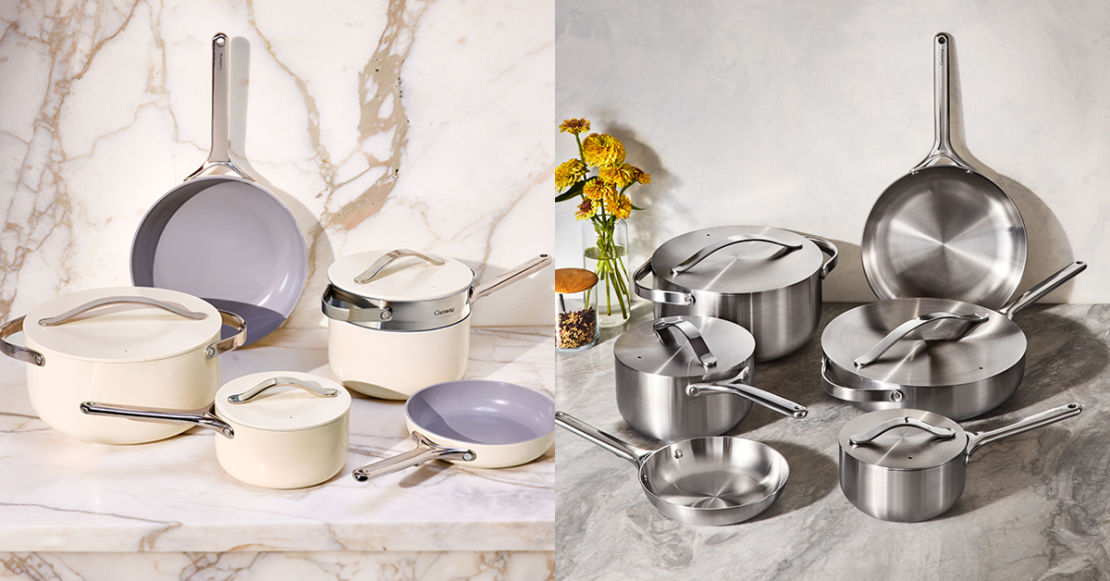
Credit: www.carawayhome.com
Durability And Maintenance
Choosing between ceramic and stainless steel cookware involves understanding durability and maintenance. Each material offers unique advantages. Knowing these can help you make the best choice for your kitchen.
Lifespan Of Ceramic Cookware
Ceramic cookware is known for its elegant design. However, it may not last as long as stainless steel. Here are some key points:
- Average lifespan: 5 to 10 years.
- Prone to chipping and cracking.
- High-quality brands offer better durability.
To extend the life of ceramic cookware:
- Avoid using metal utensils.
- Hand wash instead of using a dishwasher.
- Store carefully to prevent scratches.
Caring For Stainless Steel
Stainless steel cookware is famous for its durability. It can withstand high temperatures and resist rust. Here’s how to care for it:
| Care Tip | Details |
|---|---|
| Cleaning | Use warm, soapy water. Avoid abrasive cleaners. |
| Scratches | Use a soft sponge to prevent scratching. |
| Storage | Stack with care to avoid dents. |
Stainless steel cookware can last a lifetime with proper care. It resists stains and maintains a polished look.
Health And Safety Considerations
Choosing the right cookware impacts health and safety. The materials used can influence your food’s safety. Ceramic and stainless steel each have unique qualities. Understanding these can help in making informed choices.
Ceramic Non-toxicity
Ceramic cookware is known for its non-toxic properties. It is free from harmful chemicals. Many ceramic options are made from natural materials. This makes them safe for cooking.
- No release of harmful substances during cooking.
- Resistant to scratching and peeling.
- Safe for high-temperature cooking.
Some ceramic cookware contains lead or cadmium. Always check for safety certifications. Look for brands that ensure non-toxic ingredients.
Safety Features Of Stainless Steel
Stainless steel cookware is durable and safe. It does not react with food. This prevents leaching of chemicals into your meals.
| Feature | Benefit |
|---|---|
| Non-reactive | Safe for acidic foods. |
| Durable | Lasts for many years. |
| Easy to clean | Prevents bacteria growth. |
Look for high-quality stainless steel. It should contain at least 18% chromium and 8% nickel. These elements enhance durability and safety.
Cost Comparison And Value For Money
Understanding the cost of cookware helps make wise choices. Both ceramic and stainless steel have unique benefits. Price often reflects the quality and durability of the materials.
Price Range Of Ceramic Options
Ceramic cookware offers a wide price range. Here’s a quick overview:
| Type | Price Range |
|---|---|
| Basic Ceramic | $20 – $50 |
| Mid-Range Ceramic | $50 – $100 |
| High-End Ceramic | $100+ |
Basic options are affordable. Mid-range choices offer better quality. High-end ceramics provide excellent performance but at a higher cost.
Investing In Stainless Steel
Stainless steel cookware tends to be pricier. However, the investment pays off in the long run.
- Durability: Lasts longer than many other materials.
- Versatility: Works on all stovetops, including induction.
- Maintenance: Easy to clean and resistant to scratches.
Typical price ranges for stainless steel options:
| Type | Price Range |
|---|---|
| Basic Stainless Steel | $30 – $70 |
| Mid-Range Stainless Steel | $70 – $150 |
| High-End Stainless Steel | $150+ |
Basic stainless options are budget-friendly. Mid-range offers better heat distribution. High-end brands deliver top performance.
Environmental Impact And Sustainability
Choosing cookware affects our planet. Both ceramic and stainless steel have different environmental impacts. Understanding these impacts helps make better choices for sustainability.
Eco-friendliness Of Ceramic
Ceramic cookware is made from natural materials. This makes it a more sustainable option.
- Manufactured using clay and minerals
- Free from toxic chemicals
- Non-stick surfaces often use less oil
Ceramic cookware is biodegradable. If broken, it can return to nature without harm. This is an eco-friendly choice for cooking.
Recyclability Of Stainless Steel
Stainless steel is highly recyclable. It can be melted down and reused indefinitely. This reduces waste in landfills.
| Feature | Ceramic | Stainless Steel |
|---|---|---|
| Source Materials | Natural | Metal Alloys |
| Recyclability | No | Yes |
| Toxic Chemicals | No | Usually No |
| Longevity | Medium | High |
Investing in stainless steel helps reduce environmental impact. Choose stainless steel for long-lasting and recyclable cookware.
Real User Experiences And Reviews
Understanding cookware choices can be difficult. Real user experiences provide valuable insights. Let’s explore what people think about ceramic and stainless steel cookware.
Testimonials On Ceramic Cookware
Many users love ceramic cookware for various reasons. Here are some testimonials:
- Maria S.: “I love my ceramic pots! They heat evenly and look great.”
- James T.: “Food doesn’t stick, and clean-up is easy.”
- Linda K.: “I appreciate the non-toxic materials. It feels safer for my family.”
Here’s a table summarizing common praises:
| Benefit | User Comments |
|---|---|
| Easy to Clean | “Food slides right off!” |
| Even Heating | “No hot spots while cooking.” |
| Attractive Design | “They brighten up my kitchen!” |
Feedback From Stainless Steel Users
Stainless steel cookware also has many fans. Users share their experiences:
- Tom R.: “Stainless steel is durable and lasts for years.”
- Susan L.: “It can handle high heat, perfect for searing meats.”
- Kevin P.: “I love the professional look and feel of my pans.”
Here’s what users commonly mention:
- Durability: Lasts longer than other materials.
- Versatility: Suitable for all cooking methods.
- Easy Maintenance: Simple to clean and maintain.
Making The Right Choice For Your Kitchen
Choosing between ceramic and stainless steel cookware can be tough. Both options have unique benefits. Understanding your cooking style helps in making the best choice. Each type has its pros and cons. Let’s explore these aspects to find what suits you best.
Considerations For Personal Cooking Style
Your cooking habits shape your cookware choice. Here are some key points to think about:
- Type of Cooking: Do you bake, sauté, or simmer?
- Heat Sensitivity: Ceramic handles high heat well, while stainless steel heats quickly.
- Food Type: Acidic foods may react with stainless steel.
- Cleanup: Ceramic is often easier to clean.
- Durability: Stainless steel lasts longer under tough conditions.
Compatibility With Kitchen Appliances
Check the compatibility of your cookware with your appliances. Different materials work with different appliances.
| Cookware Type | Oven | Stovetop | Induction |
|---|---|---|---|
| Ceramic | Yes | Yes | No |
| Stainless Steel | Yes | Yes | Yes |
Stainless steel works on all heat sources, including induction. Ceramic is great for ovens and stovetops, but not induction. Choose based on your appliances to avoid issues.
Ceramic vs. Stainless Steel Cookware: An In-Depth Comparison
When selecting cookware, two popular choices that often arise are ceramic and stainless steel. Each type of cookware comes with its own set of advantages and disadvantages, making it crucial to grasp the differences before making a purchase. This guide will explore the material properties, cooking performance, durability, maintenance, and safety features of both ceramic and stainless steel cookware.
Material Properties
Ceramic Cookware
- Composition: Made from clay that is fired at high temperatures and finished with a non-stick glaze.
- Heat Retention: Ceramic cookware excels at retaining heat, which contributes to consistent cooking results.
- Non-Stick Surface: The non-stick coating allows for cooking with minimal oil and simplifies the cleanup process.
- Variety: Available in a wide range of colors and designs, enhancing the aesthetic appeal of your kitchen.
Stainless Steel Cookware
- Composition: Constructed from steel with an addition of chromium, which provides resistance to rust and corrosion.
- Heat Conductivity: While stainless steel itself does not conduct heat as effectively as some materials, many stainless steel pans incorporate an aluminum or copper core for improved heat distribution.
- Durability: Highly resistant to scratching, denting, and rust, making it a long-lasting option.
- Neutral Taste: Does not react with acidic or alkaline foods, ensuring the flavor of your dishes remains unaffected.
Cooking Performance
| Feature | Ceramic Cookware | Stainless Steel Cookware |
|---|---|---|
| Heat Distribution | Good, but may be uneven without proper preheating | Excellent, particularly with an aluminum or copper core |
| Non-stick Capability | Naturally non-stick (with proper care) | Requires oil or butter to prevent sticking |
| Versatility | Best for low to medium heat; not suitable for high-heat cooking | Suitable for all cooking methods, including high-heat searing |
| Oven Safety | Generally oven-safe; verify the specific brand | Oven-safe up to high temperatures (usually 500°F or higher) |
Durability and Maintenance
Ceramic Cookware
- Durability: More susceptible to chipping or cracking than stainless steel, especially if dropped or exposed to sudden temperature changes.
- Maintenance: Requires gentle cleaning; it is advisable to avoid abrasive sponges and harsh detergents. Handwashing is typically recommended.
- Lifespan: Generally has a shorter lifespan compared to stainless steel, particularly if the non-stick coating deteriorates over time.
Stainless Steel Cookware
- Durability: Extremely durable and resistant to scratches, dents, and rust; can last a lifetime with proper care.
- Maintenance: Easy to clean, dishwasher safe, and can endure abrasive cleaning methods. Some discoloration may occur over time, but this does not impact performance.
- Lifespan: Renowned for its longevity, stainless steel cookware can last for decades.
Safety
Ceramic Cookware
- Non-Toxic: Most ceramic cookware is free from harmful chemicals like PFOA and PTFE, making it a safer option for health-conscious consumers.
- Temperature Resistance: Can withstand high temperatures, although sudden temperature shifts may cause cracking.
Stainless Steel Cookware
- Non-Reactive: Safe for cooking all types of food, including acidic ingredients like tomatoes and citrus.
- No Coatings: Typically free from non-stick coatings, making it a suitable choice for those wary of chemical exposure.
Conclusion And Final Thoughts
Choosing between ceramic and stainless steel cookware can be tricky. Each type has its own benefits and drawbacks. Understanding these can help you make the right choice.
Summarizing Key Points
- Ceramic Cookware: Non-stick surface, easy to clean.
- Stainless Steel Cookware: Durable, resistant to scratches.
- Heat Conductivity: Stainless steel heats evenly; ceramic offers quick heat.
- Versatility: Stainless steel can handle high temperatures; ceramic is best for low to medium heat.
- Health Factor: Ceramic is free from harmful chemicals; stainless steel is safe and sturdy.
Recommendations For Cookware Buyers
When selecting cookware, consider the following:
- Cooking Style: Choose based on what you cook most.
- Budget: Ceramic is often cheaper; stainless steel may last longer.
- Maintenance: Ceramic requires careful handling; stainless steel is more forgiving.
- Longevity: Stainless steel cookware typically lasts longer than ceramic.
Always read reviews. Talk to friends and family. Your choice should fit your cooking needs and lifestyle. Both types can enhance your kitchen experience.
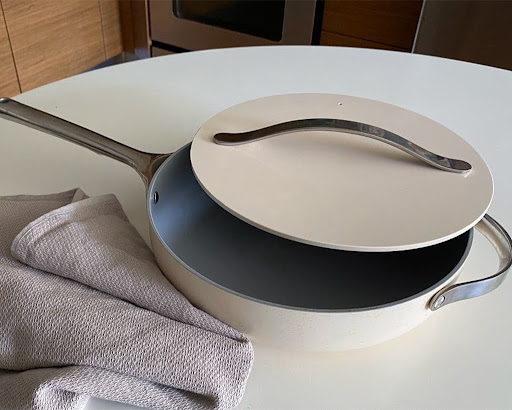
Credit: www.carawayhome.com
Frequently Asked Questions
What Are The Benefits Of Ceramic Cookware?
Ceramic cookware is non-stick and free from harmful chemicals. It distributes heat evenly, making cooking efficient. Additionally, it is lightweight and easy to clean. Many ceramic options are also aesthetically pleasing, adding a pop of color to your kitchen. Overall, ceramic cookware offers both safety and style.
Is Stainless Steel Cookware Better Than Ceramic?
Stainless steel cookware is durable and resistant to scratches. It heats quickly and can withstand high temperatures. Unlike ceramic, stainless steel is not prone to chipping. However, it may require more oil to prevent sticking. Both materials have their advantages, depending on your cooking style and needs.
How Do I Maintain Ceramic Cookware?
To maintain ceramic cookware, avoid using metal utensils that can scratch the surface. Clean with a soft sponge and mild detergent. Avoid high heat settings to prevent damage. Store carefully to prevent chipping. Following these tips will prolong the life of your ceramic cookware significantly.
Can You Use Stainless Steel On Induction Cooktops?
Yes, stainless steel cookware is often compatible with induction cooktops. However, it must have a magnetic base to work effectively. Many manufacturers label their products as induction-ready. Using the right cookware ensures efficient heating and cooking on induction surfaces. Always check compatibility before purchasing.
Conclusion
Choosing between ceramic and stainless steel cookware depends on your cooking style and preferences. Each material has unique benefits. Ceramic offers non-stick convenience, while stainless steel provides durability and excellent heat retention. Understanding these differences will help you make an informed decision that enhances your culinary experience.
Happy cooking!

Leave a Reply