

Ceramic cookware can pose dangers such as chipping and releasing harmful substances at high temperatures. While many brands are safe, some lower-quality options may contain toxic materials.
Ceramic cookware has gained popularity for its aesthetic appeal and non-stick properties. Many people choose it for healthier cooking, assuming it is completely safe. However, not all ceramic cookware is created equal. Some products contain harmful chemicals that can leach into food, especially when overheated.
Chipping and scratching can also release particles into meals, raising health concerns. Understanding these potential dangers helps consumers make informed choices. This article explores the risks associated with ceramic cookware and offers tips for selecting safer options, ensuring your cooking experience remains enjoyable and healthy.
Introduction To Ceramic Cookware
Ceramic cookware has gained popularity in recent years. Many people love its vibrant colors and non-stick qualities. It seems like a healthy alternative to traditional cookware. But what are the real dangers of using ceramic pots and pans?
Popularity And Appeal
Ceramic cookware appeals to many home cooks for several reasons:
- Non-toxic materials: Many ceramic cookware brands claim to be free of harmful chemicals.
- Variety of designs: Available in many colors and styles.
- Easy to clean: Non-stick surface makes cleaning simple.
- Even heat distribution: Cooks food evenly without hot spots.
These features make ceramic cookware a favorite choice for many kitchens. However, it is essential to understand the potential risks involved.
Common Misconceptions
Several myths surround ceramic cookware:
- All ceramic cookware is safe: Not all brands use safe materials. Some may contain heavy metals.
- It is completely non-stick: Over time, the non-stick coating can wear off.
- High heat is okay: Some ceramic cookware cannot withstand high temperatures.
- Durability: Ceramic cookware can chip or crack easily if mishandled.
Understanding these misconceptions helps consumers make informed choices. Always research before buying ceramic cookware to ensure safety.
Composition Of Ceramic Cookware
Ceramic cookware is popular for its non-stick features and aesthetic appeal. Understanding its composition is vital. Some materials can pose health risks. Knowing what ceramic cookware contains helps consumers make safe choices.
Materials Used
Ceramic cookware is often made from various materials. Here’s a list of common components:
- Clay: Natural material forms the base.
- Quartz: Adds strength and durability.
- Feldspar: Acts as a flux to lower melting temperature.
- Colorants: Provide aesthetics but can contain harmful substances.
Some ceramic cookware is coated with non-stick surfaces. These coatings can contain chemicals like PTFE or PFOA. These substances can release toxins at high temperatures.
Manufacturing Process
The manufacturing process of ceramic cookware involves several steps:
- Mixing: Ingredients are blended to form a paste.
- Shaping: The paste is molded into desired shapes.
- Drying: The shapes are dried to remove moisture.
- Firing: Cookware is heated in a kiln at high temperatures.
- Glazing: A glass-like coating is applied for non-stick properties.
Each step can influence the safety of the final product. Improper firing can lead to leaching of harmful materials. Consumers should choose reputable brands to minimize risks.
Potential Health Risks
Ceramic cookware is popular for its aesthetic appeal and non-stick properties. However, it poses some potential health risks. It is essential to understand these risks before using ceramic cookware in your kitchen.
Lead And Cadmium Leaching
Many ceramic cookware products contain lead or cadmium. These metals can leach into food during cooking. This is especially true for lower-quality ceramics. Here are some key points about lead and cadmium:
- Lead: Can cause serious health issues.
- Cadmium: Linked to kidney damage and cancer.
- High temperatures: Increase the risk of leaching.
- Old or damaged cookware: More likely to leach harmful substances.
Impact On Food Safety
Using ceramic cookware can affect food safety. Harmful metals can contaminate your meals. This can lead to long-term health effects. Here are some potential impacts on food safety:
| Risk Factor | Impact |
|---|---|
| Leaching of metals | Contaminated food and health issues |
| Cracks or chips | Increased risk of contamination |
| Improper use | Higher chance of leaching |
Always check the quality of your ceramic cookware. Choose products certified to be free of harmful substances. Prioritize safety in your kitchen for your health.
:max_bytes(150000):strip_icc()/caraway-nonstick-ceramic-cookware-set-12-piece-pots-pans-lids-and-kitchen-storage---non-toxic-ptfe--pfoa-free---oven-safe--compatible-with-14d214fd87a049d193500e67993f3348.jpg)
Credit: www.foodandwine.com
Environmental Concerns
Ceramic cookware is popular for its non-stick surface and aesthetic appeal. However, it raises significant environmental concerns. Understanding these issues is crucial for eco-conscious consumers.
Sustainability Of Materials
Ceramic cookware is often made from natural materials. These materials include clay, minerals, and sometimes, metals. The sustainability of these materials varies.
- Clay: Sourced from the earth, it is generally sustainable.
- Minerals: Extraction can cause environmental degradation.
- Metals: Some cookware uses metals that require mining.
Manufacturing processes also impact sustainability. High energy use in production contributes to carbon emissions. Choosing brands that prioritize eco-friendly practices can help.
End-of-life Disposal
Ceramic cookware has a unique disposal challenge. Unlike metals or plastics, ceramic does not decompose easily.
| Disposal Method | Environmental Impact |
|---|---|
| Landfill | Contributes to landfill waste. |
| Recycling | Limited options for ceramic recycling. |
| Incineration | Releases pollutants into the air. |
Proper disposal is essential. Consider donating usable cookware. Research local recycling programs for ceramics.
Comparison With Other Cookware Materials
Understanding the dangers of ceramic cookware requires comparing it with other materials. Each type of cookware has unique properties. Some are safer, while others pose risks. Let’s explore metallic alternatives and non-stick surfaces.
Metallic Alternatives
Metal cookware includes stainless steel, cast iron, and aluminum. Each has its strengths and weaknesses.
| Metal Type | Pros | Cons |
|---|---|---|
| Stainless Steel |
|
|
| Cast Iron |
|
|
| Aluminum |
|
|
Non-stick Surfaces
Non-stick cookware is popular for easy cooking and cleaning. Common materials include Teflon and ceramic coatings.
- Teflon:
- Easy to use
- Releases food easily
- Safe at lower temperatures
- Ceramic Coatings:
- Made from silica
- Free from PTFE and PFOA
- Environmentally friendly
Both non-stick options can wear out. Overheating can release harmful chemicals. Choose wisely to avoid potential health risks.
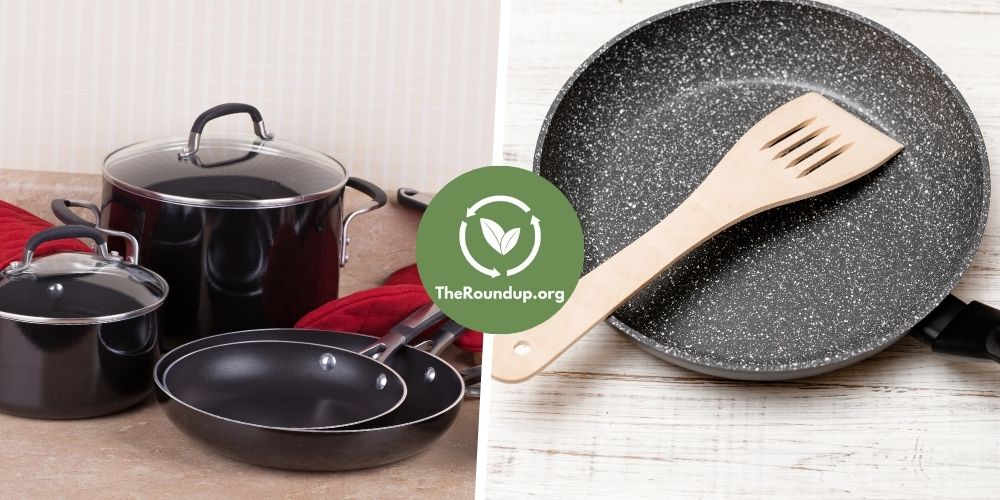
Credit: theroundup.org
Safe Usage Guidelines
Using ceramic cookware safely is important for your health. Follow these guidelines to avoid dangers and enhance your cooking experience.
Temperature Limits
Ceramic cookware can withstand high temperatures, but limits exist. Exceeding these limits may damage the cookware and release harmful substances.
| Cookware Type | Max Temperature (°F) |
|---|---|
| Non-stick ceramic | 500 |
| Oven-safe ceramic | 450 |
| Stovetop ceramic | 400 |
Always check the manufacturer’s instructions. Avoid sudden temperature changes to prevent cracking.
Maintenance And Care
Proper maintenance ensures the longevity of your ceramic cookware. Follow these tips:
- Use soft sponges for cleaning.
- Avoid metal utensils to prevent scratches.
- Store cookware carefully to avoid chipping.
- Hand wash instead of using a dishwasher.
Regular maintenance helps keep your cookware safe and functional. Inspect your ceramic cookware for any cracks or chips before use.
Regulations And Standards
Understanding the regulations and standards for ceramic cookware is crucial. These guidelines aim to protect consumers from potential hazards. Compliance ensures that products are safe for everyday use. Here, we explore international safety standards and certification processes.
International Safety Standards
Various international safety standards govern ceramic cookware. These standards ensure that products meet safety and quality requirements. Some key organizations include:
- ISO: International Organization for Standardization sets global safety benchmarks.
- FDA: The Food and Drug Administration regulates food contact materials in the USA.
- EU Regulations: European Union enforces strict safety measures for cookware.
These organizations evaluate materials and manufacturing processes. Their goal is to minimize risks associated with ceramic cookware.
Compliance And Certification
Compliance and certification play a vital role in ensuring safety. Manufacturers must adhere to specific guidelines. Certification shows that products meet established standards. Here are some important aspects:
| Certification | Description |
|---|---|
| FDA Approval | Ensures ceramic cookware is safe for food contact. |
| ISO 9001 | Focuses on quality management systems in manufacturing. |
| LFGB | German standard for food safety in cookware. |
Check for these certifications before purchasing ceramic cookware. They indicate that products have undergone rigorous testing. This helps ensure safety for you and your family.
Making An Informed Choice
Choosing the right ceramic cookware requires careful thought. Understanding the dangers helps consumers make better decisions. Consider quality, brand, and safety features. This choice impacts health and cooking experience.
Evaluating Brands And Quality
Not all ceramic cookware is created equal. Some brands prioritize safety and durability. Focus on the following factors:
- Certification: Look for safety certifications.
- Materials: Check if they use high-quality clay.
- Non-stick coating: Ensure it’s PFOA and PTFE free.
- Brand reputation: Research customer reviews and ratings.
Here’s a simple table to compare some popular ceramic cookware brands:
| Brand | Safety Certification | Quality Rating |
|---|---|---|
| GreenPan | FDA Approved | 4.5/5 |
| WearEver | PTFE Free | 4/5 |
| ScanPan | NSF Certified | 4.7/5 |
Balancing Benefits And Risks
Ceramic cookware offers benefits but has risks. It’s crucial to weigh both sides:
- Benefits:
- Non-toxic cooking surface.
- Even heat distribution.
- Easy to clean.
- Risks:
- Chipping or cracking over time.
- High temperatures may release harmful substances.
- Not suitable for metal utensils.
Consider your cooking habits. If you often use high heat, ceramic may not be ideal. Evaluate how you use cookware before making a purchase.

Credit: madeincookware.com
Frequently Asked Questions
What Are The Dangers Of Ceramic Cookware?
Ceramic cookware can pose risks if not used correctly. Some brands may contain harmful chemicals like lead or cadmium. Additionally, ceramic surfaces can chip or crack over time, releasing particles into food. Always choose high-quality, certified ceramic products to minimize these dangers and ensure safe cooking.
Is Ceramic Cookware Safe For Health?
Generally, ceramic cookware is considered safe for health. It is free from harmful chemicals like PFOA and PTFE found in some non-stick cookware. However, low-quality ceramic options may leach toxins when damaged. Always verify product safety certifications to ensure you are using healthy cookware for your meals.
Can Ceramic Cookware Handle High Heat?
Ceramic cookware can handle moderate to high heat, but caution is essential. Extreme temperatures can cause the ceramic to crack or chip. Always follow the manufacturer’s guidelines for temperature limits. Gradually increasing heat and avoiding direct flame can help maintain the integrity of your ceramic cookware.
How To Maintain Ceramic Cookware Properly?
To maintain ceramic cookware, avoid using metal utensils that can scratch the surface. Clean with non-abrasive sponges and mild detergents. Never use high heat settings unless specified by the manufacturer. Proper care extends the lifespan of your cookware and keeps it safe for cooking.
Conclusion
Choosing the right cookware is essential for your health and safety. While ceramic cookware offers many benefits, it’s crucial to be aware of its potential dangers. Always research brands and opt for high-quality options. Your cooking choices can impact your well-being, so stay informed and make smart decisions for your kitchen.

Leave a Reply