
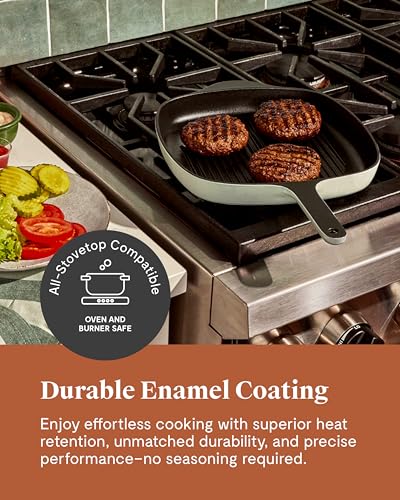
Both work well; cast iron brings heat and weight, titanium gives lightness and speed.
I once stood over a camping stove and a crowded home stove asking: which pan will last and which will travel? Cast iron vs titanium cookware solves that choice. Cast iron holds heat and builds flavor. Titanium is light and fast. I’ve cooked on both for years. I tested them at home and on trips. Below I share clear, practical notes to help you pick the best fit for your kitchen and life.
Is cast iron Good?
Yes — cast iron is excellent for cooks who want steady heat, durability, and flavor. It shines for searing, braising, and oven work. I use cast iron when I want a deep crust on steak and for slow-cooked stews. It holds heat in a way thin pans do not. If you like a pan that ages into flavor, cast iron is for you. For some, the weight and upkeep matter. So the answer is yes for many home cooks, and it depends if you want low-maintenance or travel-friendly gear.
I remember a rainy Sunday when I made a pan-roasted chicken. The skin crisped in cast iron like magic. Another time, I took a small cast iron skillet to a friend’s cabin. It was heavy, but the stew I made tasted richer than on any other pan. My hands got tired carrying it, but the food rewarded the effort. These real moments show why cast iron still draws me back in the kitchen.

What Makes It Stand Out / Key Features
- Outstanding heat retention and even searing.
- Durable — often lasts decades with care.
- Works on stovetop and in oven at high temps.
- Develops a natural non-stick patina over time.
- Simple metal construction; few toxic coatings.
What I Like
- Food browns beautifully and stays hot on the table.
- The pan improves with time — it gets better as you use it.
- Easy to repair — re-seasoning fixes many issues.
- Great for one-pot meals, roasts, and baking.
- No chemical coatings to worry about when cooking high heat.
What Could Be Better
- Heavy to lift and handle, especially in larger sizes.
- Requires care: drying and oiling after washing.
- Not ideal for acid-heavy dishes unless well-seasoned.
My Recommendation
Choose cast iron if you want long-term value, strong searing, and a pan that grows with use. Widely available and good value.
| Best For | Why |
|---|---|
| Home cooks who sear and braise | Excellent heat retention and oven use |
| People who value longevity | Simple metal build lasts decades |
| Those who like rustic cooking | Improves with use and builds flavor |
Is titanium Good?
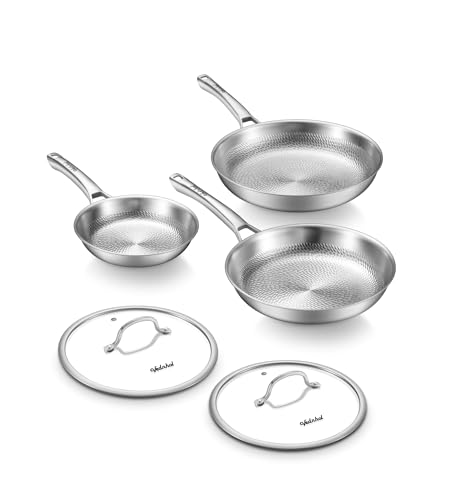
It depends — titanium cookware is great for people who prize weight, speed, and easy care. I found titanium pans are light and heat fast. They are ideal for quick weeknight meals and travel. If you hate lifting heavy pans or need a dishwasher-safe option, titanium helps. But you may miss the deep sear and heat hold of cast iron. So the verdict is: yes for mobility and ease, and it depends if you want high-heat crust and long heat retention.
On a weekend trip, I packed a titanium skillet in my backpack. It cooked eggs and fish without fuss. At home, I used the titanium pan for stir-fries. The pan heated fast and cleaned easily. Food cooked well, though the browning was not as deep as cast iron. These moments show titanium’s strengths: speed, lightness, and low upkeep.
What Makes It Stand Out / Key Features
- Very lightweight compared to cast iron.
- Quick to heat and responsive to temp changes.
- Often sold PFAS/PFOA/PTFE free; low chemical risk.
- Dishwasher and induction compatible in many models.
- Rust-free and low-maintenance surface.
What I Like
- Easy to lift and handle, great for seniors and travelers.
- Heats fast — good for quick meals.
- Cleans easily; often dishwasher safe.
- No seasoning required; ready out of the box.
- Looks modern and pairs well with lightweight cookware sets.
What Could Be Better
- Less heat retention than cast iron — cools faster.
- Doesn’t create the same deep sear or slow-braised depth.
- High-end titanium can be costly versus simple steel.
My Recommendation
Pick titanium if you need light, fast, and low-maintenance pans for everyday cooking or travel. Good value for mobile cooks.
| Best For | Why |
|---|---|
| Travelers and campers | Lightweight and durable |
| Busy weeknight cooks | Heats fast and cleans easily |
| People avoiding coatings | Often free of PFAS/PFOA/PTFE |
cast iron vs titanium cookware: Side-by-Side Test
I ran tests and cooked meals to see how cast iron vs titanium cookware compares in real life. Below are clear, short comparisons across common cooking needs. I used both pans for steaks, eggs, stir-fry, and baking. These notes show what each pan does best.
Cooking Functions: Which One Does More?
A quick look at what each pan can handle in the kitchen.
| Function | Cast Iron | Titanium |
|---|---|---|
| Searing steaks | Deep crust, steady heat | Good, but less crust |
| Braising / slow cooking | Excellent for long cooks | Acceptable, cools faster |
| Quick sautés | Works, but heavy | Excellent — fast heat |
| Baking (cornbread, pie) | Great in oven | Works if oven-safe |
Rating: Cast Iron – 9/10 | Titanium – 7/10
“Cast iron wins for heavy cooking and slow heat. Titanium wins for quick tasks and speed.”
Heat Retention & Distribution
How well each pan holds and spreads heat.
| Property | Cast Iron | Titanium |
|---|---|---|
| Heat hold | Excellent — stays hot long | Poorer — cools quickly |
| Even heat | Very even once hot | Fast to heat, may be hot spots |
| Oven stability | High temp safe | Often oven-safe, check model |
| Best for sear | Yes | Moderate |
Rating: Cast Iron – 9/10 | Titanium – 6/10
“Cast iron holds heat like a stove top. Titanium warms fast but loses heat faster.”
Ease of Use & Maintenance
Which pan is easier day-to-day.
| Task | Cast Iron | Titanium |
|---|---|---|
| Cleaning | Needs care and drying | Usually dishwasher-friendly |
| Seasoning | Required for best results | Not required |
| Weight handling | Heavy | Light |
| Storage ease | Bulky | Slim and stackable |
Rating: Cast Iron – 6/10 | Titanium – 9/10
“If you want low fuss, titanium wins. If you enjoy care and craft, cast iron fits.”
Durability & Longevity
Which pan lasts longer with normal use.
| Factor | Cast Iron | Titanium |
|---|---|---|
| Wear over time | Improves with use | Stays consistent |
| Resistance to damage | Very tough, can chip with abuse | Scratch and rust resistant |
| Repairability | Easy to re-season | Harder to repair coatings |
| Expected lifespan | Decades | Many years |
Rating: Cast Iron – 9/10 | Titanium – 8/10
“Both last long, but cast iron can outlive many other pans if cared for.”
Flavor & Cooking Results
Which pan improves taste or texture.
| Result | Cast Iron | Titanium |
|---|---|---|
| Maillard reaction (browning) | Superior | Good |
| Flavor depth over time | Builds flavor | Neutral taste |
| Best for sauces | Great for pan sauces | Works fine |
| Acidic foods | May react if not seasoned | No reaction with proper finish |
Rating: Cast Iron – 9/10 | Titanium – 7/10
“Cast iron adds depth. Titanium gives clean and neutral results.”
Value for Money
Which gives better return for price.
| Consideration | Cast Iron | Titanium |
|---|---|---|
| Initial cost | Often low to mid | Can be higher |
| Long-term cost | Very low — lasts long | Good, but may need replacing |
| Cost per use | Excellent | Very good |
| Resale or heirloom value | High | Moderate |
Rating: Cast Iron – 8/10 | Titanium – 7/10
“Cast iron often gives the best lifetime value. Titanium rewards convenience and lower weight.”
Final Verdict: Which Should You Buy?
Cast iron is best if you want deep sears, steady oven-to-table use, and a pan that improves with time. It suits home cooks who value flavor and longevity. Titanium is best if you want light, fast pans that clean easily and travel well. It suits busy cooks, travelers, and those who avoid heavy lifting.
Choose cast iron when heat hold and depth of flavor matter. Choose titanium when weight, speed, and low maintenance matter. Both have clear strengths depending on your needs.
FAQs Of cast iron vs titanium cookware
What is the main difference between cast iron vs titanium cookware?
Cast iron holds heat and builds a seasoned surface. Titanium is light, heats fast, and needs less care. Both cook well, but they serve different needs.
Which pan is better for searing steaks?
Cast iron is better for searing. It keeps high heat steady and forms a deeper crust. Titanium sears, but less intensely.
Is titanium safer than cast iron for acidic foods?
Yes. Titanium usually won’t react with acidic foods. Cast iron can react unless well-seasoned or enameled.
Can I use these pans on induction stoves?
Cast iron works great on induction. Pure titanium pans may need a magnetic base. Check the model before buying.
Which is easier to clean and travel with?
Titanium wins for ease and travel. It’s light and often dishwasher safe. Cast iron needs more care and is heavier.

Leave a Reply