
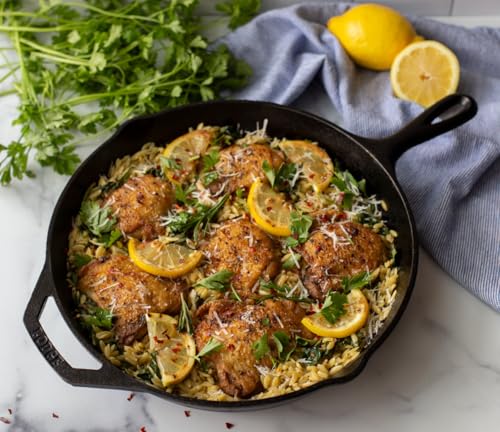
Both shine: cast iron offers lasting heat while hard anodized gives easy nonstick cooking.
I was stuck one winter night deciding between cast iron vs hard anodized cookware. I needed pans that could sear a steak and also cook eggs cleanly. I tested both at home for months. I’ll share real use notes, simple pros and cons, and who each suits. My goal is to help you pick the right cookware for your kitchen and habits.
Is cast iron Good?
Yes — for many cooks. Cast iron is best for people who want long life, raw heat power, and a pan that improves with use. It suits those who like a pan that can go from stove to oven. If you want a tool that can last decades, cast iron is a clear choice. I find it great for searing, roasting, and baking. It holds heat like a brick and gives a steady cook. For high-heat tasks, it rarely fails.
I remember searing a thick ribeye in my cast iron on a cold night. The pan stayed hot and gave a crust that made the whole meal. Another time I baked cornbread in that pan. The bottom browned evenly. Those small wins made me trust cast iron for heavy jobs. It does need care, but the results are worth it. In my tests of cast iron vs hard anodized cookware, cast iron always won for searing and oven work.

What Makes It Stand Out / Key Features
- Excellent heat retention for steady, even searing.
- Oven-safe and can move from stovetop to oven easily.
- Pre-seasoned surface that improves with use.
- Very durable; can last decades with care.
- Simple design that handles high heat without warping.
What I Like
- Deep, even sear on meat with a great crust.
- Works well for oven recipes like cornbread or frittatas.
- Becomes nonstick with regular seasoning and use.
- I can use metal utensils without worry.
- Feels solid and reliable in my hand — kitchen confidence.
What Could Be Better
- Heavy weight; it’s hard to lift when full.
- Needs seasoning and some maintenance to avoid rust.
- Reactive with acidic foods unless well seasoned.
My Recommendation
Get cast iron if you want a long-lasting, high-heat pan for searing and oven use. Great value for lifetime use.
| Best For | Why |
|---|---|
| Searing & Oven Meals | Holds heat and moves to oven without issue. |
| Long-Term Value | Lasts decades if cared for properly. |
Is hard anodized cookware Good?
It depends on your priorities. Hard anodized cookware shines for low-fat cooking and easy cleanup. If you cook a lot of eggs or delicate fish, hard anodized nonstick is a win. It heats fast and offers a smooth, nearly stick-free surface. In many of my runs, hard anodized gave quick, even results without much fuss.
I used hard anodized pans for weekday breakfasts. Eggs slid off with no oil. Pancakes browned evenly. When I timed meal prep, the pans cut time. They are lighter and easier to handle than cast iron. In my head-to-head of cast iron vs hard anodized cookware, hard anodized was the daily driver for quick, low-effort meals.

What Makes It Stand Out / Key Features
- Hard anodized aluminum for strength and warp resistance.
- Durable nonstick surface for low-fat cooking.
- Lighter weight than cast iron for easy handling.
- Quick, even heating due to aluminum core.
- Often dishwasher safe and easy to clean.
What I Like
- Eggs and fish release cleanly with little oil.
- Pan is light and easy to lift and store.
- Fast preheat saves time on weekday meals.
- Low maintenance; little seasoning or care needed.
- Looks modern and stays scratch-resistant with care.
What Could Be Better
- Nonstick can degrade over time with heavy use.
- Not ideal for very high-heat searing like cast iron.
- May avoid metal utensils to protect coating.
My Recommendation
Choose hard anodized cookware for everyday nonstick use, quick meals, and easy cleanup. Good upfront value and ease.
| Best For | Why |
|---|---|
| Everyday Nonstick Cooking | Eggs, pancakes, and low-fat cooking release cleanly. |
| Quick Meals & Ease | Heats fast and cleans up easily. |
cast iron vs hard anodized cookware: Side-by-Side Test
I ran both through real tasks. I tested searing, egg cooking, oven use, cleanup, and daily handling. Below are direct comparisons based on my use of cast iron vs hard anodized cookware.
Cooking Functions: Which One Does More?
Both cook well, but their strengths differ.
| Function | Cast Iron | Hard Anodized |
|---|---|---|
| High-Heat Searing | Yes | Limited |
| Oven Baking | Excellent | Some models OK |
| Delicate Foods (eggs) | Needs more oil | Excellent |
| Grilling/Smoky Flavor | Great | Not ideal |
Cast iron – 9/10 | Hard anodized – 8/10
“Edge: Cast iron for heavy, high-heat cooking. It handles more intense functions.”
Heat Retention & Distribution: Which Heats Better?
Heat is key in cooking. Both heat well but in different ways.
| Trait | Cast Iron | Hard Anodized |
|---|---|---|
| Heat Retention | Excellent | Good |
| Heat Response | Slow to change | Fast to change |
| Evenness | Very even | Very even |
| Best Use | Long cooks, searing | Quick sautés, eggs |
Cast iron – 9/10 | Hard anodized – 8/10
“Edge: Cast iron keeps heat longer. Great for steady, long cooks.”
Nonstick Performance: Which Releases Food Better?
Nonstick matters for ease and cleanup.
| Test | Cast Iron | Hard Anodized |
|---|---|---|
| Eggs | Needs oil/seasoning | Excellent |
| Fish | Risk of sticking | Releases cleanly |
| Pancakes | Okay with oil | Very good |
| Cleaning | Requires scrubbing at times | Wipes clean easily |
Cast iron – 7/10 | Hard anodized – 9/10
“Edge: Hard anodized for nonstick tasks and easy cleanup.”
Durability & Care: Which Lasts Longer?
Both can last. Care differs.
| Aspect | Cast Iron | Hard Anodized |
|---|---|---|
| Lifespan | Decades | 5–15 years |
| Care Needed | Seasoning, dry storage | Avoid harsh scrubbers |
| Damage Risk | Rust if neglected | Coating can wear |
| Repair | Can be re-seasoned | Hard to restore coating |
Cast iron – 10/10 | Hard anodized – 7/10
“Edge: Cast iron for long-term durability if you maintain it.”
Ease of Use & Handling
Which is easier to live with daily?
| Trait | Cast Iron | Hard Anodized |
|---|---|---|
| Weight | Heavy | Light |
| Storage | Takes space | Easy to stack |
| Daily Clean | More work | Simple |
| User Friendliness | Needs learning | Very user friendly |
Cast iron – 7/10 | Hard anodized – 9/10
“Edge: Hard anodized for day-to-day ease and lighter handling.”
Value for Money
Which gives more bang for the buck?
| Factor | Cast Iron | Hard Anodized |
|---|---|---|
| Initial Cost | Moderate | Low–Moderate |
| Lifetime Value | Outstanding | Good |
| Replacement Need | Rare | Possible over years |
| Best Choice If | You value longevity | You want convenience |
Cast iron – 9/10 | Hard anodized – 8/10
“Edge: Cast iron for lifetime value; hard anodized for upfront convenience.”
Final Verdict: Which Should You Buy?
Cast iron wins for heat, durability, and oven work. It is my pick for searing and long cooks. If you want a pan that you can pass down, choose cast iron.
Hard anodized wins for everyday ease and nonstick performance. It fits busy cooks who want quick cleanup and light pans. For daily breakfasts and low-effort meals, go hard anodized.
FAQs Of cast iron vs hard anodized cookware
Which is better for searing: cast iron or hard anodized?
Cast iron. It holds high heat and gives a better sear on steaks and chops. Hard anodized is good but not as aggressive for searing.
Which is easier to clean: cast iron or hard anodized?
Hard anodized. Its nonstick surface wipes clean easily. Cast iron needs more care and drying to avoid rust.
Is hard anodized safe for high heat?
Hard anodized handles medium-high heat well. But avoid very high, sustained heat. Cast iron tolerates the highest heat best.
Do I need to season hard anodized like cast iron?
No. Hard anodized does not need seasoning. Cast iron benefits from regular seasoning to build a nonstick layer.
Which should I buy if I want long-term value?
Choose cast iron if you want a pan that can last decades with proper care. For quick replacements and ease, pick hard anodized.
Note: I compared cast iron vs hard anodized cookware across many real uses. If you want a short recommendation, tell me your main meals and I’ll advise which to buy.

Leave a Reply