

Cast iron cookware is popular for its durability and heat retention. Many people wonder if it works well with induction cooking.
Cast Iron Cookware Induction Cooking:Induction cooking is different from traditional methods. It uses magnetic fields to heat pots and pans directly. This makes it energy-efficient and fast. Cast iron cookware is thick and heavy, which helps it hold heat. But does it work on induction stoves?

Yes! Cast iron can be used on induction cooktops if it has a flat bottom. This blog post will explore the benefits of using cast iron cookware with induction cooking. It will also provide tips on how to get the best results. Whether you are a beginner or an experienced cook, this guide will help you enjoy your cast iron cookware in a new way.
Cast Iron Cookware And Induction Cooking: A Match Made In The Kitchen
Cast iron cookware is popular for its durability and heat retention. Many cooks enjoy using it for various recipes. Recently, it has become a favorite for induction cooking. Induction cooking is fast and energy-efficient. It heats pots and pans directly. This method works perfectly with cast iron. Let’s explore why this combination is so effective.
The Resurgence Of Cast Iron
Cast iron cookware has made a strong comeback. It was once seen as old-fashioned. Now, many chefs and home cooks love it again. Here are some reasons for its resurgence:
- Longevity: Cast iron lasts for generations.
- Versatility: It can be used on the stove or in the oven.
- Flavor: It enhances the taste of food.
- Affordable: It is cost-effective over time.
Many brands now offer enameled cast iron options. These are easier to clean and maintain. The variety of colors also adds style to the kitchen.
Induction Technology Basics
Induction cooking uses electromagnetic energy. This energy heats the cookware directly. The stove itself remains cool. This makes it safer and more efficient. Here are some key points about induction technology:
| Feature | Description |
|---|---|
| Speed | Heats up quickly, saving time. |
| Energy Efficiency | Less energy wasted compared to gas or electric. |
| Control | Precise temperature control for cooking. |
| Safety | Surface stays cool, reducing burns. |
Cast iron cookware works well with induction. It must have a flat bottom and be magnetic. Most cast iron pots and pans meet these criteria. This allows for even heating and excellent cooking results.
Using cast iron on induction cooktops is simple. It heats quickly and maintains heat well. This combination enhances cooking skills. Enjoy the benefits of both worlds in your kitchen.
Benefits Of Cast Iron On Induction Cooktops
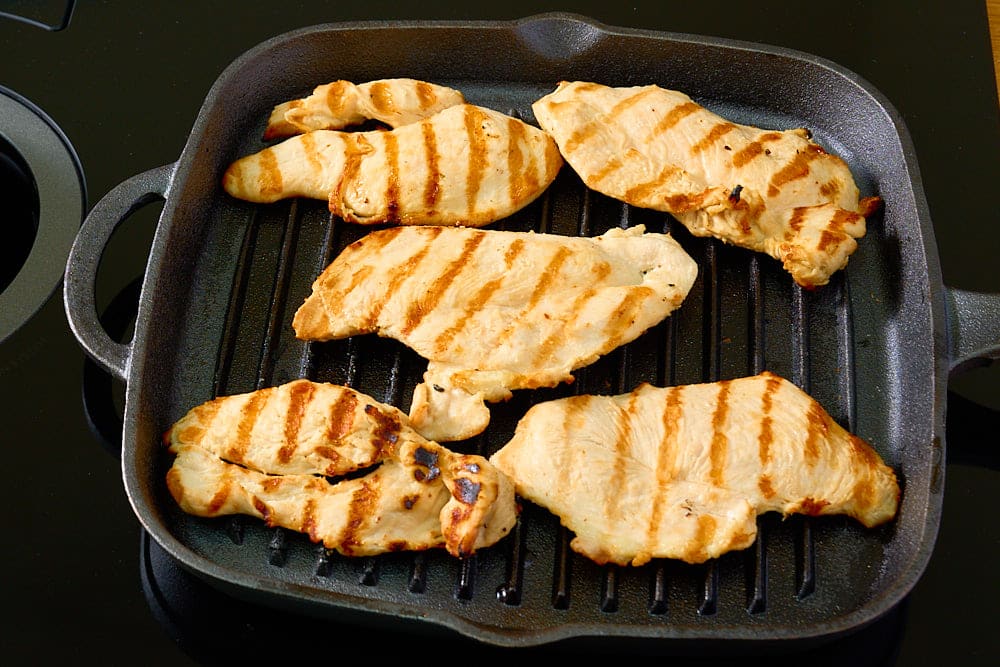
Credit: chefanthonyserrano.com
Cast iron cookware is a favorite among many home cooks. It works well on induction cooktops. Here are some key benefits of using cast iron with induction cooking.
Even Heat Distribution
Cast iron cookware heats evenly. This means no hot or cold spots. Food cooks uniformly. You get consistent results every time.
Here are some reasons why even heat distribution matters:
- Reduces cooking time
- Enhances flavor and texture
- Prevents burning or sticking
Many chefs prefer cast iron for its ability to maintain temperature. It holds heat well. This gives you better control while cooking.
Durability Meets Efficiency
Cast iron is known for its strength. It lasts a long time with proper care. This durability makes it a cost-effective choice.
Using cast iron on induction cooktops is efficient. It heats quickly and responds well to temperature changes. Here are some benefits:
| Feature | Benefit |
|---|---|
| Long-lasting | Can last a lifetime or more |
| Energy-efficient | Heats up faster than other materials |
| Versatile | Can be used on different heat sources |
Investing in cast iron cookware is a smart choice. It combines durability with efficiency. Enjoy tasty meals with reliable results.
Preparing Your Cast Iron For Induction
Using cast iron on induction cooktops requires some special care. Before you start cooking, ensure your skillet is ready. This section will guide you through the steps to prepare your cast iron cookware for induction cooking. Focus on seasoning and checking the flatness of your skillet.
Seasoning Your Skillet
Seasoning is crucial for cast iron. It creates a non-stick surface and prevents rust. Follow these simple steps to season your skillet:
- Clean the skillet thoroughly with soap and water.
- Dry it completely with a towel.
- Apply a thin layer of cooking oil all over the skillet.
- Place it upside down in the oven at 375°F (190°C) for one hour.
- Let it cool before removing it from the oven.
Repeat this process every few months. A well-seasoned skillet lasts longer and cooks better.
Ensuring A Flat Surface
A flat surface is key for induction cooking. Check your skillet for any warping. A warped skillet won’t make good contact with the cooktop. Here’s how to ensure your skillet is flat:
- Place the skillet on a flat counter.
- Use a ruler to check for gaps underneath.
- If it wobbles, it may need repair or replacement.
For best results, choose a cast iron skillet with a smooth bottom. This ensures even heat distribution. Avoid using warped or damaged skillets on induction cooktops.

Credit: www.youtube.com
Maximizing Heat Conductivity
Cast iron cookware is known for its excellent heat conductivity. This quality is vital for even cooking. Proper use ensures your food cooks perfectly every time. Understanding how to maximize heat conductivity is key. This section will cover important tips.
Preheating For Perfect Results
Preheating your cast iron cookware is essential. It helps achieve a consistent temperature across the surface. Here are some steps to follow:
- Place your empty skillet on the induction cooktop.
- Set the heat to medium or medium-high.
- Wait for 5 to 10 minutes.
- Test the heat by sprinkling a few drops of water.
Water should sizzle and evaporate quickly. This indicates the pan is hot enough. Using a preheated skillet improves searing and browning. This leads to delicious results.
The Role Of Cookware Weight
The weight of cast iron cookware affects heat distribution. Heavier cookware retains heat longer. This allows for steady cooking. Here’s why weight matters:
- Heavier pans provide better heat retention.
- They reduce the chances of hot spots.
- Even weight helps food cook uniformly.
Consider the thickness of your pan. Thicker pans are generally better for induction cooking. They maintain heat well, ensuring your meals are cooked evenly.
| Cookware Type | Weight | Heat Retention |
|---|---|---|
| Standard Cast Iron Skillet | Heavy | Excellent |
| Enamel-Coated Cast Iron | Moderate | Good |
| Thin Cast Iron | Light | Fair |
Choose your cast iron cookware wisely. Weight plays a significant role in performance. This ensures you get the most out of your induction cooking experience.
Cooking Techniques With Cast Iron On Induction
Using cast iron cookware on induction stoves offers many cooking techniques. Induction cooking heats quickly and evenly. Cast iron retains heat well, making it ideal for many dishes. Understanding how to use these tools together can enhance your cooking experience.
Searing Meats To Perfection
Searing locks in flavor and moisture. Cast iron is perfect for this task. Here’s how to do it:
- Preheat your induction burner to a high setting.
- Add a small amount of oil to the hot pan.
- Wait until the oil shimmers.
- Place the meat in the pan without overcrowding.
- Do not move the meat for a few minutes.
- Flip the meat to sear the other side.
For best results:
- Use room-temperature meat.
- Dry the surface with paper towels.
- Season well before searing.
Mastering Temperature Control
Temperature control is vital in cooking. Induction cooktops allow precise adjustments. Cast iron responds well to heat changes. Follow these tips for better control:
| Temperature Level | Cooking Technique |
|---|---|
| Low | Simmering sauces or soups |
| Medium | Cooking vegetables or frying |
| High | Searing meats or stir-frying |
Keep these points in mind:
- Start with a lower temperature.
- Gradually increase as needed.
- Monitor the heat closely.
Using cast iron on induction will improve your cooking skills. Enjoy the process and the delicious results.
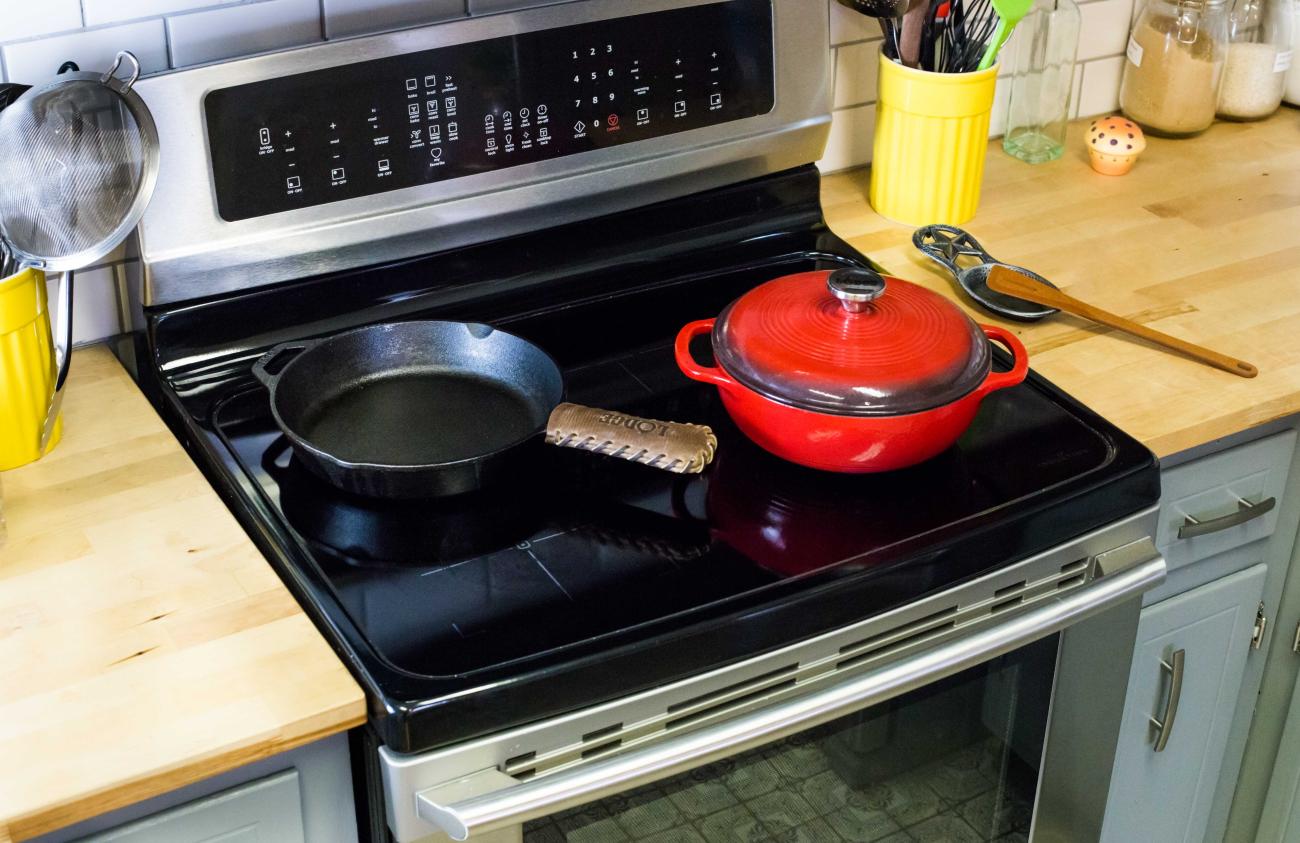
Credit: www.lodgecastiron.com
Maintaining Your Cast Iron Cookware
Proper maintenance keeps your cast iron cookware in great shape. It enhances its performance and longevity. Caring for your cookware is simple. Follow these tips to enjoy your cast iron for years.
Cleaning Dos And Don’ts
Cleaning your cast iron cookware requires special care. Use these dos and don’ts to keep it in top condition:
- Do use warm water and a gentle sponge.
- Do dry it immediately after washing.
- Do apply a thin layer of oil after cleaning.
- Don’t use soap or harsh cleaners.
- Don’t soak it in water.
- Don’t use metal scrubbers.
Following these guidelines helps prevent damage. Clean your cookware carefully to maintain its non-stick surface.
Rust Prevention Strategies
Rust can ruin your cast iron cookware. Use these strategies to keep it rust-free:
- Always dry the cookware right after washing.
- Store it in a dry place to avoid moisture.
- Apply a light coat of cooking oil before storage.
- Avoid cooking acidic foods in unseasoned cast iron.
- Regularly re-season your cookware.
These steps help maintain your cast iron’s quality. Keeping it rust-free ensures great cooking experiences.
Troubleshooting Common Issues
Using cast iron cookware on induction cooktops can sometimes lead to issues. Knowing how to fix these problems helps you cook better. Here, we will address two common issues: hot spots and induction cooktop errors.
Addressing Hot Spots
Hot spots occur when heat is uneven across the pan. This can lead to uneven cooking. Here are some tips to fix hot spots:
- Use a flat-bottomed pan: Ensure your cast iron pan has a flat base.
- Check the size: Match the pan size to the induction zone.
- Preheat slowly: Gradually heat the pan for even distribution.
- Use medium heat: Avoid high heat to reduce the risk of hot spots.
To check for hot spots:
- Pour a little water into the pan.
- Turn on the induction cooktop.
- Observe how the water boils.
If water boils unevenly, hot spots are present.
Dealing With Induction Cooktop Errors
Induction cooktops can show error messages. These can be confusing. Here are common errors and how to handle them:
| Error Message | Possible Cause | Solution |
|---|---|---|
| F0 | Pan not detected | Use a compatible pan. |
| F1 | Overheating | Reduce heat or remove the pan. |
| F2 | Short circuit | Check the power supply. |
| F3 | Pan too small | Use a larger pan. |
Ensure your cookware is compatible with induction. Check the base material. If you face persistent errors, consult the user manual.
Accessories And Add-ons For Induction Cooking
Induction cooking offers speed and efficiency. To enhance your experience, consider useful accessories and add-ons. These items can make cooking easier and more enjoyable.
Induction Interface Disks
Induction interface disks are essential for using non-induction cookware. They act as a bridge between your cookware and the induction cooktop. Here’s what you need to know:
- Material: Usually made of aluminum or stainless steel.
- Function: Transfers heat from the cooktop to the cookware.
- Compatibility: Works with various types of pots and pans.
- Size: Available in different diameters for various cookware.
Using these disks allows you to cook with your favorite pans. Check compatibility before purchasing. An interface disk can extend the life of your cookware.
Protective Cooktop Covers
Protective cooktop covers are important for maintaining your induction stove. They prevent scratches and stains. Here are some key benefits:
- Protection: Keeps your cooktop surface safe.
- Ease of Cleaning: Reduces the need for frequent cleaning.
- Storage: Allows safe storage of pots and pans on top.
These covers are easy to use. They come in various sizes to fit your cooktop. Look for heat-resistant materials for better protection.
Exploring Culinary Possibilities
Cast iron cookware is not just for traditional recipes. It opens the door to new culinary adventures. Induction cooking adds speed and efficiency. This combination allows for exciting and innovative dishes. Let’s dive into some creative ways to use cast iron on induction cooktops.
Innovative Recipes For Induction Cast Iron Cooking
Induction cooking and cast iron work well together. Here are some innovative recipes to try:
- Induction Skillet Pizza
- Use pre-made dough.
- Layer sauce, cheese, and toppings.
- Cook on medium heat until golden.
- Stovetop Cast Iron Frittata
- Mix eggs with vegetables and cheese.
- Cook on low until set, then broil.
- Honey Garlic Shrimp
- Sauté shrimp in honey and garlic.
- Serve over rice or noodles.
Fusion Of Traditional And Modern Techniques
Combining old and new cooking methods brings unique flavors. Here are some ways to blend techniques:
- Slow-Braise Meets Quick Sear
Start by searing meat on the induction cooktop. Then finish cooking in the oven.
- Classic Baking with Modern Heat
Use cast iron for baking bread. The induction heat helps achieve a crispy crust.
- Stir-Frying with Cast Iron
Use a cast iron wok on induction. High heat creates perfect stir-fries.
Future Of Cast Iron In The World Of Induction
The future of cast iron cookware is bright. Induction cooking is gaining popularity. Cast iron can adapt to this trend. Many new designs are emerging. These designs enhance performance and usability.
Advancements In Cookware Design
Cookware design has come a long way. New technologies improve cast iron for induction cooking. Here are some key advancements:
- Enamel Coating: Provides a smooth surface for easy cleaning.
- Lightweight Options: Some brands create lighter cast iron. This makes handling easier.
- Heat Distribution: New designs offer better heat spread. This ensures even cooking.
- Magnetic Base: Enhanced magnetic properties improve induction efficiency.
These advancements make cast iron more user-friendly. They cater to modern cooking needs. Consumers appreciate innovation in traditional cookware.
The Environmental Impact Of Sustainable Cooking
Sustainable cooking matters now more than ever. Using cast iron is a step towards eco-friendly practices. Here’s why:
- Durability: Cast iron lasts for generations. Less waste is produced.
- Energy Efficiency: Induction cooking uses less energy. This reduces carbon footprints.
- Non-Toxic Materials: Most cast iron is free from harmful chemicals. It promotes safe cooking.
- Recyclability: Cast iron can be recycled. This supports a circular economy.
Choosing cast iron cookware is a sustainable choice. It helps the environment while providing excellent cooking performance.
Frequently Asked Questions
Can You Use Cast Iron On Induction Cooktops?
Yes, cast iron cookware is perfect for induction cooking. Induction cooktops require magnetic materials for heating. Cast iron, being ferromagnetic, works efficiently. It distributes heat evenly, enhancing cooking performance. Always ensure your cast iron is flat for optimal contact with the surface.
Is Cast Iron Cookware Better For Induction?
Cast iron cookware excels on induction cooktops. It retains heat well and offers excellent heat distribution. This ensures even cooking and browning of food. Moreover, its durability makes it a long-lasting investment for kitchen enthusiasts. Many prefer cast iron for its versatility and performance.
How To Maintain Cast Iron For Induction Cooking?
To maintain cast iron cookware, clean it properly after use. Avoid soaking it in water and use a gentle scrub. Season the pan regularly with cooking oil to prevent rust. Store it in a dry place to maintain its quality.
Proper care ensures longevity and optimal cooking performance.
What Are The Benefits Of Cast Iron For Induction?
Cast iron offers several benefits on induction cooktops. It heats quickly and evenly, cooking food thoroughly. The cookware is versatile, suitable for stovetop and oven use. Additionally, cast iron is naturally non-stick when seasoned properly. It also adds a rich flavor to your dishes over time.
Conclusion
Cast iron cookware is great for induction cooking. It heats evenly and holds heat well. You can use it for many recipes, from frying to baking. Caring for cast iron is simple and worth the effort. This cookware lasts a long time with proper maintenance.
Enjoy the unique flavor it adds to your meals. Choosing cast iron can improve your cooking experience. Try it out and see the difference. Happy cooking!

Leave a Reply