
Carbon steel cookware offers excellent heat retention and responsiveness, making it ideal for high-heat cooking. Stainless steel cookware is durable, non-reactive, and resistant to corrosion, suitable for a variety of cooking methods.
Choosing the right cookware can elevate your culinary experience. Carbon steel and stainless steel each have unique characteristics that cater to different cooking styles. Carbon steel heats up quickly and provides a natural non-stick surface with proper seasoning, making it perfect for frying and searing.
On the other hand, stainless steel boasts a sleek appearance and outstanding durability, ideal for simmering sauces or boiling pasta. Understanding the differences between these materials can help you make informed decisions for your kitchen. Explore how each type can enhance your cooking and meet your needs effectively.
Introduction To Carbon Steel And Stainless Steel Cookware
Choosing the right cookware is essential for every kitchen. Two popular options are carbon steel and stainless steel. Each type has unique features. Understanding these differences helps in selecting the best cookware for your needs.
Key Properties Of Carbon Steel
Carbon steel cookware is known for its durability and heat retention. Here are some key properties:
- Heat Conductivity: Heats up quickly and evenly.
- Non-Stick Surface: Develops a natural non-stick surface with seasoning.
- Lightweight: Easier to handle than cast iron.
- Versatility: Suitable for stovetop and oven use.
- Responsiveness: Adjusts heat quickly, perfect for frying.
Key Properties Of Stainless Steel
Stainless steel cookware is popular for its modern look and durability. Here are its key properties:
- Corrosion Resistance: Does not rust or corrode easily.
- Non-Reactive: Safe for cooking acidic foods.
- Durability: Long-lasting with proper care.
- Easy Maintenance: Dishwasher safe and easy to clean.
- Even Heating: Provides consistent cooking results.
Historical Context And Evolution
The history of cookware reflects human innovation and needs. Two popular materials are carbon steel and stainless steel. Each has a unique story of development. Understanding their origins helps us choose the right cookware.
Origins Of Carbon Steel Cookware
Carbon steel cookware dates back to ancient times. It is made from iron and carbon. Here are some key points about its origins:
- Early carbon steel was crafted in China around 500 BC.
- Blacksmiths created the first frying pans and woks.
- Carbon steel gained popularity in Europe during the Middle Ages.
- French chefs embraced it for its heat retention and durability.
In the 20th century, production improved. Factories began mass-producing carbon steel cookware. Chefs loved it for its responsiveness to heat. Home cooks also adopted it for everyday use.
Development Of Stainless Steel Cookware
Stainless steel cookware is a modern innovation. It was developed in the early 20th century. Here are key milestones in its evolution:
- In 1913, Harry Brearley discovered stainless steel.
- He mixed iron with chromium and nickel.
- The result was a rust-resistant material.
- Stainless steel cookware became popular in the 1920s.
- Manufacturers started creating pots and pans for home use.
Stainless steel offers many benefits:
- It is non-reactive with food.
- It does not rust or stain easily.
- It is dishwasher-safe and easy to clean.
Today, both carbon steel and stainless steel cookware remain popular. They each have loyal fans who appreciate their unique qualities.
Heat Conductivity And Distribution
Understanding heat conductivity and distribution is essential for cookware. Different materials react differently to heat. This affects cooking performance and food quality.
How Carbon Steel Responds To Heat
Carbon steel has excellent heat conductivity. It heats up quickly and evenly. This makes it great for tasks like searing and frying.
- Quick heating allows for better browning.
- Even heat distribution prevents hot spots.
- Ideal for high-heat cooking methods.
Carbon steel can withstand high temperatures without warping. It also develops a natural non-stick surface over time. This enhances its cooking performance.
Comparing Stainless Steel’s Heat Handling
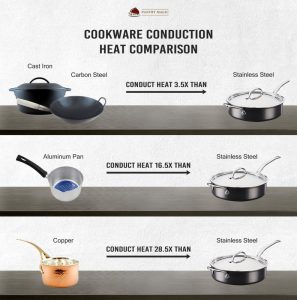
Stainless steel offers decent heat conductivity but is not as efficient as carbon steel. It often requires more time to heat up.
| Feature | Carbon Steel | Stainless Steel |
|---|---|---|
| Heat Up Time | Fast | Moderate |
| Heat Distribution | Even | Varies |
| Best For | Searing, Frying | Simmering, Sauces |
Stainless steel retains heat well. It keeps food warm after cooking. For certain dishes, this can be beneficial.
In summary, carbon steel excels in heat conductivity. Stainless steel has its strengths, especially in heat retention. Choose based on your cooking needs.
Credit: pantry-magic.id
Durability And Maintenance
Choosing between carbon steel and stainless steel cookware involves understanding their durability and maintenance needs. Each material has unique properties that affect its lifespan and care requirements.
Life Expectancy Of Carbon Steel Cookware
Carbon steel cookware is known for its longevity. With proper care, it can last for decades. Here are key points about its life expectancy:
- Can last 20 years or more.
- Improves with age when seasoned correctly.
- Durable against high heat.
Carbon steel does require maintenance. Regular seasoning helps maintain its non-stick surface. Avoid soaking it in water to prevent rust.
Caring For Stainless Steel
Stainless steel cookware is popular for its durability. It resists rust and stains effectively. Follow these tips for proper care:
- Use a soft sponge for cleaning.
- Avoid harsh chemicals.
- Dry immediately after washing to prevent spots.
- Store in a dry place to avoid moisture.
Stainless steel has a long lifespan. It can last a lifetime with proper care. This material is easy to maintain and versatile for various cooking needs.
| Material | Life Expectancy | Maintenance Tips |
|---|---|---|
| Carbon Steel | 20+ years | Season regularly; avoid soaking |
| Stainless Steel | Lifetime | Use soft sponges; dry immediately |
Health And Safety Considerations
Choosing the right cookware is important for your health. Both carbon steel and stainless steel have different safety aspects. Understanding these aspects helps you make a better choice.
Reactivity Of Carbon Steel With Food
Carbon steel cookware can react with certain foods. This reaction occurs due to the iron content. Here are some key points:
- Highly acidic foods can cause a reaction.
- Foods like tomatoes and citrus may affect taste.
- Seasoning helps create a protective layer.
Proper care prevents reactivity. Always season your carbon steel cookware before use. This ensures safe cooking.
Stainless Steel And Potential Health Risks
Stainless steel is generally safe for cooking. It contains chromium and nickel, which can be a concern.
- Nickel sensitivity affects some individuals.
- Long-term exposure may lead to health issues.
- High-quality stainless steel reduces these risks.
Choose cookware labeled as “18/10” for safety. This type has 18% chromium and 10% nickel. It is durable and safe for cooking.
Always avoid cooking with damaged stainless steel. Scratches can release metal particles into food.
| Cookware Type | Reactivity | Health Risks |
|---|---|---|
| Carbon Steel | Reacts with acidic foods | Low, if seasoned properly |
| Stainless Steel | Non-reactive | Possible nickel sensitivity |

Credit: prudentreviews.com
Cost Analysis
Understanding the costs of cookware is essential. This section compares carbon steel and stainless steel cookware prices. Knowing the price range helps in making informed decisions.
Price Range Of Carbon Steel Cookware
Carbon steel cookware is often more affordable. Here’s a breakdown of its price range:
| Type of Cookware | Price Range |
|---|---|
| Carbon Steel Skillets | $20 – $80 |
| Carbon Steel Woks | $30 – $100 |
| Carbon Steel Dutch Ovens | $40 – $150 |
These prices depend on brand and size. Affordable options exist for those on a budget.
Investing In Stainless Steel: Pros And Cons
Stainless steel cookware tends to cost more. Here are some pros and cons:
- Pros:
- Durable and long-lasting
- Non-reactive with foods
- Easy to clean and maintain
- Elegant appearance
- Cons:
- Higher initial investment
- Poor heat conductivity
- Can be heavy
- Some options may warp
Expect to pay between $30 and $300 for stainless steel cookware. Quality and brand impact the price. Invest wisely based on your cooking needs.
Culinary Performance And Versatility
Choosing between carbon steel and stainless steel cookware can affect your cooking. Each type offers unique benefits and uses. Understanding their culinary performance helps you make the right choice.
When To Use Carbon Steel Cookware
Carbon steel cookware shines in specific cooking scenarios. Use it for:
- Searing meats: Carbon steel gets very hot, perfect for browning.
- Stir-frying: The surface heats evenly for quick cooking.
- Oven use: Handles high temperatures well, ideal for baking.
- Seasoning: Develops a natural non-stick surface over time.
It is lighter than cast iron. This makes it easier to handle. With proper care, it lasts for years. Regular seasoning improves its performance.
Benefits Of Stainless Steel In Diverse Cooking
Stainless steel cookware offers many advantages for various cooking styles. Here are some key benefits:
| Benefit | Description |
|---|---|
| Durability | Resists rust, corrosion, and scratches. |
| Non-reactive | Does not react with acidic foods. |
| Easy to clean | Dishwasher safe and easy to maintain. |
| Versatile | Suitable for all cooking methods, including induction. |
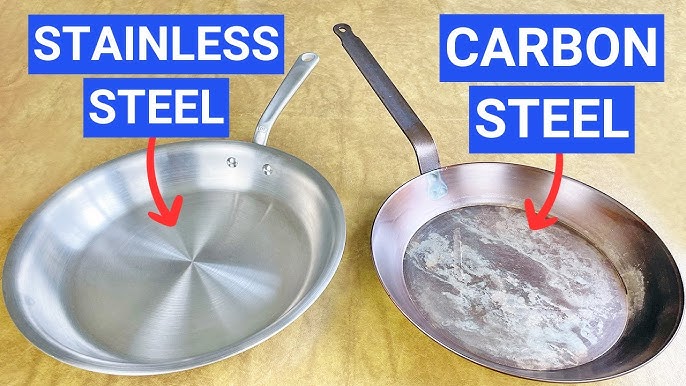
Stainless steel excels in everyday cooking tasks. It is great for simmering sauces and boiling pasta. Its ability to maintain even heat makes it a favorite among chefs.
Credit: m.youtube.com
Final Verdict: Making The Right Choice
Choosing between carbon steel and stainless steel cookware can be challenging. Each type has unique benefits. Understanding your cooking style is essential. This guide helps you make the right choice.
Factors To Consider Before Purchasing
Several factors influence your decision. Consider the following:
- Durability: Carbon steel can wear down over time. Stainless steel lasts longer.
- Heat Conductivity: Carbon steel heats quickly. Stainless steel distributes heat evenly.
- Maintenance: Carbon steel requires seasoning. Stainless steel is easy to clean.
- Price: Carbon steel is often cheaper. Stainless steel can be more expensive.
Personal Preferences And Cooking Needs
Your cooking habits play a big role in your choice. Think about these points:
- Type of Cooking: Do you fry, sauté, or bake?
- Food Types: Do you cook acidic foods? Choose wisely.
- Skill Level: Are you a beginner or an expert cook?
- Health Considerations: Are you concerned about non-stick coatings?
Consider these aspects to make an informed decision. Your cooking style and preferences guide your choice.
Frequently Asked Questions
What Is The Difference Between Carbon Steel And Stainless Steel Cookware?
Carbon steel cookware is more responsive to heat than stainless steel. It heats up quickly and retains heat effectively. On the other hand, stainless steel is resistant to rust and corrosion. This makes it easier to maintain, but it may not heat as evenly as carbon steel.
Is Carbon Steel Cookware Better Than Stainless Steel?
It depends on your cooking style. Carbon steel is ideal for high-heat cooking, like searing and frying. Stainless steel is better for simmering and boiling. Each type has its advantages, so choose based on your preferred cooking methods and desired results.
How Do I Maintain Carbon Steel Cookware?
To maintain carbon steel cookware, season it regularly to create a non-stick surface. Avoid soaking it in water, and dry it immediately after washing. Store it in a dry place to prevent rust. With proper care, it can last a lifetime.
Can Stainless Steel Cookware Go In The Oven?
Yes, most stainless steel cookware is oven-safe. However, check the manufacturer’s guidelines for specific temperature limits. Some handles may not withstand high heat. Always use caution and oven mitts when handling hot cookware.
Conclusion
Choosing between carbon steel and stainless steel cookware depends on your cooking style. Carbon steel offers excellent heat retention and responsiveness, ideal for high-heat cooking. Stainless steel, on the other hand, provides durability and resistance to rust and staining. Both types have unique advantages, making them valuable additions to any kitchen.

Leave a Reply