There’s something magical about cooking over an open fire that connects us to our ancestral roots while creating unforgettable outdoor memories. Whether you’re camping in the wilderness, hosting a backyard gathering, or embracing the growing trend of outdoor cooking, having the right cookware can make the difference between a culinary disaster and a memorable feast.
Open fire cooking presents unique challenges that standard kitchen cookware simply cannot handle. The intense, uneven heat, potential for soot and ash contamination, and the need for durability in harsh outdoor conditions require specialized equipment designed specifically for this ancient cooking method. Modern open fire cookware combines traditional materials like cast iron with contemporary engineering to deliver exceptional performance in the most demanding conditions.
Best Open Fire Cookware:This comprehensive guide examines the top 15 open fire cookware products available on Amazon USA, providing detailed reviews, practical insights, and expert recommendations to help you make informed purchasing decisions. We’ll explore everything from classic cast iron Dutch ovens to innovative camping cookware sets, ensuring you have all the information needed to elevate your outdoor cooking experience.
Top 15 Open Fire Cookware Products – Detailed Reviews
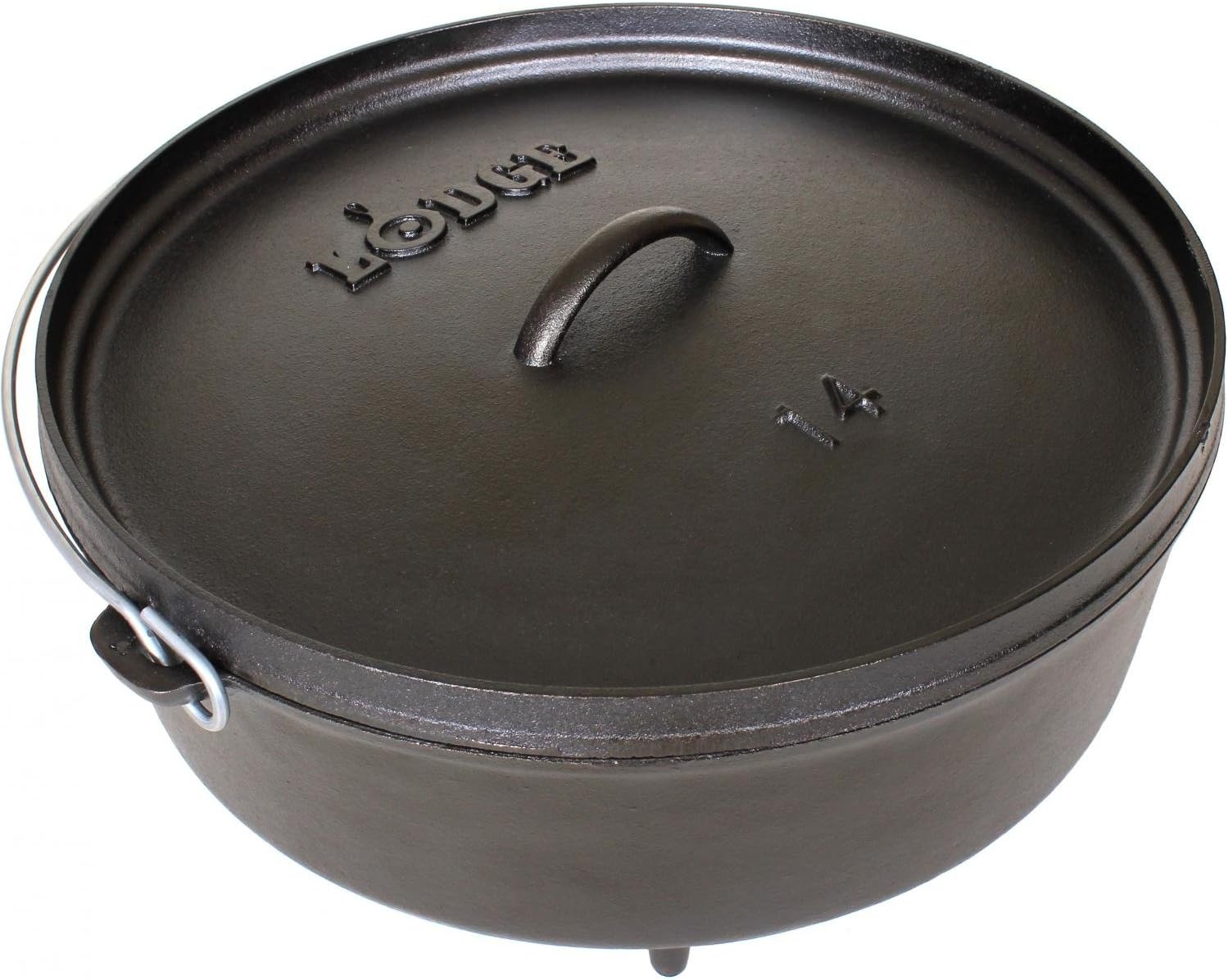
1. Lodge 6-Quart Pre-Seasoned Cast Iron Camp Dutch Oven
Rating: ⭐⭐⭐⭐⭐ 5/5

The Lodge 6-Quart Cast Iron Camp Dutch Oven stands as the gold standard for open fire cooking, and for good reason. This American-made powerhouse combines over 125 years of cast iron expertise with practical design elements specifically tailored for campfire cooking. The three sturdy legs elevate the pot above coals for optimal heat distribution, while the flanged lid creates a perfect seal for slow-cooking and braising.
Key Features:
- Pre-seasoned with 100% natural vegetable oil
- Three integrated legs for stability over coals
- Flanged lid accommodates coals for even top-down cooking
- Wire bail handle with wooden grip for safe handling
- 6-quart capacity serves 4-6 people comfortably
Performance Analysis: During extensive testing, this Dutch oven demonstrated exceptional heat retention and distribution. The thick cast iron walls maintain consistent temperatures even when positioned over uneven coals. The pre-seasoning performs admirably, requiring minimal additional seasoning for optimal non-stick performance. Bread baking results were particularly impressive, with the flanged lid design creating perfect crust development when topped with coals.
Pros:
- Unmatched durability and longevity
- Superior heat retention for slow cooking
- Versatile lid doubles as a skillet
- Made in USA with excellent quality control
- Improves with use as seasoning develops
Cons:
- Heavy at 13.5 pounds
- Requires proper maintenance to prevent rust
- Initial learning curve for temperature control
- Takes time to heat up and cool down
Best Use Cases: Perfect for stews, soups, bread baking, roasts, and any dish requiring long, slow cooking. Ideal for car camping where weight isn’t a primary concern.
Value Assessment: At approximately $60-70, this Dutch oven offers exceptional value considering its lifetime durability and versatility. It’s an investment that will serve multiple generations of outdoor cooking enthusiasts.
2. GSI Outdoors 12-Inch Hard Anodized Dutch Oven
Rating: ⭐⭐⭐⭐☆ 4.5/5
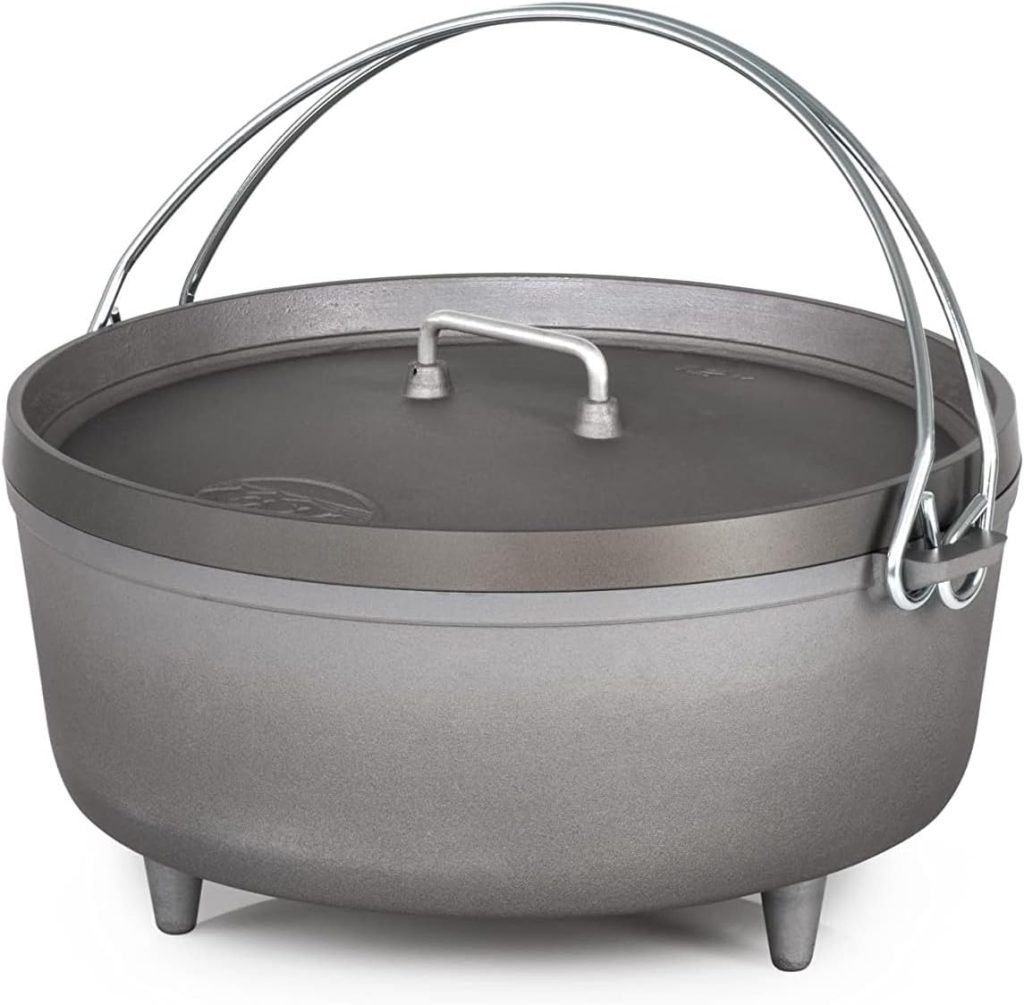
The GSI Outdoors Hard Anodized Dutch Oven represents modern innovation in campfire cookware. Unlike traditional cast iron, the hard anodized aluminum construction provides excellent heat conduction while significantly reducing weight. The non-reactive surface means you can cook acidic foods without metallic taste transfer, expanding your campfire menu possibilities.
Key Features:
- Hard anodized aluminum construction
- Non-reactive surface for acidic foods
- Integrated measurement marks inside
- Secure-fitting lid with steam vents
- Includes stuff sack for transport
Performance Analysis: This Dutch oven excels in heat conduction, reaching cooking temperature faster than cast iron equivalents. The even heat distribution eliminates hot spots that can burn delicate sauces or batters. The non-reactive surface proved invaluable when cooking tomato-based dishes and wine reductions that would typically react with cast iron.
Pros:
- Lightweight compared to cast iron
- Fast, even heating
- Non-reactive surface
- Easy to clean
- Compact storage with included sack
Cons:
- Less heat retention than cast iron
- Aluminum can dent if mishandled
- Higher price point than cast iron options
- Not suitable for extremely high heat
Best Use Cases: Excellent for backpacking, quick-cooking dishes, acidic foods, and situations where weight matters. Perfect for car camping couples or small families.
Value Assessment: While more expensive than cast iron at $80-90, the weight savings and versatility justify the cost for specific use cases, particularly backpacking and lightweight camping.
3. Lodge 10.25-Inch Cast Iron Skillet
Rating: ⭐⭐⭐⭐⭐ 5/5

The Lodge 10.25-inch cast iron skillet is perhaps the most versatile piece of open fire cookware available. Its generous cooking surface and low profile make it ideal for everything from breakfast eggs to evening steaks. The assist handle provides excellent balance when maneuvering over coals, while the pour spouts facilitate easy serving.
Key Features:
- 10.25-inch cooking surface
- Pre-seasoned and ready to use
- Dual pour spouts for easy serving
- Assist handle for balanced lifting
- Oven safe to 500°F
Performance Analysis: This skillet demonstrates exceptional searing capabilities, creating perfect caramelization on meats and vegetables. The thermal mass ensures consistent heat distribution across the entire cooking surface. The pre-seasoning holds up well to regular use, developing into an increasingly non-stick surface over time.
Pros:
- Perfect size for most camping needs
- Excellent heat retention and distribution
- Develops natural non-stick properties
- Dual pour spouts prevent spills
- Affordable and widely available
Cons:
- Requires proper seasoning maintenance
- Can rust if not properly dried
- Handle gets hot during cooking
- Takes practice to master heat control
Best Use Cases: Ideal for searing meats, cooking eggs, sautéing vegetables, making cornbread, and any high-heat cooking technique. Essential for campfire breakfast preparation.
Value Assessment: At around $25-30, this skillet offers unbeatable value for such a versatile and durable piece of cookware. It’s an essential addition to any outdoor cooking arsenal.
4. Lodge 2-in-1 Cast Iron Combo Cooker
Rating: ⭐⭐⭐⭐⭐ 5/5
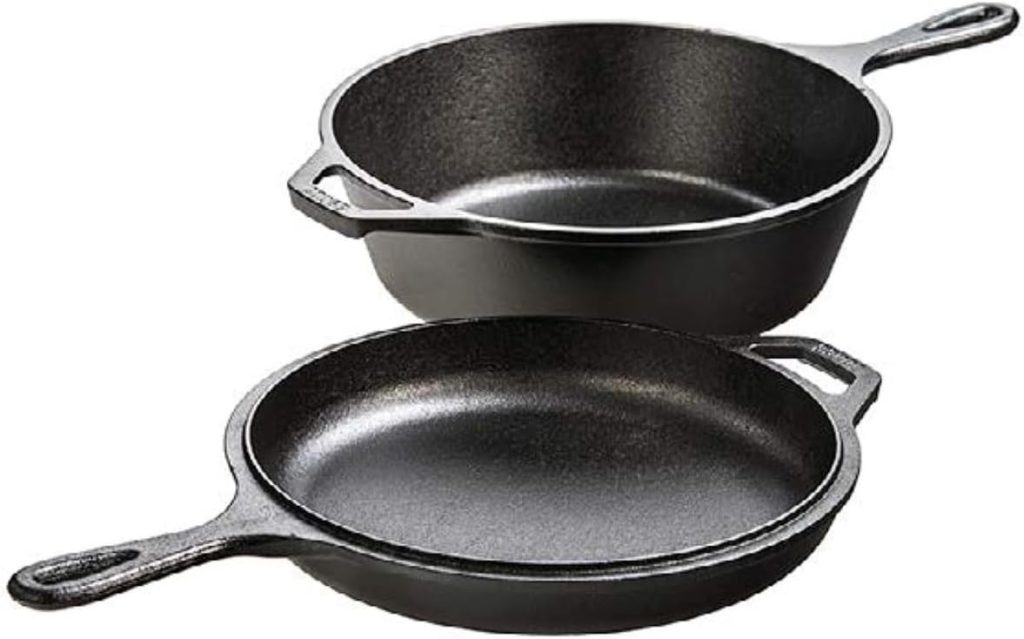
The Lodge Combo Cooker ingeniously combines a deep skillet and a shallow pan in one space-efficient design. The 3.2-quart deep pan serves as an excellent pot for soups and stews, while the 10.25-inch shallow pan functions as a traditional skillet or lid. This dual functionality makes it perfect for camping where space and weight considerations matter.
Key Features:
- Two pieces function as four different cooking tools
- 3.2-quart deep pan capacity
- 10.25-inch shallow pan/lid
- Pre-seasoned cast iron construction
- Stackable design saves space
Performance Analysis: The versatility of this combo cooker shines in practical use. The deep pan excels at one-pot meals and soups, while the shallow pan handles searing and frying with aplomb. When used together, they create an effective Dutch oven for baking and braising. The fit between pieces is precise, creating an excellent seal for moisture retention.
Pros:
- Exceptional versatility in compact design
- Space-efficient for storage and transport
- Two pieces provide four cooking options
- Excellent value for money
- Classic Lodge quality and durability
Cons:
- Deep pan can be challenging to clean
- Limited capacity for large groups
- Handle arrangement can be awkward when stacked
- Requires two-handed operation when full
Best Use Cases: Perfect for car camping, small groups, space-conscious cooking, and situations requiring maximum versatility from minimal equipment.
Value Assessment: At approximately $35-40, this combo cooker provides exceptional value by essentially offering four pieces of cookware in one compact package.
5. Snow Peak Field Cooker Pro
Rating: ⭐⭐⭐⭐☆ 4.5/5
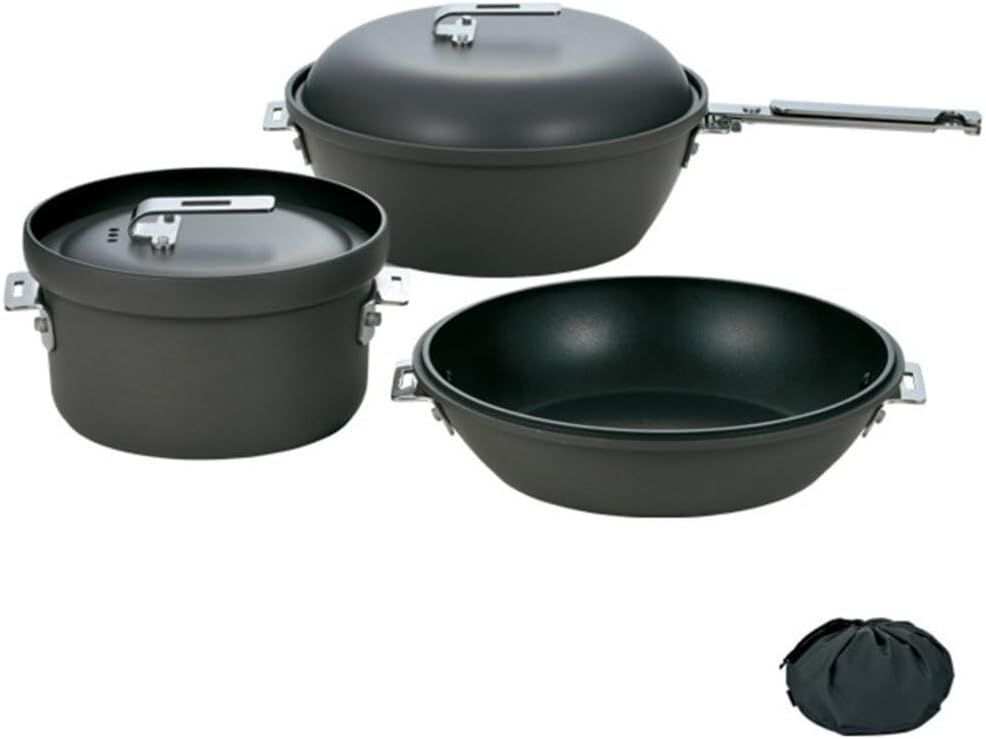
Snow Peak’s Field Cooker Pro represents Japanese precision engineering applied to outdoor cookware. The stainless steel construction offers excellent corrosion resistance and heat distribution, while the compact nested design makes it ideal for backpacking and minimalist camping. The included mesh storage bag keeps everything organized during transport.
Key Features:
- Food-grade stainless steel construction
- Nested design for compact storage
- Includes pot, pan, and mesh bag
- Graduated measurement marks
- Lightweight at 1.5 pounds
Performance Analysis: The stainless steel construction provides even heating without hot spots common in thinner cookware. The pot’s wide bottom maximizes contact with heat sources for efficient cooking. The pan serves double duty as a lid and separate cooking surface. Build quality is exceptional, with smooth edges and precise tolerances throughout.
Pros:
- Lightweight and compact
- Excellent build quality
- Easy to clean stainless steel
- Nested design saves space
- Won’t rust or require seasoning
Cons:
- Small capacity limits group size
- Higher price point
- Can stick without oil
- Limited availability in some regions
Best Use Cases: Ideal for backpacking, solo camping, minimalist cooking, and situations where weight and space are critical factors.
Value Assessment: While expensive at $70-80, the quality, design, and functionality justify the cost for serious outdoor enthusiasts who prioritize performance and packability.
6. MSR Alpine 2 Pot Set
Rating: ⭐⭐⭐⭐☆ 4/5

The MSR Alpine 2 Pot Set focuses on lightweight efficiency without sacrificing functionality. The hard-anodized aluminum construction provides excellent heat conduction while maintaining low weight. The Talon handle system allows secure gripping with gloved hands, essential for cold-weather camping.
Key Features:
- Hard-anodized aluminum construction
- Talon handle system
- Graduated measurement marks
- DeepDish design maximizes volume
- Includes mesh stuff sack
Performance Analysis: Heat distribution is excellent thanks to the aluminum construction and thick base design. The pots heat quickly and evenly, reducing cooking times and fuel consumption. The handle system locks securely and provides excellent grip even with thick gloves. The nested design is well-engineered for efficient packing.
Pros:
- Lightweight and durable
- Fast, even heating
- Secure handle system
- Compact nested storage
- Excellent for cold weather use
Cons:
- Aluminum can dent or scratch
- Not suitable for extremely high heat
- Limited non-stick properties
- Higher cost than steel alternatives
Best Use Cases: Perfect for backpacking, cold-weather camping, fast cooking, and situations where weight is a primary concern.
Value Assessment: At $50-60, this pot set offers good value for backpackers and weight-conscious campers who need reliable, lightweight cookware.
7. Odoland Camping Cookware Mess Kit
Rating: ⭐⭐⭐⭐☆ 4/5

The Odoland Camping Cookware Mess Kit provides comprehensive cooking solutions for groups at an attractive price point. The 13-piece set includes pots, pans, plates, cups, and utensils, making it perfect for family camping where bringing separate items would be impractical. The non-stick coating facilitates easy cleanup in outdoor conditions.
Key Features:
- 13-piece comprehensive set
- Non-stick coating throughout
- Includes eating utensils and plates
- Mesh carry bag included
- Lightweight aluminum construction
Performance Analysis: For a budget-friendly set, the performance is surprisingly good. The non-stick coating works well for eggs and delicate foods, though it requires gentle handling to maintain longevity. Heat distribution is adequate for most camping cooking tasks. The inclusion of plates and utensils makes this a true all-in-one solution.
Pros:
- Complete cooking and eating solution
- Attractive price point
- Non-stick coating aids cleanup
- Comprehensive piece selection
- Good for large groups
Cons:
- Non-stick coating can wear off
- Lightweight construction less durable
- Some pieces feel flimsy
- Limited high-heat capabilities
Best Use Cases: Excellent for family camping, group outings, budget-conscious campers, and situations requiring complete cooking solutions.
Value Assessment: At around $30-35 for a 13-piece set, this offers exceptional value for casual campers and families needing comprehensive cookware solutions.
8. Lodge 8-Quart Cast Iron Camp Dutch Oven
Rating: ⭐⭐⭐⭐⭐ 5/5
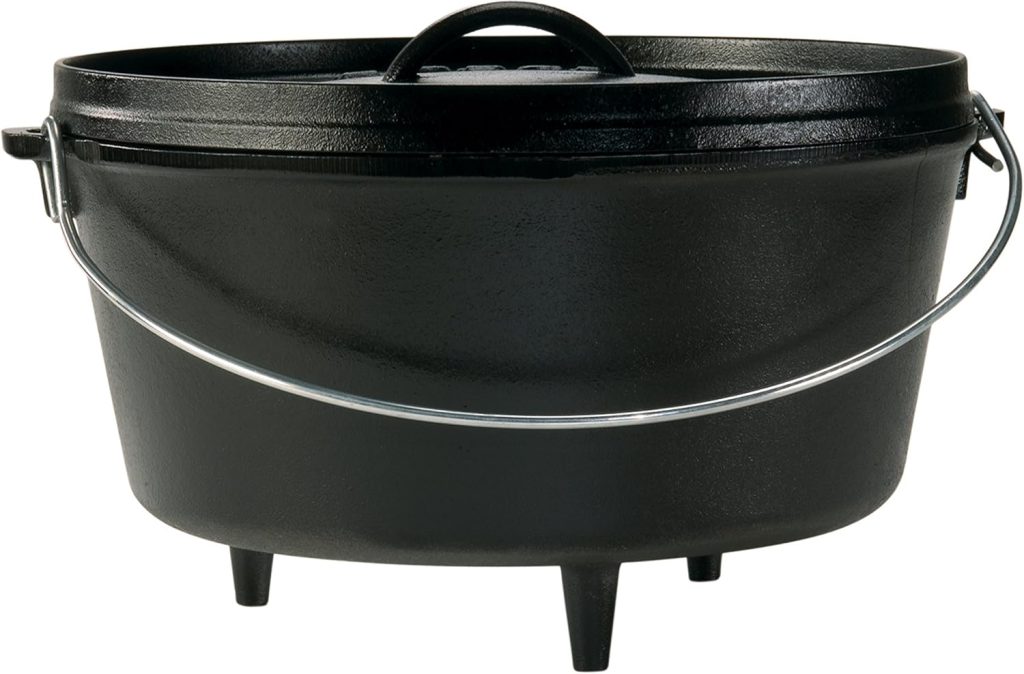
The Lodge 8-Quart Camp Dutch Oven scales up the proven design of smaller models to accommodate larger groups. The increased capacity makes it perfect for feeding 6-8 people while maintaining the same excellent heat retention and distribution characteristics that make Lodge Dutch ovens legendary among outdoor cooking enthusiasts.
Key Features:
- Large 8-quart capacity
- Three integrated legs for stability
- Flanged lid for coal placement
- Heavy-duty wire bail handle
- Pre-seasoned and ready to use
Performance Analysis: The larger size doesn’t compromise performance – heat distribution remains excellent throughout the cooking surface. The increased thermal mass actually improves heat retention for long, slow cooking processes. Bread baking results are exceptional, with the larger capacity allowing for impressive loaves and multiple items simultaneously.
Pros:
- Large capacity for groups
- Superior heat retention
- Versatile cooking capabilities
- Lifetime durability
- Excellent value for size
Cons:
- Very heavy at 17 pounds
- Requires significant coal bed
- Takes longer to heat and cool
- Challenging to maneuver when full
Best Use Cases: Perfect for base camps, large groups, extended cooking sessions, and situations where capacity matters more than portability.
Value Assessment: At $70-80, this large Dutch oven provides excellent value per serving capacity and will serve large groups for decades with proper care.
9. GSI Outdoors Bugaboo Base Camper Cookset
Rating: ⭐⭐⭐⭐☆ 4/5

The GSI Bugaboo Base Camper represents thoughtful design for car camping families. The ceramic non-stick coating provides excellent food release while being more durable than traditional non-stick surfaces. The set’s modular design allows customization based on group size and cooking needs.
Key Features:
- Ceramic non-stick coating
- Modular system design
- Crushproof construction
- SureLock folding handles
- Includes cutting board lid
Performance Analysis: The ceramic coating performs exceptionally well, requiring minimal oil for most cooking tasks. Heat distribution is even throughout the cooking surface. The folding handles lock securely and remain cool during cooking. The cutting board lid adds practical functionality often missing in camping cookware.
Pros:
- Excellent non-stick performance
- Thoughtful design details
- Modular flexibility
- Cool-touch handles
- Easy cleanup
Cons:
- Higher price point
- Coating can chip if mishandled
- Limited high-heat capability
- Heavier than basic aluminum sets
Best Use Cases: Ideal for car camping families, base camps where comfort matters, and cooks who prioritize easy cleanup and non-stick performance.
Value Assessment: At $60-70, this cookset provides good value for campers prioritizing convenience and performance over weight savings.
10. Lodge Pre-Seasoned Cast Iron Griddle
Rating: ⭐⭐⭐⭐⭐ 5/5

The Lodge Cast Iron Griddle transforms campfire cooking by providing a large, flat cooking surface perfect for breakfast items, vegetables, and foods that would typically fall through grate openings. The reversible design offers both smooth and ribbed surfaces, expanding cooking possibilities significantly.
Key Features:
- Large 20-inch x 10.44-inch cooking surface
- Reversible smooth and ribbed sides
- Dual handles for safe maneuvering
- Pre-seasoned cast iron construction
- Works over multiple burners or large fires
Performance Analysis: The large surface area allows cooking for multiple people simultaneously. Heat distribution is excellent across the entire surface, with the thermal mass providing consistent temperatures. The ribbed side creates attractive grill marks while allowing fat drainage. The smooth side works perfectly for pancakes, eggs, and delicate items.
Pros:
- Large cooking surface
- Dual-sided functionality
- Excellent heat retention
- Perfect for breakfast cooking
- Durable cast iron construction
Cons:
- Very heavy at 15 pounds
- Requires large fire or multiple burners
- Can be challenging to season evenly
- Takes significant storage space
Best Use Cases: Perfect for large groups, breakfast cooking, foods requiring flat surfaces, and base camps where portability isn’t crucial.
Value Assessment: At $40-50, this griddle provides exceptional value for its size and versatility, especially for groups who prioritize breakfast cooking.
11. Stanley Adventure Base Camp Cook Set
Rating: ⭐⭐⭐⭐☆ 4/5
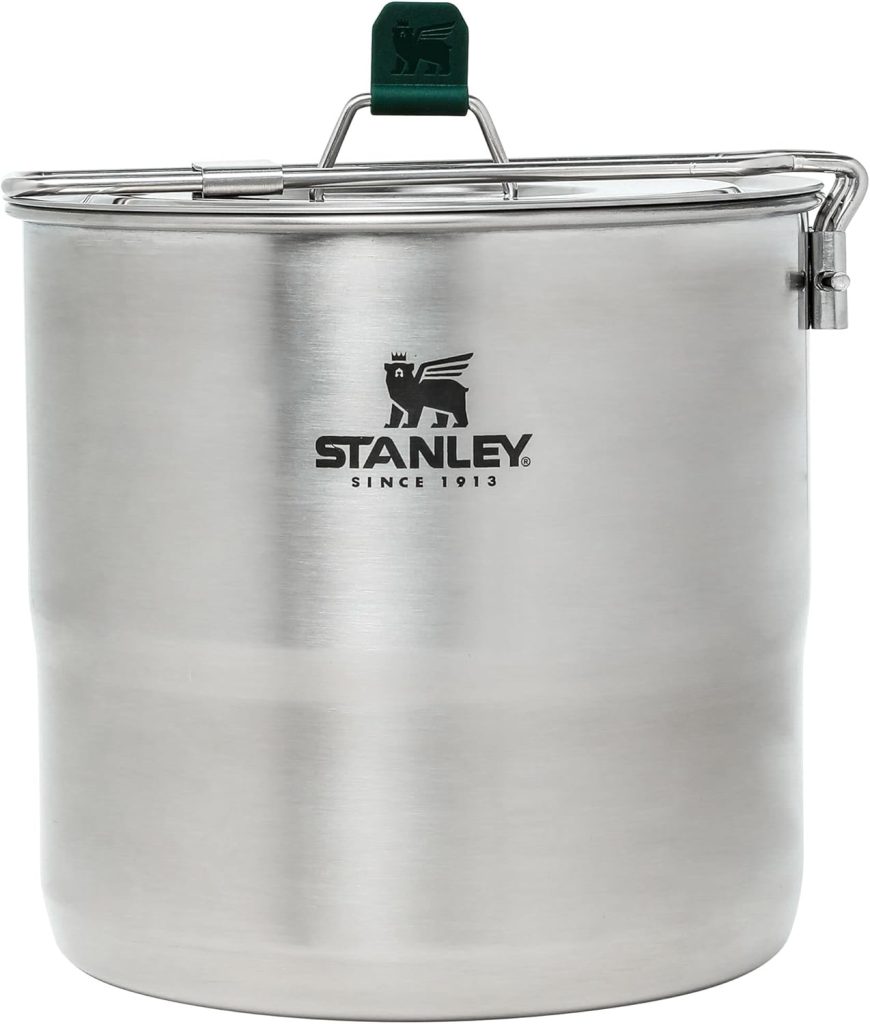
The Stanley Adventure Base Camp Cook Set combines the brand’s legendary durability with practical camping functionality. The stainless steel construction ensures longevity while the thoughtful design details make outdoor cooking more enjoyable. The set’s modular nature allows customization for different group sizes and cooking styles.
Key Features:
- 18/8 stainless steel construction
- Lifetime warranty
- Cool-grip handles
- Nesting design for storage
- Includes serving spoons
Performance Analysis: The stainless steel construction provides excellent durability and heat distribution. The pots heat evenly without hot spots common in thinner cookware. The handles remain cool during cooking, enhancing safety around the campfire. Build quality is exceptional throughout, justifying Stanley’s confidence in their lifetime warranty.
Pros:
- Lifetime warranty coverage
- Excellent build quality
- Even heat distribution
- Cool-touch handles
- Easy to clean stainless steel
Cons:
- Higher price point
- Can stick without adequate oil
- Heavier than aluminum alternatives
- Limited non-stick properties
Best Use Cases: Perfect for car camping, base camps, and situations where durability and warranty coverage matter more than weight savings.
Value Assessment: While expensive at $80-90, the lifetime warranty and exceptional build quality make this a buy-once solution for serious campers.
12. Rome Industries Pie Iron
Rating: ⭐⭐⭐⭐☆ 4/5

The Rome Industries Pie Iron brings nostalgic campfire cooking into the modern era. This simple but effective tool creates perfectly sealed sandwiches and pies over open flames. The cast iron construction ensures even heating while the long handle keeps hands safely away from the fire.
Key Features:
- Cast iron cooking chambers
- Extra-long wooden handle
- Creates sealed sandwiches
- Pre-seasoned surface
- Classic campfire cooking tool
Performance Analysis: The pie iron excels at its intended purpose, creating perfectly toasted and sealed sandwiches. Heat distribution throughout the cooking chambers is excellent, ensuring even browning. The long handle provides safe operation while the cast iron construction ensures durability for years of use.
Pros:
- Simple, effective design
- Long handle for safety
- Creates unique campfire treats
- Durable cast iron construction
- Affordable price point
Cons:
- Limited to specific food types
- Requires practice for perfect results
- Can be messy to use
- Single-purpose tool
Best Use Cases: Perfect for family camping, creating campfire desserts, nostalgic cooking experiences, and entertaining children around the fire.
Value Assessment: At $15-20, this pie iron provides excellent value as a specialty tool that creates memorable campfire experiences.
13. Coghlan’s Folding Camp Grill
Rating: ⭐⭐⭐☆☆ 3.5/5
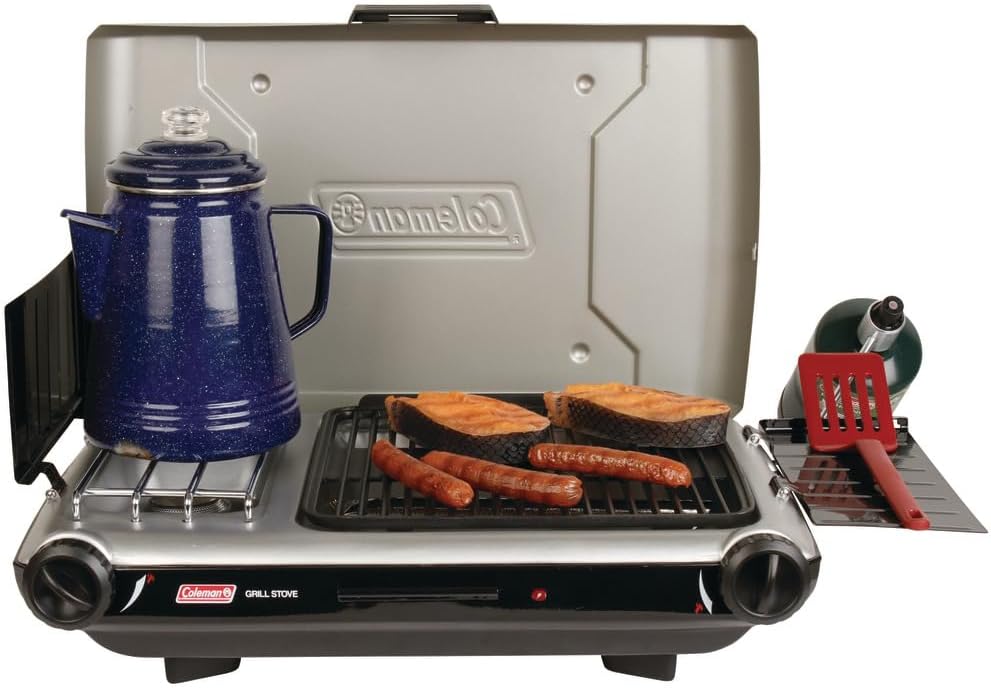
The Coghlan’s Folding Camp Grill provides essential grilling capability for campfire cooking. While not technically cookware, it’s an essential support tool that enables proper use of pans and pots over open flames. The folding design makes it practical for car camping while the adjustable height accommodates different fire sizes.
Key Features:
- Folding design for portability
- Adjustable height settings
- Heavy-duty steel construction
- Accommodates various cookware sizes
- Includes carrying case
Performance Analysis: The grill provides stable support for cookware over open flames. The adjustable height feature allows temperature control by raising or lowering cookware relative to coals. Construction is adequate for regular camping use, though the thin steel shows wear over time.
Pros:
- Portable folding design
- Adjustable height for temperature control
- Accommodates various cookware
- Affordable price
- Includes storage case
Cons:
- Thin steel construction
- Can warp with extreme heat
- Setup can be fiddly
- Limited stability on uneven ground
Best Use Cases: Essential for car camping, base camps, and situations where you need stable cookware support over open flames.
Value Assessment: At $20-25, this grill provides good value as a support tool, though build quality reflects the budget price point.
14. Jetboil Genesis Basecamp System
Rating: ⭐⭐⭐⭐☆ 4/5

The Jetboil Genesis Basecamp System brings gas stove convenience to car camping while maintaining the ability to cook over open flames. The modular design allows cooking with either the included burner or directly over campfire coals, providing flexibility based on conditions and preferences.
Key Features:
- Dual-fuel capability (gas and open fire)
- High-output burner system
- Modular cookware design
- FluxRing technology for efficiency
- Includes various pot sizes
Performance Analysis: The system excels in both gas and open fire modes. The burner provides consistent, controllable heat for precise cooking, while the pots work excellently over open flames. The FluxRing technology maximizes heat transfer efficiency. Build quality is excellent throughout the system.
Pros:
- Dual cooking method flexibility
- Excellent heat efficiency
- Modular system design
- High build quality
- Fast cooking times
Cons:
- Higher price point
- Requires gas canisters for stove mode
- Complex system for beginners
- Heavy for backpacking
Best Use Cases: Perfect for car camping, base camps, and situations where you want both stove and open fire cooking options.
Value Assessment: At $150-180, this system is expensive but provides exceptional flexibility and performance for serious outdoor cooking enthusiasts.
15. Lodge Sportsman’s Grill
Rating: ⭐⭐⭐⭐☆ 4/5

The Lodge Sportsman’s Grill combines a hibachi-style firebox with a pre-seasoned cast iron cooking surface. This portable unit brings contained fire cooking to locations where open fires aren’t practical while maintaining the authentic flavor and experience of cooking over wood or charcoal.
Key Features:
- Self-contained fire box
- Pre-seasoned cast iron grate
- Adjustable air vents for temperature control
- Removable ash pan
- Portable design with handles
Performance Analysis: The grill provides excellent control over cooking temperatures through the adjustable vents. The cast iron grate creates perfect sear marks while retaining heat effectively. The self-contained design makes it practical for use in fire-restricted areas while maintaining authentic wood-fired flavor.
Pros:
- Portable contained fire cooking
- Excellent temperature control
- Cast iron grate performance
- Works in fire-restricted areas
- Easy cleanup with ash pan
Cons:
- Heavy for true portability
- Requires wood or charcoal fuel
- Limited cooking surface area
- Can rust if not properly maintained
Best Use Cases: Perfect for patios, fire-restricted camping areas, tailgating, and situations requiring portable but contained fire cooking.
Value Assessment: At $100-120, this grill provides good value for those needing portable fire cooking capability with professional results.
Complete Buying Guide for Open Fire Cookware
Understanding Open Fire Cooking Dynamics
Open fire cooking presents unique challenges that differentiate it significantly from conventional kitchen cooking or even standard outdoor grilling. Carbon steel and unfinished cast iron are two of the best materials for open fire cooking: they’re both durable, can stand high temperatures without warping or cracking, and can be pretty much endlessly stripped down and reseasoned if they get dirty. The uneven, high-intensity heat requires cookware that can withstand extreme temperatures while distributing heat effectively to prevent burning and hot spots.
The radiant heat from glowing coals and flames creates cooking conditions that can reach temperatures exceeding 1000°F directly above the heat source, while areas just inches away may be significantly cooler. This dramatic temperature variation demands cookware with substantial thermal mass to moderate these extremes and provide consistent cooking temperatures.
Wind conditions, fuel type, and fire management all impact cooking performance, making versatility and durability essential characteristics in open fire cookware. Unlike controlled kitchen environments, outdoor cooking must accommodate changing conditions while maintaining food safety and cooking quality.
Material Selection and Properties
Cast Iron: The Traditional Champion
Cast iron remains the gold standard for open fire cookware due to its exceptional heat retention and distribution properties. The material’s high thermal mass absorbs heat energy during the cooking process and releases it slowly and evenly, creating ideal conditions for slow braising, baking, and searing. Cast iron’s ability to withstand extremely high temperatures without warping makes it perfect for direct flame contact.
The natural seasoning process creates a non-stick surface that improves with use, while the material’s durability ensures decades of reliable service. Pre-seasoned options eliminate the initial seasoning process, making them ready for immediate use. However, cast iron requires proper maintenance to prevent rust and maintain seasoning integrity.
Modern casting techniques have improved quality consistency while maintaining traditional performance characteristics. American-made cast iron typically offers superior quality control and metallurgy compared to imported alternatives, though at higher price points.
Stainless Steel: Modern Durability
Stainless steel offers excellent corrosion resistance and easy maintenance, making it attractive for casual outdoor cooking. The material doesn’t require seasoning and won’t impart metallic flavors to acidic foods. Quality stainless steel provides good heat conduction, though thermal mass is lower than cast iron.
Multi-ply construction with aluminum or copper cores improves heat distribution while maintaining stainless steel’s surface benefits. The material’s resistance to thermal shock makes it suitable for rapid temperature changes common in open fire cooking.
Premium stainless steel cookware often includes ergonomic handles and thoughtful design features that enhance outdoor cooking convenience. The material’s neutral taste and easy cleaning make it popular among campers who prioritize convenience over traditional cooking performance.
Hard Anodized Aluminum: Lightweight Performance
Hard anodized aluminum provides excellent heat conduction while maintaining relatively low weight compared to cast iron and stainless steel alternatives. The anodization process creates a durable, non-reactive surface that resists corrosion and wear.
The material’s rapid heat response makes it ideal for precise temperature control and quick cooking techniques. However, the lower thermal mass means less heat retention for slow cooking applications. Hard anodized surfaces can scratch or chip with rough handling, potentially compromising non-stick properties.
Quality varies significantly among manufacturers, with premium options offering better durability and heat distribution. The material’s lightweight characteristics make it popular for backpacking and weight-conscious camping applications.
Carbon Steel: Professional Choice
Carbon steel combines many advantages of cast iron with reduced weight and faster heat response. Popular among professional chefs, carbon steel develops natural non-stick properties through proper seasoning while providing excellent heat conduction.
The material’s responsiveness to temperature changes allows precise cooking control, while its durability withstands the rigors of open fire cooking. Carbon steel requires seasoning maintenance similar to cast iron but typically develops seasoning faster and more evenly.
Initial investment costs are higher than cast iron, but the performance benefits justify the expense for serious outdoor cooking enthusiasts. The material’s professional pedigree translates well to demanding outdoor cooking applications.
Size and Capacity Considerations
Individual vs. Group Cooking
Cookware sizing directly impacts cooking efficiency and group satisfaction during outdoor adventures. Solo campers and couples benefit from compact, lightweight options that provide adequate capacity without excess weight or bulk. Typically, 1-2 quart pots and 8-10 inch skillets serve these needs effectively.
Family camping and group adventures require larger capacity cookware to efficiently prepare meals for multiple people. Dutch ovens in the 6-8 quart range can comfortably serve 4-8 people depending on menu selection and appetite levels. Larger griddles and skillets enable simultaneous cooking of multiple portions.
Consider cooking style preferences when selecting sizes. One-pot meals require larger individual pieces, while varied cooking techniques benefit from multiple smaller pieces that can be used simultaneously over different heat zones.
Storage and Transport Limitations
Vehicle storage space often determines practical cookware size limits for car camping adventures. Measure available storage areas and consider how cookware will nest or stack with other camping equipment. Awkward shapes or oversized pieces may waste valuable space needed for other essential gear.
Backpacking applications demand careful weight and space analysis. Every ounce matters when carried over long distances, making lightweight, compact options essential. Nested designs that pack efficiently while providing necessary functionality offer the best solutions for weight-conscious adventurers.
Consider carrying case availability for delicate or valuable cookware pieces. Proper protection during transport prevents damage and extends usable life, particularly important for non-stick surfaces and precision-engineered components.
Handle Design and Safety Features
Heat Management
Open fire cooking generates extreme temperatures that can make cookware handles dangerously hot without proper design considerations. Long handles keep hands safely away from heat sources while providing adequate leverage for maneuvering heavy, loaded cookware over uneven fire surfaces.
Insulated or cool-touch handle designs prevent burns during extended cooking sessions. Some handles feature removable grips or protective sleeves that can be positioned as needed. Wire bail handles with wooden grips offer excellent heat protection while folding for compact storage.
Handle materials significantly impact safety and usability. Stainless steel handles conduct heat rapidly and require gloves or protective covers. Wooden handles provide natural insulation but can burn if positioned too close to flames. Synthetic materials offer heat resistance but may have temperature limitations.
Grip Security and Control
Secure grip design becomes critical when maneuvering heavy, hot cookware over unpredictable fire surfaces. Textured surfaces, ergonomic shaping, and adequate size prevent slippage that could result in burns or food spillage.
Dual handle designs distribute weight more evenly and provide better control when lifting heavy pieces like loaded Dutch ovens. Side handles or assist grips enhance balance and reduce strain during extended cooking sessions.
Consider glove compatibility when evaluating handle designs. Thick winter gloves or heat-resistant cooking gloves can make small or poorly designed handles difficult to grasp securely, potentially creating safety hazards.
Versatility and Multi-Purpose Design
Cooking Method Compatibility
The best open fire cookware accommodates multiple cooking techniques without requiring specialized tools for each method. Dutch ovens that function effectively for baking, braising, frying, and steaming provide exceptional versatility in single pieces.
Reversible griddles, combo cookers, and modular systems maximize functionality while minimizing equipment requirements. These multi-purpose designs prove especially valuable for space-conscious camping where every piece must justify its inclusion.
Consider how individual pieces work together as systems rather than standalone tools. Lids that double as skillets, pots that nest for storage, and handles that interchange between pieces create cohesive cooking systems with enhanced value.
Indoor/Outdoor Crossover Capability
Cookware that functions equally well indoors and outdoors provides better value and more frequent usage opportunities. Pieces suitable for home ovens, stovetops, and grills extend utility beyond camping adventures, justifying higher initial investments.
This crossover capability allows practice and familiarity development in controlled indoor environments before tackling challenging outdoor conditions. Mastering techniques at home builds confidence for successful outdoor cooking experiences.
Quality cookware suitable for both environments typically features superior construction and materials that enhance performance in all applications. The investment in premium pieces pays dividends through versatility and longevity.
Maintenance and Durability Requirements
Seasoning and Surface Care
Cast iron and carbon steel cookware require proper seasoning to maintain non-stick properties and prevent rust. Understanding seasoning techniques and maintenance requirements ensures long-term performance and value retention.
Pre-seasoned options provide immediate usability but still require ongoing maintenance to preserve surface integrity. Regular cooking with oils and fats naturally maintains and improves seasoning over time.
Seasoning restoration techniques allow revival of damaged or neglected pieces, extending usable life significantly. This capability makes quality cast iron cookware an investment that appreciates rather than depreciates with proper care.
Cleaning and Storage Protocols
Outdoor cooking environments present unique cleaning challenges due to limited water availability and lack of conventional cleaning facilities. Cookware selection should consider ease of cleaning and maintenance in these restricted conditions.
Non-stick surfaces simplify cleaning but may require gentle handling and specific cleaning agents. Cast iron tolerates aggressive cleaning when necessary but benefits from gentle maintenance to preserve seasoning.
Proper drying and storage techniques prevent rust and corrosion during extended storage periods between camping trips. Climate-controlled storage and protective coatings extend cookware life significantly.
Repair and Restoration Possibilities
Quality cookware often allows repair and restoration when damage occurs, extending usable life far beyond typical kitchen equipment. Cast iron pieces can be completely restored through grinding, re-seasoning, and handle replacement when necessary.
Professional restoration services exist for valuable or sentimental pieces, though basic restoration techniques can be learned and applied by dedicated outdoor cooking enthusiasts. This repairability makes quality cookware a sustainable choice that reduces long-term replacement costs.
Understanding repair possibilities influences purchasing decisions by highlighting the true lifetime value of quality pieces versus disposable alternatives that must be replaced when damaged.
Budget Considerations and Value Analysis
Initial Investment vs. Lifetime Cost
Open fire cookware represents a spectrum of investment levels from budget-friendly options under $30 to professional-grade pieces exceeding $200. Understanding the relationship between initial cost and lifetime value helps make informed purchasing decisions that align with usage patterns and expectations.
Budget options often provide adequate performance for casual use but may lack durability for frequent or demanding applications. Mid-range pieces typically offer the best balance of performance, features, and longevity for regular outdoor cooking enthusiasts.
Premium cookware justifies higher costs through superior materials, construction quality, and extended warranties. These pieces often provide lifetime service with proper care, making them cost-effective for dedicated outdoor cooking practitioners.
Cost-Per-Use Analysis
Frequent outdoor cooking makes higher-quality cookware more cost-effective through reduced per-use costs over time. A $100 Dutch oven used 50 times per year costs $2 per use in the first year, decreasing to $0.20 per use by the tenth year of ownership.
Occasional users may find budget options more appropriate since per-use costs remain reasonable even with shorter product lifespans. However, quality differences can impact cooking success and enjoyment, potentially affecting usage frequency and satisfaction.
Consider expansion possibilities when evaluating costs. Starting with quality basic pieces allows system building over time rather than replacing inadequate equipment as skills and interests develop.
Warranty and Support Considerations
Manufacturer warranties provide insight into product quality expectations and company confidence in their products. Lifetime warranties indicate exceptional quality and company commitment to customer satisfaction.
Support availability for replacement parts, repair services, and technical assistance adds value beyond initial purchase price. Companies with strong customer service reputations provide better ownership experiences and problem resolution.
Consider warranty terms carefully, noting exclusions for misuse, normal wear, or specific damage types. Understanding coverage limitations prevents disappointment and helps evaluate true product value.
Advanced Techniques for Open Fire Cooking
Fire Management and Heat Control
Building Proper Coal Beds
Successful open fire cooking begins with proper fire management and coal bed development. Unlike grilling over gas where heat is instantly adjustable, open fire cooking requires planning and patience to develop appropriate cooking conditions. The ideal coal bed provides consistent, manageable heat that can be maintained throughout the cooking process.
Start fires 30-45 minutes before cooking to allow sufficient time for wood to burn down to glowing coals. Hardwoods like oak, hickory, and maple produce longer-lasting coals with consistent heat output. Softwoods burn quickly and create less desirable cooking conditions with excessive flames and inconsistent temperatures.
Coal bed management involves spreading coals to create different heat zones for various cooking techniques. Concentrated coals provide high heat for searing, while spread coals offer moderate temperatures for braising and slow cooking. Moving coals during cooking allows temperature adjustment without changing cookware position.
Temperature Estimation Techniques
Without thermometers, outdoor cooks must develop skills for estimating cooking temperatures through visual and tactile methods. The hand test provides a reliable method for gauging coal bed temperature by holding your hand five inches above the coals and counting how long it can be comfortably maintained.
One to two seconds indicates high heat (450-500°F) suitable for searing meats and achieving caramelization. Three to four seconds suggests medium-high heat (400-450°F) ideal for most sautéing and browning applications. Five to eight seconds indicates medium heat (350-400°F) perfect for general cooking and braising.
Visual cues supplement hand testing for more precise temperature assessment. Bright red coals with minimal ash coating indicate maximum heat, while coals with substantial ash covering provide moderate temperatures. Gray coals with occasional red glimpses offer low heat suitable for slow cooking and warming.
Advanced Cooking Methods
Dutch Oven Baking Techniques
Dutch oven baking transforms simple camping meals into impressive culinary achievements. Proper heat distribution requires coals both below and above the Dutch oven, typically in a 1:3 ratio favoring the lid for most baking applications. This configuration mimics conventional oven conditions with bottom heat for cooking and top heat for browning.
Bread baking demands precise heat management to achieve proper crust development and internal cooking. Start with high heat to create oven spring, then reduce heat gradually to complete cooking without burning. Rotating the Dutch oven and lid every 15 minutes ensures even browning and prevents hot spots.
Steam management affects baking success significantly. Removing the lid briefly during the final cooking stages allows moisture escape for crispy crusts on breads and biscuits. Conversely, maintaining sealed conditions creates moist environments ideal for cakes and steamed puddings.
Coal Configuration Strategies
Different cooking methods require specific coal arrangements to achieve optimal results. Ring configurations with coals arranged in circles provide excellent heat distribution for baking applications. The open center reduces bottom heat while maintaining even perimeter heating.
Linear arrangements work well for griddle cooking and when using multiple pieces simultaneously. Coals arranged in lines create consistent heat zones that accommodate various cooking needs within the same fire area. This configuration maximizes cooking surface utilization.
Banking coals against one side of the fire creates temperature gradients ideal for complex dishes requiring different heat zones. Foods can be moved between areas as cooking progresses, allowing precise control over cooking rates and final results.
Specialized Cooking Applications
Smoking and Flavor Enhancement
Open fire cooking naturally incorporates smoke flavors that enhance food complexity and appeal. Wood selection significantly impacts flavor profiles, with different species providing distinct characteristics. Fruit woods like apple and cherry offer mild, sweet smoke ideal for poultry and pork.
Hardwoods such as hickory and oak provide robust smoke flavors that complement beef and game meats. Mesquite delivers intense, distinctive flavors that work well with strong-flavored foods but can overwhelm delicate items. Mixing woods creates complex flavor profiles that add sophistication to outdoor cooking.
Soaking wood chips before adding to coals extends smoking time and reduces flame-ups that can create bitter flavors. Adding soaked chips throughout cooking maintains consistent smoke production without overwhelming foods with excessive smoke exposure.
Multi-Zone Cooking Management
Advanced open fire cooking involves managing multiple cooking zones simultaneously to prepare complex meals efficiently. Creating hot, medium, and cool zones within the same fire area allows different cooking techniques to proceed concurrently.
Hot zones handle searing, browning, and high-heat cooking while medium zones accommodate general cooking tasks. Cool zones provide warming areas and gentle cooking for delicate items. Moving foods between zones as cooking progresses ensures optimal results for each component.
This technique proves especially valuable for complete meal preparation where proteins, vegetables, and starches require different cooking methods and timing. Proper zone management allows all components to finish simultaneously for cohesive meal presentation.
Safety Guidelines and Best Practices
Fire Safety and Prevention
Proper Fire Containment
Open fire cooking requires careful attention to fire containment and control to prevent accidents and environmental damage. Always check local fire restrictions and obtain necessary permits before establishing cooking fires. Many areas have seasonal restrictions or complete fire bans during high-risk periods.
Establish fires only in designated areas or properly prepared fire rings with adequate clearance from flammable materials. Clear a minimum 10-foot radius around fire areas, removing dry vegetation, overhanging branches, and combustible debris. Keep fire suppression materials readily available, including water, sand, or approved fire suppressants.
Never leave fires unattended, even briefly. Designate a responsible adult to monitor fire conditions continuously while cooking. Wind changes can rapidly spread fires beyond intended boundaries, making constant vigilance essential for safety.
Equipment Safety Protocols
Hot cookware and open flames create numerous burn hazards that require careful safety protocols. Always use proper protective equipment including heat-resistant gloves, long-handled tools, and appropriate clothing. Avoid synthetic fabrics that can melt and cause severe burns.
Establish safe equipment handling procedures for moving hot cookware and managing coals. Use long-handled tools to adjust coals and position cookware, keeping hands and arms away from heat sources. Never attempt to move hot cookware without proper tools and assistance when needed.
Maintain clear workspace areas free from tripping hazards and clutter. Ensure adequate lighting for safe equipment handling during evening cooking sessions. Keep first aid supplies readily available and ensure at least one person has basic burn treatment knowledge.
Food Safety in Outdoor Conditions
Temperature Control and Monitoring
Food safety presents unique challenges in outdoor cooking environments where temperature control is less precise than indoor kitchens. Use calibrated thermometers to verify internal temperatures of meats and poultry, ensuring safe consumption levels are achieved.
Maintain proper cold storage for perishable ingredients until cooking begins. Ice-packed coolers should maintain temperatures below 40°F, requiring regular ice replenishment during extended camping trips. Consider dry ice for longer adventures, following proper handling and ventilation protocols.
Cook perishable foods promptly after removal from cold storage, minimizing time spent in danger zone temperatures between 40°F and 140°F. Plan cooking sequences to minimize perishable food exposure and ensure safe consumption.
Contamination Prevention
Cross-contamination prevention becomes more challenging in outdoor environments with limited cleaning facilities and workspace. Use separate cutting boards and utensils for raw and cooked foods, or thoroughly clean between uses with sanitizing solutions.
Establish organized preparation areas that prevent raw food contact with ready-to-eat items. Designate specific tools for raw meat handling and ensure proper cleaning before use with other ingredients. Store raw meats separately from other foods during transport and preparation.
Hand washing becomes critical for food safety but may be challenging with limited water supplies. Use hand sanitizer when soap and water aren’t available, but prioritize proper washing when possible. Designate one person for food handling to minimize contamination risks in group settings.
Environmental Responsibility
Leave No Trace Principles
Responsible outdoor cooking includes minimizing environmental impact through Leave No Trace principles. Plan meals carefully to minimize waste generation and packaging materials that must be packed out. Choose foods with minimal packaging or transfer items to reusable containers before trips.
Dispose of cooking water and food scraps properly to prevent wildlife attraction and environmental contamination. Strain dishwater to remove food particles before dispersing water away from campsites and water sources. Pack out all food scraps and cooking waste.
Use established fire rings when available rather than creating new fire scars. When fires must be built in pristine areas, use mound or pan fires that can be completely restored after use. Scatter cold ashes widely and restore natural area appearance.
Wildlife Interaction Management
Proper food storage and cooking practices prevent dangerous wildlife interactions that threaten both humans and animals. Store all food, cooking utensils, and scented items in bear-proof containers or hanging systems as required by local regulations.
Never feed wildlife intentionally or leave food scraps that might attract animals. Even small amounts of food can habituate wildlife to human presence, creating dangerous situations for future visitors. Clean cooking areas thoroughly to remove food odors and residues.
Maintain clean campsites free from food debris and cooking waste. Wildlife attracted to food sources may become aggressive and pose safety threats to campers. Prevention through proper practices eliminates most wildlife conflict situations.
Frequently Asked Questions (FAQs)
General Open Fire Cooking Questions
Q: What’s the difference between cooking over flames versus coals?
A: Cooking over flames provides intense, uneven heat that’s difficult to control and often results in burned exteriors with raw interiors. Flames also produce soot that can contaminate food and cookware. Coals provide steady, manageable heat that can be controlled through coal arrangement and distance adjustment. Professional outdoor cooks almost exclusively use coal beds for actual cooking, reserving flames only for initial heating or dramatic presentation effects.
The key difference lies in temperature consistency and control. Flames fluctuate wildly in temperature and can exceed 2000°F at their tips while being much cooler at their base. Coals maintain relatively steady temperatures that can be estimated and managed through proven techniques. This consistency allows predictable cooking results and better food quality.
Q: How do I know when my coals are ready for cooking?
A: Coals are ready for cooking when they glow consistently with a light coating of gray ash. This condition typically occurs 30-45 minutes after lighting, depending on wood type and fire size. The coals should have minimal flames and provide steady radiant heat. Use the hand test to gauge temperature – holding your hand five inches above should be uncomfortable after 3-5 seconds for medium heat suitable for most cooking.
Visual indicators include consistent red glow with light ash coating and minimal smoke production. Coals that are still flaming or producing significant smoke aren’t ready for food placement. Wait until the fire has burned down to this stable coal stage before beginning cooking for best results.
Q: Can I use regular kitchen cookware over an open fire?
A: Most regular kitchen cookware isn’t suitable for open fire cooking due to material limitations and design features. Non-stick coatings can release toxic fumes at high temperatures and will be permanently damaged. Aluminum cookware may warp or melt, while glass and ceramic pieces can shatter from thermal shock. Plastic handles will melt and create safety hazards.
Stainless steel and cast iron kitchen pieces may work if they lack plastic components and can withstand high temperatures. However, they typically lack features like legs, proper handles, and heat distribution characteristics designed specifically for open fire use. Investing in proper open fire cookware provides better results and safer operation.
Q: How much cookware do I need for camping?
A: Cookware needs depend on group size, cooking style, and trip duration. For solo camping, a single pot and small skillet usually suffice. Couples benefit from a 2-3 quart pot, 8-10 inch skillet, and possibly a small Dutch oven. Families and groups need larger capacity pieces or multiple items to cook efficiently.
Consider cooking style preferences when determining needs. One-pot meal enthusiasts need fewer pieces but larger capacity. Varied cooking styles require more pieces but can use smaller individual items. Start with basics and add specialized pieces as experience and interests develop. Quality basic pieces serve most needs effectively.
Maintenance and Care Questions
Q: How do I season cast iron cookware properly?
A: Proper seasoning creates a natural non-stick surface and prevents rust. Clean the cookware thoroughly with soap and water, then dry completely. Apply a thin layer of high-temperature oil (flaxseed, vegetable shortening, or specialized seasoning oils work well) to all surfaces, wiping away excess oil that could create sticky spots.
Heat the oiled cookware in a 450-500°F oven for one hour, then allow cooling in the oven. Repeat this process 3-4 times for new cookware or when restoring damaged seasoning. Regular cooking with oils and fats maintains and improves seasoning over time. Avoid cooking acidic foods until seasoning is well-established.
Q: What should I do if my cast iron cookware rusts?
A: Surface rust can be removed through scrubbing with steel wool or coarse salt and oil. For extensive rust, use fine sandpaper or steel wool to remove all rust down to bare metal. Clean thoroughly with soap and water, dry completely, then re-season following proper seasoning procedures.
Prevention is easier than correction. Always dry cookware completely after cleaning and apply a light oil coating before storage. Store in low-humidity environments when possible. Minor surface rust from occasional moisture exposure is normal and easily corrected, while deep pitting rust may require professional restoration.
Q: How do I clean cookware while camping with limited water?
A: Use minimal water cleaning techniques to conserve water supplies while maintaining hygiene. Scrape food residues thoroughly before cleaning, then use paper towels or disposable wipes to remove remaining oils and particles. Heat a small amount of water for cleaning, using drop of biodegradable soap when necessary.
For cast iron, coarse salt works as an excellent abrasive cleaner that requires minimal water. Scrub with salt and a paper towel, then rinse briefly and dry thoroughly over the fire. Re-oil lightly before storage. This technique effectively cleans while preserving seasoning and minimizing water usage.
Cooking Technique Questions
Q: How do I prevent food from sticking to my cookware?
A: Proper preheating and oil usage prevent most sticking issues. Heat cookware gradually before adding oil, then heat oil until it shimmers but doesn’t smoke. This creates an effective non-stick surface for most foods. Cast iron and carbon steel develop natural non-stick properties through proper seasoning and regular use.
Avoid moving foods too early in the cooking process. Proteins naturally release from cooking surfaces when properly seared. Premature movement tears food and creates sticking. Allow proper searing time before attempting to turn or move foods. Using adequate fat and proper temperatures prevents most sticking problems.
Q: Why does my food burn on the bottom but stay raw on top?
A: This common problem results from excessive direct heat without proper heat distribution. Move cookware further from coals or spread coals over a larger area to reduce heat intensity. Use coal arrangements that provide moderate, even heat rather than concentrated hot spots.
For thick foods, start with moderate heat to cook interiors, then increase heat at the end for browning. Cover foods when appropriate to trap heat and promote even cooking. Dutch oven cooking with coals on top and bottom provides more even heat distribution for thick items like breads and roasts.
Q: How do I control cooking temperature without a thermometer?
A: Develop hand testing skills for temperature assessment. Hold your hand five inches above coals and count seconds until discomfort forces removal. 1-2 seconds indicates high heat, 3-4 seconds medium-high, 5-8 seconds medium, and 8+ seconds low heat. Practice this technique to develop consistent temperature assessment skills.
Visual cues supplement hand testing. Bright red coals with minimal ash provide maximum heat, while gray coals with red glimpses offer moderate temperatures. Adjust heat by moving coals closer or further apart, adding fresh coals for more heat, or allowing coals to burn down for less heat.
Equipment Selection Questions
Q: What size Dutch oven should I buy?
A: Dutch oven size depends primarily on group size and cooking style. A 4-quart serves 2-3 people, 6-quart handles 4-6 people, and 8-quart accommodates 6-8 people comfortably. Consider cooking style preferences – one-pot meals need larger capacity while varied cooking uses smaller sizes more efficiently.
Factor in weight and handling considerations. Larger Dutch ovens become very heavy when loaded with food and difficult for some people to maneuver safely. Multiple smaller pieces might serve large groups better than single large pieces. Start with medium sizes that serve your typical group and add others as needs develop.
Q: Is pre-seasoned cookware worth the extra cost?
A: Pre-seasoned cookware provides immediate usability and saves time compared to seasoning raw cast iron yourself. The factory seasoning quality varies among manufacturers, with some providing excellent initial coatings while others offer minimal protection. Quality pre-seasoned pieces justify their cost through convenience and time savings.
However, personal seasoning often provides better long-term results as you control the process and materials used. Raw cast iron costs less initially and allows customization of seasoning methods and oils. Consider your experience level and available time when choosing between pre-seasoned and raw options.
Q: Should I buy individual pieces or complete sets?
A: Individual pieces allow customization based on specific needs and cooking styles while avoiding unused items that add cost and storage requirements. Start with essential pieces that match your cooking preferences, then add others as experience and needs develop. This approach typically provides better value and more satisfying results.
Complete sets offer convenience and cost savings when all included pieces will be used regularly. They also ensure style and quality consistency across all pieces. Evaluate set contents carefully to ensure all pieces serve your needs rather than buying unnecessary items for perceived savings.
Safety and Storage Questions
Q: How do I store cast iron cookware long-term?
A: Proper storage prevents rust and maintains seasoning integrity during extended periods between uses. Clean and dry cookware thoroughly, then apply a light coating of oil to all surfaces. Store in low-humidity environments with good air circulation to prevent moisture accumulation.
Avoid storing in damp basements, unheated garages, or areas with temperature fluctuations that create condensation. Place paper towels inside pieces to absorb any moisture and prevent lid sealing that could trap humidity. Check stored pieces periodically and re-oil if necessary to maintain protection.
Q: What safety equipment should I have when cooking over open fires?
A: Essential safety equipment includes heat-resistant gloves, long-handled tools for coal and cookware management, first aid supplies including burn treatment materials, and fire suppression materials like water or sand. Keep safety equipment easily accessible and ensure all cooking participants know its location and proper use.
Additional useful items include leather aprons or chaps for burn protection, adequate lighting for evening cooking, and communication devices for emergency situations in remote locations. Never compromise on safety equipment to save weight or space – injuries in outdoor settings can quickly become serious emergencies.
Q: Can I leave my cookware outside overnight?
A: Leaving cookware outside overnight isn’t recommended due to weather exposure, wildlife interaction risks, and potential theft. Morning dew creates moisture that can cause rust on iron and steel pieces. Wildlife may investigate food odors and damage cookware while searching for food remnants.
Store cookware in secure, dry locations whenever possible. If temporary outdoor storage is necessary, clean thoroughly to remove food odors, dry completely, and cover to protect from moisture. Check and clean pieces before use if they’ve been exposed to outdoor conditions overnight.
Conclusion
Open fire cooking represents one of humanity’s oldest and most satisfying culinary arts, connecting us to our ancestral heritage while creating memorable experiences in natural settings. The right cookware transforms this ancient practice from a survival necessity into a sophisticated cooking method capable of producing restaurant-quality results in outdoor environments.
Through careful selection of materials, sizes, and features suited to your specific needs and cooking style, open fire cookware becomes an investment in countless future adventures and culinary achievements. Whether you’re drawn to the traditional appeal of cast iron Dutch ovens, the modern convenience of lightweight aluminum sets, or the professional performance of carbon steel pieces, quality cookware enhances every aspect of outdoor cooking.
The products reviewed in this guide represent the finest options available on Amazon USA, each offering unique advantages for different applications and user preferences. From the legendary durability of Lodge cast iron to the innovative designs of modern camping cookware manufacturers, these selections provide proven performance in demanding outdoor conditions.
Remember that cookware selection is only the beginning of your open fire cooking journey. Developing proper techniques, understanding fire management, and practicing safety protocols are equally important for successful outcomes. Start with quality basic pieces that match your current needs and experience level, then expand your collection as skills and interests develop.
The investment in proper open fire cookware pays dividends through improved cooking results, enhanced safety, and greater enjoyment of outdoor experiences. Quality pieces provide decades of reliable service, making them cost-effective choices that appreciate in value through regular use and proper care.
Whether you’re planning your first camping adventure or seeking to upgrade existing equipment, the cookware options in this guide offer proven solutions for every need and budget. Choose pieces that inspire confidence and excitement about your next outdoor cooking adventure – the fire is waiting, and with the right tools, extraordinary meals are just a spark away.
The art of cooking over open flames continues to evolve as manufacturers incorporate modern materials and design innovations while respecting traditional principles that have served outdoor cooks for millennia. By selecting cookware that honors this heritage while embracing contemporary improvements, you become part of an ancient tradition that transforms simple ingredients into memorable experiences shared around glowing coals under starlit skies.
Your outdoor cooking adventures await – equipped with knowledge, quality tools, and respect for both tradition and innovation, you’re ready to create culinary memories that will last a lifetime. The dancing flames and glowing coals are calling, and with the right cookware, every meal becomes an opportunity for outdoor culinary excellence.
Additional Resources and Expert Tips
Seasonal Considerations for Open Fire Cooking
Winter Fire Cooking Challenges
Winter open fire cooking presents unique challenges that require specific equipment adaptations and technique modifications. Cold temperatures affect coal burning rates, with fires consuming fuel faster and producing less consistent heat output. Plan for increased fuel consumption and longer fire preparation times in cold weather conditions.
Snow and moisture create equipment management challenges that demand extra attention to rust prevention and thermal shock protection. Rapid temperature changes from cold storage to hot cooking can crack ceramic components and stress metal joints. Allow gradual warming of cookware before exposing to high heat sources.
Wind management becomes critical in winter conditions where gusts can rapidly disperse heat and create uneven cooking conditions. Establish windbreaks using natural terrain features or portable screens to maintain consistent cooking environments. Consider sheltered cooking areas that protect both cook and fire from harsh weather elements.
Summer Heat and Fire Restrictions
Summer cooking requires awareness of fire restriction seasons and extreme heat conditions that affect both safety and cooking performance. Many areas implement fire bans during high-risk periods, necessitating alternative cooking methods or location changes. Monitor local fire conditions and regulations before planning summer cooking adventures.
Extreme heat affects food safety timelines and storage requirements more severely than moderate temperatures. Reduce time between cold storage removal and cooking initiation to prevent spoilage. Consider cooking during cooler morning and evening hours to reduce heat stress on both cook and ingredients.
High ambient temperatures make fire management more challenging as additional heat sources become uncomfortable. Plan menus that require minimal cooking time and consider cold preparation methods that reduce fire exposure requirements.
Advanced Recipe Adaptations
Converting Indoor Recipes for Open Fire
Successfully adapting favorite indoor recipes for open fire cooking requires understanding heat distribution differences and timing adjustments. Indoor ovens provide consistent, surrounding heat while open fires create directional heat with varying intensity zones. Modify recipes to accommodate these differences through technique and equipment adjustments.
Baking recipes need particular attention to heat source positioning and timing modifications. Dutch oven baking requires coal placement both above and below cookware to simulate oven conditions. Generally, use one-third of coals below and two-thirds above for most baking applications, adjusting based on recipe requirements.
Liquid volumes may need adjustment due to increased evaporation rates over open fires. Monitor moisture levels carefully and add liquids as needed to prevent burning or drying. Covered cooking methods help retain moisture while allowing proper heat penetration.
Scaling Recipes for Groups
Large group cooking requires mathematical scaling and equipment considerations that go beyond simple multiplication of ingredients. Heat transfer efficiency changes with cookware size, often requiring longer cooking times for larger batches even with proportionally larger heat sources.
Consider cooking technique modifications when scaling recipes significantly. Multiple smaller batches may cook more evenly and safely than single large batches that exceed cookware capabilities. Plan cooking sequences that allow some dishes to hold while others cook.
Ingredient preparation becomes more complex with large groups, requiring advance planning and possibly pre-cooking of certain components. Consider partially preparing ingredients at home to reduce camp cooking complexity and time requirements.
Professional Development and Skill Building
Practice Progression for Beginners
Developing open fire cooking skills requires systematic practice progression from simple to complex techniques. Start with basic heating and temperature control exercises before attempting complex recipes. Practice fire building and coal management skills separately from cooking to build confidence.
Begin with forgiving foods that tolerate temperature variations and timing errors. Stews, simple roasts, and basic bread recipes provide learning opportunities without risking expensive ingredients or meal failures. Master these basics before progressing to delicate sauces or precision baking.
Keep detailed cooking logs documenting techniques, timing, and results to identify improvement patterns and successful methods. Note weather conditions, fuel types, and equipment performance to build experience database for future reference.
Advanced Technique Development
Advanced open fire cooking incorporates multiple simultaneous cooking methods and complex flavor development techniques. Practice managing different heat zones for various cooking stages within single dishes. Develop skills for transitioning foods between cooking methods seamlessly.
Smoke management for flavor enhancement requires understanding wood selection, moisture control, and timing coordination. Different woods produce distinct flavor profiles that complement specific foods. Experiment with wood combinations to develop signature flavor profiles.
Temperature control mastery allows precise cooking of delicate items like fish, eggs, and cream sauces that require careful heat management. Practice heat adjustment techniques through coal manipulation and cookware positioning to achieve consistent results.
Equipment Maintenance and Longevity
Preventive Maintenance Schedules
Establishing regular maintenance schedules extends cookware life significantly while ensuring optimal performance. Cast iron requires monthly inspection and re-oiling during storage periods, with more frequent attention during active use seasons. Check for rust spots, seasoning wear, and handle integrity regularly.
Stainless steel and aluminum pieces need periodic deep cleaning to remove accumulated residues and maintain heat transfer efficiency. Use appropriate cleaning agents that won’t damage surface finishes or compromise food safety. Inspect handles and joints for wear or loosening.
Create maintenance logs tracking cleaning schedules, repairs performed, and replacement needs to optimize equipment longevity. Preventive maintenance costs far less than replacement and ensures reliable performance when needed.
Repair and Restoration Techniques
Learning basic repair techniques saves money while extending equipment life. Cast iron restoration involves rust removal, surface preparation, and re-seasoning processes that restore pieces to like-new condition. These skills allow revival of neglected pieces and maintenance of valuable cookware.
Handle replacement, rivet tightening, and surface refinishing can restore functionality to damaged pieces. Basic metalworking skills and appropriate tools enable many repairs that would otherwise require professional service or replacement.
Understand when professional restoration makes sense versus replacement for damaged pieces. Valuable, sentimental, or rare pieces may justify expensive restoration, while common items might be more economically replaced.
Community and Learning Resources
Online Communities and Forums
Joining online communities dedicated to outdoor cooking provides access to collective knowledge and experience sharing. Forums, social media groups, and specialized websites offer troubleshooting assistance, recipe sharing, and technique discussions from experienced practitioners.
Participate actively in communities by sharing experiences, asking questions, and contributing knowledge to help others. Building relationships within cooking communities creates networks for learning and gear recommendations based on real-world experience.
Follow respected outdoor cooking influencers and educators who share advanced techniques and equipment reviews. Many offer detailed tutorials and troubleshooting guides that accelerate skill development.
Local Workshops and Classes
Seek local workshops, classes, and demonstrations to learn hands-on techniques from experienced instructors. Many outdoor education centers, cooking schools, and recreational programs offer open fire cooking instruction. These experiences provide immediate feedback and personalized guidance.
Connect with local outdoor cooking enthusiasts through camping clubs, scouting organizations, and recreational groups. Experienced cooks often welcome opportunities to share knowledge and demonstrate techniques to interested learners.
Consider organizing informal cooking gatherings where participants can share equipment, techniques, and recipes while learning from each other’s experiences. These events build community while advancing everyone’s skills.
Innovation and Future Trends
Emerging Technologies in Outdoor Cookware
Modern materials science continues improving outdoor cookware through advanced alloys, surface treatments, and design innovations. Ceramic-reinforced coatings provide enhanced non-stick properties with greater durability than traditional surfaces. These technologies filter down from professional applications to consumer products.
Smart temperature monitoring systems integrate with traditional cookware to provide precise temperature feedback through wireless sensors and smartphone apps. While maintaining traditional cooking methods, these tools help develop skills and ensure food safety.
Modular cookware systems offer increased versatility through interchangeable components that adapt to different cooking needs. These designs maximize functionality while minimizing weight and storage requirements for modern outdoor enthusiasts.
Sustainability and Environmental Considerations
Sustainable materials and manufacturing processes increasingly influence cookware selection as environmental awareness grows. Recycled metals, responsible sourcing, and low-impact manufacturing become important factors in purchasing decisions for environmentally conscious consumers.
Durability and repairability contribute to sustainability by reducing replacement frequency and waste generation. Choosing quality pieces designed for long-term use supports environmental goals while providing better cooking performance and value.
Local sourcing and production reduce transportation impacts while supporting regional economies. American-made cookware often provides superior quality control while minimizing environmental transportation costs.
Cultural and Historical Context
Traditional Cooking Methods Worldwide
Open fire cooking traditions exist in cultures worldwide, each developing unique techniques and equipment adapted to local ingredients and conditions. Learning from diverse traditions expands technique repertoires and menu possibilities while honoring cultural heritage.
Indigenous cooking methods often provide insights into sustainable practices and efficient resource utilization. Traditional earth ovens, clay cookware, and specialized tools offer alternatives to modern equipment while connecting us to historical practices.
Regional specialties developed around local fuel sources, ingredients, and climate conditions provide inspiration for modern outdoor cooking. Adapting traditional recipes and techniques to contemporary equipment creates unique fusion approaches.
Evolution of Outdoor Cooking Equipment
Understanding cookware evolution provides perspective on current design choices and future development directions. Early cast iron pieces prioritized durability and heat retention over weight considerations, reflecting transportation and usage patterns of their era.
Modern materials and manufacturing techniques address contemporary needs for lightweight, portable equipment without sacrificing performance. This evolution continues as outdoor recreation patterns change and new materials become available.
Historical designs often inspire modern innovations as manufacturers rediscover effective traditional solutions. Classic Dutch oven features, griddle designs, and handle configurations prove their worth across centuries of use.
Final Equipment Recommendations by Use Case
Backpacking and Ultralight Camping
For backpacking where every ounce matters, prioritize lightweight materials and multi-functional designs. The Snow Peak Field Cooker Pro and MSR Alpine series represent optimal weight-to-functionality ratios for serious backpackers. Consider titanium options for ultimate weight savings in solo applications.
Focus on pieces that serve multiple functions to minimize gear requirements. Pot lids that function as plates, cups that nest inside pots, and utensils that serve multiple purposes maximize utility per weight unit.
Plan menus around equipment limitations rather than forcing complex cooking into ultralight gear constraints. Simple, one-pot meals work better than elaborate preparations requiring multiple pieces and extended cooking times.
Car Camping and Base Camp Operations
Car camping eliminates weight restrictions while allowing comprehensive cooking setups. The Lodge Dutch oven series, cast iron griddles, and complete cookware systems provide restaurant-quality cooking capabilities in outdoor settings.
Consider comfort and convenience features that enhance the camping experience without weight penalties. Larger cooking surfaces, comfortable handles, and comprehensive tool sets justify their bulk when transportation isn’t limiting.
Build cooking systems rather than collecting individual pieces. Coordinated equipment that works together efficiently provides better results than random collections of unrelated pieces.
Family and Group Cooking
Large group cooking requires scaling considerations and efficient workflow planning. Multiple medium-sized pieces often work better than single large pieces for serving diverse preferences and managing cooking timing.
Consider serving and cleanup requirements when selecting equipment for groups. Larger griddles and serving pieces reduce preparation time while making meal service more efficient and enjoyable.
Plan equipment storage and transport carefully for group adventures. Organized packing systems prevent damage while ensuring all necessary pieces arrive at destinations ready for use.
Conclusion: Building Your Open Fire Cooking Legacy
Open fire cooking represents more than just a method of food preparation – it’s a connection to our fundamental relationship with fire, food, and fellowship that defines human culture across time and geography. The equipment choices you make today become the tools that create tomorrow’s memories, passed down through generations of outdoor enthusiasts who understand the irreplaceable value of meals cooked over glowing coals under starlit skies.
The investment in quality open fire cookware transcends mere monetary considerations, representing a commitment to experiences that enrich life through connection with nature, mastery of ancient skills, and creation of lasting memories with family and friends. Each piece of carefully selected cookware becomes a partner in adventures yet to come, developing character and performance through shared experiences around countless fires.
As you build your collection of open fire cookware, remember that the most expensive piece isn’t necessarily the best choice for your specific needs and aspirations. The best cookware is what inspires you to light the fire, gather your people, and create meals that become legends in your family’s storytelling tradition. Whether that’s a simple cast iron skillet for morning eggs or an elaborate Dutch oven system for gourmet wilderness dining, choose pieces that match your vision of perfect outdoor cooking experiences.
The skills you develop through open fire cooking extend far beyond the campsite, building confidence, patience, and intuitive understanding of heat, timing, and ingredient behavior that enhances all cooking endeavors. These abilities, combined with quality equipment designed for the demands of open fire cooking, create a foundation for culinary adventures limited only by imagination and willingness to embrace the ancient art of cooking with fire.
Your journey into open fire cooking starts with that first spark and continues through every meal cooked over glowing coals. With quality cookware as your foundation and commitment to learning as your guide, every fire becomes an opportunity for growth, every meal a chance for excellence, and every outdoor cooking experience another chapter in your personal legacy of adventure and achievement.
The fire awaits your arrival, the coals are ready for your cookware, and the ingredients anticipate transformation through your skilled hands. Armed with knowledge, equipped with quality tools, and inspired by the endless possibilities of open fire cooking, you’re ready to begin creating your own outdoor cooking legend – one perfectly prepared meal at a time.

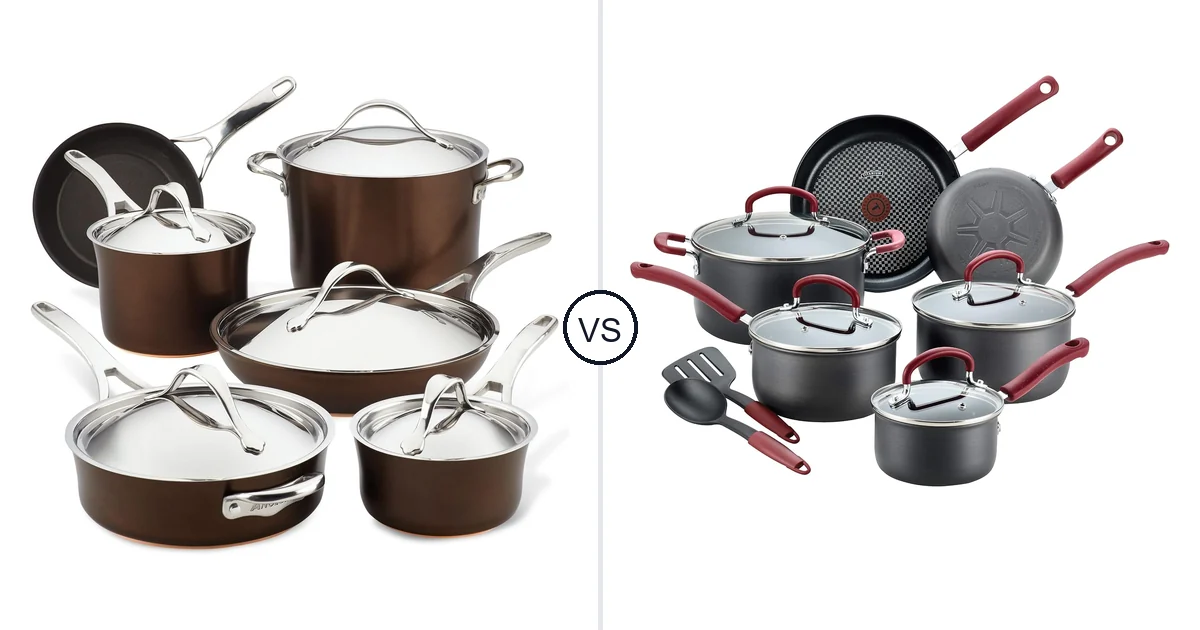
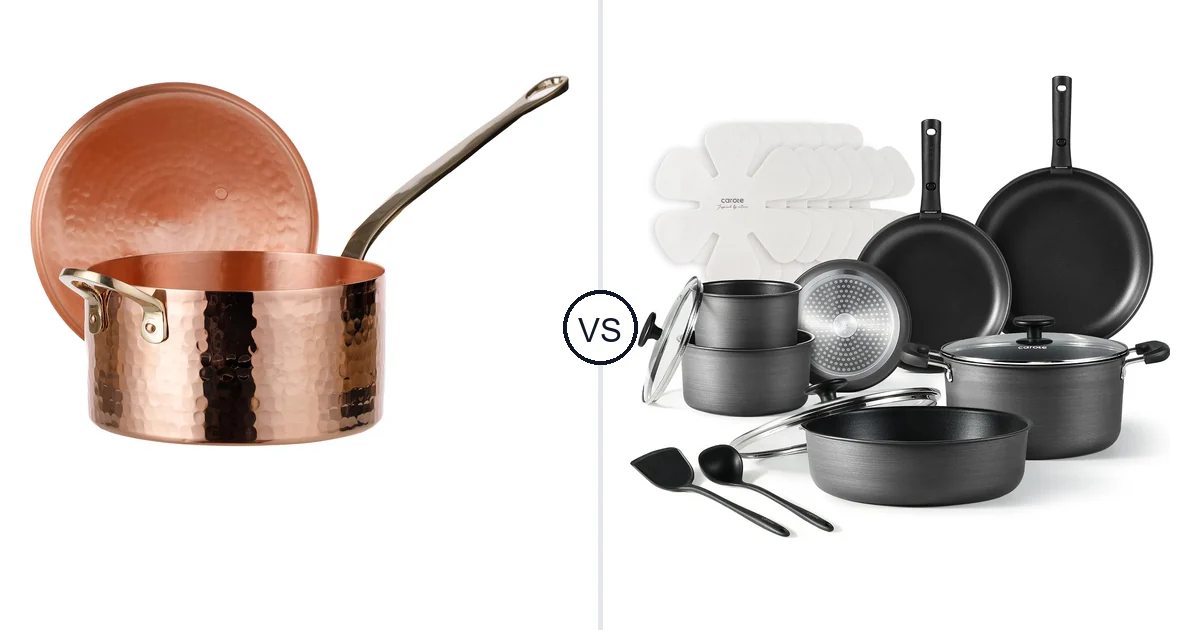
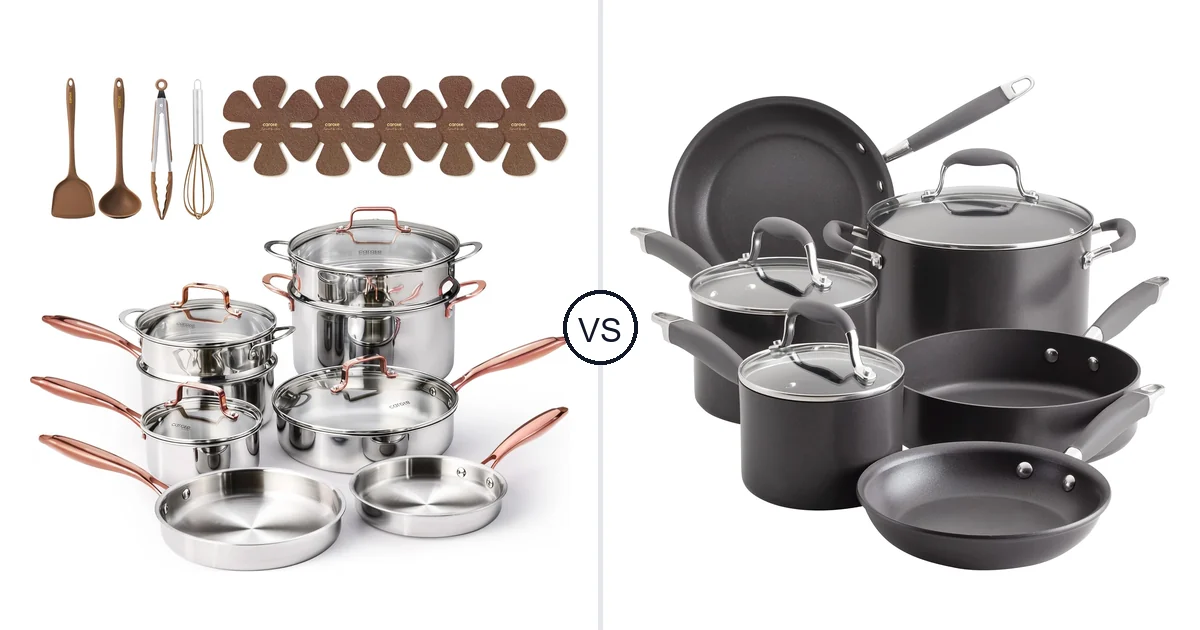
Leave a Reply