

The best cookware material depends on your cooking style and preferences. Stainless steel, cast iron, and non-stick options each offer unique benefits.
Choosing the right cookware material is essential for both novice and experienced cooks. Each material has its strengths, influencing cooking performance and food flavor. Stainless steel is known for its durability and even heating, making it ideal for various cooking techniques.
Cast iron retains heat well and adds a unique flavor to dishes. Non-stick cookware simplifies cooking and cleaning but may have limitations on high-heat cooking. Understanding these differences helps you make informed choices, ensuring your kitchen tools suit your culinary needs. Explore the pros and cons of each material to elevate your cooking experience.
Introduction To Cookware Materials
Choosing the right cookware material is essential for your kitchen. Different materials affect cooking performance, durability, and safety. Understanding these materials helps you make informed decisions.
Importance Of Choosing The Right Material
Cookware materials influence heat distribution and food taste. The right material can enhance cooking efficiency. Here are key reasons to consider:
- Heat Conductivity: Some materials heat evenly, while others don’t.
- Durability: Certain materials last longer under heavy use.
- Reactivity: Some materials react with acidic foods, affecting flavor.
- Weight: Heavier materials can be more stable during cooking.
Common Materials In Today’s Kitchens
| Material | Pros | Cons |
|---|---|---|
| Stainless Steel |
|
|
| Cast Iron |
|
|
| Copper |
|
|
| Teflon (Non-stick) |
|
|
Understanding these common materials helps you choose wisely. Consider your cooking style and needs before making a decision.
Stainless Steel: The Versatile Choice
Stainless steel cookware is a top choice for many cooks. It combines durability with versatility. This material works well for various cooking methods. From frying to simmering, stainless steel can handle it all. Its sleek look also enhances your kitchen’s style.
Pros Of Stainless Steel
- Durability: Stainless steel resists dents and scratches.
- Non-reactive: It won’t react with acidic foods.
- Easy to clean: Most are dishwasher safe.
- Even heating: Good quality stainless steel heats evenly.
- Long-lasting: With proper care, it can last for years.
When To Use Stainless Steel Cookware
Use stainless steel cookware for various cooking tasks:
- Searing meats for rich flavors.
- Boiling pasta or vegetables.
- Making sauces that require deglazing.
- Cooking dishes at high temperatures.
- Preparing stir-fries with quick cooking.
Stainless steel is perfect for both everyday meals and gourmet dishes.
Cast Iron: For Hearty Cooking
Cast iron cookware is a staple for hearty cooking. It excels at retaining heat and distributing it evenly. This makes it perfect for searing, frying, baking, and slow-cooking. Cast iron adds a unique flavor to dishes. Many chefs and home cooks love its durability and versatility.
Benefits Of Cast Iron
- Excellent Heat Retention: Keeps food warm for longer.
- Versatile: Suitable for stovetops, ovens, and grills.
- Durable: Can last a lifetime with proper care.
- Natural Non-Stick: Builds a natural non-stick surface over time.
- Iron Boost: Adds small amounts of iron to food.
Caring For Your Cast Iron Cookware
Proper care keeps cast iron cookware in great shape. Follow these simple steps:
- Seasoning: Coat with a thin layer of oil after cleaning.
- Cleaning: Avoid soap. Use hot water and a scrub brush.
- Drying: Dry immediately to prevent rust.
- Storing: Store in a dry place. Place paper towels between stacked pans.
| Care Tip | Description |
|---|---|
| Seasoning | Apply oil and bake to create a non-stick layer. |
| Cleaning | Use hot water and avoid harsh soaps. |
| Drying | Always dry immediately to avoid rust. |
| Storing | Keep in a dry area with paper towels to absorb moisture. |
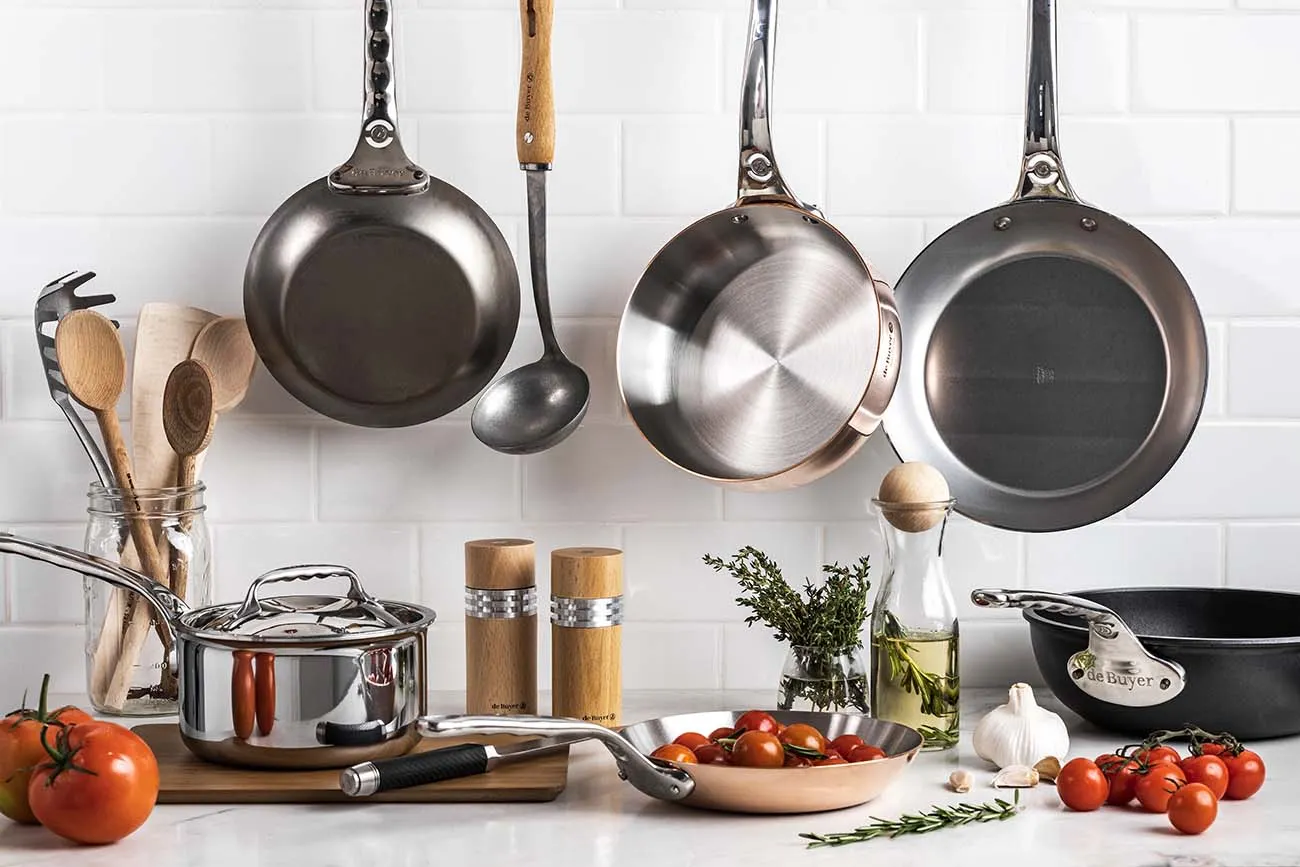
Credit: debuyer-usa.com
Non-stick Surfaces: Easy And Efficient
Non-stick cookware has become a popular choice for many home cooks. Its smooth surface allows food to slide off easily. This feature makes cooking and cleaning simple. Non-stick pans require less oil, making meals healthier. Many people enjoy the convenience of non-stick surfaces.
Advantages Of Non-stick
Non-stick cookware offers several benefits that make it a favorite. Here are the key advantages:
- Easy Cleaning: Food doesn’t stick, so washing is quick.
- Less Oil Required: Use less fat for healthier meals.
- Even Cooking: Heats evenly to prevent hot spots.
- Lightweight: Easy to handle and maneuver.
- Versatile: Suitable for various cooking methods.
Safety Tips For Non-stick Cookware
To ensure safe use of non-stick cookware, follow these tips:
- Use low to medium heat. High heat can damage the coating.
- Avoid metal utensils. They can scratch the non-stick surface.
- Do not stack pans. Stacking can cause scratches.
- Check for scratches. Replace pans if the coating is damaged.
- Follow manufacturer instructions. Each product may have specific care needs.
By following these safety tips, you can enjoy the benefits of non-stick cookware for years.
Copper: The Professional’s Preference
Copper cookware is a favorite among chefs worldwide. Its ability to conduct heat quickly and evenly makes it ideal for cooking. Professionals trust copper for precision and control in their culinary creations.
Why Chefs Love Copper
Chefs appreciate copper for several reasons:
- Excellent heat conductivity: Copper heats up faster than other materials.
- Precise temperature control: Chefs can adjust heat quickly.
- Aesthetic appeal: Copper cookware looks beautiful in any kitchen.
- Durability: With proper care, copper cookware lasts for years.
Professional chefs often choose copper for:
- Making sauces
- Cooking delicate dishes
- Performing temperature-sensitive tasks
Maintaining Copper Cookware
Keeping copper cookware in top shape requires attention:
- Regular cleaning: Use a soft cloth to avoid scratches.
- Polishing: Use a copper cleaner to restore shine.
- Seasoning: Apply a light layer of oil to prevent tarnishing.
Follow these tips for long-lasting copper cookware:
| Task | Frequency | Method |
|---|---|---|
| Clean | After each use | Soft cloth |
| Polish | Monthly | Copper cleaner |
| Season | As needed | Light oil |
With proper maintenance, copper cookware can enhance your cooking experience.
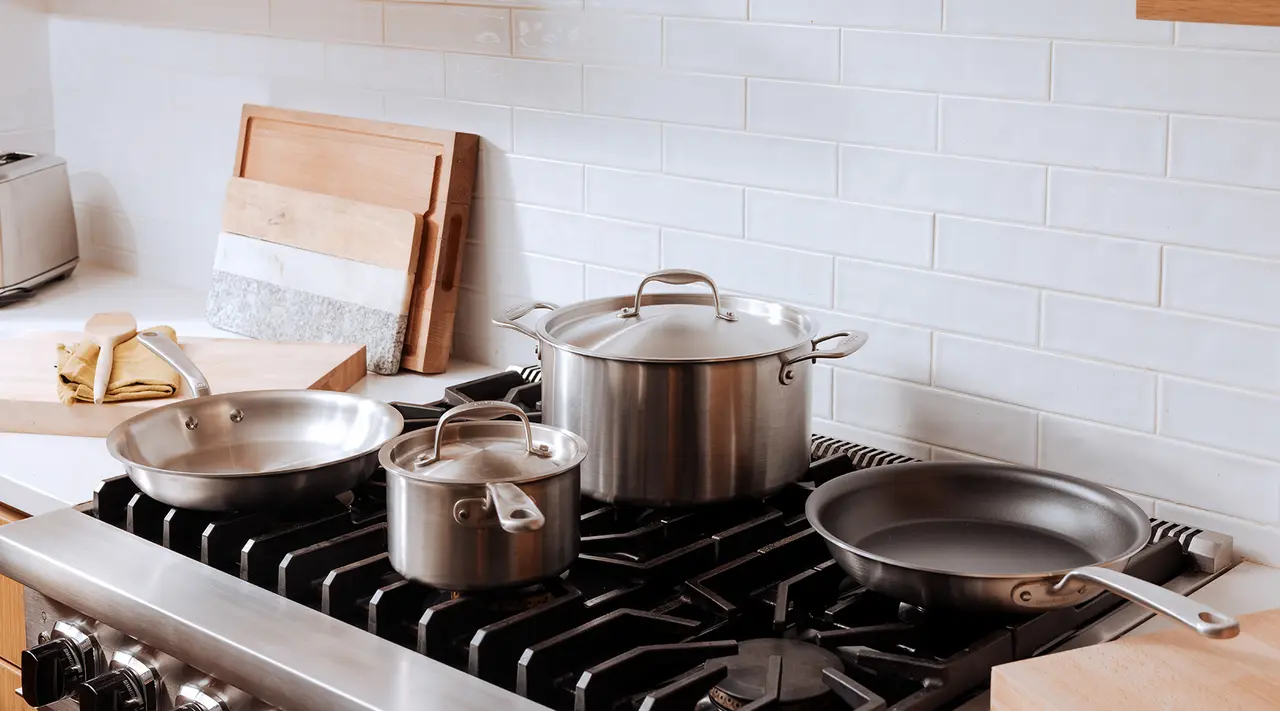
Credit: madeincookware.com
Ceramic: A Healthier Alternative
Ceramic cookware is becoming a popular choice for many home cooks. This material offers great benefits. It is safe, non-toxic, and environmentally friendly. People love ceramic for its ability to cook food evenly. It also has a beautiful appearance that enhances any kitchen.
Why Choose Ceramic
Ceramic cookware has many advantages. Here are some key reasons to consider:
- Non-Toxic: No harmful chemicals are released during cooking.
- Non-Stick Surface: Foods release easily without extra oils.
- Heat Distribution: Cooks food evenly for better results.
- Easy to Clean: Simply wipe down with a damp cloth.
- Stylish Designs: Available in various colors and patterns.
Limitations Of Ceramic Cookware
Despite its many benefits, ceramic cookware has some drawbacks. Here are a few limitations:
- Fragility: Ceramic can chip or crack if dropped.
- Not Induction Compatible: Works best on gas and electric stoves.
- Limited Lifespan: May wear out faster than other materials.
- High Price: Quality ceramic cookware can be expensive.
Choosing ceramic cookware means balancing its benefits and limitations. This choice can lead to healthier cooking and a more enjoyable kitchen experience.
Glass: Beyond Baking
Glass cookware is not just for baking. It offers versatility and style. Many people appreciate its unique benefits. This section explores the advantages of using glass in everyday cooking.
Exploring Glass Cookware
Glass cookware includes a variety of items. Common types are:
- Baking dishes
- Roasting pans
- Measuring cups
- Storage containers
These items are perfect for many cooking methods:
- Oven use
- Microwave use
- Serving food
Glass is non-reactive. It doesn’t change the taste of food. This makes it ideal for cooking acidic dishes.
Pros And Cons Of Glass Cookware
Like any cookware, glass has its pros and cons. Below is a table showing these:
| Pros | Cons |
|---|---|
| Safe for oven and microwave | Can break easily |
| Does not react with food | Poor heat conduction |
| Easy to clean | Heavy compared to metal |
| Attractive presentation | May be expensive |
In summary, glass cookware provides unique benefits. It enhances cooking experiences and looks great on any table.

Credit: seebainternational.com
How To Choose The Right Cookware Material
Choosing the right cookware material can enhance your cooking experience. Different materials offer unique benefits. Understanding these materials helps you make the best choice.
Factors To Consider
Several factors influence the choice of cookware material. Consider the following:
- Heat Conductivity: Good conductors heat quickly. This saves time and energy.
- Durability: Choose materials that resist scratches and dents.
- Reactivity: Some materials react with acidic foods. This can alter flavors.
- Weight: Lightweight cookware is easier to handle.
- Maintenance: Some materials require special care. Choose what fits your lifestyle.
Matching Cookware To Cooking Style
Your cooking style affects your cookware choice. Different techniques need different materials. Here’s how to match:
| Cooking Style | Recommended Cookware |
|---|---|
| Searing and Browning | Cast Iron or Stainless Steel |
| Sautéing | Non-Stick or Stainless Steel |
| Simmering | Enamel Cast Iron or Stainless Steel |
| Baking | Glass or Ceramic |
| Grilling | Cast Iron or Stainless Steel |
Consider your favorite dishes. Choose the right cookware for them. This ensures great results every time.
Care And Maintenance Tips
Proper care and maintenance of cookware extend its life and performance. Each material requires specific attention. Follow these tips to keep your cookware in top shape.
General Care Guidelines
- Always follow the manufacturer’s instructions.
- Use gentle cleaning tools. Avoid abrasive scrubbers.
- Store cookware carefully to prevent scratches.
- Wash cookware after each use to prevent buildup.
- Dry thoroughly to avoid rust and water spots.
Material-specific Tips
| Cookware Material | Care Tips |
|---|---|
| Stainless Steel |
|
| Cast Iron |
|
| Non-Stick |
|
| Copper |
|
Following these care tips ensures your cookware remains functional and beautiful. Enjoy cooking with your well-maintained kitchen tools!
Conclusion: Elevating Your Cooking With The Right Tools
Choosing the right cookware material can transform your cooking experience. The right tools enhance flavor, texture, and efficiency. Understanding each material’s strengths helps you make informed decisions.
Recap Of Top Materials
| Cookware Material | Key Features | Best For |
|---|---|---|
| Stainless Steel |
|
Soups, sauces, and browning meats |
| Cast Iron |
|
Slow cooking and baking |
| Non-Stick |
|
Eggs and delicate foods |
| Copper |
|
Precision cooking and sauces |
| Aluminum |
|
General cooking and frying |
Final Thoughts On Selecting Cookware
Consider your cooking style before choosing cookware. Different materials suit different tasks. Think about how often you cook and what you enjoy making.
- Stainless Steel is ideal for versatility.
- Cast Iron excels in slow cooking.
- Non-Stick simplifies cleanup.
- Copper offers precision heat control.
- Aluminum is great for everyday use.
Investing in quality cookware pays off. Good tools inspire creativity. Elevate your cooking with the right materials.
Frequently Asked Questions
What Is The Best Cookware Material?
The best cookware material depends on your cooking style. Stainless steel offers durability and even heating. Non-stick pans are great for easy food release. Cast iron retains heat well, perfect for slow cooking. Each material has its advantages, so choose based on your needs.
Is Stainless Steel Cookware Safe?
Yes, stainless steel cookware is safe for cooking. It is non-reactive, meaning it won’t leach chemicals into food. High-quality stainless steel is durable and resistant to rust. However, ensure you avoid overheating, as it may warp over time. Proper care will extend its lifespan significantly.
How Do I Choose Cookware Materials?
To choose cookware materials, consider your cooking techniques. For sautéing, stainless steel or non-stick works well. If you prefer slow-cooking, cast iron is ideal. Evaluate your budget and maintenance preferences. Each material offers unique benefits, so select what fits your culinary lifestyle best.
Is Non-stick Cookware Safe For Health?
Most modern non-stick cookware is considered safe for health. Look for options with a ceramic or PTFE coating. These materials are designed to withstand high temperatures without releasing harmful fumes. Always follow manufacturer instructions to avoid damaging the non-stick surface.
Regular maintenance ensures longevity and safety.
Conclusion
Choosing the right cookware material is essential for great cooking. Each type offers unique benefits, from heat distribution to durability. Understanding these differences helps you make informed decisions. Invest in quality cookware that suits your cooking style. Elevate your culinary experience by selecting the best materials for your kitchen needs.

Leave a Reply