
Are hard anodized cookware safe? Yes, they are generally safe for cooking.
This cookware is popular for its durability and non-stick properties. Many people wonder about the safety of the materials used in their kitchen. Hard anodized cookware is made from aluminum that has undergone a special process. This process makes it stronger and resistant to scratches.
It is often praised for being non-reactive and easy to clean. Still, some concerns about chemical leaching and the effects of high heat linger. Knowing how to use and care for this cookware can help ensure safety in your kitchen. This blog post will explore the safety aspects of hard anodized cookware. You’ll learn about its benefits and any precautions to keep in mind while cooking.

Credit: www.premierkitchen.in
Introduction To Hard Anodized Cookware
Hard anodized cookware is popular among home chefs. Its durability and heat retention make it a preferred choice. Many wonder about its safety. This section explores what hard anodized cookware is and its rise in popularity.
The Rise Of Hard Anodized Cookware
Hard anodized cookware has gained attention in recent years. Many factors contribute to its popularity:
- Durability: Hard anodized cookware lasts longer than traditional pans.
- Non-stick surface: It often features a non-stick coating.
- Heat distribution: It heats evenly, reducing cooking time.
- Scratch resistance: The surface resists scratches and damage.
These qualities make it appealing. More cooks are choosing hard anodized options for their kitchens.
What Exactly Is Hard Anodization?
Hard anodization is an electrochemical process. It transforms aluminum into a strong, durable surface. Here’s how it works:
- The aluminum is submerged in an acid electrolyte solution.
- Electric current is passed through the solution.
- This process creates a thick layer of aluminum oxide.
- The result is a tough, non-reactive surface.
This surface is resistant to corrosion and scratching. It is also safe for cooking. Hard anodized cookware does not react with food. This makes it a safe option for everyday use.
| Feature | Benefit |
|---|---|
| Durability | Lasts longer than regular cookware |
| Non-stick | Easy to clean and cook with |
| Heat retention | Even cooking results |
| Scratch resistance | Maintains appearance and performance |
Benefits Of Using Hard Anodized Cookware
Hard anodized cookware offers many benefits for home cooks. It is popular for its durability, nonstick qualities, and excellent heat conductivity. These features make cooking easier and more enjoyable.
Durability Factor
Hard anodized cookware is known for its strength. It is made through a special process that makes aluminum tougher. This cookware resists scratches and dents. It can handle high temperatures without warping.
- Long-lasting performance
- Resistant to scratches
- Can handle high heat
Nonstick Qualities
The nonstick surface of hard anodized cookware is a major plus. Food releases easily. This feature makes cooking and cleaning simple. Less oil or butter is needed, promoting healthier meals.
- Easy food release
- Less oil needed
- Simple cleanup
Heat Conductivity
Hard anodized cookware heats evenly. It distributes heat better than many other materials. This helps prevent hot spots. Foods cook more uniformly, enhancing flavor and texture.
| Cookware Type | Heat Distribution | Cooking Time |
|---|---|---|
| Hard Anodized | Excellent | Reduced |
| Stainless Steel | Good | Standard |
| Cast Iron | Variable | Increased |
These benefits make hard anodized cookware a smart choice. It meets the needs of everyday cooking. Users enjoy a reliable kitchen tool that lasts.
Potential Health Concerns
When considering hard anodized cookware, health concerns often arise. Many wonder if these products are safe for daily use. Here, we will explore key areas of concern, including aluminum leaching, chemical coatings, and the FDA’s stance on anodized aluminum.
Aluminum Leaching Debate
The debate over aluminum leaching has been ongoing. Some studies suggest that aluminum can leach into food. Factors influencing leaching include:
- Cooking method
- Food acidity
- Temperature
High acidity foods like tomatoes may increase leaching. Yet, hard anodized cookware has a protective layer. This layer may help reduce aluminum exposure. Experts argue that the amount of aluminum leached is minimal.
Chemical Coatings And Toxicity
Some hard anodized cookware may have chemical coatings. Concerns exist about these coatings and their safety. Common coatings include:
- PTFE (Teflon)
- PFOA (Perfluorooctanoic acid)
PTFE is safe at normal cooking temperatures. PFOA has been banned in many countries. Always check labels for these chemicals. Choose cookware with no harmful coatings for safety.
Fda’s Stance On Anodized Aluminum
The FDA considers hard anodized aluminum cookware safe. They state that anodizing creates a strong, non-reactive surface. This surface resists scratches and corrosion. It helps prevent food contamination.
Here’s a summary of the FDA’s points:
| Aspect | FDA Position |
|---|---|
| Aluminum Leaching | Minimal risk with anodized cookware |
| Chemical Coatings | Safe if free from harmful substances |
| Overall Safety | Approved for cooking use |
Understanding these points helps consumers make informed choices. Always prioritize safety when selecting cookware.
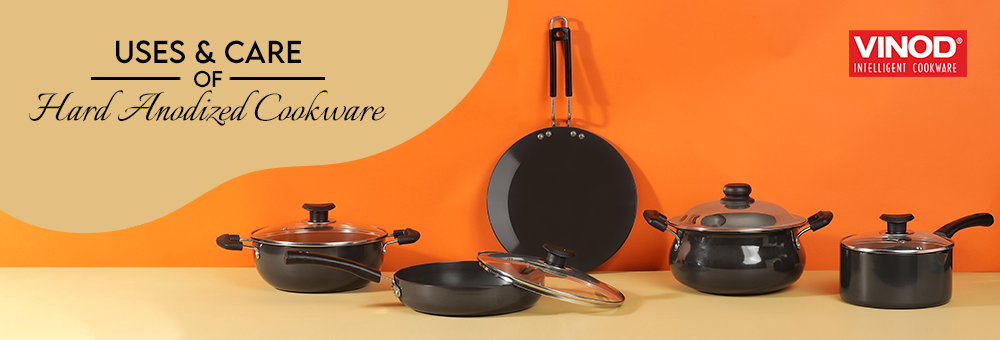
Credit: vinodcookware.com
Comparing With Other Cookware Materials
Choosing cookware can be tricky. Many options exist. Each has its pros and cons. This section compares hard anodized cookware with other popular materials. Let’s see how they stack up.
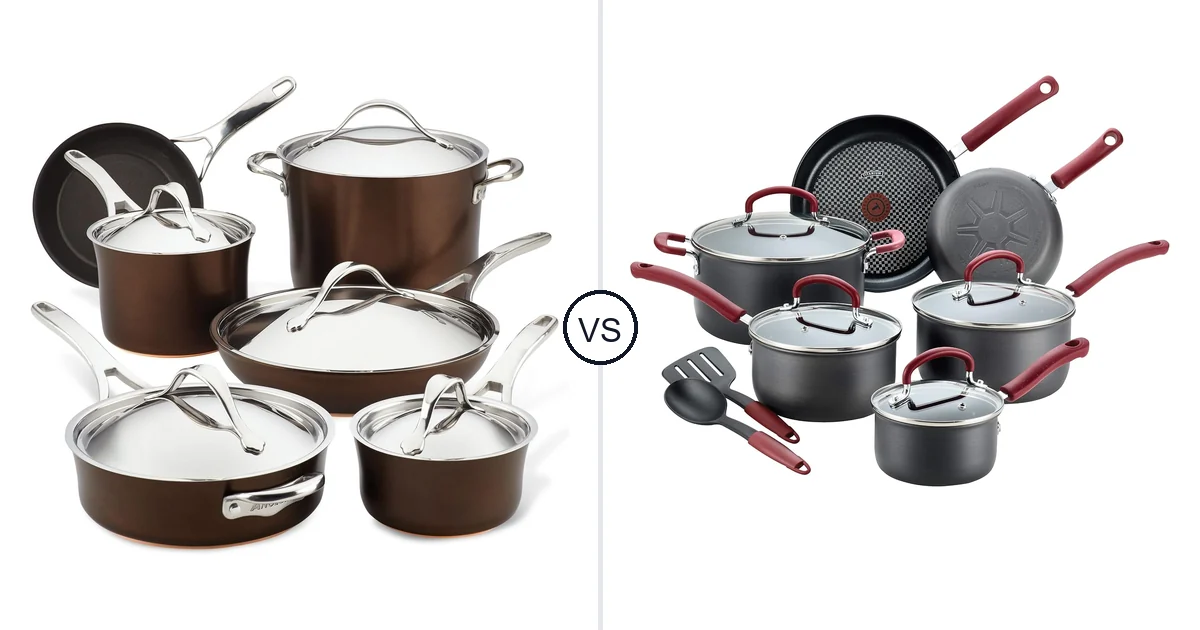
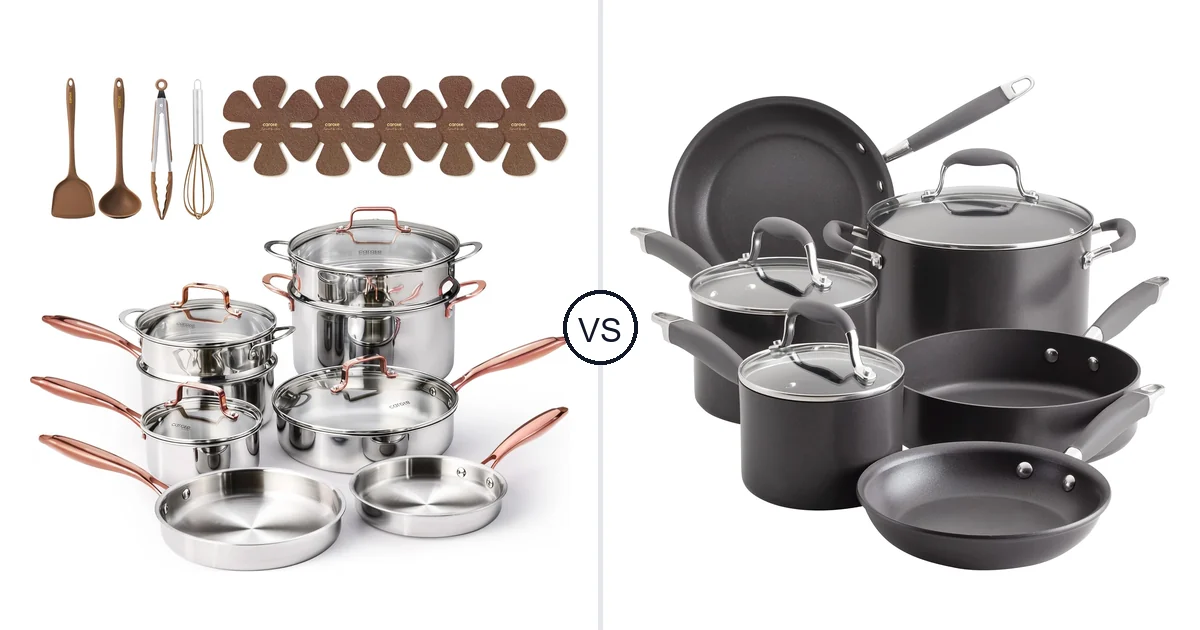
Hard Anodized Vs. Stainless Steel
Hard anodized cookware and stainless steel are both popular. They have different features.
| Feature | Hard Anodized Cookware | Stainless Steel Cookware |
|---|---|---|
| Durability | Highly durable, scratch-resistant | Very durable, can scratch |
| Heat Conductivity | Excellent heat distribution | Good, but can have hot spots |
| Stick Resistance | Generally non-stick | Requires oil to prevent sticking |
| Maintenance | Easy to clean | Requires special care |
Hard anodized cookware is often lighter. It heats quickly and evenly. Stainless steel is stronger but can be heavier. It needs more oil for cooking.
Ceramic And Teflon Alternatives
Ceramic and Teflon are other options. They are known for their non-stick properties. Here’s a quick look:
- Ceramic cookware: Made with natural materials. Safe and non-toxic.
- Teflon cookware: Offers excellent non-stick surface. Can release toxins at high heat.
Hard anodized cookware is safer. It does not have the same issues. Ceramic is less durable. Teflon can be harmful if overheated.
Cast Iron As A Contender
Cast iron cookware is a classic choice. It is heavy but very durable. Here’s how it compares:
- Heat Retention: Cast iron holds heat well.
- Non-Stick Quality: Requires seasoning for non-stick.
- Weight: Much heavier than hard anodized.
Hard anodized cookware is easier to handle. It heats up quickly. Cast iron is great for searing but needs more care.
Proper Usage And Maintenance
Taking care of your hard anodized cookware is key. Proper usage and maintenance extend its life. Following simple guidelines can keep it in great shape. This section covers best practices, cleaning techniques, and common mistakes to avoid.
Best Practices For Longevity
- Use Low to Medium Heat: High heat can damage the surface.
- Use Wooden or Silicone Utensils: Avoid metal utensils. They can scratch.
- Avoid Cooking Sprays: These can leave a residue.
- Preheat Gently: Always preheat on low heat first.
Cleaning Techniques
Cleaning your cookware correctly is important. Here are some effective methods:
- Hand Wash: Use warm, soapy water and a soft sponge.
- Soak Tough Stains: Let stubborn stains soak for a while.
- Avoid Abrasive Cleaners: These can damage the surface.
For tough spots, make a paste with baking soda and water. Apply it gently. Rinse well afterward.
Avoiding Common Mistakes
Many users make mistakes that damage their cookware. Here are common pitfalls:
| Mistake | Result |
|---|---|
| Using metal utensils | Scratches and surface damage |
| Cooking on high heat | Warping and peeling |
| Putting in the dishwasher | Damage to coating |
| Not drying properly | Water spots and stains |
Being mindful of these mistakes can enhance the life of your cookware.
:max_bytes(150000):strip_icc()/bialetti-non-stick-cookware-0db1e50ff3ce4c138e621952590917a9.jpg)
Credit: www.foodandwine.com
Expert Opinions And Research
Understanding the safety of hard anodized cookware is important. Experts and research provide valuable insights. Let’s explore what culinary professionals and scientific studies say about this cookware.
Culinary Professionals’ Insights
Many chefs trust hard anodized cookware. They appreciate its durability and non-stick properties. Here are some key points from culinary experts:
- Durability: Chefs value the long-lasting nature of hard anodized pans.
- Heat Distribution: Even heating helps in cooking food properly.
- Non-Reactive: Food does not react with the surface, ensuring safety.
Top chefs often recommend this type of cookware. They highlight its ability to withstand high temperatures. Safety is a big concern, and many feel confident using it.
Scientific Studies On Safety
Research studies examine the safety of hard anodized cookware. Most findings indicate it is safe for cooking. Here are some important results:
| Study | Findings |
|---|---|
| Study A | No harmful chemicals leach into food. |
| Study B | Durability exceeds that of traditional non-stick pans. |
| Study C | Materials used are safe at high temperatures. |
These studies show that hard anodized cookware is safe. It does not release harmful substances. This gives users peace of mind while cooking.
Consumer Reports And Reviews
When buying cookware, safety is a top concern. Hard anodized cookware is popular. Many people want to know if it is safe to use. Consumer reports and reviews give helpful insights. They share real user experiences and expert opinions.
User Experiences
Users often share their thoughts on hard anodized cookware. Many find it durable and easy to clean. Here are some common points from reviews:
- Durability: Most users report long-lasting performance.
- Non-stick surface: Many appreciate the non-stick feature.
- Heat distribution: Users note even heating during cooking.
- Weight: Some find it heavier than other cookware.
- Maintenance: Easy to maintain with proper care.
Some users mention concerns. A few worry about scratches on the surface. Others question if it’s safe at high temperatures. Reading user reviews can help address these issues.
Popular Brands And Feedback
Several brands offer hard anodized cookware. Each has unique features and user feedback. Here are a few popular brands:
| Brand | User Rating | Common Feedback |
|---|---|---|
| Calphalon | 4.5/5 | Excellent heat conduction, durable. |
| Circulon | 4.2/5 | Good non-stick surface, easy to clean. |
| Anolon | 4.4/5 | Stylish design, even heating. |
| Rachael Ray | 4.0/5 | Fun colors, lightweight, affordable. |
Feedback on these brands varies. Many users recommend Calphalon for its quality. Circulon is praised for its non-stick coating. Anolon is popular for its stylish look.
Overall, consumer reports help buyers make informed choices. Reviews can guide you in selecting the right cookware.
Final Verdict: Making An Informed Decision
Choosing the right cookware is important for health and cooking. Hard anodized cookware has benefits and risks. Let’s explore these aspects to help you decide.
Balancing Pros And Cons
Hard anodized cookware offers several advantages:
- Durability: It resists scratches and dents.
- Non-stick surface: Food slides off easily.
- Even heating: Cooks food uniformly.
- Easy to clean: Requires less scrubbing.
However, there are some concerns:
- Metal leaching: Some studies suggest metals can leach into food.
- Heat sensitivity: High heat can damage the non-stick layer.
- Cost: It can be more expensive than other options.
| Pros | Cons |
|---|---|
| Durable and long-lasting | Possible metal leaching |
| Non-stick properties | Not ideal for high heat |
| Even heat distribution | Higher price point |
| Easy to clean |
Choosing The Right Cookware For Your Needs
Consider these factors:
- Cooking style: Do you fry, bake, or simmer often?
- Health concerns: Are you worried about metal leaching?
- Budget: Can you afford higher-priced items?
- Maintenance: Are you willing to follow care instructions?
Evaluate your cooking habits. Choose cookware that meets your needs. Hard anodized cookware can be a good choice for many. Just weigh the pros and cons carefully.
Frequently Asked Questions
Are Hard Anodized Cookware Non-toxic?
Yes, hard anodized cookware is generally considered non-toxic. It is made from aluminum that has been treated to create a hard, durable surface. This process prevents leaching of aluminum into food. When maintained properly, it poses minimal health risks and is safe for cooking.
Does Hard Anodized Cookware Scratch Easily?
Hard anodized cookware is highly resistant to scratching. The anodization process creates a tough surface that withstands everyday use. However, using metal utensils may still scratch the surface over time. To prolong its lifespan, opt for silicone, wooden, or plastic utensils instead.
Can Hard Anodized Cookware Go In The Oven?
Yes, many hard anodized cookware pieces are oven-safe. However, always check the manufacturer’s guidelines for specific temperature limits. Some handles may not withstand high heat. Using them in the oven is generally safe if they meet the required specifications.
How To Clean Hard Anodized Cookware?
Cleaning hard anodized cookware is straightforward. Use warm, soapy water and a soft sponge for routine cleaning. Avoid abrasive cleaners or scouring pads, as they can damage the surface. For tough stains, soaking the cookware may help loosen residue without scratching.
Conclusion
Hard anodized cookware is generally safe for everyday cooking. It resists scratches and can handle high heat. Many people enjoy using it because it doesn’t react with food. Always follow the manufacturer’s care instructions to maintain safety. Avoid using metal utensils to prevent damage.
Overall, it offers a reliable option for your kitchen. Trust your instincts and choose what feels right for you. Remember to prioritize your health and cooking needs. This cookware can be a great addition if used properly. Enjoy cooking with confidence!

Leave a Reply