
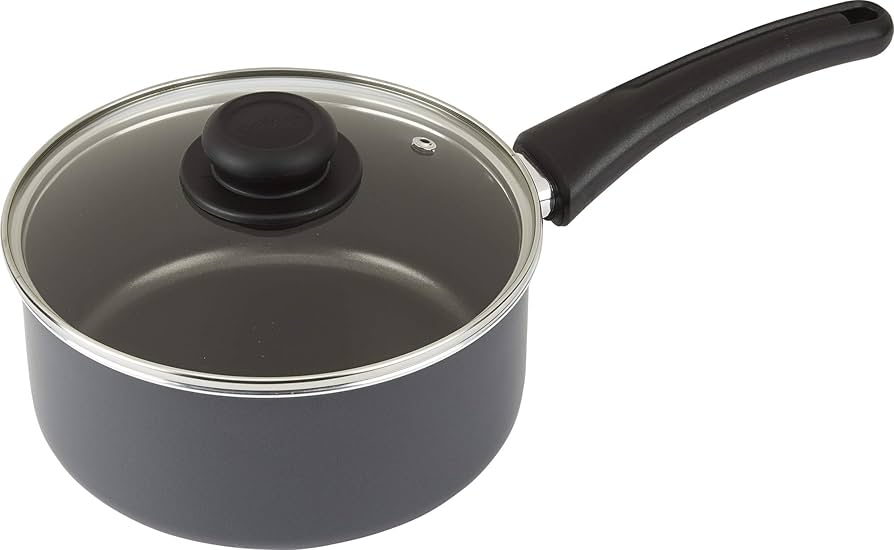
Saucepan cookware is essential for cooking sauces, soups, and various dishes. They typically feature a flat bottom, high sides, and a long handle for easy handling.
A good saucepan is a kitchen staple, offering versatility for both novice and experienced cooks. These pots come in various materials, including stainless steel, non-stick, and cast iron, catering to different cooking styles. The right saucepan can enhance flavor and improve cooking efficiency.
With sizes ranging from small to large, you can choose one that suits your needs. Many saucepans also come with lids, allowing for better heat retention. Investing in quality saucepan cookware not only elevates your culinary skills but also ensures durability and long-lasting performance in your kitchen.
The Essence Of Saucepan Cookware
Every kitchen needs saucepan cookware. It is essential for various cooking tasks. A good saucepan can make cooking easier and more enjoyable. Understanding its features helps you choose the best one for your needs.
Materials Matter: Choosing The Right Saucepan
Different materials affect cooking performance. Here are common materials for saucepans:
| Material | Benefits | Considerations |
|---|---|---|
| Stainless Steel | Durable, non-reactive, easy to clean | May not conduct heat evenly |
| Non-stick | Easy food release, less oil needed | Can scratch easily, may wear out |
| Cast Iron | Excellent heat retention, versatile | Heavy, requires seasoning |
| Copper | Quick heat conduction, precise temperature control | Expensive, requires maintenance |
Choose a material that fits your cooking style. Each material has unique benefits. Consider your cooking habits and maintenance preferences.
Size And Shape: The Key To Versatile Cooking
Choosing the right size and shape is crucial. Here are some common sizes:
- 1 to 2 Quarts: Ideal for sauces and small portions.
- 3 to 4 Quarts: Perfect for soups and stews.
- 5 Quarts and above: Great for family meals and large batches.
Shapes also matter. A wider base cooks food evenly. Tall, narrow saucepans are good for boiling. Consider how you cook to find the right size and shape.
Investing in quality saucepan cookware enhances your cooking experience. It makes preparing meals quick and simple. Enjoy cooking with the right tools in your kitchen!
Heat Distribution And Retention
Good saucepan cookware must distribute heat evenly. This ensures your food cooks perfectly. Uneven heat can lead to burnt spots or raw areas. Understanding heat distribution is key for great cooking.
The Science Behind Even Cooking
Even cooking occurs when heat spreads uniformly. This process relies on several factors:
- Material of the saucepan
- Thickness of the base
- Design of the cookware
When heat is distributed well, food cooks faster and more evenly. This helps preserve flavors and nutrients.
Materials That Excel In Heat Management
Some materials are better at heat distribution. Here are the top choices:
| Material | Heat Conductivity | Benefits |
|---|---|---|
| Stainless Steel | Moderate | Durable and non-reactive |
| Copper | Excellent | Quick heating and cooling |
| Cast Iron | Good | Retains heat well, perfect for slow cooking |
| Aluminum | Good | Lightweight and affordable |
Choosing the right material improves cooking results. Invest in quality saucepan cookware for best performance.
Saucepan Surface Coatings
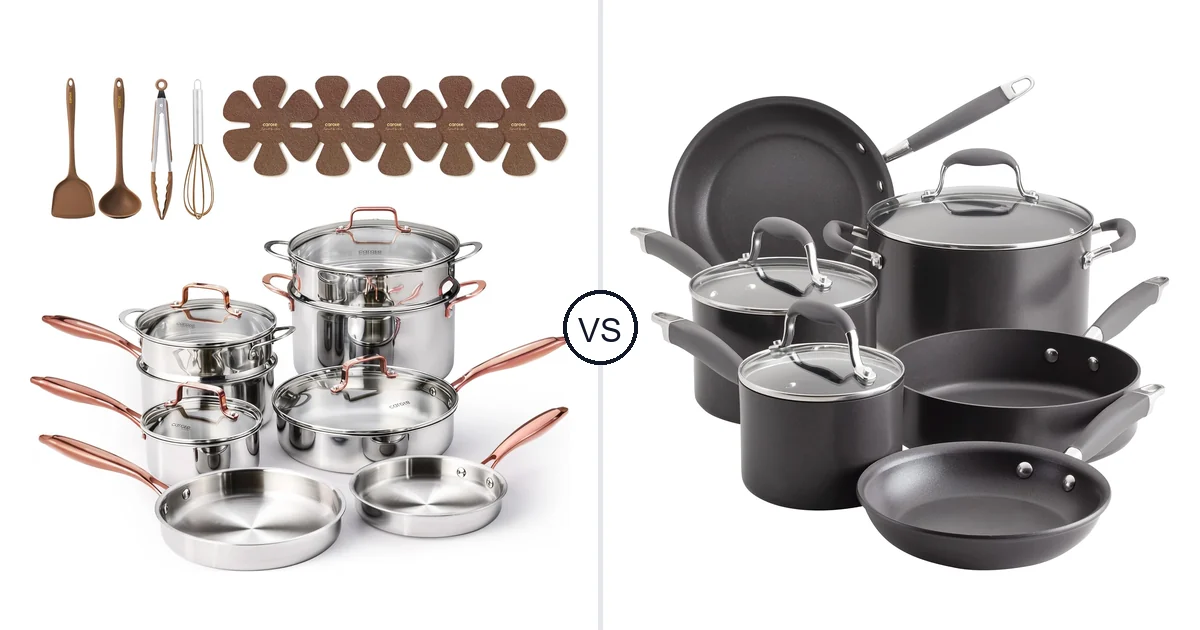
Saucepan surface coatings greatly affect cooking experience and food quality. Choose wisely to enhance your meals. Two main types are non-stick and traditional coatings. Each has its own features and benefits.
Non-stick Vs. Traditional: Pros And Cons
| Type | Pros | Cons |
|---|---|---|
| Non-stick |
|
|
| Traditional |
|
|
Care For Your Coating: Maintenance Tips
Proper care keeps your saucepan in great shape. Follow these maintenance tips:
- Non-stick: Use wooden or silicone utensils.
- Non-stick: Avoid metal scrubbers.
- Traditional: Season the surface regularly.
- Traditional: Clean with gentle sponges.
- Store carefully to avoid scratches.
Keep coatings intact for longer use. Enjoy cooking with the right care.
Handle With Care
Handles are crucial for saucepan cookware. They provide safety and comfort while cooking. Choosing the right handle can enhance your cooking experience.
Material Choices For Handles
Handles come in various materials. Each material has unique benefits:
- Stainless Steel: Durable and heat-resistant.
- Silicone: Non-slip and heatproof.
- Wood: Provides a classic look; stays cool.
- Bakelite: Lightweight and heat-resistant.
Choosing the right material can improve safety. It can also affect how comfortable the handle feels during use.
Ergonomics And Safety Features
Handle design matters for ergonomics and safety. A well-designed handle ensures a secure grip. This helps prevent accidents in the kitchen.
Key ergonomic features include:
- Shape: Curved handles fit the hand comfortably.
- Size: Handles should be easy to hold.
- Weight: Lightweight handles reduce strain.
Look for safety features like:
- Heat Resistance: Keeps hands safe from burns.
- Anti-slip Grip: Prevents slipping during use.
Choosing ergonomic and safe handles enhances your cooking experience. Prioritize these features for better results.
Lids: The Unsung Heroes
Many cooks overlook the importance of saucepan lids. These simple tools play a vital role in cooking. They help retain heat and moisture. Lids can elevate your cooking experience.
Sealing In Flavor: The Role Of A Lid
A lid does more than cover a pot. It seals in flavor and nutrients. Here’s how:
- Traps Steam: Keeps moisture in, preventing dry dishes.
- Enhances Flavor: Concentrates spices and ingredients.
- Reduces Cooking Time: Speeds up the cooking process.
Using a lid can make a significant difference. It creates a mini-oven effect inside your saucepan. This method ensures even cooking.
Glass Vs. Metal Lids: Transparency Or Durability
Choosing between glass and metal lids can be tricky. Each type has its benefits.
| Feature | Glass Lids | Metal Lids |
|---|---|---|
| Transparency | Allows you to see the food cooking | Opaque, no visibility |
| Heat Retention | Good, but can crack with high heat | Excellent heat retention |
| Durability | Can break easily | Very durable and long-lasting |
| Cleaning | Dishwasher safe, easy to clean | May require more effort |
Consider your cooking style. Choose a lid that fits your needs. A good lid makes cooking easier and more enjoyable.
The Art Of Sautéing
Sautéing is a fundamental cooking technique. It creates delicious flavors and textures. A good saucepan is essential for mastering this skill. Understanding the right methods makes sautéing simple and fun.
Mastering The Toss With The Right Saucepan
Choosing the right saucepan is crucial for sautéing. Here are some tips:
- Material: Choose stainless steel or non-stick.
- Size: Select a saucepan that fits your meal size.
- Handle: Ensure it has a comfortable grip.
Using the right saucepan allows for even heat distribution. This helps prevent burning. A well-made saucepan also ensures easy tossing.
Sautéing Techniques For Perfect Results
Follow these techniques for perfect sautéing:
- Heat the Pan: Preheat your saucepan on medium heat.
- Add Oil: Use olive or vegetable oil for flavor.
- Monitor Temperature: Ensure the oil shimmers, not smokes.
- Add Ingredients: Use small batches for even cooking.
- Toss and Stir: Use a spatula or tongs to mix.
Practice these techniques consistently. They will help you achieve tasty sautéed dishes. Remember to enjoy the process!
| Ingredient | Cooking Time (minutes) | Notes |
|---|---|---|
| Onions | 5-7 | Caramelize for better flavor. |
| Bell Peppers | 3-5 | Sweet and colorful addition. |
| Mushrooms | 5-7 | Add richness to dishes. |
Experiment with different ingredients. Each will bring unique flavors. Enjoy the art of sautéing!
Simmering And Boiling Mastery
Mastering the art of simmering and boiling is essential for any home cook. These techniques unlock flavors and ensure perfect textures. Using a saucepan properly can elevate your dishes effortlessly.
Controlling Temperature For Delicate Ingredients
Temperature control is vital for cooking delicate foods. Here are some tips to achieve the best results:
- Use a thermometer: This helps monitor the temperature accurately.
- Start low: Begin at a low heat to avoid boiling too quickly.
- Adjust as needed: Increase heat gradually for even cooking.
Delicate ingredients like fish and vegetables benefit from gentle simmering. A steady, low simmer allows flavors to meld without overcooking. Always keep an eye on the saucepan to prevent boiling.
Techniques For Boiling Pasta And Grains
Boiling pasta and grains is straightforward but requires attention:
- Choose the right pot: A larger saucepan allows for better movement.
- Use plenty of water: This prevents sticking and ensures even cooking.
- Add salt: Salt enhances the flavor of pasta and grains.
- Bring water to a rolling boil: Add pasta or grains once boiling.
- Stir occasionally: This helps prevent clumping.
- Check for doneness: Taste a piece for the perfect texture.
Follow these steps for perfect pasta and grains every time. Enjoy the process and savor the delicious results!
Maintenance And Longevity
Proper maintenance extends the life of your saucepan cookware. Simple care routines keep them looking new and performing well. Understanding cleaning techniques and storage methods is essential.
Cleaning Do’s And Don’ts
Follow these cleaning tips to maintain your saucepans:
| Do’s | Don’ts |
|---|---|
| Use a soft sponge for cleaning. | Avoid abrasive scrubbers. |
| Wash with warm, soapy water. | Never use harsh chemicals. |
| Dry immediately after washing. | Don’t leave it wet for long. |
| Store in a dry place. | Don’t stack heavy pots on top. |
Storing Your Saucepan To Avoid Damage
Proper storage prevents scratches and dents. Here are key storage tips:
- Use protective liners: Place cloth or paper between stacked pans.
- Hang pots: Use hooks to save space and avoid scratches.
- Avoid overcrowding: Keep space between pots for airflow.
- Store lids separately: Prevents crushing and bending.
Following these guidelines helps maintain the quality and longevity of your saucepan cookware. Enjoy cooking with well-cared-for pots!
Accessorizing Your Saucepan
Accessorizing your saucepan can elevate your cooking experience. The right tools enhance performance and make cooking easier. From lids to utensils, each accessory adds value.
Essential Tools For Saucepan Cooking
Here are some must-have tools:
- Measuring Cups: Ensure precise ingredient amounts.
- Wooden Spoons: Safe for non-stick surfaces.
- Heat-Resistant Spatulas: Perfect for stirring and flipping.
- Pot Holders: Protect your hands from heat.
- Lid: Helps retain heat and moisture.
Each tool plays a role in enhancing your saucepan cooking. They improve safety and efficiency.
Upgrading Your Culinary Experience With Add-ons
Consider these add-ons to boost your saucepan’s capabilities:
| Add-on | Benefit |
|---|---|
| Steamer Insert | Steam vegetables while cooking other dishes. |
| Spout Lid | Pour liquids easily without spills. |
| Non-Stick Coating | Prevents food from sticking and simplifies cleanup. |
| Thermometer | Check temperatures for perfect cooking. |
Choosing the right add-ons can transform your cooking. Enjoy better results and more fun in the kitchen.
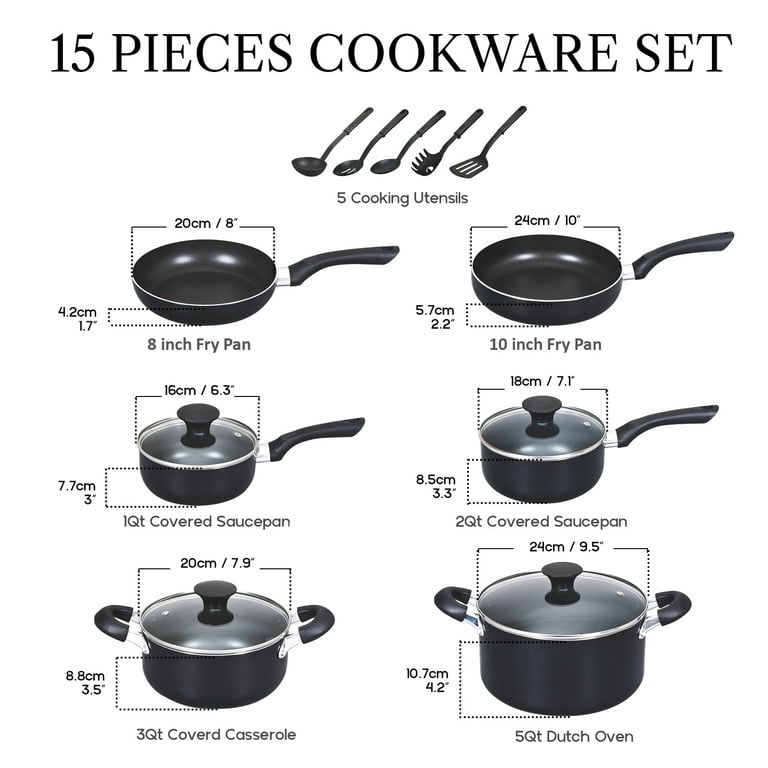
Credit: www.walmart.com
Saucepan Selection For Special Diets
Choosing the right saucepan is essential for special diets. Different materials and designs cater to various cooking needs. Health-conscious cooking can benefit from specific saucepan features. Allergy-friendly cookware ensures safe meal preparation. Understanding these options helps maintain dietary goals.
Choosing The Right Saucepan For Health-conscious Cooking
Health-conscious cooking requires careful selection of saucepans. Here are some tips to consider:
- Material matters: Go for stainless steel, ceramic, or cast iron.
- Non-stick coatings reduce the need for added fats.
- Choose size based on portion needs.
- Look for durability to ensure long-term use.
Consider the following features:
| Feature | Benefits |
|---|---|
| Thermal Conductivity | Even cooking and energy efficiency. |
| Oven-Safe | Versatile cooking options. |
| Easy to Clean | Saves time and effort. |
Allergy-friendly Cookware Options
Allergy-friendly cookware is vital for safe cooking. Here are some options:
- Stainless Steel: Non-reactive and durable.
- Cast Iron: Naturally non-stick when seasoned properly.
- Ceramic: Free from harmful chemicals.
- Glass: Non-reactive and easy to monitor food.
Always check for:
- Certification for food safety.
- Free from PFOA and PTFE.
- Compatibility with induction cooktops.
Prioritize your health with the right saucepan choices. Safe and suitable cookware supports your special dietary needs.
A World Of Sauces
Cooking with a saucepan opens doors to endless flavors. Sauces enhance dishes, turning simple meals into gourmet experiences. Each culture offers unique sauces, rich in history and taste. Let’s explore some fascinating recipes and tips for creating perfect sauces.
Exploring Global Saucepan Recipes
Every culture boasts special sauces. Here are a few popular ones:
- Marinara Sauce – A classic Italian tomato sauce.
- Beurre Blanc – A French butter sauce, perfect for seafood.
- Salsa Verde – A zesty green sauce from Mexico.
- Teriyaki Sauce – A sweet and savory Japanese sauce.
- Curry Sauce – A flavorful blend from India.
Each sauce has its own ingredients and cooking methods. Experimenting with these recipes can lead to delightful discoveries.
Tips For Perfect Sauce Reductions
Reducing sauces concentrates flavors. Here are steps to achieve the perfect sauce reduction:
- Start with a saucepan over medium heat.
- Add your sauce base, like broth or wine.
- Let it simmer gently. Avoid boiling.
- Stir occasionally to prevent burning.
- Watch for thickening. This shows it’s reducing.
- Season to taste before serving.
Use these tips to create rich, flavorful sauces. Enjoy your culinary journey!

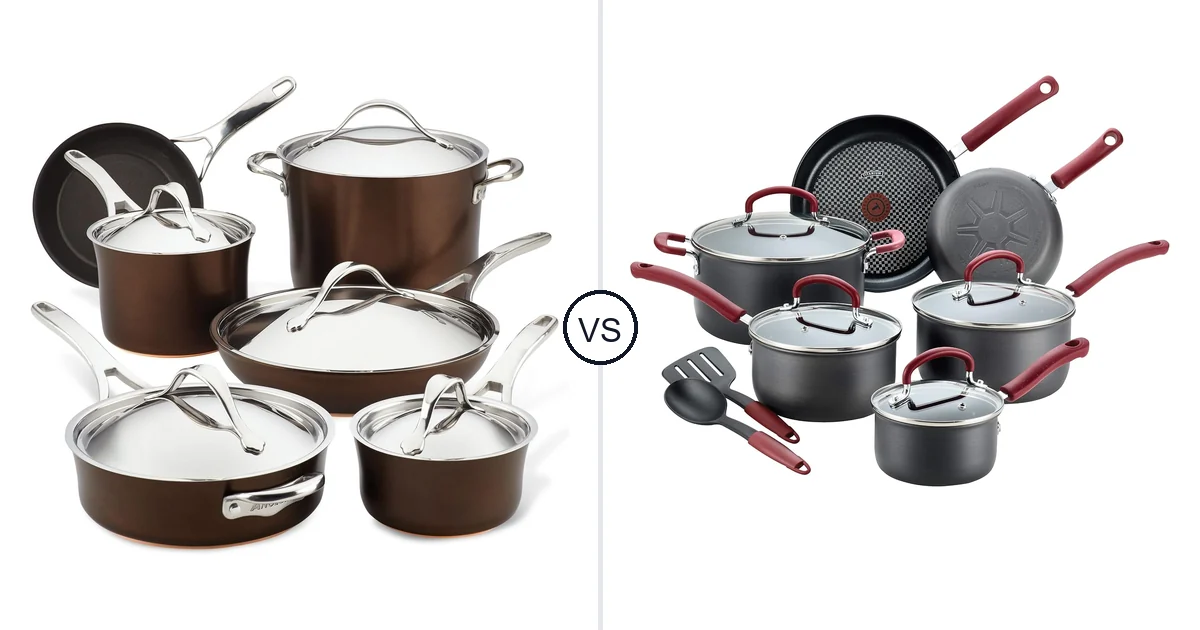
Credit: www.amazon.com
Investing In Quality
Investing in quality saucepan cookware pays off in the long run. High-quality pans last longer and improve cooking results. They distribute heat evenly and prevent food from sticking. Quality cookware enhances your cooking experience.
When To Splurge On High-end Saucepan
Not every saucepan requires a large budget. However, certain situations justify splurging on high-end options. Here are some key indicators:
- Frequent Use: If you cook daily, invest in durable pans.
- Specialty Cooking: For techniques like sautéing or simmering.
- Long-Term Savings: Quality pans save money over time.
The Cost-benefit Analysis Of Cookware
Understanding the cost versus benefits helps in making informed decisions. Here’s a simple breakdown:
| Type of Cookware | Initial Cost | Longevity | Performance |
|---|---|---|---|
| Budget Saucepans | Low | 1-2 years | Basic |
| Mid-Range Saucepans | Moderate | 3-5 years | Good |
| High-End Saucepans | High | 10+ years | Excellent |
High-end pans offer better performance and longevity. They resist scratches and maintain their appearance. Consider your cooking style before purchasing.
Comprehensive Guide to Saucepan Cookware: How to Choose the Right One for Your Kitchen
A saucepan is one of the most essential and versatile pieces of cookware in any kitchen. From boiling and simmering to preparing soups and sauces, saucepans can handle a variety of cooking tasks. Whether you’re just starting your culinary journey or you’re an experienced chef, choosing the right saucepan is vital for optimizing your cooking experience. This guide explores everything you need to know about saucepan cookware, from the materials and sizes available to care tips and popular brands.
What is a Saucepan?
A saucepan is a deep, flat-bottomed pot with tall sides and a long handle, ideal for cooking liquids such as sauces, soups, and broths. Its high walls help contain splatters and allow for better control when simmering or boiling. Most saucepans come with a tight-fitting lid to retain heat and moisture, ensuring even cooking.
Typical Uses for a Saucepan:
- Boiling: Pasta, rice, eggs, or vegetables.
- Simmering: Soups, stews, and sauces.
- Steaming: Vegetables (with a steamer insert).
- Cooking grains: Oats, quinoa, or farro.
- Making desserts: Custards, puddings, or caramel.
Key Factors to Consider When Choosing a Saucepan
1. Material
The material of a saucepan plays a critical role in heat distribution, retention, and durability. Different materials have their pros and cons, influencing the overall cooking experience.
| Material | Pros | Cons |
|---|---|---|
| Stainless Steel | Durable, non-reactive, rust-resistant. | May not conduct heat as well without an aluminum or copper core. |
| Aluminum | Excellent heat conductor, lightweight, affordable. | Prone to scratches and dents, can react with acidic foods. |
| Copper | Superior heat conductivity, fast temperature control. | Expensive, requires frequent polishing to maintain appearance. |
| Cast Iron | Retains heat for long periods, great for slow cooking. | Heavy, requires seasoning, prone to rust if not cared for. |
| Non-stick Coated | Easy to clean, ideal for delicate foods. | Non-stick coating wears out over time, unsuitable for high heat. |
| Enameled Cast Iron | Combines cast iron’s benefits with a non-reactive surface. | Heavy, often more expensive than other materials. |
2. Size
Saucepans are available in a range of sizes, from small to large, each suited for different tasks and meal sizes.
- 1 to 2 quarts: Ideal for individuals or small households, perfect for making sauces or boiling eggs.
- 3 to 4 quarts: A versatile size suitable for families, great for soups, stews, and pasta.
- 5 quarts or more: Best for larger families or batch cooking, ideal for big stews or soups.
3. Handle
The handle of a saucepan should be comfortable and sturdy. Most handles are either riveted for strength or welded for a seamless look. Some feature heat-resistant materials like silicone or wood for added comfort and safety.
4. Lid
A well-fitting lid is crucial for keeping heat and moisture in while cooking. You can choose between glass lids, which allow you to monitor your food, and metal lids, which are more durable and efficient at heat retention.
5. Oven Safety
Some saucepans are designed to be oven-safe, which is helpful for recipes that require finishing in the oven. Stainless steel and cast iron saucepans are generally safe for oven use, while non-stick pans and plastic-handled pans are not.
Types of Saucepan Cookware
1. Stainless Steel Saucepans
Stainless steel is highly durable, resistant to rust and staining, and non-reactive, making it a popular choice for cookware. Many stainless steel saucepans come with an aluminum or copper core to improve heat distribution, as stainless steel itself is not the best heat conductor.
Pros:
- Extremely durable and long-lasting.
- Non-reactive, safe for cooking acidic foods.
- Dishwasher safe, easy to maintain.
Cons:
- Heat distribution can be uneven without an aluminum or copper core.
- Premium options can be expensive.
2. Non-Stick Saucepans
Non-stick saucepans are perfect for delicate foods that tend to stick, such as eggs, sauces, or fish. They are coated with a non-stick material that makes cooking and cleaning easier, though they require extra care to preserve the coating.
Pros:
- Easy to clean.
- Ideal for low-fat cooking since less oil is required.
- Great for cooking delicate foods like eggs and fish.
Cons:
- Not suitable for high temperatures, which can damage the non-stick coating.
- The coating can wear off over time, reducing its lifespan.
3. Copper Saucepans
Copper cookware is loved by professional chefs for its unmatched heat conductivity, allowing precise temperature control. Copper heats up quickly and cools down just as fast, making it ideal for sauces and delicate cooking.
Pros:
- Exceptional heat conductivity and control.
- Even heat distribution for precise cooking.
- Visually appealing and traditional.
Cons:
- Requires regular polishing to maintain its shine.
- Expensive and requires more maintenance.
- Reactive to certain foods unless lined with stainless steel.
How to Care for Your Saucepan
Proper maintenance is key to extending the life of your saucepan. Depending on the material, here are some care tips to keep your cookware in good condition.
Cleaning Tips:
- Stainless steel: Clean with warm, soapy water and a non-abrasive sponge. Avoid harsh cleaners that could scratch the surface.
- Non-stick: Hand-wash with a soft sponge, and avoid metal utensils that can damage the non-stick coating.
- Copper: Polish regularly with a copper cleaner to prevent tarnishing. Wash gently to maintain its luster.
- Cast iron: Rinse with warm water, scrub with a stiff brush, dry immediately, and apply a light coat of oil to prevent rust.
Storage Tips:
- Avoid stacking non-stick pans to prevent scratching the coating.
- Use soft cloths or pan protectors when storing saucepans together.
- Store saucepans in a cool, dry place to avoid rusting or tarnishing.
Cooking Tips:
- Always preheat your saucepan before adding ingredients for more even heat distribution.
- Use appropriate oils or butter to prevent sticking (especially for stainless steel or cast iron pans).
- Avoid using metal utensils on non-stick surfaces to prolong the lifespan of the coating.
Top Brands for Saucepan Cookware
There are several trusted brands that offer high-quality saucepans in different price ranges. Here are a few popular options:
- All-Clad: Known for professional-grade stainless steel cookware that provides superior heat distribution and durability.
- Cuisinart: Offers reliable and affordable cookware, perfect for everyday use.
- Le Creuset: Famous for its enameled cast iron cookware, combining durability with elegant design.
- T-fal: Specializes in non-stick cookware, ideal for those who want easy cleanup and efficient cooking.
- Calphalon: A versatile brand offering both non-stick and stainless steel options, known for its balance of performance and affordability.
Frequently Asked Questions
What Is A Saucepan Used For?
A saucepan is versatile cookware ideal for boiling, simmering, or making sauces. It features high sides and a lid, making it perfect for cooking grains, vegetables, and soups. Use it on various heat sources, including induction and gas. Its design ensures even heat distribution for better cooking results.
How Do I Choose A Saucepan?
Consider size, material, and handle design when choosing a saucepan. A larger size is ideal for family meals, while smaller ones are great for sauces. Stainless steel is durable, while non-stick is easy to clean. Ensure the handle is heat-resistant and comfortable for safe handling.
Can I Use A Saucepan In The Oven?
Most saucepans are not oven-safe, but some are. Check the manufacturer’s guidelines to determine if your saucepan can withstand oven temperatures. Materials like stainless steel and cast iron are typically safe for oven use. Always use oven mitts when handling hot cookware to avoid burns.
How To Clean A Saucepan Effectively?
To clean a saucepan, let it cool before washing. Use warm soapy water and a non-abrasive sponge for best results. For stubborn stains, consider soaking it in hot water. Avoid metal scrubbers as they can scratch the surface. Rinse thoroughly and dry to prevent water spots.
Conclusion
Choosing the right saucepan cookware can elevate your cooking experience. Consider material, size, and durability for optimal results. Investing in quality saucepans ensures even heating and lasting performance. With the right tools, you’ll create delicious meals effortlessly. Enjoy the journey of cooking with the perfect saucepan by your side.

Leave a Reply