
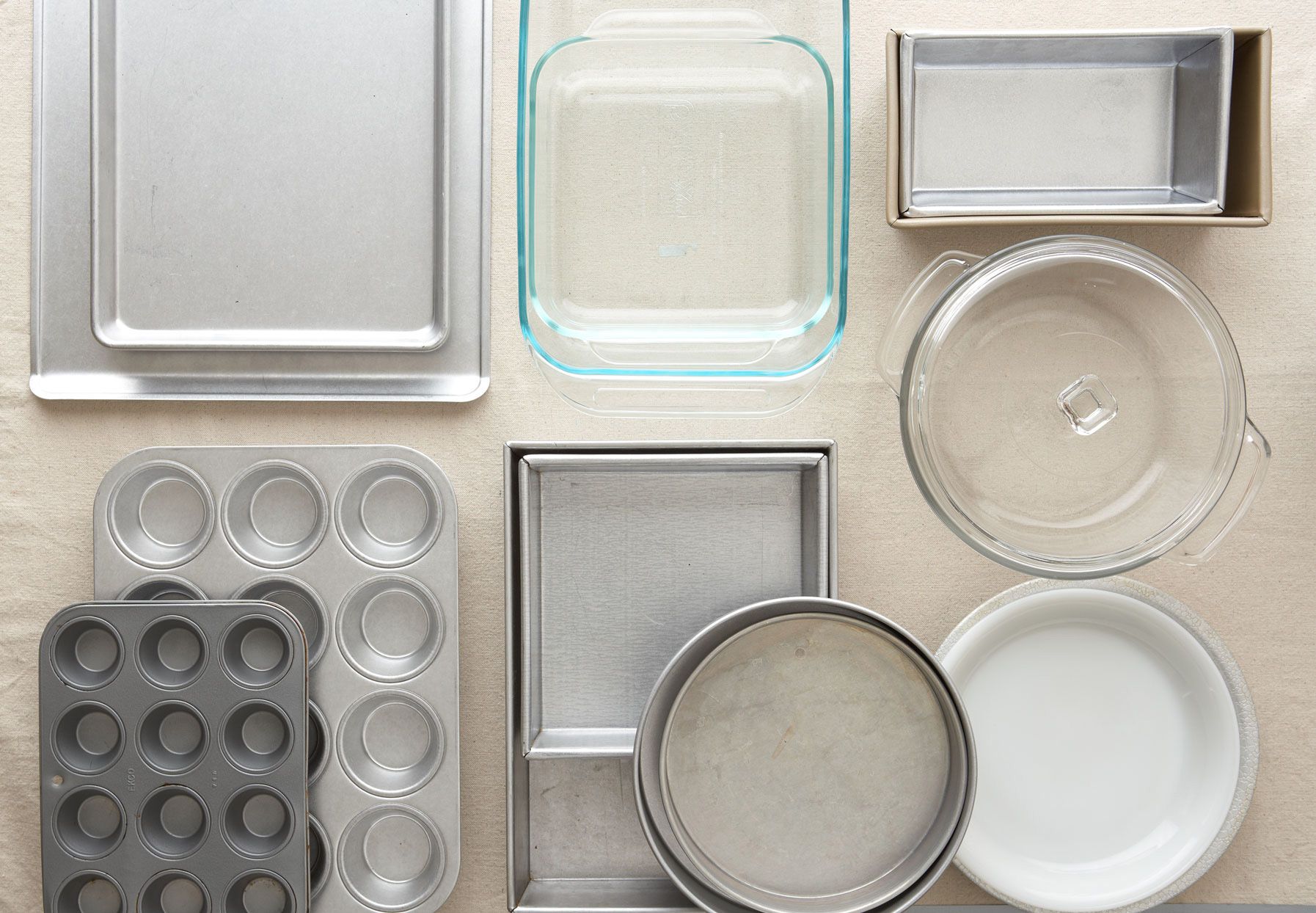
The purpose of cookware and bakeware is to provide specialized vessels for cooking and baking food. These tools help in heat distribution and retention for optimal cooking results.
What is the Purpose of Cookware And Bakeware:Cookware and bakeware are essential items in any kitchen, playing crucial roles in preparing a wide range of dishes. High-quality pots, pans, and baking trays ensure that heat is evenly conducted, reducing the risk of under or overcooking. The right cookware can make the difference between a good meal and a great one, enabling chefs of all levels to execute their recipes with precision.
From simmering stews to baking cakes, each piece is designed to meet specific cooking needs. Durability and ease of cleaning are also key features, offering convenience and longevity to home cooks. As kitchen gear, they not only contribute to the cooking process but also influence the final flavor and presentation of the dish, making them indispensable tools for anyone looking to create delicious and visually appealing meals.
Introduction To Cookware And Bakeware
Kitchens come alive with the clatter of pots and pans. Cookware and bakeware are the silent heroes behind every delicious meal. From boiling pasta to baking cookies, these tools are vital. They shape how we cook and what we eat. Let’s explore their purpose and evolution.
Historical Perspective
Early humans used natural materials to cook. Stones, animal hides, and wood played a part. Over time, metals like iron and copper changed cooking. They made food prep easier and safer. Today, we see a vast array of materials and designs in cookware and bakeware.
Modern Kitchen Essentials
Modern kitchens need a variety of pots, pans, and baking dishes. Each piece serves a specific function. Stainless steel pots, non-stick fry pans, and silicone baking molds are common. They help us boil, sauté, fry, and bake. Good tools make cooking more efficient and enjoyable.
Materials Matter
Materials matter in cookware and bakeware. The right material affects cooking performance, durability, and maintenance. Let’s explore different materials and their unique properties.
Metals And Their Properties
Metals are popular for cookware and bakeware. They conduct heat well and are sturdy. Here are some common metals used:
- Aluminum: Lightweight, heats quickly, affordable.
- Stainless Steel: Durable, resistant to rust, does not react with food.
- Cast Iron: Retains heat, ideal for slow cooking, lasts for years.
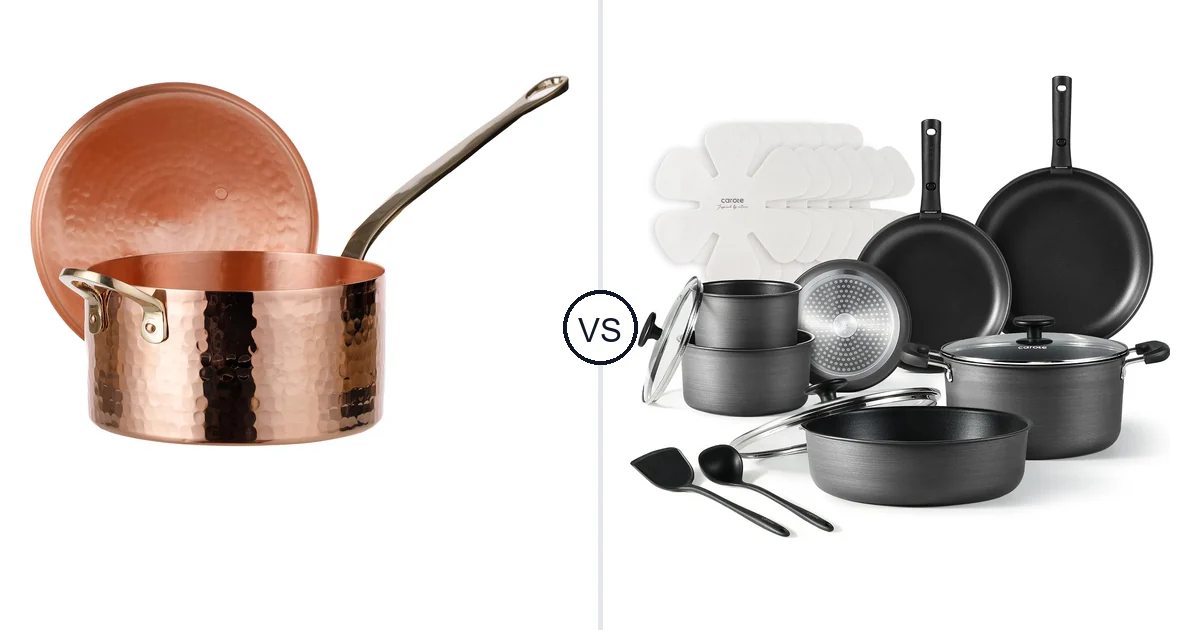
- Copper: Excellent heat conductor, heats evenly, cools quickly.
Each metal has a purpose. Choose based on cooking needs and recipe requirements.
Non-metal Options
Non-metal materials are also used in kitchens. They offer different benefits:
- Glass: Does not absorb odors, allows for visual monitoring of food.
- Silicone: Flexible, non-stick, withstands extreme temperatures.
- Ceramic: Distributes heat evenly, often has non-stick coating.
- Stone: Natural non-stick properties, retains heat well.
Non-metals are great for specific tasks. Glass is perfect for baking, while silicone is ideal for molds.
Types Of Cookware
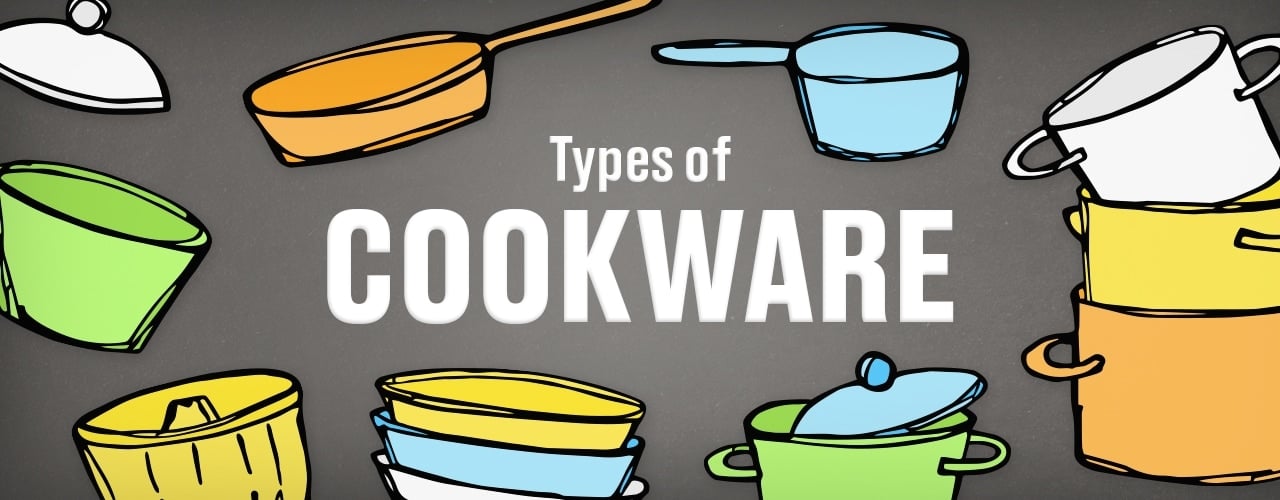
Every kitchen needs the right tools for the task at hand. Cookware comes in various types, each designed for specific cooking methods. Understanding the different types of cookware helps you choose the best for your culinary needs. Let’s dive into the world of pots, pans, and specialty cookware to help you make informed decisions.
Pots And Pans
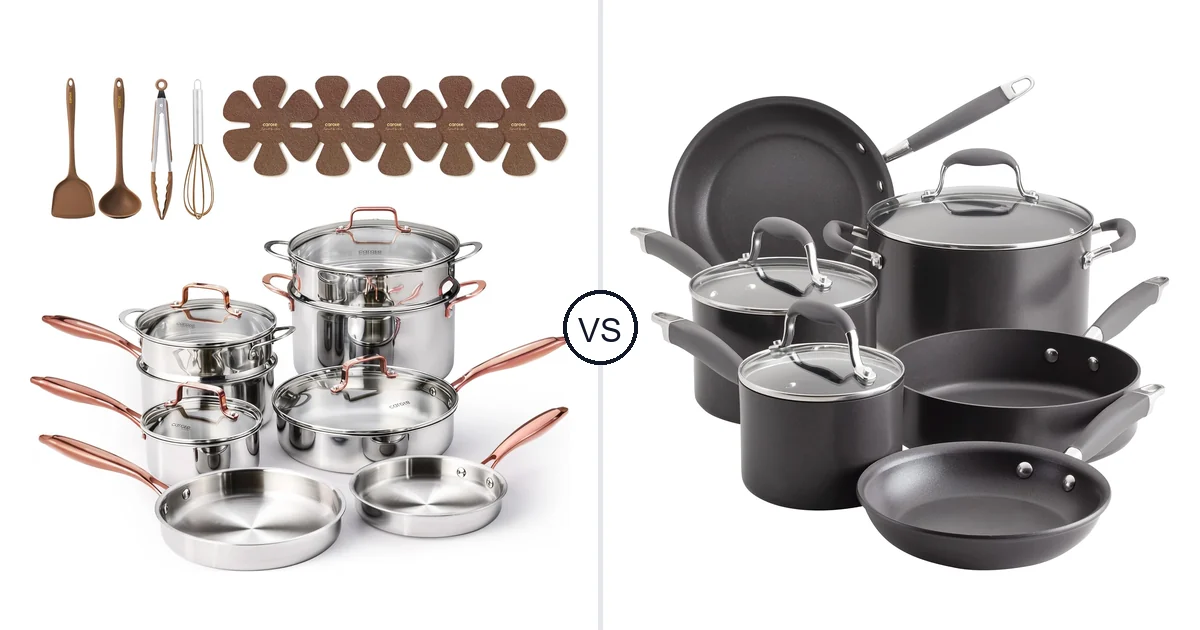
Cooking starts with pots and pans. They form the foundation of kitchen cookware. Pots come in sizes from small saucepans to large stockpots. Pans range from frying pans to deeper sauté pans. Each has a specific purpose:
- Saucepans for simmering sauces and soups.
- Stockpots for boiling pasta and making stocks.
- Frying pans for searing and frying foods.
- Sauté pans for quick cooking over high heat.
Specialty Cookware
Specialty cookware elevates your cooking game. These items are task-specific and designed for particular dishes:
| Type | Use |
|---|---|
| Grill Pans | Grill marks on meats and veggies. |
| Woks | High-heat stir-frying. |
| Dutch Ovens | Slow-cooking and braising. |
| Steamers | Healthy veggie preparation. |
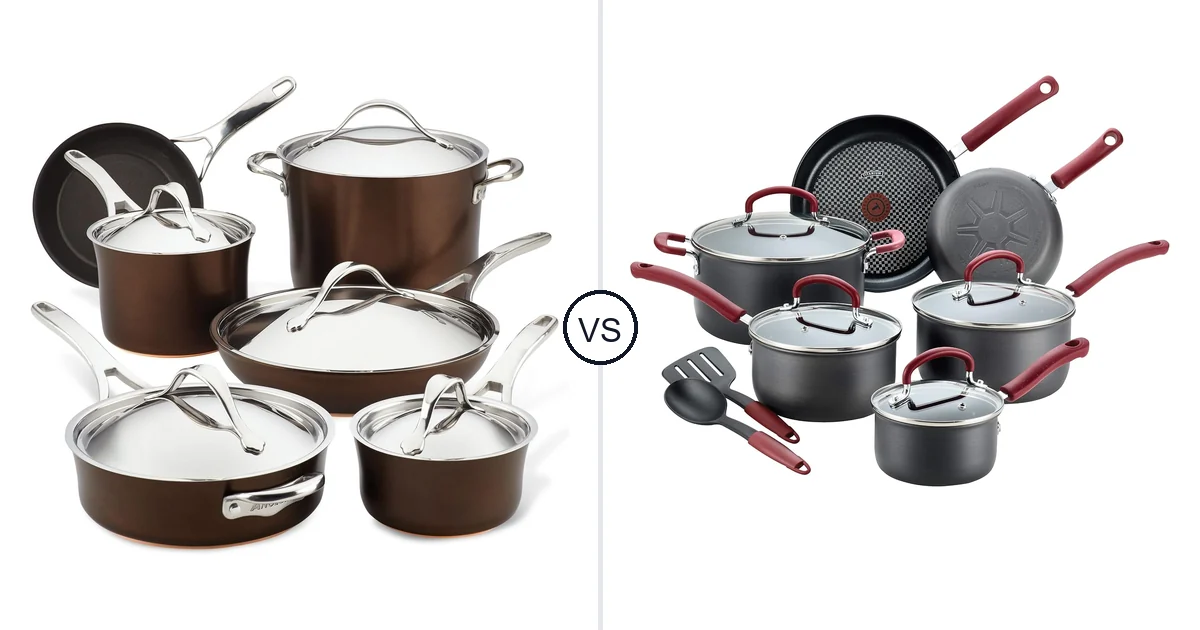
Match cookware to the task for the best results. Choose materials that suit your cooking style. Non-stick, stainless steel, and cast iron are popular choices. Each offers different benefits for heat distribution and cooking performance. Investing in quality cookware means delicious meals and enjoyment in the kitchen.
Credit: www.webstaurantstore.com
Types Of Bakeware
Exploring the realm of baking, we find a variety of bakeware essentials. These tools help turn raw ingredients into delectable treats. Let’s delve into the common types of bakeware and their uses.
Baking Pans And Sheets
Baking pans and sheets are fundamental for any baker. They come in different shapes and sizes to suit various recipes.
- Round Pans: Perfect for cakes and deep-dish pizzas.
- Square and Rectangular Pans: Ideal for brownies and bars.
- Cookie Sheets: Flat surfaces mean cookies bake evenly.
| Type | Use |
|---|---|
| Round Pans | Cakes, Pizzas |
| Square Pans | Brownies, Bars |
| Cookie Sheets | Baking Cookies |
Specialty Bakeware
Specialty bakeware brings unique shapes and designs to baked goods. These items create fun and interesting treats.
- Muffin Tins: Not just for muffins, but also cupcakes.
- Bundt Pans: Their grooves give cakes a special shape.
- Silicone Molds: Flexible and non-stick for creative baking.
Choose the right bakeware to make baking easier and more enjoyable. Each type has its purpose in the kitchen.
Heat Conductivity Explained
Heat conductivity is key in cookware and bakeware. It affects how food cooks. Good heat spread means even cooking. Poor heat spread can ruin meals.
Why It Matters
Heat conductivity matters for cooking success. It ensures food cooks properly. Fast and even heat changes how your meal tastes. It also saves energy.
Material Comparison
| Material | Conductivity | Pros | Cons |
|---|---|---|---|
| Copper | High | Best spread | Pricey |
| Aluminum | Good | Lightweight | Reacts with foods |
| Cast Iron | Moderate | Retains heat | Heavy |
| Stainless Steel | Lower | Durable | Poor spread |
| Ceramic | Varies | Non-reactive | Can crack |
Each material has unique traits. Copper heats fast and evenly. Aluminum is light but can taint food. Cast iron stays hot for long. Stainless steel lasts but doesn’t spread heat well. Ceramic won’t react with your food but might break.
Maintenance And Care
Proper maintenance and care of cookware and bakeware extend their life. They keep performing at their best. It’s crucial for any kitchen.
Cleaning Tips
Clean cookware after each use. It prevents food from sticking. Use warm water and mild detergent. For tougher stains, soak first, then scrub gently.
- Non-stick pans: Use soft sponges. Avoid metal scrubbers.
- Cast iron: Clean with hot water. No soap needed. Dry thoroughly.
- Stainless steel: Wipe with vinegar to remove water spots.
- Bakeware: Use baking soda for residue.
Storage Solutions
Store cookware and bakeware properly to avoid damage. Stack with care. Use protectors between pans.
| Type | Storage Solution |
|---|---|
| Pots and Pans | Hang or stack with liners. |
| Bakeware | Store flat or vertical dividers. |
| Lids | Use lid organizers or racks. |
Keep shelves tidy. Use cabinet organizers. It makes items easy to find.
Health And Safety Considerations
Health and safety in the kitchen are crucial. Cookware and bakeware are not just tools for preparing food. They ensure meals are cooked safely and healthily. This section covers health and safety considerations when choosing and using these items.
Non-toxic Materials
Selecting the right materials for cookware and bakeware is vital. Certain materials can release harmful chemicals into food. This can happen at high temperatures. Aim for non-toxic options like:
- Stainless steel: Durable and typically safe.
- Cast iron: Long-lasting and naturally non-stick.
- Ceramic: Heat-resistant and free from harmful coatings.
- Glass: Inert and microwave-safe.
Avoiding Accidents In The Kitchen
Kitchen accidents can occur without proper care. Follow these tips to stay safe:
- Use oven mitts to handle hot cookware.
- Keep handles turned away from the edge.
- Use dry potholders to avoid steam burns.
- Never leave cooking unattended.
Good practices prevent burns and spills. They keep your kitchen a safe space for cooking.
:max_bytes(150000):strip_icc()/best-choices-for-lasagna-bakeware-pans-1907175-94b72fd880d5430f98317527fbeb6139.jpg)
Credit: www.thespruceeats.com
Choosing The Right Tools For Your Kitchen
Every kitchen needs the right tools for cooking and baking. The purpose of cookware and bakeware is clear: to help you prepare delicious meals. But with so many options, choosing can be tough. Let’s explore how to pick the best tools for your kitchen.
Assessing Your Cooking And Baking Needs
Before buying, think about what you cook. Do you bake cakes often? Maybe you love stir-frying vegetables. Your cooking style dictates what you need.
- Bakeware: For breads, cakes, and pastries.
- Cookware: For stews, frying, and boiling.
Assess your favorite recipes. List the pans and tools they require. This will guide your purchases.
Budget And Quality
Price matters, but don’t ignore quality. Good tools last longer and perform better.
| Material | Benefit | Cost |
|---|---|---|
| Stainless Steel | Durable, easy to clean | Mid-range |
| Cast Iron | Retains heat well | Higher |
| Aluminum | Heats quickly | Lower |
Invest in pieces that match your budget and needs. A mix of high and low-end pieces can work well.

Credit: katherinesasser.com
Frequently Asked Questions
What Is The Purpose Of Pots And Pans?
The purpose of pots and pans is to cook and prepare a variety of meals. They distribute heat evenly, ensuring food cooks properly. Different sizes cater to various cooking needs, from boiling pasta to sautéing vegetables. Essential for any kitchen, they make cooking efficient and enjoyable.
Why Do We Need Cookware?
We need cookware to prepare and cook various types of food safely and efficiently. Quality cookware distributes heat evenly, prevents food from sticking, and enhances flavor. It’s essential for both basic and advanced cooking techniques, making meal preparation easier and more enjoyable.
Why Do People Put Pots And Pans In The Oven?
People put pots and pans in the oven for baking, roasting, and keeping food warm. It also helps to season cast iron cookware.
Does Cookware Make A Difference?
Yes, cookware affects cooking performance, food flavor, and nutritional value, making material and quality important considerations for any kitchen.
Conclusion
Understanding cookware and bakeware’s purpose enhances our culinary experiences. Quality tools lead to better cooking results, ensuring meals are both delicious and nutritious. Embracing the right equipment in your kitchen can transform cooking from a chore into a joy. So, gear up with the best in cookware and bakeware for unforgettable dining moments.

Leave a Reply