

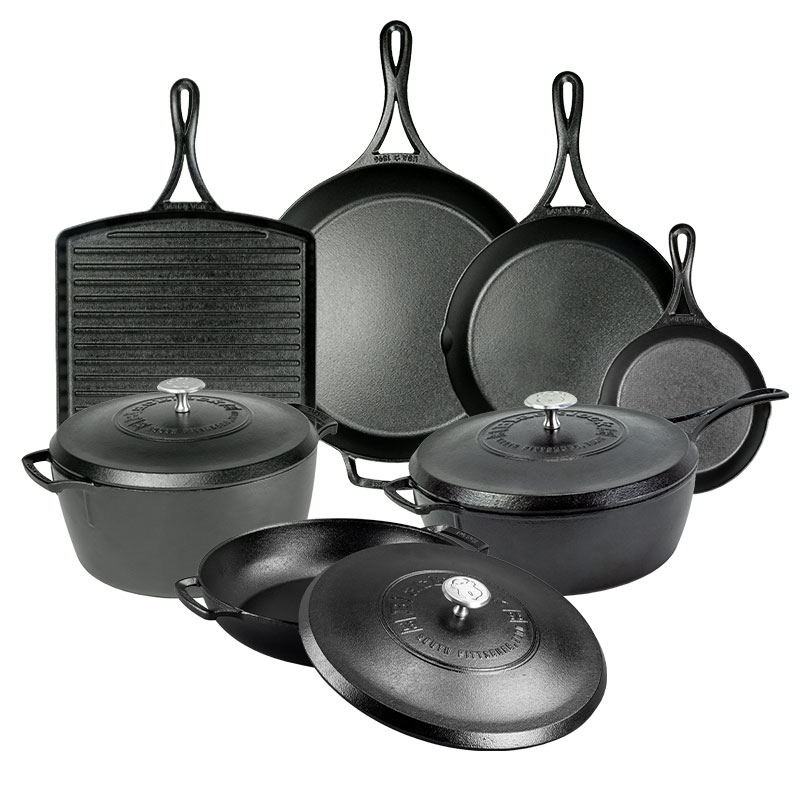
A cast iron cookware set includes various pieces like skillets, Dutch ovens, and griddles. These versatile tools excel in heat retention and distribution, making them ideal for various cooking methods.
Cast Iron Cookware Set Essentials:Cast iron cookware sets are a staple in many kitchens for good reason. They are renowned for their durability and ability to retain heat effectively. With proper care, they can last a lifetime, often becoming family heirlooms. These versatile pieces are perfect for frying, baking, and even slow-cooking.
Seasoned cast iron develops a natural non-stick surface over time, enhancing flavor in your dishes. From stovetop to oven, these cookware sets adapt to your cooking style effortlessly. Investing in a high-quality cast iron set elevates your culinary experience, making it easy to prepare delicious meals for family and friends.
The Resurgence Of Cast Iron In Modern Kitchens
Cast iron cookware is making a strong comeback. Many home cooks and chefs are rediscovering its benefits. This cookware offers durability and versatility unmatched by other materials. It can go from stovetop to oven easily.
A Brief History
Cast iron has a long history. It dates back to ancient China around 500 BC. The material gained popularity in Europe in the 18th century. People used it for cooking and baking. Cast iron skillets became household staples.
Over the years, cast iron lost popularity. Non-stick pans and stainless steel took center stage. Many thought cast iron was too heavy or difficult to maintain.
Why It’s Making A Comeback
Today, cast iron is trending again. Here are some reasons for its resurgence:
- Longevity: Cast iron lasts for generations.
- Versatility: Use it for frying, baking, or roasting.
- Natural non-stick surface: Properly seasoned cast iron is naturally non-stick.
- Health benefits: Cooking in cast iron can add iron to your diet.
- Eco-friendly: Durable cookware reduces waste.
Many chefs appreciate its heat retention. Cast iron cooks evenly, enhancing flavors. Home cooks love the rustic charm it brings to the kitchen.
Social media also plays a role. Stunning cast iron dishes are all over Instagram. This visibility inspires many to try cast iron cooking.
With proper care, cast iron cookware can last a lifetime. It is a wise investment for any kitchen.
Key Benefits Of Cooking With Cast Iron
Cooking with cast iron offers many advantages. It enhances flavors and improves cooking techniques. Here are some key benefits to consider.
Natural Non-stick Surface
Cast iron cookware develops a natural non-stick surface over time. This happens through seasoning, which is a process of applying oil. The more you use it, the better the non-stick quality becomes.
- Requires less oil for cooking
- Reduces food sticking
- Makes for easier cleanup
With proper care, you’ll enjoy effortless cooking. Your pancakes, eggs, and even stir-fries will slide right off!
Exceptional Heat Retention
Cast iron retains heat exceptionally well. This means your food cooks evenly and stays warm longer. It’s perfect for searing meats or baking cornbread.
| Type of Cookware | Heat Retention |
|---|---|
| Cast Iron | High |
| Stainless Steel | Medium |
| Non-stick | Low |
This quality makes cast iron ideal for slow-cooked meals. It’s also great for high-heat cooking.
Versatility Across Heat Sources
Cast iron cookware is versatile. It works on stovetops, in ovens, and even over campfires. You can use it for frying, baking, and even braising.
- Use it on gas and electric stoves
- Safe for the oven
- Perfect for outdoor cooking
Switching from stovetop to oven is easy. This versatility makes it a must-have in every kitchen.
Essential Pieces For Your Cast Iron Collection
Building a cast iron cookware collection is exciting. Each piece serves a unique purpose. Here are essential items to consider for your kitchen.
Skillet: The Multitasker
The cast iron skillet is a kitchen superstar. It can sauté, fry, and bake. This versatile tool excels in various cooking methods.
- Durable: Lasts for generations with proper care.
- Heat Retention: Heats evenly for perfect cooking.
- Non-Stick Surface: Improves with seasoning over time.
Use your skillet for breakfast or dinner. It handles everything from pancakes to cornbread.
Dutch Oven: The Slow Cooking Champion
The Dutch oven is perfect for slow cooking. It retains heat well, making it ideal for stews and soups.
| Feature | Benefit |
|---|---|
| Versatility | Can go from stovetop to oven. |
| Size Options | Available in various sizes for different meals. |
| Durability | Lasts for years with proper care. |
Perfect for family meals, the Dutch oven is a must-have.
Grill Pan: For Indoor Grilling
The grill pan brings outdoor cooking inside. It gives food beautiful grill marks. This piece is excellent for cooking meats and veggies.
- Ridges: Creates sear marks for added flavor.
- Healthy Cooking: Fat drains away during cooking.
- Easy to Clean: Seasoned surface makes cleanup simple.
Use your grill pan for burgers, chicken, or vegetables. Enjoy outdoor flavors year-round.
Credit: www.lodgecastiron.com
Seasoning Your Cast Iron Cookware
Seasoning your cast iron cookware is essential for its longevity. It creates a natural, non-stick surface. Proper seasoning enhances flavor and prevents rust.
The Importance Of Seasoning
Seasoning offers multiple benefits:
- Non-stick surface: Food slides off easily.
- Rust prevention: Keeps your cookware safe from moisture.
- Flavor enhancement: Adds richness to your dishes.
- Durability: Increases the lifespan of your cookware.
Without seasoning, cast iron can become damaged and unusable. Regularly seasoning your cookware is vital for optimal performance.
Step-by-step Seasoning Guide
Follow these simple steps to season your cast iron cookware:
- Clean: Wash your cookware with hot water and mild soap.
- Dry: Use a clean cloth to dry it thoroughly.
- Apply oil: Use a paper towel to apply a thin layer of oil.
- Recommended oils: Canola, vegetable, or flaxseed oil.
- Heat: Place the cookware upside down in the oven. Set the temperature to 375°F (190°C).
- Bake: Bake for 1 hour to set the seasoning.
- Cool: Let the cookware cool in the oven.
Repeat this process every few months to maintain the seasoning.
Maintenance And Care Tips
Taking care of your cast iron cookware set ensures its longevity. Proper maintenance keeps the cookware non-stick and rust-free. Follow these tips to keep your cast iron in excellent condition.
Cleaning Dos And Don’ts
Cleaning cast iron cookware can be simple if you follow these guidelines:
| Dos | Don’ts |
|---|---|
| Use warm water and a soft sponge. | Do not use soap or harsh chemicals. |
| Dry your cookware immediately after washing. | Do not air dry your cast iron. |
| Apply a thin layer of oil after cleaning. | Do not let food sit in the pan. |
Follow these tips to prevent rust. Treat your cast iron like a family heirloom.
Storing Your Cast Iron Cookware
Proper storage keeps your cookware in top shape. Here are some storage tips:
- Stack your pans with paper towels in between.
- Avoid stacking heavy items on top of your cast iron.
- Store in a dry place to prevent moisture.
- Keep lids off to allow air circulation.
Proper maintenance and storage will ensure your cast iron cookware set lasts for years. Enjoy cooking with your well-cared-for pans!

Credit: www.lecreuset.com
Cooking Techniques And Tips For Cast Iron
Mastering cast iron cookware opens up a world of cooking possibilities. This versatile tool can create amazing dishes. Here are essential techniques and tips for using cast iron.
Achieving The Perfect Sear
Getting a great sear requires a few simple steps:
- Preheat your pan: Heat the cast iron until it’s hot. Use medium-high heat.
- Add oil: Use oils with high smoke points, like canola or avocado oil.
- Dry your meat: Pat your meat with paper towels. This helps to avoid steaming.
- Place meat in the pan: Lay it away from you to prevent splatter.
- Don’t move it: Let it cook for a few minutes before flipping.
For perfect results, check the meat’s internal temperature. A good sear locks in flavors. It enhances the overall taste.
Baking And Roasting In Cast Iron
Cast iron is excellent for baking and roasting. It retains heat well and ensures even cooking.
| Dish | Temperature | Time |
|---|---|---|
| Cast Iron Cornbread | 400°F | 20-25 minutes |
| Roasted Vegetables | 425°F | 30-40 minutes |
| Skillet Pizza | 475°F | 12-15 minutes |
Here are some tips for baking and roasting:
- Preheat the pan: Always heat your cast iron before adding food.
- Use parchment paper: For easy cleanup and to avoid sticking.
- Check for doneness: Use a toothpick or a food thermometer.
- Let it cool: Allow your dish to cool before cleaning.
Baking in cast iron adds a unique flavor. It gives a delightful crust to baked goods.
Must-try Recipes For Cast Iron Beginners
Cast iron cookware is perfect for beginners. It offers versatility and durability. With a few simple recipes, anyone can start cooking delicious meals. Here are some must-try recipes to get you started.
One-pan Meals
One-pan meals save time and effort. They allow for easy cleanup. Here are some tasty recipes:
- Cast Iron Chicken Fajitas
- Ingredients: chicken, bell peppers, onions, spices.
- Method: Sauté everything together in your skillet.
- Vegetable Stir-Fry
- Ingredients: broccoli, carrots, bell peppers, soy sauce.
- Method: Cook veggies in oil until tender.
- Beef and Broccoli
- Ingredients: beef, broccoli, garlic, soy sauce.
- Method: Sear beef, add broccoli, and simmer.
Cast Iron Desserts
Cast iron isn’t just for savory dishes. It’s great for desserts too. Here are some easy recipes:
- Skillet Chocolate Chip Cookie
- Ingredients: flour, sugar, butter, chocolate chips.
- Method: Mix ingredients, bake in skillet.
- Peach Crisp
- Ingredients: peaches, oats, brown sugar, butter.
- Method: Layer peaches, top with crisp mixture, bake.
- Cast Iron Brownies
- Ingredients: chocolate, flour, eggs, sugar.
- Method: Combine ingredients, bake until set.
Trying these recipes will boost your confidence. Enjoy the delicious results from your cast iron cookware!
Expanding Your Cast Iron Collection
Building a cast iron cookware collection is exciting. Each piece adds value and versatility to your kitchen. Specialty items can enhance your cooking experience. Vintage finds bring charm and history. Knowing when and how to expand is key.
When To Add Specialty Pieces
Specialty pieces can enhance your cooking skills. Consider adding them when:
- You master basic cooking techniques.
- Your recipes require specific cookware.
- You want to try new cooking styles.
Popular specialty items include:
- Griddles for pancakes and sandwiches.
- Woks for stir-frying.
- Skillets with pour spouts for easy serving.
Invest in quality pieces. They last a lifetime and improve with use.
Sourcing Vintage Cast Iron
Vintage cast iron cookware tells stories. It often has unique features and character. Here are some tips for sourcing:
- Check flea markets and estate sales.
- Visit thrift stores or antique shops.
- Join online groups or forums for buying and selling.
Look for well-known brands like:
| Brand | Features |
|---|---|
| Griswold | Lightweight and smooth cooking surface. |
| Le Creuset | Colorful enamel coating, great for display. |
| Wagner | Strong and durable, ideal for everyday cooking. |
Inspect pieces carefully. Look for cracks, rust, or warping. Restoration can be easy if needed.

Credit: www.amazon.com
Frequently Asked Questions
What Is A Cast Iron Cookware Set?
A cast iron cookware set typically includes various pieces like skillets, dutch ovens, and griddles. These items are known for their durability and excellent heat retention. They are versatile for cooking methods such as frying, baking, and roasting. Proper care can make them last a lifetime.
How Do I Care For Cast Iron Cookware?
Caring for cast iron cookware involves regular seasoning and proper cleaning. After each use, clean with hot water and a stiff brush. Avoid soap, as it can strip the seasoning. Dry thoroughly and apply a thin layer of cooking oil to maintain the non-stick surface.
Can Cast Iron Cookware Go In The Oven?
Yes, cast iron cookware is oven-safe and can withstand high temperatures. This makes it perfect for baking, roasting, and even broiling. Just ensure the handle is also heat-resistant or covered. Always check manufacturer guidelines for specific temperature limits.
What Are The Benefits Of Cast Iron Cookware?
Cast iron cookware offers excellent heat retention and even cooking. It’s also naturally non-stick when properly seasoned, making it healthier for cooking. Additionally, it can enhance the flavor of dishes over time. Investing in a set can be a long-term, cost-effective choice.
Conclusion
A cast iron cookware set is a valuable investment for any kitchen. It enhances flavor and provides even heat distribution. With proper care, these durable pieces last for generations. Embrace the versatility and timeless appeal of cast iron cooking. Elevate your culinary skills and enjoy delicious meals for years to come.

Leave a Reply