
Baking cookware includes various items like pans, sheets, and molds designed for oven use. Choosing the right cookware ensures even baking and optimal results.
Baking is an art that requires the right tools for success. Quality baking cookware can elevate your culinary creations, whether you’re making cookies, bread, or cakes. Selecting the appropriate materials is crucial, as they influence cooking times and textures. Non-stick options simplify cleanup, while heavy-duty metal pans provide even heat distribution.
Glass and ceramic dishes offer versatility, often transitioning from oven to table. Understanding the various types of baking cookware available empowers bakers to make informed choices. With the right tools, anyone can achieve perfect results and enjoy the delightful process of baking.
:max_bytes(150000):strip_icc()/ses-product-best-baking-pans-rachel-knecht-03-6a37b70241de467280f66c960be29823.jpeg)
Credit: www.thespruceeats.com
The Heart Of Baking: Choosing The Right Oven
Choosing the right oven is crucial for successful baking. It influences texture, flavor, and overall results. An oven can make or break your baked goods. Understanding your options helps you create delicious treats.
Size Matters: Matching Oven To Kitchen Space
Oven size plays a significant role in your baking experience. Consider these factors:
- Kitchen Size: Measure your kitchen space carefully.
- Capacity: Choose an oven with enough room for your dishes.
- Usage: Think about how often you bake.
Here’s a quick overview of oven sizes:
| Oven Type | Typical Size | Best For |
|---|---|---|
| Standard Oven | 30 inches | Most families |
| Compact Oven | 24 inches | Small kitchens |
| Double Oven | 30 inches | Frequent bakers |
Convection Vs. Traditional: A Heated Debate
The choice between convection and traditional ovens can be confusing. Both have unique features. Here’s a comparison:
- Convection Ovens:
- Use a fan for even heat distribution.
- Cook food faster and more evenly.
- Great for baking cookies and pastries.
- Traditional Ovens:
- Heat from the bottom only.
- Ideal for slow baking and roasting.
- Preferred for bread and cakes.
Consider your baking needs and preferences. Both types have their advantages. Choose based on what you bake most often.
Credit: bakerbynature.com
Baking Sheets And Pans: The Foundation Of Oven Baking
Baking sheets and pans are essential tools in every kitchen. They help create delicious pastries, cookies, and casseroles. Choosing the right cookware can change your baking game. Different materials and shapes offer various benefits. Let’s explore these options to enhance your baking experience.
Material Science: Aluminum, Stainless Steel, Or Silicone?
The material of your baking cookware affects your baking results. Here’s a quick overview:
| Material | Pros | Cons |
|---|---|---|
| Aluminum |
|
|
| Stainless Steel |
|
|
| Silicone |
|
|
Shapes And Sizes: A Pan For Every Pastry
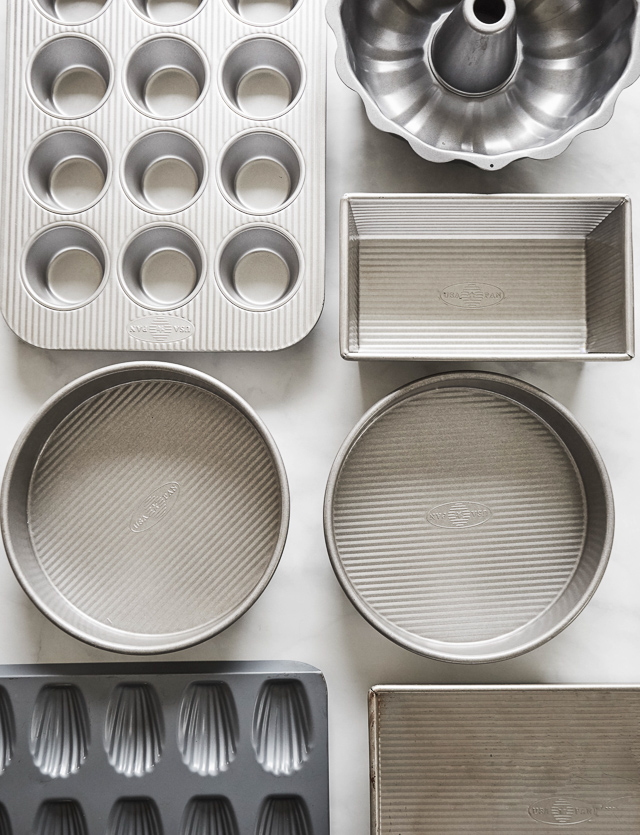
Baking pans come in various shapes and sizes. Each type serves a specific purpose. Here’s a list of common baking pans:
- Cookie Sheets: Flat and perfect for cookies.
- Cake Pans: Round or square, ideal for cakes.
- Loaf Pans: Great for bread and pound cakes.
- Muffin Tins: Perfect for muffins and cupcakes.
- Pie Dishes: Designed for pies and quiches.
Choosing the right shape helps achieve the best results. Consider your recipes when selecting baking sheets and pans.
Mixing Bowls: The Starting Point Of Every Recipe
Mixing bowls are essential in every kitchen. They hold ingredients together. They help you mix, blend, and prepare your dishes. Choosing the right mixing bowl makes cooking easier and more fun. Let’s explore different types of mixing bowls and their uses.
Glass Vs. Metal Vs. Plastic: A Comparative Analysis
| Type | Pros | Cons |
|---|---|---|
| Glass |
|
|
| Metal |
|
|
| Plastic |
|
|
Set Or Solo: How Many Bowls Do You Really Need?
Choosing the right number of mixing bowls depends on your cooking style. Here are some points to consider:
- Basic Set: A set of three bowls is ideal.
- Variety: Different sizes help with various tasks.
- Storage: Nesting bowls save space in cabinets.
Many cooks prefer:
- One large bowl for mixing batters.
- A medium bowl for salads or sides.
- A small bowl for sauces or dressings.
Evaluate your cooking habits. Choose what fits your needs best.
Measuring Success: Cups And Spoons
Baking is a precise art. Accurate measurements ensure delicious results. Using the right measuring cups and spoons is key. They help you achieve perfect textures and flavors in every recipe.
Accuracy In Baking: The Importance Of Precise Measurements
Precision matters in baking. Even a small error can change a dish. Here’s why accurate measurements are crucial:
- Consistency: Repeat recipes with ease.
- Texture: Achieve the right crumb and rise.
- Flavor: Balance ingredients for the best taste.
Use measuring cups for dry ingredients. Liquid ingredients need measuring spoons. Always level off dry ingredients for accuracy. This simple step prevents over-measuring.
Material Matters: Plastic, Metal, And Glass Options
Choosing the right material for measuring tools impacts baking. Each material has its own benefits:
| Material | Advantages | Disadvantages |
|---|---|---|
| Plastic | Lightweight, affordable, durable | May warp over time |
| Metal | Sturdy, precise, long-lasting | Can be heavy, may rust |
| Glass | Non-reactive, easy to clean | Fragile, heavier than plastic |
Choose what fits your baking style best. Consider durability and ease of use. With the right tools, baking becomes simpler and more enjoyable.
Whisks And Mixers: The Art Of Blending Ingredients
Mastering the art of blending ingredients is essential in baking. Whisks and mixers play a crucial role in creating perfect textures. They help combine flavors and achieve desired consistencies. Understanding your options will enhance your baking skills.
Manual Vs. Electric: Choosing Your Mixing Champion
Choosing between manual and electric mixers depends on your needs. Each type has its benefits and ideal uses.
| Type | Benefits | Ideal Uses |
|---|---|---|
| Manual Whisks |
|
|
| Electric Mixers |
|
|
Attachments And Accessories: Expanding Your Mixer’s Versatility
Many mixers come with attachments. These tools enhance your mixing experience.
- Whisk Attachment: Perfect for whipping cream or egg whites.
- Dough Hook: Great for kneading dough.
- Flat Beater: Ideal for general mixing tasks.
- Check your mixer’s compatibility with attachments.
- Invest in high-quality accessories for better results.
- Explore various recipes to maximize your mixer’s potential.
Choosing the right mixing tools makes baking easier. Whether you prefer manual or electric, each option has unique advantages. Explore attachments to truly unlock your mixer’s capabilities.
Credit: pyleusa.com
Rolling Pins And Mats: Shaping Your Creations
Rolling pins and mats are essential tools for bakers. They help shape dough easily and evenly. Choosing the right materials can enhance your baking experience.
Material Choices: Wood, Silicone, Or Marble?
Each material offers unique benefits.
| Material | Advantages | Disadvantages |
|---|---|---|
| Wood |
|
|
| Silicone |
|
|
| Marble |
|
|
Non-stick Mats: A Baker’s Best Friend
Non-stick mats simplify the baking process. They prevent sticking, making cleanup easy.
Here are some benefits of using non-stick mats:
- Reusable and eco-friendly
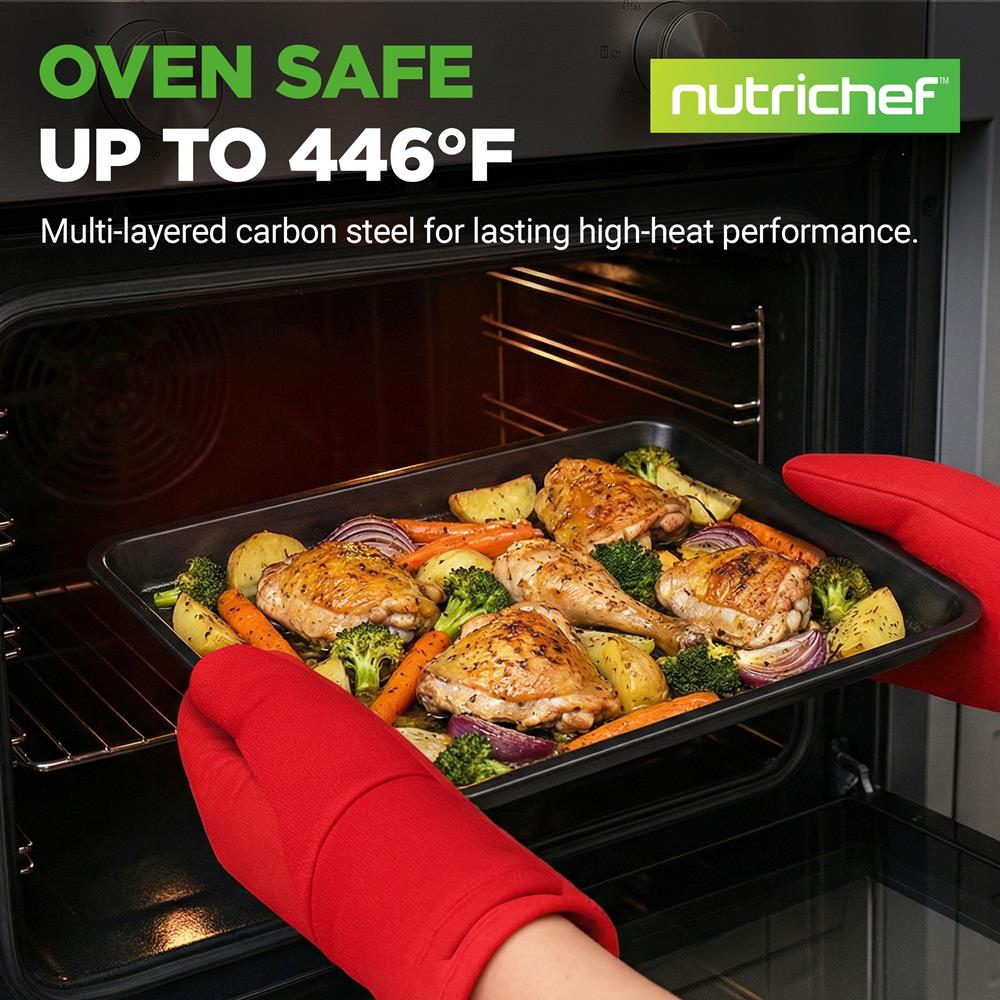
- Can withstand high temperatures
- Perfect for cookies and pastries
Consider these options:
- Silicone baking mats
- Parchment paper alternatives
- Multi-use mats for various tasks
Oven Thermometers And Timers: Precision In Baking
Baking requires accuracy. A small change in temperature can ruin your dish. Proper tools like oven thermometers and timers ensure perfect results. They help achieve the best flavors and textures in your baked goods.
Why Oven Temperature Matters
Oven temperature is crucial for baking. It affects how your food cooks. Here are some key reasons:
- Even Cooking: A consistent temperature allows for even cooking.
- Texture: Different temperatures create different textures.
- Rise: Cakes and breads need specific temperatures to rise properly.
Many ovens can be off by as much as 25 degrees. This affects the outcome. An oven thermometer measures the true temperature. It ensures accuracy for every recipe.
Counting Down: The Role Of Timers
Timers help track baking time. Overbaking can dry out or burn your food. Here’s why timers are important:
- Precision: Timers keep your baking on schedule.
- Focus: They allow you to multitask without worry.
- Consistency: Consistent timing leads to repeatable results.
Using a timer is simple. Set it according to your recipe. Check your dish as it nears the end of the countdown.
| Food Item | Recommended Baking Temperature | Recommended Baking Time |
|---|---|---|
| Cake | 350°F | 25-35 minutes |
| Cookies | 375°F | 8-12 minutes |
| Bread | 375°F | 30-40 minutes |
Invest in a good oven thermometer and timer. They make baking easier and more enjoyable. With these tools, you can bake with confidence.
Storage Solutions: Preserving Your Baked Goods
Proper storage is key to keeping baked goods fresh and delicious. Good storage can maintain moisture and flavor. Let’s explore some effective methods for storing your baked treats.
Airtight Containers: Keeping Moisture At Bay
Airtight containers are essential for preserving baked goods. They prevent moisture from ruining your treats. Here are some tips:
- Use glass or plastic containers with tight-fitting lids.
- Store cookies in layers, separated by parchment paper.
- Keep bread in a breathable bag to avoid sogginess.
Check out this table for different baked goods and their storage methods:
| Baked Good | Best Storage Method | Storage Duration |
|---|---|---|
| Cookies | Airtight container | 1-2 weeks |
| Bread | Paper bag | 3-5 days |
| Cakes | Covered cake stand | 3-5 days |
| Muffins | Airtight container | 1 week |
Displaying Your Desserts: Creative And Functional Ideas
Display your desserts beautifully and practically. Use these creative ideas:
- Use a tiered cake stand for cakes and cupcakes.
- Show off cookies in a glass jar with a lid.
- Arrange brownies on a decorative platter.
- Employ a cake dome for protecting and showcasing.
These ideas not only preserve freshness but also enhance your kitchen decor.
Involve your family in the storage process. Make it a fun activity. Enjoy your delicious baked goods for longer!
Frequently Asked Questions
What Materials Are Best For Baking Cookware?
The best materials for baking cookware include glass, metal, and silicone. Glass is excellent for even heat distribution. Metal pans are durable and often provide a nice browning effect. Silicone is flexible and non-stick, making it easy to release baked goods.
Each material has its unique advantages.
How Do I Choose The Right Baking Pan?
Choosing the right baking pan depends on the recipe and desired outcome. Consider the size, shape, and material of the pan. For cakes, round or square pans work well. For cookies, a flat baking sheet is ideal. Always ensure the pan is suitable for the oven temperature required.
Can I Use Non-stick Spray On All Bakeware?
Non-stick spray is generally safe for most bakeware, but check the manufacturer’s guidelines. It’s particularly beneficial for metal and glass pans. However, avoid using it on silicone bakeware, as they are naturally non-stick. Proper use enhances easy food release and simplifies cleanup.
How Should I Care For My Baking Cookware?
Caring for your baking cookware involves proper cleaning and storage. Always follow the manufacturer’s instructions. Avoid abrasive cleaners that can scratch surfaces. Hand washing is usually recommended, especially for non-stick and glass pans. Store them in a cool, dry place to maintain their quality.
Conclusion
Choosing the right baking cookware is essential for achieving perfect results. Quality materials enhance heat distribution and durability. Whether you prefer glass, metal, or silicone, each option has its advantages. Invest in versatile pieces to elevate your baking experience. With the right tools, you can create delicious treats with ease and confidence.

Leave a Reply