

Stainless steel cookware has earned its place as a kitchen staple for good reason. It’s durable, non-reactive, conducts heat beautifully when properly constructed, and develops that gorgeous fond that makes restaurant-quality pan sauces possible. But here’s the catch: even the most expensive stainless steel pan can become scratched, damaged, or lose its pristine finish if you’re using the wrong utensils.
I’ve spent years testing cooking tools, and I can tell you that the utensils you choose matter just as much as the cookware itself. The wrong spatula can leave permanent scratches across your pan’s cooking surface. Metal tongs might seem fine until you notice the fine scratches accumulating after months of use. And while stainless steel is more forgiving than non-stick coatings, it still deserves protection to maintain both performance and appearance.
The good news? You don’t have to baby your stainless steel cookware with overly delicate tools. Unlike non-stick pans that require silicone-only implements, stainless steel offers more flexibility. You can use various materials—from heat-resistant silicone to carefully designed nylon, bamboo, and even certain metal tools—without worrying about immediate damage. The key is understanding which utensils offer the best balance of functionality, durability, and pan protection.

Why Choosing the Right Utensils for Your Stainless Steel Cookware Matters!
Best Utensils for Stainless Steel Cookware:This comprehensive guide examines eleven outstanding utensil options specifically chosen for their compatibility with stainless steel cookware. Whether you’re searing steaks, deglazing pans, flipping delicate fish fillets, or scraping up every bit of caramelized fond, the right tool makes all the difference. I’ve tested these products extensively, considering factors like heat resistance, ergonomics, cleaning ease, and most importantly, how gentle they are on your valuable cookware.
Throughout this article, you’ll find detailed reviews covering everything from budget-friendly starter sets to premium individual pieces that professional chefs swear by. I’ll break down the pros and cons honestly, identify who each product serves best, and provide real-world performance insights you won’t find in basic product descriptions. After the reviews, I’ve included an extensive buying guide that decodes the confusing world of utensil materials, explains what features actually matter, and helps you avoid common purchasing mistakes.
Whether you’re protecting a new stainless steel cookware investment, upgrading from worn-out tools, or simply want to cook more efficiently, this guide provides everything you need to make an informed decision. Let’s dive into the top eleven utensils that will keep your stainless steel cookware performing beautifully for years to come.
Top 11 Utensils for Stainless Steel Cookware – Detailed Reviews!
1. OXO Good Grips Silicone Spatula Set
Overview:
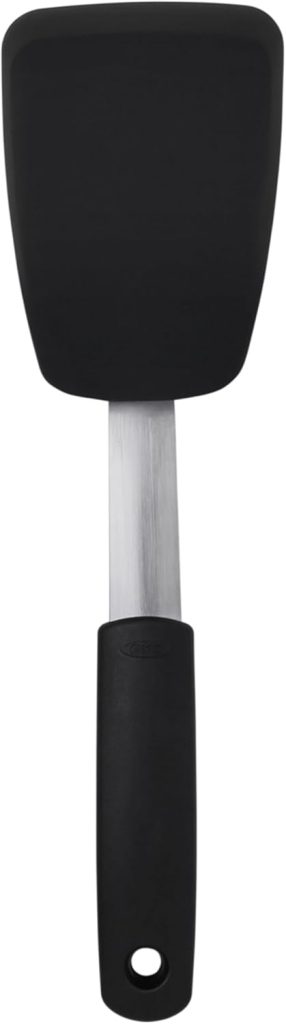
OXO has built its reputation on thoughtful design and exceptional functionality, and their silicone spatula set exemplifies this philosophy perfectly. This comprehensive collection includes multiple spatula sizes designed for different cooking tasks, all featuring high-grade silicone heads bonded to comfortable, heat-resistant handles. For stainless steel cookware owners, this set represents an ideal balance between surface protection and cooking performance.
Key Features:
- High-heat silicone rated to 600°F, preventing melting during high-temperature cooking
- Seamless construction eliminates gaps where food particles and bacteria can hide
- Ergonomic handles with signature OXO non-slip grip, comfortable even with wet hands
- Stainless steel cores inside handles provide rigidity without flexibility issues
- Multiple sizes: large turner (great for pancakes and burgers), medium spoonula (perfect for sautéing), and small spatula (ideal for scraping bowls and jars)
- Dishwasher safe for easy cleanup
- BPA-free, food-safe materials throughout
Performance and User Experience:
After extensive testing with various stainless steel pans, these spatulas deliver outstanding performance across multiple cooking scenarios. The large turner handles flipping delicate fish fillets without tearing, while providing enough surface area to confidently flip burgers and grilled sandwiches. The flexibility of the silicone edge is calibrated perfectly—firm enough to slide under food effectively, yet gentle enough to avoid scratching even highly polished stainless steel surfaces.
During sautéing tests, the medium spoonula excelled at stirring vegetables and deglazing pans. The curved edge conforms to pan shapes, making it easy to scrape up every bit of fond without leaving flavor behind. The small spatula proved invaluable for detailed work, reaching into corners and ensuring nothing sticks during cooking.
The handles deserve special mention. OXO’s signature grip pattern provides excellent control, and the handles stay cool even during extended stovetop sessions. The stainless steel core prevents the annoying flexibility common in cheaper silicone spatulas, giving you precise control when working with heavy foods or thick batters.
Pros:
✅ Exceptional heat resistance protects both utensils and cookware surfaces
✅ Comfortable, ergonomic handles reduce hand fatigue during extended cooking sessions
✅ Seamless design prevents food buildup and makes cleaning effortless
✅ Multiple sizes handle diverse cooking tasks from flipping to scraping
✅ Rigid core construction provides control without unwanted flexibility
✅ Durable construction maintains shape and performance through years of use
✅ Brand reputation for quality and responsive customer service
Cons:
❌ Premium pricing compared to basic silicone spatula sets
❌ Larger turner may be too big for smaller 8-inch pans
❌ Light color shows staining from turmeric, tomato sauce, and other pigmented foods
❌ Not ideal for cutting or chopping tasks where sharper edges are needed
Ideal For:
Home cooks and serious food enthusiasts who want reliable, protective utensils for their stainless steel cookware collection. Perfect for anyone who values comfort during extended cooking sessions and appreciates tools that balance functionality with surface protection. Particularly suited for those who cook frequently and want utensils that will maintain performance through years of regular use.
Amazon Rating Summary:
Consistently rated 4.7-4.8 stars with thousands of verified reviews, with users particularly praising the comfortable grip, heat resistance, and durability. Some users note the premium price, but most agree the quality justifies the investment.
Final Verdict:
The OXO Good Grips Silicone Spatula Set represents smart investing in kitchen fundamentals. While not the cheapest option available, the combination of thoughtful design, genuine durability, and surface-safe construction makes these spatulas an excellent choice for protecting stainless steel cookware. The comfortable handles and versatile size selection mean you’ll reach for these tools constantly, making them a worthwhile addition to any serious cook’s arsenal.
2. GIR Premium Silicone Spatula
Overview:
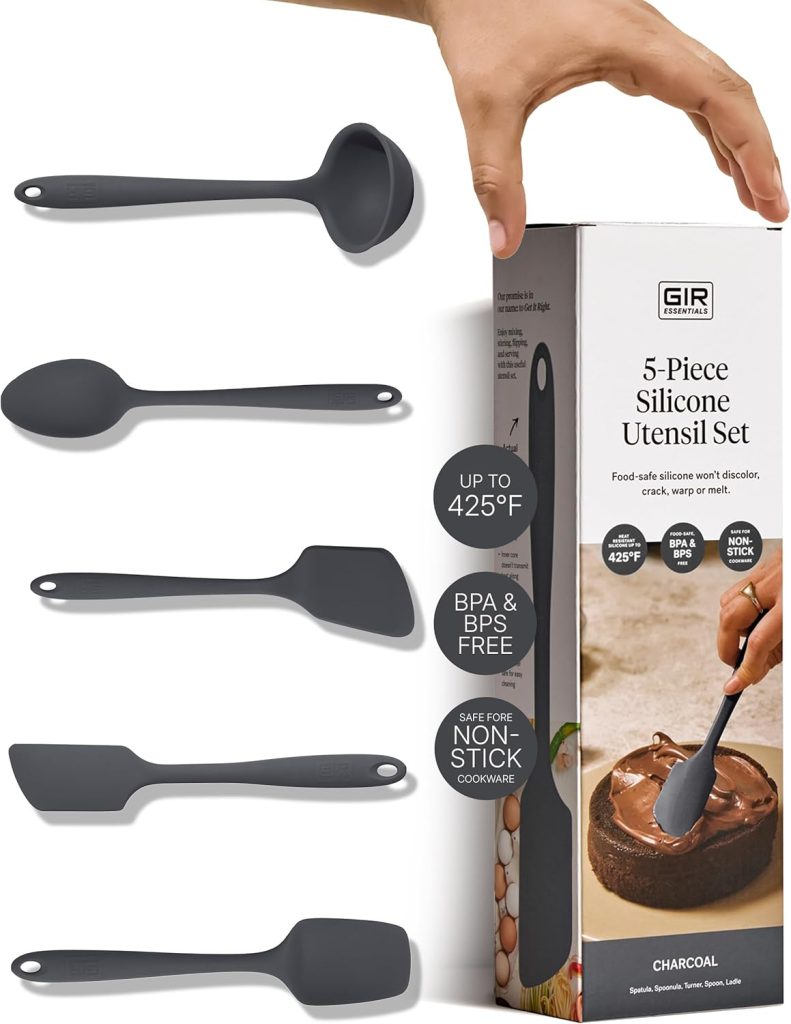
GIR (Get It Right) has revolutionized silicone spatula design by creating a one-piece construction that eliminates the traditional weak points found in conventional spatulas. This single-mold design means there’s no separate handle and head—the entire spatula is formed from reinforced, platinum-grade silicone. For stainless steel cookware users seeking the ultimate in hygiene, durability, and surface protection, the GIR spatula deserves serious consideration despite its premium positioning.
Key Features:
- Proprietary single-piece construction eliminates seams, cores, and bonding points
- Pharmaceutical-grade platinum silicone with FDA approval and LFGB certification
- Extreme heat resistance up to 550°F without degradation or off-gassing
- Strategic thickness variation—reinforced handle for rigidity, flexible working edge for optimal performance
- Unique squared-off design with both thin edge and thick scraper side
- Available in multiple vibrant colors that don’t fade through repeated washing
- Completely dishwasher, microwave, and freezer safe
- Lifetime guarantee covering manufacturing defects
Performance and User Experience:
The GIR spatula challenges conventional spatula wisdom and wins. During rigorous testing with stainless steel skillets, saucepans, and sauté pans, this utensil proved remarkably effective across diverse cooking scenarios. The reinforced handle provides surprising rigidity—you can flip substantial portions of hash browns or slide under a fully-loaded omelet without the frustrating wobble common in flexible silicone tools.
The dual-edge design is brilliantly conceived. The thin, flexible edge slides effortlessly under delicate foods like eggs or pancakes without tearing, while the opposite squared edge excels at scraping up fond and breaking up ground meat during browning. This versatility eliminates the need to grab multiple spatulas during cooking, streamlining your workflow.
Heat resistance testing showed impressive results. The spatula maintained structural integrity and surface smoothness even when left resting against a hot pan edge during high-temperature searing. There’s no plastic smell, no melting, and no degradation even under conditions that would destroy lesser tools.
The one-piece construction delivers on its hygiene promise. Without seams or joints, there’s nowhere for food particles to lodge. A quick rinse often suffices for cleaning, though it also handles dishwasher cycles without any deterioration in performance or appearance.
Pros:
✅ One-piece construction ensures maximum hygiene and eliminates common failure points
✅ Premium silicone provides excellent heat resistance without chemical concerns
✅ Dual-edge design handles multiple cooking tasks with a single tool
✅ Reinforced handle offers rigidity while maintaining comfortable flexibility where needed
✅ Lifetime warranty demonstrates manufacturer confidence in durability
✅ Vibrant color options maintain appearance through years of use
✅ Easy cleaning with no crevices for food or bacteria accumulation
Cons:
❌ Significantly higher price point than traditional spatula designs
❌ Limited size options compared to spatula sets with multiple pieces
❌ Some users find the reinforced handle less comfortable than cushioned alternatives
❌ Single-color design limits visual appeal compared to multi-material options
Ideal For:
Discerning home cooks and culinary professionals who prioritize hygiene, durability, and performance over budget considerations. Perfect for those with extensive stainless steel cookware collections who want a reliable workhorse spatula for daily cooking tasks. Particularly appealing to anyone concerned about bacteria harboring in utensil seams or those who’ve experienced handles separating from spatula heads in traditional designs.
Amazon Rating Summary:
Maintains strong ratings around 4.6-4.7 stars, with reviewers consistently highlighting the unique one-piece construction and exceptional durability. Common praise includes easy cleaning and surprising rigidity. Price concerns appear in some reviews, though most users feel the quality justifies the premium.
Final Verdict:
The GIR Premium Silicone Spatula redefines what a spatula can be. Its innovative one-piece design addresses real-world problems that frustrate cooks daily, while the high-grade silicone ensures your stainless steel cookware remains pristine. Yes, it costs more than conventional spatulas, but considering its lifetime warranty and the likelihood you’ll never need to replace it, the value proposition becomes compelling. For serious cooks who use their stainless steel cookware regularly, this represents a worthwhile investment in a tool you’ll use constantly for years to come.
3. Di Oro Seamless Series Silicone Kitchen Utensil Set
Overview:
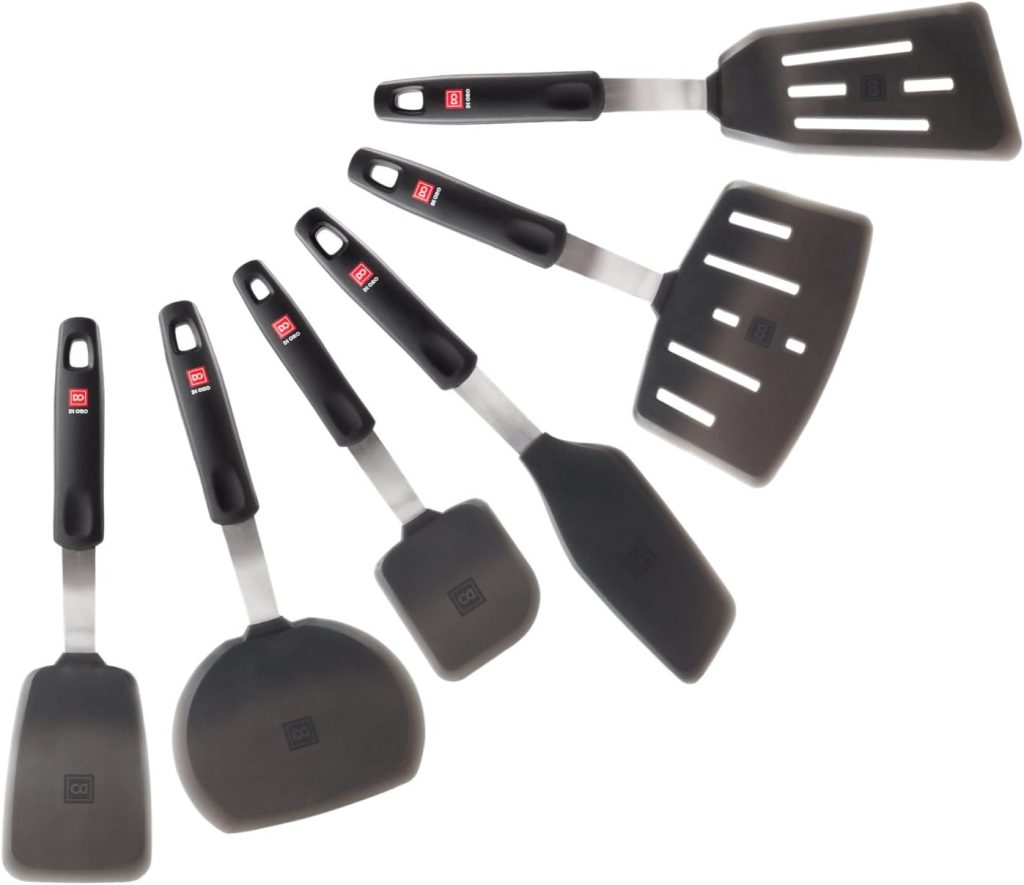
Di Oro’s Seamless Series delivers comprehensive kitchen coverage at a remarkably reasonable price point. This six-piece set includes essential utensils specifically engineered for compatibility with stainless steel and other premium cookware surfaces. The collection features a thoughtful selection of tools that address the most common cooking tasks, all constructed with heat-resistant silicone heads and ergonomic handles. For cooks building or upgrading their utensil collection, this set offers exceptional value without compromising on quality or surface protection.
Key Features:
- Six-piece comprehensive set: large spatula, spoon, slotted spoon, ladle, pasta fork, and flexible turner
- Premium BPA-free silicone rated to 600°F for high-heat cooking applications
- Seamless design prevents food trapping and bacterial growth
- Stainless steel cores provide structure without excessive weight
- Comfortable grip texture prevents slipping during wet cooking conditions
- Non-scratch construction protects delicate cookware surfaces
- Dishwasher safe for convenient cleanup
- Available in multiple color combinations to match kitchen aesthetics
Performance and User Experience:
Throughout comprehensive testing across various cooking scenarios, the Di Oro set proved remarkably capable for its mid-range price positioning. The large spatula handled everything from flipping burgers to sautéing vegetables with equal competence. The flexible edge conforms nicely to pan curves, making it easy to get under food without leaving portions behind or scratching stainless steel surfaces.
The spoon and slotted spoon deserve particular recognition. Both feature deep, generous bowls that actually hold proper portions—a detail often overlooked in budget sets. The slotted version drains efficiently without losing smaller food items through oversized holes, while the solid spoon works beautifully for stirring risotto, serving sides, and deglazing pans.
The pasta fork initially seemed like a niche inclusion, but it proved surprisingly useful beyond just pasta. The wide tines grip salad greens effectively, lift roasted vegetables without piercing, and even work well for serving rice without clumping. The ladle measures approximately two ounces, making it practical for soups, sauces, and even portioning batters.
Heat resistance testing confirmed the 600°F rating. Tools left resting against hot pan edges showed no melting, deformation, or discoloration. The handles remained cool enough to touch even during extended stovetop cooking, though they do warm slightly with prolonged contact with hot cookware.
Pros:
✅ Comprehensive six-piece set covers most common cooking tasks
✅ Excellent value pricing considering the quality and quantity included
✅ High heat resistance suitable for all stovetop cooking methods
✅ Seamless construction simplifies cleaning and prevents bacterial concerns
✅ Generous sizing on spoons and ladle provides functional serving portions
✅ Stainless steel cores prevent excessive flexibility while keeping weight manageable
✅ Multiple color options allow personalization to match kitchen décor
Cons:
❌ Handles lack the premium cushioning found in higher-end options
❌ Pasta fork may feel redundant for cooks who don’t prepare pasta frequently
❌ Light-colored options show staining from strongly pigmented foods
❌ Stainless steel cores visible at handle tips may confuse users about metal content
Ideal For:
Budget-conscious cooks establishing their first serious kitchen or those upgrading from worn-out utensils who want comprehensive coverage without overspending. Excellent for apartment dwellers, college students, or anyone setting up a new kitchen who needs reliable tools that protect stainless steel cookware. Perfect for gift-giving, as the set presentation and quality exceed typical registry items at this price point.
Amazon Rating Summary:
Solidly rated between 4.5-4.6 stars across thousands of reviews, with users consistently praising the value proposition and comprehensive tool selection. Common positive mentions include heat resistance and easy cleaning. Some reviewers note that while these aren’t premium tools, they perform admirably for daily cooking needs.
Final Verdict:
The Di Oro Seamless Series represents outstanding value in the crowded kitchen utensil market. While they lack some premium features found in more expensive options, these tools deliver reliable performance, excellent surface protection for stainless steel cookware, and surprising durability at their price point. For most home cooks, this set provides everything needed for daily cooking without requiring a significant financial commitment. The combination of quality construction, thoughtful tool selection, and reasonable pricing makes this an easy recommendation for anyone seeking reliable, cookware-safe utensils.
4. Le Creuset Revolution Bi-Material Tools

Overview:
Le Creuset extends their legendary cookware expertise into the utensil category with the Revolution Bi-Material line. These premium tools combine heat-resistant silicone working surfaces with beautifully crafted wooden handles, creating utensils that are as visually appealing as they are functional. For stainless steel cookware owners who appreciate aesthetics alongside performance, these represent a compelling option that bridges traditional kitchen charm with modern material science.
Key Features:
- Premium silicone heads rated to 480°F for everyday cooking applications
- Sustainably harvested beechwood handles with smooth, natural finish
- Unique bi-material design offers gentle surface contact with rigid handle control
- Generous working surface area on turners and spatulas
- Hanging holes for convenient storage and display
- Hand-wash recommended to preserve wooden handle finish
- Available in Le Creuset’s signature color palette matching their cookware
- Individual pieces allow customized collection building
Performance and User Experience:
Testing Le Creuset’s Revolution tools revealed why they command premium pricing. The silicone working surfaces perform exceptionally well on stainless steel—gliding smoothly without catching, conforming to pan curves for thorough scraping, and maintaining their shape even during demanding cooking tasks. The silicone formulation feels distinctly higher quality than budget options, with a smooth, almost luxurious texture.
The wooden handles transform the cooking experience in ways that might seem subtle but prove significant during actual use. They stay noticeably cooler than all-silicone alternatives, providing comfortable grip even during extended stovetop sessions. The natural wood offers excellent grip texture without requiring additional patterns or coatings, and the weight distribution feels perfectly balanced in hand.
The turner/spatula combination tool proved particularly impressive. The wide, thin silicone blade slides effortlessly under delicate foods—I successfully flipped sunny-side-up eggs and thin fish fillets without breakage. The rigid wooden handle provides precise control lacking in more flexible designs, making it easy to maneuver food confidently.
Heat testing showed the 480°F rating is conservative. While not suitable for extended contact with extremely hot surfaces, these tools handled all practical cooking scenarios without issue. The silicone maintained integrity and smoothness throughout testing, and the beechwood handles showed no signs of heat damage or discoloration.
Pros:
✅ Beautiful wooden handles add aesthetic appeal to your cooking experience
✅ Premium silicone provides excellent surface protection for stainless steel
✅ Superior balance and weight distribution enhance cooking control
✅ Natural wood stays cooler than synthetic materials during cooking
✅ Generous working surfaces handle large cooking tasks effectively
✅ Le Creuset brand quality and reputation for durability
✅ Color options coordinate beautifully with Le Creuset cookware collections
Cons:
❌ Premium pricing positions these among the most expensive single utensils
❌ Hand-wash requirement adds maintenance time compared to dishwasher-safe alternatives
❌ Wood handles require occasional conditioning to maintain appearance
❌ Lower heat rating than fully silicone alternatives limits some high-heat applications
❌ Individual piece purchasing becomes expensive when building complete collection
Ideal For:
Cooking enthusiasts and Le Creuset collectors who value aesthetics as much as functionality. Perfect for those who enjoy displaying beautiful kitchen tools and appreciate the sensory experience of cooking with natural materials. Ideal for gift-giving, particularly for weddings, housewarmings, or for someone who already owns Le Creuset cookware. Well-suited to anyone who hand-washes kitchen tools regularly and wants utensils that feel special during use.
Amazon Rating Summary:
Highly rated at 4.7-4.8 stars, with reviewers particularly appreciating the quality construction, beautiful appearance, and comfortable wooden handles. Some users note the care requirements and premium pricing, but most agree the tools justify their cost through superior performance and aesthetic value.
Final Verdict:
Le Creuset Revolution Bi-Material Tools occupy a unique position in the utensil market, offering premium quality wrapped in timeless aesthetic appeal. While they require more care than fully synthetic alternatives and command premium prices, the cooking experience they provide feels distinctly elevated. For those who view cooking as both art and craft, who already invest in quality cookware, or who simply want beautiful, highly functional tools that protect their stainless steel investments, these represent an excellent choice. They prove that utilitarian kitchen tools can indeed be beautiful without sacrificing performance.
5. Zulay Kitchen Stainless Steel Cooking Utensils Set
Overview:
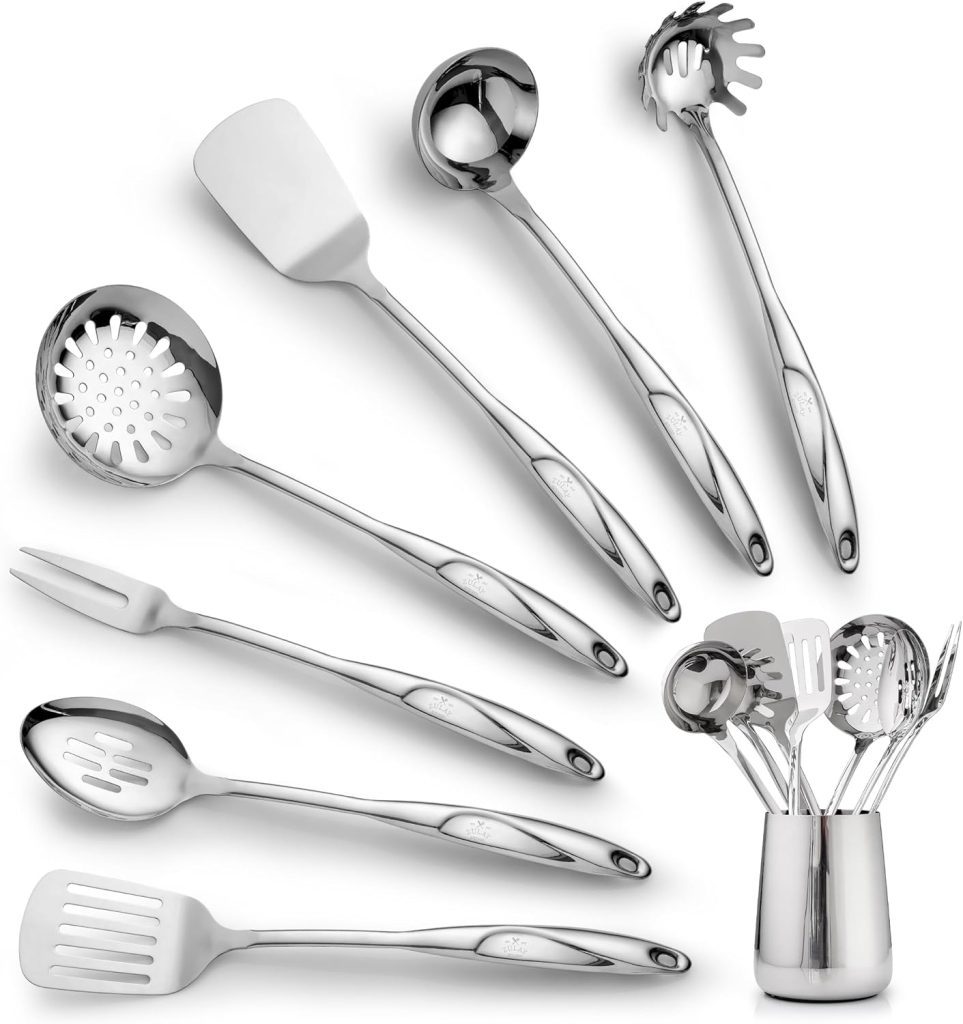
Challenging the notion that metal utensils automatically damage cookware, Zulay Kitchen’s stainless steel utensil set demonstrates that properly designed metal tools can work safely with stainless steel cookware. This comprehensive seven-piece collection features thoughtfully designed tools with smooth, rounded edges that eliminate sharp corners capable of scratching. For cooks who prefer the precision and durability of metal utensils but want to protect their cookware investment, this set offers an intriguing middle ground.
Key Features:
- Premium 304 stainless steel construction throughout—no plastic or silicone components
- Seven essential pieces: slotted spatula, solid spatula, slotted spoon, solid spoon, pasta server, skimmer, and ladle
- Ergonomic long handles keep hands away from heat sources
- Smooth, polished edges designed to minimize scratching on cookware surfaces
- Hanging loops for convenient storage organization
- Dishwasher safe with no degradation concerns
- Heat-resistant to extreme temperatures without melting or warping
- Lifetime guarantee covering manufacturing defects
Performance and User Experience:
Testing metal utensils on stainless steel cookware requires careful attention to potential scratching, and the Zulay set performed better than expected in this critical area. The rounded, polished edges glide smoothly across pan surfaces when used with reasonable pressure. During deglazing and fond-scraping tests—where scratching risk is highest—these tools removed cooked-on bits effectively without leaving visible scratches on quality stainless steel pans.
The solid spatula excelled at high-heat searing tasks where silicone tools sometimes struggle. Its thin, rigid blade slides easily under foods, and the complete heat immunity means you can leave it resting in a pan indefinitely without concern. The slotted spatula proved ideal for draining fried foods or lifting items from liquid.
Both spoons feature generous bowl capacity, and the solid spoon’s slightly pointed tip reaches effectively into pan corners during deglazing. The slotted spoon drains efficiently while retaining food items. The pasta server’s curved tines grip pasta effectively, while the skimmer’s fine mesh removes foam and particles from stocks and soups with impressive efficiency.
The ladle deserves special mention—its deep bowl holds substantial portions, and the pouring spout design minimizes dripping. The long handle provides excellent reach for deep pots without exposing hands to steam.
Weight and balance feel professional-grade. These tools have satisfying heft without being cumbersome, and the long handles provide leverage for stirring thick mixtures or turning heavy foods.
Pros:
✅ Complete stainless steel construction eliminates concerns about melting or degradation
✅ Professional-quality performance suitable for serious home cooking
✅ Rounded edges minimize scratching when used with appropriate care
✅ Completely dishwasher safe with no special care requirements
✅ Excellent heat immunity allows use in any cooking scenario
✅ Substantial tool collection provides comprehensive kitchen coverage
✅ Lifetime guarantee demonstrates manufacturer confidence in durability
✅ Professional appearance and feel enhance cooking experience
Cons:
❌ Metal-on-metal contact produces noise that some find unpleasant
❌ Requires more care during use than soft-material alternatives to prevent scratching
❌ Not suitable for non-stick cookware under any circumstances
❌ Handles can become hot during extended cooking requiring pot holders
❌ Heavier weight may cause fatigue during extended stirring or mixing
Ideal For:
Experienced cooks comfortable with traditional metal utensils who want comprehensive tool coverage. Perfect for those primarily using stainless steel cookware who appreciate metal’s precision and durability. Ideal for restaurant-style home cooking where tools face heavy daily use. Well-suited to anyone building a professional-quality kitchen setup or those transitioning from non-stick to stainless steel cookware who want durable, long-lasting tools.
Amazon Rating Summary:
Rated around 4.6-4.7 stars with reviewers praising the quality construction, professional feel, and comprehensive tool selection. Common positive mentions include durability and dishwasher performance. Some users note the need for care to prevent scratching, though most find this manageable with reasonable technique.
Final Verdict:
The Zulay Kitchen Stainless Steel Cooking Utensils Set represents a return to classic kitchen tools updated with modern design considerations. While requiring more awareness during use than silicone alternatives, these tools deliver professional performance, exceptional durability, and complete heat immunity that soft materials can’t match. For experienced cooks who understand proper utensil technique and want tools that will last decades while protecting quality stainless steel cookware, this set offers outstanding value. The comprehensive tool selection, lifetime guarantee, and restaurant-quality construction make this an excellent investment for serious home kitchens.
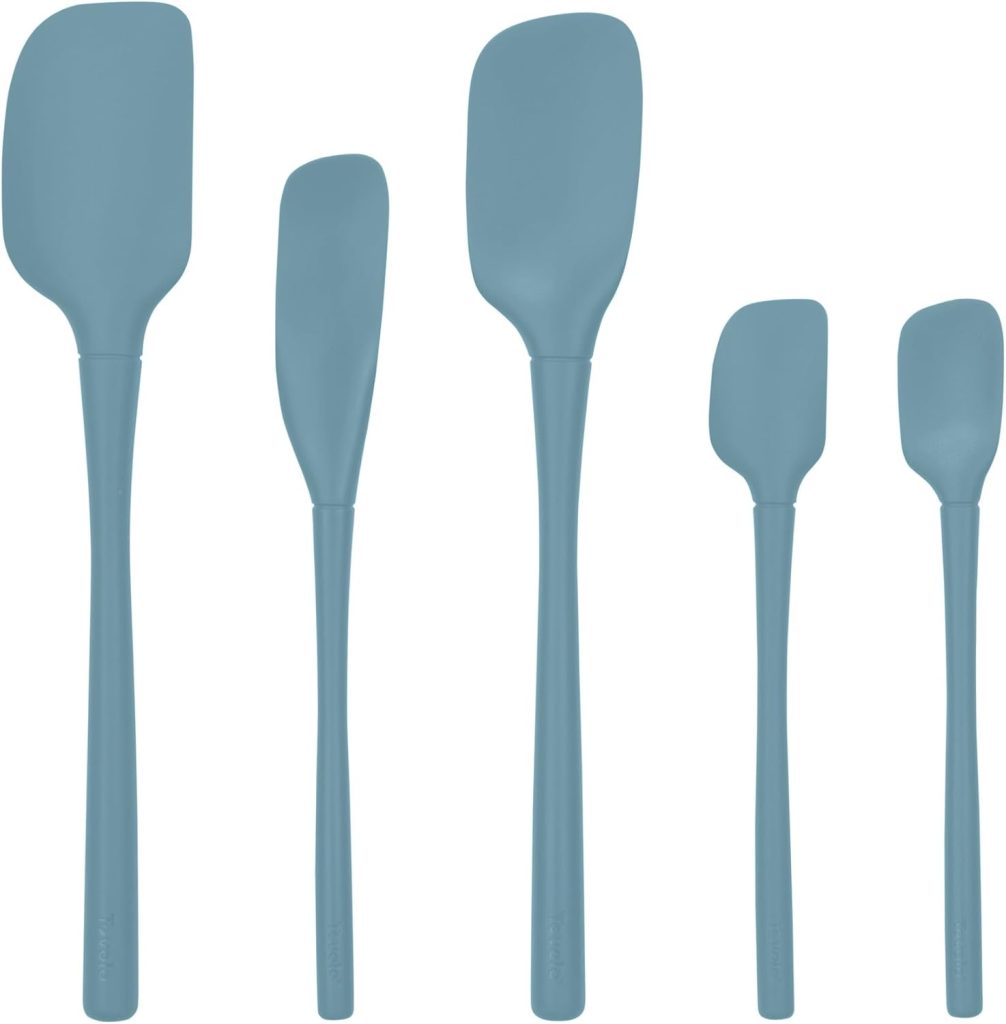
6. Tovolo Flex-Core All Silicone Spatula
Overview:
Tovolo tackles the common complaint about silicone spatulas—excessive flexibility—with their Flex-Core design. This innovative spatula incorporates a reinforced silicone core that provides rigidity without requiring metal or plastic inserts. The result is a completely seamless, all-silicone tool that combines the surface protection of soft materials with the control of rigid implements. For stainless steel cookware owners seeking maximum hygiene and surface safety without sacrificing functionality, this represents an compelling option worth considering.
Key Features:
- Proprietary Flex-Core technology provides rigidity through silicone engineering rather than metal cores
- 100% seamless construction eliminates joints, gaps, and bonding points
- Heat resistant to 600°F for high-temperature cooking applications
- Ergonomic handle design with comfortable grip texture
- Angled head design improves leverage and scraping efficiency
- BPA-free, food-safe silicone throughout
- Dishwasher safe without degradation concerns
- Available in multiple sizes and vibrant color options
- Backed by Tovolo’s satisfaction guarantee
Performance and User Experience:
The Flex-Core technology proves immediately noticeable during use. Unlike traditional all-silicone spatulas that bend frustratingly during heavy tasks, this tool maintains impressive rigidity when lifting substantial foods or scraping resistant fond. During testing with stainless steel pans, it successfully flipped loaded omelets, lifted heavy burger patties, and scraped caramelized bits from pan surfaces—all without the wobbling common in softer designs.
The angled head design demonstrates thoughtful engineering. The slight bend positions the working edge at an optimal angle for sliding under food and scraping pan surfaces. This seemingly minor detail makes a significant difference during actual cooking, reducing the wrist angle needed for effective scraping and improving overall comfort during extended cooking sessions.
Surface protection testing showed excellent results. The soft silicone edge glides smoothly across stainless steel without catching or scratching. Even when using significant pressure during fond removal—a scenario where scratching risk peaks—the spatula performed its job without leaving marks on quality cookware.
The seamless construction delivers on its hygiene promise. Without any joints or seams, there’s nowhere for food particles to lodge or bacteria to hide. Cleaning requires minimal effort—usually just a quick rinse under hot water, though it also handles dishwasher cycles without any issues.
Heat resistance testing confirmed solid performance. The spatula maintained its shape and surface quality even when left resting against hot pan edges during high-temperature searing. There’s no plastic smell, no surface degradation, and no melting under conditions that represent normal cooking scenarios.
Pros:
✅ Innovative Flex-Core technology eliminates flexibility problems without metal cores
✅ Completely seamless construction maximizes hygiene and simplifies cleaning
✅ Excellent heat resistance handles all common cooking temperatures
✅ Angled head design improves functionality and reduces wrist strain
✅ Soft silicone provides maximum surface protection for cookware
✅ Vibrant color options maintain appearance through repeated washing
✅ Dishwasher safe without special care requirements
✅ No metal cores mean completely safe for all cookware types
Cons:
❌ Premium pricing for a single spatula compared to multi-piece sets
❌ While rigid for silicone, still not as firm as metal-core alternatives
❌ Light colors show staining from turmeric, tomato-based sauces, and curry
❌ Limited size options compared to brands offering multiple variations
❌ Handle grip texture may feel too aggressive for some users’ preferences
Ideal For:
Home cooks who want the surface protection and hygiene benefits of all-silicone construction without sacrificing the control provided by rigid tools. Perfect for anyone particularly concerned about bacterial growth in utensil seams or those who’ve experienced handle separation in traditional spatulas. Ideal for cooks who primarily use stainless steel cookware and want a reliable, durable spatula for daily cooking tasks. Well-suited to anyone willing to invest in quality individual tools rather than purchasing complete sets.
Amazon Rating Summary:
Consistently rated 4.6-4.7 stars with users particularly praising the rigidity improvement over standard silicone spatulas and the seamless construction. Common positive mentions include heat resistance and easy cleaning. Some reviewers note the premium pricing for a single tool, though most feel the quality justifies the investment.
Final Verdict:
The Tovolo Flex-Core All Silicone Spatula successfully addresses one of the most common frustrations with silicone kitchen tools—excessive flexibility that compromises functionality. By engineering rigidity into the silicone itself rather than relying on metal or plastic cores, Tovolo creates a tool that’s both highly functional and maximally hygienic. While positioned at a premium price point for a single spatula, the combination of thoughtful design, genuine durability, and complete surface protection makes this an excellent investment for serious cooks who use their stainless steel cookware regularly. It proves that innovative material engineering can solve real-world cooking challenges effectively.
7. M Kitchen World Bamboo Cooking Utensils Set

Overview:
M Kitchen World brings sustainable elegance to the kitchen with their bamboo utensil collection. This six-piece set combines environmental responsibility with surprising functionality, offering tools crafted from rapidly renewable bamboo that naturally resists bacteria and heat. For eco-conscious cooks with stainless steel cookware, these utensils provide an appealing alternative to plastic-based options while delivering solid performance and unique aesthetic appeal.
Key Features:
- Constructed from sustainably harvested Moso bamboo from FSC-certified forests
- Six-piece set: spatula, slotted spatula, mixing spoon, slotted spoon, fork, and large spoon
- Natural bamboo composition resists heat without melting or scorching
- Inherent antimicrobial properties help prevent bacterial growth
- Smooth, sanded edges protect cookware surfaces from scratching
- Longer handles (12 inches) keep hands away from heat sources
- Hand-wash recommended to preserve natural finish and prevent cracking
- Eco-friendly packaging made from recycled materials
- Periodic oiling recommended to maintain appearance and prevent drying
Performance and User Experience:
Testing bamboo utensils requires different expectations than synthetic materials, and the M Kitchen World set proved surprisingly capable within its design parameters. The spatulas handle everyday cooking tasks effectively—flipping pancakes, stirring vegetables, scraping pan surfaces—without scratching stainless steel cookware. The naturally smooth wood glides across pan surfaces with a pleasant tactile feel distinct from plastic or silicone.
The slotted spatula proved particularly useful for draining fried foods or lifting items from liquid. The slots are sized appropriately to drain efficiently without losing smaller food items. The mixing spoon’s slightly curved bowl shape conforms nicely to pan curves, making it effective for deglazing and scraping up fond.
Heat resistance testing showed bamboo’s natural advantages. Unlike plastic or some synthetic materials, bamboo doesn’t melt or off-gas when exposed to heat. Tools left resting against hot pan edges showed minimal scorching even during extended exposure. The handles stay cool enough to hold comfortably during cooking, though they do warm slightly with prolonged contact.
The natural material provides an unexpected benefit during use—bamboo has natural give that creates gentle surface contact. This slight flexibility helps prevent the rigid scratching possible with harder materials, while still maintaining enough structure for effective cooking performance.
However, bamboo’s organic nature requires acceptance of certain limitations. These tools won’t maintain pristine appearance indefinitely—light staining occurs from pigmented foods, and the natural color darkens slightly with use and washing. This patina tells the story of meals cooked and should be viewed as character rather than deterioration.
Pros:
✅ Sustainable, eco-friendly material appeals to environmentally conscious consumers
✅ Natural antimicrobial properties provide inherent hygiene advantages
✅ Excellent heat resistance without concerns about melting or chemical off-gassing
✅ Gentle on stainless steel cookware surfaces while maintaining functional rigidity
✅ Unique aesthetic appeal adds natural warmth to kitchen environments
✅ Longer handles provide excellent reach and heat protection
✅ Lightweight construction reduces fatigue during extended cooking sessions
✅ Affordable pricing for sustainable, quality tools
Cons:
❌ Requires hand-washing and periodic oiling to maintain condition
❌ Not dishwasher safe—high temperatures can cause cracking or warping
❌ Natural material shows staining and develops patina with use
❌ Organic composition means each piece varies slightly in grain and color
❌ Not suitable for cutting or chopping tasks where sharp edges are needed
❌ May develop rough patches or splinters if not properly maintained
Ideal For:
Environmentally conscious cooks who prioritize sustainability in their purchasing decisions. Perfect for those seeking natural alternatives to plastic and synthetic materials who don’t mind the maintenance requirements of organic tools. Ideal for anyone building a natural, eco-friendly kitchen aesthetic or those with chemical sensitivities who prefer avoiding synthetic materials. Well-suited to cooks who hand-wash kitchen tools regularly and appreciate the unique character natural materials develop over time.
Amazon Rating Summary:
Rated approximately 4.4-4.5 stars, with reviewers appreciating the eco-friendly materials, attractive appearance, and functional performance. Common praise includes heat resistance and gentle surface contact. Some users note the maintenance requirements and natural variations in bamboo quality, though most find these acceptable given the sustainability benefits and reasonable pricing.
Final Verdict:
The M Kitchen World Bamboo Cooking Utensils Set offers a compelling option for cooks seeking sustainable alternatives to synthetic kitchen tools. While requiring more care than dishwasher-safe options and developing natural patina with use, these utensils deliver solid everyday performance while protecting stainless steel cookware effectively. The combination of environmental responsibility, natural antimicrobial properties, and affordable pricing makes this set particularly appealing for eco-conscious consumers. For those willing to embrace the maintenance requirements and character development inherent in natural materials, these bamboo tools provide an excellent balance of sustainability, functionality, and value that’s increasingly rare in modern kitchen products.
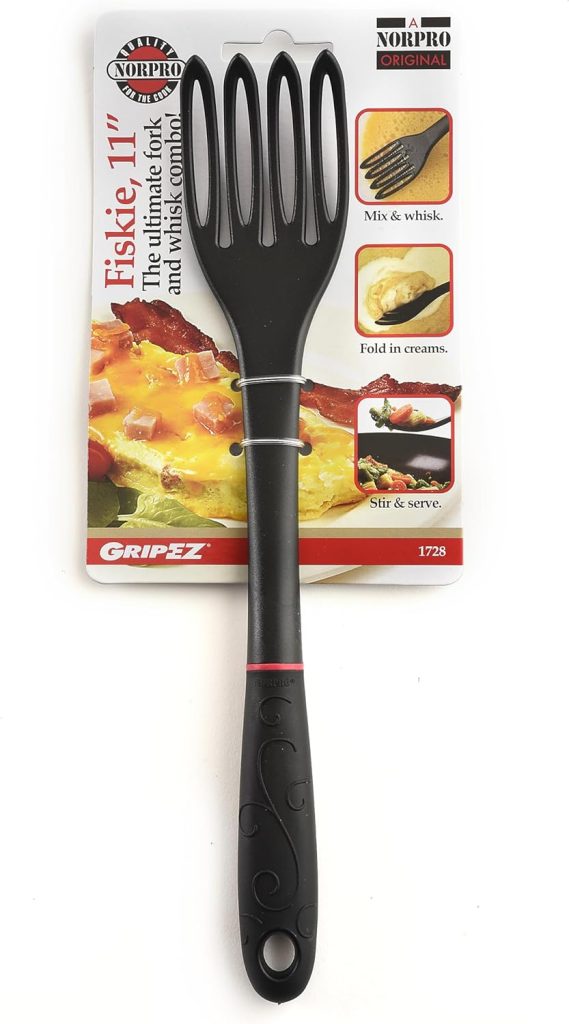
8. Norpro Grip-EZ Nylon Tools
Overview:
Norpro has been manufacturing kitchen tools since 1973, and their Grip-EZ line demonstrates decades of practical experience translated into functional design. These nylon utensils occupy an interesting middle ground—harder and more heat-resistant than silicone, yet gentler on cookware than metal. For stainless steel cookware owners seeking precise control with reliable surface protection, particularly at budget-friendly pricing, the Grip-EZ collection deserves consideration.
Key Features:
- High-quality nylon construction rated to 450°F for most cooking applications
- Signature Santoprene handles with ergonomic, non-slip grip
- Thin, flexible edges designed to slide easily under foods
- Individual pieces allow building customized utensil collections
- Dishwasher safe for convenient cleaning
- Available in various specialty shapes for specific cooking tasks
- Lightweight construction reduces hand fatigue
- Budget-friendly pricing makes replacement economical
- BPA-free materials throughout
Performance and User Experience:
The Grip-EZ line’s nylon composition creates interesting performance characteristics. The material is notably harder than silicone, providing more precise control when sliding under foods or scraping pan surfaces. During testing with stainless steel cookware, the thin nylon edges demonstrated excellent performance—gliding smoothly under delicate foods like fish fillets and eggs without tearing or sticking.
The turner/spatula proved particularly effective. Its thin, slightly flexible edge navigates easily between food and pan surface, while the overall structure maintains enough rigidity for confident flipping. The slotted design drains effectively without losing smaller food items through oversized holes.
The signature Santoprene handles deliver on their ergonomic promise. The soft, cushioned grip feels comfortable during extended cooking sessions, and the textured surface prevents slipping even with wet or greasy hands. However, these handles require attention during use—while rated to 450°F, they can soften and become uncomfortable if left resting against hot pan edges for extended periods.
Heat testing revealed both strengths and limitations. Within the stated 450°F range, the nylon heads perform admirably without melting or warping. However, this lower heat threshold compared to silicone alternatives means extra care is needed during high-temperature cooking. The utensils shouldn’t be left in direct contact with extremely hot surfaces for extended periods.
Cleaning proved straightforward. The smooth nylon surface releases food easily, and dishwasher cycles don’t degrade performance or appearance. Unlike natural materials or some silicones, the nylon maintains its original color and surface texture through repeated washing.
Pros:
✅ Excellent balance between control and surface protection
✅ Ergonomic Santoprene handles provide superior comfort during use
✅ Thin edges slide easily under foods without tearing delicate items
✅ Budget-friendly pricing makes these accessible entry-level tools
✅ Dishwasher safe without degradation concerns
✅ Lightweight construction reduces fatigue during extended cooking
✅ Individual piece availability allows customization rather than set purchasing
✅ Established brand with decades of kitchen tool manufacturing experience
Cons:
❌ Lower heat rating (450°F) requires more care during high-temperature cooking
❌ Handles can soften and become uncomfortable if exposed to excessive heat
❌ Nylon material scratches more easily than silicone over time
❌ Less rigid than metal-core alternatives, limiting use for heavy foods
❌ Handle softness, while comfortable initially, may feel less premium than firm alternatives
❌ Not suitable for leaving in hot pans during extended cooking sessions
Ideal For:
Budget-conscious home cooks seeking reliable tools that protect stainless steel cookware without premium pricing. Perfect for those establishing first kitchens, college students, or anyone wanting functional backup utensils. Ideal for cooks who appreciate comfortable handles and don’t regularly engage in extremely high-temperature cooking. Well-suited to anyone who prefers building customized utensil collections by purchasing individual pieces rather than committed to complete sets.
Amazon Rating Summary:
Consistently rated around 4.5-4.6 stars, with reviewers praising the comfortable handles, effective performance, and excellent value. Common positive mentions include the thin edge design and budget-friendly pricing. Some users note the heat limitations and occasional handle softening, though most find performance acceptable for everyday cooking needs.
Final Verdict:
The Norpro Grip-EZ Nylon Tools represent solid, practical kitchen implements that deliver reliable performance without demanding premium investment. While they lack some features found in higher-end options—particularly maximum heat resistance—they handle everyday cooking tasks effectively while protecting stainless steel cookware surfaces. The combination of ergonomic comfort, functional design, and budget-friendly pricing makes these particularly appealing for value-conscious consumers. For home cooks seeking dependable utensils that perform well in typical cooking scenarios without requiring significant financial commitment, the Grip-EZ line offers an excellent balance of quality, functionality, and affordability that’s difficult to match in its price range.
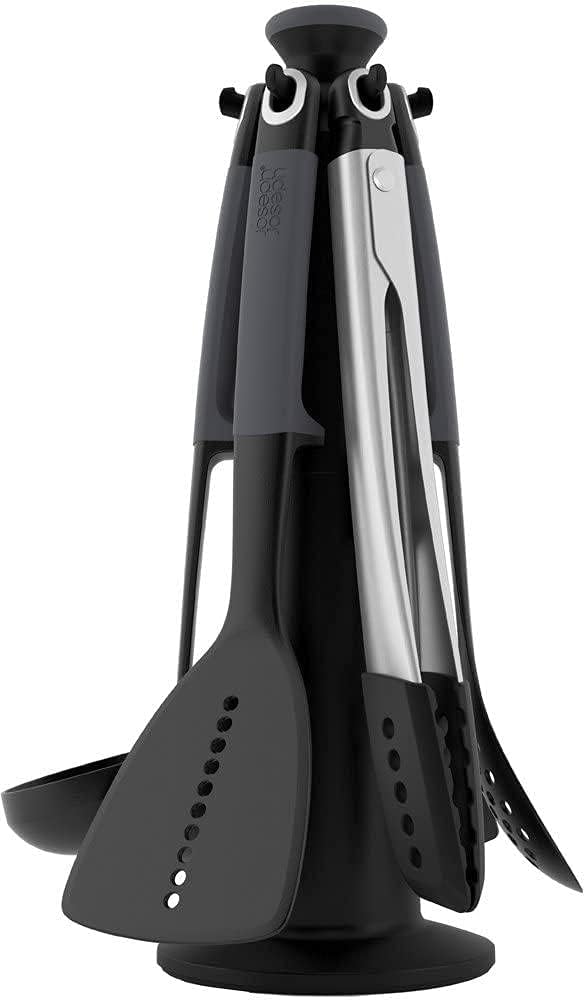
9. Joseph Joseph Elevate Carousel Set
Overview:
Joseph Joseph revolutionizes utensil storage and hygiene with their Elevate Carousel Set, a comprehensive collection featuring an innovative weighted handle design that keeps utensil heads elevated off countertops. This ingenious system includes six essential tools housed in a rotating carousel base, creating a complete cooking and storage solution. For stainless steel cookware owners who value both functionality and cleanliness, this integrated approach offers compelling advantages beyond traditional utensil collections.
Key Features:
- Six-piece tool set: slotted spatula, solid spatula, slotted spoon, solid spoon, spaghetti server, and ladle
- Unique weighted handle design keeps heads elevated when placed down
- Rotating carousel storage base keeps tools organized and accessible
- Heat-resistant silicone heads rated to 520°F protect cookware surfaces
- Ergonomic handles with integrated tool rests
- Dishwasher safe tools (hand-wash carousel base recommended)
- Modern, streamlined aesthetic available in multiple color schemes
- Space-efficient vertical storage footprint
- BPA-free materials throughout
Performance and User Experience:
The Elevate feature immediately distinguishes this set during actual cooking. When you set down a tool mid-task, the weighted handle automatically tips back, lifting the working end off your counter. This prevents sauce drips, eliminates cross-contamination concerns, and keeps your workspace cleaner. After years of using traditional utensils, this innovation feels genuinely useful rather than gimmicky.
Testing the individual tools revealed solid, if not exceptional, performance. The silicone heads work effectively on stainless steel cookware—sliding smoothly under foods, scraping pan surfaces without scratching, and maintaining their shape during typical cooking tasks. The spatulas feature slight flexibility that helps conform to pan curves, while the spoons offer adequate bowl depth for serving and stirring.
The slotted spatula proved particularly useful for draining fried foods and lifting items from liquid. The hole sizing strikes a good balance—large enough for efficient draining but small enough to retain smaller food items. The spaghetti server’s design works well beyond just pasta, effectively gripping salad greens, lifting roasted vegetables, and even serving rice.
The carousel storage system transforms countertop organization. Tools rotate smoothly for easy access, and the compact circular footprint occupies less counter space than linear utensil crocks. The base feels stable—tools don’t tip the carousel even when removed individually.
Heat resistance testing showed the 520°F rating holds up in practical cooking scenarios. Tools maintained integrity and smoothness when used in high-temperature applications, though the handles should not rest directly against very hot surfaces for extended periods.
Pros:
✅ Innovative Elevate design keeps utensil heads off countertops, improving hygiene
✅ Integrated carousel storage provides organized, space-efficient tool access
✅ Comprehensive six-piece set covers essential cooking tasks
✅ Heat-resistant silicone protects stainless steel cookware effectively
✅ Modern aesthetic design adds visual appeal to kitchen countertops
✅ Weighted handles provide comfortable balance during use
✅ Easy cleaning with dishwasher-safe tools
✅ Rotating base allows access to any tool without moving entire set
Cons:
❌ Premium pricing for the integrated set compared to basic utensil collections
❌ Carousel base adds counter footprint compared to drawer storage
❌ Tools must be purchased as complete set rather than individual pieces
❌ Silicone heads show performance similar to basic sets despite premium positioning
❌ Replacement tools difficult to source if individual pieces break or wear out
❌ Carousel base requires hand-washing to maintain appearance and mechanism
❌ Weighted handles add bulk compared to streamlined alternatives
Ideal For:
Design-conscious home cooks who value integrated solutions and innovative features. Perfect for those with limited drawer space who prefer countertop tool storage. Ideal for anyone particularly concerned about kitchen hygiene and counter cleanliness. Well-suited to small kitchens where efficient space utilization matters, or for those who appreciate the convenience of visible, immediately accessible tools. Excellent gift choice for housewarmings or weddings due to complete set presentation and distinctive design.
Amazon Rating Summary:
Rated approximately 4.5-4.6 stars with reviewers particularly appreciating the Elevate feature and storage organization. Common praise includes the hygiene benefits and space-efficient design. Some users note the premium pricing and wish tools were available individually, though most feel the integrated system justifies the investment for their specific needs.
Final Verdict:
The Joseph Joseph Elevate Carousel Set demonstrates that thoughtful design can genuinely improve daily cooking experiences. While the individual tools don’t necessarily outperform simpler alternatives, the integrated Elevate and storage system solves real problems that frustrate home cooks constantly. The premium pricing requires considering whether these convenience and hygiene benefits match your cooking style and kitchen layout. For those with limited drawer space, concerns about counter cleanliness, or appreciation for innovative kitchen design, this set offers compelling value beyond basic utensil functionality. It proves that sometimes the supporting features matter as much as core performance, particularly for tools used multiple times daily.
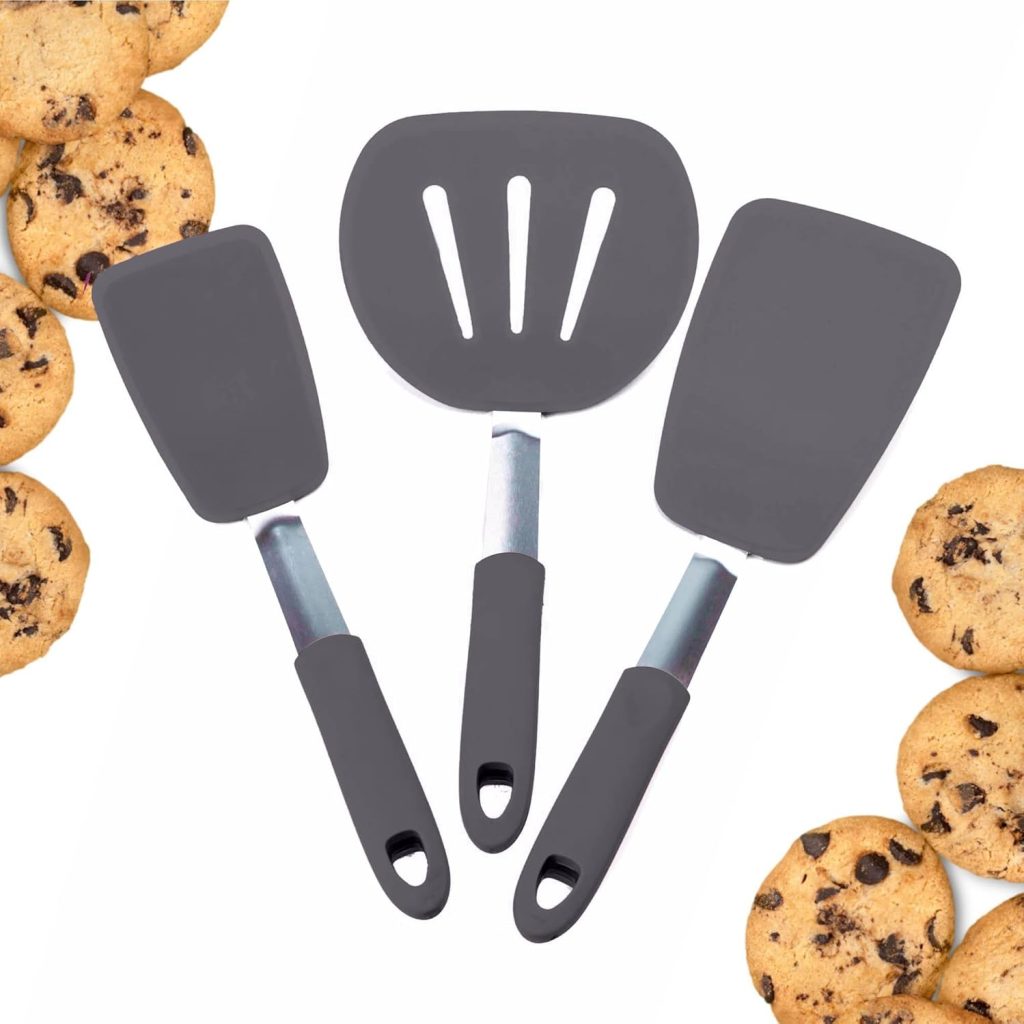
10. StarPack Premium Silicone Turner Set
Overview:
StarPack focuses on doing a few things exceptionally well, and their Premium Silicone Turner Set exemplifies this philosophy. This thoughtfully curated three-piece collection includes specifically sized turners designed for different cooking tasks, all constructed with high-grade silicone and ergonomic handles. For stainless steel cookware owners who want versatile, reliable spatulas without purchasing unnecessary extras, this focused approach offers appealing simplicity.
Key Features:
- Three-piece set: small turner (ideal for eggs and delicate foods), medium turner (all-purpose workhorse), and large turner (perfect for burgers and larger items)
- Premium silicone rated to 600°F for high-temperature cooking applications
- Beveled edges create thin leading edge for easy sliding under foods
- Ergonomic handles with non-slip grip texture
- Stainless steel cores provide rigidity without excessive weight
- Flexible heads conform to pan curves for thorough scraping
- Dishwasher safe without degradation concerns
- Available in multiple color options
- Lifetime satisfaction guarantee demonstrates manufacturer confidence
Performance and User Experience:
The size variety in this turner set proves genuinely useful rather than redundant. Testing revealed distinct scenarios where each size excels. The small turner navigates easily in standard 8-10 inch skillets, perfect for flipping individual eggs, pancakes, or managing delicate fish fillets. The thin beveled edge slides effortlessly under foods without tearing or breaking fragile items.
The medium turner emerged as the most frequently used piece—it’s sized perfectly for everyday cooking tasks in average cookware. During testing, it handled sautéing vegetables, flipping chicken breasts, scrambling eggs, and deglazing pans with equal competence. The flexibility of the head provides enough give to conform to pan curves while maintaining sufficient rigidity for confident food manipulation.
The large turner proved invaluable for burgers, grilled sandwiches, and larger protein portions. The expanded surface area provides confidence when flipping heavier items, and the generous size makes it easy to lift multiple items simultaneously—particularly useful when cooking for groups.
All three turners feature beveled edges that create genuinely thin leading edges. This detail matters significantly in practical cooking—the thin edge slides more easily under foods, reducing the likelihood of tearing delicate items or leaving portions stuck to the pan. Combined with appropriate flexibility, this design enables the smooth, professional-looking flips home cooks aspire to achieve.
Heat resistance testing confirmed excellent performance across all temperature ranges relevant to home cooking. Tools maintained their shape, surface smoothness, and functionality even when left resting against hot pan edges during high-heat searing. The handles stayed comfortable to touch throughout extended cooking sessions.
Pros:
✅ Thoughtful size variety addresses different cooking tasks effectively
✅ Beveled edges create genuinely thin leading edge for easy food release
✅ Excellent heat resistance suitable for all cooking methods
✅ Ergonomic handles provide comfortable control during extended use
✅ Quality silicone and construction suggest long service life
✅ Focused three-piece selection avoids unnecessary tools
✅ Lifetime guarantee demonstrates manufacturer confidence in durability
✅ Reasonable pricing for quality construction and thoughtful design
Cons:
❌ Limited to turners/spatulas—doesn’t include spoons, ladles, or specialty tools
❌ Some users may find three turners redundant if they primarily use one size
❌ Light colors show staining from pigmented foods over time
❌ Handles, while comfortable, lack premium cushioning found in higher-end options
❌ No individual piece availability requires purchasing complete three-piece set
Ideal For:
Home cooks who prioritize quality spatulas and turners for their stainless steel cookware but don’t need comprehensive utensil sets. Perfect for those who flip, turn, and scrape frequently and appreciate having right-sized tools for different pans and foods. Ideal for anyone supplementing existing utensil collections with better-quality turners. Well-suited to cooks who value focused, purposeful tool selection over comprehensive sets containing tools they’ll rarely use.
Amazon Rating Summary:
Highly rated at 4.7-4.8 stars with reviewers particularly praising the size variety, beveled edges, and overall quality construction. Common positive mentions include heat resistance and comfortable handles. Some users note they only regularly use one or two of the three turners, though most appreciate having options for different cooking scenarios.
Final Verdict:
The StarPack Premium Silicone Turner Set demonstrates that sometimes narrowing focus enhances rather than limits utility. By concentrating on turners—arguably the most essential utensil category—and offering thoughtful size variation, StarPack creates a collection that addresses real cooking needs effectively. The quality construction, excellent heat resistance, and genuinely useful beveled edge design make these turners reliable tools for daily cooking. While the set won’t provide complete kitchen coverage, it excels at what it does, making it an excellent choice for cooks who want superior quality in this essential utensil category. The combination of thoughtful design, solid construction, and reasonable pricing makes this set particularly appealing for anyone seeking reliable, well-designed turners that protect stainless steel cookware while delivering professional-level performance.
11. KitchenAid Classic Nylon Tools
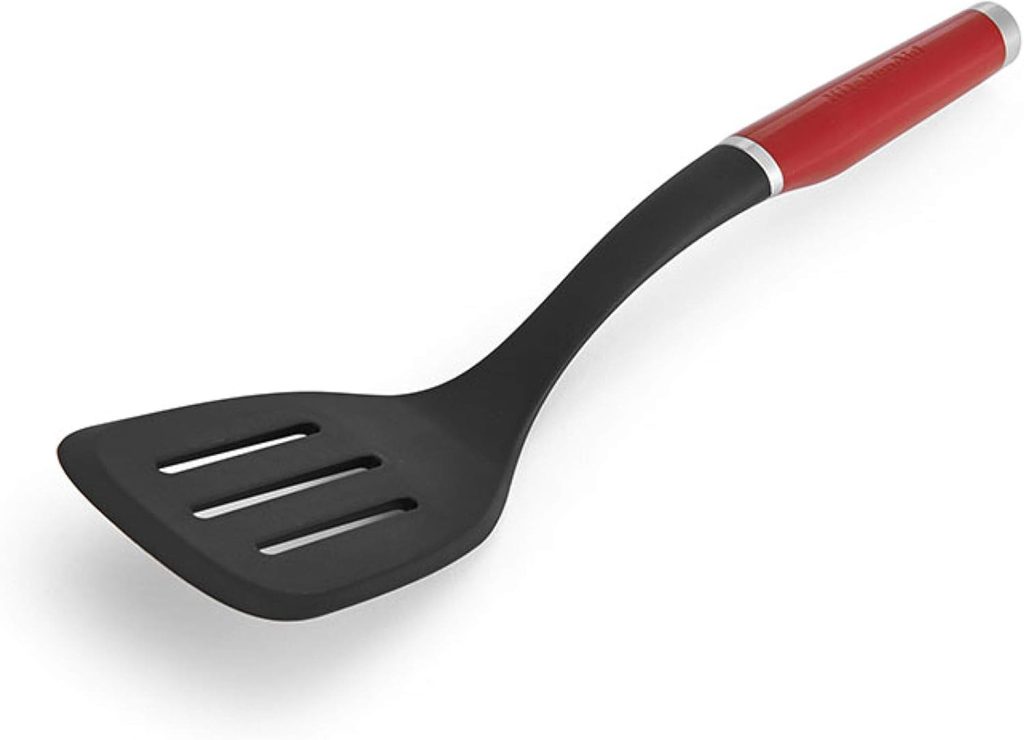
Overview:
KitchenAid extends their trusted brand into the utensil category with their Classic Nylon collection. These tools combine the company’s reputation for quality and durability with the practical benefits of nylon construction. For stainless steel cookware owners seeking reliable, affordable tools from an established brand, particularly those who already appreciate KitchenAid products, this collection offers familiar quality assurance at accessible pricing.
Key Features:
- Reinforced nylon construction rated to 450°F for everyday cooking
- Available as sets or individual pieces for flexible collection building
- Ergonomic handles designed for comfortable extended use
- Thin edges designed to protect cookware surfaces while maintaining functionality
- Dishwasher safe for convenient cleaning
- Multiple color options coordinate with KitchenAid appliance lines
- Heat-resistant nylon maintains shape during cooking
- Hanging holes for convenient storage
- Backed by KitchenAid’s reputation and customer service
Performance and User Experience:
Testing KitchenAid’s nylon tools revealed solid, dependable performance consistent with the brand’s appliance reputation. The reinforced nylon construction creates tools that feel more substantial than basic alternatives while remaining gentle on stainless steel cookware surfaces. The spatulas slide smoothly under foods, and the slightly flexible edges conform nicely to pan curves for effective scraping.
The turner/spatula proved capable across diverse cooking scenarios. During testing, it successfully flipped pancakes, eggs, burger patties, and grilled sandwiches without scratching stainless steel surfaces. The slotted design drains effectively, and the overall shape provides adequate surface area for confident food manipulation.
The spoons demonstrate thoughtful design with generous bowl capacity and slightly tapered tips that reach effectively into pan corners during stirring and deglazing. The solid spoon works well for serving and stirring thick mixtures, while the slotted version drains efficiently without losing smaller food items.
Heat resistance testing showed the 450°F rating is realistic for practical cooking applications. Tools maintained integrity during normal cooking scenarios, though they should not be left in direct contact with extremely hot surfaces for extended periods. The handles stay comfortable to hold during typical cooking sessions.
The ergonomic handles provide adequate comfort, though they lack the premium cushioning found in higher-end options. The grip texture prevents slipping during wet cooking conditions, and the balanced weight distribution reduces fatigue during extended stirring or mixing tasks.
Color coordination with KitchenAid appliances appeals to brand loyalists. The tools maintain their appearance through repeated washing, and the colors stay vibrant without fading significantly over time.
Pros:
✅ Trusted brand reputation provides confidence in quality and durability
✅ Solid nylon construction balances control with surface protection
✅ Affordable pricing makes these accessible for most budgets
✅ Available as sets or individual pieces for flexible purchasing
✅ Color coordination with KitchenAid appliances appeals to brand enthusiasts
✅ Dishwasher safe without special care requirements
✅ Adequate heat resistance for everyday cooking applications
✅ Familiar brand provides reliable customer service and support
Cons:
❌ Performance doesn’t significantly exceed similar nylon tools from lesser-known brands
❌ Heat rating (450°F) lower than premium silicone alternatives
❌ Handles lack premium cushioning found in more expensive options
❌ Nylon scratches more easily than silicone over extended use
❌ Brand premium results in slightly higher pricing than comparable generic options
❌ Limited innovation compared to specialty brands focused exclusively on utensils
Ideal For:
KitchenAid appliance owners who appreciate brand consistency and want coordinated tool colors. Perfect for those establishing first kitchens who trust the KitchenAid name and want reliable, affordable utensils. Ideal for gift registries where brand recognition matters to gift-givers. Well-suited to home cooks seeking dependable tools from established brands rather than experimenting with unknown manufacturers. Excellent choice for anyone who values customer service reputation and wants confidence that replacement or support will be readily available.
Amazon Rating Summary:
Rated around 4.5 stars, with reviewers appreciating the brand quality, color coordination with appliances, and reliable performance. Common positive mentions include solid construction and dishwasher durability. Some users note that performance is comparable to cheaper alternatives, though many value the brand reputation and aesthetic coordination enough to justify the pricing.
Final Verdict:
KitchenAid Classic Nylon Tools deliver exactly what you’d expect from the brand—solid, reliable performance without groundbreaking innovation. While they don’t necessarily outperform similar tools from specialty utensil manufacturers, they offer the reassurance of an established brand known for quality and customer support. For those who already own and appreciate KitchenAid appliances, the color coordination and brand consistency provide appealing value beyond pure performance metrics. The combination of adequate functionality, reasonable pricing, and trusted brand reputation makes these a safe, sensible choice for anyone seeking dependable utensils that protect stainless steel cookware while delivering everyday reliability. They prove that sometimes familiar quality trumps flashy innovation, particularly for essential kitchen tools used daily.
Comprehensive Buying Guide: Choosing the Right Utensils for Your Stainless Steel Cookware!
Understanding Material Options and Their Impact
Selecting utensils for stainless steel cookware begins with understanding the material landscape. Unlike non-stick surfaces that absolutely require soft materials, stainless steel offers more flexibility, but making informed choices still matters significantly for preserving your cookware investment.
Silicone represents the most popular contemporary choice for cookware-safe utensils. High-quality food-grade silicone resists heat exceptionally well (typically 400°F-600°F), won’t scratch any cookware surface, and offers easy cleaning. However, silicone quality varies dramatically between manufacturers. Premium silicone maintains its shape, resists staining better, and doesn’t develop that unpleasant sticky feel some cheaper versions acquire over time. Look for FDA-approved, BPA-free silicone, and pay attention to heat ratings—higher numbers indicate better formulations.
Nylon provides a middle ground between soft and hard materials. It’s more rigid than silicone, offering better scraping power and precision, while remaining gentle enough for cookware protection. Nylon’s lower heat tolerance (typically 400°F-450°F) requires more care during high-temperature cooking. Quality nylon tools maintain smooth edges rather than developing rough patches that could scratch over time.
Bamboo and wood appeal to those seeking natural, sustainable options. These materials offer natural antibacterial properties, stay cool during cooking, and provide gentle surface contact. However, they require hand-washing and periodic oiling to prevent drying, cracking, or warping. The organic nature means accepting natural variations and patina development—characteristics some view as attractive aging while others see as deterioration.
Stainless steel and other metals challenge the assumption that stainless steel cookware requires soft utensils exclusively. Quality metal utensils with smooth, rounded edges can work safely on stainless steel when used properly. They offer unmatched durability, complete heat immunity, and precise control. The key is understanding proper technique—avoiding excessive pressure, using appropriate angles, and recognizing when softer alternatives serve better. Metal utensils shine during deglazing and fond removal but require more care during delicate tasks.
Heat Resistance: Why It Matters More Than You Think
Heat ratings often seem like marketing numbers, but they significantly impact practical performance and longevity. Understanding what these numbers mean helps you match tools to your cooking style.
Utensils rated below 400°F suit gentle cooking methods but may soften, melt, or degrade during high-temperature searing or when left resting against hot cookware. This doesn’t necessarily disqualify them—many home cooks rarely exceed these temperatures—but it requires awareness and care during use.
Tools rated 450°F-500°F handle most home cooking scenarios comfortably. You can sear proteins, sauté vegetables at high heat, and generally cook confidently without constant concern about utensil damage. However, caution remains necessary when leaving tools in contact with extremely hot surfaces for extended periods.
Premium utensils rated 550°F-600°F or higher provide maximum confidence across all cooking methods. You can use them fearlessly during high-heat searing, leave them resting in pans without worry, and expect long service life even with aggressive cooking styles. This higher tolerance typically indicates superior material quality beyond just heat resistance.
Ergonomics and Comfort: The Overlooked Factor
Utensil comfort matters more during actual cooking than most people realize when shopping. Poor ergonomics lead to hand fatigue, reduced control, and frustration during extended cooking sessions. Several factors influence comfort significantly.
Handle shape and grip texture should fit your hand comfortably without requiring tight gripping to maintain control. Look for gentle contours that align with natural hand position rather than geometric shapes that look modern but feel awkward. Grip texture should prevent slipping without feeling aggressively rough—you’ll appreciate this difference after cooking for thirty minutes with wet or greasy hands.
Weight and balance influence control and fatigue. Ultra-lightweight tools initially feel maneuverable but often lack the mass needed for confident food manipulation. Excessively heavy implements cause fatigue quickly. Quality utensils balance these extremes, providing enough weight for control without unnecessary bulk.
Handle length needs consideration based on your cookware and cooking style. Longer handles (11-13 inches) keep hands farther from heat sources—valuable for high-sided pots or large pans. Shorter handles (8-10 inches) offer better control for small pans and detailed work. Many successful utensil collections include both lengths for different scenarios.
Flexibility vs. Rigidity: Finding the Right Balance
The flexibility debate divides cooks passionately, and the truth is that different tasks benefit from different rigidity levels. Understanding these nuances helps you choose appropriately.
Flexible utensils excel at conforming to pan curves, making them effective for thorough scraping and deglazing. The ability to bend slightly helps slide under delicate foods without tearing. However, excessive flexibility frustrates when trying to flip heavy items or scrape resistant fond—the tool bends rather than doing its job effectively.
Rigid utensils provide control and confidence when manipulating substantial foods or scraping firmly. They don’t wobble or bend frustratingly when you need precision. However, purely rigid tools sometimes struggle with conforming to curved pan surfaces, potentially leaving bits behind during deglazing or scraping.
Strategic rigidity—tools engineered to be rigid where it matters (handles and main body) while remaining flexible at working edges—represents the ideal solution for many cooks. This design philosophy appears in premium spatulas with reinforced cores and flexible edges, combining control with conformability.
The Seamless vs. Traditional Construction Debate
Utensil construction methodology significantly impacts hygiene, durability, and maintenance requirements. Understanding the differences helps you prioritize what matters most for your situation.
Traditional construction bonds separate heads and handles, creating potential weak points where pieces can separate over time. More significantly, these joints create crevices where food particles lodge and bacteria can grow. While dishwasher cleaning helps, these seams remain hygiene concerns for food safety conscious cooks.
Seamless construction eliminates joints entirely, typically through single-mold manufacturing or welding techniques that create continuous surfaces. This approach maximizes hygiene—there’s nowhere for particles to hide—and eliminates the most common failure point in kitchen utensils. Tools maintain integrity longer without concerns about heads detaching from handles.
The trade-off is typically cost. Seamless construction requires more sophisticated manufacturing, resulting in higher pricing. For frequently-used tools like primary spatulas and spoons, the investment often proves worthwhile. For specialty tools used occasionally, traditional construction may suffice.
Essential Tools vs. Nice-to-Have Additions
Building an effective utensil collection for stainless steel cookware doesn’t require purchasing every tool available. Focus first on versatile essentials, adding specialty pieces as your cooking evolves.
Essential Core Tools:
- Large spatula/turner for flipping and transferring foods
- Solid spoon for stirring and serving
- Slotted spoon for draining and lifting
- Ladle for soups, sauces, and batters
These four tools handle approximately 80% of common cooking tasks. Investing in quality versions of these essentials pays dividends daily.
Valuable Additions:
- Medium spatula for everyday tasks in standard-sized pans
- Small spatula for delicate work and small pans
- Whisk for mixing and emulsifying (look for cookware-safe designs)
- Tongs for turning and serving (ensure silicone or nylon tips)
Specialty Tools to Consider:
- Pasta server if you cook pasta frequently
- Skimmer for stocks and deep-frying
- Basting spoon for roasting
- Flexible bowl scrapers for maximizing ingredient use
Resist impulse purchases of single-purpose gadgets unless you’re certain you’ll use them regularly. Kitchen drawers worldwide overflow with specialized tools used once and forgotten.
Set Purchasing vs. Individual Pieces
The set versus individual piece decision involves trade-offs worth considering carefully based on your specific situation.
Complete Sets Advantages:
- Cost savings compared to individual piece purchases
- Coordinated aesthetic appearance
- Comprehensive coverage ensures you have necessary tools
- Convenient for establishing new kitchens quickly
- Often include storage solutions (carousels, crocks)
Complete Sets Disadvantages:
- May include tools you’ll rarely or never use
- Forced into one manufacturer’s entire product line
- Can’t mix and match best-in-class individual pieces
- Replacement requires buying entire set or mismatched pieces
- One-size-fits-all approach may not suit your cooking style
Individual Pieces Advantages:
- Select exactly what you need and will use
- Choose best-in-class options for each tool category
- Replace worn items without complete set purchases
- Gradually build collection matching budget constraints
- Customize to your specific cooking preferences
Individual Pieces Disadvantages:
- Higher total cost when purchasing quality pieces individually
- Aesthetic inconsistency if mixing brands and colors
- Requires more research to identify quality options
- May overlook useful tools you didn’t realize you needed
- No coordinated storage solutions
For most home cooks, a hybrid approach proves optimal: purchase a quality core set covering essentials, then supplement with premium individual pieces for your most-used tools or specific needs the set doesn’t address adequately.
Size Considerations: Matching Tools to Cookware
Utensil sizing significantly impacts functionality, yet it’s often overlooked during purchasing decisions. Matching tool sizes to your cookware collection enhances cooking efficiency dramatically.
For Small Pans (8-10 inches): Oversized spatulas and spoons feel clumsy and awkward. Smaller spatulas (around 3-4 inches wide) maneuver more effectively, reaching into corners and providing better control in limited space. Consider dedicated small tools if you frequently use smaller pans for single servings or quick cooking tasks.
For Standard Pans (10-12 inches): Medium-sized tools (spatulas 4-5 inches wide) represent the sweet spot for versatility. They provide adequate coverage for efficient cooking while remaining maneuverable. Most “standard” utensils target this size range effectively.
For Large Pans and Griddles (12+ inches): Larger tools accelerate cooking and serving. Wide spatulas (5-6+ inches) flip multiple items simultaneously and provide confidence when manipulating substantial portions. The larger working surface also distributes pressure better, reducing likelihood of food breaking during turning.
Handle Length Matters Too: Deep pots and high-sided pans benefit from longer handles (12-13 inches) that keep hands safely away from heat and steam. Shallow skillets and sauté pans work better with shorter handles (9-10 inches) that provide better control without excess length getting in the way.
Maintenance Requirements and Long-Term Care
Understanding maintenance requirements before purchasing helps ensure tools remain functional and hygienic throughout their service life. Different materials demand different care approaches.
Dishwasher vs. Hand-Wash Considerations: Synthetic materials (silicone, nylon, plastic) generally handle dishwasher cycles well, though high-quality hand-washing often extends longevity. Natural materials (bamboo, wood) require hand-washing to prevent cracking, warping, and finish degradation. Metal tools typically handle dishwashers fine but may develop water spots requiring occasional polishing.
Storage Impact on Longevity: Tools stuffed haphazardly into drawers suffer damage from constant friction and pressure. Hanging storage, utensil crocks, or drawer organizers that prevent tools from crushing together extend service life considerably. For bamboo and wooden tools, ensure adequate air circulation to prevent moisture accumulation.
Addressing Staining and Discoloration: Light-colored silicone and nylon inevitably stain from turmeric, tomato sauce, curry, and other pigmented foods. This represents cosmetic rather than functional degradation—tools remain perfectly usable. Soaking in diluted bleach solution or baking soda paste occasionally reduces staining, though complete restoration rarely occurs.
When Replacement Becomes Necessary: Replace utensils when: silicone develops tears or rough patches that could scratch cookware; nylon shows visible scratching or roughening that indicates harder use; wooden tools develop splinters or deep cracks harboring bacteria; metal tools develop burrs or sharp edges; or handles separate from heads in traditionally-constructed tools.
Budget Considerations: Where to Invest and Where to Save
Strategic budget allocation maximizes both functionality and value when building your utensil collection. Not all tools warrant equal investment.
Invest Premium Dollars In:
- Primary spatulas/turners used daily (these see the most use and abuse)
- Large mixing/cooking spoons for frequent stirring and serving
- Tools facing high heat regularly (invest in superior heat resistance)
- Pieces you’ll use for tasks requiring precision (delicate flipping, detailed scraping)
Acceptable to Economize On:
- Specialty tools used occasionally (pasta servers, skimmers, basting spoons)
- Duplicate or backup pieces (second stirring spoon, extra small spatula)
- Tools for learning or experimenting with new techniques
- Items easily replaced if they wear out quickly
Warning Signs of False Economy:
- Extremely cheap sets with numerous pieces (quality suffers when spreading cost across many items)
- No-name brands lacking any user reviews or reputation history
- Tools with obvious design flaws (no heat rating, sharp edges, excessive flexibility)
- Materials that smell chemical or plasticky (indicates low-quality composition)
Remember that quality kitchen tools, properly cared for, often last decades. Spending $15-25 on a premium spatula you’ll use thousands of times represents better value than replacing $5 versions repeatedly.
Common Mistakes to Avoid When Purchasing
Learning from others’ mistakes saves money and frustration. These common purchasing errors plague even experienced cooks.
Mistake #1: Prioritizing Appearance Over Functionality Beautiful tools photograph well but may perform poorly. Vibrant colors, sleek designs, and clever packaging don’t indicate actual cooking performance. Focus on material quality, heat ratings, ergonomics, and practical features before considering aesthetics.
Mistake #2: Assuming All Silicone is Created Equal Silicone quality varies enormously. Cheap silicone develops sticky surfaces, absorbs odors, degrades quickly, and may contain questionable chemicals. Premium food-grade silicone maintains smooth surfaces, resists staining better, and lasts years longer. Don’t judge all silicone tools by bad experiences with cheap versions.
Mistake #3: Buying Complete Sets Without Considering Actual Needs That twelve-piece set seems like great value until you realize you only use four pieces regularly. The others occupy drawer space while money that could have purchased superior versions of frequently-used tools went toward rarely-touched implements.
Mistake #4: Ignoring Heat Ratings “Heat-resistant” means different things to different manufacturers. A tool rated to 350°F will fail during high-heat searing despite technically being heat-resistant. Always check actual temperature ratings and match them to your cooking style.
Mistake #5: Overlooking Ergonomics Until After Purchase That spatula looked great online but feels awkward in your hand during actual cooking. If possible, handle tools before purchasing, or at minimum read reviews specifically mentioning comfort and grip quality.
Mistake #6: Forgetting About Cleaning and Storage Those gorgeous wooden handles require hand-washing and periodic oiling. The seamless silicone design cleans easily but lacks hanging holes for your rack storage system. Consider maintenance and storage requirements before committing to particular tools or styles.
Brand Reputation vs. Generic Alternatives
The brand versus generic decision involves weighing proven quality against potential value, and the answer varies by tool category and individual priorities.
Established Brand Advantages:
- Consistent quality control and material standards
- Customer service and warranty support when issues arise
- Proven designs refined through years of user feedback
- Replacement part availability for repairs or matching pieces
- Reviews and reputation history informing purchase decisions
Generic/Lesser-Known Brand Considerations:
- Potential cost savings when quality matches established brands
- Innovation from smaller companies trying to differentiate
- Risk of inconsistent quality or material corners-cutting
- Limited customer service or warranty support
- Difficulty assessing reputation with limited review history
For frequently-used essential tools, established brand investment often proves worthwhile. The premium typically reflects genuine quality differences, and reliable performance matters when using tools daily. For specialty or occasional-use tools, experimenting with lesser-known brands involves less risk—if quality disappoints, you haven’t lost much since usage frequency is low anyway.
Special Considerations for High-Heat Cooking
Those who regularly sear, stir-fry, or cook at high temperatures face additional utensil selection challenges requiring special attention.
Maximum Heat Resistance Becomes Critical: Look for tools rated to 550°F minimum, preferably 600°F or higher. Lower ratings mean constant awareness about tool placement and potential for melting or degradation during aggressive cooking.
Material Choice Matters More: Premium silicone and metal utensils dominate high-heat cooking. Nylon’s lower heat tolerance and bamboo’s potential for scorching make them less ideal for serious high-temperature work.
Handle Heat Transfer Concerns: All-metal tools conduct heat into handles quickly during high-heat cooking. Look for insulated handles or plan to use towels/pot holders. Silicone and other synthetic materials typically insulate better, keeping handles comfortable longer.
Tool Placement Strategy: Even high-rated tools shouldn’t rest directly in pans during extended high-heat cooking. Develop habits of removing tools from pans between uses or use utensil rests to prevent unnecessary heat exposure.
The Sustainability and Environmental Impact Factor
For environmentally conscious consumers, utensil selection increasingly incorporates sustainability considerations beyond pure functionality.
Material Sustainability Rankings: Bamboo tops sustainability rankings—rapidly renewable, requires minimal processing, biodegradable at end of life. Wood from sustainably managed forests follows closely. Silicone presents mixed sustainability—derived from sand (abundant), but requires energy-intensive processing and isn’t biodegradable (though it’s extremely durable, reducing replacement frequency). Nylon and plastics rank lowest—petroleum-derived, energy-intensive manufacturing, questionable end-of-life disposal.
Durability as Sustainability: The most sustainable utensil is one you never need to replace. Premium tools lasting decades have lower environmental impact than cheaper options requiring frequent replacement, regardless of material sustainability claims.
Packaging and Presentation: Excessive plastic packaging undermines sustainability claims. Look for minimal packaging, recycled materials, or plastic-free presentation. Some manufacturers now offer plastic-free packaging specifically targeting eco-conscious consumers.
End-of-Life Considerations: Bamboo and wood tools can compost or biodegrade naturally. Quality metal tools can be recycled indefinitely. Silicone, while durable, presents disposal challenges—check if manufacturers offer recycling programs or if local facilities accept silicone recycling.
Expert Recommendations for Different Cook Types
Matching utensil selections to cooking styles and experience levels optimizes both satisfaction and value.
For Beginning Cooks: Start with a quality mid-priced set covering essentials (large spatula, solid spoon, slotted spoon, ladle). Focus on dishwasher-safe, durable materials requiring minimal maintenance (good silicone or quality nylon). Avoid expensive specialty pieces until you understand your cooking patterns better. Budget: $30-50 for starter set.
For Everyday Home Cooks: Invest in premium versions of your three most-used tools (likely large spatula, solid spoon, and one other piece matching your cooking style). Supplement with quality mid-tier options for less-used implements. Look for seamless construction in frequently-used pieces for hygiene and durability. Budget: $75-125 for comprehensive coverage.
For Serious Home Cooks and Enthusiasts: Build a customized collection of best-in-class individual pieces matched to your specific needs. Invest in premium seamless silicone or high-end bi-material tools for primary implements. Don’t hesitate on specialty pieces supporting techniques you use regularly (pasta servers, fish spatulas, etc.). Budget: $150-250+ for complete collection.
For Professional or Restaurant-Style Cooking: Prioritize durability and heat resistance above all else. Consider professional-grade metal tools for high-heat work where control trumps surface-preservation concerns. Buy multiples of essential tools for efficiency. Focus on performance and longevity over aesthetics. Budget: $200-400+ for full complement.
Final Buying Strategy: Putting It All Together
Create a successful utensil collection through strategic planning rather than impulse purchases.
Step 1: Audit Your Current Tools Identify what you have, what you actually use, and what’s missing or needs replacement. This prevents buying duplicates of tools you already own while highlighting genuine needs.
Step 2: Prioritize Based on Cooking Frequency List tools in order of usage frequency. Invest premium dollars in your top three to five most-used implements. Accept mid-tier options for occasional-use tools.
Step 3: Match Materials to Your Cooking Style High-heat cooking demands maximum heat resistance. Frequent dishwasher users should prioritize dishwasher-safe options. Those valuing sustainability can focus on bamboo or wood despite higher maintenance requirements.
Step 4: Set Realistic Budget Expectations Quality tools cost more initially but deliver better value long-term. Budget $75-150 for comprehensive coverage with quality mid-tier options, or $150-250+ if pursuing premium individual pieces.
Step 5: Buy Progressively Rather Than All at Once Unless establishing a completely new kitchen, build your collection gradually. Start with one premium essential tool (likely a large spatula), use it extensively, then add the next priority. This approach allows learning what features matter most to you before committing to complete collections.
Step 6: Read Reviews Critically Focus on reviews mentioning longevity, heat resistance, and actual cooking performance rather than appearance or initial impressions. Reviews after 6-12 months of use provide more valuable insights than fresh-out-of-box assessments.
Following this systematic approach helps build a utensil collection that genuinely serves your needs, protects your stainless steel cookware investment, and provides years of reliable cooking performance.
Frequently Asked Questions About Utensils for Stainless Steel Cookware!
Q1: Can I use metal utensils on stainless steel cookware, or will they cause damage?
This question generates surprising confusion given how common stainless steel cookware is. The straightforward answer: yes, you can use metal utensils on stainless steel cookware, but with important qualifications that determine whether you should.
Stainless steel is significantly harder and more scratch-resistant than non-stick coatings. Quality stainless steel cookware can withstand metal utensils without sustaining the immediate damage that would destroy non-stick surfaces. However, “can” and “should” represent different questions entirely.
Metal utensils with sharp edges or rough surfaces will eventually cause fine scratches that accumulate over time. These scratches rarely impact cooking performance significantly, but they do diminish the pristine polished appearance that new stainless steel cookware displays. If maintaining showroom appearance matters to you, soft materials (silicone, nylon, wood) represent safer choices.
That said, quality metal utensils with smooth, rounded edges cause minimal scratching when used with appropriate technique. Professional chefs commonly use metal tools on stainless steel because the precision and heat immunity outweigh cosmetic concerns. The key is avoiding sharp edges, excessive pressure, and aggressive scraping motions that accelerate wear.
For most home cooks, a mixed approach proves optimal: use soft materials (silicone, quality nylon) for everyday cooking and delicate tasks, while reserving well-designed metal tools for specific scenarios where they excel—high-heat deglazing, scraping stuck-on bits, or precision work requiring rigid control.
Q2: How do I know if my silicone utensils are truly heat-resistant enough for my cooking?
Heat ratings on silicone utensils create confusion because manufacturers sometimes provide misleading or optimistic claims. Understanding how to assess real-world heat resistance protects both your tools and your cookware.
First, examine the stated heat rating. Quality silicone utensils typically rate between 400°F and 600°F. Numbers significantly below 400°F suggest lower-quality silicone that may not withstand serious cooking demands. Ratings above 550°F indicate premium silicone formulations that handle aggressive high-heat cooking confidently.
However, stated ratings don’t tell the complete story. Test your silicone tools through these practical assessments:
The Resting Test: Place the tool against the edge of a pan heated to typical cooking temperature for your style (medium-high for most home cooking). After 30 seconds, examine the contact point. Quality silicone shows no melting, softening, or discoloration. Degraded silicone develops shiny patches, sticky textures, or visible melting.
The Flexibility Check: Heat-damaged silicone loses structural integrity, becoming either excessively soft or brittle. Quality silicone maintains consistent flexibility regardless of use history.
The Smell Test: Cheap silicone releases unpleasant odors when heated—sometimes plasticky, sometimes chemical. Premium silicone remains odorless even under significant heat exposure.
For most home cooking—even including high-heat searing—good quality silicone rated to 450°F or above proves adequate. Professional-level high-heat cooking benefits from premium silicone rated 550°F+, providing margin of safety when tools contact extremely hot surfaces.
Remember that heat ratings refer to brief exposure rather than continuous sustained heat. Even high-rated silicone tools shouldn’t remain in constant contact with extremely hot surfaces for extended periods.
Q3: Do seamless silicone utensils really perform better than traditional two-piece designs?
The seamless versus traditional construction debate involves trade-offs between hygiene, durability, cost, and sometimes performance. Understanding these differences helps determine whether premium seamless tools justify their higher pricing.
Hygiene Advantages Are Real: Traditional two-piece construction—where silicone heads attach to plastic or wooden handles—creates seams where food particles accumulate and bacteria can proliferate. Even with thorough dishwashing, these crevices never fully clean. For food safety-conscious cooks, particularly those preparing food for young children, elderly individuals, or immunocompromised family members, seamless construction provides genuine peace of mind.
Durability Differences Matter: The head-handle joint represents the primary failure point in traditional utensils. Heat, mechanical stress from stirring and scraping, and repeated washing cycles all weaken this bond over time. Eventually, the silicone head detaches from the handle—a frustrating failure that typically renders the tool useless. Seamless construction eliminates this failure mode entirely, often resulting in tools that last significantly longer despite similar or even increased usage.
Performance Can Vary: Some seamless designs (particularly one-piece molded silicone) lack the rigidity that metal or hard plastic cores provide in traditional designs. This can result in excessive flexibility that frustrates during cooking. However, premium seamless designs compensate through strategic thickness variation or reinforced silicone formulations that provide needed structure.
Cost-Benefit Analysis: Seamless tools typically cost 50-100% more than comparable traditional designs. For frequently-used tools—primary spatulas, everyday spoons—this premium often proves worthwhile given the hygiene and durability benefits. For occasional-use specialty tools, the cost differential may not justify the advantages.
Most experienced cooks conclude that seamless construction makes sense for their most-used three to five utensils, while traditional construction remains acceptable for less frequently used specialty pieces.
Q4: How often should I replace my cooking utensils, and what are the signs they need replacement?
Unlike cookware that can last decades with proper care, utensils are consumable items with finite lifespans. However, replacement frequency varies dramatically based on material quality, usage intensity, and maintenance practices.
Replacement Timeline by Material:
Premium silicone tools: 5-10+ years with regular use, potentially longer with gentle handling. Quality silicone maintains integrity remarkably well.
Standard nylon tools: 2-5 years depending on usage and heat exposure. Nylon degrades faster than silicone, particularly with high-heat cooking.
Bamboo/wooden tools: 1-3 years typically, though some carefully maintained wooden tools last much longer. Natural materials show wear more visibly than synthetics.
Metal tools: 10-20+ years or indefinitely. Quality metal utensils rarely need replacement unless losing or severely damaging them.
Clear Replacement Signals:
Replace immediately when you notice:
- Visible tears, rips, or separation in silicone heads
- Rough, scratched surfaces on nylon that feel abrasive
- Melting, bubbling, or deformed areas from heat damage
- Splinters, deep cracks, or rough patches on wooden tools
- Burrs or sharp edges on metal implements
- Handles separating from heads in traditional two-piece construction
- Persistent unpleasant odors that cleaning doesn’t eliminate
- Surface texture changes—stickiness in silicone, brittleness in nylon
Less Obvious Degradation:
Consider replacement when:
- Tools develop excessive flexibility making them difficult to use effectively
- Staining becomes so severe it concerns you aesthetically or hygienically
- Handles become uncomfortable due to wear patterns
- Improved versions of frequently-used tools would enhance your cooking significantly
Regular inspection helps catch degradation early. Monthly quick checks of your most-used tools—examining edges, joints, and surfaces—identifies problems before they impact food or damage cookware.
Q5: What’s the best way to clean and maintain different utensil materials?
Proper cleaning and maintenance significantly extends utensil lifespan while ensuring food safety. Different materials require tailored approaches for optimal results.
Silicone Tool Care: Dishwasher safe, but hand-washing with hot soapy water often proves equally effective and extends longevity. For stubborn staining, create paste from baking soda and water, apply to stained areas, let sit 15-30 minutes, then scrub and rinse. Periodic soaking in diluted white vinegar solution (1:4 vinegar to water) reduces odor absorption. Store hanging or flat—avoid cramming into crowded drawers where constant pressure can deform tools over time.
Nylon Tool Maintenance: Dishwasher safe, top rack preferred to minimize heat exposure. Nylon scratches easier than silicone, so avoid abrasive scrubbers—soft sponges or dishcloths work better. Replace tools when surface roughness becomes noticeable, as this indicates degradation that could scratch cookware. Store away from direct heat sources that can warp nylon gradually.
Bamboo and Wooden Tool Care: Always hand-wash—never dishwasher. High heat and prolonged water exposure cause cracking, warping, and finish degradation. Wash promptly after use with mild soap and warm water, then dry immediately and thoroughly. Don’t soak wooden tools—even brief soaking periods promote cracking. Apply food-safe mineral oil monthly to prevent drying (coconut oil works alternatively). Store in well-ventilated areas allowing air circulation—avoid sealed drawers where moisture accumulation promotes mold growth.
Stainless Steel Tool Maintenance: Fully dishwasher safe. Hand-washing with soap and hot water works perfectly fine. For water spots or discoloration, white vinegar wiping followed by thorough drying restores shine. Baking soda paste removes stubborn stuck-on food. Bar Keeper’s Friend occasionally maintains polished appearance if you’re particular about aesthetics. Storage method matters less for metal tools—they’re essentially indestructible with normal use.
General Maintenance Principles: Clean tools promptly after use—dried food increases cleaning difficulty exponentially. Rotate usage among similar tools if you own multiple versions—this prevents excessive wear on single favorites while rarely-used tools sit pristine. Inspect tools regularly during cleaning, checking for degradation signs. Store tools properly for their material type rather than throwing everything together in crowded drawers.
Q6: Are expensive utensils really worth it, or do cheap tools work just as well?
This question deserves nuanced answer because “worth it” depends heavily on individual priorities, cooking frequency, and which specific tools you’re considering.
Where Premium Investment Clearly Pays Off:
For your most-used three to five tools—typically large spatula, primary cooking spoon, and perhaps a medium turner—quality differences between budget and premium options manifest dramatically during actual use. Premium tools feature:
- Superior materials maintaining integrity through years of heavy use
- Thoughtful ergonomic design reducing fatigue during extended cooking
- Better heat resistance surviving high-temperature cooking confidently
- Seamless construction or superior bonding eliminating premature failure
- Comfortable, well-balanced handling improving cooking control
If you cook daily and use these tools constantly, premium versions often last 3-5 times longer than budget alternatives while performing noticeably better throughout their lives. The seemingly significant upfront cost amortizes to mere pennies per use over their lifespan.
Where Budget Options Often Suffice:
Specialty tools used occasionally—pasta servers, basting spoons, skimmers, specialized turners—don’t justify premium pricing for most home cooks. These tools face less demanding use, and failure wouldn’t disrupt cooking significantly since you don’t depend on them constantly. Mid-tier or even budget versions work adequately for occasional-use scenarios.
The False Economy Trap:
Extremely cheap utensils (complete 12-piece sets for $15-20, individual tools under $3) often prove false economy. They fail quickly, perform poorly, and may damage cookware through poor-quality construction or inappropriate materials. Replacing these tools repeatedly costs more over time than purchasing quality options initially.
The Sweet Spot:
For most home cooks, optimal strategy involves investing in premium versions ($15-25 each) of frequently-used essentials while accepting quality mid-tier options ($7-12 each) for everything else. This approach balances performance, durability, and budget reasonably.
Consider also that quality utensils often come with satisfaction guarantees or warranties reflecting manufacturer confidence. Budget tools rarely include such backing, effectively transferring replacement risk entirely to consumers.
Q7: Do I need different utensils for different cooking methods (sautéing, frying, baking, etc.)?
While you don’t strictly need method-specific utensils, certain tools do excel in particular cooking scenarios. Understanding these relationships helps build efficient, versatile collections.
Sautéing and Stir-Frying: Benefit from tools combining flexibility and moderate rigidity. Spoons or spatulas with slight give conform to pan curves for thorough tossing and stirring, while maintaining enough structure for control. Heat resistance matters significantly here—high-heat cooking demands tools rated 500°F+. Longer handles (11-12 inches) provide better leverage for the tossing motions common in these cooking styles.
Frying and Searing: Require tools that handle high heat confidently and provide precise control. Rigid turners with thin leading edges slide effectively under foods, while solid construction prevents wobbling when flipping substantial items. Slotted spatulas work particularly well, allowing oil drainage during lifting. Maximum heat resistance (550°F-600°F) provides confidence during aggressive high-temperature cooking.
Baking and Roasting: Often use the same tools as other methods, though longer handles prove valuable when reaching into deep baking dishes or hot ovens. Flexible spatulas excel at scraping bowls and folding ingredients. For oven use during baking, ensure your chosen tools truly resist stated oven temperatures—some handle heat ratings refer to stovetop use and don’t apply to direct oven exposure.
Soup and Sauce Preparation: Ladles obviously dominate serving, but spoons for stirring and scraping deserve attention too. Deeper bowl shapes hold more liquid, while slightly tapered tips reach effectively into pot corners. Heat resistance matters less here since cooking temperatures stay moderate, allowing broader material choices.
Practical Reality: Most home cooks successfully use the same core tools across all cooking methods rather than maintaining method-specific collections. A quality large spatula handles sautéing, frying, and baking equally well. A good solid spoon works for soups, sauces, stirring, and serving. Focus on versatile, well-designed tools rather than accumulating method-specific implements unless you’re particularly passionate about certain cooking techniques.
The exception might be high-heat specialists—if you frequently engage in aggressive searing or wok cooking, dedicated maximum-heat-resistant tools make sense alongside your general-purpose collection.
Q8: How do I prevent my light-colored silicone utensils from getting permanently stained?
Staining represents one of the most common frustrations with light-colored silicone utensils. While complete prevention proves impossible with regular use, several strategies significantly minimize discoloration.
Prevention Strategies:
Choose darker colors for tools that regularly contact highly pigmented foods. Navy, black, or dark gray silicone shows staining far less visibly than white, cream, or pastel colors. Reserve light-colored tools for baking, mixing bowls, and other tasks involving less staining-prone ingredients.
Clean tools promptly after use—dried turmeric, tomato sauce, or curry penetrate silicone surfaces more deeply than fresh residue. Quick rinses immediately after cooking often prevent staining entirely.
Apply thin coating of cooking oil to silicone surfaces before using with known staining culprits. This creates temporary barrier that reduces pigment absorption, though it’s not practical for every cooking session.
Stain Removal Techniques:
For light staining: Create paste from baking soda and water, apply generously to stained areas, let sit 15-30 minutes, scrub with soft brush, and rinse thoroughly. Repeat if necessary.
For moderate staining: Soak tools in mixture of 1 part white vinegar to 4 parts water for 2-3 hours. Follow with baking soda paste treatment for stubborn areas.
For stubborn staining: Very diluted bleach solution (1 tablespoon bleach per quart water) for 1-2 hours sometimes lightens persistent stains. Rinse extremely thoroughly afterward—multiple times with clear water. This approach works for white silicone but may discolor darker tools.
Sun exposure: Some cooks report success placing stained silicone tools in direct sunlight for several hours. UV exposure appears to fade certain stains naturally.
Realistic Expectations:
Accept that some staining is inevitable with regular use, particularly from turmeric, paprika, tomato-based sauces, curry, and beets. This represents cosmetic rather than functional degradation—stained silicone works identically to pristine silicone. Many experienced cooks view staining as patina demonstrating well-loved, frequently-used tools rather than failure.
If staining genuinely bothers you aesthetically, invest primarily in darker-colored silicone tools, accepting that light colors will develop character (or stains, depending on perspective) with regular use.
Q9: What’s the deal with utensils that claim to be “BPA-free”—does this really matter?
BPA (Bisphenol A) concerns have dominated consumer health discussions for years, though understanding what BPA-free claims actually mean helps you make informed decisions rather than reacting to marketing buzzwords.
What BPA Is and Why It Concerns People:
BPA is industrial chemical used in manufacturing certain plastics and resins. Research suggests BPA can leach from containers into food and beverages, with potential health implications particularly for infants, children, and pregnant women. Studies have linked BPA exposure to various health concerns, though scientific consensus continues evolving.
BPA in Kitchen Utensils:
BPA appears primarily in polycarbonate plastics and epoxy resins—materials rarely used in quality cooking utensils. Most utensil plastics (nylon, polypropylene) never contained BPA anyway, making “BPA-free” claims sometimes redundant rather than meaningful.
Silicone utensils contain no BPA by their chemical nature—silicone is entirely different material. Bamboo and wooden tools obviously contain no synthetic chemicals. Stainless steel tools are completely inert.
Practical Assessment:
For utensils specifically, BPA concerns have been largely addressed industry-wide. Virtually all current cooking utensils from reputable manufacturers are BPA-free regardless of whether they specifically claim this. The bigger concern with budget tools isn’t necessarily BPA but rather overall material quality and safety of manufacturing processes.
What Actually Matters More:
Instead of fixating exclusively on BPA-free marketing, consider:
- Overall material quality and food-safety certifications
- Heat stability preventing chemical leaching during cooking
- Manufacturing reputation and quality control
- Certifications from recognized safety organizations (FDA, LFGB, etc.)
For maximum chemical safety peace of mind, choose silicone tools from reputable manufacturers, stainless steel implements, or natural materials like bamboo and wood. These categories avoid synthetic plastic concerns entirely rather than just addressing BPA specifically.
Bottom Line:
“BPA-free” represents minimum expectation rather than premium feature for modern cooking utensils. Focus purchasing decisions on overall quality, heat resistance, and material safety rather than being swayed primarily by BPA-free marketing, which has become largely universal anyway.
Q10: Can I put my utensils in the oven, or are they only safe for stovetop cooking?
This question reveals important distinction between heat resistance for stovetop cooking versus oven exposure. The two scenarios present different challenges requiring specific consideration.
Stovetop vs. Oven Heat Differences:
Stovetop cooking typically involves direct heat contact at the utensil’s working end while handles remain relatively cool. Oven cooking exposes the entire tool—head and handle—to sustained elevated temperatures for extended periods. This difference means oven-safe ratings often differ from stovetop ratings even for the same tool.
Material-Specific Oven Safety:
Silicone: Quality silicone rated 450°F+ is generally oven-safe to its stated temperature. However, verify manufacturer specifications—some silicone tools designed for stovetop use shouldn’t enter ovens due to handle construction or other components not matching the silicone head’s heat resistance.
Nylon: Typically NOT oven-safe despite adequate stovetop ratings. The sustained oven heat often causes warping, melting, or degradation even at temperatures the tool theoretically withstands briefly on stovetops.
Bamboo/Wood: Generally not recommended for oven use. Wood can scorch, dry out, or crack under sustained oven heat even at moderate temperatures. Reserved for stovetop use only.
Stainless Steel: Completely oven-safe to any temperature you’d use in home cooking, assuming completely metal construction including handles. However, handles may become extremely hot requiring oven mitts for handling.
Mixed Materials: Tools with silicone heads and wooden handles, or similar combinations, are generally NOT oven-safe regardless of silicone rating. The multi-material construction creates weakest-link scenarios where one component fails before others.
Practical Guidance:
For oven use—stirring roasted vegetables, basting meats, adjusting foods during baking—seek tools specifically labeled oven-safe with temperature ratings matching your needs. All-silicone or all-metal tools provide most reliable oven performance.
Most routine stovetop cooking utensils shouldn’t enter ovens unless clearly designated as oven-safe by manufacturers. When in doubt, keep separate tool sets for stovetop versus oven use rather than risking damage or potential food contamination from degrading materials.
Remember that “heat resistant to 500°F” for stovetop use doesn’t automatically mean “oven-safe to 500°F”—always verify manufacturer specifications before oven exposure.
Final Verdict: Making Your Decision!
Choosing the right utensils for your stainless steel cookware ultimately balances multiple factors—surface protection, heat resistance, ergonomic comfort, durability, maintenance requirements, and budget constraints. After examining eleven quality options and exploring the purchasing considerations in depth, several key principles emerge.
For Most Home Cooks: Invest in quality silicone or seamless designs for your three to five most-used tools—typically a large spatula/turner, solid cooking spoon, and perhaps a medium turner or slotted spoon. The OXO Good Grips Silicone Spatula Set or StarPack Premium Silicone Turner Set provide excellent starting points, combining reliable performance with reasonable pricing. Supplement these essentials with mid-tier options for less-frequently-used tools.
For Budget-Conscious Buyers: The Di Oro Seamless Series or KitchenAid Classic Nylon Tools deliver solid performance protecting stainless steel cookware without requiring significant financial commitment. While lacking premium features, they handle everyday cooking tasks reliably. Consider upgrading your single most-used tool to premium quality (perhaps a GIR spatula) while accepting value options for everything else.
For Premium Quality Seekers: Build a customized collection of best-in-class individual pieces matched to your specific needs. The GIR Premium Silicone Spatula represents outstanding value despite premium pricing, particularly for primary cooking implements. Le Creuset Revolution Bi-Material Tools add aesthetic appeal alongside functionality. For high-heat cooking, consider the Zulay Kitchen Stainless Steel set for scenarios where metal tools excel.
For Eco-Conscious Consumers: M Kitchen World Bamboo Cooking Utensils Set provides sustainable alternatives with solid performance, accepting the additional maintenance natural materials require. Remember that premium synthetic tools lasting decades may ultimately prove more environmentally responsible than cheaper options requiring frequent replacement, regardless of material sustainability marketing.
For Design Enthusiasts: Joseph Joseph Elevate Carousel Set combines innovative functionality with visual appeal, though at premium pricing. Le Creuset tools coordinate beautifully with their cookware lines for those building cohesive kitchen aesthetics.
Universal Recommendations:
Regardless of your specific choice, prioritize these factors:
- Heat resistance matching your cooking style (minimum 450°F, preferably 500°F+)
- Smooth edges protecting cookware surfaces
- Comfortable handles reducing fatigue during extended cooking
- Easy cleaning and maintenance matching your lifestyle
- Reputable manufacturers standing behind their products
Remember that utensils represent tools used daily, often multiple times per day. Investing appropriately in quality options that protect your stainless steel cookware while enhancing your cooking experience pays dividends through years of reliable service. The difference between frustrating cooking with poor tools and enjoyable cooking with quality implements significantly exceeds the modest price differential between them.
Start with essentials, buy quality where it matters most, and build your collection progressively as your cooking evolves. Your stainless steel cookware deserves protection, and you deserve tools that make cooking more enjoyable rather than more frustrating.

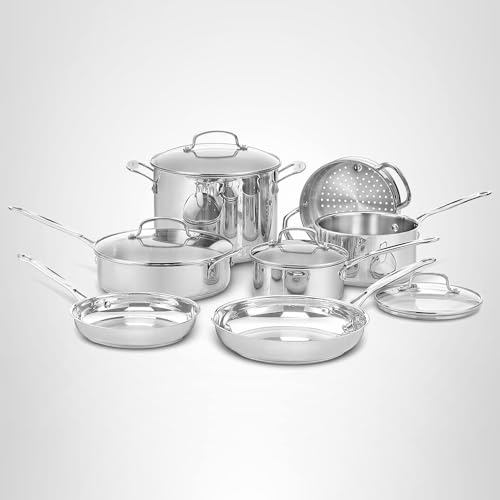
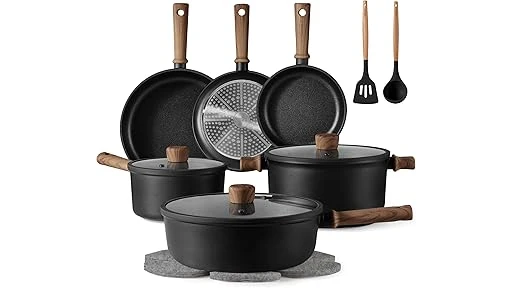
Leave a Reply