
Pans burn food because of uneven heat distribution, excessive temperature, and poor cooking technique. If you've ever stood over your stove watching your carefully prepared meal turn black and crispy, you know how frustrating burned food can be. Understanding why pans burn food is essential for anyone who wants to cook better meals and avoid wasting ingredients. Whether you're a beginner cook or someone looking to improve your kitchen skills, learning about the science behind burning will help you make smarter choices at the stove. In this guide, we'll explore the main reasons food burns in pans, how to prevent it, and practical tips based on real cooking experience that'll transform your cooking game.

The Science Behind Why Pans Burn Food
Food burns in pans due to a combination of heat, time, and direct contact with hot surfaces. When you place food on a hot pan, the bottom surface makes direct contact with the heat source. If the temperature is too high or the food stays in contact too long, the natural sugars and proteins break down and oxidize, creating that dark, charred appearance we recognize as burning.
Think of it like leaving your skin in direct sunlight too long—eventually, it burns. The same principle applies to your food. The hotter the pan and the longer the exposure, the faster this burning process happens. This is why understanding heat control and timing is absolutely crucial for preventing burned food.

Common Reasons Why Your Pan Burns Food
Heat Is Too High
One of the most common reasons why pans burn food is because the heat setting is too high. Many home cooks use maximum heat thinking it will cook food faster, but this backfires quickly. High heat can cause the exterior of your food to burn while the inside remains undercooked.
I learned this the hard way years ago when I was making chicken cutlets. I cranked up the heat to get a nice sear, but within minutes, the outside was charred while the inside was still raw. Since then, I've understood that medium to medium-high heat is usually the sweet spot for most cooking tasks.
Uneven Heat Distribution
Different pans distribute heat differently, and this directly impacts why pans burn food. Cheap, thin pans heat up quickly and unevenly, creating hot spots where food burns easily. These hot spots are areas on your pan that get hotter than others, causing some parts of your food to cook faster and burn while other parts remain undercooked.
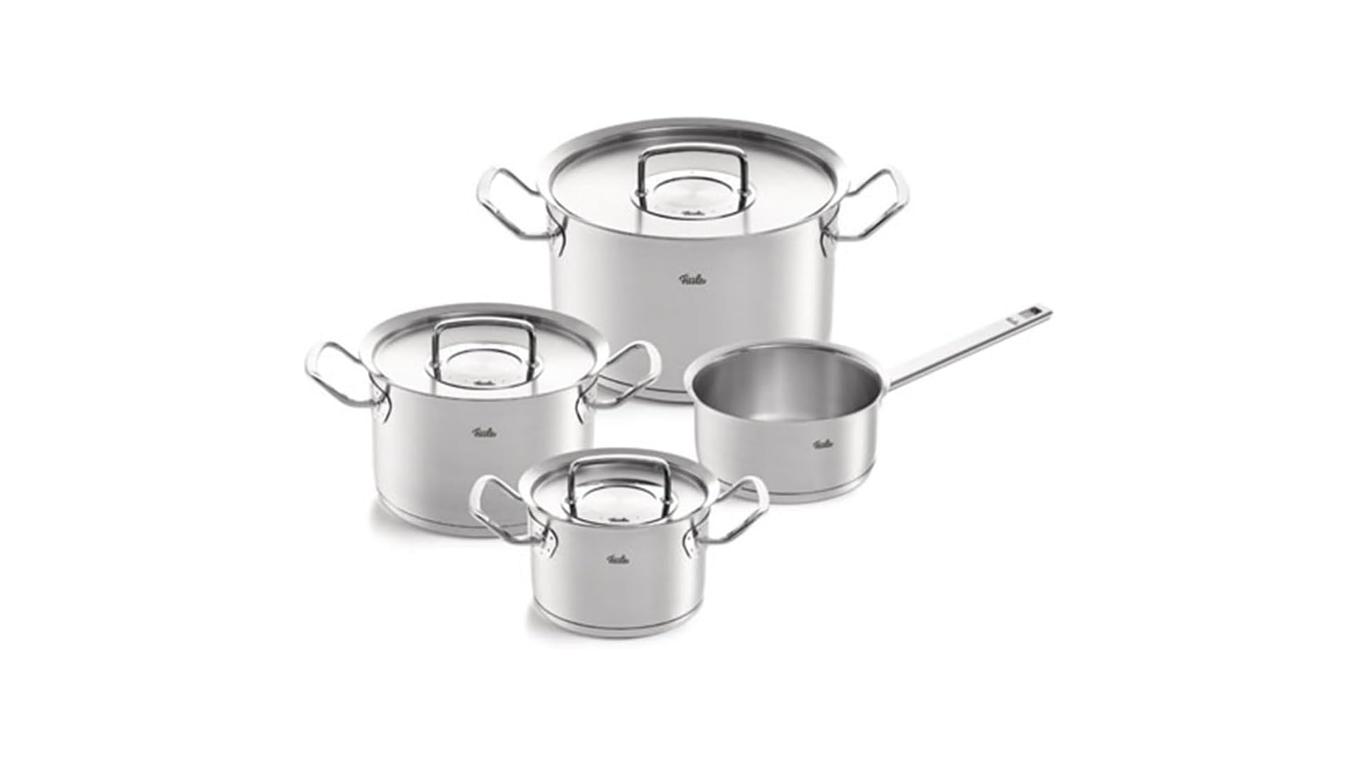
High-quality cookware with thick bottoms and good heat conductivity prevents this problem. Stainless steel and cast iron pans, when properly seasoned and maintained, distribute heat much more evenly. This even distribution means food cooks uniformly, reducing the risk of burning significantly.
Insufficient Oil or Butter
When there's not enough oil or butter between your food and the pan surface, the food can stick and burn easily. Oil or butter creates a protective barrier that prevents direct contact between food and the hot surface. Without this barrier, moisture in the food evaporates quickly, and the food dries out and burns.
I always make sure to use enough fat when cooking. A light coating of oil or a tablespoon of butter is typically enough to prevent sticking and burning. The fat also adds flavor and helps create that beautiful golden color we all want in our dishes.
Crowded Pan Surfaces
Putting too much food in your pan at once is another reason why pans burn food. When you overcrowd a pan, the temperature drops suddenly when you add cold food. This causes the food to steam instead of sear, and moisture builds up. As this moisture eventually evaporates, the food can stick and burn.
Additionally, crowded pans don't allow proper air circulation around each piece of food, making it harder to cook evenly. Give your food space to breathe. Cook in batches if needed—it takes a bit longer, but you'll get much better results without any burned spots.
Not Monitoring Your Cooking
Walking away from your pan and forgetting about it is a recipe for burned food. Food can go from perfectly cooked to burned in seconds, especially at higher temperatures. Staying present in the kitchen and checking on your food regularly helps you catch any problems before they become serious.
This is probably the easiest reason to fix. Simply set a timer, stay nearby, and keep an eye on your food. Your attention and quick reactions can mean the difference between a delicious meal and a wasted dinner.
Using Wrong Cookware for Your Dish
Different cooking methods require different types of cookware. Using a thin pan for a dish that needs slow, even cooking will likely result in burned food. Non-stick pans are great for delicate foods, but they have heat limits and can burn food if temperatures get too high.
Matching your cookware to your cooking task matters enormously. Cast iron works beautifully for searing and slow cooking. Stainless steel is perfect for high-heat cooking and building fond for sauces. Non-stick pans are ideal for eggs, pancakes, and other sticky foods at moderate temperatures.

Practical Steps to Prevent Why Pans Burn Food
Preheat Your Pan Properly
Preheating your pan gives you better control over cooking temperatures. When a pan is properly preheated, you know exactly how hot it is before adding food. Cold pans that heat up gradually can lead to unpredictable cooking and burning.
I test my pan's temperature by flicking a tiny drop of water on it. If the water beads up and rolls around, it's ready. If it sizzles and evaporates instantly, it might be too hot. This simple test takes seconds and prevents many cooking disasters.
Control Your Temperature Wisely
Medium heat is your friend when cooking most foods. Start at medium or medium-high, and adjust based on how your food is cooking. If you see signs of burning after a minute or two, turn the heat down immediately. Better to cook a bit slower and end up with perfect food than to rush and burn everything.
Different foods need different temperatures, so pay attention to what you're cooking. Fish and delicate vegetables need gentler heat than beef or root vegetables. Learning these nuances takes practice, but understanding why pans burn food helps you make smarter adjustments.
Use Adequate Fat
Always use enough oil or butter for your cooking method. For sautéing, about one to two tablespoons per serving usually works well. For pan-frying, you might need a bit more. The fat protects your food and prevents direct contact with the hot pan surface.
Quality matters too. Use olive oil for lower-heat cooking, vegetable oil for medium heat, and avocado oil or butter for higher temperatures. Each fat has a different smoke point—the temperature at which it breaks down and burns. Knowing these limits helps prevent burning at multiple levels.
Cook in Batches When Needed
If you're cooking a large amount of food, cook in smaller batches. This keeps the pan temperature consistent and allows each piece proper contact with heat. Overcrowding is one of the biggest mistakes that leads to why pans burn food, so give yourself permission to work in batches.
It might take extra time, but you'll get evenly cooked, beautiful results instead of a mix of burned and undercooked pieces. Plus, you'll enjoy the cooking process more when you're not stressed about managing too much food at once.
Stay Present and Attentive
Keep your attention on your food while it's cooking. Set a timer, watch for visual cues, and be ready to stir, flip, or remove food when needed. Those first few minutes of cooking are critical for setting the foundation of your dish.
I always keep my phone away from the stove and focus entirely on cooking. This simple habit has eliminated most of my burned-food disasters. Your presence and attention are free tools that make a huge difference in cooking outcomes.

Different Foods and Their Burning Tendencies
Vegetables and Why They Burn
Vegetables contain natural sugars that caramelize and burn easily under high heat. Leafy greens like spinach and kale burn almost instantly at high temperatures. Root vegetables like carrots and potatoes need moderate heat and longer cooking times to become tender without burning.
The key is matching heat to the vegetable type. Delicate vegetables need lower heat and shorter cooking times, while hardy vegetables can handle medium-high heat and longer exposure. Understanding this difference prevents burning and gives you better flavors and textures.
Proteins and Their Burning Challenges
Meat, fish, and poultry all have different burning tendencies. Fish is delicate and burns quickly, requiring lower heat and careful attention. Chicken burns on the outside but stays raw inside if heat is too high. Beef can handle higher temperatures for searing but still needs careful monitoring to prevent excessive charring.
Each protein type benefits from specific cooking techniques. Pan-searing beef at medium-high heat creates a crust without burning the interior. Pan-frying fish at medium heat keeps the delicate flesh intact and prevents burning. Understanding these nuances is why professional cooks rarely burn their food.
Grains and Why They Stick and Burn
Rice, quinoa, and other grains can stick and burn if there's not enough liquid or if you don't stir them properly. Using the right ratio of liquid to grain prevents burning from the bottom of the pan. Stirring occasionally during cooking helps distribute heat evenly and prevents sticking.
I always use a wooden spoon to gently stir grains and check the bottom of the pan occasionally. This simple action prevents the hard, burned layer that forms when grains sit undisturbed on the hot pan bottom.

The Role of Cookware Quality in Preventing Burned Food
Why Non-Stick Pans Can Still Burn Food
Non-stick pans have a heat limit, usually around 400 to 500 degrees Fahrenheit, depending on the brand. Exceeding this temperature damages the coating and food can burn easily. Many cooks assume non-stick means nothing will burn, but that's a dangerous misconception.
Non-stick pans are perfect for eggs, pancakes, and delicate foods cooked at moderate temperatures. For high-heat cooking like searing steaks, cast iron or stainless steel are much better choices. Matching your pan type to your cooking task prevents burning and extends your cookware's lifespan.
Cast Iron and Heat Retention
Cast iron pans retain heat exceptionally well, which means they stay hot even when you add room-temperature food. This is great for searing but can cause burning if you're not careful. The secret is using medium-high heat instead of maximum heat, even with cast iron's superior heat retention.
Cast iron also requires proper seasoning to prevent sticking and burning. A well-seasoned cast iron pan develops a natural non-stick surface over time, reducing burning incidents significantly. Many home cooks fear cast iron, but with proper care, it's one of the best tools for preventing burned food.
Stainless Steel Advantages
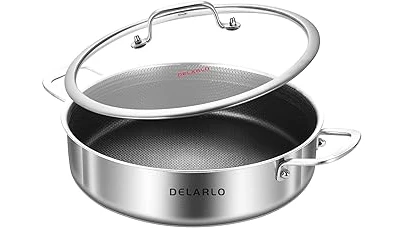
Stainless steel pans conduct heat well when they have an aluminum or copper core in the bottom. These pans distribute heat evenly across the surface, reducing hot spots that cause burning. They also work at any heat level, from low to high, giving you maximum flexibility.
The main disadvantage is that food can stick more easily than with non-stick or seasoned cast iron. Using adequate oil and avoiding overcrowding solves this problem. Stainless steel is incredibly durable and long-lasting, making it a worthwhile investment for any kitchen.

Personal Lessons from Kitchen Experience
I've burned plenty of meals while learning to cook better. One memorable disaster was a Sunday dinner when I was making pan-seared salmon. I wanted impressive golden skin, so I cranked the heat to maximum. The exterior burned to charcoal while the inside remained cold. My family politely ordered pizza.
That experience taught me that high heat doesn't equal good results. Over the years, I've learned that medium-high heat gives beautiful, even cooking with minimal burning. I've also learned that taking food off the heat slightly before it looks completely done accounts for carryover cooking, which prevents overcooking and burning.
Another important lesson came from consistently overcrowding my pan. I thought cooking everything at once would save time, but I ended up with more burned food and frustrated attempts at salvaging dinner. Now I cook in smaller batches, use less oil, and get much better results. Those extra minutes of cooking time are worth the improvement in quality.
The biggest shift in my cooking came from understanding why pans burn food in the first place. Instead of just following recipes, I started thinking about heat science, food composition, and how different ingredients respond to heat. This deeper understanding helps me troubleshoot problems and adjust techniques in real time.

Advanced Techniques to Master Burning Prevention
Temperature Control Methods
Using a cooking thermometer takes guesswork out of knowing when your pan is the right temperature. Instant-read thermometers also tell you when food is properly cooked inside, preventing the need to cook longer and risk burning the exterior.
Adjusting heat gradually rather than in big jumps gives you finer control. Instead of jumping from medium to high, try moving to medium-high first and observing results. This methodical approach prevents the shock of sudden high heat that causes burning.
Moisture Management
Understanding moisture's role in burning helps you prevent it. Too much moisture in your pan creates steam, which prevents browning and can cause sticking and burning. Patting proteins dry before cooking removes excess moisture and improves browning while reducing burning risk.
Some foods naturally release moisture as they cook. Mushrooms, for example, release water into the pan. Adding them to an already-hot pan with adequate oil helps them cook quickly before burning. Knowing which foods behave this way lets you adjust your technique accordingly.
Strategic Lid Usage
Lids trap moisture and lower the temperature inside your pan. Using a lid for part of the cooking process can help foods cook through without burning the exterior. For example, you might sear meat at high heat, then lower heat and cover to cook the interior without further browning.
The key is knowing when to use a lid and when to remove it. Using it for the entire cooking time creates steam that prevents browning. Using it strategically combines browning with gentle cooking that prevents burning.
:max_bytes(150000):strip_icc()/Cookies_and_Cream_Ice_Cream_007-a16f7925625847eaa5c805bcf1a7c6f9.jpg)
Frequently Asked Questions
Why does my pan burn food even on low heat?
Low heat itself shouldn't cause burning, but several factors could explain this. You might be cooking for too long, have inadequate oil or butter, or be using old cookware with hot spots. Check your pan's condition and ensure you're using enough fat between the food and the surface.
Can water prevent food from burning in a pan?
Water actually can prevent proper browning and might increase burning risk by creating excess moisture and steam. While a tiny splash of water can deglaze a pan or cook food quickly, relying on water instead of oil usually results in sticking and burning problems. Use oil or butter instead.
Why does my cast iron pan burn food when it's seasoned properly?
Even well-seasoned cast iron can burn food if you use too much heat or cook too long. Cast iron's superior heat retention means it stays hot longer than other pans. Try reducing your heat to medium or medium-high, and give food slightly less cooking time than you would with other pans.
Does the type of food affect how easily it burns?
Absolutely, different foods have different burning thresholds. Foods high in natural sugars like onions and carrots burn faster than foods with less sugar. Delicate foods like fish and tender vegetables burn quicker than hardy vegetables and thick cuts of meat. Always adjust your heat based on what you're cooking.
How can I salvage a pan with burned-on food residue?
Fill the pan with hot water and a tablespoon of baking soda or vinegar, then simmer for a few minutes. This loosens burned residue, making it easier to scrub away. For stubborn burnt-on food, let it soak overnight before scrubbing. Regular cleaning after cooking prevents severe buildup.
Is it normal for non-stick pans to develop hot spots?
As non-stick coatings age, they can develop uneven wear that creates hot spots where food burns more easily. This is actually a sign your non-stick pan is approaching the end of its useful life. Replacing old non-stick pans every three to five years prevents burning caused by coating deterioration.
Conclusion
Understanding why pans burn food empowers you to become a better cook and waste less food and money. Burned meals result from controllable factors like heat level, cookware quality, crowding, and attention to your cooking process. By addressing these factors one at a time, you'll dramatically improve your cooking results and rarely experience burnt dishes again.
The best part is that most prevention techniques are simple and require no special equipment. Using the right heat level, adequate fat, proper cookware, and your full attention solves the majority of burning problems. Start implementing these strategies in your next cooking session and notice the immediate improvement in your meals.
Take action today by evaluating your current pans and cooking habits. Identify which factors contribute most to your burned-food problems and focus on changing those first. Every meal you cook is a chance to practice and improve, so be patient with yourself as you develop these skills. Share your burning prevention victories with others—there's nothing quite like helping a friend master their kitchen!

Leave a Reply