
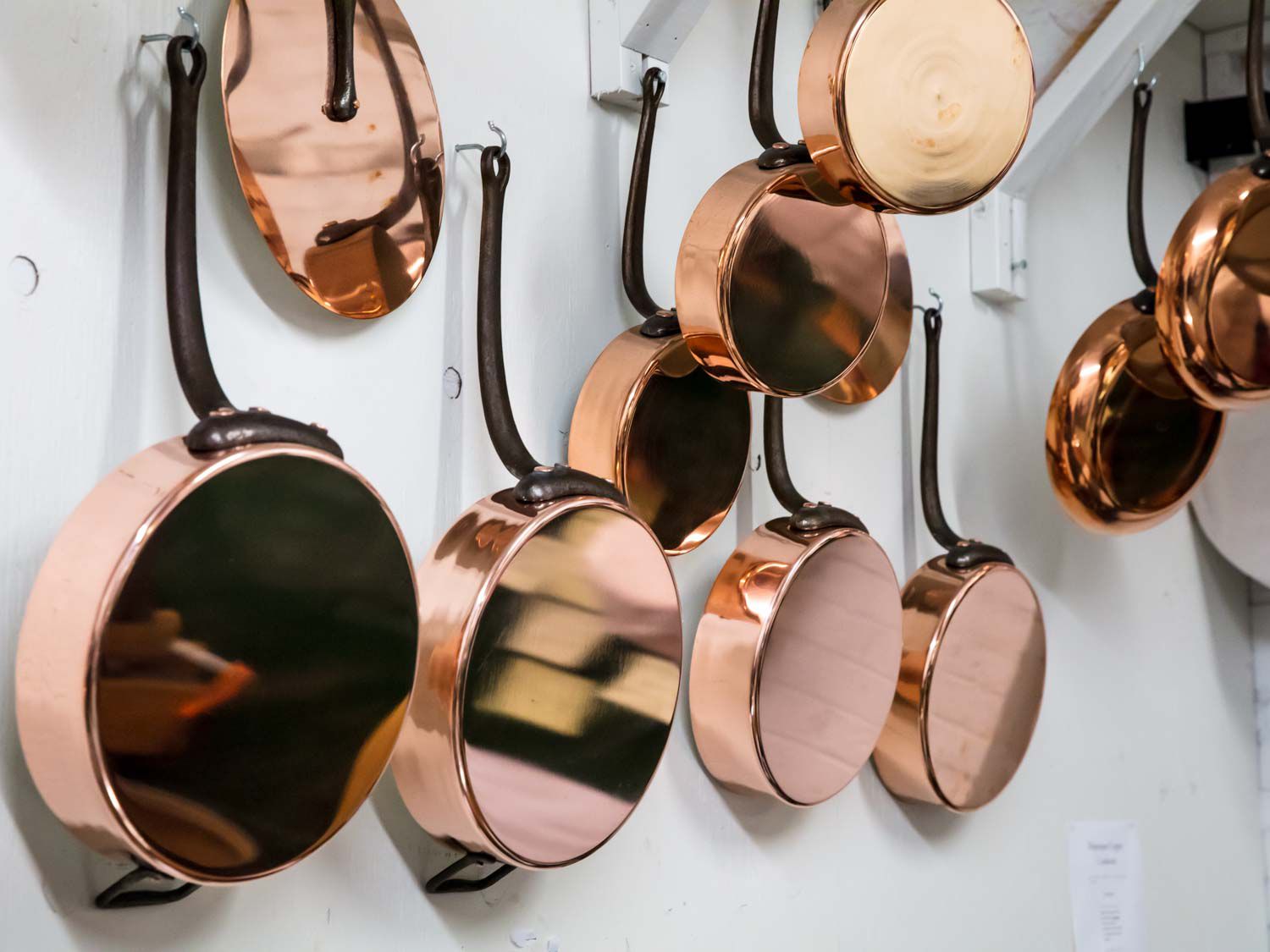
Copper is often used to line the bottom of cookware because it offers superior heat conductivity. This allows for even cooking and precise temperature control.
Cookware lined with copper has become a staple in professional kitchens and among culinary enthusiasts. Its exceptional heat conduction ensures that food cooks evenly, reducing the chances of hot spots that can lead to burning. Copper cookware heats up quickly and responds promptly to temperature changes, making it ideal for delicate tasks like melting chocolate or simmering sauces.
While it requires more maintenance than other materials, such as stainless steel, the benefits often outweigh the effort. Chefs appreciate how copper enhances cooking precision, bringing dishes to life with perfect textures and flavors. Investing in copper-lined cookware can elevate your culinary skills and enhance your cooking experience.
The Essentials Of Copper In Cookware
Copper cookware is a favorite among chefs. Its unique properties make it an excellent choice for cooking. The thermal conductivity and durability of copper create a perfect cooking experience. Let’s explore why copper is often used to line cookware.
Copper’s Thermal Conductivity
Copper has one of the best thermal conductivities. It heats up quickly and evenly. This property helps in precise temperature control.
- Fast heating reduces cooking time.
- Even heat distribution prevents hot spots.
- Ideal for delicate dishes like sauces and chocolates.
Chefs appreciate how copper responds to temperature changes. You can adjust heat easily without waiting. This feature is especially useful for sauces and confectionery.
Durability And Longevity
Copper cookware is built to last. It can endure high temperatures without damage. Proper care ensures it remains in great condition for years.
- Regular polishing keeps the surface shiny.
- Avoid using metal utensils to prevent scratches.
- Store it properly to avoid dents and damage.
Investing in copper cookware means investing in quality. It may cost more upfront, but its longevity saves money over time. Choose copper for a blend of beauty and functionality in your kitchen.
History Of Copper Bottoms In Cooking
The use of copper in cookware dates back thousands of years. Its unique properties made it a favorite among chefs and home cooks alike. Copper provides excellent heat conduction, making cooking efficient and even. This section explores the journey of copper bottoms from ancient times to modern kitchens.
From Ancient Times To Modern Kitchens
Copper has been used for cooking since ancient civilizations. Here’s a brief timeline:
| Period | Key Developments |
|---|---|
| 3000 BC | First copper pots found in Egypt. |
| 500 BC | Greeks and Romans use copper for cooking. |
| 18th Century | French chefs popularize copper cookware. |
| 21st Century | Copper cookware remains a top choice. |
Throughout history, copper has remained a symbol of culinary excellence. Many chefs prefer it for its responsiveness to heat changes. This allows for precise cooking control.
Culinary Traditions And Copper
Different cultures have embraced copper in their culinary traditions. Here are some notable examples:
- French Cuisine: Copper pans are essential for sauces.
- Spanish Cooking: Copper cookware is used for paella.
- Italian Kitchen: Many chefs use copper for risotto.
These traditions highlight the importance of copper in achieving perfect dishes. The beautiful appearance of copper cookware adds charm to any kitchen. Its historical significance makes it a treasured item for many cooks today.
Comparing Cookware Materials
Choosing the right cookware material is essential for cooking. Each type has unique properties. Copper is popular for its excellent heat conductivity. Let’s compare copper with other common cookware materials.
Copper Vs. Aluminum
Copper and aluminum are both lightweight metals. They conduct heat well, but they differ in several ways:
| Property | Copper | Aluminum |
|---|---|---|
| Heat Conductivity | Excellent | Good |
| Durability | Long-lasting | Can warp |
| Reactivity | Reactive with acidic foods | Non-reactive when anodized |
Copper heats evenly and quickly. Aluminum is lighter and cheaper. Many cookware pieces combine both metals for optimal performance.
Copper Vs. Stainless Steel
Copper and stainless steel are popular choices. They each have specific benefits:
- Heat Transfer: Copper heats up fast.
- Durability: Stainless steel is very strong.
- Maintenance: Stainless steel is easy to clean.
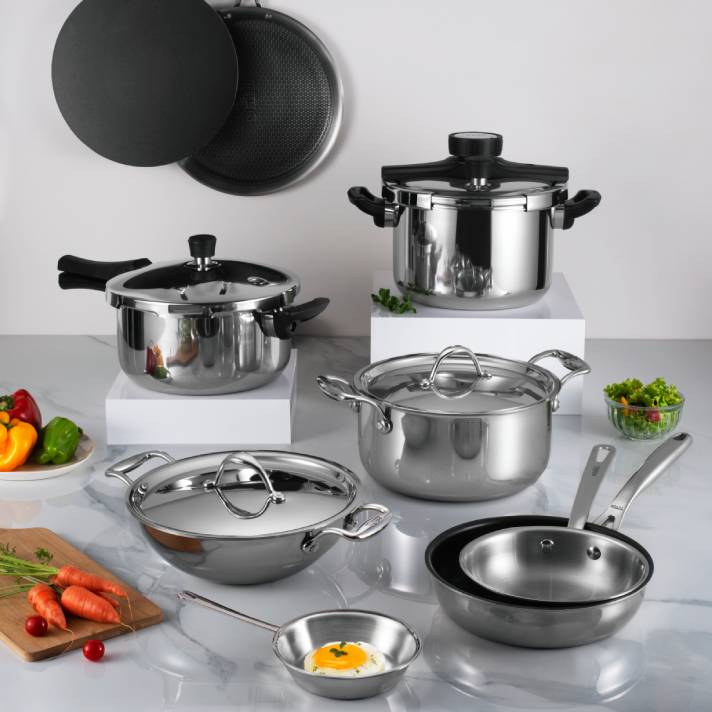
Copper is sensitive to temperature changes. Stainless steel maintains heat well. Chefs often choose copper for precise cooking control.
Copper Vs. Cast Iron
Cast iron and copper have distinct cooking qualities. Here’s how they compare:
- Heat Retention: Cast iron holds heat very well.
- Weight: Cast iron is heavy; copper is lighter.
- Versatility: Copper can be used on all stovetops.
Copper heats quickly, while cast iron cooks evenly. Each has its place in the kitchen. Use copper for quick tasks and cast iron for slow cooking.

Credit: www.amazon.com
The Science Behind Copper Bottoms
Copper cookware is popular among chefs and home cooks alike. Its unique properties make cooking more enjoyable and efficient. Understanding the science behind copper bottoms reveals why they are so effective in cookware.
Heat Distribution Properties
Copper is an excellent conductor of heat. This means it spreads heat evenly across the surface. Here are some key benefits of copper’s heat distribution:
- Even Cooking: Food cooks uniformly, reducing hot spots.
- Quick Heating: Copper heats up faster than most metals.
- Temperature Control: Cooks can adjust heat quickly.
These properties make copper ideal for delicate tasks. For example, preparing sauces or melting chocolate requires precise temperature control. Copper cookware helps achieve perfect results every time.
Chemical Reaction With Food
Copper reacts with certain foods. This reaction can enhance flavor and texture. Here are some examples:
- Acidic Foods: Tomatoes and citrus fruits can react positively.
- Mineral Transfer: Copper may add trace minerals to food.
- Flavor Enhancement: The reaction can create richer flavors.
Cooking in copper can elevate dishes to a new level. Chefs appreciate these unique benefits for gourmet cooking. Always be cautious with copper cookware, as it needs a protective lining to prevent overexposure.
Copper Bottoms And Cooking Precision
Copper cookware is famous for its ability to enhance cooking precision. The copper bottom provides even heat distribution and quick response to temperature changes. This feature makes cooking more enjoyable and effective.
Temperature Control
Copper is an excellent conductor of heat. It heats up quickly and cools down fast. This allows chefs to adjust the temperature easily. Here are some benefits of using copper for temperature control:
- Rapid heating: Cooks food evenly.
- Instant cooling: Stops food from overcooking.
- Precise adjustments: Perfect for delicate recipes.
Reducing Hotspots
Hotspots can ruin a dish. Copper bottoms help eliminate these annoying areas. Here’s how copper minimizes hotspots:
- Even heat distribution: No more burnt spots.
- Consistent cooking temperatures: Maintains flavor and texture.
- Better browning: Achieves perfect sears and crusts.
Many chefs prefer copper cookware for these reasons. Precision in cooking leads to delicious meals.
Credit: stahlkitchens.com
Aesthetic And Practical Benefits
Copper cookware is popular for its aesthetic and practical advantages. Its striking appearance and excellent cooking properties make it a top choice in many kitchens. Here, we explore the visual appeal and resale value of copper cookware.
Visual Appeal In The Kitchen
Copper adds a warm and inviting touch to any kitchen. Its rich, shiny surface catches the eye. Here are some key aesthetic benefits:
- Color: Copper has a unique reddish-brown hue.
- Shine: The polished surface reflects light beautifully.
- Tradition: Copper has a long history in culinary arts.
- Design: Many styles complement various kitchen themes.
Copper cookware can be a statement piece. It enhances the overall look of your kitchen. Displaying it can inspire creativity while cooking.
Resale Value Of Copper Cookware
Copper cookware often holds its value well. Investing in quality pieces can pay off later. Here are some reasons for its high resale value:
- Durability: Copper cookware lasts a long time with proper care.
- Brand: Renowned brands increase resale prices.
- Condition: Well-maintained pieces attract buyers.
- Popularity: Many chefs seek copper cookware for its performance.
Buyers appreciate the blend of beauty and function in copper. The demand for quality pieces remains strong. This makes copper cookware a wise investment.
Maintenance Tips For Copper Cookware
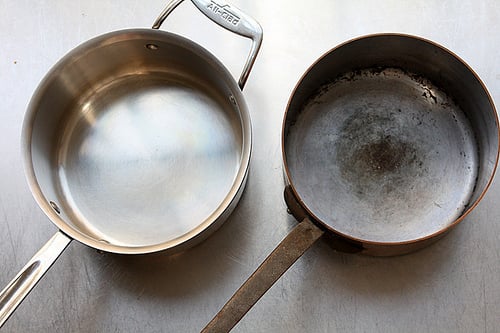
Proper maintenance keeps your copper cookware looking great and functioning well. Regular care prevents tarnishing and enhances its lifespan. Follow these tips for easy upkeep.
Cleaning And Polishing
Cleaning copper cookware is simple. Use the following steps:
- Let the cookware cool before cleaning.
- Wash with warm soapy water and a soft cloth.
- Rinse thoroughly to remove soap residue.
- Dry immediately with a soft towel.
For polishing, use a copper cleaner or a homemade mixture. Here’s a quick recipe:
- Mix lemon juice and baking soda.
- Apply the paste to the copper surface.
- Rub gently with a soft cloth.
- Rinse and dry thoroughly.
Preventing And Removing Tarnish
Tarnish can dull your cookware’s shine. To prevent it:
- Store copper cookware in a dry place.
- Avoid stacking with other metals.
- Use protective liners between items.
If tarnish appears, remove it quickly:
- Mix equal parts vinegar and salt.
- Apply the mixture to the tarnished areas.
- Let it sit for a few minutes.
- Rinse and dry thoroughly.
Regular maintenance keeps your copper cookware vibrant and functional. Follow these tips for best results.
Credit: www.davidlebovitz.com
Future Of Copper In Cookware
The future of copper in cookware looks bright and promising. Many chefs and home cooks love copper for its unique properties. Innovations in design and a focus on sustainability are shaping this future.
Innovations In Cookware Design
Cookware manufacturers are embracing new technologies. They are creating copper-lined products that maximize performance. Here are some key innovations:
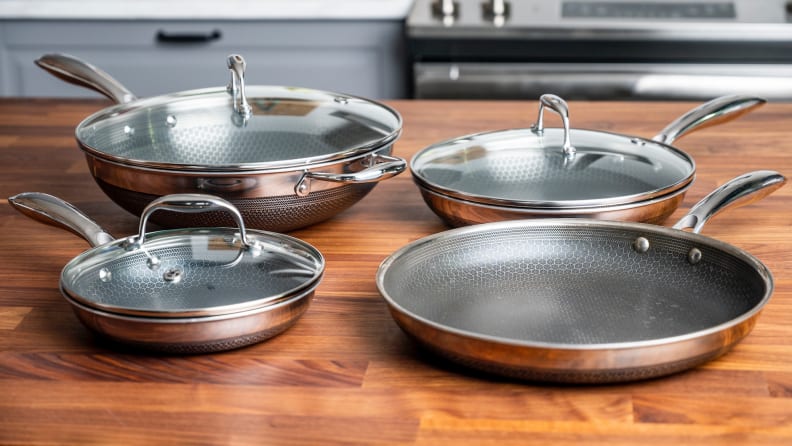
- Non-stick coatings with copper for easy cooking.
- Lightweight designs that maintain copper’s efficiency.
- Thermal sensors integrated into cookware for precise cooking.
These innovations enhance the cooking experience. They make copper cookware more accessible and user-friendly.
Sustainability And Recycling
As environmental concerns grow, sustainability becomes crucial. Copper is a recyclable material, making it eco-friendly. Here are some sustainability points:
| Aspect | Details |
|---|---|
| Recyclability | Used copper can be melted down and reused. |
| Durability | Long-lasting cookware reduces waste. |
| Energy efficiency | Copper heats quickly, saving energy during cooking. |
Embracing copper cookware aligns with sustainable practices. Consumers are more aware of their choices. They seek products that are both efficient and environmentally friendly.
Frequently Asked Questions
Why Is Copper Preferred For Cookware Lining?
Copper is often preferred for cookware lining due to its excellent thermal conductivity. It heats up quickly and distributes heat evenly, preventing hot spots. This allows for precise temperature control while cooking, resulting in better cooking performance and improved food quality.
Chefs appreciate its responsiveness to heat adjustments.
What Are The Benefits Of Copper Cookware?
Copper cookware offers several benefits, including superior heat conductivity and responsiveness. It heats quickly and evenly, making it ideal for delicate sauces and dishes. Additionally, copper’s aesthetic appeal enhances kitchen decor. With proper care, copper cookware can last a lifetime, providing excellent cooking results over time.
Is Copper Cookware Safe To Use?
Yes, copper cookware is safe to use when properly lined. Most copper cookware is lined with stainless steel or tin, preventing copper from leaching into food. It’s essential to maintain the lining and avoid cooking acidic foods in unlined copper.
This ensures safe cooking without health risks.
How Should I Care For Copper Cookware?
To care for copper cookware, wash it with mild soap and a soft sponge. Avoid abrasive cleaners that can damage the lining. Regular polishing with a copper cleaner helps maintain its shine. Store the cookware carefully to prevent scratches and keep it in optimal condition for cooking.
Conclusion
Copper’s ability to distribute heat evenly makes it a top choice for cookware. This feature enhances cooking precision and improves food flavor. While it requires careful maintenance, the benefits often outweigh the drawbacks. Choosing copper-lined cookware can elevate your culinary experience, making it a worthwhile investment for any cooking enthusiast.

Leave a Reply