
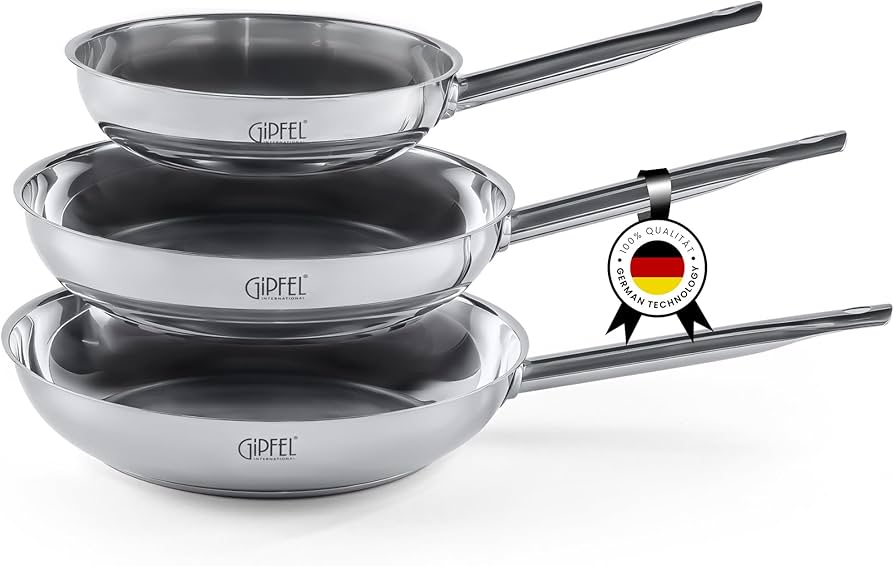
Stainless steel cookware is durable and versatile, while anodized cookware provides a non-reactive and non-stick surface. Choosing between anodized or stainless steel cookware depends on your cooking needs and preferences.
Anodized vs Stainless Steel Cookware :Deciding on the right cookware is crucial for both amateur cooks and culinary professionals. Anodized cookware, known for its hard, non-stick surface, is often favored for its ease of use and maintenance. On the other hand, stainless steel’s resilience and ability to withstand high temperatures make it a kitchen staple.
It is a top choice for searing, browning, and creating sauces that require deglazing. Each type has distinct advantages, making them suitable for different cooking tasks. Your decision should align with the types of dishes you frequently prepare. Durability, heat conductivity, and reaction with foods are factors to consider when choosing between anodized and stainless steel cookware. This choice can significantly impact the quality of your cooking and the longevity of your kitchenware.
Introduction To Cookware Materials
Cookware is a key kitchen player. We use it daily. Material matters. It affects cooking outcomes. Health and ease of use too.
Anodized Cookware Basics
Anodized cookware is aluminum’s upgraded version. It’s treated to be harder. This makes it non-reactive. Foods stay true to their flavors. It’s tough and scratch-resistant. Often, it’s non-stick. Cleanup is a breeze.
- Durable
- Non-reactive surface
- Retains heat well
- Easy to clean
Stainless Steel Cookware Basics
Stainless steel cookware shines in kitchens. It’s a blend of metals. Mainly iron, chromium, and nickel. It’s praised for longevity. It resists rust and corrosion. It’s a pro choice. It handles heat well. Flavors don’t mingle.
| Feature | Benefit |
|---|---|
| Durable | Long-lasting |
| Non-porous | Doesn’t hold odors or flavors |
| Heat distribution | Cooks evenly |
| Easy maintenance | Simplifies cleaning |

Credit: stahlkitchens.com
Health And Safety Concerns
When choosing cookware, safety is key. You want pots and pans that cook well without harming your health. Let’s compare anodized and stainless steel options.
Anodized Cookware Safety
Anodized cookware has a non-reactive surface. This feature prevents food from reacting with metal. No harmful chemicals leach into meals. The anodizing process seals aluminum, making it safer for cooking.
- Resists scratching: Durable surface withstands utensils.
- Easy to clean: Non-stick quality simplifies washing.
- Less oil needed: Healthier cooking with fewer fats.
Stainless Steel Cookware Safety
Stainless steel cookware is known for its safety. This material does not rust or corrode. It also does not react with acidic foods.
| Feature | Benefit |
|---|---|
| Non-reactive | Safe with all foods. |
| Durable | Lasts for years. |
| Non-leaching | No metals in food. |
Stainless steel is also oven-safe. This makes it versatile for various recipes. It is a top choice for chefs and home cooks.
Durability And Longevity
When choosing cookware, consider durability and longevity. These traits save money over time. They also ensure consistent cooking results. Let’s compare anodized and stainless steel cookware.
Anodized Cookware Durability
Anodized cookware boasts a hardened surface. This process enhances aluminum’s natural strength. Anodized aluminum resists scratches and corrosion. It stands up to daily use. Yet, it is not invincible. Abrasive cleaners or metal utensils can damage it.
- Resists warping and peeling
- Maintains non-stick qualities
- Suitable for varied cooking temperatures
Its lifespan can extend beyond a decade with proper care. Avoid dishwasher cleaning for best results.
Stainless Steel Cookware Longevity
Stainless steel cookware is known for its lasting appeal. It often outlives its counterparts. The material does not rust or stain easily. It can tolerate high heat and rough handling.
| Feature | Benefit |
|---|---|
| Non-reactive surface | Keeps flavors true |
| Dishwasher safe | Easy to clean |
| Can handle metal utensils | Resilient to scratches |
With minimal upkeep, stainless steel can last a lifetime. Its shine and performance do not fade. It remains a staple in professional kitchens.
:max_bytes(150000):strip_icc()/faw-detail-kitchenaid-hard-anodized-induction-10-piece-nonstick-cookware-set-14-wdickey-272-ab10854e2a2e4c37b365f13cc9a1c70e.jpeg)
Credit: www.foodandwine.com
Heat Conductivity And Cooking Performance
When picking cookware, heat conductivity affects your cooking. Different materials change how heat spreads and food cooks. Let’s compare anodized and stainless steel cookware.
Heat Distribution In Anodized Cookware
Anodized cookware is known for even heat spread. This feature is due to the aluminum core. Aluminum heats up quickly and evenly. Anodization makes it hard and non-reactive.
Anodized aluminum avoids hot spots in pans. Your food cooks uniformly.
This cookware suits delicate dishes like fish and sauces. It maintains a steady temperature during cooking.
Cooking Efficiency Of Stainless Steel
Stainless steel stands out for durability. It combines metals like iron, chromium, and sometimes nickel.
However, pure stainless steel does not conduct heat well. Many stainless steel pans have a core of aluminum or copper. This improves heat conductivity.
Stainless steel cookware heats slower than anodized. Yet, it retains heat for longer periods. It’s ideal for searing meats and deep-frying.
Stainless steel surfaces also resist sticking. They are easy to clean.
Maintenance And Care
Maintenance and Care of cookware can extend its lifespan and preserve its qualities. The right approach to cleaning and caring differs between anodized and stainless steel options. Explore the best practices for both types.
Cleaning Anodized Cookware
Anodized cookware requires special attention during cleaning to maintain its non-stick surface and avoid damage.
- Use warm water and a mild detergent.
- Avoid abrasive cleaners and scouring pads.
- Hand wash gently to prevent surface scratches.
- Dry cookware immediately to avoid water spots.
- For tough stains, a baking soda paste may help.
- Never put anodized cookware in the dishwasher.
Caring For Stainless Steel
Stainless steel cookware is known for its durability and ease of care. Follow these tips to keep it shining.
- Soak in warm water to loosen food residues.
- Use a sponge or soft cloth for cleaning.
- For water spots, vinegar can restore shine.
- Bar Keepers Friend® cleanser is a good polish.
- Dishwasher use is generally safe for stainless steel.
- Dry thoroughly after washing to prevent rust.
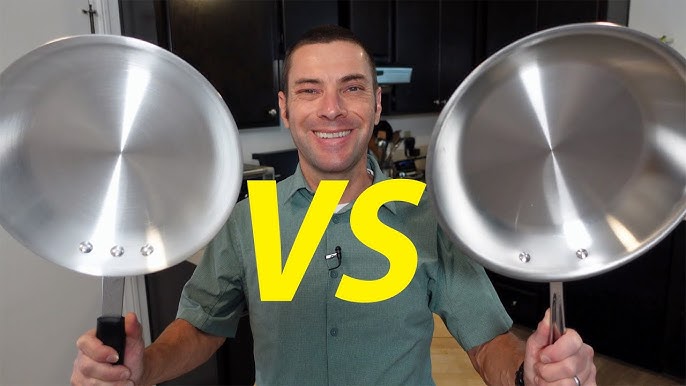
Credit: m.youtube.com
Cost Comparison
When choosing cookware, price is key. Let’s compare anodized and stainless steel costs.
Price Range Of Anodized Cookware
Anodized cookware is a middle-ground option. It’s not the cheapest but offers good value. Prices vary based on size and brand.
- Entry-level sets: Start at around $60
- Mid-range sets: Can cost $100 to $200
- Premium sets: May go up to $300 or more
Anodized pieces are durable. They last longer than cheaper pots and pans.
Investing In Stainless Steel Cookware
Stainless steel cookware is a long-term investment. It’s often more expensive than anodized.
| Quality | Price |
|---|---|
| Basic sets | From $100 |
| Higher-quality sets | $150 to $500 |
| Professional-grade sets | $500+ |
Stainless steel excels in longevity and performance. It’s a favorite in many kitchens.
Aesthetic Appeal
When choosing cookware, how it looks matters. Kitchens shine with the right pots and pans. Consider the aesthetic appeal of anodized versus stainless steel cookware.
Visual Characteristics Of Anodized Cookware
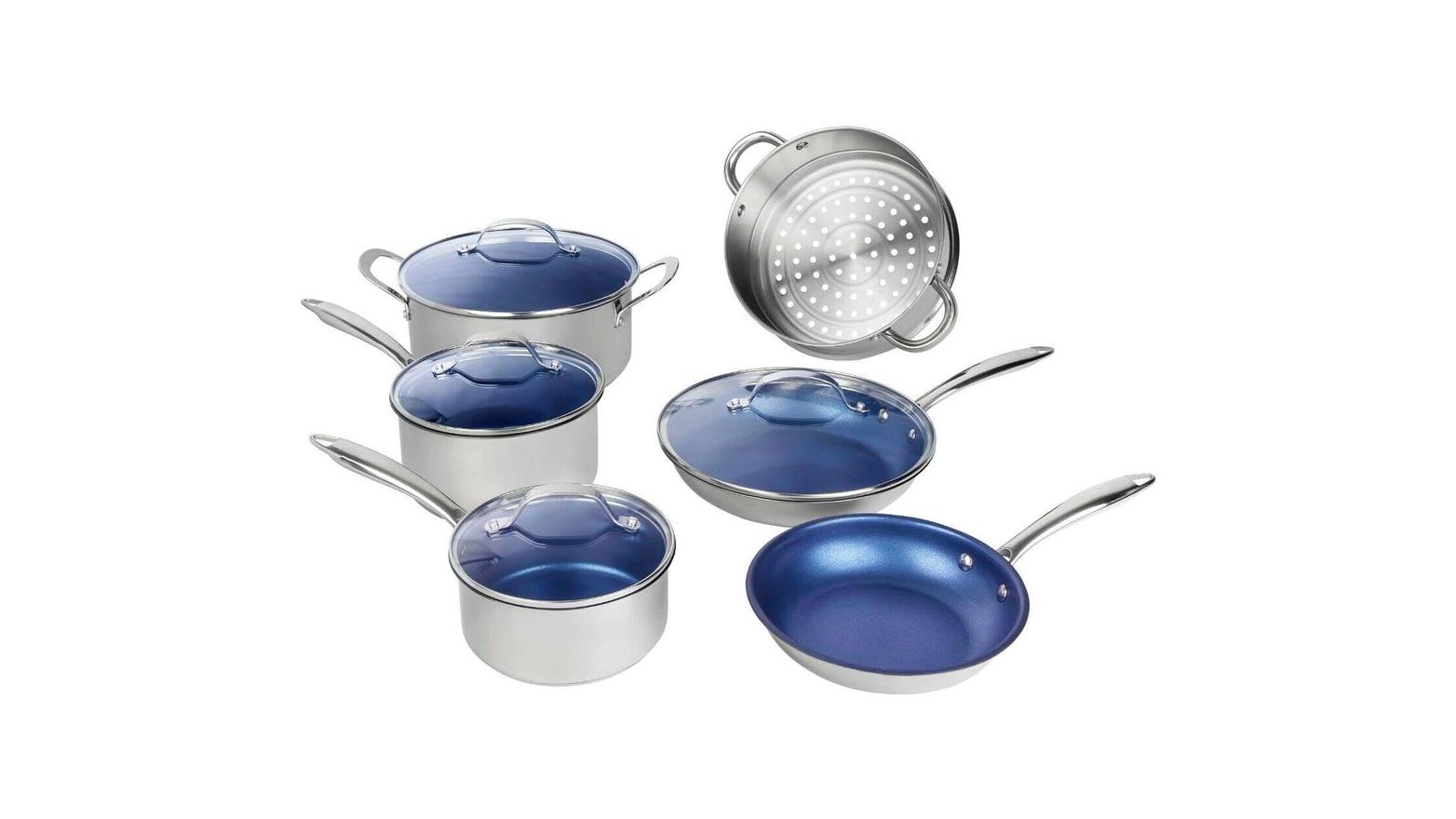
Anodized cookware boasts a sleek, modern look. Its surface is matte and often darker in color. This finish can hide minor scratches and wear. Bold and professional, it stands out in any kitchen setting. The anodized process also provides a uniform appearance. Each piece matches perfectly with the rest.
The Shine Of Stainless Steel
Stainless steel offers a classic, timeless beauty. Its surface reflects light, adding brightness to your kitchen. Stainless steel’s mirror-like finish catches the eye. It’s easy to clean, maintaining its luster over time. Pieces can also feature brushed or polished finishes. This versatility suits any kitchen style.
Both options have their unique appeal. Your choice can depend on your kitchen’s theme and your personal style preference.
Final Verdict
Reaching a final decision in the anodized versus stainless steel cookware debate is tough. Both materials boast unique benefits. Your choice depends on your cooking habits and kitchen needs. Let’s weigh the options to help you make an informed decision.
Choosing Based On Needs
Anodized cookware excels in non-stick performance. It’s a great choice for low-fat recipes. Stainless steel shines in durability. It can handle high heat and searing meats. Consider the following:
- Heat conductivity: Anodized aluminum distributes heat evenly.
- Maintenance: Stainless steel is dishwasher-safe and easy to clean.
- Reactivity: Anodized surfaces resist acidic food reactions.
- Longevity: Stainless pots often last for decades.
Personal Preference And Lifestyle
Your lifestyle plays a key role. Think about your daily cooking routine. Do you value quick clean-up? Maybe you prefer robust pots that can go from stove to oven. Reflect on these points:
| Anodized Cookware | Stainless Steel Cookware |
|---|---|
| Non-stick surface | Withstands high temperatures |
| Needs gentle utensils | Works with any utensil |
| Not for induction cooktops | Induction compatible |
| Hand wash preferred | Dishwasher safe |
Balance your needs with the cookware’s features. Your best pick should match your daily demands and cooking style.
Frequently Asked Questions
Is Stainless Steel Better Than Anodized Cookware?
Stainless steel and anodized cookware both have advantages, but stainless steel leads for durability and ease of maintenance. It’s less likely to corrode and doesn’t react with foods, making it a versatile choice for various cooking methods. Anodized cookware, though non-reactive and robust, requires more careful handling.
What Is The Disadvantage Of Anodised Cookware?
Anodized cookware’s main disadvantage is its potential to scratch and wear over time, reducing its non-stick properties. Also, it can’t be used on induction cooktops.
What Is The Healthiest Cookware To Use?
The healthiest cookware options include stainless steel, cast iron, glass, and ceramic-coated pieces. These materials resist leaching chemicals into food and withstand high cooking temperatures.
Which Cooker Is Best, Stainless Steel Or Hard Anodized?
The best cooker choice depends on your needs. Stainless steel is durable and non-reactive, while hard anodized provides excellent heat conduction and is non-stick.
Conclusion
Deciding between anodized and stainless steel cookware boils down to your cooking needs and preferences. Anodized offers durability and easy maintenance, while stainless steel shines in versatility and heat conductivity. Both have their merits, making the choice a personal one based on what suits your kitchen best.
Embrace the one that aligns with your culinary journey.

Leave a Reply