
Choosing the right pots and pans can feel like a puzzle, especially when you’re just starting out in the kitchen. There are so many options, and everyone seems to have a different favorite. You want to cook healthy meals for your family, but you might wonder, which cookware is safest for everyday cooking.
It’s a common question, and honestly, it can be a bit confusing. But don’t worry! We’ll walk through it step by step to help you make simple, safe choices for your kitchen.
Understanding Cookware Safety For Everyday Use
This section explores the fundamental aspects of cookware safety, focusing on materials and their interactions with food during daily cooking. We will look at common materials used in pots and pans and discuss what makes them safe or potentially concerning for regular use. Understanding these basics is key to making informed decisions about what you bring into your kitchen.
What Makes Cookware Safe
Safety in cookware boils down to a few key factors. It’s about the materials used to make the pots and pans and how they behave when heated and come into contact with different types of food. Some materials are very stable and don’t leach harmful substances, even at high temperatures.
Others might release tiny particles or chemicals if scratched or used improperly. We also consider how easy they are to clean, as food residues can sometimes cause issues.
-
Material Composition
This refers to what the cookware is actually made of. Think of metals like stainless steel, cast iron, or aluminum, or coatings like ceramic or Teflon. The core material and any surface treatments are crucial. For instance, high-quality stainless steel is known for its durability and inertness, meaning it doesn’t react much with food. On the other hand, older or damaged non-stick coatings can sometimes break down and release chemicals. The goal is to find materials that remain stable and don’t transfer anything unwanted into your meals. -
Heat Tolerance and Reactivity
How a material handles heat and whether it reacts with acidic or alkaline foods is a big deal. Some metals, like copper or aluminum if not properly coated, can react with acidic foods like tomatoes or citrus, potentially leaching into the food and affecting its taste and safety. Safe cookware materials will either not react at all or have a protective layer that prevents interaction. For example, enameled cast iron provides a barrier that stops the iron from reacting with food. -
Durability and Wear Resistance
Cookware that lasts and resists scratches and wear is generally safer. When non-stick coatings get scratched, they can degrade. Similarly, cast iron can rust if not cared for properly. Durable cookware maintains its integrity over time, ensuring that the material intended to be safe remains so throughout its lifespan. This means less worry about microscopic particles getting into your food.
Common Cookware Materials and Their Safety Profiles
Let’s break down the most common materials you’ll find in kitchen drawers and cabinets. Each has its own set of pros and cons when it comes to everyday cooking safety. We’ll look at how they perform with heat and food.
-
Stainless Steel
Stainless steel is a very popular choice because it’s durable, non-reactive, and easy to clean. It’s an alloy, meaning it’s a mix of iron, chromium, and nickel. The chromium forms a protective layer that prevents rust and corrosion. It doesn’t react with acidic foods, so your tomato sauce won’t taste metallic. However, some people are sensitive to nickel. Most cookware uses food-grade stainless steel, which is very safe. Look for cookware with a thicker base, often called “clad” or “tri-ply,” as this distributes heat more evenly, preventing hot spots that could scorch food. -
Cast Iron
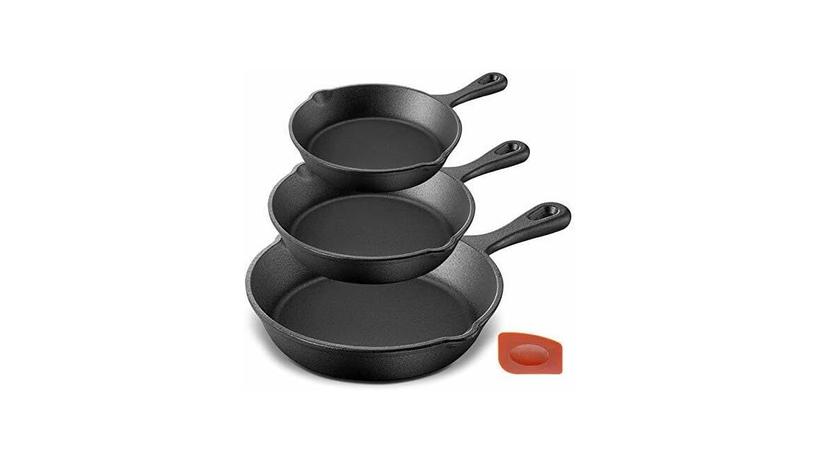
Cast iron cookware is known for its excellent heat retention, meaning it gets hot and stays hot, perfect for searing. When seasoned properly with oil, it develops a natural non-stick surface. As you cook with it, it can actually leach small amounts of iron into your food. This can be a benefit for people with iron deficiencies, but it might not be ideal for those who already have too much iron. Cast iron is very durable, lasting for generations, but it can rust if not dried and oiled after washing. It’s also heavy and can react with very acidic foods if the seasoning is thin or damaged. -
Non-Stick Coatings (Teflon and Ceramic)
Non-stick pans are incredibly convenient for everyday cooking, especially for delicate foods like eggs or fish. The most common type is coated with PTFE (polytetrafluoroethylene), often known by the brand name Teflon. When used correctly and not overheated, modern non-stick coatings are considered safe. However, if these pans are heated to very high temperatures (above 500°F or 260°C), they can release fumes that are harmful to birds and can cause flu-like symptoms in humans. Scratches can also compromise the coating. Ceramic non-stick coatings are newer and often marketed as a greener alternative. They are made from silicon dioxide and are generally safe as they don’t contain PTFE. However, their non-stick properties may not last as long as traditional coatings. -
Enameled Cast Iron
This is cast iron that has been coated with a layer of enamel, a type of glass. This coating makes it non-reactive, meaning it won’t interact with acidic foods, and it also prevents rust. It offers the great heat retention of cast iron without the risk of iron leaching or the need for constant re-seasoning. Enameled cast iron is excellent for braising, stewing, and baking. The enamel can chip if dropped or subjected to extreme temperature changes, but if cared for, it’s a very safe and versatile option.
A study published in the Journal of the American Medical Association found that trace amounts of nickel can leach from stainless steel cookware, but these levels are generally considered too low to cause harm in most people. Another study highlighted that iron leached from cast iron cookware is often beneficial, especially for women and vegetarians.
The Safest Cookware For Everyday Cooking Explained
Now that we’ve explored the different materials, let’s focus on which cookware is safest for everyday cooking. This involves looking at the combination of safety, practicality, and how well the cookware performs for common cooking tasks. We want something that works well without posing health risks, even with frequent use.
Top Safe Cookware Choices
When you’re trying to figure out which cookware is safest for everyday cooking, a few materials consistently rise to the top. These are favored for their stability, lack of harmful chemical leaching, and good performance.
-
High-Quality Stainless Steel
For general everyday use, high-quality stainless steel is a fantastic, safe choice. Look for multi-ply construction (like tri-ply or five-ply) where layers of stainless steel are bonded with a core of aluminum or copper. This ensures even heating and prevents food from sticking excessively. It’s resistant to rust and corrosion, won’t react with any type of food, and is very durable. It’s ideal for boiling, simmering, sautéing, and even frying. Its non-reactive nature means your food’s flavor stays pure. -
Enameled Cast Iron
This is another excellent option, especially for dishes that require long, slow cooking or high oven temperatures. The enamel coating provides a smooth, non-stick surface that is completely inert, meaning it will never react with your food. It’s perfect for everything from searing meats to making sauces and stews. The only drawback is its price, as it can be more expensive than other types. But its durability and safety make it a worthwhile investment for many home cooks. -
Cast Iron (Seasoned)
If you are diligent about seasoning and caring for your cast iron, it is a very safe and healthy choice. The natural non-stick surface develops over time, and the small amount of iron that leaches into food can be beneficial. It’s perfect for achieving a great sear on steaks or cooking cornbread. However, it requires more maintenance than stainless steel or enameled cast iron. It’s not ideal for cooking highly acidic dishes for extended periods if the seasoning isn’t robust.
Materials to Use With Caution
While many modern cookware options are safe, some require more careful handling or are best avoided for daily use if you’re concerned about potential risks.
-
Non-Stick Cookware
As mentioned, modern non-stick pans are generally safe when used as intended. This means avoiding extreme heat and using non-metal utensils to prevent scratches. If your non-stick pan is heavily scratched or worn, it’s best to -
Copper Cookware
Pure copper cookware can be highly reactive with food, especially acidic ingredients. This can lead to copper leaching into your food, which can be toxic in larger amounts. For this reason, copper cookware is almost always lined with another metal, such as stainless steel or tin. If the lining is intact, copper cookware can be safe. However, if the lining is damaged, it poses a risk. It’s often used by professional chefs for its precise temperature control, but for everyday safety, lined copper or other materials are generally preferred. -
Aluminum Cookware (Uncoated)
Bare aluminum can react with acidic foods and has been linked in some older studies to health concerns, though the evidence is not conclusive. Most aluminum cookware today is anodized or coated to create a barrier. Anodized aluminum is more durable and less reactive. However, if you have older, uncoated aluminum pans, it’s best to use them with caution or for less sensitive cooking tasks.
A report from the World Health Organization (WHO) states that aluminum is ubiquitous in the environment and that dietary intake of aluminum is generally low, with minimal absorption by the body. However, it’s still wise to minimize unnecessary exposure.
Comparing Safe Cookware Options
To help you visualize the differences, let’s compare some of the top safe choices.
| Cookware Type | Pros | Cons | Best For |
|---|---|---|---|
| High-Quality Stainless Steel | Non-reactive, durable, easy to clean, good heat distribution (with clad base) | Food can stick if not used properly, lighter weight can mean less heat retention than cast iron | All-purpose cooking, sauces, boiling, simmering, sautéing |
| Enameled Cast Iron | Excellent heat retention, non-reactive, non-stick surface, durable, oven-safe | Heavy, can be expensive, enamel can chip if mishandled | Braising, stews, soups, baking, slow cooking |
| Seasoned Cast Iron | Great heat retention, develops natural non-stick, can add iron to food, very durable | Requires seasoning and maintenance, can rust if not cared for, can react with acidic foods if seasoning is weak | Searing, frying, baking (like cornbread), pan-roasting |
Choosing between these often comes down to your cooking style and preferences. For instance, if you love making slow-cooked stews, enameled cast iron is a prime candidate. If you want a pan that can go from stovetop to oven and handle almost anything, high-quality stainless steel is your best bet.
How To Choose The Safest Cookware For Your Kitchen
Making the decision about which cookware is safest for everyday cooking involves considering your personal needs and cooking habits. It’s not just about the material itself, but how you plan to use it. Here are some tips to guide your selection process.
Assessing Your Cooking Habits
Think about what you cook most often. Do you fry eggs every morning? Do you simmer sauces for hours?
Do you bake bread or roast meats? Different cookware excels at different tasks.
-
Daily Meals
For quick weeknight dinners, things like sautéing vegetables, searing chicken, or making pasta sauces are common. Stainless steel is excellent for this because it heats evenly and is easy to clean up quickly after a busy day. It handles a variety of cooking methods without fuss. -
Specialty Cooking
If you often make dishes like braised short ribs, hearty stews, or crusty breads, then cast iron or enameled cast iron will serve you better. Their ability to retain and distribute heat evenly is perfect for these types of long, slow cooking processes where a consistent temperature is key to tender results. -
High-Heat Cooking
For tasks like searing steaks at very high temperatures, well-seasoned cast iron is a champ. Stainless steel can also handle high heat, but you need to be careful not to burn food if the heat is too intense. Non-stick pans should generally be avoided for very high-heat searing to prevent damage to the coating.
Reading Labels And Certifications
When shopping for new cookware, pay attention to labels and any certifications. While there aren’t always official “safe to use” certifications like you see for baby products, reputable brands will often provide information about their materials and manufacturing processes.
-
Material Information
Look for descriptions that clearly state the materials used. For stainless steel, terms like “18/10” or “18/8” refer to the chromium and nickel content, indicating food-grade quality. For non-stick, ensure it’s PFOA-free, as PFOA was a chemical used in older non-stick manufacturing that has been phased out due to health concerns. Modern PTFE coatings are considered safe if used properly. -
Brand Reputation
Consider brands known for quality and transparency. Established cookware manufacturers often invest in research and development to ensure their products are not only functional but also safe for consumers. Reading reviews from other users can also give you insights into real-world performance and durability. -
Manufacturing Processes
Some brands highlight their manufacturing processes, like “clad construction” for stainless steel or “e-coating” for cast iron. These details can indicate a higher quality and safer product that is designed for better performance and longevity.
Budget Considerations
The cost of cookware can vary widely. While some of the safest and most durable options, like high-quality stainless steel and enameled cast iron, can be an investment, there are also budget-friendly choices that remain safe for everyday use.
-
Investing in Key Pieces
It’s often better to invest in a few high-quality, safe pieces that you’ll use most often rather than buying a cheap set that might not last or be as safe. For example, a good stainless steel skillet and a Dutch oven can cover many cooking needs. -
Looking for Sales and Deals
Many reputable brands go on sale during holiday seasons or special shopping events. Keeping an eye out can help you acquire better quality cookware at a lower price. -
Considering Material Costs
While pure copper or titanium can be expensive, materials like stainless steel and cast iron offer excellent safety and performance at a more accessible price point, especially when purchased from reliable sources.
A 2023 survey on consumer purchasing habits revealed that 65% of home cooks consider durability and material safety to be the most important factors when buying cookware, even more than brand name or price.
Example Scenario 1 A Beginner’s Choice
Sarah is a young professional who just moved into her own apartment. She loves cooking healthy meals but is overwhelmed by cookware choices. She decides to start with a set of mid-range, tri-ply stainless steel pots and pans.
She also buys a single, well-seasoned cast iron skillet. For her everyday cooking, she finds the stainless steel works great for boiling pasta, making quick stir-fries, and simmering sauces. The cast iron skillet is perfect for her morning eggs and occasional pan-seared chicken breasts.
This combination gives her versatility and peace of mind.
Example Scenario 2 A Family’s Needs
The Chen family has two young children and often cooks large meals. They prioritize durability and safety above all else. They own a large enameled cast iron Dutch oven that they use for making big batches of chili and stews, and it holds up perfectly.
For daily cooking, they have a set of high-quality stainless steel pots and pans that are easy to clean after messy meals. They avoid non-stick pans for everyday use, opting to use their stainless steel or cast iron for almost all cooking tasks to minimize any potential concerns.
Maintaining Your Cookware For Lasting Safety
Once you’ve chosen your safe cookware, taking good care of it is essential to ensure it continues to perform well and remain safe for years to come. Proper maintenance prevents damage and preserves the integrity of the materials.
Cleaning And Care Guidelines
How you clean your cookware can significantly impact its lifespan and safety. Always follow the manufacturer’s specific care instructions.
-
Washing By Hand
For most cookware, especially cast iron and non-stick, hand washing is recommended. Use warm, soapy water and a soft sponge or cloth. Avoid abrasive scrubbers or harsh detergents that can scratch surfaces or damage coatings. Rinse thoroughly and dry immediately to prevent water spots or rust. -
Dishwasher Use
While some stainless steel cookware is labeled as dishwasher safe, frequent use of a dishwasher can dull finishes and potentially shorten the lifespan of the pan, especially if it has layered construction. Non-stick coatings should almost always be hand-washed to preserve their integrity. Enameled cast iron can often be hand-washed, but check the manufacturer’s guide. -
Drying And Storage
Always dry your cookware completely after washing. For cast iron, this often involves a light oiling after drying to maintain the seasoning and prevent rust. Store your pans carefully to avoid scratches. Using pan protectors or placing a cloth between stacked pans can prevent damage to surfaces, especially non-stick and enameled finishes.
When To Replace Your Cookware
Even the best cookware will eventually wear out. Knowing when to replace a piece is part of safe cooking practices.
-
Damaged Non-Stick Coatings
If your non-stick pan has deep scratches, is flaking, or has lost its non-stick properties, it’s time to replace it. These imperfections can indicate that the coating is breaking down, and tiny particles might leach into food. -
Warped Or Damaged Stainless Steel
If a stainless steel pan has a significantly warped base, it will heat unevenly, leading to burnt food and frustration. Significant dents or damage to the clad layers also suggest it’s time for a replacement. -
Rusty Or Chipped Cast Iron
While cast iron is very durable, severe rust that cannot be removed through re-seasoning, or chips in the enamel of enameled cast iron, can compromise its safety and performance. Small rust spots on seasoned cast iron can usually be cleaned and re-seasoned.
A survey of home cooks found that the average lifespan of a non-stick pan is about 3-5 years before it needs
Avoiding Overheating
Overheating is a common mistake that can damage cookware and potentially make it unsafe. For non-stick pans, exceeding their recommended temperature (usually around 500°F or 260°C) can cause the coating to degrade and release fumes.
-
Preheating Safely
When preheating stainless steel or cast iron, use medium heat initially and then adjust as needed. For non-stick, medium heat is usually sufficient for most cooking tasks. Never leave an empty pan heating on the stove unattended. -
Using Appropriate Heat Levels
Understand that different materials conduct heat differently. Cast iron retains heat exceptionally well, so you might need lower heat settings than you would with thinner stainless steel. Using the right heat level prevents scorching and unnecessary wear on your cookware. -
Using Oil Or Fat
For stainless steel and cast iron, using a small amount of oil or fat can help prevent food from sticking, especially during the initial heating phase. This also adds a layer of protection and helps distribute heat more evenly.
Frequently Asked Questions
Question: Is Teflon cookware safe for everyday use
Answer: Modern Teflon (PTFE) cookware is considered safe for everyday use when used according to manufacturer instructions. It is important not to overheat the pan, as this can cause the coating to break down and release fumes. Also, avoid using metal utensils that can scratch the surface.
Question: Should I worry about chemicals leaching from stainless steel pots
Answer: High-quality stainless steel cookware is designed to be non-reactive and safe for food contact. While trace amounts of metals like nickel can leach, they are generally considered too low to pose a health risk for most people. Look for reputable brands and food-grade stainless steel.
Question: What is the best safest non-stick pan material
Answer: Ceramic non-stick coatings are often considered a safer alternative as they do not contain PTFE. However, their non-stick properties may not last as long as traditional PTFE coatings. For the longest-lasting and most durable non-stick, well-maintained PTFE pans are still a popular and safe choice.
Question: Can I use my cast iron skillet on an induction cooktop
Answer: Yes, most cast iron skillets are induction-compatible because they are magnetic. You can test if your skillet is induction-ready by seeing if a magnet sticks to the bottom. Enameled cast iron is also often induction compatible.
Question: How do I know if my cookware is truly safe
Answer: Look for cookware made from inert materials like high-quality stainless steel, enameled cast iron, or well-maintained seasoned cast iron. Avoid cookware with damaged coatings or that shows signs of wear and tear. Reputable brands often provide information about their materials and safety standards.
Conclusion
To ensure the healthiest meals, choose cookware made from stable materials like high-quality stainless steel or enameled cast iron. These options are non-reactive and durable for consistent safety. Seasoned cast iron is also a great, healthy choice with proper care.
By selecting wisely and maintaining your cookware well, you create a safe foundation for delicious everyday cooking.

Leave a Reply