
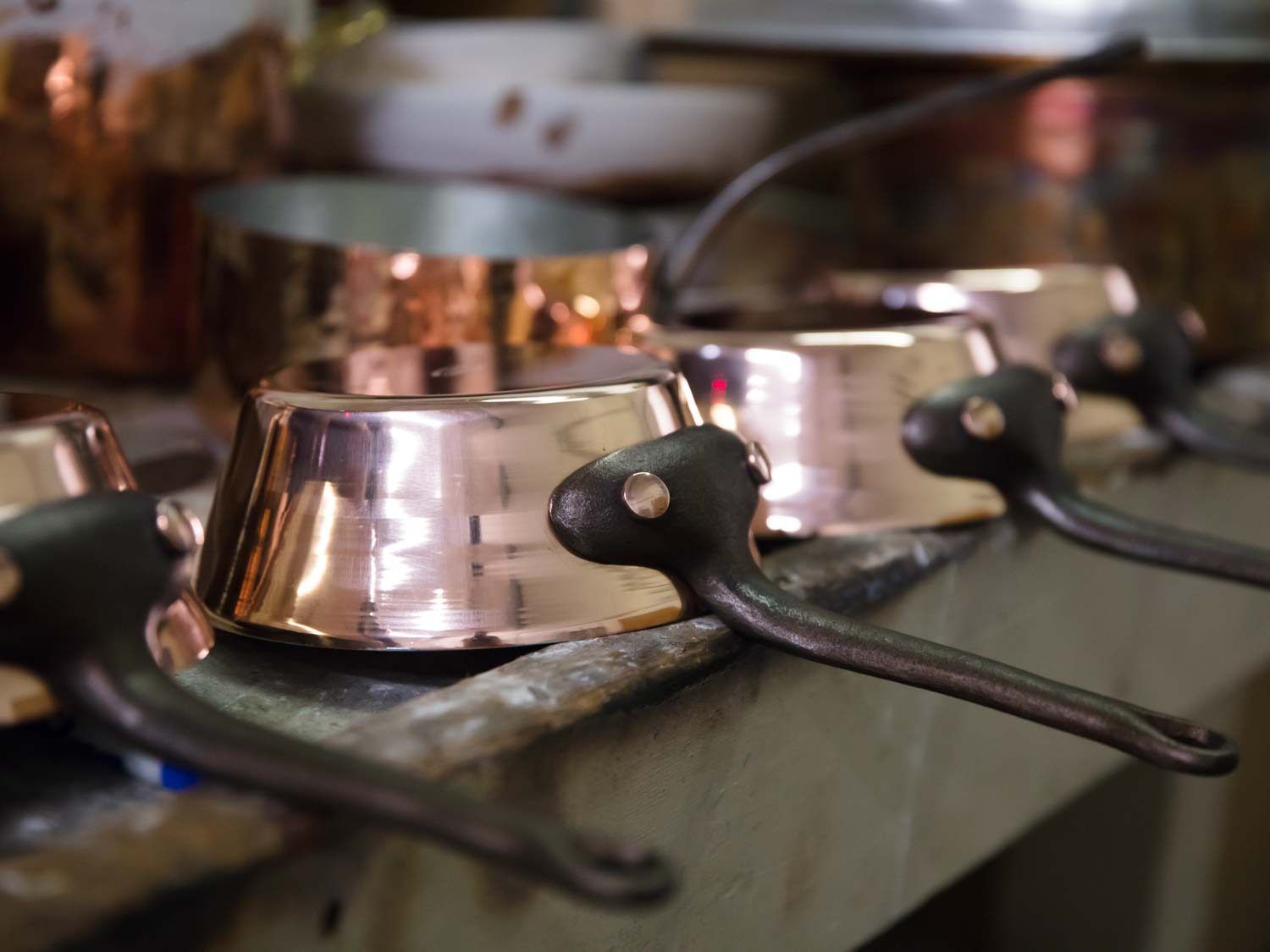
Use copper cookware when precise temperature control and even heat distribution are essential. It is ideal for cooking delicate sauces and dishes that require finesse.
When to Use Copper Cookware:Copper cookware stands out in the culinary world for its superior heat conductivity and control, making it a top choice for chefs and cooking enthusiasts alike. Its unmatched ability to quickly respond to temperature changes ensures that sensitive ingredients can be cooked with precision.
The aesthetic appeal of copper pots and pans also adds a touch of elegance to any kitchen. They require a bit of maintenance to keep their shine, but the performance they offer is worth the effort. As you embark on culinary adventures, copper cookware can be your ally for everything from melting chocolate to simmering a velvety sauce.
The Appeal Of Copper Cookware In Modern Kitchens
The modern kitchen shines with copper cookware. Its glow adds warmth and elegance. Chefs and home cooks love it for both its looks and performance. Let’s explore why this timeless material remains a top choice for culinary enthusiasts.
Aesthetic And Functional Benefits
Copper cookware offers more than just stunning looks. It’s a top performer in the kitchen.
- Even heat distribution: Copper heats quickly and evenly.
- Sensitive to temperature changes: Reacts fast to the stove adjustments.
- Glossy finish: Adds a touch of luxury to any kitchen decor.
These features make cooking precise and enjoyable.
Historical Significance
Copper pots and pans have a rich history. They’ve been used for centuries.
| Time Period | Use of Copper |
|---|---|
| Ancient Times | First cookware choice for its durability. |
| 18th Century | Popular among professional chefs for consistency. |
| Today | Valued for both tradition and performance. |
This history adds value to each piece of copper cookware in a modern kitchen.
Credit: www.reddit.com
Key Properties Of Copper That Enhance Cooking
Copper cookware stands out in the kitchen. Its unique qualities make it a top choice for chefs and home cooks. Understanding the key properties of copper will highlight why it’s often the go-to material for cooking.
Superior Heat Conductivity
Copper ranks highest in heat conductivity among cookware materials. This feature allows for an even heat distribution across the cooking surface. It ensures that foods cook uniformly, without hot spots. Copper pots and pans heat up quickly, cutting down on preparation time.
Temperature Control
With copper cookware, adjusting temperature becomes a precise science. Copper responds to temperature changes almost instantly. This gives cooks the ability to prevent overcooking. Delicate dishes benefit from such control. Chocolate melting and sauces simmering require specific temperatures. Copper makes these tasks easier.
| Property | Benefit |
|---|---|
| Heat Conductivity | Even cooking, no hot spots |
| Temperature Control | Quick response to changes |
- Even heating ensures perfect cooking results.
- Instant temperature change avoids overcooking.
Ideal Dishes To Prepare Using Copper Cookware
Discover the culinary excellence of copper cookware with the perfect dishes. Copper’s superior heat conductivity makes certain recipes shine. Let’s explore the ideal dishes to prepare in this premium kitchenware.
Sauces And Chocolates
Copper pots offer unmatched control for delicate recipes. They heat up and cool down fast. This prevents sauces from sticking or burning. Bold your sauces with copper for a velvety finish.
- Hollandaise: Silky and smooth, never overheats.
- Béchamel: Stays lump-free with even heat distribution.
- Chocolate: Melts evenly, perfect for tempering.
Seafood Delicacies
Seafood cooks quickly and needs gentle, even heat. Copper pans excel here. They cook seafood to perfection, keeping it moist and flavorful.
- Seared Scallops: Get a golden crust with no sticking.
- Shrimp: Cooks fast, remains tender and juicy.
Credit: www.youtube.com
Comparing Copper With Other Cookware Materials
Choosing the right cookware is key to kitchen success. Copper pots and pans are popular for their even heat distribution. Yet, how do they stack up against other materials? This section compares copper with stainless steel and cast iron.
Copper Vs. Stainless Steel
Copper heats up fast and cools down quickly. Stainless steel takes longer to warm up and cool. Copper reacts to temperature changes swiftly. Stainless steel does not react as fast. This makes copper great for sauces and delicate foods. Stainless steel is better for browning and searing.
| Copper | Stainless Steel |
|---|---|
| Excellent heat conductivity | Good durability |
| Quick temperature control | Non-reactive with foods |
| Requires polishing | Easy to maintain |
Copper Vs. Cast Iron
Copper and cast iron serve different cooking needs. Cast iron holds heat for a long time. Copper changes temperature with ease. Cast iron works well for slow cooking and frying. Copper shines with quick sautéing and simmering.
- Copper: Perfect for precise cooking.
- Cast Iron: Retains heat, ideal for long cooking.
Copper requires more care to prevent tarnishing. Cast iron needs seasoning to keep its non-stick surface.
Maintaining Your Copper Cookware
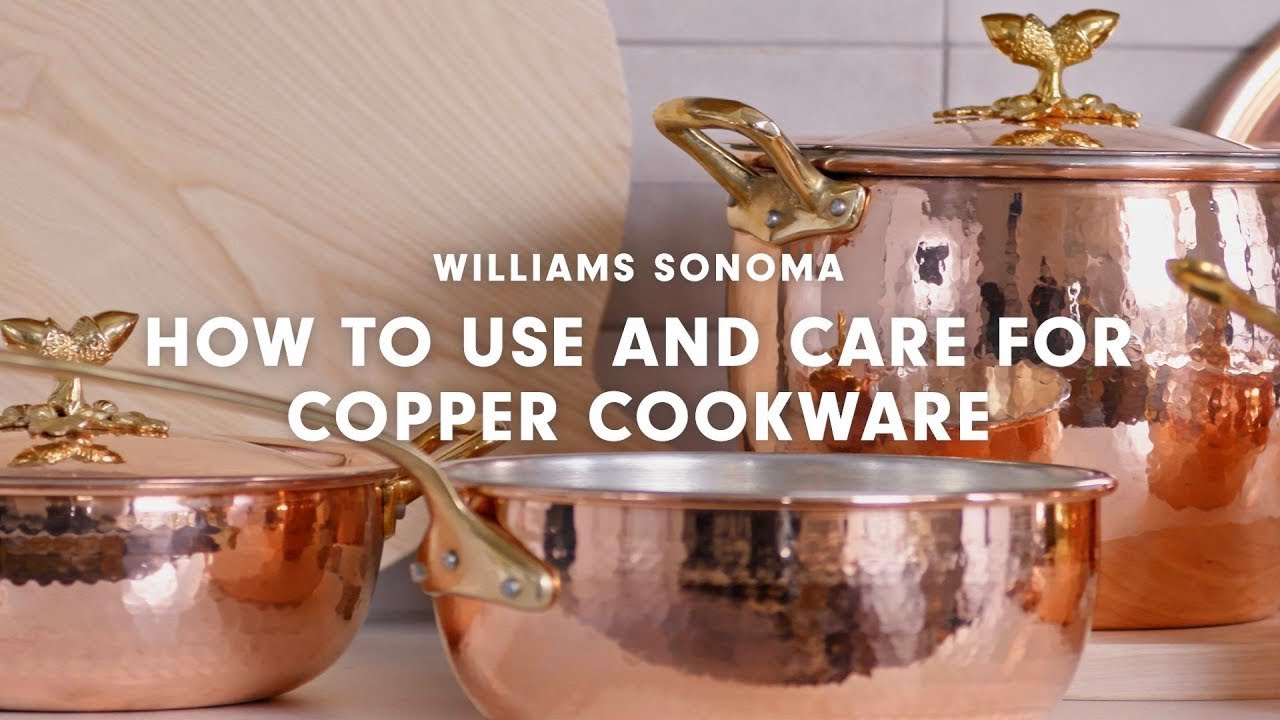
Maintaining your copper cookware is essential for its longevity and performance. Copper pots and pans require a bit more care than your average cookware. Regular upkeep keeps them shining like new. A well-maintained copper set can be the jewel of your kitchen. Let’s explore the best ways to keep your copper cookware in top condition.
Regular Cleaning Tips
- Wash with warm, soapy water after each use.
- Use a soft sponge to avoid scratches.
- Rinse well and dry immediately to prevent spots.
- For tough food residue, use a paste of equal parts salt and flour with a few drops of vinegar. Apply gently and rinse.
Tarnish Removal Techniques
Over time, copper can tarnish. This affects its look but not its cooking ability. Here’s how to bring back the shine:
- Make a paste with lemon juice and baking soda.
- Apply with a soft cloth in circular motions.
- Rinse with warm water and dry thoroughly.
- For heavy tarnish, use a commercial copper cleaner following the instructions.
The Do’s And Don’ts Of Cooking With Copper
Copper cookware elevates kitchen aesthetics and cooking performance. It’s crucial to know the do’s and don’ts for the best results and safety. This section will cover essential tips for cooking with copper.
Safe Cooking Practices
When cooking with copper, safety comes first. Follow these tips:
- Always line copper with a non-reactive metal.
- Use wooden or silicone utensils to prevent scratches.
- Keep your cookware clean and dry to avoid tarnishing.
- Monitor heat levels as copper conducts heat rapidly.
Foods To Avoid
Some foods don’t pair well with copper. Here’s a quick list:
| Food Type | Reason to Avoid |
|---|---|
| Acidic Foods | Can cause leaching. |
| Dairy Products | May lead to discoloration. |
| Fish | Can develop a metallic taste. |
When To Choose Copper Cookware Over Others
Deciding on the right cookware transforms how you cook and enjoy food. Copper cookware shines in both function and beauty. It offers superior heat conductivity and control. This makes it a favorite for both home cooks and professional chefs. Understanding when to opt for copper can elevate your cooking to the next level.
Considering Your Cooking Style
Copper cookware excels in tasks requiring precise temperature control. It heats up quickly and cools down just as fast. This feature is perfect for:
- Making delicate sauces
- Chocolate melting
- Searing meats
- Sautéing vegetables
These tasks benefit from copper’s even heat distribution. Cooks seeking finesse in their dishes should consider copper. Its responsiveness to temperature changes is unmatched.
Assessing Kitchen Needs
Different cookware serves different purposes. Copper may not be necessary for all cooking needs. Yet, for certain culinary endeavors, it stands out. Use copper when:
| Task | Benefit of Copper |
|---|---|
| Simmering | Even heat prevents sticking |
| Candy making | Precise temperature control |
| Frying | Quick heat adjustment |
| Baking | Uniform browning |
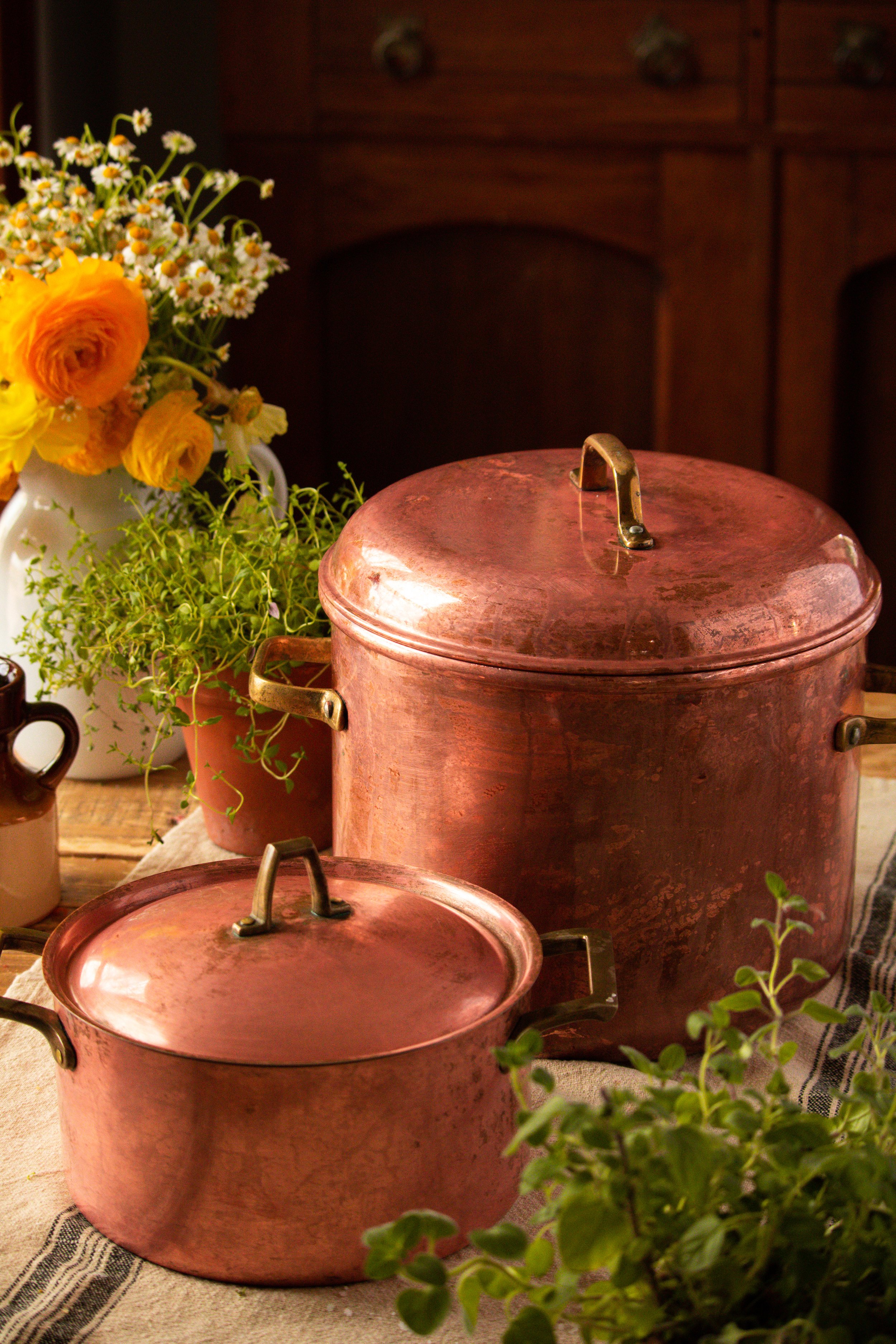
Choose copper for its advantages in specific culinary tasks. Its unmatched heat conduction makes it ideal for recipes that demand precision.
Credit: underatinroof.com
Investing In Copper Cookware: Worth The Price?
Many home chefs ponder the value of copper cookware. Its price often raises questions. Is it a wise investment? Let’s explore the benefits and lasting value of copper pots and pans.
Longevity And Durability
Copper cookware stands the test of time. Its durability is unparalleled. With proper care, these pieces can last for generations. This makes them a one-time investment for many.
- Resists warping and denting
- Handles high heat without damage
- Requires regular polishing and maintenance
Maintaining copper cookware is key to its longevity. Regular polishing keeps it functional and beautiful.
Value Over Time
Copper cookware may seem expensive at first glance. But consider its value over time. High quality means less frequent replacements. This saves money long-term.
| Initial Cost | Years of Use | Cost Per Year |
|---|---|---|
| High | Many | Low |
Compare this to cheaper options. They often need replacing every few years. The cost adds up. Copper’s lasting quality offers great value over time.
Frequently Asked Questions
What Should Not Be Cooked In Copper?
Avoid cooking acidic foods like tomatoes in copper, as they can lead to copper leaching into the food. Stick to recipes that don’t involve acidic ingredients to ensure safety and maintain the integrity of your copper cookware.
What Is Copper Cookware Best For?
Copper cookware excels in precise temperature control, making it ideal for cooking sensitive dishes like sauces and chocolates. Its excellent heat conductivity ensures even cooking, enhancing flavors in various recipes.
Why Avoid Copper Cookware?
Copper cookware can leach copper into food, posing health risks, and requires regular maintenance to prevent tarnishing.
What Are Two Drawbacks To Copper Pans?
Copper pans conduct heat quickly but can warp under high temperatures. They also require regular polishing to prevent tarnishing.
Conclusion
Selecting the right cookware is crucial for any kitchen. Copper pots and pans offer unmatched heat conductivity and precision in cooking. Embrace these timeless pieces for their beauty and functionality. Remember, the best culinary creations start with the right tools.
Let copper cookware be your ally in the journey to culinary excellence.

Leave a Reply