
You should avoid using a non-stick pan for high-heat cooking or under a broiler. Non-stick pans are unsuitable for flambéing dishes due to their heat-sensitive coatings.
When Should You Not Use a Non-Stick Pan:Non-stick cookware has revolutionized home cooking, offering convenient, easy-to-clean solutions for everyday meal preparation. These pans are a staple in kitchens worldwide, thanks to their ability to ensure food releases smoothly without clinging to the surface. Despite their widespread popularity, there are certain scenarios where non-stick pans fall short.
Understanding when to opt for alternative cookware is essential to preserve the integrity of your dishes and extend the life of your non-stick pans. Choosing the right pan for the task not only enhances your cooking experience but also prevents potential health hazards associated with deteriorating non-stick surfaces.
The Composition Of Non-stick Pans
Understanding non-stick pans is key to using them right. Their composition decides when to use them or not. Let’s dive into what makes up these pans.
Materials Used
Non-stick pans come from various materials. Each has its own benefits. The most common are:
- Aluminum – Lightweight and heats up quickly.
- Stainless Steel – Durable and resistant to rust.
- Ceramic – A good heat distributor and eco-friendly.
Choosing the right material affects the pan’s heat handling and durability.
Coating Types
The coating makes the pan non-stick. But not all coatings are the same. Here are the types:
| Type | Benefits | Considerations |
|---|---|---|
| PTFE (Teflon) | Easy to clean, Low friction | Releases toxic fumes at high heat |
| Ceramic | Non-toxic, Heat resistant | Less durable than PTFE |
| Silicone | Flexible, Non-toxic | Not for high heat cooking |
Knowing the coating type helps in choosing the right pan. It also tells you when not to use a non-stick pan.
Benefits Of Non-stick Cookware
The kitchen shines with the gleam of non-stick cookware. These pans offer benefits that make cooking a delight. Let’s explore why these culinary tools are kitchen must-haves.
Ease Of Cooking
Non-stick pans turn cooking into an easy task. Their smooth surfaces mean ingredients don’t stick. Even heat distribution cooks meals perfectly. Beginners and pros both enjoy this simplicity.
- Less oil is needed, promoting healthier meals.
- Delicate foods like eggs or fish won’t break apart.
- Temperature control is more forgiving, reducing burnt dishes.
Cleaning Advantages
Cleanup is a breeze with non-stick surfaces. Stubborn food residue simply wipes away. Less scrubbing saves time and protects the pan.
| Feature | Benefit |
|---|---|
| Easy to Clean | Quick wipe-down after use |
| No Harsh Scrubbing | Preserves pan surface |
| Dishwasher Safe | Convenient for busy cooks |
Non-stick cookware can stay in prime condition for years. Remember to use soft sponges or cloths. This care keeps your pans ready for their next use.
High Heat Cooking: A Non-stick No-no
High Heat Cooking: A Non-Stick No-No often raises questions among home cooks. Non-stick pans are popular for their convenience. Yet, they come with specific rules for use. One crucial guideline is to avoid high-temperature cooking.
Risks Of Overheating
Non-stick pans contain a coating called polytetrafluoroethylene (PTFE), commonly known as Teflon. When exposed to high heat, this coating starts to break down and release toxins. These fumes can cause flu-like symptoms, a condition known as Teflon flu. In pets, especially birds, the fumes can be fatal. To maintain safety and pan longevity, keep temperatures below 500 degrees Fahrenheit.
Alternatives For High-temperature Cooking
For tasks like searing meat or stir-frying at high temperatures, consider these alternatives:
- Cast Iron Skillets: Ideal for high heat, add flavor over time.
- Stainless Steel Pans: Durable and can withstand intense heat.
- Carbon Steel Woks: Perfect for quick, high-heat stir-fries.
Each alternative offers unique benefits and can handle the heat that non-stick pans cannot. Choose based on cooking needs and recipe requirements.
Metal Utensils And Non-stick Surfaces
Non-stick pans make cooking and cleanup a breeze. But, they need special care. Metal utensils can scratch non-stick coatings. Over time, these scratches harm the pan’s surface.
Potential For Damage
Using metal utensils on non-stick surfaces is risky. These tools can cause deep scratches and peeling. Damaged pans lose their non-stick abilities. They can even become unsafe. Pieces of the coating might mix with food.
Recommended Utensils
To keep non-stick pans safe, use the right tools. Wooden, silicone, or plastic utensils are best. They are gentle on the pan’s surface. This care extends the pan’s life.
- Wooden spoons: Durable and gentle.
- Silicone spatulas: Heat-resistant and flexible.
- Plastic tongs: Safe for grabbing and turning food.
Remember, quality tools keep non-stick pans in top shape. Enjoy hassle-free cooking with the right utensils!
Cooking Acidic Foods
Cooking acidic foods in non-stick pans is a topic worth noting.
Tomatoes, lemons, and vinegars are common in kitchens.
They bring zest and flavor to dishes. Yet, they can harm non-stick surfaces.
Chemical Reactions With Coatings
Non-stick pans have coatings that resist sticking. But, acidic foods can break them down.
This can release toxic compounds into your food.
Cooking with low heat can reduce risks. Still, avoiding such reactions is best.
- High heat speeds up chemical breakdown.
- Coatings can flake off into your meal.
- Non-stick surfaces can wear out faster.
Better Cookware Choices For Acidity
Certain materials handle acidic foods better. Stainless steel and cast iron are great options.
| Cookware Type | Acidic Food Friendly |
|---|---|
| Stainless Steel | Yes |
| Cast Iron | Yes, if seasoned |
| Non-Stick | No |
Stainless steel does not react with acids. Cast iron can, if not properly seasoned.
Preserve non-stick pans by choosing these for acidic dishes.

Credit: www.reddit.com
Flavor Development And Searing
Let’s talk about Flavor Development and Searing. When cooking, these steps add rich flavors to our food. But, there’s a catch. Not all pans can handle this job well. Especially, non-stick pans.
Limitations Of Non-stick Pans
Non-stick pans have their perks. They’re great for easy cooking and cleaning. Yet, they fall short in two key areas:
- High Heat: Non-stick coatings can’t handle high temperatures. This makes them unsuitable for searing.
- Flavor Development: The smooth surface of non-stick pans limits the Maillard reaction. This reaction is crucial for flavor when browning meat.
Searing Techniques In Other Cookware
For perfect searing, other cookware shines. Here’s why:
- Cast Iron Skillets: They withstand high heat. This makes them ideal for searing.
- Stainless Steel Pans: These pans excel in flavor development. They allow for the Maillard reaction to occur.
Both types of cookware can handle the heat needed for a good sear. They also help in creating those tasty bits at the bottom of the pan. These bits are key for delicious sauces and gravies.
Safety Concerns With Non-stick Coatings
Safety Concerns with Non-Stick Coatings spark a vital discussion. Non-stick pans offer convenience but carry risks. Understanding these can ensure safer kitchen practices.
Toxic Fumes And Health
Non-stick pans are coated with a material called polytetrafluoroethylene (PTFE). When overheated, PTFE releases toxic fumes. These fumes can cause flu-like symptoms known as Teflon flu or polymer fume fever. Birds, with their delicate respiratory systems, are particularly at risk and can die from exposure to these fumes. To minimize risks, always cook on low to medium heat and ensure good kitchen ventilation.
Signs Of Wear And Replacement
Over time, non-stick pans show signs of wear. These signs include:
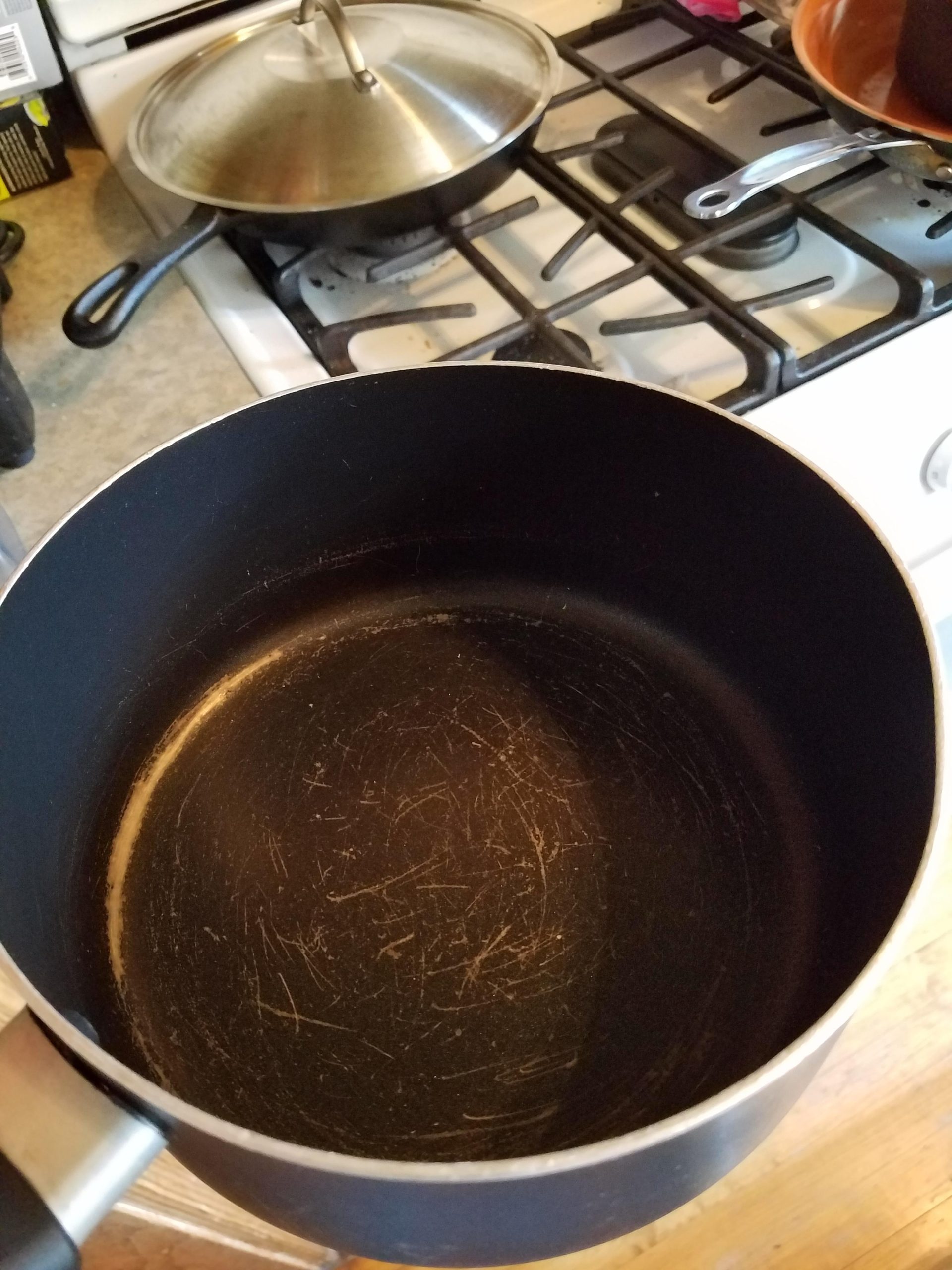
- Scratches on the surface.
- Peeling of the non-stick coating.
- Discoloration, indicating damage.
These signs suggest it’s time for a replacement. Using damaged pans can lead to more particles and chemicals in your food. For safety, replace your non-stick pan every few years, or sooner if it shows significant wear.

Credit: prudentreviews.com
Non-stick Pans And Induction Cooktops
Exploring the relationship between non-stick pans and induction cooktops reveals vital usage insights. Non-stick pans offer convenience but may face challenges with induction cooktops. Understanding these cookware dynamics ensures optimal cooking experiences.
Compatibility Issues
Not all non-stick pans work with induction cooktops. Induction cooktops require pans with magnetic bases. Non-stick pans with aluminum or copper bases won’t heat up. Look for non-stick pans with a magnetic layer or choose cast iron and stainless steel with non-stick coatings. Check pan bases before use to avoid disappointment.
Optimizing Cookware For Induction
- Select pans with induction-compatible symbols.
- Choose pans with a flat base for even heat distribution.
- Ensure the non-stick coating is undamaged.
Using the right pans enhances cooking performance and maintains the non-stick surface. The cookware’s base should contain iron to interact with the induction cooktop. Confirm your non-stick pan’s induction readiness before cooking. This guarantees fast, efficient, and effective meal preparation.
Preserving Your Non-stick Pan
Non-stick pans are a staple in kitchens for their convenience. Yet, proper care is key. This ensures longevity and safety. Read on to learn how to keep your pan in top shape.
Proper Cleaning Methods
Cleaning your non-stick pan correctly prevents damage. Here’s how:
- Wait for the pan to cool before washing.
- Use warm soapy water to clean the pan.
- Avoid abrasive scrubbers. Opt for a soft sponge or cloth.
- Gently scrub to remove food residue.
- Rinse thoroughly with water.
- Dry with a soft towel to prevent water spots.
Storage Tips
Storing your non-stick pan properly is crucial. Follow these tips:
- Ensure the pan is completely dry.
- Avoid stacking pans directly on top of each other.
- Use pan protectors or soft cloths between pans.
- Choose a cool, dry place for storage.
The Environmental Impact Of Discarding Non-stick Pans
The Environmental Impact of Discarding Non-Stick Pans often goes unnoticed. Non-stick pans are popular for their convenience. Over time, they degrade and can pose environmental hazards. Proper disposal is crucial. Let’s explore the reasons and find eco-friendly alternatives.
Disposal Concerns
Non-stick pans contain chemicals that can harm the environment. Polytetrafluoroethylene (PTFE), the coating that creates the non-stick surface, is a concern when pans are thrown away. Incorrect disposal can lead to these chemicals leaching into landfills. This affects soil and water quality. Burning these pans can release toxic fumes into the air.
Recycling options for non-stick pans are limited. Many recycling centers do not accept them due to the specialized process needed. This leads to more pans ending up in landfills. Awareness of proper disposal methods is essential.
Eco-friendly Alternatives
Choosing eco-friendly cookware is a sustainable option. Materials like cast iron, stainless steel, and ceramic are great alternatives. These materials are durable and often recyclable. They offer a safer cooking experience without harmful chemicals.
- Cast iron: Lasts for generations with proper care.
- Stainless steel: Highly recyclable and does not degrade over time.
- Ceramic: A non-toxic alternative that is also effective.
Investing in these alternatives reduces the need for frequent replacements. This choice supports a healthier environment. Eco-friendly cookware can also improve the quality of your food.
Credit: www.quora.com
Frequently Asked Questions
When Should You Stop Using Non-stick Pans?
Stop using non-stick pans if the coating starts peeling, scratching, or changing color. Discard them when they emit a chemical smell while cooking. Replace pans every five years to ensure safety.
Why You Shouldn’t Cook With Nonstick Pans?
Cooking with nonstick pans at high temperatures can release toxic chemicals. Nonstick coatings can also break down, flaking into food. Use them at low to medium heat for safety.
Why Do Chefs Not Use Non-stick Pans?
Chefs often avoid non-stick pans due to their poor heat tolerance and inability to achieve a proper sear on foods. Non-stick coatings can also degrade and release harmful chemicals at high temperatures, making them less durable for professional kitchens.
What Should I Not Cook In A Non-stick Pan?
Avoid cooking at high temperatures in non-stick pans. Don’t use metal utensils to prevent scratching. Keep these pans away from broilers or open flames. Refrain from cooking sticky foods like honey-based glazes. Avoid preheating an empty non-stick pan.
Conclusion
Understanding the right time to avoid non-stick pans is essential for both your cooking and health. Opt for alternatives like stainless steel or cast iron when high heat is required or when using metal utensils. Keep your kitchen safe and your meals delicious by choosing the correct cookware for each dish.

Leave a Reply