
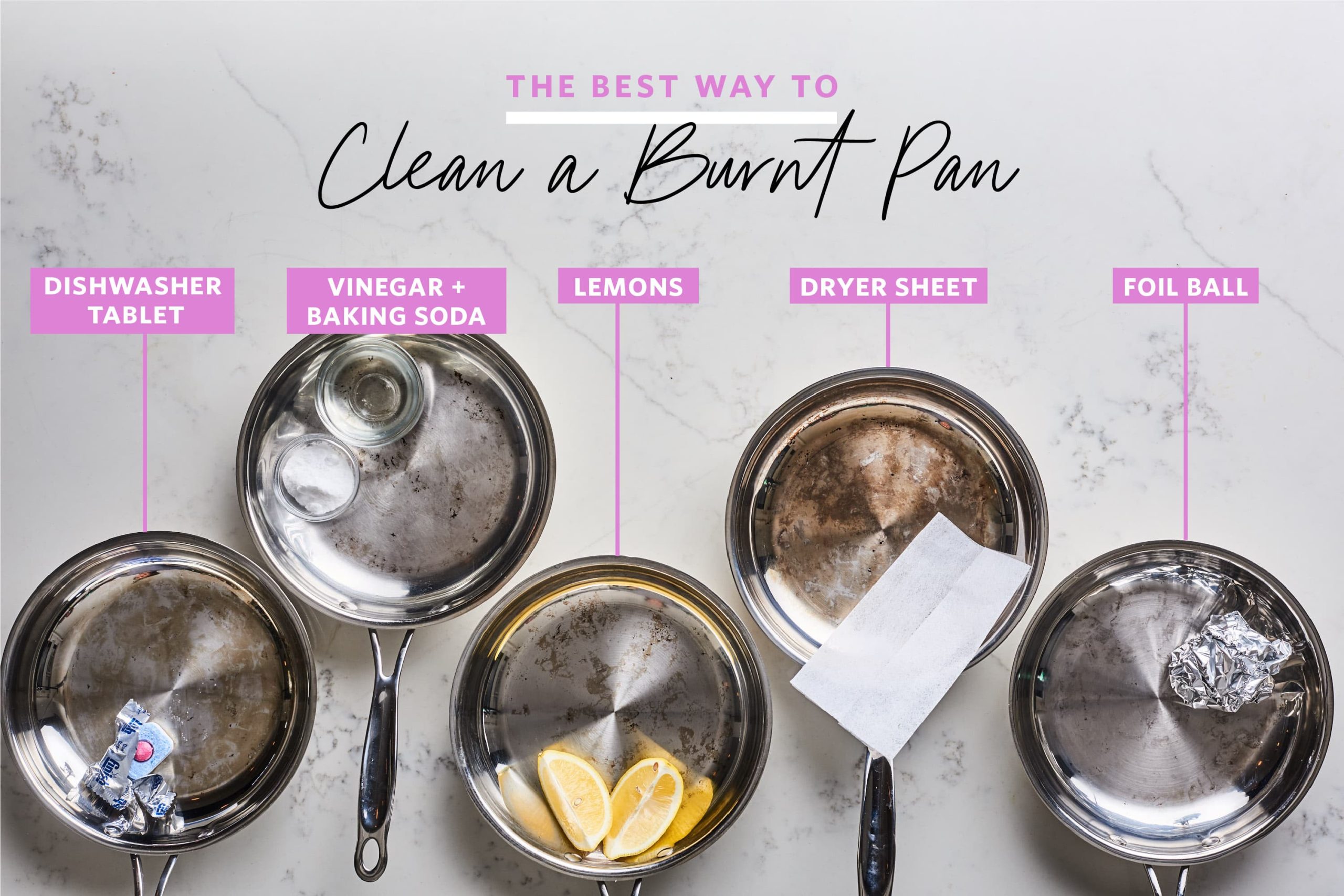
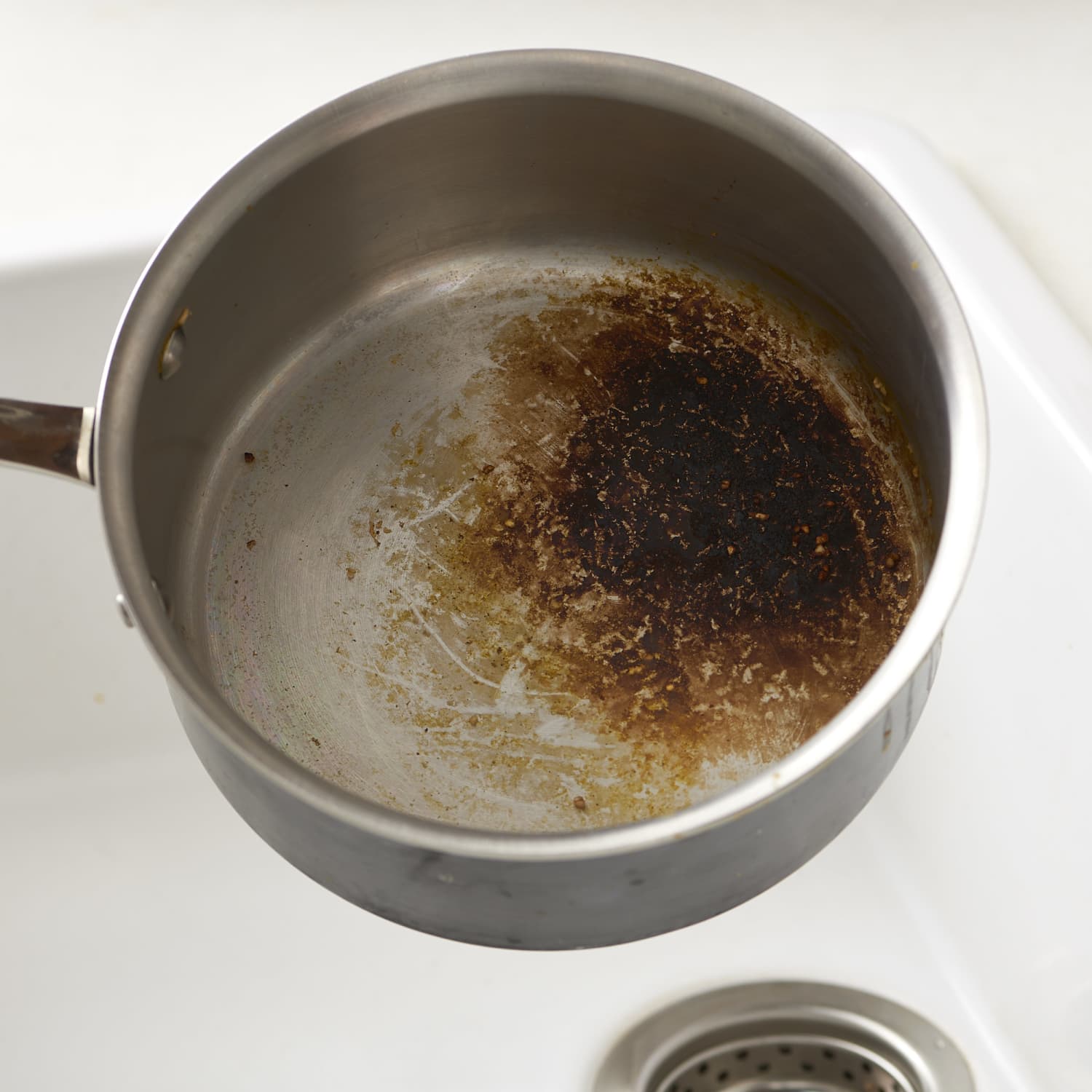
To fix a burned pan, immediately soak it in hot water with dish soap. Scrub the pan after it has soaked to remove the burn marks.
What to Do If You Burn a Pan:Dealing with a burned pan can be frustrating, but it’s a common kitchen mishap. Whether you’ve scorched your favorite saucepan or have a skillet with a layer of burnt food, there are effective methods to restore your cookware. Quick action is key to minimizing damage and making cleanup easier.
The process involves a combination of soaking, scrubbing, and sometimes, using household ingredients to break down the charred residue. This introduction sets the stage for a practical guide on salvaging your cookware, offering handy tips that cater to both novice cooks and seasoned kitchen enthusiasts. With the right approach, a burned pan doesn’t have to spell disaster for your cooking utensils.
Credit: www.thekitchn.com
Introduction To Burnt Pan Predicaments
We’ve all been there. You start cooking, get distracted, and suddenly, your pan is burnt. It’s a common kitchen mishap. This post aims to tackle the dreaded burnt pan. We’ll explore why acting fast is crucial.
The Dreaded Burnt Pan
Burning a pan can happen to anyone. It can ruin both your pan and your meal. Understanding how to handle this situation can save the day. Let’s dive into solutions that can turn the situation around.
Why Swift Action Is Key
Quick action can prevent damage. It can make cleaning easier. The longer you wait, the harder it becomes to clean. Here’s why:
- Prevents permanent damage: Fast action can save your pan.
- Reduces cleaning effort: Immediate action simplifies cleaning.
- Keeps your kitchen safe: Quick responses can avoid smoke and fumes.

Credit: www.reddit.com
Assessing The Damage
Assessing the Damage is key after burning a pan.
First, cool the pan down.
Then, look closely at the pan.
Determine what kind of burn and damage it has.
Types Of Burns On Pans
- Surface Burns: These are light and often easy to clean.
- Charred Food Burns: Food sticks hard on the surface.
- Deep Burns: These may cause permanent marks or warping.
Material Considerations
| Pan Material | Cleaning Method |
|---|---|
| Stainless Steel | Use baking soda and water. |
| Non-stick | Soak in warm soapy water. |
| Cast Iron | Scrub with coarse salt. |
| Copper | Apply vinegar and salt. |
The Baking Soda Method
Accidents happen in the kitchen, and burnt pans can be a real nuisance. The Baking Soda Method offers a simple, effective solution to this common problem. With natural cleaning properties, baking soda can make your pan look as good as new. Let’s explore how to use this household staple to rescue a burnt pan.
Step-by-step Baking Soda Rescue
- Allow the pan to cool. Never handle a hot pan.
- Remove loose debris. Discard any burnt food particles.
- Sprinkle baking soda. Cover the burnt area with a generous amount.
- Add water. Pour just enough to create a paste.
- Let it sit. Allow the mixture to work for several hours, or overnight.
- Scrub gently. Use a non-abrasive scrubber to protect your pan’s surface.
- Rinse thoroughly. Wash away residue with warm water.
- Dry the pan. Use a clean towel to prevent water spots.
Why Baking Soda Works Wonders
Baking soda, a mild alkali, breaks down grease effectively. Its abrasive texture aids in scrubbing away burnt residue without scratching the pan. The chemical reaction with water releases bubbles, which help to lift grime from the surface. This natural cleaner is non-toxic, making it safe for use on food surfaces.
Vinegar’s Magic Touch
Ever scorched a pan while cooking? Fear not, vinegar might just be your culinary savior. This common household ingredient is not only for salads but also an amazing cleaning agent. Let’s explore how vinegar can turn that charred disaster into a shiny pan once again.
Combining Vinegar And Heat
Burnt pans stand no chance against the power of heated vinegar. Follow these simple steps:
- Pour enough white vinegar to cover the burnt area.
- Heat the pan on the stove until the vinegar comes to a boil.
- Simmer for a few minutes, then cool.
- Scrub with a non-abrasive sponge.
The heat helps to loosen the burnt particles, making them easier to scrub away.
The Science Behind Vinegar Cleaning
Vinegar is acidic, which is why it cleans so well. Here’s the science in simple terms:
| Ingredient | Property | Action |
|---|---|---|
| Vinegar (Acetic Acid) | Acidic | Breaks down burnt residues |
Acetic acid in vinegar dissolves the bond between burnt food and the pan. This makes the residue easy to remove.
Leveraging The Power Of Lemons
When a pan burns, it can seem like the end of its shiny days. But fear not! Lemons, those zesty citrus fruits, come to the rescue. Their natural acidity works wonders on even the toughest of scorch marks. Let’s explore how lemons can bring back the sparkle to your pans without harsh chemicals.
Natural Cleaning With Citrus
Forget about abrasive cleaners. Lemons provide a safe, effective way to clean burnt pans. The citric acid in lemons breaks down burnt residue. This makes cleaning easier and safer for your pans. Here’s a quick guide:
- Cut a lemon into halves or slices.
- Squeeze the juice over the burnt area.
- Let it sit for a few minutes to soak.
- Scrub gently with a non-abrasive sponge.
- Rinse the pan with water and dry it.
Boiling Lemon Water For Pan Healing
For tougher burns, boiling lemon water in the pan is a magical fix. The steam and citric acid combination loosen the burnt bits. Here’s how to do it:
- Fill the pan with water.
- Add lemon slices or juice to the water.
- Boil for several minutes.
- Turn off the heat and let it cool slightly.
- Scrape the softened food residue.
- Empty the pan and wash as usual.
By using lemons, you not only clean your pans but also avoid harsh chemicals. This leaves your kitchen smelling fresh. It’s a win-win for your cookware and your nose!
Salt Scrubs For Stubborn Spots
Ever burned a pan? Don’t worry! Salt scrubs can save your pan.
This method is cheap, easy, and effective. Let’s see how salt tackles those tough spots.
Coarse Salt For Tough Residue
Coarse salt works wonders on hard-to-remove residue.
It’s simple:
- Sprinkle a generous amount of coarse salt on the pan.
- Use a damp sponge to scrub the salt around the pan.
- Watch as the salt lifts the residue.
- Rinse the pan clean.
A Salty Soak To Save The Day
Sometimes, scrubbing isn’t enough. A salty soak might help.
- Fill the pan with water.
- Add a cup of salt.
- Let it soak overnight.
- Scrub and rinse the next day.
This method loosens the gunk, making it easy to clean.
| Method | Material | Action | Result |
|---|---|---|---|
| Scrub | Coarse Salt | Scrub with sponge | Clean pan |
| Soak | Salt & Water | Soak overnight | Easy residue removal |
Commercial Cleaners As A Last Resort
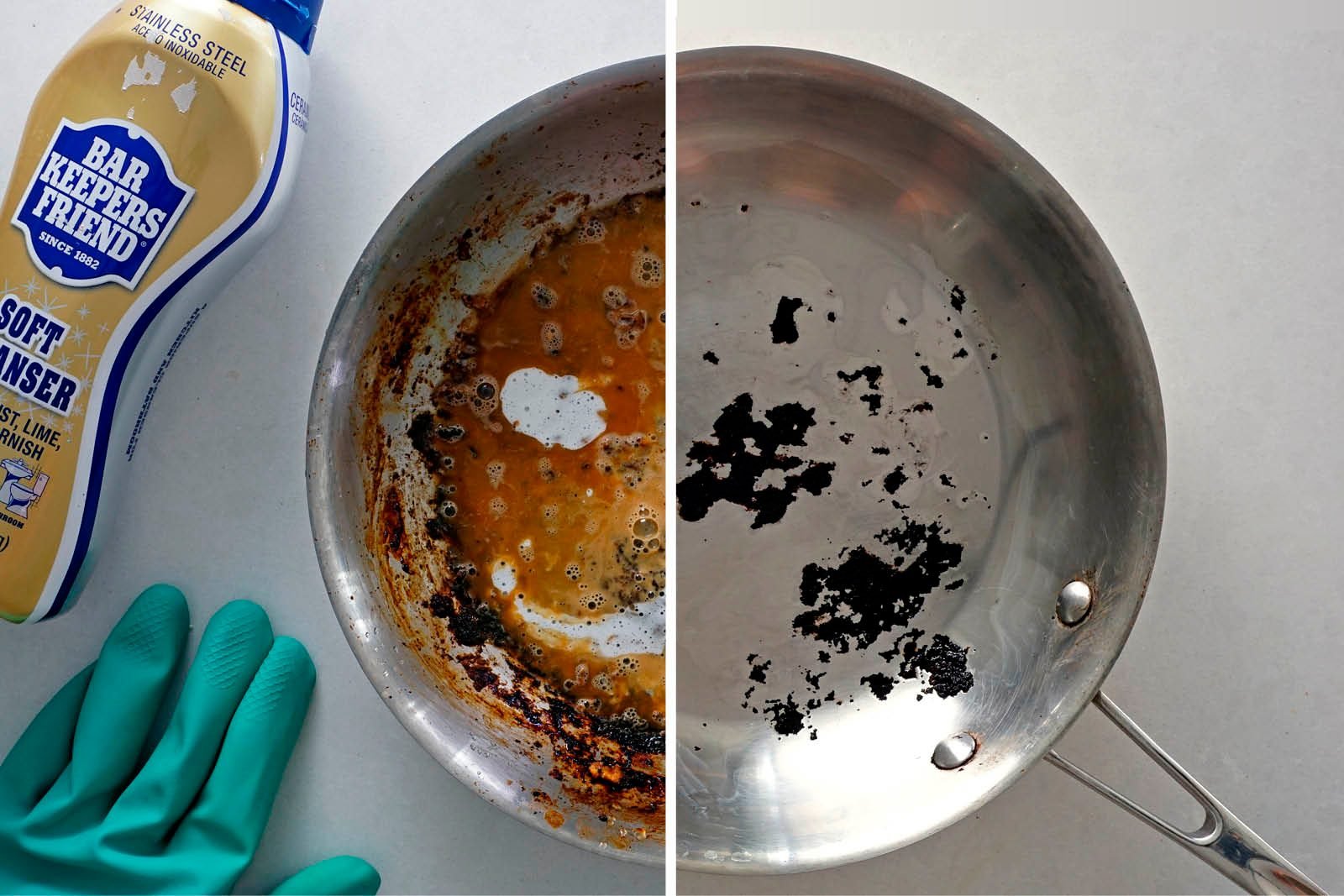
Sometimes, home remedies don’t clean burnt pans. That’s when commercial cleaners help. They’re strong and effective. But, use them as a last resort. Let’s explore when and how to use these powerful solutions safely.
When To Choose Chemical Solutions
Consider chemical cleaners when:
- Baking soda and vinegar fail.
- The burn is too deep or old.
- You need a quick solution.
Chemical cleaners save time and effort. Yet, they’re for tough cases only.
Precautions With Powerful Cleaners
Using strong cleaners needs care. Follow these steps:
- Read the instructions carefully.
- Wear gloves to protect your hands.
- Open windows for ventilation.
- Keep children and pets away.
- Rinse the pan thoroughly after cleaning.
These steps keep you safe while using chemical cleaners.
Credit: www.tasteofhome.com
Preventative Measures For The Future
Let’s talk about how to stop pans from burning in the future. A burnt pan is a hassle you can avoid. With the right steps, your cookware can last longer.
Tips To Avoid Burning Pans Again
Keep an eye on your cooking. Distractions cause burns. Use a timer if you must step away.
- Choose the right heat. High heat isn’t always best. Match the heat to the dish.
- Stir regularly. This prevents sticking and burning.
- Non-stick sprays help. A quick spray keeps food from clinging.
Maintaining Your Cookware’s Longevity
Care for your pans to make them last. Clean them right after use. Use gentle cleaners and soft sponges. Store pans properly.
| Cookware Type | Cleaning Method | Storage Tip |
|---|---|---|
| Stainless Steel | Soak, then scrub gently. | Hang or stack with padding. |
| Non-Stick | Wipe with soft cloth. | Use pan protectors. |
| Cast Iron | Oil after washing. | Keep dry, avoid stacking. |
Regular maintenance keeps pans at their best. Avoid metal utensils that scratch. Season cast iron as needed.
Real-life Burnt Pan Experiences
Everyone has a kitchen tale or two to tell, especially when it comes to burnt pans. These stories often become a part of family lore, shared at gatherings with a mix of humor and a pinch of embarrassment. They teach us lessons in a way that no recipe ever could. So, let’s dive into some real-life burnt pan experiences.
Stories Of Culinary Mishaps
Grandma’s Thanksgiving Turkey – One year, Grandma forgot the turkey was still in the oven. Guests arrived to a smoky welcome. The pan was black, the bird was charred, and the smoke alarm was the dinner bell. Lesson? Always set a timer!
The Midnight Snack Gone Wrong – A sleepy snack craving led to a pan left on the stove. The smell of burnt popcorn woke everyone up. The pan took the brunt of it. Remember, late-night cooking demands extra attention.
Lessons Learned The Hard Way
- Never Leave Cooking Unattended – An important rule that came from a scorched soup pot.
- Lower Heat Works Wonders – High heat isn’t always your friend. A melted chocolate disaster proved that.
- Invest in Quality Cookware – Cheap pans warp and burn easily. A ruined birthday cake highlighted this need.
Conclusion: Reviving Your Cookware
Now, let’s bring those pans back to life. A burn might seem like the end, but it’s not.
The Satisfaction Of A Restored Pan
Cleaning your burnt pan can be rewarding. It’s not just about the shine. It’s about overcoming a kitchen mishap. With the right tools and steps, even the darkest burns fade away. Imagine cooking in a pan you revived with your own hands. It’s a testament to your resilience in the kitchen.
Final Thoughts On Pan Resilience
Your cookware is tougher than you think. With proper care and effort, most pans bounce back from burns. Resilience is a trait shared between chefs and their tools. Remember, the right cleaning method can work wonders. Your pan’s comeback story starts with you.
- Assess the damage.
- Select the best cleaning method.
- Apply some elbow grease.
- Rinse and dry your pan.
Follow these steps, and your cookware will thank you. Happy cooking!
Frequently Asked Questions
Can A Burnt Pan Be Saved?
Yes, a burnt pan can often be restored. Use baking soda and vinegar or lemon juice to scrub the affected area, then rinse thoroughly. Regular cleaning helps prevent damage.
How To Fix A Pan That’s Burnt?
To fix a burnt pan, fill it with hot water and add one cup of white vinegar. Heat the mixture, then remove from heat and add two tablespoons of baking soda. After the fizzing stops, scrub gently with a non-abrasive pad and rinse clean.
How Do You Deal With A Burning Pan?
Turn off the heat immediately. Cover the pan with a metal lid to smother flames. Never use water; it can cause splattering and spread the fire. For grease fires, sprinkle baking soda to extinguish flames. Always keep a fire extinguisher nearby for emergencies.
What To Do When You Burn Food In A Pan?
Turn off the stove and remove the pan from heat. Allow the pan to cool before soaking it in warm, soapy water. Gently scrub the burnt residue away, rinse thoroughly, and dry the pan. Use a specialized cleaner for stubborn burns.
Conclusion
Dealing with a burnt pan can be daunting, but it’s not the end of your cookware. By following the tips shared, such as soaking in hot water or using baking soda, you can tackle the mess effectively. Remember, patience and the right methods will restore your pan’s shine, keeping your kitchen adventures on track.




Leave a Reply