
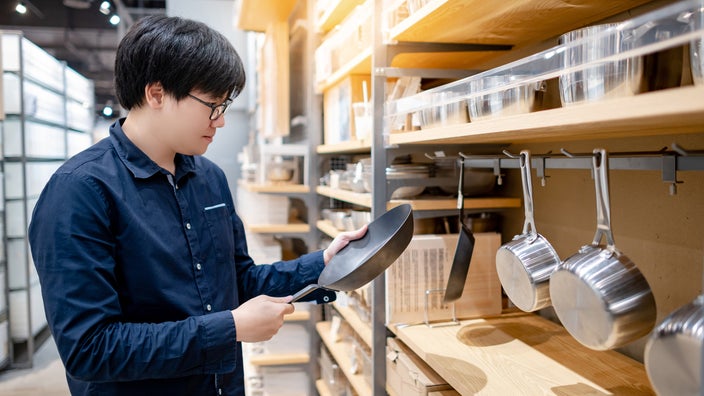
Avoid non-stick coatings that can peel off and pots and pans made from materials that don’t distribute heat evenly. Steer clear of cookware with weak handles or poor durability.
What to Avoid When Buying Pots And Pans:Selecting the right cookware is crucial for any kitchen, whether you’re a seasoned chef or a home cooking enthusiast. Quality pots and pans are the cornerstone of preparing delicious meals, but with the vast array of options available, it’s easy to make a purchase you might regret.
The right materials can mean the difference between even cooking and a burnt dish. Durability, maintenance, and safety are key factors to consider when investing in new cookware. With the proper guidance, you can equip your kitchen with tools that will serve you well for years to come. This introduction aims to set you on the right path to choosing cookware that not only meets your culinary needs but also stands the test of time.

Credit: www.amazon.com
Introduction To Cookware Shopping
Embarking on the quest for new cookware is exciting. Kitchens deserve the best tools. The right pots and pans elevate cooking from routine to art. Yet, shoppers often make errors. These errors cost money, time, and food quality. Knowledge is power in cookware shopping.
Importance Of Quality Cookware
Quality cookware is a kitchen staple. It ensures even cooking, longevity, and safety. Superior pots and pans can improve flavor. They also reduce the risk of burnt meals. Investing in quality means investing in your food’s taste and nutrition.
Common Mistakes
- Ignoring Material: Each material has pros and cons. Choose based on cooking style.
- Skimping on Price: Cheap often leads to frequent replacements. Aim for long-term value.
- Oversizing: Match cookware size to your typical portions. Large pots waste space and energy.
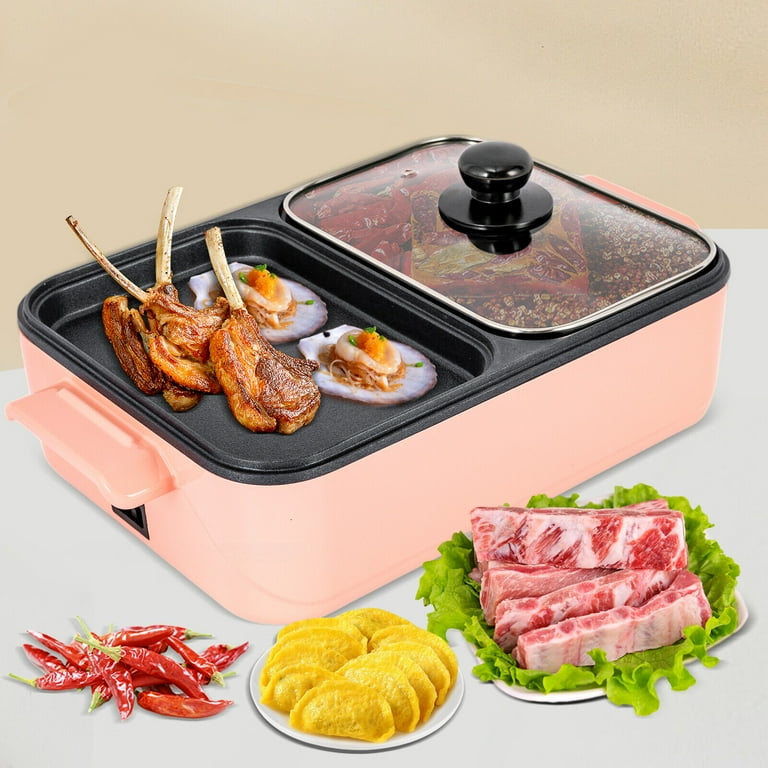
- Forgetting Compatibility: Ensure pots work with your stove type. Induction stoves need compatible bases.
- Overlooking Care: Some materials require special care. Non-stick pans need gentle utensils.
Credit: www.walmart.com
Ignoring Material Quality
Choosing the right pots and pans is crucial for any kitchen. Ignoring material quality can lead to poor cooking results and frequent replacements. Let’s dive into why the material matters so much.
Impact On Cooking Performance
Material quality directly affects how pots and pans perform. High-quality materials ensure even heat distribution, preventing hotspots. This leads to better-cooked meals.
- Aluminum: Heats quickly but may react with acidic foods.
- Stainless Steel: Durable and non-reactive, but heats slowly.
- Cast Iron: Retains heat well, ideal for searing, needs seasoning.
- Copper: Excellent heat conductor, but can be pricey.
Choose materials that match your cooking style for the best experience.
Longevity Concerns
Pots and pans of high-quality materials last longer. They resist warping, scratching, and tarnishing. With proper care, they can last for years.
| Material | Longevity |
|---|---|
| Stainless Steel | Many years with proper maintenance |
| Nonstick Coatings | Less durable, often need replacing within a few years |
| Cast Iron | Can last generations with seasoning and care |
| Copper | Long-lasting with regular polishing |
Invest in quality materials to avoid frequent replacements and save money in the long run.
Overlooking Compatibility
Choosing the right pots and pans is crucial. One common mistake is ignoring compatibility. Cookware must match your cooktop and oven requirements. Let’s explore the key factors to watch for.
Induction And Non-induction Issues
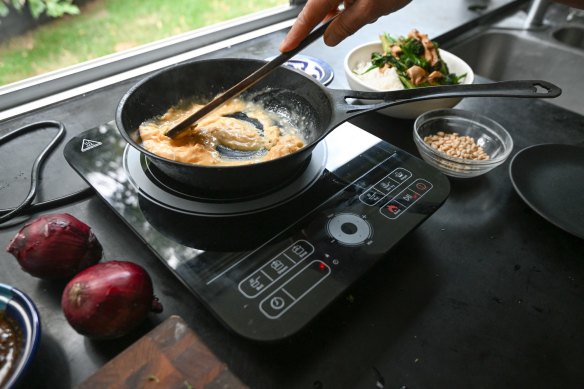
Induction cooktops need magnetic cookware. Not all pots and pans work on them. Always check for induction compatibility before buying. Look for a magnet symbol or test with a fridge magnet.
- Check labels for induction suitability.
- Use a magnet test on the base.
- Avoid cookware with no induction marking.
Oven-safe Temperatures
Oven use demands heat-resistant cookware. Each pot and pan has a max oven-safe temperature. Exceeding this limit can damage them. It’s essential to know these limits.
| Material | Max Oven-Safe Temp |
|---|---|
| Stainless Steel | 500°F |
| Nonstick | 350°F – 500°F |
| Cast Iron | Up to 600°F |
Check product details for temperature limits. Use cookware within its safe range. This ensures longevity and safe cooking.
- Read product specifications carefully.
- Match cookware with your common cooking temperatures.
- Avoid using pots and pans beyond their heat limits.
Choosing Style Over Function
When shopping for pots and pans, it’s tempting to pick the prettiest set. But choosing style over function can lead to kitchen woes. Let’s explore why usability should trump aesthetic appeal when selecting your cookware.
Aesthetic Appeal Vs. Usability
Shiny finishes and colorful coatings might catch your eye on the store shelf. Yet, these features don’t guarantee performance. Quality material and construction matter more for cooking results and longevity.
- Non-stick coatings can degrade if not high quality.
- Beautiful exterior paints may chip over time.
- Handles should be comfortable and stay cool.
Trendy But Impractical Choices
Currently trending cookware may look great in your kitchen. Yet, it may not suit your cooking style. Copper pots are in vogue but require polishing. Heavy cast iron is durable but may be too weighty for some.
| Trendy Material | Considerations |
|---|---|
| Copper | High maintenance, conducts heat quickly. |
| Cast Iron | Heavy, requires seasoning, lasts long. |
| Aluminum | Light, affordable, may warp with high heat. |
Choose cookware that matches your needs. Think about clean-up, storage, and cooking habits. Prioritize function to ensure your pots and pans serve you well.
Neglecting Weight And Balance
Neglecting the weight and balance of pots and pans can lead to cooking mishaps. Opt for kitchenware that feels comfortable and stable in your hands.
Choosing the right pots and pans is crucial. Weight and balance play a key role. Heavy items may be durable but can cause strain. Too light, and they may not cook evenly. Balance ensures stability and control. Ignore these, and cooking becomes a chore, not a joy.
Handling And Comfort
- Look for a comfortable grip.
- Test the handle’s feel before buying.
- Ensure handles stay cool on the stove.
- Opt for ergonomic designs for ease.
Pots and pans should feel like an extension of your arm. A good grip means safe, enjoyable cooking.
Safety In The Kitchen
- Check for a secure handle attachment.
- Avoid wobbly cookware to prevent spills.
- Select items with balanced weight distribution.
- Confirm that the base sits flat on burners.
Safe cookware prevents accidents. It also ensures delicious meals. Balance and weight are not just about comfort. They are about your safety, too.
Skimping On Sets Vs. Individual Pieces
Deciding between buying a full set of pots and pans or picking individual pieces can be tricky. Let’s dive into what to avoid to make a smart kitchen investment.
Cost-efficiency Analysis
It’s tempting to buy a complete cookware set for the perceived savings. But be cautious. Sets often include pieces you might not use, which means wasted money. Consider these points:
- Price per piece is lower in sets.
- Sets may include unnecessary items.
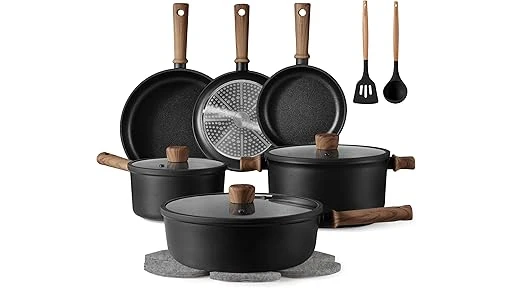
- Quality over quantity matters more.
Analyze your cooking habits. Do you really need that small saucepan? Or would a larger, more versatile piece serve you better?
Customizing Your Cookware Collection
Building your collection one piece at a time has benefits:
- You get exactly what you need.
- You can invest in higher-quality pieces.
- Your cookware will match your cooking style.
Think about your favorite dishes. Choose pans that make those meals shine. This way, each item in your kitchen has a purpose.
Falling For Gimmicks
Shopping for new kitchenware can be exciting. Yet, it’s easy to fall for clever marketing tricks. This section helps you spot gimmicks and make wise choices.
Marketing Hypes To Ignore
Non-stick revolution promises often exaggerate. Most pans perform similarly. Forever sharp claims on knives are not always true. Magic heat distribution is just science, not sorcery. Be wary of lifetime guarantees with fine print.
- Ultra-durable coatings
- Never-seen-before materials
- One-size-fits-all solutions
Genuine Innovation Vs. Gimmicks
True innovation in cookware enhances cooking and lasts longer. Look for verified reviews and reputable brands. Research material benefits like cast iron’s durability. Smart designs like stackable sets save space.
| Gimmick | Innovation |
|---|---|
| Exaggerated features | Functional improvements |
| Fancy jargon | Proven technology |
| Overpriced sets | Cost-effective quality |
Forgetting Maintenance And Care
Many shoppers focus on price and design when choosing pots and pans. They often forget maintenance and care. This mistake can lead to early wear and tear. Proper maintenance ensures your cookware lasts longer and performs better. Let’s explore the best materials and care tips for your kitchen investments.
Easy-to-clean Materials
Select pots and pans made from easy-to-clean materials. Non-stick surfaces and stainless steel are top choices. Non-stick coatings offer hassle-free cleaning. Stainless steel is durable and resists staining. Avoid materials that require complex cleaning routines. Your time in the kitchen should be enjoyable, not spent scrubbing cookware.
Durability And Care Tips
Invest in durable cookware that withstands daily use. Cast iron and anodized aluminum are robust. They require specific care but last for decades. Here are some quick care tips:
- Cast Iron: Season regularly, avoid soap, and dry thoroughly.
- Anodized Aluminum: Use gentle cleaners and avoid abrasive sponges.
- Non-Stick Pans: Use wooden or silicone utensils to prevent scratches.
- Stainless Steel: Soak before cleaning and polish to maintain shine.
Remember, proper care extends the life of your pots and pans. Always read the manufacturer’s instructions for the best results.
Conclusion: Smart Cookware Choices
Making smart choices in buying pots and pans is crucial. This section will guide you through making the best decisions for your kitchen. Let’s dive into the summary and final recommendations for smart cookware choices.
Summary Of Key Points
- Avoid cheap, low-quality materials.
- Non-stick surfaces should be safe and durable.
- Consider the type of cooking you do most.
- Match cookware with your stove type.
- Opt for oven-safe handles if you often bake.
Final Recommendations
Selecting the right cookware involves careful thought. Here are our top picks:
| Material | Pros | Cons |
|---|---|---|
| Stainless Steel | Durable, Easy to Clean | Can be pricey |
| Cast Iron | Retains Heat Well, Long-lasting | Heavy, Needs Seasoning |
| Ceramic | Non-toxic, Non-stick | Less Durable |
Remember, the best choice depends on your cooking style and needs. Choose wisely and cook happily!
Credit: www.smh.com.au
Frequently Asked Questions
How Do I Know If My Pots And Pans Are Toxic?
Check your pots and pans for peeling non-stick coatings, which can release toxic substances. Avoid those with PFOA, PFAS, lead, or cadmium. Look for certifications indicating safety, such as FDA approval, and consider materials known for being non-toxic, like stainless steel, ceramic, or cast iron.
What Cookware Not To Buy?
Avoid buying non-stick cookware with PFOA, cheap ceramic-coated pans, aluminum pots without a proper coating, and cookware with flimsy handles or loose lids. Opt for durable, safe materials instead.
What To Look Out For When Buying Pots?
Consider material durability and heat distribution; ensure compatibility with your stove type. Check for a comfortable, secure grip. Opt for pots with lids for versatile cooking. Verify ease of cleaning, preferring dishwasher-safe options.
What Material Is Bad For Pots And Pans?
Materials to avoid for pots and pans include Teflon (PTFE) due to potential toxic fume release at high temperatures, and uncoated aluminum, which can react with acidic foods. Opt for safer alternatives like stainless steel, cast iron, or ceramic-coated cookware for better health and cooking results.
Conclusion
Selecting the right pots and pans is key to a great kitchen experience. Avoid cheap materials, non-compatible types with your stove, and sets with unnecessary pieces. Aim for quality, versatility, and durability. Remember, wise choices lead to better cooking and ultimately, a happier kitchen life.
Choose smart, cook smart.

Leave a Reply