
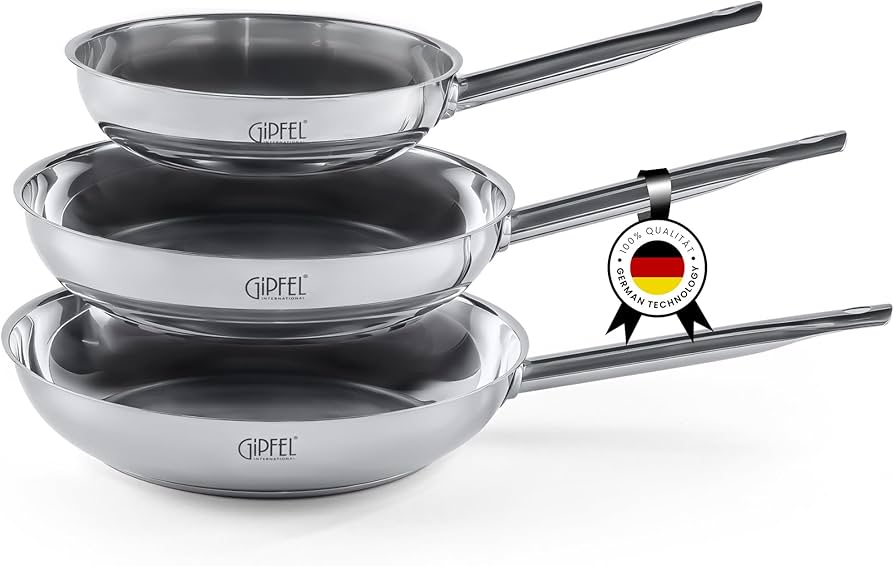
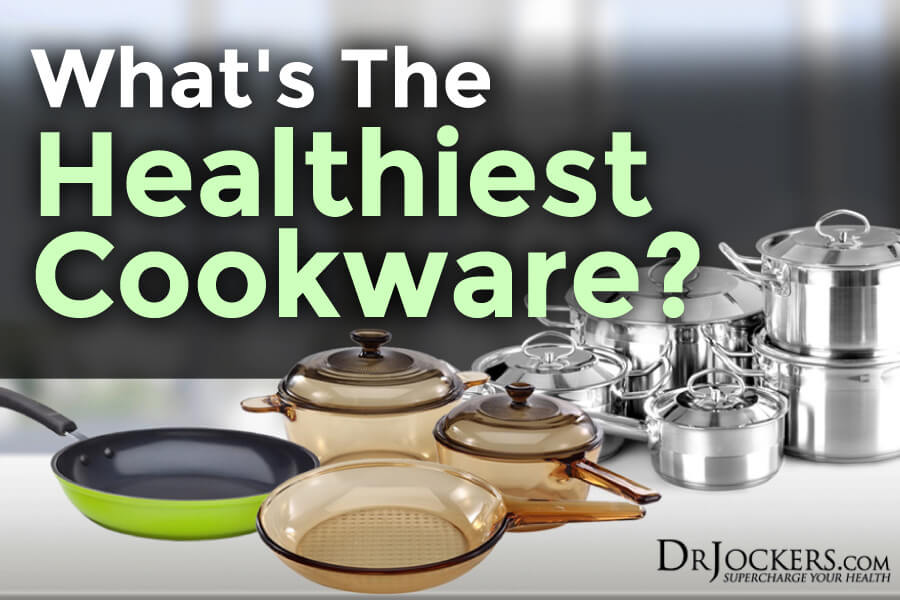
The healthiest cookware to use includes materials like stainless steel, cast iron, and glass. Ceramic-coated cookware also ranks highly for safe cooking.
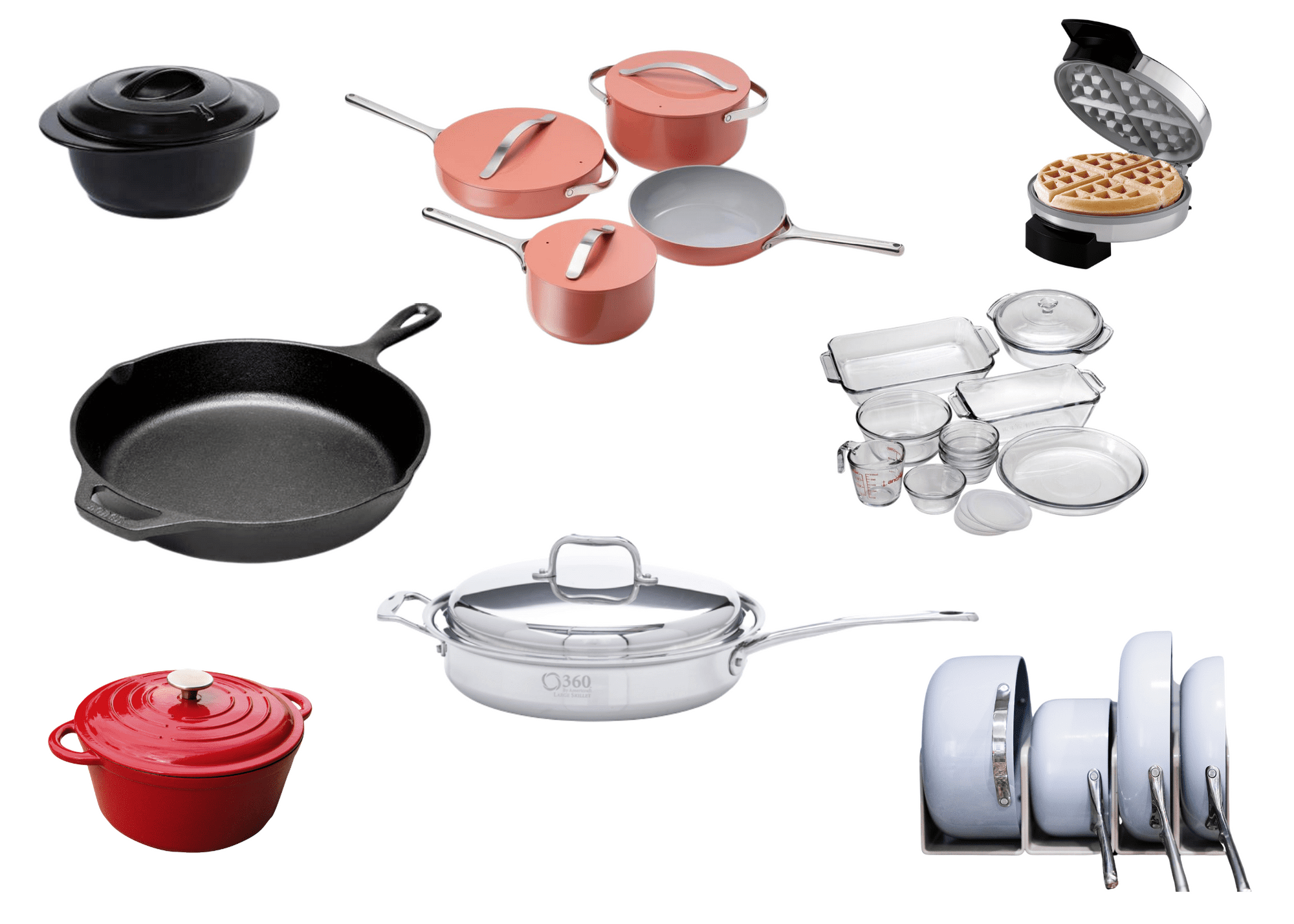
What is the Healthiest Cookware to Use:Choosing the right cookware is crucial for both your health and the quality of your meals. Healthy cooking starts with selecting non-toxic pots and pans that don’t leach harmful substances into your food. Stainless steel is revered for its durability and non-reactive surface, making it a top choice for everyday cooking.
Cast iron offers a chemical-free option that, when seasoned properly, provides a naturally non-stick surface. Glass cookware, while less common, is a safe bet for baking and storing food, as it doesn’t impart any flavors or chemicals. Lastly, ceramic-coated options provide a non-stick experience without the potential risks associated with traditional non-stick coatings. Investing in these types of cookware ensures a safer kitchen environment and contributes to overall well-being.

Credit: www.amazon.com
The Quest For Healthier Cooking Options
Everyone seeks to cook in the healthiest way possible. Finding the best cookware is key. It affects both food quality and health. Let’s explore safer cooking options.
The Importance Of Choosing The Right Cookware
Your cookware choice influences meal quality. It also preserves nutrients in food. Materials matter. Some options are safer than others. Let’s find out which ones.
How Cookware Impacts Your Health
Cookware can release chemicals during cooking. These can enter your food. Choosing non-toxic options is crucial. Below is a comparison of cookware materials.
| Material | Pros | Cons |
|---|---|---|
| Stainless Steel | Durable, easy to clean | Can leach nickel and chromium |
| Cast Iron | Long-lasting, adds iron to food | Heavy, requires seasoning |
| Ceramic Coated | Non-stick, free of toxins | Less durable than others |
| Glass | Chemical-free, easy to monitor food | Breakable, not for high heat |
- Non-stick pans are convenient but may contain harmful chemicals.
- Aluminum is lightweight but can react with acidic foods.
- Copper pans heat evenly but can release copper into food.
Choose cookware that promotes health and safety. Consider how each material affects your food. Your health is worth the investment.
Materials Matter: A Closer Look
When choosing cookware, health and safety come first. Different materials impact cooking results and health differently. Let’s explore some popular options and their benefits.
Stainless Steel: A Timeless Choice
Stainless steel is a mix of metals including iron, chromium, and often nickel. It’s known for its durability and resistance to rust. It doesn’t react with food, making it a safe option for cooking. Here’s why stainless steel stands out:
- Non-reactive surface: Keeps flavors intact.
- Easy to clean: Dishwasher-safe and stain-resistant.
- Long-lasting: Withstands high heat and frequent use.
Cast Iron: The Rustic Workhorse
Cast iron is loved for its heat retention and versatility. It can go from stovetop to oven with ease. Seasoning the surface creates a natural non-stick layer. Here’s why cast iron is a cookware favorite:
- High heat tolerance: Ideal for searing and baking.
- Natural non-stick: Better with age.
- Iron boost: Adds dietary iron to meals.
Glass: The Pure Contender
Glass cookware is a transparent choice for health-conscious cooks. It doesn’t leach chemicals or alter the taste of food. Glass is perfect for baking and storing leftovers. Here’s what makes glass special:
- Chemical-free cooking: No harmful coatings.
- Flavor preservation: Maintains food’s true taste.
- Oven-safe: Great for baking and roasting.
Ceramic: The Natural Alternative
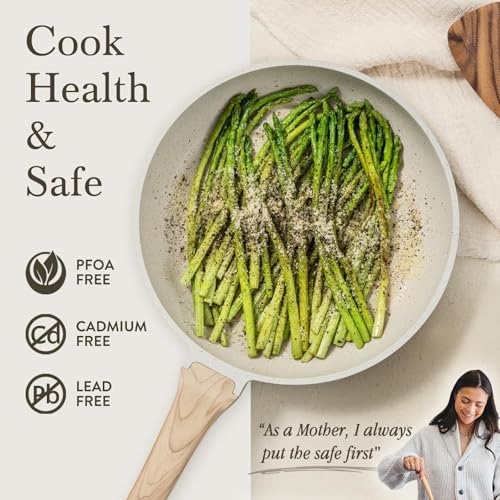
Ceramic cookware offers a non-toxic alternative to traditional non-stick pans. It’s often coated to prevent sticking without harmful chemicals. Ceramic is eco-friendly and comes in various colors. Here are its key advantages:
- Non-toxic: Free from PTFE and PFOA.
- Even heating: Cooks food consistently.
- Stylish: Brightens up the kitchen.
Non-stick Surfaces: Boon Or Bane?
Non-Stick Surfaces: they make cooking and cleanup easy. But are they safe? Let’s explore this.
Teflon Coating: Pros And Cons
Teflon, a common non-stick surface, has pros and cons.
| Pros | Cons |
|---|---|
| Cleans with ease | Can release toxins at high heat |
| Uses less oil | Scratches easily |
| Even heating | Not for metal utensils |
- Choose low to medium heat when cooking with Teflon.
- Use wooden or silicone tools to avoid scratches.
Ceramic Coatings: A Safer Non-Stick?
Ceramic Coatings: A Safer Non-stick?
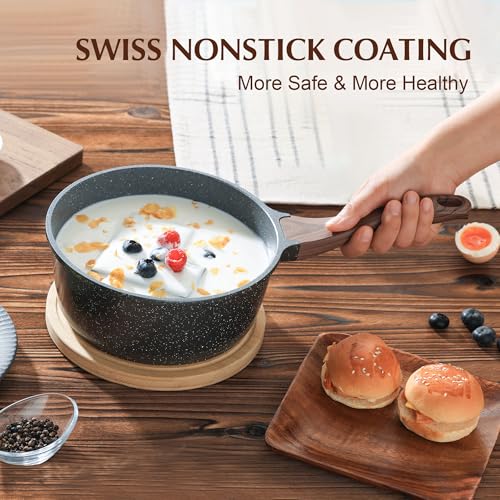
Ceramic coatings are seen as a safer alternative to Teflon.
- No harmful chemicals at high temperatures.
- Easy to clean, like Teflon.
- More heat resistant, but still careful with high heat.
Tip: Avoid abrasive cleaners to maintain the surface.
Remember: No cookware lasts forever. Replace when worn.
Credit: drjockers.com
The Rise Of Eco-friendly Cookware
The Rise of Eco-Friendly Cookware reflects a growing awareness. Health and sustainability now drive many kitchen choices. Consumers seek cookware that’s safe for both them and the planet. This shift has spurred the popularity of materials with a smaller environmental footprint.
Bamboo: More Than Just Cutting Boards
Bamboo stands out in eco-friendly cookware. It’s a rapidly renewable resource. Its versatility extends beyond cutting boards to utensils and steamers.
- Natural antibacterial properties make it a hygienic choice.
- It’s lightweight and durable.
- Bamboo products are often biodegradable.
Recycled Materials: Cooking With A Conscience
Recycled materials represent a conscious step towards sustainable living. Cookware from recycled metals reduces waste and conserves resources.
| Material | Benefits |
|---|---|
| Recycled Aluminum | Light, conducts heat well |
| Recycled Cast Iron | Retains heat, lasts for generations |
| Recycled Stainless Steel | Corrosion-resistant, recyclable |
Choosing these materials means fewer resources are needed. They also lower the carbon footprint of cookware production.
Smart Cooking: Innovative Materials
Choosing the right cookware is crucial for healthy cooking. Innovative materials offer new options. They combine safety and convenience. In this section, we explore two popular materials: silicone and titanium.
Silicone: Flexible And Safe?
Silicone cookware is gaining popularity. It’s known for its heat resistance and flexibility. Food-grade silicone is a safe choice for baking and steaming. It does not leach chemicals into food.
- Withstands high temperatures
- Non-stick without harmful coatings
- Easy to clean and dishwasher safe
Titanium: Lightweight And Durable
Titanium cookware stands out for its durability. It’s also incredibly lightweight. This makes it perfect for everyday cooking and outdoor adventures.
| Feature | Benefit |
|---|---|
| Non-reactive | Safe for all types of food |
| Scratch-resistant | Long-lasting with proper care |
| Heat distribution | Even cooking with less energy |
Credit: gurlgonegreen.com
Caring For Your Cookware
Caring for Your Cookware is key to ensuring it remains the healthiest choice for cooking. Proper maintenance not only extends the life of your cookware but also keeps harmful substances from leaching into your food. Follow these straightforward tips to keep your pots and pans in top condition.
Maintenance Tips For Longevity
Good habits can make your cookware last longer.
- Wash gently after each use to prevent damage.
- Use soft sponges or cloths to avoid scratches.
- Avoid sudden temperature changes to prevent warping.
- Store carefully to protect surfaces and edges.
- Season cast iron regularly to maintain its non-stick surface.
When To Replace Your Cookware
Knowing when to replace cookware is crucial.
- Non-stick pans: If they start peeling or flaking, replace them.
- Stainless steel: When they become deeply scratched or pitted, it’s time.
- Cast iron: Replace if it shows deep rust that can’t be removed.
- Aluminum: Discard if it becomes warped or damaged.
The Verdict: Healthiest Cookware Picks
Choosing the right cookware impacts your health and the environment.
Let’s explore the top choices for safety, value, and eco-friendliness.
Top Rated For Safety
Stainless steel and cast iron lead the pack.
They release no harmful chemicals when heated.
- Stainless steel is durable and non-reactive.
- Cast iron can last generations with proper care.
Best Value For Money
Ceramic-coated cookware offers a great mix of safety and affordability.
It’s non-stick without the risks of traditional Teflon pans.
| Brand | Price | Durability |
|---|---|---|
| Brand A | $ | High |
| Brand B | $$ | Medium |
Eco-friendly Choices
For a green kitchen, glass and bamboo stand out.
They are sustainable and recyclable materials.
- Recycled glass cookware reduces waste.
- Bamboo steamer baskets are biodegradable.
Your Health On The Line: Making The Right Choice
Your health matters when choosing cookware. The wrong choice can harm you. Safe cookware is key for good health. This section helps you make that choice.
Balancing Health, Budget, And Performance
Good cookware is a balance. You want non-toxic, affordable, and effective pots and pans. Here’s how to balance these:
- Choose wisely. Some materials are safer than others.
- Consider cost. Quality matters but so does your budget.
- Think long-term. Durable cookware saves money over time.
| Material | Health | Cost | Performance |
|---|---|---|---|
| Stainless Steel | Safe | Medium | High |
| Cast Iron | Safe | Low | High |
| Ceramic Coated | Safe | High | Medium |
The Final Word On Healthy Cooking
The best cookware keeps you safe and cooks well. Stainless steel, cast iron, and ceramic are top picks. Avoid plastics and Teflon to stay healthy. Remember, good food starts with safe cookware.
Frequently Asked Questions
What Is The Safest Healthiest Cookware To Use?
The safest and healthiest cookware options include stainless steel, cast iron, and glass. These materials don’t release harmful chemicals when heated. Stainless steel is durable and non-reactive. Cast iron provides excellent heat retention. Glass is inert and microwave safe. Choose these for a healthier cooking experience.
What Cookware Is 100% Non-toxic?
Ceramic, stainless steel, and cast iron cookware are 100% non-toxic options. They ensure safe cooking without releasing harmful chemicals. These materials are durable and widely recommended for health-conscious individuals.
Which Type Of Cookware Is Best For Health?
Stainless steel and cast iron cookware are the healthiest options, as they are durable and chemical-free.
Which Is Safest Stainless Steel Or Ceramic Cookware?
Ceramic cookware is often considered the safest option as it’s free of potentially harmful metals and chemicals. Stainless steel is also safe but may leach nickel and chromium at high temperatures.
Conclusion
Choosing the right cookware is vital for your health and cooking efficiency. Opt for materials that ensure safety and enhance flavor, like stainless steel, cast iron, and glass. Remember, the best cookware supports your wellness journey and culinary adventures. Make an informed choice to benefit your health and elevate your cooking game.


Leave a Reply