

Cookware refers to items used on stoves or in ovens for cooking, such as pots and pans. Kitchenware encompasses all tools and utensils in a kitchen, including cookware and gadgets like spatulas and measuring cups.
What is the Difference between Cookware And Kitchenware:Understanding the distinction between cookware and kitchenware is essential for both seasoned chefs and home cooking enthusiasts. The right cookware is crucial for preparing various dishes, from simmering soups to searing steaks. It often includes materials that can withstand high heat, such as stainless steel, cast iron, and non-stick surfaces.
On the other hand, kitchenware includes a broader range of items that assist in all kitchen tasks, including preparation, serving, and storage. These items are the backbone of a well-equipped kitchen, ensuring that everything from meal prep to table service runs smoothly. Whether you’re setting up a new kitchen or upgrading your culinary tools, knowledge of these terms will guide your choices to suit your cooking and kitchen needs.

Credit: lazurohome.com
Introduction To Cookware And Kitchenware
Are you setting up your kitchen or just curious about the essentials? Understanding the difference between cookware and kitchenware is key. This guide will help you grasp the basics of these two categories.
Defining Cookware
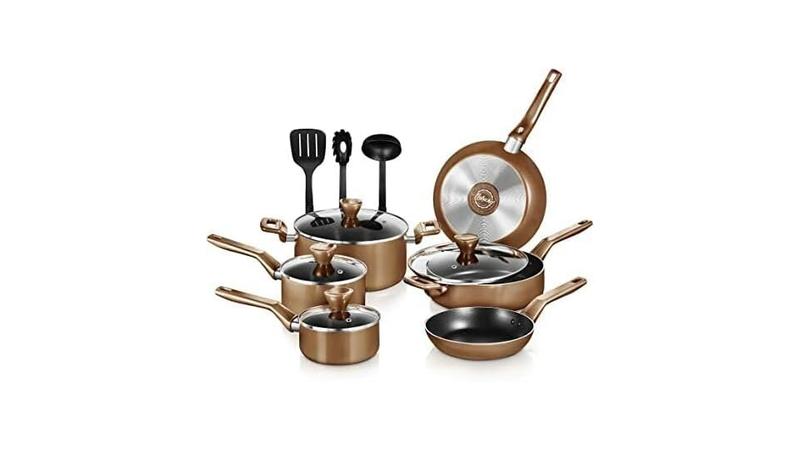
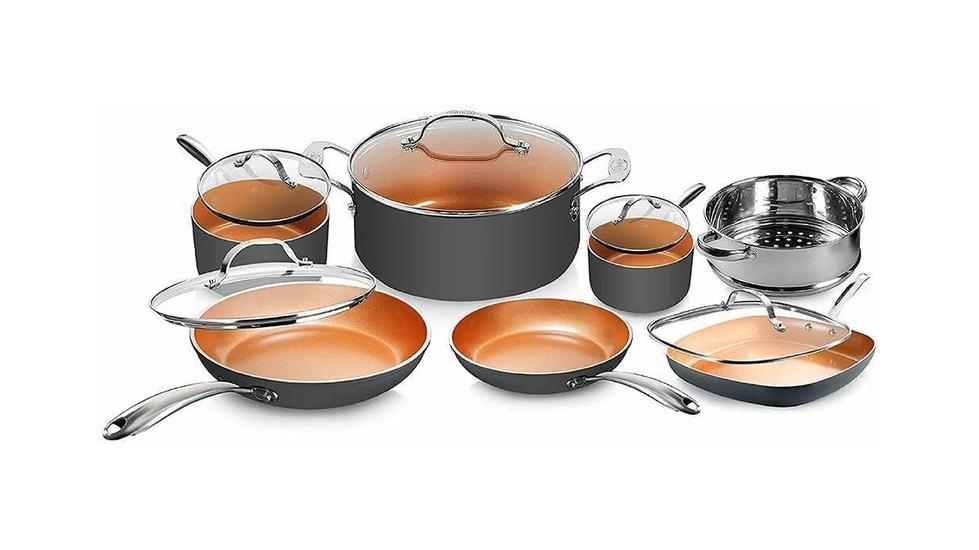
Cookware refers to items used directly in the cooking process. These are often made of materials that can withstand high temperatures. Examples include:
- Pots: for boiling or stewing
- Pans: for frying or sautéing
- Baking dishes: for oven use
Materials for cookware vary, such as:
| Material | Benefits |
|---|---|
| Stainless Steel | Durable and easy to clean |
| Cast Iron | Excellent heat retention |
| Non-Stick | Less oil needed, easy release |
Defining Kitchenware
Kitchenware includes tools and utensils used in the preparation, serving, and storage of food. These items do not typically come into direct contact with heat. Key kitchenware items are:
- Utensils: knives, spoons, and spatulas
- Gadgets: can openers, peelers, and graters
- Storage containers: for keeping food fresh
Kitchenware materials focus on functionality:
- Plastic: lightweight and versatile
- Metal: sturdy and long-lasting
- Glass: for clear visibility of contents
Historical Evolution
The historical evolution of cookware and kitchenware is fascinating. From ancient clay pots to high-tech non-stick pans, the journey reflects human innovation. Let’s delve into the transformation from early kitchen tools to modern marvels.
Early Kitchen Tools
Our ancestors needed tools to prepare food. They crafted items from natural materials. Stone, wood, and bone were common. Over time, metal entered the kitchen. Bronze and iron pots changed cooking methods.
- Stone tools ground grains.
- Wooden spoons stirred soups.
- Bone knives cut meat.
- Bronze cauldrons boiled stews.
- Iron skillets fried foods.
Modern Innovations
In the 20th century, kitchens transformed. New materials like stainless steel and aluminum became popular. The invention of Teflon led to non-stick pans.
| Year | Innovation |
|---|---|
| 1913 | Stainless steel cookware |
| 1938 | Teflon non-stick coating |
| 1950s | Microwave cooking |
| 2000s | Silicone bakeware |
Today, smart appliances sync with phones. Silicone utensils withstand high heat. Ceramic non-stick surfaces offer health benefits. The future of cookware and kitchenware is bright.
Key Differences Unveiled
Cookware and kitchenware are staples in any home. Yet, they serve unique roles. Let’s dive into what sets them apart.
Materials Used
Cookware is designed to withstand heat. It often features materials like:
- Stainless steel for durability.
- Cast iron for even cooking.
- Copper for quick heat change.
Kitchenware, on the other hand, uses a variety:
- Plastic for storing food.
- Wood for chopping boards.
- Silicone for utensils.
Functionality
Cookware’s main job is cooking food.
Kitchenware includes tools for prepping and serving.
Examples
| Cookware | Kitchenware |
|---|---|
| Frying pans | Measuring cups |
| Saucepans | Colanders |
| Stockpots | Can openers |

Credit: lazurohome.com
The Role In Culinary Arts
The culinary arts paint a vibrant picture of creativity and taste. Essential tools bring this art to life. Cookware and kitchenware are these tools. They serve distinct roles in preparing delectable dishes.
Professional Kitchens
Professional kitchens thrive on efficiency and precision. Cookware includes pots, pans, and skillets. These are vital for various cooking techniques. Kitchenware encompasses utensils, cutting boards, and mixers. Chefs use these to prep and serve meals. In these kitchens, the right tool can make all the difference. It can turn a good dish into a great one.
- Cookware: Built for heat, chefs use it for frying, sautéing, and boiling.
- Kitchenware: Includes tools for slicing, dicing, and measuring. Precision is key.
Professional-grade cookware often features high-quality materials. These materials withstand constant use. Kitchenware too must endure the hustle of a busy kitchen. Durability is crucial.
Home Cooking
In home kitchens, versatility and comfort take the forefront. Cookware in homes needs to be user-friendly. It should suit the cooking style of the home chef. Kitchenware should include items that simplify meal prep. They should be easy to clean and store.
- Cookware: Non-stick, stainless steel, and cast iron are popular choices.
- Kitchenware: Gadgets and tools should be ergonomic and safe for family use.
Home cooks often look for cookware that is easy to handle. Kitchenware should also be safe for all family members to use. Both cookware and kitchenware play pivotal roles. They ensure the success of culinary ventures at home.
Choosing The Right Tools For Your Kitchen
Every cook needs the right tools to create delicious meals. Choosing the right tools for your kitchen is crucial. Whether you’re a seasoned chef or a home cook, understanding the difference between cookware and kitchenware helps in making informed decisions. Let’s explore how to select the perfect items for your culinary adventures.
Assessing Needs
Start by evaluating what you cook most often. This will guide your decisions. Make a list of frequently prepared dishes. Identify the tools you need for those recipes. This ensures you invest in essentials first.
Quality Vs. Quantity
Focus on quality over quantity. It’s tempting to buy full sets, but individual high-quality pieces often offer better value. Choose durable materials like stainless steel or cast iron. These materials last longer and perform better.
| Material | Benefits |
|---|---|
| Stainless Steel | Long-lasting, easy to clean |
| Cast Iron | Excellent heat retention, natural non-stick |
Consider multipurpose items to maximize space and budget. For example, a cast iron skillet can fry, bake, and grill.
- Buy what you will use.
- Invest in a few versatile pieces.
- Avoid gadgets with only one use.
Maintenance And Care
Proper maintenance ensures cookware and kitchenware last longer. It keeps items functional and safe for daily use. Learn how to care for these essentials with ease.
Cleaning Tips
Regular cleaning is key to maintaining kitchen items. Use the right methods for different materials:
- Non-stick pans: Use soft sponges and mild detergents.
- Cast iron: Avoid soap. Season after each use.
- Stainless steel: Warm water and baking soda work well.
- Plastic utensils: Dishwasher-safe options save time.
Longevity Tips
Extend the life of your kitchen investments. Follow these tips:
| Item | Care Tip |
|---|---|
| Kitchen knives | Hand wash. Dry immediately. |
| Wooden boards | Oil regularly. Avoid soaking. |
| Porcelain | Gentle wash. No abrasive pads. |
| Silicone bakeware | Use mild soap. Air dry. |
Trends In Cookware And Kitchenware
As homes evolve, so do the tools we use in our kitchens. Trends in cookware and kitchenware reflect our changing lifestyles and values. From eco-friendly materials to smart technology, the latest trends cater to health-conscious and tech-savvy cooks. Let’s explore the current movements shaping our cooking experience.
Eco-friendly Options
Green living drives kitchen trends today. Consumers seek products that promise sustainability. Manufacturers respond with cookware and kitchenware made from recycled materials and renewable resources. These products not only minimize environmental impact but also offer durability and safety during cooking.
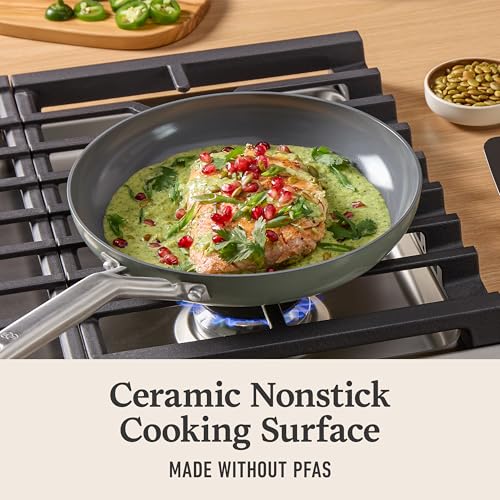
- Ceramic coatings replace traditional nonstick surfaces.
- Bamboo utensils offer a biodegradable alternative to plastic.
- Cast iron pans provide a lifetime of use with proper care.
Technological Advancements
Technology transforms how we cook and organize our kitchens. Cookware and kitchenware incorporate smart features for convenience and precision. These advancements create seamless cooking experiences, with innovation at the forefront.
| Technology | Benefits |
|---|---|
| Smart appliances | Connectivity and remote control |
| Multi-cookers | Versatility and space-saving |
| Induction cooktops | Efficiency and safety |
These trends showcase our desire for kitchen efficiency and environmental responsibility. They reflect our commitment to a healthier planet and a more connected, convenient lifestyle.

Credit: lazurohome.com
Frequently Asked Questions
What Is Cookware Vs Kitchenware?
Cookware refers to items used on a stove or oven for cooking, like pots and pans. Kitchenware encompasses all tools in the kitchen, including cookware and utensils like knives and spatulas.
What Is Considered Cookware?
Cookware refers to any utensils, pots, pans, and baking dishes used for cooking food. These items are essential for preparing meals on stovetops or in ovens, ranging from frying pans to stockpots. They can be made from various materials, including metal, ceramic, and non-stick coatings.
Are Pots And Pans Considered Utensils?
Yes, pots and pans are considered kitchen utensils. They are essential tools for cooking and preparing food.
What Is Kitchenware Called?
Kitchenware refers to tools, utensils, appliances, and dishes used in kitchen tasks.
Conclusion
Understanding the difference between cookware and kitchenware simplifies your culinary journey. It ensures you have the right tools for every task, from boiling pasta to storing spices. Remember, every chef’s success begins with choosing the appropriate equipment. Embrace these distinctions and elevate your cooking experience to new heights.
Happy cooking!

Leave a Reply