
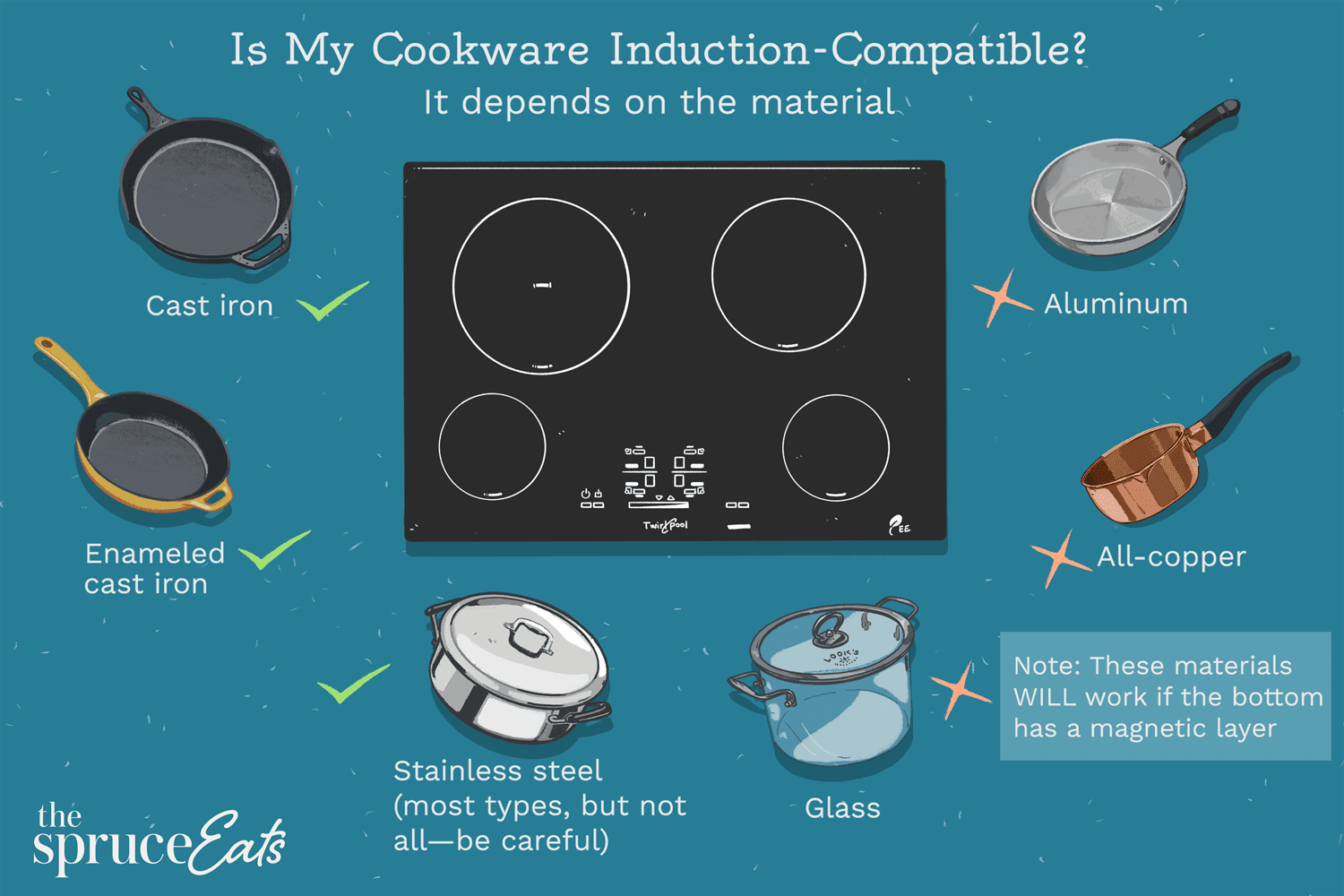
Cookware induction refers to pots and pans compatible with induction cooktops. These items must have a magnetic base to work on the induction surface.
What Does Cookware Induction Mean:Induction cooking is revolutionizing kitchen efficiency and safety, making cookware induction an essential topic for culinary enthusiasts and home cooks alike. Unlike traditional cooking methods, induction uses electromagnetic energy to directly heat pots and pans, bypassing the need to warm up a burner.
This direct transfer of energy ensures that the cookware heats up remarkably fast and with precise temperature control. The key to induction cookware is its magnetic base, typically made of stainless steel or cast iron, which responds to the magnetic field generated by the induction cooktop. As people continue to seek faster, more energy-efficient cooking methods, understanding and choosing the right induction-ready cookware becomes crucial for optimizing the kitchen experience.
Introduction To Induction Cooking
Imagine a cooking method that heats up pots and pans with no open flame. Induction cooking does just that. It uses magnetic fields to heat up your cookware directly. The stove stays cool to the touch, only the cookware heats. This method is fast, safe, and precise. It’s a game-changer in the kitchen.
The Rise Of Induction Technology
Induction technology has gained popularity due to its efficiency. Unlike gas or electric stoves, induction doesn’t waste energy. Heat goes straight into the pan, not the air. Induction cooktops now blend with modern kitchen designs. They offer sleek surfaces that are easy to clean. Induction cooking is the future of eco-friendly, fast, and safe food preparation.
Comparing Induction To Traditional Cooking Methods
Let’s compare induction with traditional methods like gas and electric. Gas stoves use flames. They can heat unevenly and pose a burn risk. Electric stoves are slow to change temperature. They can also heat unevenly. Induction cooktops offer instant heat control. They heat evenly and only where the pan sits. This makes induction safer and more efficient.
- Speed: Induction heats water almost twice as fast as gas.
- Safety: No open flame means less risk of burns or fire.
- Cleanliness: The cool surface allows for easy wipe-downs.
- Energy efficiency: Induction uses less electricity than traditional stoves.
Whether you’re boiling water or simmering sauce, induction cookware must be magnetic. Not all pots and pans work on an induction cooktop. Look for induction-compatible cookware to enjoy this technology.
Induction cooking is revolutionizing kitchens. It’s clean, fast, and safe. With the right cookware, anyone can cook like a pro.
:max_bytes(150000):strip_icc()/What-Is-an-Induction-Cooktop-3x2-1-8cf852585e3b4aa2a3605ef7d899b7d6.jpg)
Credit: www.allrecipes.com
The Science Behind Induction Cookware
Induction cookware unlocks a world of high-speed and efficient cooking. It relies on magnetic fields to heat pots and pans directly, rather than through a conventional heat source. This method offers precise temperature control and rapid heating, making cooking faster and more energy-efficient.
How Induction Cooking Works
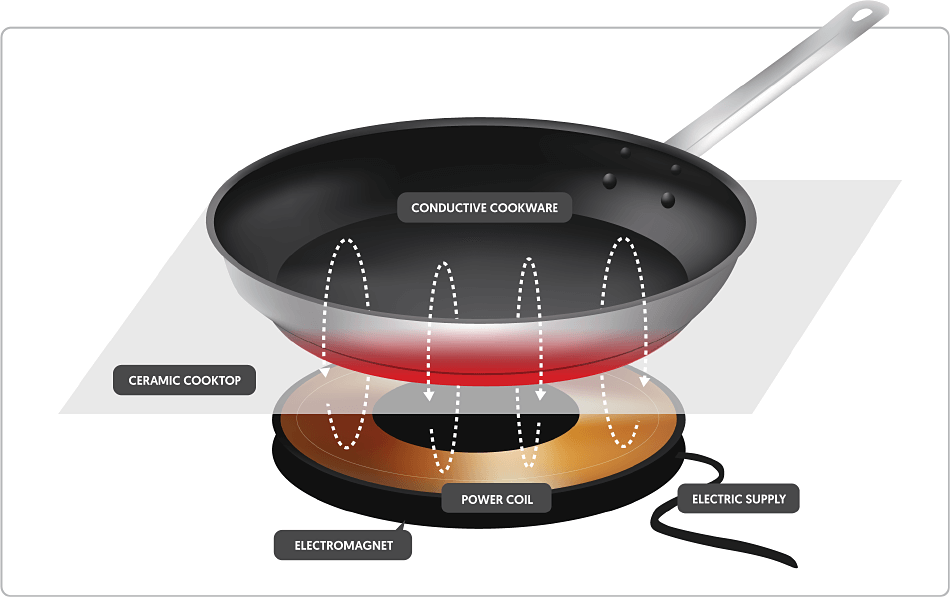
Induction cooking stands out from traditional methods. An electric current passes through a coil, generating a dynamic magnetic field. When induction-compatible cookware is placed on the cooktop, this field induces an electric current in the cookware’s metal. The cookware heats up due to the electrical resistance of the metal, cooking the food inside.
- Magnetic cookware is a must. Only pots and pans with ferrous metal bases work on an induction cooktop.
- Heat is generated directly in the pan, not on the cooktop surface, ensuring safety and efficiency.
- Instant adjustments to the cooktop’s settings result in immediate changes in heat levels.
Key Components Of An Induction Cooktop
An induction cooktop includes several important parts. These components work together to create a unique cooking experience.
| Component | Function |
|---|---|
| Copper Coil | Generates a magnetic field when powered by electricity. |
| Glass-Ceramic Surface | Supports cookware and allows the magnetic field to pass through. |
| Control Panel | Allows users to adjust settings and control the cooking process. |
| Induction Electronics | Manages power and regulates the induction process. |
Together, these components create a cooktop that heats cookware swiftly and safely. The design also ensures that energy is used efficiently.
Benefits Of Using Induction Cookware
The modern kitchen boasts various advancements. Induction cookware stands out. It brings unique benefits to the cooking experience. Let’s explore these advantages.
Energy Efficiency And Speed
Induction cookware excels in energy use. It heats faster than traditional methods. This results in less wasted energy. Cooks enjoy quick meal preparation.
- Direct heat transfer makes induction incredibly efficient.
- It cooks food up to 50% faster than gas or electric.
- Induction cooktops only heat the pan, not the surrounding air.
Safety And Ease Of Use
Induction cooking is safe, especially with children around. The cooktop stays cool, reducing burn risks. Clean-up is simple, with no burnt-on messes.
- Cooktops remain cool to the touch, except directly under the cookware.
- Automatic shut-off features prevent overheating.
- Magnetic controls ensure pots stay in place while cooking.
Choosing The Right Induction Cookware
Understanding what makes cookware induction-ready is key. This ensures top performance on your induction stove. Here’s how to pick the perfect pots and pans.
Material Compatibility
Induction cookware needs magnetic materials. Stainless steel and cast iron work well. Materials like aluminum or copper alone won’t suffice. They must have magnetic layers added. Use a magnet to test your current cookware. If it sticks, you’re induction-ready!
Must-have Features In Induction Cookware
- Flat-bottomed design – This ensures maximum contact with the cooktop.
- Even heating – Look for cookware that promises no hot spots.
- Quality build – Heavier pots and pans often indicate durability.
- Comfortable handles – They should stay cool and offer a secure grip.
Cooking With Induction: Tips And Tricks
Cooking with Induction: Tips and Tricks transforms kitchen experiences. This cooking method uses magnetic fields. These fields heat pots and pans directly. This results in faster, more precise cooking.
Mastering Temperature Control
- Start with low heat, then adjust as needed.
- Use the right cookware, marked “induction-compatible.”
- Listen for a click sound, it means the temperature is changing.
Precise control makes induction perfect for delicate sauces and chocolates. Remember, changes happen instantly, so stay attentive.
Cleaning And Maintenance
- Wait for the cooktop to cool down.
- Wipe with a damp cloth, use gentle cleaners.
- Remove spills quickly to prevent stains.
Avoid scratches on the cooktop. Use soft cleaning tools. Regular care keeps your induction cooktop looking new.
Credit: www.webstaurantstore.com
Common Myths And Misconceptions
When exploring the world of kitchen technology, induction cooking often surfaces as a topic shrouded in mystery and false beliefs. It’s time to clear the air and bust some of the common myths and misconceptions surrounding induction cookware.
Debunking Myths About Induction Cooking
- Induction cooktops are not safe – This is false. Induction cooktops are very safe. They use electromagnetic fields to heat the cookware directly, not the cooktop surface.
- Induction cooking is too expensive – Costs have decreased. More brands offer affordable options.
- Induction cooking is complicated – Not true. It’s user-friendly with precise temperature control.
The Truth About Cookware Compatibility
Understanding which pots and pans work on an induction cooktop is simpler than many think. Here’s the truth:
| Material | Induction-Compatible |
|---|---|
| Stainless steel | Often, but check with a magnet |
| Cast iron | Yes |
| Non-magnetic stainless steel | No |
| Aluminum, glass, copper | No, unless they have a magnetic layer |
Test with a magnet: If it sticks, it likely works with induction.
The Future Of Induction Cooking
Induction cooking is not just a trend; it’s the future of kitchens. This method uses magnetic fields to heat pots and pans directly. It offers fast, precise, and energy-efficient cooking. Induction cooktops are sleek and integrate well with modern kitchen designs. Let’s explore the latest innovations and predictions in this space.
Innovations In Induction Technology
- Smart connectivity: New induction cooktops can connect to your devices. You control them with an app.
- Flexible cooking zones: Some models offer adaptable surfaces. Place cookware anywhere on the cooktop.
- Improved energy efficiency: Advanced tech means less energy waste. Cooktops only heat when cookware is present.
- Enhanced safety features: Induction cooking is safer. Surfaces stay cool to the touch, reducing burn risks.
Predictions For Kitchen Trends
- Induction cooktops will become the standard in new kitchens.
- Smart kitchen integrations will rise. Appliances will sync for a seamless cooking experience.
- More homeowners will choose induction for its eco-friendly benefits.
- Portable induction units will gain popularity for their convenience and flexibility.
Induction cooking is set to revolutionize how we prepare food. These changes make cooking fast, safe, and smart.
Real-life Success Stories
Discover the success stories of those who’ve embraced induction cooking. Chefs and home cooks alike share their experiences. They reveal how this technology has transformed their kitchen practices.
Chefs’ Experiences With Induction Cooking
Professional chefs often seek efficiency and precision in the kitchen. Induction cookware has provided just that. Here are a few stories:
- Chef Emma: She noticed a remarkable decrease in cook times. Her kitchen stays cooler, which is a big plus on busy nights.
- Chef Liu: He praises induction for its consistent heat distribution. His dishes have improved in quality.
- Chef Gomez: With induction, his energy bills went down. He appreciates the cost savings.
Home Cooks Making The Switch
Home cooks have also seen great benefits. They share how induction cooking has changed their daily routines:
- Sarah: She loves the quick clean-up and safety features. Her kids are around, so she values the cool-to-touch surface.
- James: As a tech enthusiast, he finds the precise temperature control exciting. His steaks are perfect every time.
- Mia: She lives in a small apartment. She enjoys how the induction cooktop saves space and cooks fast.
Credit: www.webstaurantstore.com
Frequently Asked Questions
What Is The Difference Between Induction And Normal Cookware?
Induction cookware contains magnetic materials, enabling it to heat on induction stoves. Normal cookware lacks this feature and works on all other stovetops. Induction options offer faster heating and energy efficiency, while traditional cookware provides versatility across various cooking surfaces.
How Do I Tell If My Pans Are Induction?
To determine if your pans are induction-compatible, check for a magnet symbol or use a magnet. If it sticks firmly to the bottom, your pan works with induction cooktops. Always consult the manufacturer’s guide for confirmation.
Can Induction Cookware Be Used On A Regular Stove?
Yes, induction cookware can be used on regular stoves, including gas and electric, due to its magnetic bottom.
Is Induction Cookware Better?
Induction cookware offers faster, more precise cooking and improved energy efficiency, making it a preferred choice for many cooks.
Conclusion
Understanding cookware induction is key for modern kitchens. It offers efficiency, safety, and precision in cooking. By choosing the right induction-friendly pots and pans, you enhance your culinary experience. Embrace this technology to make your cooking faster, safer, and more enjoyable.
Remember, the right cookware can transform your meals and how you prepare them.

Leave a Reply