
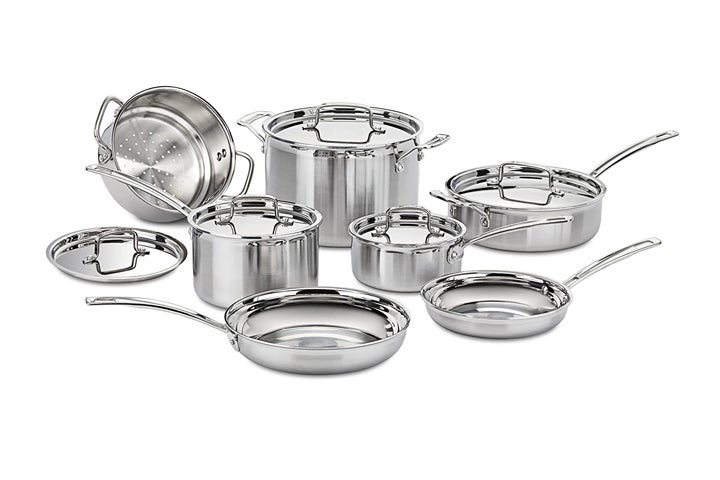
The best cookware for gas stoves includes heavy-duty materials like stainless steel, cast iron, and copper. These materials ensure even heating and robust performance on the open flame.
What Cookware is Best for Gas Stoves:Choosing the right cookware for your gas stove can significantly enhance your cooking experience. Gas stoves are known for their rapid heat adjustments, which demand cookware that responds quickly and evenly. Stainless steel pots and pans are popular for their durability and non-reactive nature, making them a versatile choice for various cooking methods.
Cast iron options excel in heat retention and can go from stovetop to oven effortlessly. Copper cookware, although pricier, offers superior thermal conductivity for precise temperature control. It’s vital to select pieces with sturdy, well-fitting lids and comfortable handles for safe maneuvering over the flame. Investing in quality cookware tailored for gas stoves can lead to better cooking results and a more enjoyable kitchen experience.
Credit: www.saveur.com
Introduction To Gas Stove Cookware
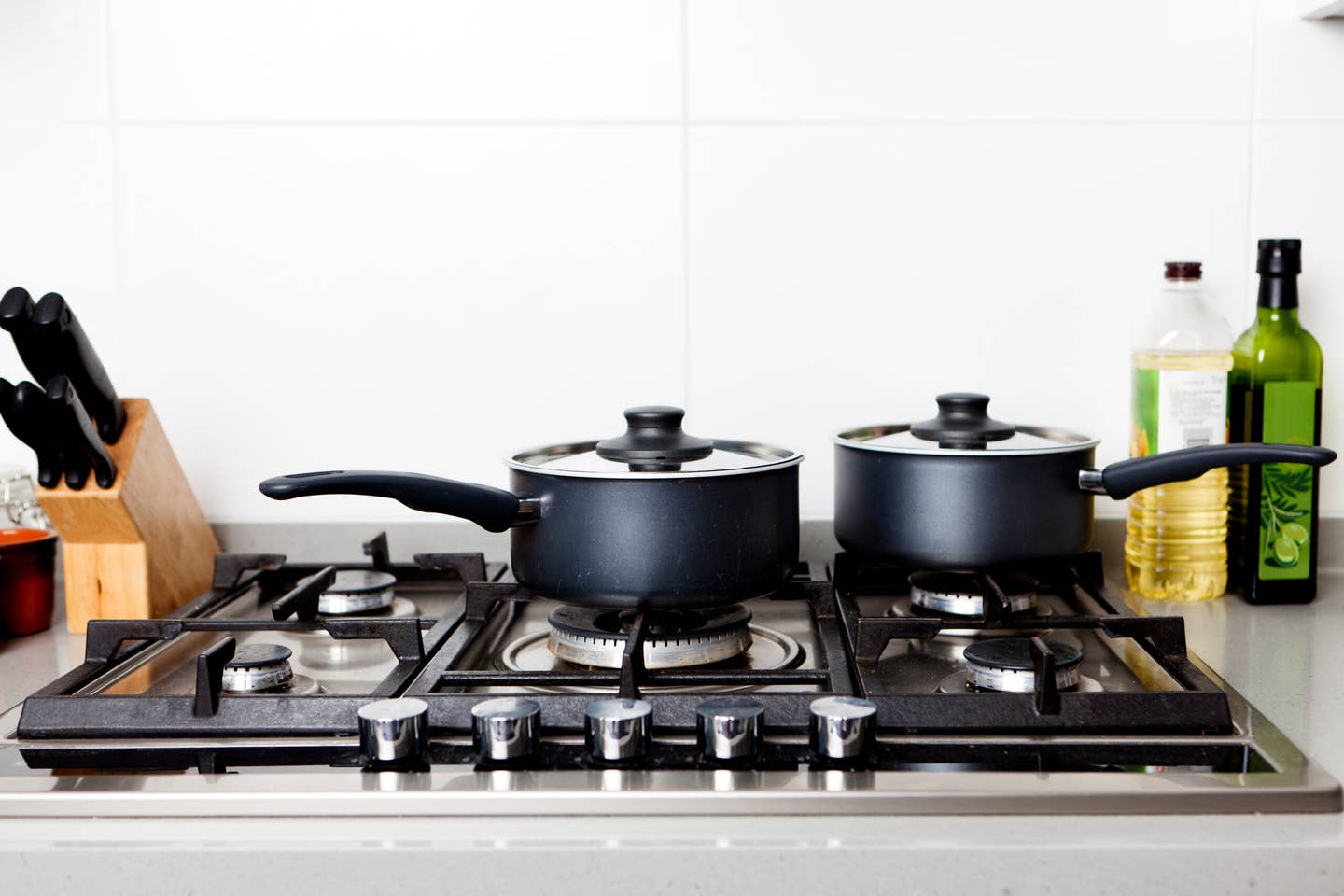
Choosing the right cookware for gas stoves is crucial. Gas stoves provide instant heat and excellent temperature control. However, not all cookware performs well on this dynamic heat source. The right materials and design can make a big difference in cooking performance and durability.
Why Gas Stoves Require Special Cookware
Gas stoves demand cookware that responds quickly to temperature changes. Even heat distribution prevents food from burning. Cookware must withstand direct flames without damage. Materials like stainless steel, cast iron, and copper are popular choices. They conduct heat well and are very durable.
Key Features To Look For
- Thick bottoms for even heating
- Sturdy handles for safe grip
- Heat-resistant materials that last long
- Compatible sizes for gas burners
Flat-bottomed pans are ideal. They stay stable over the gas flame. Look for non-reactive surfaces. They prevent flavor changes in food. Weight is also a factor. Heavy pans retain heat but should be manageable to handle.
Materials That Shine On Gas Stoves
Choosing the right cookware for gas stoves can elevate your cooking. Gas stoves offer quick heat adjustments. The flame allows for even cooking and excellent temperature control. Yet, not all cookware materials are equal. Some truly excel on gas stoves. Let’s explore materials that bring out the best in your gas cooking experience.
Stainless Steel: The Versatile Choice
Stainless steel cookware stands out for its durability. It resists rust and does not react with food. This makes it a safe option for various recipes. Its shiny surface cleans up nicely after searing or sautéing.
- Heats up quickly
- Easy to clean
- Long-lasting
Cast Iron: For The Perfect Sear
Cast iron excels in heat retention. This makes it ideal for achieving a perfect sear on meats. Once heated, it maintains a steady temperature. Seasoning the surface ensures a non-stick experience. It also adds flavor to your dishes.
- Great for searing
- Retains heat well
- Boosts flavor over time
Copper: Quick And Even Heating
Copper cookware provides superior heat conductivity. It heats up quickly and adjusts to temperature changes almost instantly. This gives chefs precise control over the cooking process. It’s perfect for delicate sauces and evenly cooked dishes.
- Superior heat conductivity
- Heats up and cools down fast
- Allows precise cooking control
Top Cookware Picks For Gas Stoves
Gas stoves require cookware that responds quickly to heat changes. The right set can make cooking a pleasure. Here are the top picks for gas stoves.
Best Overall: The All-rounder Set
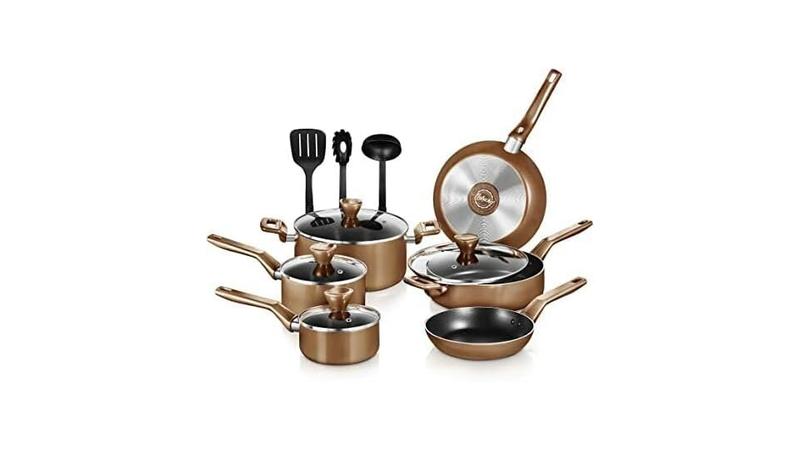
The All-Rounder Set stands out as the best overall. It offers versatility and durability. The set includes:
- Sauté pans
- Stockpots
- Frying pans
These pieces have even heat distribution and stay-cool handles. They work well on gas stoves.
Budget-friendly Option: Quality Without The Price Tag
For those mindful of their wallet, the Budget-Friendly Option is ideal. This set provides:
- Non-stick surfaces
- Heat-resistant handles
It’s made with sturdy materials and is easy to clean.
Luxury Pick: When Money Is No Object
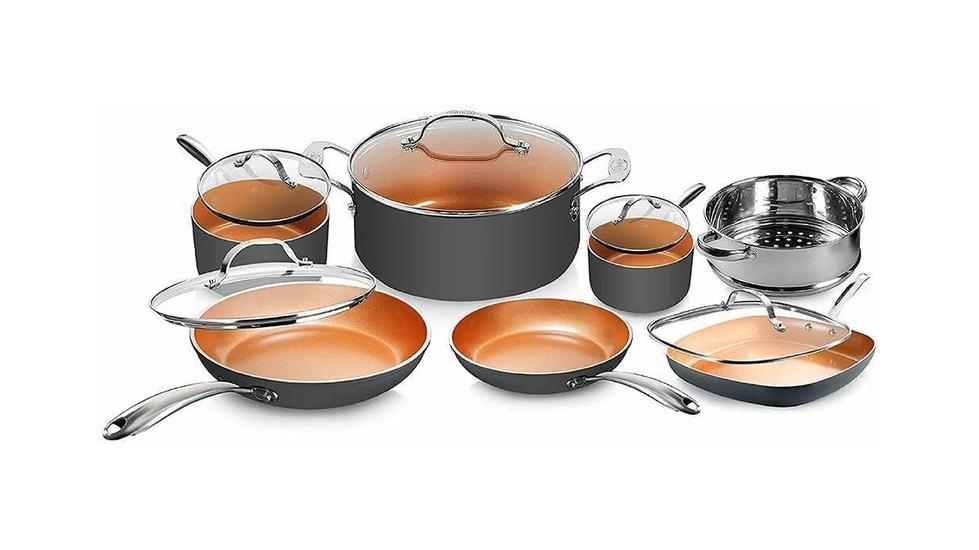
The Luxury Pick is for those seeking the finest. This premium set includes features like:
- High-grade stainless steel
- Superior heat conduction
It’s designed for professional performance and exceptional durability.

Credit: madeincookware.com
Cookware To Avoid On Gas Stoves
Choosing the right cookware for gas stoves is crucial. Certain materials can harm both your cookware and stove. Let’s explore what to steer clear of.
Materials That Don’t Make The Cut
- Glass: Shatters under high heat.
- Ceramic: Prone to cracking on gas stoves.
- Heat-sensitive non-stick: Can degrade quickly.
Why Non-compatible Cookware Is A Bad Idea
Poor heat distribution leads to uneven cooking. Damage to the stove might result. Shortened cookware lifespan costs more long-term.
For best performance, choose materials like stainless steel, cast iron, and copper. They withstand gas stove heat well.
Care And Maintenance For Gas Stove Cookware
Proper care ensures longevity for gas stove cookware. Let’s explore essential tips for maintaining these culinary tools.
Cleaning Tips For Longevity
Clean cookware after every use to prevent buildup. Here’s how:
- Use gentle detergents and avoid harsh chemicals.
- Soak pans to loosen food particles before washing.
- Use soft sponges or brushes to protect surfaces.
- Dry immediately after washing to prevent rust.
- Store properly to avoid scratches and dents.
Seasoning Cast Iron And Other Metals
Seasoning keeps cookware in top shape. Follow these steps:
- Wash your new cookware with soap and water.
- Dry thoroughly to ensure no moisture remains.
- Apply a thin layer of oil to the cookware surface.
- Heat in the oven or on the stove to bond the oil.
- Let cool and wipe away any excess oil.
Repeat the seasoning process as needed to maintain a non-stick surface.
Cooking Tips Using Gas Stove Cookware
Gas stoves are popular in kitchens for their fast heat and easy control.
The right cookware can make a big difference.
Let’s explore some tips to master gas stove cooking.
Adjusting The Flame: A Crucial Skill
The flame on your gas stove is powerful.
Control it to cook food perfectly.
Keep it low for simmering soups.
Turn it high for searing meat.
- Start with medium flame to heat the pan.
- Adjust the flame to avoid overcooking.
- Use a flame diffuser for delicate dishes.
Even Heat Distribution Techniques
Heat must spread evenly for the best cooking results.
Heavy-bottomed pans work best on gas stoves.
They absorb and distribute heat well.
- Choose cast iron or stainless steel pans.
- Stir food regularly for even cooking.
- Rotate the pan if the flame heats one side more.
Real-life Recommendations
Real-Life Recommendations guide you through the cookware maze. Let’s dive into the top choices for gas stoves. Chefs and home cooks have favorites.
What Professional Chefs Use
Professional chefs pick cookware that lasts. They need sturdy, heat-responsive options. Cast iron and stainless steel are top picks.
- Cast Iron: Excellent heat retention. Perfect for searing.
- Stainless Steel: Durable. Withstands high heat. Easy to clean.
- Copper Core: Fast heating. Precise temperature control.
Home Cook Favorites
Home cooks love practical and easy-to-handle cookware. Non-stick pans and enameled cast iron are popular.
| Type | Why Loved |
|---|---|
| Non-stick | Cleans easily. Less oil needed. |
| Enameled Cast Iron | Non-reactive. Stays pretty. |
| Anodized Aluminum | Heats quickly. Resists scratches. |
Where To Buy And What To Pay
Choosing the right cookware for gas stoves is crucial. It affects cooking performance and safety. Knowing where to buy and what to pay is just as important. Let’s explore the best places to find deals and the price range for top cookware.
Finding Deals On Quality Cookware
Quality cookware doesn’t have to break the bank. Look for sales at:
- Kitchen supply stores
- Online marketplaces
- Department store clearance sections
- Factory outlets
Sign up for newsletters to get alerts on promotions. Use price comparison tools online to find the best deals.
Expected Price Range For Top Picks
Top cookware varies in price. Here’s what to expect:
| Material | Price Range |
|---|---|
| Stainless Steel | $20 – $200 |
| Cast Iron | $25 – $250 |
| Non-Stick | $15 – $150 |
| Copper | $50 – $500 |
Prices vary by brand and quality. Invest in durable pieces that last longer.
Credit: www.saveur.com
Frequently Asked Questions
What Kind Of Pots Work Best On Gas Stove?
For gas stoves, flat-bottomed pots made of heavy-duty materials like stainless steel, cast iron, or copper deliver the best heat distribution and retention. These types ensure efficient cooking, with stainless steel being particularly popular for its durability and ease of maintenance.
What Pans Should Not Be Used On A Gas Stove?
Avoid using glass, ceramic, and certain non-stick pans on gas stoves. These materials can crack or damage under direct flame. Choose durable, heat-tolerant options like cast iron or stainless steel instead for safety and optimal cooking results.
Do Gas Stoves Require Special Pans?
Gas stoves do not require special pans, but flat-bottomed cookware is recommended for even heat distribution.
Are Stainless Steel Pans Better For Gas Stoves?
Stainless steel pans are ideal for gas stoves due to their even heat distribution and durability. They resist warping and react quickly to temperature changes.
Conclusion
Selecting the right cookware for gas stoves is crucial for any kitchen. Stainless steel, cast iron, and copper options lead in performance and durability. Remember, the right materials ensure even heat distribution and enhance your cooking experience. Make an informed choice and elevate your culinary creations to the next level.

Leave a Reply