
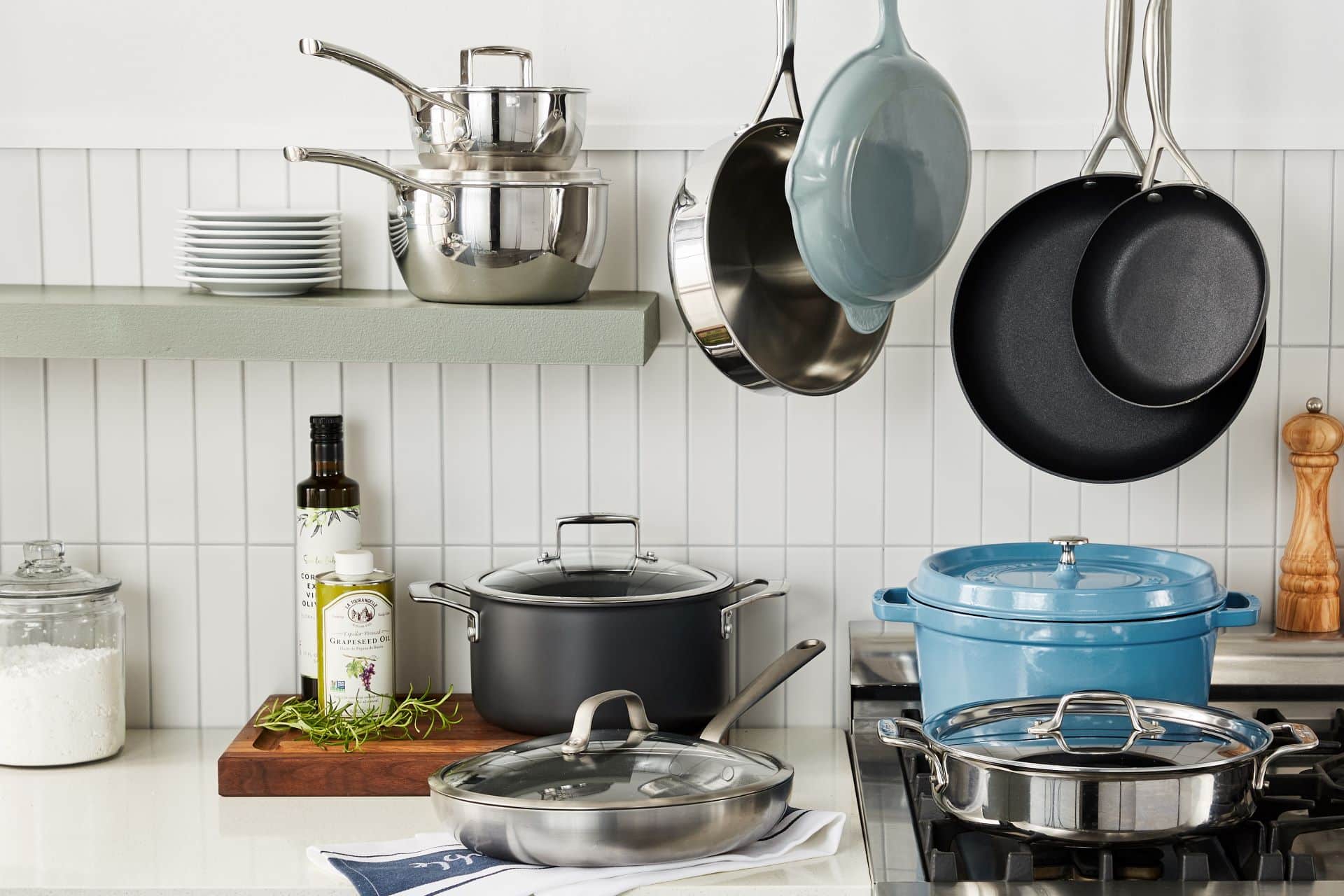
Essential cookware includes a skillet, saucepan, stockpot, and a sauté pan. For versatility, select non-stick and stainless steel options.
What Cookware Do I Need:Starting your culinary journey or refreshing your kitchen essentials requires careful consideration of the cookware that will serve you best. A skillet is indispensable for frying and sautéing; a good non-stick surface can make cooking and cleanup a breeze. Saucepans are perfect for boiling pasta, simmering sauces, or preparing grains, while a larger stockpot caters to soups, stews, and boiling vegetables.
Including a sturdy sauté pan rounds off your collection, allowing for high-heat cooking and ample space for searing meats. Opting for quality materials like stainless steel ensures durability and even heat distribution. Investing in these basic pieces of cookware will equip you to tackle a wide range of recipes and improve your cooking experience.

Credit: www.youtube.com
The Essentials Of A Chef’s Cookware
The Essentials of a Chef’s Cookware are vital for any kitchen.
Whether you’re a budding chef or an experienced cook, having the right tools can make all the difference.
This section dives into the must-have pots and pans and the key features to look for.
Must-have Pots And Pans
- Frying Pan/Skillet: Great for sautéing, frying, and searing.
- Saucepan: Essential for soups, sauces, boiling pasta or vegetables.
- Stockpot: Needed for making stock, stew, and boiling large items.
- Cast Iron Skillet: Perfect for high-heat cooking and oven use.
- Non-Stick Pan: Ideal for eggs and delicate fish.
Key Features To Look For
| Feature | Benefit |
|---|---|
| Material | Heat conductivity, durability, and maintenance vary. |
| Weight | Heavier pans distribute heat more evenly. |
| Handle | Should be comfortable and stay cool. |
| Compatibility | Ensure it works with your stove type. |
| Easy to Clean | Non-stick and dishwasher safe options save time. |
Skillets And Fry Pans
Every kitchen needs the right tools for perfect meals. Skillets and fry pans are essential. Let’s explore the best options for your cooking needs.
The Versatile Skillet
A skillet is a must-have for any kitchen. It cooks almost anything. From eggs to steaks, skillets handle it all. They come in various sizes, typically ranging from 8 to 12 inches. Cast iron and non-stick materials are popular choices.
- Cast Iron Skillets: Ideal for high heat and oven use.
- Non-Stick Skillets: Great for easy cleanup.
- Copper Skillets: Excellent heat conduction for precise cooking.
Non-stick Vs. Stainless Steel
Choosing between non-stick and stainless steel depends on your cooking style.
| Non-stick Skillets | Stainless Steel Skillets |
|---|---|
| Require less oil for cooking | Withstand higher temperatures |
| Easy food release and quick clean up | Perfect for browning and searing |
| Not suitable for high heat | Durable and long-lasting |
Non-stick pans are best for low-fat cooking. Stainless steel is better for browning and deglazing.
Saucepans And Their Uses
A kitchen isn’t complete without a good set of saucepans. These versatile pots are essential for a variety of cooking tasks. Whether you’re boiling pasta, simmering sauce, or preparing soup, saucepans are indispensable. Let’s explore the different uses of saucepans and why size really does matter.
Sauces And More
Saucepans shine when it comes to making sauces. Their design allows for even heat distribution, which is key for a smooth consistency. But their uses extend far beyond sauces:
- Boiling water for pasta or eggs
- Simmering soups and stews
- Steaming vegetables with a steamer insert
- Melting chocolate or butter
- Reheating leftovers
Size Matters
Choosing the right saucepan size is crucial. A small saucepan is great for melting butter or heating sauces. Large saucepans are better for soups and pasta. Here’s a quick guide:
| Size | Use For |
|---|---|
| 1-2 Quarts | Small tasks like sauces |
| 2-3 Quarts | Vegetables, grains |
| 4 Quarts and Above | Large meals, soups |
A well-equipped kitchen has a range of saucepan sizes. This ensures you have the right tool for every meal. Investing in quality saucepans pays off in delicious, well-cooked food.

Credit: www.reddit.com
Stockpots For Soups And Stocks
Every kitchen needs a reliable stockpot. It’s essential for soups, broths, and stocks. A good stockpot can also handle pasta, stews, and boiling vegetables. Let’s explore how to pick the perfect one for your cooking needs.
Choosing The Right Capacity
Selecting the right size stockpot is crucial. Think about the meals you cook often. Capacity matters for feeding a family or meal prepping.
- 6-quart: Ideal for small families or single servings.
- 8 to 12-quart: Versatile for most home cooks.
- Over 12-quart: Best for large batches or canning.
Material Considerations
The material of your stockpot affects cooking performance and durability.
| Material | Heat Conductivity | Durability | Maintenance |
|---|---|---|---|
| Stainless Steel | Even heating | Long lasting | Easy |
| Aluminum | Quick heating | Less robust | Regular |
| Copper | Excellent control | Heavy-duty | More care |
| Non-stick | Easy release | Non-reactive | Hand wash |
Consider your stove type when choosing materials. Induction cooktops need compatible pots. Choose wisely for the best cooking results.
Specialty Cookware
Every kitchen needs some special pots and pans. These help in unique cooking tasks. Let’s explore some must-have specialty cookware.
Dutch Ovens
Dutch ovens are versatile. They work in the oven and on the stove. You can bake bread or stew meat in them. Cast iron is a popular material for these pots. It retains heat well. Many have enamel coatings. This makes them easier to clean. They come in various sizes. A 6-quart Dutch oven suits most needs.
Pressure Cookers
Pressure cookers save time. They cook food fast using steam pressure. This makes them perfect for beans, grains, and tough meats. They come in stovetop or electric models. Stovetop versions are more durable. Electric models have more features. Both are safe and easy to use with practice.
Tip: Always check your pressure cooker’s seal. This ensures it works properly.
Credit: www.businessinsider.com
Baking Essentials
Let’s dive into Baking Essentials. Every baker needs the right tools. This guide will help you pick the best ones. Whether you’re a beginner or a pro, these essentials will make baking fun and easy.
Bakeware Basics
Start with these must-have pieces:
- Measuring Cups and Spoons – For accuracy.
- Mixing Bowls – In various sizes.
- Whisk and Spatula – For mixing batters.
- Rolling Pin – To flatten dough.
- Baking Sheets and Pans – For cookies and cakes.
- Muffin Tins – For cupcakes and muffins.
Silicone, Metal, Or Glass?
Choosing the right material is important. Each has its benefits.
| Material | Benefits |
|---|---|
| Silicone | Non-stick, flexible, easy to clean. |
| Metal | Heats evenly, durable, great for browning. |
| Glass | Heat retention, microwave safe, shows when food is ready. |
Think about what you bake most. This will guide your choice.
Utensils And Accessories
Every kitchen needs the right utensils and accessories. These tools make cooking easier and fun. Let’s look at some key items.
Spatulas, Ladles, And Tongs
- Spatulas flip pancakes and eggs with ease.
- Ladles serve soups and stews without mess.
- Tongs turn meats and salads safely.
These tools help in everyday cooking tasks. Pick ones that feel good in your hand.
Measuring Tools And Timers
Exact measurements and timing are key in cooking. They ensure tasty results.
| Tool | Use |
|---|---|
| Measuring Cups | For liquids and solids |
| Measuring Spoons | For small amounts |
| Timer | For perfect cooking time |
Choose tools that are easy to read and use. This ensures best cooking results.
Maintenance And Care
Ensuring your cookware lasts a lifetime involves regular maintenance and care. The right practices not only preserve your pots and pans but also ensure consistent cooking results. Let’s dive into the essential steps to keep your cookware in top shape.
Cleaning Your Cookware
Clean cookware is crucial for its longevity and performance. Different materials require different cleaning methods. Here are tips to keep in mind:
- Non-stick pans: Use warm, soapy water and a soft sponge.
- Stainless steel: Soak in hot water, then scrub with a non-abrasive pad.
- Cast iron: Wipe with a damp cloth; dry immediately.
- Copper: Polish with a special copper cleaner.
Always avoid harsh chemicals and abrasive scrubbers. They can damage the surfaces. After washing, dry your cookware thoroughly to prevent rust and water spots.
Storage Solutions
Proper storage extends the life of your cookware. Consider these storage tips:
- Stack with care: Place protectors between pots and pans.
- Hang them up: Use hooks to avoid scratches and save space.
- Keep it dry: Store in a cool, dry place to prevent moisture damage.
- Organize lids: Use a lid organizer or rack for easy access.
Remember, orderly storage not only keeps your cookware safe but also makes your kitchen more efficient.
Cookware Sets Vs. Individual Pieces
Choosing the right cookware can shape your kitchen experience. You might wonder between cookware sets and individual pieces. Both options have unique benefits. Your choice depends on your cooking style and needs.
Pros And Cons
Cookware sets offer convenience and uniformity. A set typically comes with essential pots and pans. They match in design and function. Buying a set can also be cost-effective compared to purchasing pieces separately.
However, sets might include items you don’t need. This can lead to wasted space and money. Individual pieces allow for customization. You can choose what fits your cooking habits. This approach may lead to higher quality cookware tailored to your preferences.
On the downside, buying individual pieces can be more expensive. It might also result in a mismatched collection. This could affect the aesthetics of your kitchen.
Building Your Collection
Start with basic pieces. Consider a non-stick skillet, a saucepan, and a stockpot. These cover most cooking tasks. Think about materials like stainless steel or cast iron. They are durable and versatile.
Expand your collection based on what you cook often. Love to sear meat? Add a cast-iron skillet. Enjoy soups and stews? A Dutch oven is a must-have. For healthy cooking, include a steamer basket or a wok.
- Assess your needs before buying
- Quality over quantity; choose durable materials
- Match cookware to your cooking style
Remember, your cookware collection can grow with your skills. Start with essentials and add pieces as you discover new dishes. Your kitchen, your rules!
Considerations For Specific Diets
Special diets require careful consideration. The right cookware can make all the difference. It must suit your food preferences and health needs. Whether you’re a vegetarian or dealing with allergies, the proper tools can enhance your cooking experience. Let’s explore the best cookware tailored to specific dietary requirements.
Cookware For Vegetarians
Vegetarians benefit from versatile, non-reactive cookware. Cast iron, stainless steel, and non-stick pans are excellent choices. They prevent food from sticking and make clean-up easy. Here’s a quick guide:
- Cast Iron Skillets: Perfect for searing and sautéing vegetables.
- Stainless Steel Pots: Ideal for soups and boiling grains.
- Non-Stick Pans: Best for low-fat cooking and delicate foods.
Options For Allergy-friendly Cooking
Cookware for allergy sufferers should prevent cross-contamination. Non-porous materials like glass or ceramic are smart choices. They resist scratches where allergens can hide. Consider these options:
| Material | Benefits |
|---|---|
| Glass Baking Dishes | Easy to clean, doesn’t absorb allergens. |
| Ceramic Pots | Non-reactive, versatile for various dishes. |
| Silicone Bakeware | Flexible, non-stick, and dishwasher safe. |
Remember to keep dedicated cookware for allergy-friendly meals. It ensures safety and peace of mind while cooking.
Eco-friendly And Sustainable Choices
Making eco-friendly and sustainable choices in the kitchen goes beyond what we cook. It’s also about choosing the right cookware. Green living enthusiasts often ponder what pots and pans are best for the environment. Let’s explore options that care for the planet while offering quality and durability.
Environmentally Friendly Materials
Materials matter when selecting eco-friendly cookware. Certain materials have a lower environmental impact and are better for your health.
- Cast Iron: A top choice, it’s durable and improves with age.
- Stainless Steel: Recyclable and long-lasting, it’s a smart pick.
- Ceramic: Offers non-stick qualities without harmful chemicals.
- Bamboo: Great for utensils, bamboo is biodegradable.
Longevity And Recyclability
Invest in cookware that stands the test of time. Longevity means buying less often. It’s good for the planet and your wallet.
| Material | Longevity | Recyclability |
|---|---|---|
| Cast Iron | Generations | Yes |
| Stainless Steel | Decades | Yes |
| Ceramic | Years | Limited |
Choosing recyclable materials ensures products can be reused. This reduces waste and conserves resources.
Budgeting For Quality
Budgeting for quality in cookware is smart. It saves money over time. Good pots and pans last longer. They cook food better too.
Investing In Long-lasting Pieces
Choose cookware that stands the test of time. Cast iron, stainless steel, and copper are top choices. They resist damage and wear. These materials also provide even heat distribution. It leads to better cooking results. Investing more upfront means fewer replacements later. Bold quality materials for a wise kitchen investment.
Finding Deals And Discounts
Quality cookware does not always mean high price tags. Look for sales and promotions. Online retailers and cookware stores often offer discounts. Sign up for newsletters to get special deals. Consider buying sets to save more. It’s possible to get premium cookware without breaking the bank. Use these tips to upgrade your kitchen affordably.
Frequently Asked Questions
What Cookware Should Everyone Have?
Every kitchen needs a versatile set of cookware, including a non-stick frying pan, a stainless steel saucepan, a large stockpot, and a cast-iron skillet. These essentials cater to various cooking needs, from sautéing to simmering.
What Pots Do I Really Need?
Essential pots for any kitchen include a versatile chef’s pot, a sturdy sauté pan, and a quality saucepan. Consider material and size based on your cooking habits for optimal use.
What Pans Should I Be Using?
Choose pans based on your cooking needs: nonstick for eggs, stainless steel for searing meats, and cast iron for even heating. Consider compatibility with induction stoves if necessary.
What Kind Of Cookware Is Best For Everyday Use?
Stainless steel cookware is ideal for everyday use. It’s durable, easy to clean, and maintains even heat distribution. Perfect for various cooking methods, it suits most kitchen needs.
Conclusion
Selecting the right cookware is a pivotal step in any culinary journey. Embrace versatility and quality; prioritize pieces that match your cooking style. Remember, a thoughtfully curated kitchen is your ally in creating memorable meals. Equip yourself wisely, and let the cooking adventure begin!

Leave a Reply