
Professional chefs primarily use stainless steel, cast iron, and copper cookware for superior heat distribution and durability. Understanding what cookware do chefs use reveals the secrets behind restaurant-quality cooking at home. Whether you're a passionate home cook or someone looking to upgrade your kitchen, knowing the preferences of culinary professionals can transform how you approach cooking. Professional chefs don't just grab any pot or pan off the shelf. They've spent years testing different cookware, learning what works best for various cooking techniques, and investing in equipment that performs consistently. In this comprehensive guide, we'll explore the exact cookware that chefs rely on, why they choose specific materials, and how you can apply these professional insights to your own kitchen.

Types of Cookware Chefs Prefer
When it comes to what cookware do chefs use, the choices are far more intentional than most home cooks realize. Professional kitchens stock their shelves with cookware designed for high heat, frequent use, and precise cooking control. Understanding these preferences helps you make informed decisions about your own kitchen investments.
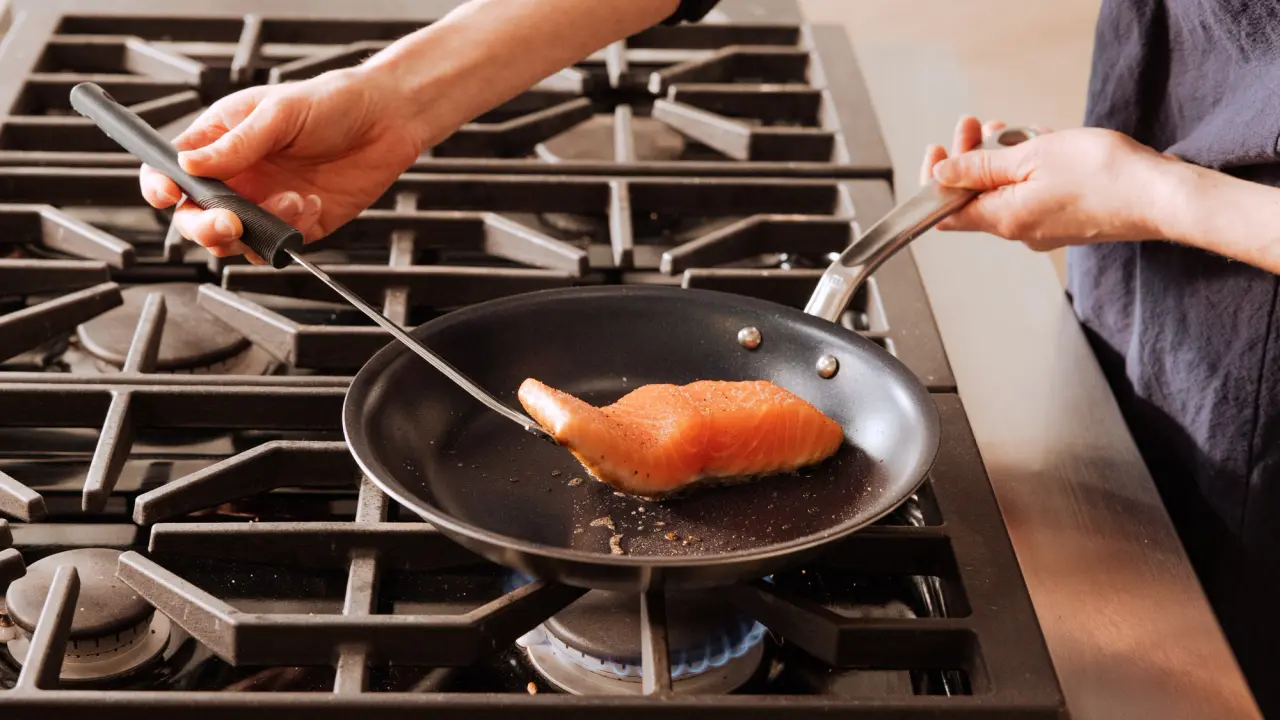
Stainless steel cookware dominates professional kitchens for good reason. It's durable, doesn't react with acidic foods, and provides excellent heat distribution when properly constructed. Chefs appreciate that stainless steel handles can withstand the rigors of constant use and high temperatures without degrading. The material also offers versatility across different cooking methods, from sautéing vegetables to making sauces and boiling pasta.
Cast iron cookware holds a special place in professional cooking environments. Many chefs swear by cast iron for its exceptional heat retention and the way it develops seasoning over time, which actually improves non-stick properties naturally. Cast iron's ability to go from stovetop to oven makes it invaluable for dishes that require multiple cooking stages. Additionally, cast iron becomes more valuable with age, making it a long-term investment rather than a consumable item.
Copper cookware represents the premium choice in professional settings. Copper conducts heat more efficiently than any other common cookware material, allowing chefs to achieve precise temperature control. This is particularly important in pastry work and sauce-making, where exact temperatures directly affect the final product. While copper cookware requires more maintenance and comes at a higher price point, professional chefs consider the investment worthwhile for the level of control it provides.
Aluminum cookware, particularly anodized aluminum, appears in professional kitchens despite being overlooked by many home cooks. Chefs appreciate its lightweight construction and excellent heat conductivity, making it ideal for tasks requiring constant movement and adjustment. Non-reactive anodized aluminum resists staining and doesn't require the seasoning maintenance that cast iron demands.
Essential Pots and Pans Every Chef Uses
The specific pots and pans in a chef's collection represent years of refined preferences. Rather than owning every possible style, professional cooks focus on versatile pieces that handle multiple cooking tasks. This strategic approach to cookware selection is something home cooks can learn from and apply immediately.
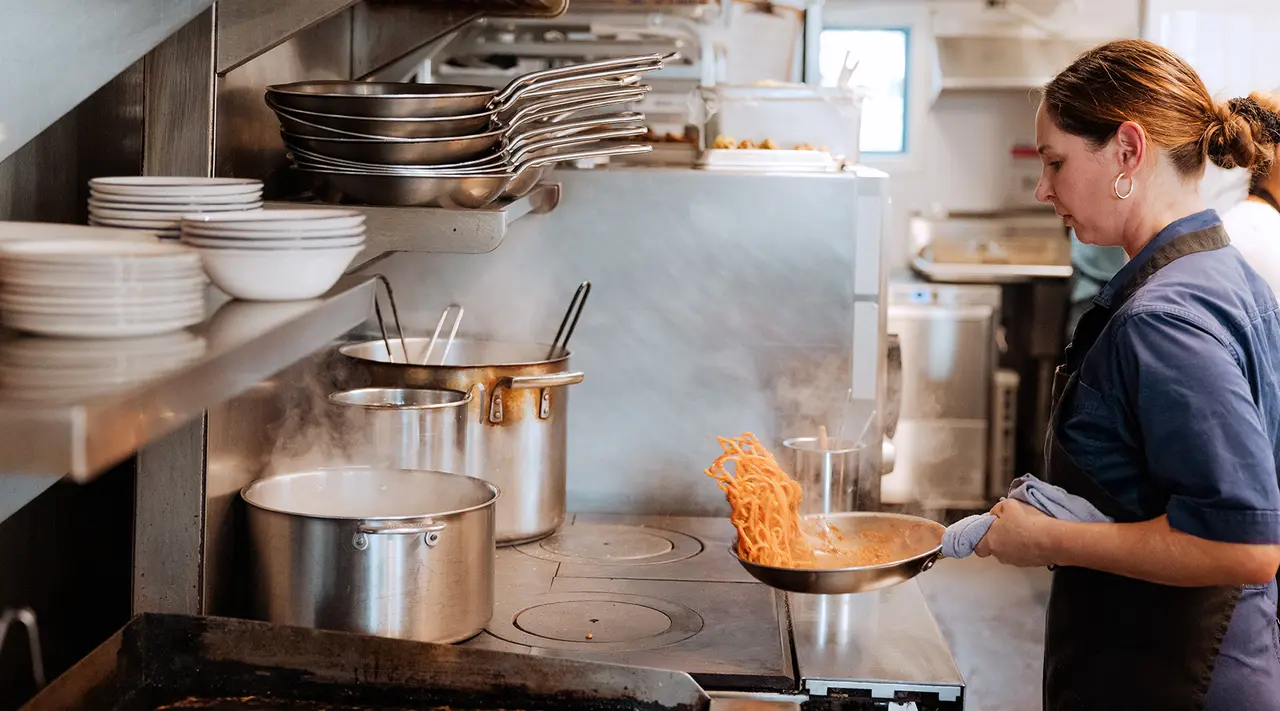
The stockpot remains indispensable in professional kitchens. Chefs use stockpots for making broths, boiling pasta, and cooking soups in large quantities. A quality stockpot should have a heavy bottom for even heat distribution and tall sides to prevent splashing. Most chefs prefer stockpots in the 6 to 12-quart range, as this size offers flexibility without becoming unwieldy. Stainless steel stockpots are standard in professional settings because they don't impart flavors and can withstand decades of daily use.
Sauté pans, or saucepans with sloped sides, are among the most frequently used items in professional kitchens. Chefs rely on these pans for sautéing vegetables, searing meats, and creating pan sauces. The sloped sides make it easy to toss ingredients and slide finished dishes onto plates. A proper sauté pan should have a heavy bottom and sides that heat evenly, preventing hot spots that can burn food. Most professional chefs prefer stainless steel sauté pans ranging from 2 to 4 quarts in capacity.
Frying pans, or skillets, appear in every professional kitchen regardless of cuisine type. The flat bottom and gently sloped sides of a frying pan make it perfect for cooking eggs, pancakes, and searing proteins. Professional chefs often keep multiple frying pans of different sizes, recognizing that having the right-sized pan for the job matters tremendously. Cast iron skillets are particularly popular in professional environments because they develop character over time and provide superior searing capabilities.
Double boilers serve a specific but crucial purpose in professional cooking. Chefs use them for tempering chocolate, making hollandaise sauce, and cooking delicate custards that require gentle, indirect heat. A double boiler prevents direct flame contact with sensitive ingredients, allowing for precise temperature control. Most professional kitchens maintain at least one quality double boiler because it's nearly impossible to improvise this function safely and effectively.
Wok cookware has become increasingly common in professional settings beyond just Asian cuisine. The bowl shape and sloped sides of a wok allow for quick cooking over high heat with constant movement. Chefs appreciate how a properly designed wok distributes heat evenly and allows ingredients to be quickly moved to cooler sections during cooking. Carbon steel woks, which develop seasoning like cast iron, are preferred by many chefs for their performance and durability.

Heat Distribution and Material Thickness
One of the most important factors in what cookware do chefs use comes down to heat distribution capabilities. Professional chefs understand that uneven heating leads to inconsistent cooking results, which is unacceptable in a restaurant setting. This knowledge directly influences which materials and constructions they select.
Heat distribution depends primarily on the bottom construction of cookware. Chefs prefer cookware with thick, heavy bottoms that distribute heat evenly across the cooking surface. A thin bottom allows heat to concentrate in certain areas, creating hot spots that can burn food or cause uneven cooking. The best cookware features a multi-layered bottom with different metals that work together, such as aluminum sandwiched between stainless steel layers.
Material thickness throughout the entire piece matters just as much as bottom construction. Thicker sidewalls heat more evenly and maintain stable temperatures when ingredients are added to the pan. Professional chefs often choose cookware that feels substantial in their hands, recognizing that weight generally indicates quality construction. A lightweight pan might seem convenient, but professional kitchens prioritize performance and longevity over convenience.
Copper's superior conductivity makes it the gold standard for heat distribution. A copper pan conducts heat five times faster than cast iron, allowing chefs to make micro-adjustments to cooking temperatures. This capability is especially valuable in French cuisine, where sauce-making requires exacting temperature control. However, copper's high cost and maintenance requirements mean it's typically reserved for specific applications rather than used for everyday cooking.
Aluminum provides excellent heat conductivity at a lower cost than copper. Many professional chefs use aluminum cookware as a middle ground between stainless steel's durability and copper's performance. Anodized aluminum resists corrosion and won't react with acidic foods, making it suitable for a wide range of dishes. The combination of good heat distribution and reasonable cost makes aluminum appealing to restaurants watching their equipment budgets.
Cast iron's heat retention properties create a different advantage than rapid heat distribution. Once cast iron reaches temperature, it maintains that heat consistently throughout cooking. This makes cast iron exceptional for searing proteins and maintaining the high temperatures needed for stir-frying. Chefs recognize that cast iron's slower heat distribution becomes an advantage once the pan is properly preheated.
Size and Capacity Considerations
Professional chefs understand that having the right-sized cookware for each task prevents inefficiency and ensures better results. The size and capacity of what cookware do chefs use is determined by the types of dishes they prepare most frequently and their kitchen's workflow.
Most professional kitchens maintain a range of pan sizes rather than relying on one-size-fits-all cookware. Having multiple saucepans in different capacities, from 1 quart to 4 quarts, allows chefs to select the perfectly proportioned pan for each ingredient amount. Using an oversized pan for a small quantity of ingredients results in excessive evaporation and uneven heating. Similarly, overcrowding a too-small pan prevents proper cooking and ingredient contact with the heat source.
The 10-inch frying pan size has become standard in professional kitchens because it handles most tasks effectively. This size is large enough to cook proteins for four to six people but small enough to heat quickly and maintain responsive temperature control. Many professional chefs keep multiple 10-inch pans because they're so versatile and frequently in use. Having backups ensures that if one pan is being cleaned or used for another task, another is available immediately.
Stockpot capacity directly relates to the volume of cooking a kitchen needs to handle. A restaurant kitchen preparing soups and stocks daily might maintain 20-quart stockpots, while a smaller operation or home kitchen functions perfectly with an 8-quart pot. The principle remains the same: select capacity based on typical cooking needs, leaving room for boiling without overflowing. Most professional chefs advise filling pots only two-thirds full when cooking to prevent spillovers and ensure adequate heat circulation.
Shallow versus deep cookware choices depend on the specific application. Shallow sauté pans allow easy tossing and ingredient visibility, making them perfect for searing and quick cooking. Deeper pans work better for braising and dishes requiring longer cooking times with liquid. Many chefs keep both styles on hand, recognizing that different dishes demand different pan geometries for optimal results.
Cookware width and diameter matter more than many home cooks realize. A wide-bottomed pan provides more surface area for searing, allowing better browning and flavor development. Narrower pans work better for reducing sauces because the concentrated area allows faster evaporation. Understanding these nuances helps explain why professional kitchens contain such diverse collections of pans.
:max_bytes(150000):strip_icc()/slv-best-stainless-steel-cookware-sets-tout-3b1c87291ef7497d95cc326be3f4a29a.jpg)
Handle Design and Ergonomics
The handles of what cookware do chefs use might seem like a minor consideration, but professional chefs know that handle design significantly impacts safety and efficiency. Poorly designed handles cause fatigue during long cooking sessions and increase the risk of accidents in busy kitchens.
Professional chefs prefer handles that stay cool during cooking, allowing safe handling without protective gear. Stainless steel handles conduct heat, which is why many professional pans use handle designs that prevent direct heat transfer. Some cookware features stainless steel handles with air gaps, which reduce heat conduction to the hand. Others use materials like stainless steel with coatings that insulate against heat, allowing chefs to grab and move pans without hesitation.
Handle length and angle affect how easily a chef can move and control cookware. Longer handles provide better leverage for maneuvering large pots, while shorter handles on smaller pans allow for better control and precision. The angle of the handle should feel natural in hand, allowing wrist to remain relatively straight during cooking. Professional cookware designers spend considerable time testing handle ergonomics, and this attention shows in how the equipment feels during use.
Riveted versus welded handles represent different construction approaches with distinct advantages. Riveted handles, where the handle is attached with rivets through the cookware material, create potential crevices where food and bacteria can hide. Many professional kitchens prefer welded handles that form one continuous piece with the pan, making cleaning easier and more hygienic. The construction method directly impacts food safety protocols in professional kitchens.
Weight distribution affects how easily chefs can handle cookware, especially when it's full of hot liquid or food. Professional cookware is designed so the weight balances properly, making it possible to move and tilt the pan with minimal effort. Poorly balanced cookware causes fatigue and increases the risk of spilling or dropping hot items. This is another area where investing in quality cookware pays dividends every time you cook.
Maintenance and Durability
Professional chefs understand that cookware maintenance directly impacts longevity and performance. What cookware do chefs use is often tested under conditions far more demanding than home cooking, so durability becomes a critical factor in their selections.
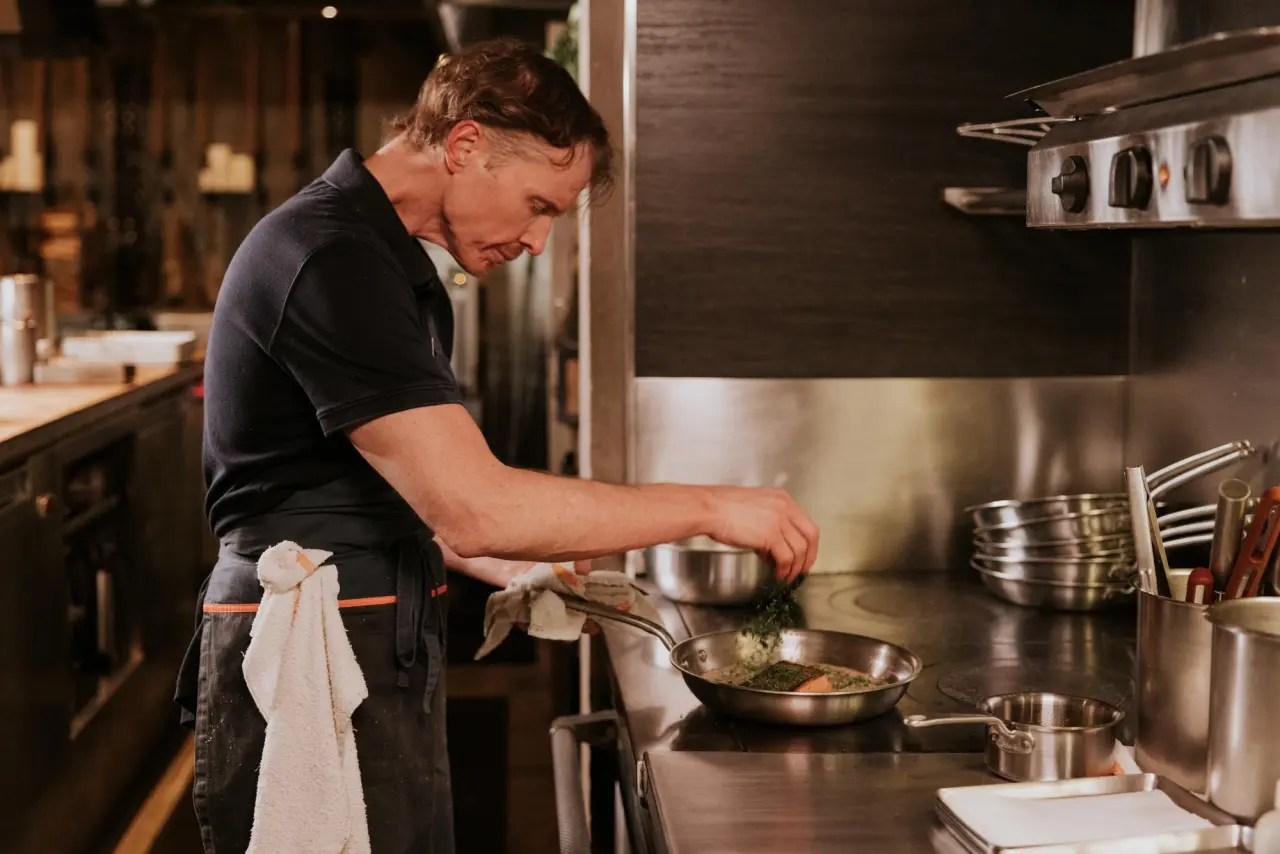
Stainless steel cookware requires minimal maintenance, which is one reason it dominates professional kitchens. Unlike cast iron, stainless steel doesn't need seasoning and won't rust from daily cleaning. However, stainless steel can develop water spots and discoloration over time, which many chefs address through periodic polishing with specialized cleaners. The low maintenance requirements make stainless steel practical for busy restaurant environments where efficiency matters.
Cast iron demands consistent care to maintain its properties and prevent rust. Professional chefs who use cast iron regularly understand that proper seasoning and drying are non-negotiable. They typically hang cast iron or store it in dry areas to prevent moisture exposure that could cause rust. While this requires more attention than stainless steel, many chefs consider the superior cooking properties worth the extra care. Cast iron that's been properly maintained for years or decades actually improves with age.
Copper cookware requires the most maintenance of all common professional cookware materials. Copper oxidizes and discolors quickly, requiring regular polishing to maintain appearance. Some professional chefs embrace this patina as part of the cookware's character, while others maintain a polished appearance for aesthetic reasons. Copper also requires careful handling because it's softer than stainless steel and can develop dents more easily. The high maintenance and cost mean copper is typically reserved for specific culinary applications where its heat distribution advantages are essential.
Aluminum cookware, particularly anodized versions, falls between stainless steel and copper in terms of maintenance needs. Anodized aluminum won't corrode or stain like raw aluminum, making it suitable for acidic foods. It can be cleaned like stainless steel without requiring special care. The durability of anodized aluminum makes it a popular choice in professional kitchens where both performance and practicality matter.
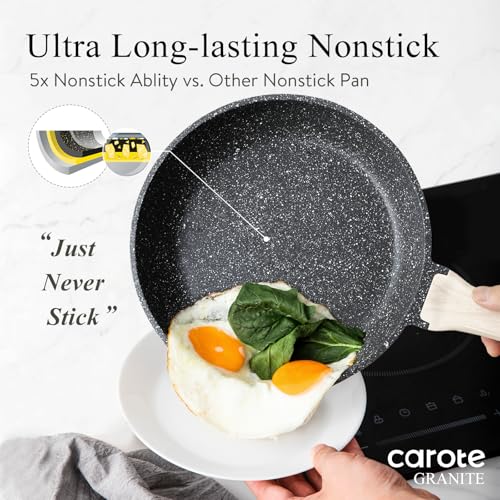
Non-stick coatings on cookware require special consideration in professional settings. While non-stick surfaces can be convenient, they degrade with use, requiring eventual replacement of the cookware. Many professional chefs prefer traditional cookware because it lasts indefinitely. However, some kitchens do use non-stick cookware for specific applications like egg cooking, recognizing its limitations but valuing its specialized benefits.

Professional Chef Preferences by Cuisine Type
The specific choices in what cookware do chefs use often vary by cuisine, reflecting how different cooking traditions prioritize different cookware characteristics. Understanding these preferences reveals the deep connection between culinary heritage and equipment selection.
French chefs traditionally prioritize copper cookware and heavy stainless steel options. French cooking techniques emphasize precise temperature control and sauce work, making copper's superior heat conductivity particularly valuable. Many classic French sauce recipes were developed assuming copper cookware, and chefs following these traditions continue using it. Heavy-bottomed stainless steel saucepans are also common, providing durability while maintaining the precise heat control that French cuisine demands.
Asian chefs frequently rely on carbon steel woks and cast iron cookware. These materials withstand the high heat and constant movement involved in stir-frying and wok cooking. Carbon steel, similar to cast iron, develops seasoning over time and becomes more effective with use. The speed of heat distribution in a wok makes the shape and material choice critical for the quick cooking that defines much of Asian cuisine. Many Asian chefs prefer traditional hand-hammered carbon steel woks over modern mass-produced versions, citing superior performance.
Italian chefs often emphasize simplicity and use a mix of materials depending on the dish. Stainless steel cookware is common for everyday cooking, while some chefs maintain copper pans for specific preparations. Italian cooking's flexibility and focus on ingredient quality over technique sometimes means cookware choice is less critical than in other cuisines. However, professional Italian chefs still select quality cookware that heats evenly and responds well to temperature changes.
Mediterranean chefs working with Spanish, Portuguese, and Greek cuisines frequently use clay cookware alongside modern materials. Traditional clay pans offer unique heat distribution properties that some chefs swear can't be replicated with other materials. These chefs might use clay for specific dishes while relying on stainless steel or cast iron for general cooking tasks. This blend of traditional and modern cookware reflects the cuisine's balance between honoring culinary heritage and embracing modern efficiency.
American chefs, particularly those focused on contemporary cuisine, often mix materials based on specific needs. Some emphasize cast iron for steaks and searing, others prefer stainless steel for versatility, and many maintain specialized cookware like copper for pastry work. The diversity of American cuisine allows chefs to be more selective about specific applications rather than committing to one material philosophy.
Investing in Quality Cookware
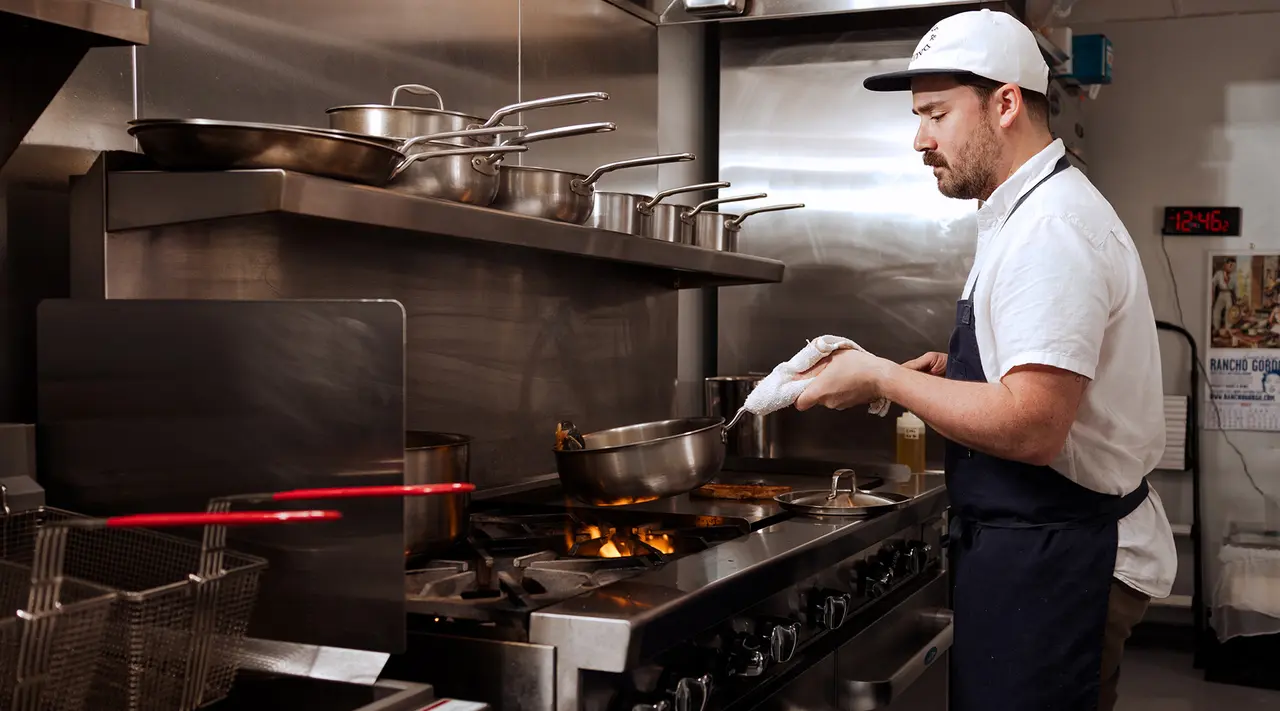
Understanding what cookware do chefs use helps home cooks make smart investments in their own kitchens. Professional chefs don't buy cookware based on price alone; they evaluate value, considering how many years of service the equipment will provide.
Quality cookware typically costs more initially but provides better performance and lasts significantly longer than budget options. A professional-grade stainless steel saucepan might cost three times more than a thin, lightweight budget version, but it will last decades with proper care. When you calculate the cost per year of use, quality cookware becomes the more economical choice. This is why chefs prioritize investing in a smaller collection of excellent cookware over a larger collection of mediocre options.
The weight and feel of cookware in hand provide reliable indicators of quality. Professional cookware should feel substantial, not flimsy, with weight distributed evenly. When you lift a quality pot or pan, the balance should feel natural and the material should feel solid throughout. Flimsy cookware that feels light and hollow is unlikely to perform well or last long, regardless of the brand name or price.
Brand reputation matters in professional kitchens, but experienced chefs know to look beyond marketing claims. Brands with long histories of producing professional cookware have earned their reputations through consistent quality. Seeking cookware from manufacturers who specifically serve professional kitchens rather than exclusively targeting home consumers often leads to better choices. Reading reviews from professional chefs and culinary schools provides more reliable guidance than marketing material.
Building a cookware collection gradually allows home cooks to invest in quality pieces one at a time. Rather than buying a complete set at once, professional chefs recommend starting with the most essential pieces and adding to the collection based on actual cooking needs. This approach allows you to invest more in the pans you use most frequently while building the collection strategically.
Proper storage of cookware extends its useful life and keeps your kitchen organized. Professional kitchens use hanging racks, magnetic strips, or dedicated storage areas to keep cookware accessible while protecting it from damage. At home, finding appropriate storage solutions prevents cookware from getting damaged or dented during storage, maintaining its appearance and performance.
:max_bytes(150000):strip_icc()/faw-stainless-steel-cookware-sets-june-24-test-made-in-starter-6-piece-rkilgore-1167-909804198e7d45c1b218de38f619974f.jpeg)
Budget-Friendly Alternatives
Not everyone has access to the budgets that professional kitchens command, but understanding what cookware do chefs use helps identify which pieces deserve investment and which can be budget-conscious purchases.
Stainless steel cookware offers good value at various price points. A mid-range stainless steel saucepan will perform surprisingly similarly to premium versions, though the premium options might have slightly better heat distribution and more durable handles. For many home cooks, mid-range stainless steel represents an excellent balance between quality and cost. Avoiding the absolute cheapest options prevents disappointment, but spending triple the price doesn't always yield proportionally better results.
Cast iron remains one of the most economical long-term investments in cookware. A new cast iron skillet costs very little, and properly maintained cast iron lasts indefinitely. You can also find vintage cast iron at thrift stores, estate sales, and online marketplaces for minimal cost. Many of the best cast iron pieces in use today were manufactured decades ago and continue performing beautifully. For budget-conscious home cooks, cast iron provides professional-quality cooking capabilities at minimal initial investment.
Building a mixed collection allows you to get professional-quality results without the professional-level budget. A combination of one or two quality stainless steel pans, a cast iron skillet, and a basic stockpot can handle the vast majority of home cooking tasks. Adding specialty pieces as you discover you need them means your collection grows thoughtfully rather than trying to have everything immediately.
Sales and discounts on cookware can provide opportunities to invest in quality pieces at lower prices. Waiting for holiday sales or cookware specific sales events allows you to purchase better-quality cookware than an immediate budget might support. Many kitchen stores offer discounts on previous-season items or overstocked pieces, providing savings on excellent cookware without waiting indefinitely.
Cookware from restaurant supply stores sometimes offers better value than retail kitchen stores. These stores primarily serve professional customers, so they focus on value and durability rather than aesthetic packaging or marketing. Many restaurant supply stores now welcome home cooks, and browsing their selection often reveals excellent cookware options at reasonable prices.
What Professional Chefs Avoid
Understanding what cookware do chefs avoid is just as important as knowing what they choose. Professional experience has taught chefs to recognize cookware characteristics that compromise performance or create problems.
Chefs avoid non-stick cookware with questionable durability or coatings that degrade quickly. While some professional kitchens use premium non-stick cookware for specific applications, they avoid cheap non-stick cookware that loses effectiveness within a year. The environmental concerns around traditional non-stick coatings also influence some chefs to minimize non-stick use. Non-stick cookware also typically can't handle the high heat that many professional techniques require.
Thin-bottomed cookware is avoided in professional kitchens despite sometimes being less expensive. Thin bottoms don't distribute heat evenly and can't maintain stable temperatures during demanding cooking. Chefs know that saving money initially on thin cookware results in inferior cooking outcomes and replacement purchases sooner than quality cookware would require.
Cookware with problematic handles that get too hot or don't feel balanced is rejected by professional chefs. In a busy kitchen, unsafe or uncomfortable handles introduce risk and reduce efficiency. No amount of savings on the pan justifies handles that can't be safely used without protective equipment or that cause fatigue during regular use.
Reactive cookware that interacts with certain foods is avoided for most applications. Unlined aluminum, unlined copper, and bare cast iron can react with acidic ingredients like tomatoes or vinegar, imparting metallic flavors. While cast iron is highly valued, chefs use it strategically and understand its limitations. Stainless steel's non-reactive nature makes it the safe choice for most everyday cooking.
Cookware with rivets that collect food or bacteria is increasingly avoided in professional kitchens due to health and safety concerns. Welded construction provides better sanitation and easier cleaning. This is a primary reason why modern professional cookware trends toward welded rather than riveted handles.
Cookware that can't be efficiently cleaned is problematic in professional settings. Equipment that requires special cleaning methods or might get damaged in dishwashers adds complications to kitchen operations. Professional chefs prefer cookware that can be easily cleaned with standard methods without special precautions.
Frequently Asked Questions
What brand of cookware do professional chefs use most?
Professional chefs use various brands depending on their specific needs and budgets, but All-Clad, Calphalon, Le Creuset, and Mauviel are popular choices in professional kitchens. All-Clad is particularly favored for its stainless steel cookware with excellent heat distribution, while Mauviel specializes in copper cookware preferred by French chefs. The brand matters less than the cookware's quality, construction, and suitability for specific cooking tasks.
Is non-stick cookware used in professional kitchens?
Some professional kitchens do use non-stick cookware for specific tasks like cooking eggs or certain delicate dishes, but it's not the primary cookware choice. Professional chefs understand non-stick coatings degrade with high heat and time, making them less suitable for the demanding daily use of restaurant kitchens. Most professional cooks prefer traditional cookware that lasts indefinitely and can withstand the rigorous requirements of professional cooking.
Why do chefs prefer stainless steel cookware?
Chefs prefer stainless steel because it's durable, doesn't react with acidic foods, is easy to maintain, and provides reliable heat distribution when properly constructed. Stainless steel cookware can withstand decades of daily use in busy kitchens without degradation, making it an economical long-term investment. Unlike cast iron, stainless steel requires no seasoning and no special care beyond normal cleaning, which makes it practical for professional environments.
Can home cooks use the same cookware as professional chefs?
Home cooks absolutely can use the same cookware that professional chefs use, though they might prioritize differently based on their cooking habits. Many of the cookware brands and materials used in professional kitchens are available for home cooks to purchase. Starting with quality stainless steel and cast iron pans, similar to what chefs use, gives home cooks professional-quality cooking capabilities without requiring an extensive collection.
What cookware should beginners invest in first?
Beginners should invest first in a quality 10-inch stainless steel sauté pan and an 8-quart stainless steel stockpot, as these handle the majority of everyday cooking tasks. Adding a cast iron skillet provides versatility for searing and stovetop-to-oven cooking. These three pieces, totaling less investment than a complete cookware set, give beginners the same core tools that professional chefs rely on most frequently.
How often should professional cookware be replaced?
Quality professional cookware lasts decades with proper care and rarely needs replacement due to wear. Cast iron can last a lifetime or longer if properly maintained, and stainless steel cookware typically outlasts the chef using it. Non-stick cookware has the shortest lifespan, typically requiring replacement every few years. Rather than replacing cookware, most professional chefs focus on proper maintenance and care to extend the useful life of their equipment.
Conclusion
The cookware that professional chefs use reflects years of experience, testing, and refined preferences developed through daily use in demanding kitchen environments. Stainless steel, cast iron, and copper cookware remain the foundation of professional cooking because they deliver consistent performance and long-term value. Understanding the reasoning behind professional chef choices empowers home cooks to make smarter investments in their own kitchens, selecting cookware based on actual cooking needs rather than marketing claims or complete sets.
Start with quality essentials like a stainless steel sauté pan, a stockpot, and a cast iron skillet, then expand your collection based on the dishes you cook most frequently. Remember that the best cookware for you is the cookware you'll use regularly and maintain properly. Investing in quality pieces that match your cooking style and budget creates a kitchen that performs as well as any professional operation. Take action today by evaluating your current cookware and identifying which professional-quality pieces would most improve your cooking experience.

Leave a Reply