
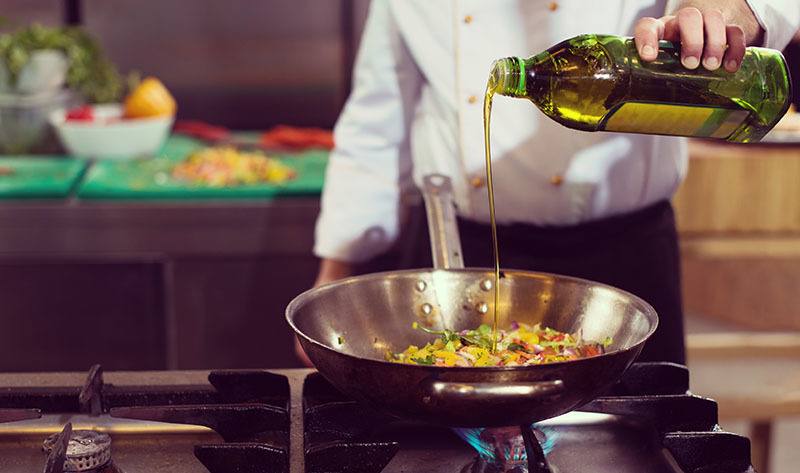
Professional chefs often use high-quality stainless steel and cast iron cookware. These materials provide durability and excellent heat conduction.
What Cookware Do Chefs Use:Choosing the right cookware is crucial for culinary success, and professional chefs are particular about the tools they use in the kitchen. Stainless steel is favored for its non-reactive nature, ensuring that it doesn’t impart any metallic taste to food.
It’s also incredibly durable and can withstand high temperatures, making it suitable for searing and sautéing. Cast iron, on the other hand, is renowned for its heat retention and even cooking. It’s perfect for recipes that require consistent heat over a long period, like slow-cooked stews. These materials also transition well from stovetop to oven, offering versatility in cooking techniques. For those serious about cooking, investing in such reliable cookware is a step towards professional-grade culinary creations at home.

Credit: www.theindusvalley.in
Introduction To Chef-grade Cookware
Let’s dive into the world of chef-grade cookware. Chefs use special pots, pans, and tools. These items help them cook amazing food. We will explore what makes chef-grade cookware stand out.
The Importance Of Quality
High-quality cookware changes the game in the kitchen. It cooks food better and lasts longer. Chefs choose the best materials. This includes stainless steel, cast iron, and copper. These materials spread heat evenly. This means no burnt spots in your food.
- Stainless Steel: Durable and easy to clean.
- Cast Iron: Great for high heat and retains heat well.
- Copper: Heats up fast and offers precise cooking.
How Professional Choices Differ
Chefs pick tools based on the dish they are cooking. Each material has its benefits.
| Material | Benefits |
|---|---|
| Stainless Steel | Non-reactive, durable |
| Cast Iron | High heat cooking, flavor enhancement |
| Copper | Precise temperature control |
Choosing the right tool is key to a chef’s success. They think about the food’s needs. They also think about how the cookware affects the taste.
Materials Matter In The Kitchen
Materials matter in the kitchen for every chef.
Chefs choose cookware based on heat conduction, durability, and maintenance.
From stainless steel to copper, the right material can make a dish perfect.
Stainless Steel Staples
Stainless steel cookware is a chef’s ally.
- Resists rust and corrosion
- Withstands high temperatures
- Non-reactive with acidic foods
Chefs value stainless steel for its even heating.
The Versatility Of Cast Iron
Cast iron excels in heat retention.
It’s perfect for searing, frying, and baking.
Its non-stick surface improves with use.
Chefs love cast iron for its versatility.
Copper: The Conductive Choice
Copper cookware heats up fast.
It cools down quickly for precise cooking.
Chefs pick copper for delicate sauces and chocolates.
Copper offers unmatched temperature control.
Brands Chefs Swear By
Ever wonder what cookware pro chefs use to whip up delicious dishes? They have their go-to brands. Let’s uncover the secrets behind those scrumptious meals.
High-end Favorites
Chefs love quality that lasts. They choose durable and reliable cookware. Brands like All-Clad, Le Creuset, and Mauviel often top their lists. These brands offer exceptional heat distribution. They also promise longevity.
All-Clad is known for its stainless-steel craftsmanship. Le Creuset shines with its enameled cast iron. Mauviel offers excellent copper pots and pans.
- All-Clad: Stainless-steel excellence.
- Le Creuset: Colorful cast iron.
- Mauviel: Superior copper cookware.
Budget-friendly Options
Not all chef-approved cookware breaks the bank. Brands like T-fal and Lodge provide affordable quality. These options are both accessible and professional-grade.
T-fal is praised for non-stick surfaces. Lodge is loved for its seasoned cast iron. Both brands offer products that perform well without the hefty price tag.
| Brand | Feature | Price Range |
|---|---|---|
| T-fal | Non-stick and durable | $ |
| Lodge | Seasoned cast iron | $ |
Essential Pots And Pans
Essential Pots and Pans form the backbone of any professional kitchen. Chefs rely on a variety of cookware to craft their culinary creations. Knowing which pots and pans are indispensable can transform your cooking. Let’s explore the must-have items for every chef.
Must-have Skillets
Chefs treasure their skillets for their versatility. These pans can sear, sauté, and even bake. Two types stand out:
- Cast Iron Skillet: Perfect for high-heat cooking and developing a non-stick surface over time.
- Stainless Steel Skillet: Known for its even heat distribution, ideal for precise cooking.
Saucepans For Every Sauce
A saucepan is essential for making sauces, cooking grains, and boiling eggs. Key features include:
| Material | Benefit |
|---|---|
| Copper Core | Excellent heat control |
| Non-Stick | Easy cleanup |
| Anodized Aluminum | Durable and lightweight |
Stockpots For Soups And Stews
The stockpot is a chef’s best friend for soups, stews, and boiling pasta. Important qualities are:
- Heavy Bottom: Prevents burning
- Large Capacity: Cooks in bulk
- Durable Handles: Ensures safe handling
Specialty Cookware For Culinary Excellence
Chefs seek specialty cookware for culinary brilliance. Each dish’s success often hinges on using the right tool. Thus, top chefs invest in a range of cookware tailored to specific cuisines and techniques. Let’s explore some essential specialty items that professional chefs keep at their fingertips.
Woks For Asian Cuisine
The wok is a staple in Asian cooking. Its unique shape allows for high-heat stir-frying, a technique central to many Asian dishes. Chefs choose woks made from carbon steel or cast iron for even heat distribution and non-stick properties. The wok’s versatility extends beyond stir-frying to steaming, deep-frying, and braising.
- Carbon steel woks heat up quickly and evenly.
- Cast iron woks retain heat for consistent cooking.
- Non-stick coatings offer hassle-free stir-frying.
Dutch Ovens For Baking And Braising
The Dutch oven is a chef’s best friend for baking and braising. This heavy-duty pot works well in the oven and on the stove. Chefs favor Dutch ovens made from enameled cast iron for their durability and heat retention. Perfect for slow-cooked stews or freshly baked bread, a Dutch oven is a multipurpose marvel.
| Dutch Oven Material | Benefits |
|---|---|
| Enameled Cast Iron | Non-reactive and easy to clean |
| Bare Cast Iron | Excellent heat retention |
| Stainless Steel | Lightweight and non-corrosive |
Both the wok and Dutch oven are examples of specialty cookware that enable chefs to create authentic, high-quality dishes. By understanding and utilizing these tools, chefs can achieve culinary excellence that satisfies and impresses.
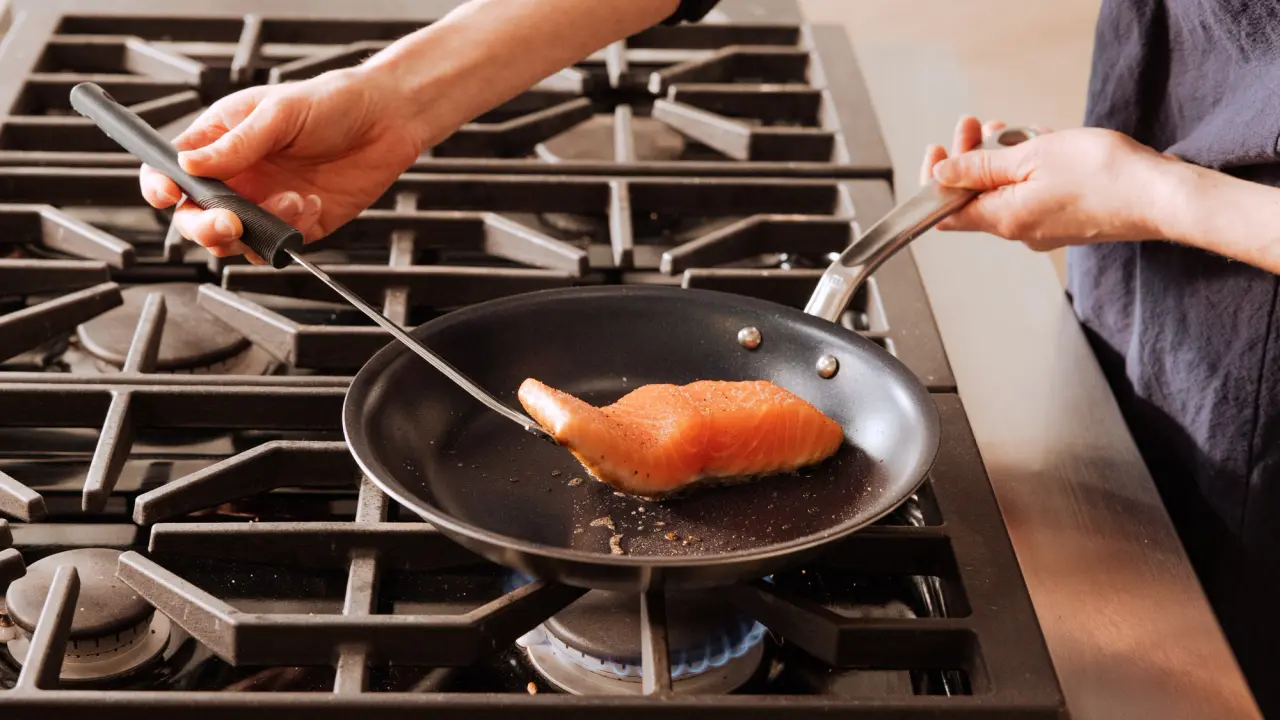
Credit: madeincookware.com
Innovative Tools And Gadgets
Let’s dive into the world of innovative tools and gadgets chefs love. These tools make cooking fun and easy. Chefs use special gear to create yummy dishes.
Precision Instruments
Chefs need tools that are exact. This helps them make perfect meals.
- Digital scales – They measure ingredients accurately.
- Thermometers – These check if food is cooked just right.
- Laser thermometers – They measure the heat without touching the food.
Multipurpose Tools
Chefs love tools that do many things. It saves space and time.
- Food processors – They chop, blend, and mix.
- Immersion blenders – Easy to use for soups and sauces.
- Mandolines – They slice veggies thin and fast.
Maintaining Professional Cookware
Professional chefs know the secret to perfect dishes: top-quality cookware. Maintaining professional cookware is key. It ensures tools perform their best and last longer.
Cleaning And Care Tips
Proper cleaning keeps cookware in top shape. Follow these steps:
- Wash immediately after use to prevent food from sticking.
- Use mild soap and warm water for most cookware.
- Avoid harsh scrubbers on non-stick surfaces to prevent damage.
- Dry completely before storing to prevent rust and spots.
- Season cast iron pans regularly to maintain their non-stick surface.
When To Replace
Even with good care, cookware won’t last forever. Look for these signs:
| Type of Cookware | Signs It’s Time to Replace |
|---|---|
| Non-stick pans | Scratching, peeling, or loss of non-stick coating |
| Stainless steel | Deep scratches, rust spots, or warping |
| Cast iron | Cracks, or if re-seasoning doesn’t restore surface |
Replace damaged cookware to ensure safe, delicious meals.
Where To Buy Chef-quality Equipment
Chef-quality cookware elevates cooking to new heights. Professionals use top-tier equipment. Such gear is accessible for home chefs. This section guides on buying chef-level cookware.
Culinary Supply Stores
Local culinary stores offer a wide selection. These stores provide professional-grade pots, pans, and utensils. Staff can share advice and insights. They often host cooking demos. Customers can feel and test products before purchase. These stores carry brands chefs trust.
- Expert staff guide purchases
- Cooking demos showcase equipment
- Hands-on experience with products
Online Marketplaces
Online marketplaces offer convenience. Sites like Amazon and eBay feature a vast inventory. They have tools for all cooking levels. Shoppers can read reviews from other chefs. Comparing prices and features becomes simple. Online stores often have exclusive deals.
| Benefits | Examples |
|---|---|
| User reviews guide buying | Amazon, eBay |
| Price comparison tools | Google Shopping |
| Exclusive online deals | Brand websites |
Cook Like A Chef At Home
Cook Like a Chef at Home – this phrase often inspires images of shiny stainless steel, well-seasoned cast iron, and razor-sharp knives. But what cookware do professionals actually use, and can home cooks replicate these culinary feats? With the right tools and techniques, any kitchen can turn into a chef’s paradise.
Adapting Pro Techniques
Professional chefs master techniques that elevate their cooking. Home cooks can adopt these methods too. Let’s explore how.
- High heat searing for the perfect steak crust
- Low and slow cooking for tender, fall-off-the-bone meats
- Precise temperature control for delicate sauces and chocolates
Using these techniques requires cookware that can withstand varying temperatures and distribute heat evenly.
Selecting Cookware For Your Kitchen
Choosing the right cookware is crucial for home chefs. Here’s what to consider:
| Material | Use | Benefit |
|---|---|---|
| Stainless Steel | Versatile cooking | Durable, non-reactive |
| Cast Iron | Searing, frying | Excellent heat retention |
| Copper | Precise cooking | Superior heat conductivity |
| Non-stick | Easy release of food | Simple cleanup |
Quality matters. Look for well-constructed pieces with sturdy handles and even bases. Chefs often choose brands known for their longevity and performance.
Remember, the right pan can make a world of difference. A heavy-duty skillet for searing meats or a saucepan with a thick base for gentle simmering can transform your cooking experience. Choose cookware that suits your cooking style and kitchen needs.
Conclusion: Elevating Your Cooking Game
Mastering the kitchen means using the right tools. Let’s explore how to elevate your cooking game.
Investing In Quality
Professional chefs choose top-tier cookware. This choice is crucial for consistency and excellence. Quality cookware conducts heat efficiently and stands up to daily use. Consider materials like stainless steel, cast iron, and copper. These materials yield remarkable results and last for years.
- Stainless steel: Versatile and durable
- Cast iron: Ideal for even cooking
- Copper: Excellent heat control
Continuous Learning And Practice
Great chefs never stop learning. They experiment with recipes and techniques. Practice is key to mastering any dish. Embrace mistakes as learning experiences. Expand your skills with new cuisines. Take classes or watch tutorials. Grow your culinary repertoire.
- Experiment with new recipes
- Learn from mistakes
- Expand your skill set
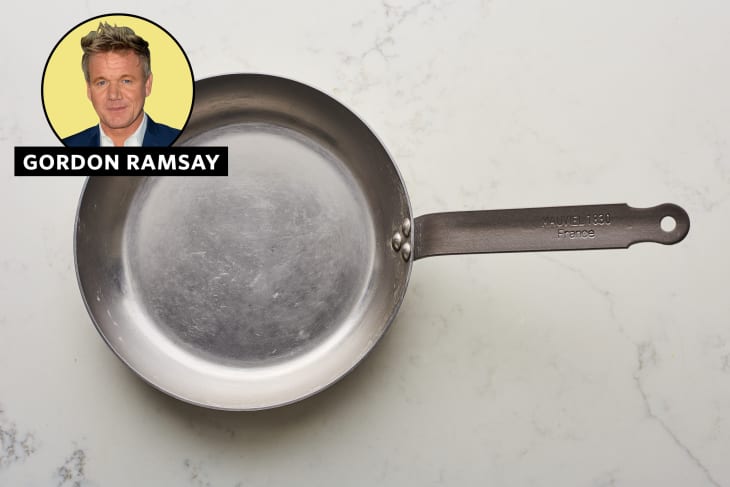
Credit: www.thekitchn.com
Frequently Asked Questions
What Pans Do Most Professional Chefs Use?
Professional chefs often use stainless steel, cast iron, and non-stick pans for their durability and heat distribution capabilities.
What Cookware Does Gordon Ramsay Actually Use?
Gordon Ramsay uses Scanpan brand pans and prefers non-stick cookware for everyday cooking. He also endorses the Royal Doulton brand for high-quality kitchenware.
What Is The #1 Rated Cookware?
The #1 rated cookware varies by reviews, but All-Clad often tops the list for quality and durability.
Why Do Chefs Only Use Stainless Steel Pans?
Chefs prefer stainless steel pans for their durability, even heat distribution, and non-reactivity with food, ensuring consistent cooking results.
Conclusion
Professional chefs choose their cookware with precision, focusing on quality, durability, and heat distribution. From robust stainless steel to responsive copper, they select the best tools for culinary excellence. Elevate your cooking by embracing the cookware trusted by the experts.
Your kitchen, too, can reflect the finesse of a chef’s haven.


Leave a Reply